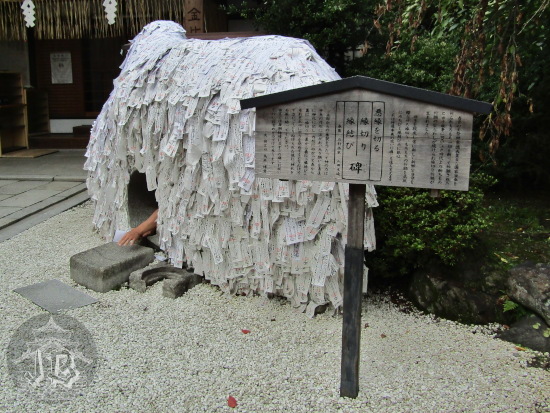
I started off the day at Yasui-Konpira-gu [安井金比羅宮], a shrine with a huge ema-like “mound” called Kushi-zuka [久志塚] with a hole in the middle. It is thought that if you write your wish on a paper, glue it on the mound and then crawl through the hole and back, your wish comes true. In case you’re wondering, no, I didn’t go through.
Then I walked all past Gion again to return to Gion Shirakawa [祇園白川] and Tatsumi Bashi [祇園 巽橋] to see the area by light. I saw Tatsumidaimyojin [辰巳大明神], the Kanikakuni monument, Kanikakuni Ishibumi (Koma-satsu) [かにかくに碑(駒札)], and a very cool heron (or crane?) who totally owned the place.

After this little stroll, it was still early so I headed off to the reconstructed castle Fushimi-Momoyama-jo [伏見桃山城]. It was a very cool castle, but it was not open to the public (this trip was not castle-lucky, now that I think about it).

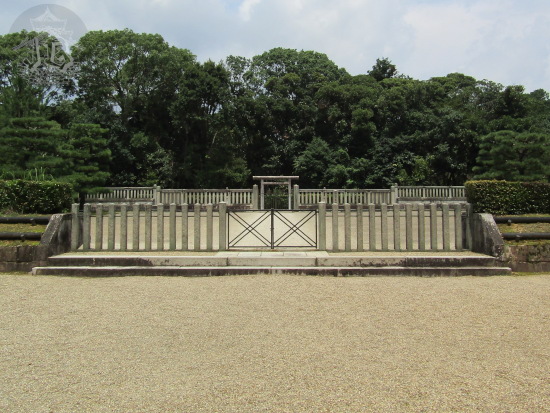
Underneath the castle, I found the Mausoleum of Emperor Kanmu Kanmu Ten’nō Kashiharanomisasagi [桓武天皇 柏原陵].
And then I walked off to the opposite part of the hill. On my way I found some of the original rocks that had conformed the Ninomaru [二ノ丸跡] of Momoyama-Jo.

I kept ascending until I reached Meiji Ten’nō Fushimi Momoyama no Misasagi [明治天皇 伏見桃山陵], Emperor Meiji’s Tomb at Fushimi Momoyama, which was… somehow very sober and somewhat humble for such an important figure in Japanese history (then again I’ve recently visited the Spanish Royal Family Pantheon so… hm… yeah. Anything is more sober than that.)

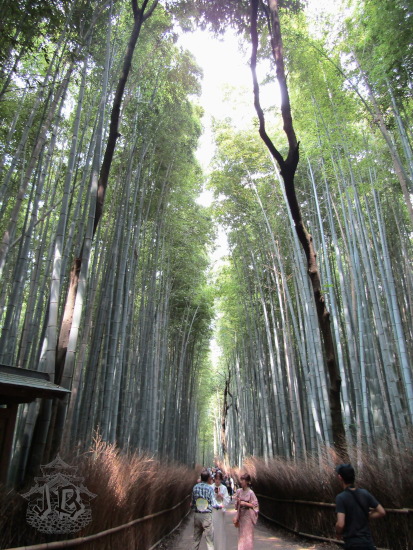
After that I was tired and hot, so I needed a break – and the best way to have a break is a train ride. I rode back to Kyoto Station and from there I headed off towards the Arashiyama area. I wandered around the Bamboo Grove Arashiyama Chikurin no Shōkei [嵐山 竹林の小径] for a while. It was packed so I kept diverting towards other areas.
I walked into Rakushisha [落柿舎], a poet’s house, where I got a shuuin.

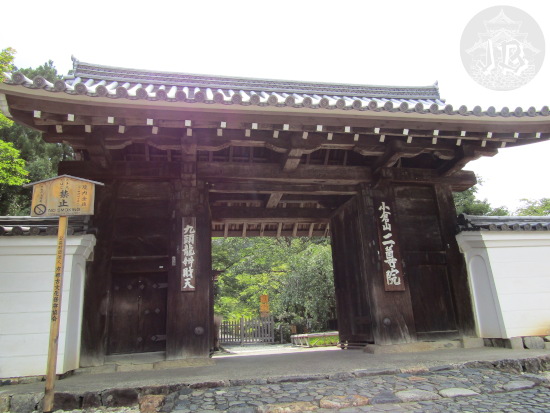
Then I went up the road to Nison-in [二尊院].
On my way back I stopped to admire the lotus flowers, which were in full bloom.

I considered going into the Museum of Korean arts, but as it was closed, my decision was irrelevant, so I decided to head back towards the Arashiyama Koen Nakanoshima Chiku [嵐山公園 中之島地区], the Nakanoshima area of Arashiyama Park. I saw the Kadono Ooi [葛野大堰], the small damn in the river, and crossed the Togetsu-kyō Bashi [渡月橋] bridge.
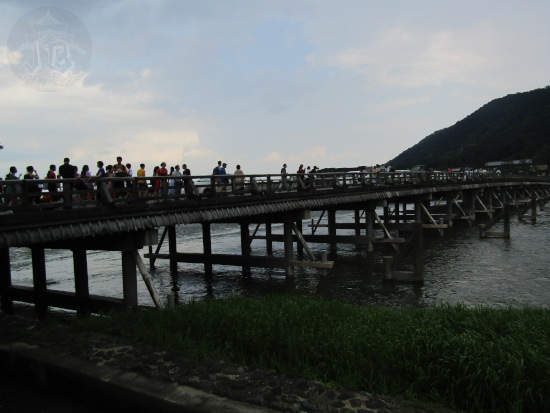

There I climbed up to Ichitani-Munakata-Jinja [櫟谷宗像神社].

I decided against climbing to the Monkey Park, and I was halfway back through the bridge, when the skies opened and a huge thunderstorm hit – so indeed, Arashiyama became the mountain of storms! I waited half of it under the canopy of a shop, and after twenty minutes I braved running across the street to the Lawson to get myself a sandwich and ate it as the rain dwindled enough for the streets to be walkable again.

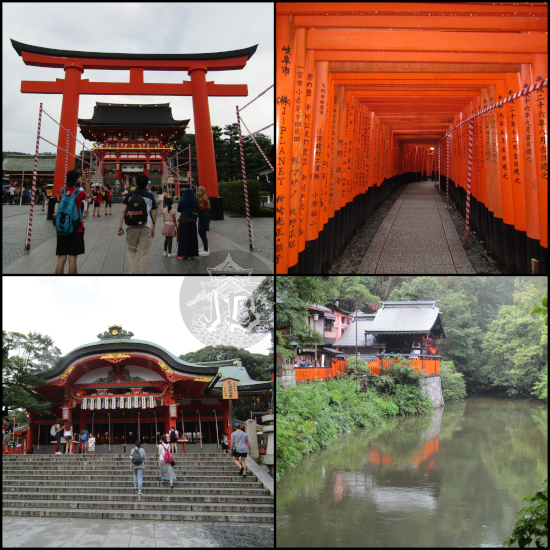
Once that happened, I walked to the station and took a train back to Kyoto and then to Fushimi Inari Taisha [伏見稲荷大社]. I did two sweeps – one with light and once when the sun was setting. Of course I did not climb the whole mountain, I just stayed to see the main buildings and the Senbontorii [千本鳥居] (the loooong torii line) lit.

And finally I headed off back to have some food and rest.
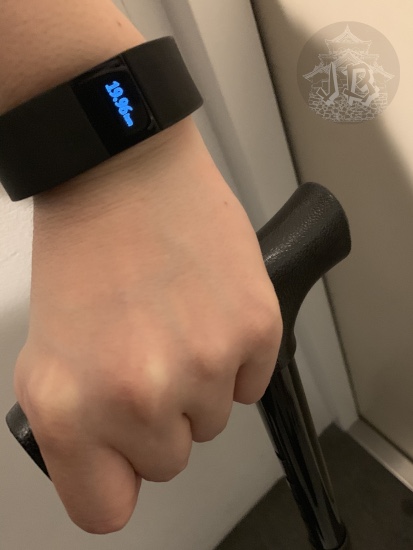
Walked distance: 27897 steps, 19.9 km (so glad I took my cane today!)


 JBinnacle – A Travel Logbook