20th July 2017: Dazaifu – not ready for thorough tourism {Japan, summer 2017}

Dazaifu [大宰府] was the neuralgic centre of the island of Kyushu between the 7th and the 12th century. Today is sort to Fukuoka what Nikko is to Tokyo. Nowadays it is mostly known for its temples and shrines. It has a central core close to the station where you get around quite easily and a few things off the way which… are an adventure to get to.

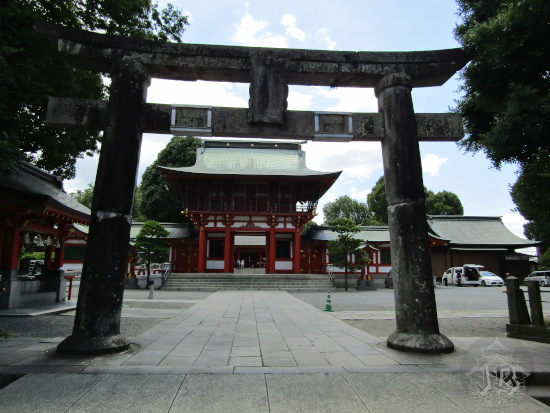
I started the day visiting Dazaifu Tenmangu [大宰府天満宮], which was crawling with tourists to the point that it was hard to walk at times. It is a big shrine with a huge bridge over a pond in the shape of 心.

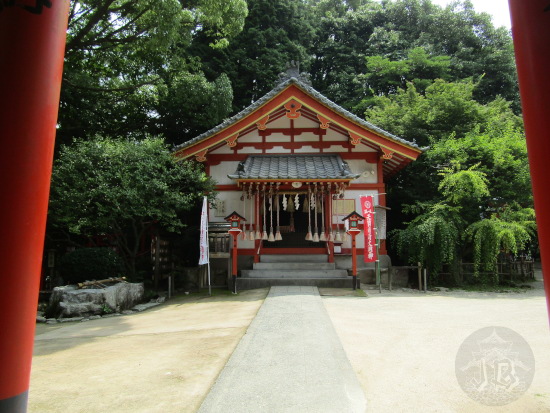
Afterwards I got myself a bottle of water and climbed up to Tenkai Inari Jinja [天開稲荷神社] which would have been really, really awesome and creepy if I had been alone, but alas, there were a bunch of other tourists along. It was quite of a climb up so the number was fewer, which made it less crowded though.
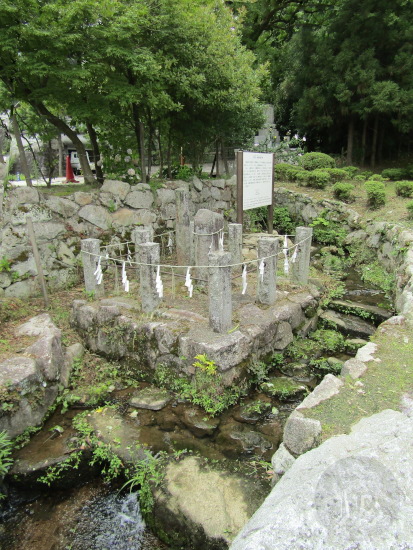
After climbing down I wandered around and passed a tiny shrine on the bank of Aizome River [藍染川] the place of a rebirth of a woman named Umetsubo. There is also a small shrine and a “historical site.”
After this I reached Kōmyōzen-ji [光明禅寺], a Zen temple with a great garden, but no pictures were allowed, and you could not really walk through the gardens. However, it was much, much emptier and nicer.
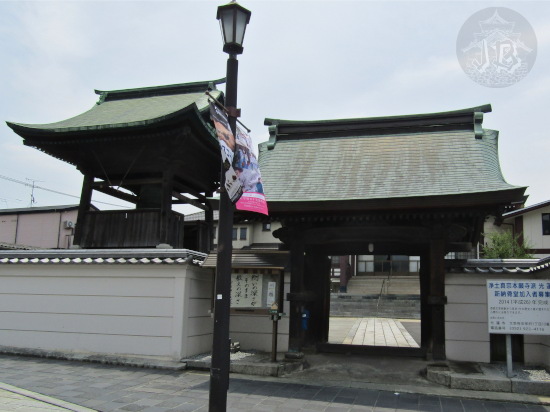
It was now when I decided to head out to the Kanzeon-ji [観世音寺]…

… and Kaidan-in [戒壇院], along with the so called Bonsho Bell.
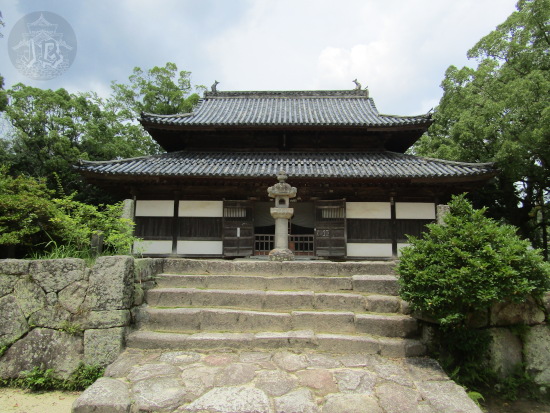
In order to get here the map sent me through rather bad roads, and it got scary for a second when a car was coming. Furthermore, the signposts were all messed up, making it hard to follow them and the map. But in the end I made it and even if I did not enter the museum, I felt accomplished.

On the other side of the road you could climb up to Hiyoshi Jinja [日吉神社], a tiny and quiet shrine on top of a hill that I really liked – I thought the kami would be bored so I dropped them a prayer too.

After all this I still had a few things left, but I was very tired and there was a storm brewing, so I backtracked to Fukuoka, where I had slept, gathered my luggage and was ready to take a train to my next destination when I unexpectedly met with a VAMPS fan friend, the same one D****e and I ran into at Kumamoto castle! Small world! We had ramen – Hakata ramen, of course – together and then I took the train towards my next destination, on the other side of Kyushu: Beppu.

Beppu [別府] is a small town on the side of a volcano known for its hot springs because it’s on the slope of a volcano named Tsurumi-dake [鶴見岳]. It has almost 3000 volcanic spring vents and it is a bloody amazing place!

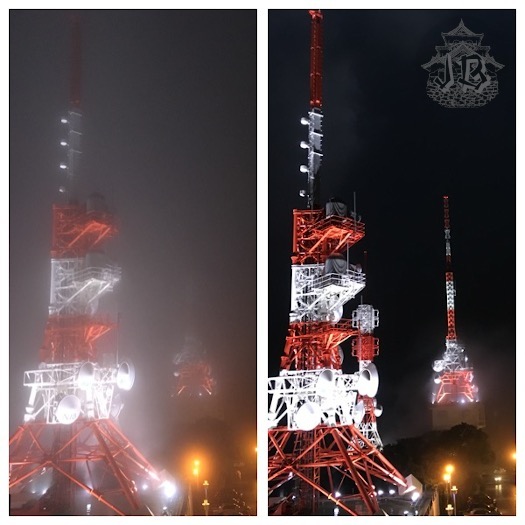
I checked into the hotel and almost immediately walked out because the hotel was right next to Beppu Tower [別府タワー]. However I got distracted by Matogahama Koen [的ケ浜公園] and the beach and the breakwaters.

Finally I climbed up to the tower and looked around the city. I was a little disappointed because I was expecting to see some of the vents or at least a spark coming for the volcano, but it did not happen.

Afterwards I walked down to the hotel and spent an hour in the public bath that they had, which was really, really good for relaxing. And then I collapsed in bed and got some sleep because there was a big day the following day!

(I have to say here that I have decided to omit here most of the ‘blergh’ part of this trip in order to keep only the nice memories, thus the upcoming posts are a bit edited. So I’m not telling you about the unfriendly people I met in the way and that made me feel a bit sad. Just the friendly ones because they rock! )

18th July 2017: Fukuoka – swampy heat {Japan, summer 2017}

The modern Fukuoka [福岡] is a rather big city comprised of two towns – Fukuoka and Hakata. My hotel was in the Hakata area (close to Hakata station), so I could start with visiting some of the sights around there. Right down the street there was Hakata Sennen no Mon [博多千年門], which is a rather modern gate that signals the entrance to the historical site of Fukuoka.

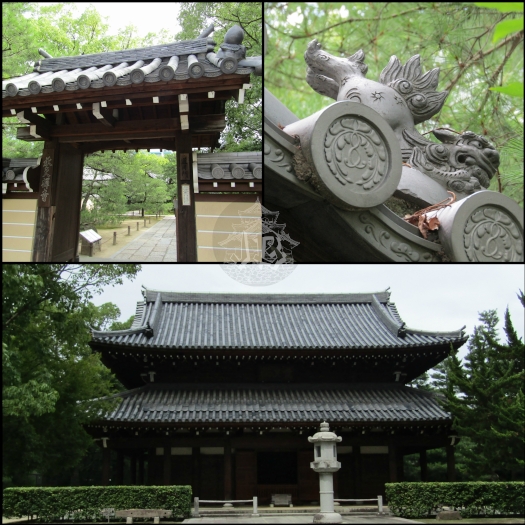
Afterwards I snooped the back gardens of Jouten-ji [承天寺], to whose main building I would come back later (weird mapping sent me the wrong way).

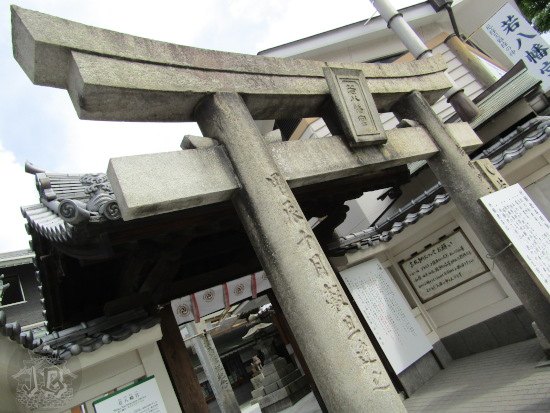
I snooped around Waka Hachimangu [若八幡宮], which was not even open as this was about 8.30 in the morning, I had some coffee and I continued on my way.

My next stop was Tōchō-ji [東長寺] a Buddhist Temple with a rather short-tempered monk in charge of writing shuuin, and a huge Buddha statue made of wood around whose you can descend to ‘hell’, a corridor which first explains the different hells in Buddhist religion and then plunges into complete darkness (no pictures allowed though).

Next I was in Ryugu-ji [龍宮寺], a small temple next to Tōchō-ji.

Right on the other side of the street I walked over to Kushida Jinja [櫛田神社], dedicated to Amaterasu and Susanoo, the first gods in Shinto.

After that I walked into Gokushomachi [御供所町], an area where two or three major Buddhist Temples are located. The most important out of these (and the only one open for inspection) was Shofuku-ji [聖福寺], which is the first known Zen Buddhist temple in Japan.

Afterwards I took a stop at a conbini for some lunch a subway ride to check on the former site of Fukuoka castle Fukuoka-jo [福岡城], and the only two remaining items: the Otemon (main gate) [大手門] of the castle and Shiomi Tower [潮見櫓] and backtracked to the train.

My next stop was Suikyo Tenmangu [水鏡天満宮], in the dead centre of Fukuoka, following the Fukuoka Navi recommendation.

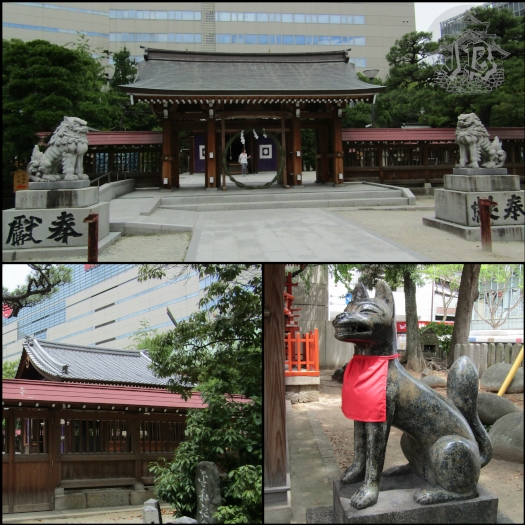
Afterwards, I walked a little and ended up at Kego Jinja [警固神社], a shrine which holds a ‘laughing’ kitsune statue in the grounds. It is the closest thing to a castle shrine that Fukuoka has.

My last stop in Fukuoka was Sumiyoshi Taisha [住吉神] which was colonised by VAMPS fans as it seems that HYDE favours it (the Osaka one, at least, but… don’t ask me).
 

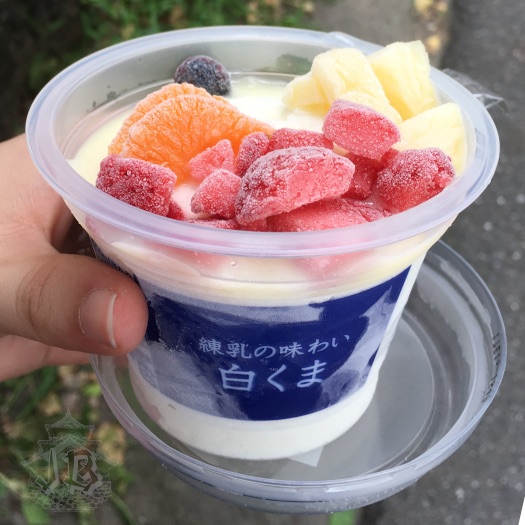
On my way back I had some ice cream because hot and hungry.

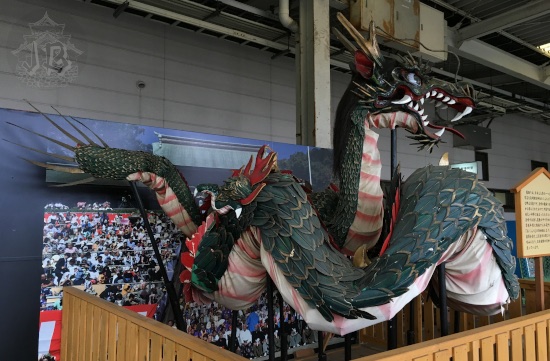
Finally I took the 15:15 Kamome train to my next destination, Nagasaki [長崎]. This dragon greeted me at the station.

After checking in, I tried to go to the Peace Park, but Google sent me to a random parking lot called “Peace Park” so I decided to go to the Inasayama [稲佐山] Observatory to watch the “one million dollar view”. Fortunately or unfortunately there was a storm brewing – it broke down as I was heading towards the Nagasaki Ropeway [長崎ロープウェイ], then it calmed down, only to start up again once I was almost at the top of the mountain. So normal people watch the Nagasaki skyline, I… guessed the Nagasaki skyline through a storm cloud, because I am cool like that.

17th July 2017: The power of nature {Japan, summer 2017}

In the morning, D****e and I left the hotel to tour Kumamoto [熊本] a bit more. We headed off to Fujisaki Hachimangu [藤崎八旛宮], a shrine dedicated to a bunch of historical figures, among them Emperor Ojin.

After that, we walked in the sun towards the castle, and we missed our entrance to the nice shade, so we were in the scorching sun for a little longer than intended. In the castle park we headed off to Kato Jinja [加藤神社].

As we walked around the park, and from Kato Jinja itself we could see part of Kumamoto-jo [熊本城], but we could only see one of the towers, as the main building is still under reconstruction. The destruction of the turrets and walls gave us a chill, thinking of that quake and how strong it must have been. I have decided that I must come back to Kumamoto some day to see this castle once it is reconstructed.

As we were coming down we met a friend and arranged to meet with her later to emulate HYDE’s pictures at the station, but first we dropped by Kumamoto Inari Jinja [熊本城稲荷神社].

We had a shabushabu lunch and then headed off to the station meet with C. and to take our pictures with Kumamon (and a nice old couple who… wanted pictures with the gaijin for some reason).

After that I took the Shinkansen to Hataka station in the city of Fukuoka [福岡], where I arrived around 6pm. This kick-started my pattern for the following days: travel to a new city in the late afternoon / early evening, check in a hotel close to the station, see monuments by night, sleep, see the important stuff during the morning.

I checked into the hotel, changed clothes and headed off to see Fukuoka Tower [福岡タワー] and Momochi Seaside Park Seaside Momomichi Kaihin Koen [シーサイドももち海浜公園]. The latter is a small beach park which holds some restaurants, cafes and one of the famous Fukuoka wedding venues (the Marizon).

I entered the Tower and was waiting for a while to climb up, but it was worth it, as I got to watch sunset. I really like the whole tower-climbing thing. Finally I backtracked towards the hotel, stopping to take pictures of the lit tower on my way back.