20th July 2019: Kawagoe revisited {Japan, summer 2019}

I went to Ikebukuro to exchange my JR Pass, and from there I went to Kawagoe [川越], a small town near Tokyo. The historical centre of Kawagoe is called Koedo [小江戸], Little Edo or Little Tokyo. I have actuallly visited Kawagoe before and I had not thought that much of it, but I wanted to give it another chance as I was going to a fan-event over there the following day, so I got myself a hotel over there and spent the afternoon / evening wandering the town.

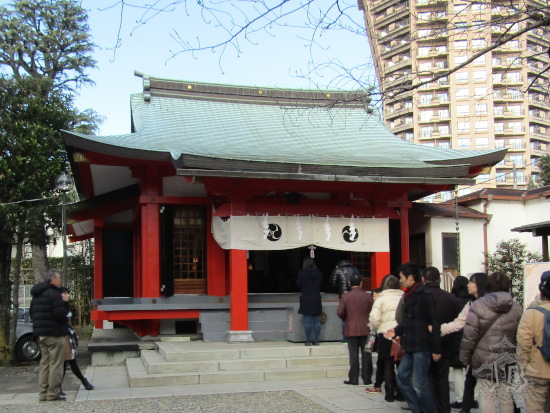
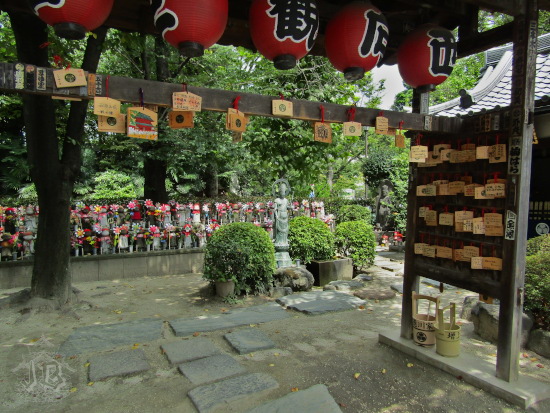
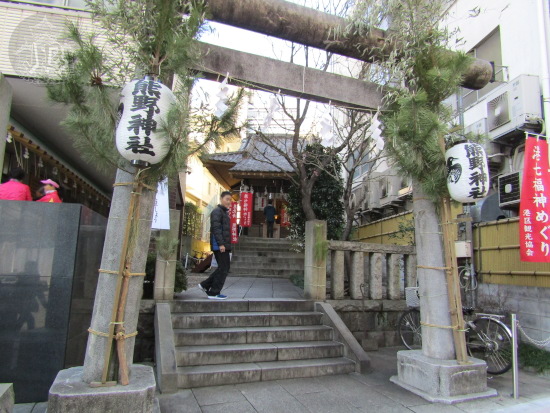
I arrived by train at the Kawagoe Station and I headed to the touristic area. My first stop was Kawagoe Kumano Jinja [川越 熊野神社]. I thought about getting a shuuin but there were too many people and I backed off. I thought there would be fewer people the following day but I was wrong. Oh, well. Live and learn.

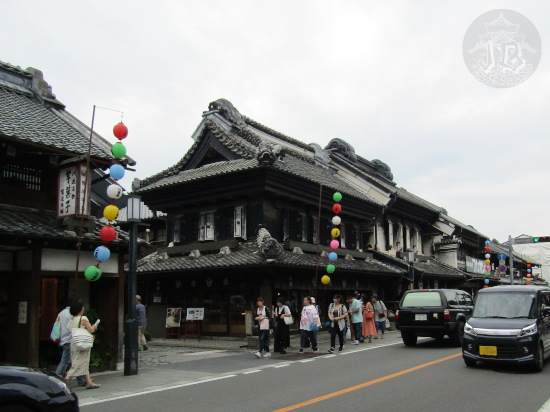
After that I found my way to the Black Warehouse District Kurazukuri no Machinami [蔵造りの町並], which is an area with houses that date from the Edo period. Today they are shops, mostly tourist traps, though. I am not a big fan.
On one of the side ways you can find the Clock Tower, Toki no Kane [時の鐘], which is one of the few historical clock towers in Japan (although it was rebuilt after it burnt down in the 19th century).

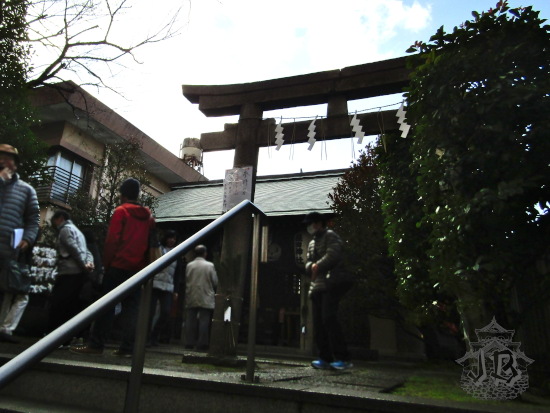
And I moved on to the Kawagoe Hikawa Jinja [川越氷川神社], which has a very cool wind chime tunnel, but it was packed at the time.

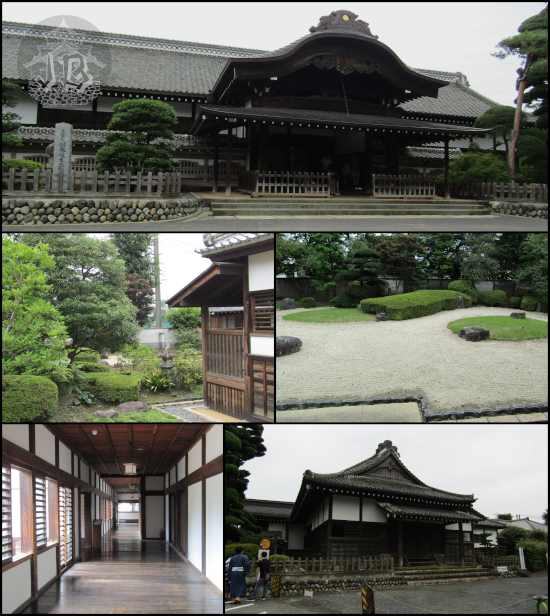
Later I visited the Kawagoe Castle / Honmaru Residence [川越城 本丸御殿]. The castle is long gone, but the palace was built in the 19th century.
I walked past the Reconstructed Moat of the Castle (I have no idea why there are no pictures of it?) and Yukizukainari Jinja, which was closed off. Then I headed off to the hotel to check in, and after that, I did some walking over the less touristic / known area of town. Right behind the hotel I came across Sugahara Jinja [菅原神社].

My next stop was snooping around Myōzenji [妙善寺] and its adjacent graveyard.

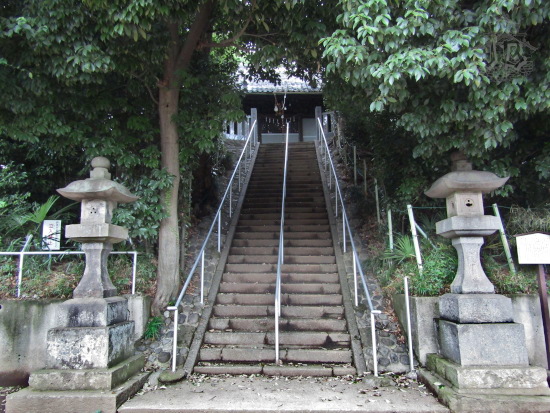
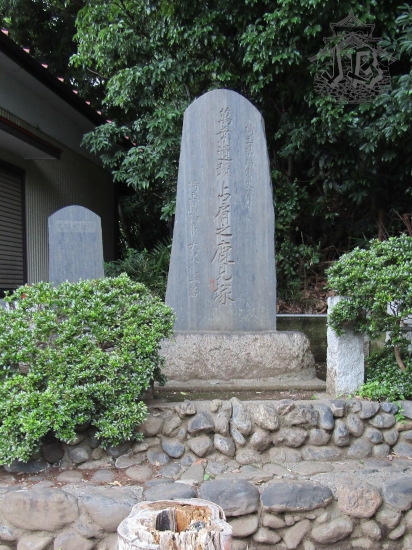
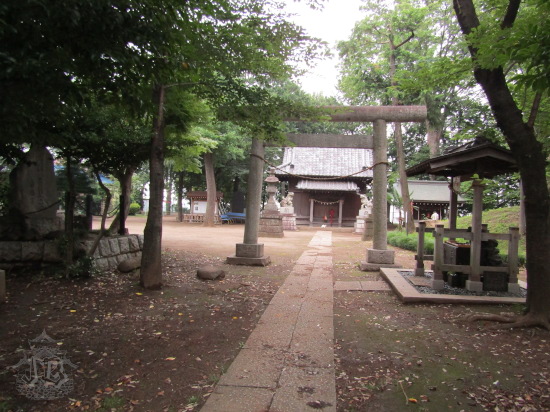
Then over to Fujisengen Jinja [富士浅間神社], a nice little shrine with a historical stelae next to it, the Shishimizuka of Uranaikata [占肩の鹿見塚].
From the grounds I could see Jitsuzaiji [実在寺], which is a very modern temple.

After that I walked towards Senbahikawa Jinja [仙波氷川神社], which I’m sure is haunted by a nekomata which appeared out of nowhere.
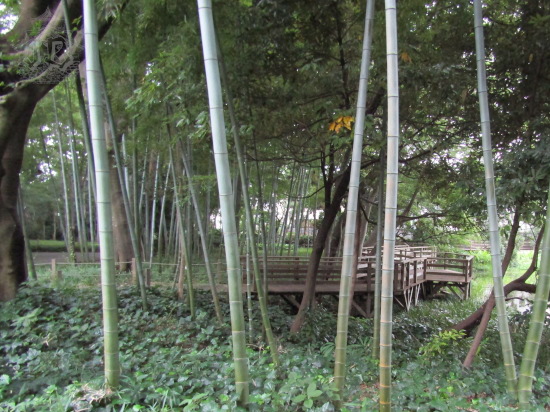
Senbagashishiseki Kouen [仙波河岸史跡公園], an awesome and large park with a lake and a ghost-proof bridge.
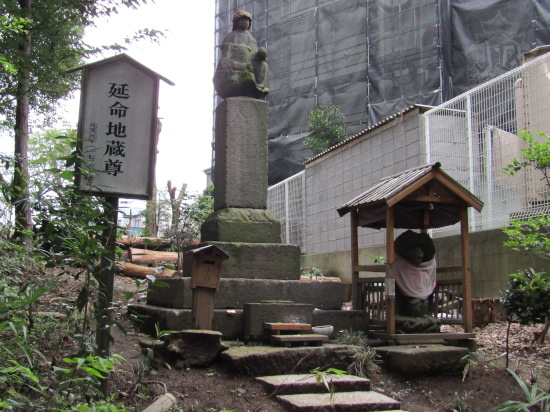
The park has a small temple altar, Enmeijizoson [延命地蔵尊] to one side.
On the other side stands Senbaatago Jinja [仙波愛宕神社] and I bought some takoyaki for dinner.

Walked distance: 22797 steps / 16.3 km

3rd January 2017: Seven Lucky Gods, and a ship, Pilgrimage {Japan, winter 16/17}

As part of the shrine and temple visiting on the first days of the year there is the chance to do a “small” peregrination around several of them for luck – the whole thing is called the Shichifukujin Meguri [七福神 めぐり]. Together with D****e and Sh-san I set off to visit the Seven Lucky Gods of Minato-ku in their respective shrines and temples. Oh, and their ship.

The Seven Gods of Fortune or the Seven Lucky Gods, Shichifukujin [七福神, ] are a group of deities from different origin (India, China, and Japan itself). It is said that on New Year’s Eve the seven gods touch port in their treasure ship Takarabune [宝船] to bestow happiness to humans. The Seven are worshipped in a group, and there are a few temples that enshrine all ofthem together. However, in Minato-ku the Gods and their ship are scattered amongst a seven shrines and one temple. Visiting the Seven Gods of luck will bring you luck for the year (you can read all about the Seven Lucky Gods over at Buddhism & Shintōism In Japan A-To-Z Photo Dictionary Of Japanese Religious Sculpture & Art).

The Gods and Shrines/Temples in the order we visited them are:

  1. Benzaiten at Honjō-in [本成院]. Benzaiten [弁才天 / 弁財天] is the Goddess of the Arts and her virtue is Amiability. She is originally from India.

  2. Ebisu at Kumano Jinja [熊野神社]. Ebisu [恵比寿] is the God of the Ocean and his virtue is Fairness. He is originally from Japan.

  3. The Takarabume [十番稲荷神社] at Juban Inari Jinja. The ship carries all the attributes belonging to the Gods, and it is where they come to bring happiness.

  4. Daikokuten at Daioji [大雄寺]. Daikokuten [大黒天] is the god of the Earth and his vortue is Fortune. He originated in India.

  5. Bishamonten at Hikawa Jinja [氷川神社]. Bishamonten [毘沙門天] is the God of Treasure, and his virtue is Dignity. He comes from India.

  6. Jurōjin at Sakurada Jinja [櫻田神社]. Jurōjin [寿老人] is the god of Wisdom and his virtue is Longevity. Originally, he comes from China.

  7. Fukurokuju at Tenso Jinja [天祖神社]. Fukurokuju [福禄寿] is the god of Wealth and his virtue is Popularity. He originally comes from China.

  8. Hotei at Hisakuni Jinja [久國神社]. Hotei [布袋] is the God of Contentment and his virtue is Magnanimity.

In-between the gods, we had lunch at a very good yakiniku place in Roppongi [六本木].

19th August 2015: Kickstart in Minato (not Ueno for a change) {Japan, summer 2015}

After I don’t want to think about how many hours of travelling, a quite narrow connection and too many superhero films on the plane, I landed at Narita and got my suitcase. No problem through customs though I was quite surprised when the guy tried Spanish with me. That took a bit to register.

I had ordered my SIM card online, to pick up at the post office at Narita Airport, and then I had my first run-in with Japanese maps. Ah, the lovely Japanese maps. You gotta love them. Once located where the hell I was and which of the corridors I had to wlak, picking up the SIM was easy and efficient.

After that, I got my JR pass and my NEX ticket at the Narita JR office, recharged the Suica and and I set off towards Tokyo. During the NEX trip I took the time to exchange SIMs and get my internet connection up and running so I did not get too lost around. My original plan had been runnign to the Natural History Museum in Ueno, but the weather was nice and there was rain announced for the next day, so I changed plans on the fly.

I left my suitcase in Tokyo Station because I was not sure that it would fit in the coin lockers and there is a manned storage there. Fortunately, it did fit, and I set off towards Minato [港] to say hi to Tokyo Tower [東京タワー], Zojo-ji [増上寺], Shiba Koen [芝公園]. Just because I could.

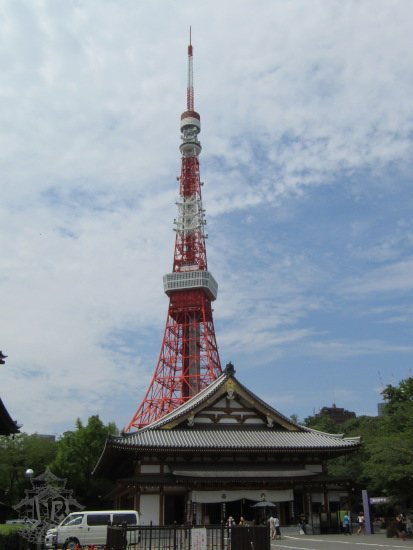
I really like this view of Zojo-ji and Tokyo Tower.

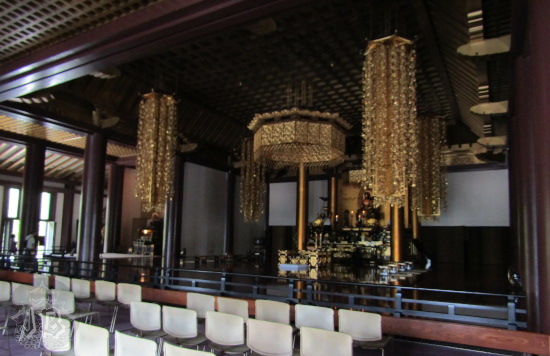
The altar in Zojo-ji (sneaky pic):

Ema tablets and Mizuko belonging to Zojo-ji:

Small Buddhist altar in Shiba Koen, Nyoirinkanzeon [如意輪観世音].

Kumano Jinja [熊野神社]:

Shiba Koen view, along with a certain tree I really like:

The cicadas’ singing was deafening, but welcoming, and I spent the morning and early afternoon in Shiba Koen and the lower / free levels of Tokyo Tower, also getting used to my new camera – which I love, by the way. Afterwards I headed off to pick up my luggage and… well no, that’s not true.

As it was getting hot and I still had an hour to kill, I dropped by Akihabara [秋葉原]. It is not my favourite part of town but it was quite close to where I was and there is a nice Book Off, where my first shopping of the trip took place. I love the new ‘maxisingles’ section, makes everything so convenient.

Then I did head off to pick up my luggage – and had a bit of trouble locating my coin locker because Japanese stations have levels. Urgh. Afterwards I did head towards Satte in Saitama, as would be staying with a friend there. Then there was some food, and one of those flavours that I always associate with Japan – the strange veggies / fruits juice they have at the GUSTO drink bar. And then bed because excitement can only compete against jumping over half the world for so long and there was stuff to do the next day. Mainly fossils.