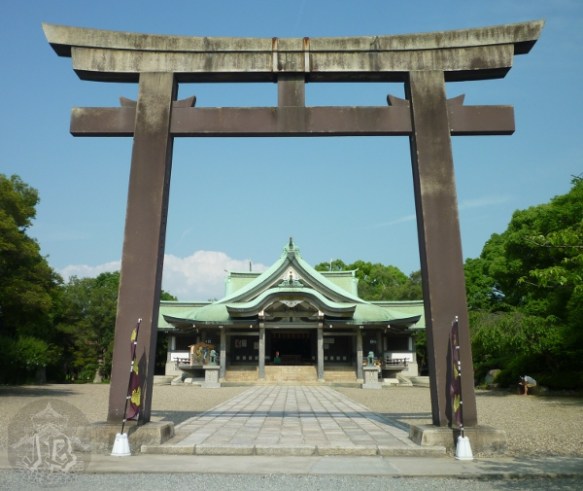
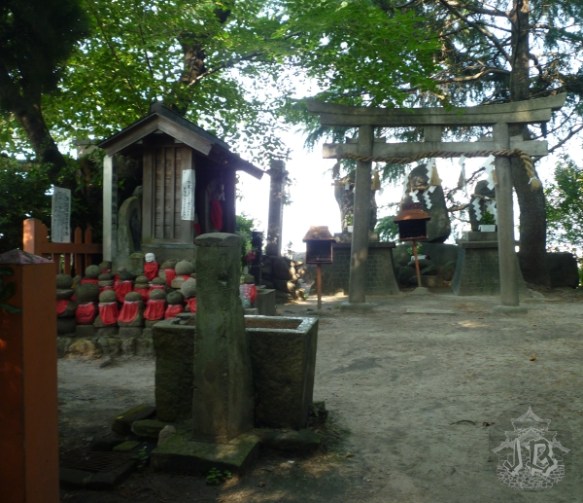
13th August 2014: Samurai vs. Kaiju {Japan, summer 2014}

We started the day in Asakusa [浅草], which would be one of my favourite places in Tokyo if it was not so crowded all the time. This time not only I wanted to visit the main Sensōji [浅草寺].

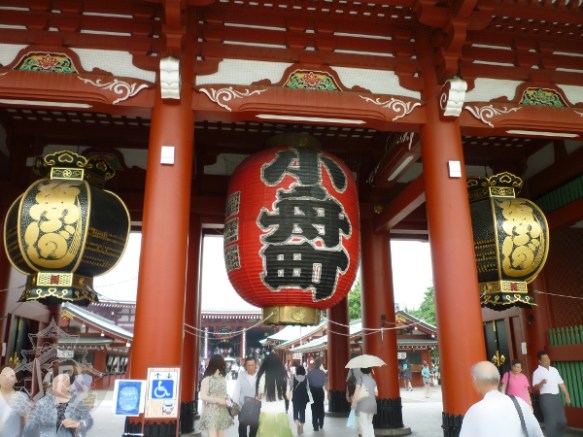
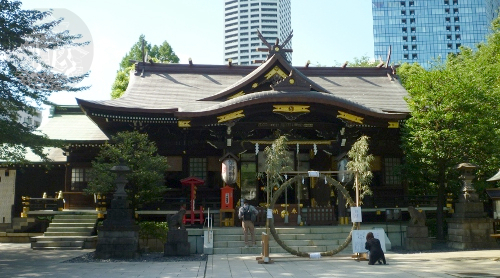
The Sensoji temple in Asakusa, whose most prominent feature is the huge red paper lanterns

I also wanted to check out the smaller protective Shinto Shrines on the side, like Asakusa Jinja [浅草神社].

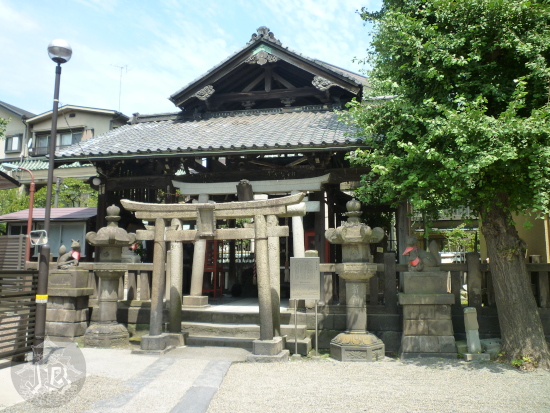
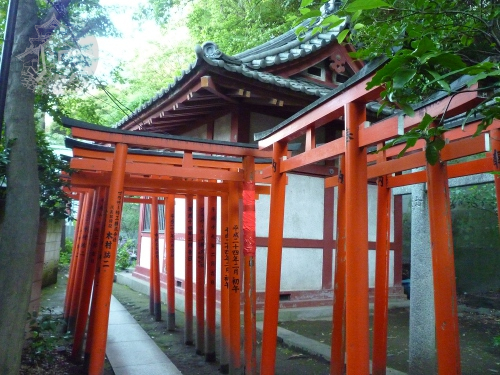
Small shrine with two stone torii, two stone lanterns and two fox statues flanking them

The second temple of the day was Sengakuji [泉岳寺], close to Shinagawa [品川]. The name does not really ring a bell by itself, but Senkakuji is also known as the Temple of the Forty-Seven Rōnin, as here is where all of them are buried. The Buddhist temple itself is nothing special. It has the graveyard where the samurai are buried, and a small museum attached where you can see a replica of the drum used in the attack, along with pieces of armour and one copy of the declarative letter that they wrote. Another part of the museum holds wooden statues for all of them.

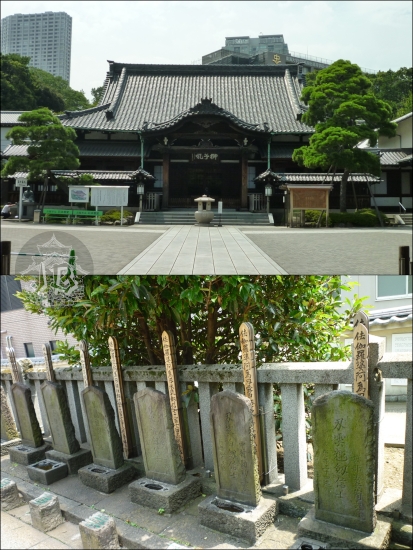
A Buddhist temple, and a row of gravestones with the names of some of the 47 Ronin

After having lunch in Shinagawa (in a… Mexican… kind of place called “El Caliente”) we headed off to Roppongi [六本木] to see Godzilla. Not the movie, but the sculpture that has been planted in Tokyo Midtown [東京ミッドタウン]. As a matter of fact, it was a very Godzilla [ゴジラ] summer in Tokyo. The Godzilla visit was done in two parts, one before sunset and one after it had gotten dark.

Godzilla coming from the ground, roaring

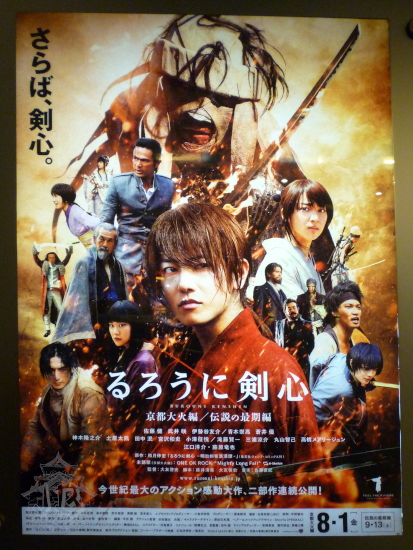
The two visits to Godzilla were separated by horrible horrible American food (I shall never willingly set a foot on a “Wendy’s” again) and going to the cinema to watch “Rurouni Kenshin – Kyoto Inferno”, the second instalment of a movie trilogy based on the manga of the same name.

Poster of the movie. It shows a man dressed in red traditional clothes, with an X-shaped scar on his cheek. Behind him, minor characters and the antagonist, covered in bandages.

Oh, and before we got back to Godzilla, we saw a gazillion and a half of Doraemon [ドラえもん] underneath Roppongi Hills [六本木ヒルズ], and pictures were taken with them.

A lot of people-sized Doaemon in different poses. Doraemon is a cartoonish ear-less blue and white cat

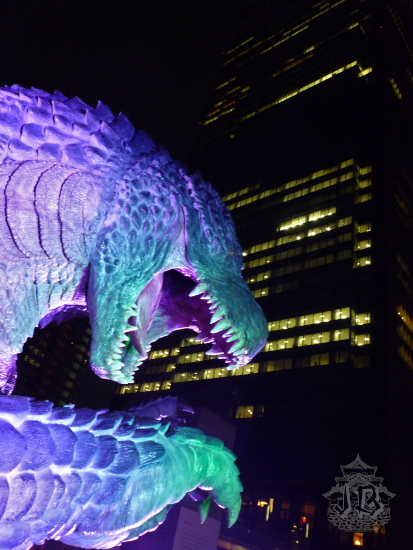
And here Godzilla tries to eat stuff (there are many good restaurants underneath Tokyo Midtown anyway):

A close-up of the Godzilla statue at night, lit purple and blue, and looming on a skyscraper

1st July 2013: Wandering on a Monday {Japan, summer 2013}

Many national places like museums are closed in Japan on Mondays, so I thought I would visit the Imperial Palace East Gardens, Kōkyo Higashi Gyoen [皇居東御苑], which are considered a public park and should therefore be open, right? Wrong. Closed too. Thus I got a few pictures of… the moat and wall XD

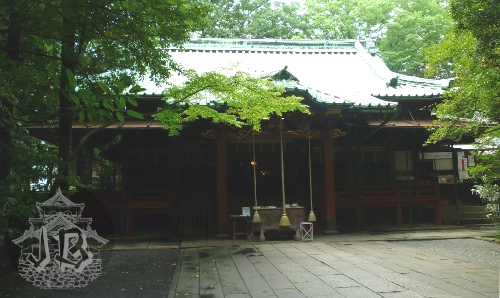
I decided to head down to Yoyogi Kōen [代々木公園] and Meiji Jingu [明治神宮], as it was a place I enjoyed a lot last year and was closer than most my other options – and bound to be open. I took a few pictures I could not because it was raining in 2012, among them one of the daitorii up.

I met with a friend in the Minato-ku area, as Tokyo Tower [東京タワー] is a good meeting point and I still had to see Zojoji open. It was finally a success and I got an awesome omamori that turns bad luck into good luck (summer special, too!). What, you thought I had gotten over my omamori liking? You thought wrong XD

Finally I headed back to Roppongi [六本木] to meet with D****e and try the Roppongi Hills [六本木ヒルズ] observatory again, which was a success this time:

27th June 2013: Shinjuku, Ōji and Ikebukuro {Japan, summer 2013}

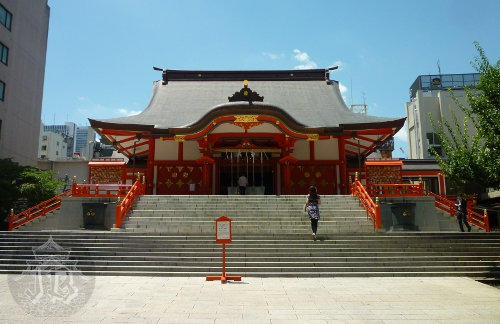
One of the fun things about Tokyo is that combination of modern and traditional that you find merged in quite a bit of harmony. Take for instance Shinjuku [新宿]. When one thinks of Shinjuku, one imagines skyscrapers and neon lights, but just a few minutes away, you find Hanazono Jinja [花園神社]:

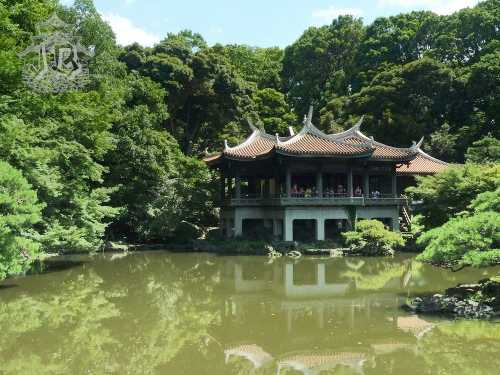
Five minutes away from the station there is Shinjuku Gyoen [新宿御苑], which is huge, and holds small wonders like this, Kyūgoryōtei [旧御涼亭], or Taiwan Pavillion (Taiwan Kaku [台湾閣]):

Of course, there are lots of skyscrapers in the Skyscraper District:

There is also this sculpture:

And yet another shrine, Shinjuku Juniso Kumano Jinja [新宿十二社 熊野神社]:

After Shinjuku I went to Ōji [王子] to see the Ōji Inari Jinja [王子稲荷神社].

And just the Ōji Jinja [王子神社]:

Then I headed to Ikebukuro [池袋] where we had a reservation at Swallowtail for 80 minutes of indulgence, and hell did we enjoy it XD”””

25th June 2013: The Not-so-lucky Cat Day {Japan, summer 2013}

I set off to find Gotoku-ji [豪徳寺], the Temple of the Lucky Cat, in Setagaya [世田谷]. It was easily found from the station following the train racks. Unfortunately two unlucky things happened: it started raining like crazy and the temple was closed down. And it is not like I did not find the right entrance, I did. It was still closed down.

As it kept raining cats and dogs (oh, so much pun) I decided to find myself something under cover to do, so I headed off to the Edo-Tokyo Hakubutsukan [江戸東京博物館], the Edo-Tokyo Museum, in Ryōgoku [両国]. According to their webpage (here),

The Edo-Tokyo Museum was founded on March 28,1993, as the place where visitors come to learn more about Tokyo’s history and culture , and which also serves as a projection onto the city and the living of the future. In the Permanent Exhibition area, there can be found original and replicated exhibits, as well as large-scale models, faithful representations of their originals, which have been reproduced after painstaking investigations and research.

Here’s a ship:

Inner area of the reproduction of an Edo house. Damn I love tatami mats:

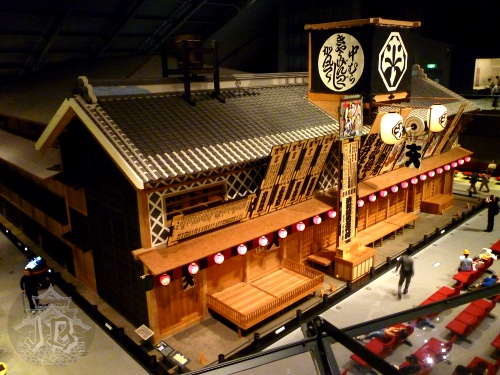
Kabuki theatre, scale 1:1:

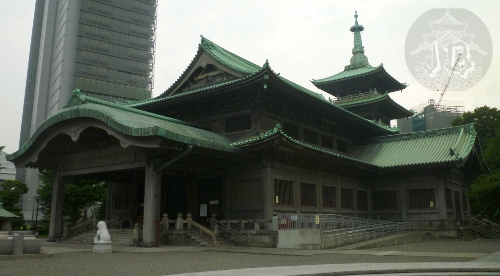
When I came out it was not raining anymore, so I headed out to Yokoami-chō Kōen [横網町公園], where the pagoda of this building got my attention – I latter discovered that it is Tokyo-to Ireido [東京都慰霊堂], the Tokyo Metropolitan Memorial Hall, a shrine to honour those who died in the 1923 Great Kanto Earthquake. Unfortunataly, I ran out of battery in my camera in the park.

The day ended with a trip to Akihabara [秋葉原] to a particular cafe, which unfortunately had been closed down. We made up for it in the nearest Book Off though, and went to Shimokitazawa [下北沢] for Avocado Burger.

24th June 2013: Less-known Tokyo Shrines {Japan, summer 2013}

Most of Monday was spent wandering around Tokyo [東京] trying to find my way between shrines, since as you might have suspected, I like those. Akasaka [赤坂] was the first stop of the day to visit Nogi Jinja [乃木神社], which I managed to find even if I had missed all the landmarks that should have led me there.

As I headed towards Roppongi [六本木] for my next stop something went wrong. The station I was supposed to find was wrongly marked on Google maps, or another exit was marked or… I am not sure (looking back, probably a signal disruptor). My route ended up being a bit meandering. I crossed Tokyo Midtown [東京ミッドタウン]’s Hinokicho Kōen [檜町公園].

Once in Roppongi I took another detour (this time it was my own fault though XD) to Hikawa Jinja [氷川神社], which is one of the most creepy places on this earth. I liked it, but it did give off one hell of an eerie feeling.

After this I headed down the Minato Ward where the Tokyo Tower can be found. There I was to explore around for a few things, including Atago Jinja [愛宕神社], which was having a matsuri and thus crowded.

On my to-find list was, among other things, this mini-Inari shrine:

Then I headed down to Shiba Koen [芝大公園], Zojo-ji [増上寺] and the Tokyo Tower [東京タワー], just because I could.

I was to meet D****e back at Roppongi [六本木] to go up to the observatory in Roppongi Hills [六本木ヒルズ], but it did not pan out due to weird closing hours. However, we did manage a cool shoot or two of the Tokyo Tower lit up and the supermoon next to it.

We walked to Shibuya [渋谷], where we made a stop at Book Off. Money was spent XD

22nd & 23rd June 2013: Odawara and Hakone {Japan, summer 2013}

One of the few perks about a tectonically-active area is the volcanic landscapes, and Hakone has plenty of those. We headed off to Odawara [小田原] early on Saturday morning to visit the local Castle, Odawara-jō [小田原城].

Then we headed off to Ashi no Ko [芦ノ湖], Ashi Lake, which formed in the caldera of a supervolcano after a huge eruption millions of years ago. We crossed the Hakone Sekisyo [箱根関所], the Hakone Checkpoint, which back in time prevented undesired people from moving around – which meant anyone who was not friends with the shogun.

We made it to the city of Hakone [箱根] later in the day. There, we visited Hakone Jinja [箱根神社], which has a torii set within the lake itself. This torii is called the Torii of Peace, Heiwa no torii [平和の鳥居]

Then there was onsen – Japanese hot springs. No pictures of that XP.

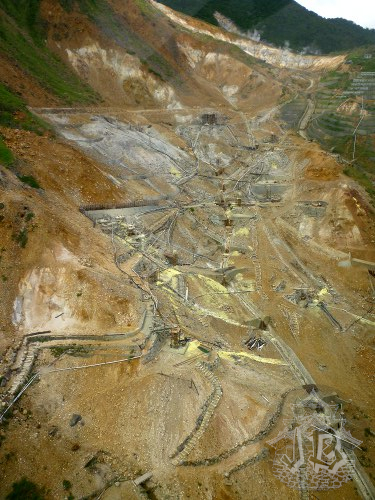
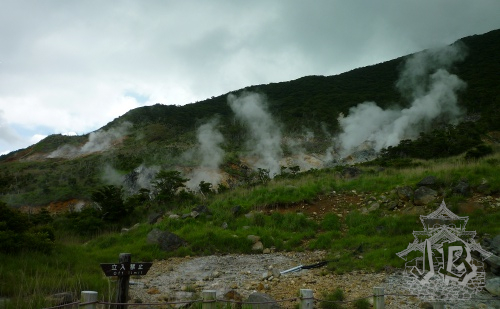
The following morning we went up one of the mountains, to an area called Ōwakudani [大涌谷] via murderous device called the Hakone Ropeway [箱根ロープウェイ] to watch the sulphur mines, the volcanic gases eruptions and to eat the famous black eggs, kurotamago [黒卵], which are normal eggs cooked in naturally-boiling sulphurous water puddles.

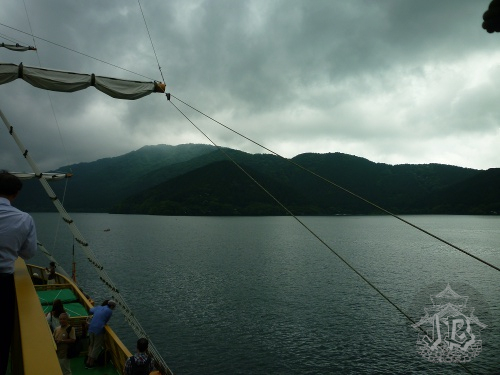
Finally, we crossed the Ashi no Ko in a “pirate ship” before heading back to Tokyo [東京] to karaoke the last hours of the weekend away. Unfortunately it was too cloudy to see the supermoon.

15th July 2012: A very Japanese Sunday {Japan, summer 2012}

The 15th started with a visit to Inokashira Kōen [井の頭恩賜公園] and the temple in it, Inokashira Benzaiten [井の頭弁財天] overlooking Inokashira Ike [井の頭池]. I still find it amazing how the parks in Tokyo can completely drown everything that is going on around them, especially train and car noises. It’s like going to the country or something, within a few minutes of a train station. Inokashira Park was full of people walking, a drawing class and a small flea market.

A bright red shrine at the end of an equally bright bridge

However, the respite did not take long and we threw ourselves back into the busy streets of Tokyo, heading out to Shibuya for all you can eat shabu-shabu. No words, really. Just on nom nom nom nom.

Shabu-shabu restaurant. A broth pot stands in the middle of a table with two services, and two trays of meat are on the side

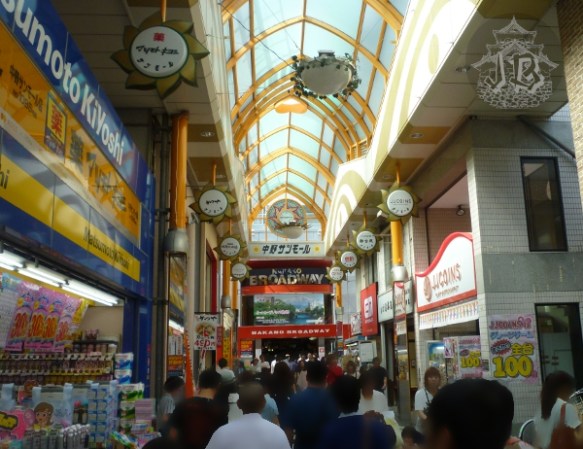
After lunch and a not-so-quick trip to Mandarake, we headed off for Nakano Broadway to burn the credit card, snoop around idol shops, and buy a lot of stuff.

A shopping gallery

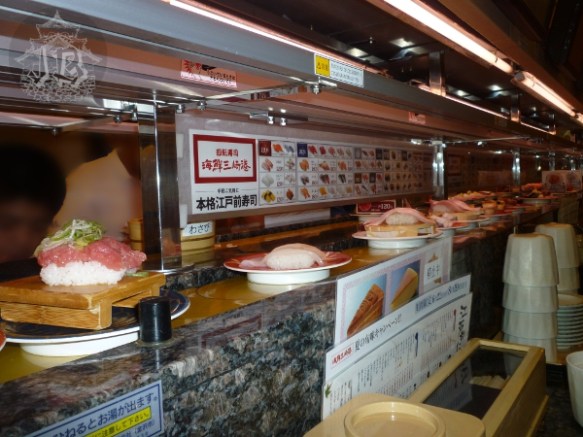
We had a a sushi dinner a sushi dinner (here, fyi, sushi is fish with rice, not rice with fish on top), at a conveyor belt sushi restaurant, where you could also order. And when you did, your sushi came in a mini-Shinkansen (Sushinkansen!)

Sushi moving in a conveyor belt-like structure

sushi being delivered in a small train-like structure that moves on the conveyor belt

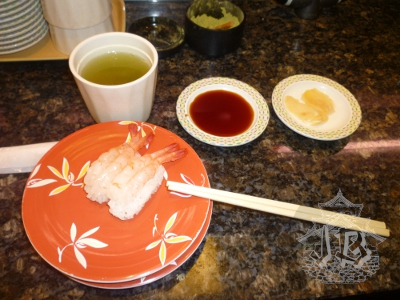
Close up of prawn sushi and green tea

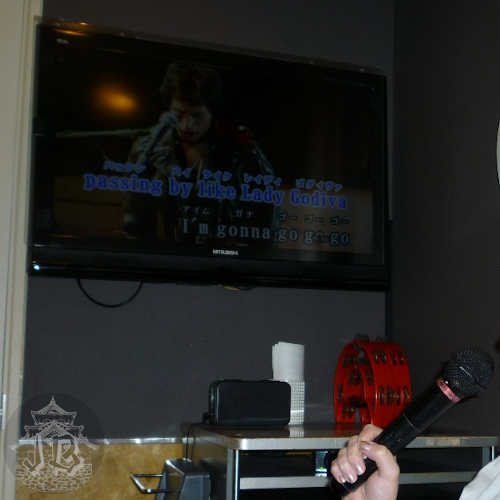
Finally, the day ended in a karaoke place.

A karaoke screen reading Passing by like Lady Godiva. On the bottom-right corner, there's someone's hand holding a microphone

14th July 2012: Kamakura & Yokosuka {Japan, summer 2012}

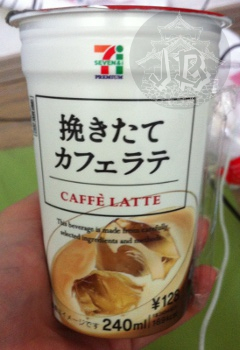
On Saturday the 14th we headed off to Kamakura [鎌倉], home of the second largest Buddha in the country and birthplace of the samurai. There was some “glassed” coffee for breakfast, then we set off on the train.

A can of coffee reading caffè latte 240 ml

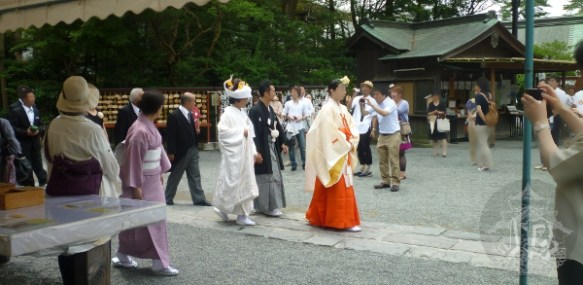
Once in Kamajura, we first off we headed to Tsurugaoka Hachimangu [鶴岡八幡宮], where we were lucky enough to see a couple about to get married.

A Shinto gate, in dark red with golden decoration

A traditional wedding, with the bride and groom dressed in kimono and hakama

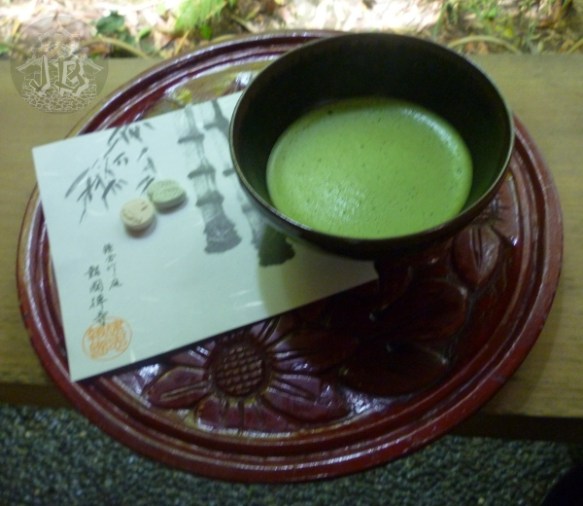
Second, we headed off to Kamakuragu [鎌倉宮], a shrine which has an awesome bamboo forest which we did not burn down. This is important because we had a small accident with an incense burner while we had some matcha (green tea) in said bamboo forest.

Religious stone markings in a bamboo forest

A bowl of foamy green tea, with sweets on the side

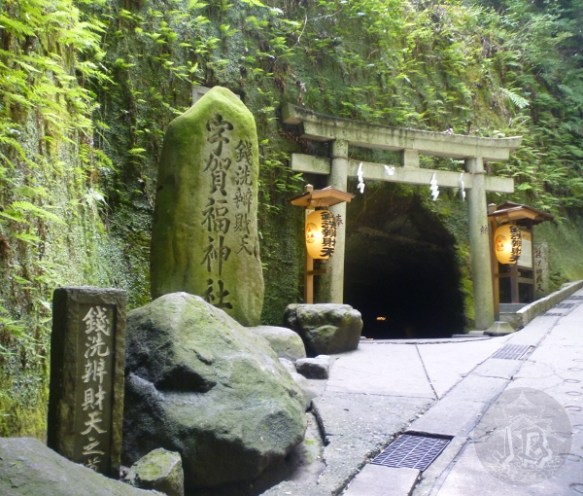
A few hills up and down we finally made it to Zeniarai Benzaiten Ugafuku Jinja [銭洗弁財天宇賀福神社] where you can legally launder money. In the literal sense – if you wash your money there it is supposed to multiply. Knowing fairly well that as long as I am here my money will only diminish, I did not really try, but the temple itself was awesome. And there was ice-cream.

Stone markings and torii gate that mark the entrance to a shrine. Right behind the torii, a dark cave mouth opens

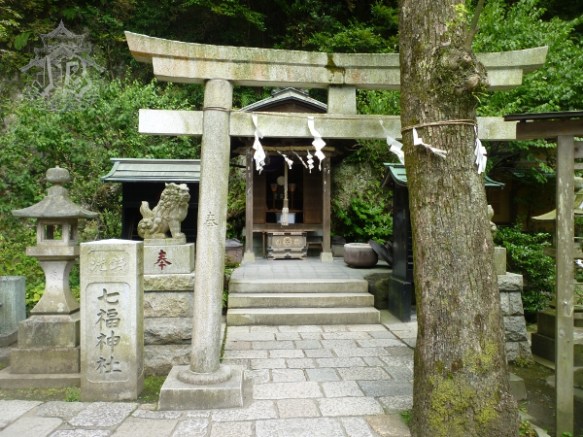
A torii gate leading to a small sanctuary. There's a tree standing right in front of the torii, and it has been marked with sacred paper to protect it

Soft vanilla ice cream in a cone

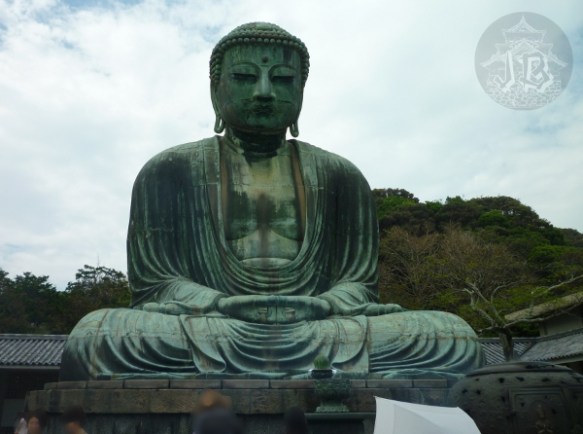
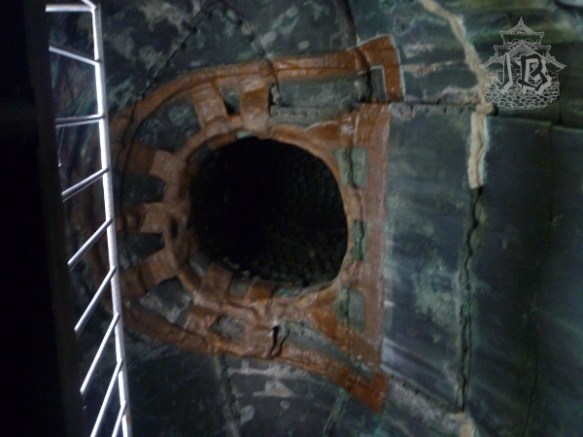
Our last spiritual stop was the Kamakura Daibutsu [鎌倉大仏] in Kotoku-in [高徳院], which is another of those things that everybody tells you that you should visit and you do because you think you should and still manage to amaze you. For the outrageous amount of 20 yen, you can even go inside.

The great Buddha, sitting cross-legged with a peaceful expression

The inside of the Buddha, with reinforced steel around a black hole that is probably the neck

We made a stop for food by the beach, too:

The beach, with foamy waves coming in

We had a snack, in particular a koroke:

A big croquette, breaded with big panko flakes

Finally we wrapped up the night heading over to Yokosuka [横須賀] to watch the summer’s fireworks by the powerplant!! =D sea.

Fireworks in the dark

Fireworks in the dark, reflected on the water

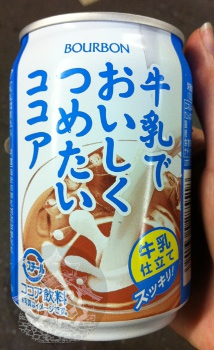
I was super-thirsty on the way back and I discovered that cocoa-in-a-can makes more giddy than coffee… Sheesh that’s some sugar rush!

Can of cocoa or chocolate milkshake

11th July 2012: Kyoto in 9.5 hours: Mission Impossible {Japan, summer 2012}

My express visit to Kyoto [京都] on the 11th was fueled by a jump into a rabbit hole – the first time I drank canned coffee. It would not be the last, definitely.

A can of Georgia Café au Lait

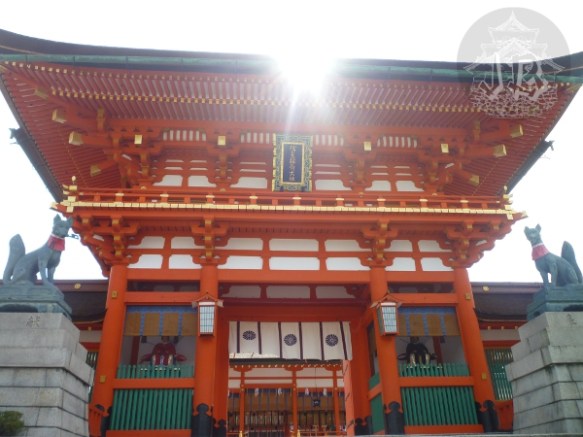
I started off with Fushimi Inari Taisha [伏見稲荷大社] and is dedicated to Inari, the God of Rice, whose messengers are considered to be the foxes or kitsune [狐]. It is a temple with a gazillion plus one torii, since in early Japan Inari was seen as the patron of business. Thus each of the torii is donated by a Japanese business. Sorry for the sun reflection, this was the best picture of the main building I could take:

A shrine building, in powerful orange. The sun is shining at the rim of the roof, and there are two sculptures of foxes sitting on the sides.

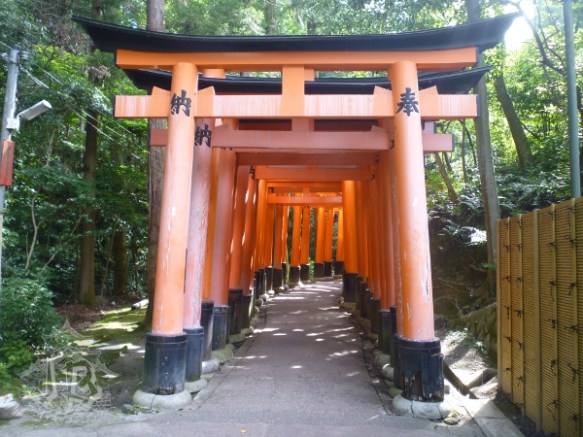
A line of torii (have I mentioned that I looove torii?) the Senbon Torii [千本鳥居], or line of a thousand torii:

A torii in the foreground. Beyond it, so many others that you cannot tell them apart. All of them are orange, but the outermost ones have been burnt by the sun and are less bright

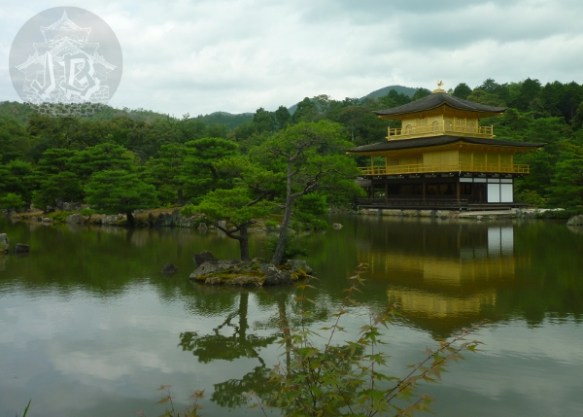
After Inari, I crossed the whole of Kyoto via bus and train and visited the Kinkaku-ji [金閣寺], the Temple of the Golden Pavilion. While I went to visit it because it was a must-see I found it amazing, and liked it more than I wanted to admit.

A pond with a pine tree at the centre. To the side, a three-story pavillion that looks similar to a pagoda. The first floor is built in wood and plaster, the upper ones have been covered in gold

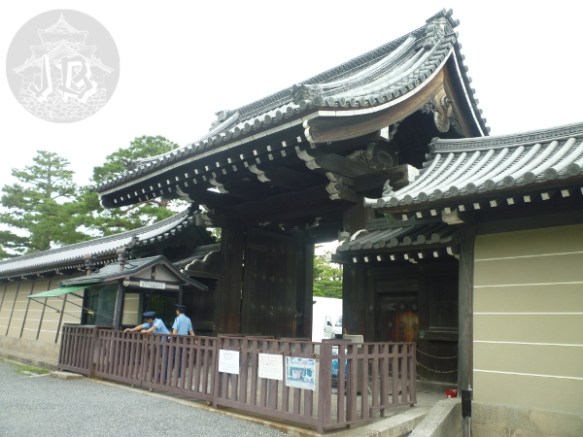
Bus again, towards the Imperial Palace, Kyōto-gosho [京都御所], of which you see… the outer wall and the cops that guard the door XD

The entrance to the Imperial palace - a gate through the walls. Two police officers in blue are chatting at the fence

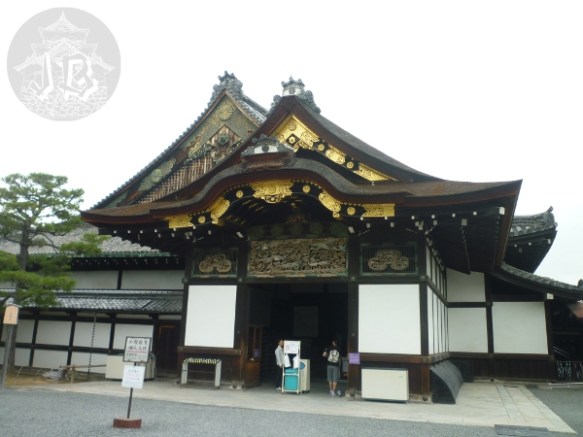
And a thirty-minute walk after that, I found myself entering the castle Nijō Jō [二条城]. Can you feel the rush? XD

The main building to the old castle. Is is built in dark wood with gold ornaments and carved details showing animals and plants, painted in bright colours

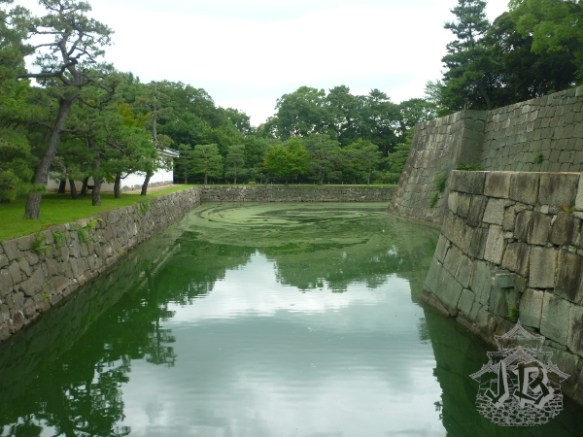
A view of the moat. The water is green.

Two buses later I was in Chion-in [知恩院] which was being repaired, so you can only see park entrance gate, which technically might belong to a nearby temple. I mean… there are too many temples to keep track of them! (Edit: after a bit of processing, that’s actually the entrance to the Yasaka Jinja [八坂神社] complex.)

A bright orange and white building at the top of some some stone stairs.

And going down those stairs to the left there was… Gion [祇園], the traditional geisha district. Found no geisha though D:

Traditional Japanese houses in dark wood, burnt by the sun. The entrance has a paper lanter and a menu

Finally, after another temple or twenty, or among them, I managed to sneak into Kennin-ji [建仁寺] just before it closed to see the twin dragons:

A ceiling painting of two dragons. The background is dark and the dragons are coloured in light shades, gold, white and red

By then I was so dead that I headed back to the station and was catatonic for the Shinkansen ride to Tokyo. This is not by far all I saw, but I lost track of the names for a bit. By the end of the day I was exhausted, but this is the gist of what I did that day. I would need more time to sort out the pictures, and I am trying to keep you guys generally updated, not write a thesis on ancient Japan XD (ETA 2017: Wow, that frame of mind changed a lot)

10th July 2012: Osaka, day 2 {Japan, summer 2012}

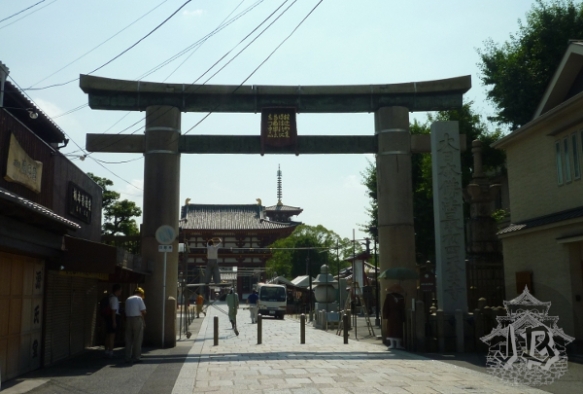
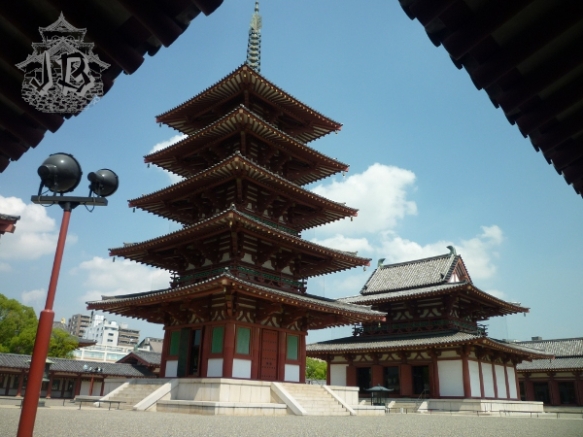
Tuesday 10th was supposed to be Kyoto day, but train trouble made me change my mind. Since I was in Tennōji anyway, I headed off to visit Shitennō-ji [四天王寺], a massive and colourful Buddhist temple dedicated to the Four Heavenly Kings.

A grand stone torii stands in the foreground. In the background, a temple and a pagoda, in dark red and white colours

A five-story pagoda and a temple building. They are both dark red and white, with some green and golden decoration

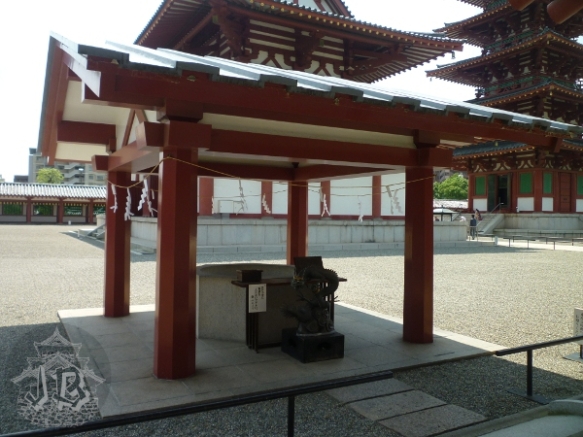
A purification fountain. The tap is sculpted to look like a dragon

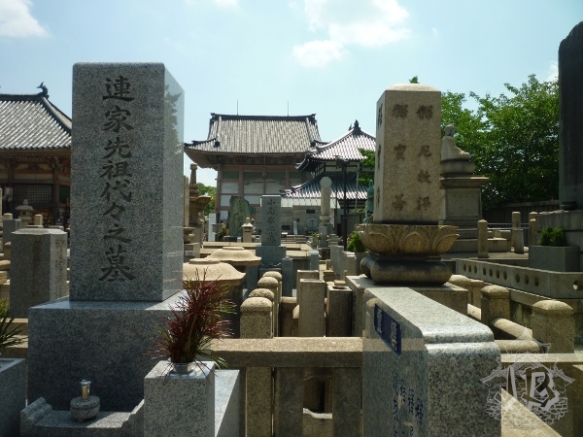
There are a couple of graveyards, too. I always find fascinating how different cultures react to graveyards. In Japan, apparently, you can picnic there.

A number of polished rock blocks with kanji on them - they are tombstones, and they're arranged in haphazzardly almost one on top of the other

After Shitennō-ji I crossed above the Tennōji Zoo towards the Tsūtenkaku [通天閣] Tower, in Shin Sekai (New World) [新世界], the old-time entertaining district of Osaka. Sort of like two-centuries-ago Namba, you can say. I could follow the Tower in order not to get too lost XD

The Osaka TV tower. It is silver-ish, with a construction like a scaffolder. The upper area resembles a diamond. The body reads HITACHI

This picture is the pure essence of Shin Sekai: the giant blowfish, the Billy Ken (the god of things as they ought to be) statue, and the Tsūtenkaku Tower.

A shopping street, with the TV tower in the background. In the foreground on the right, a golden sitting idol that looks like a fairy, with big feet and pointy ears. On the left there is a restaurant with a giant blowfish paper lantern.

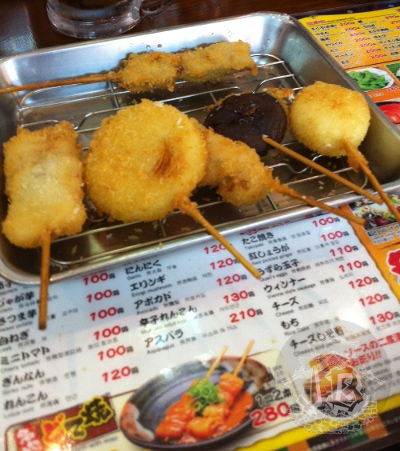
I had some kushikatsu lunch, but it was too hot to really appreciate the goodness of breaded, deep-fried goods:

Some breaded and deep fried vegetables, with sticks to pick them up and eat them

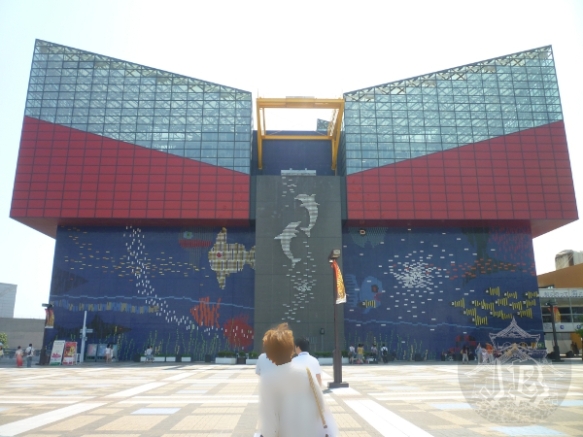
Once done with this, I crossed aaaall the city towards Osaka Aquarium Kaiyukan [海遊館], in hopes of seeing their whale shark… but the whale shark tank was closed due to it being refurnished… they were adding 20,000 sardines.

The aquarium building. It is decorated with mosaics of different ocean animals: coral, dolphins, a sunfish...

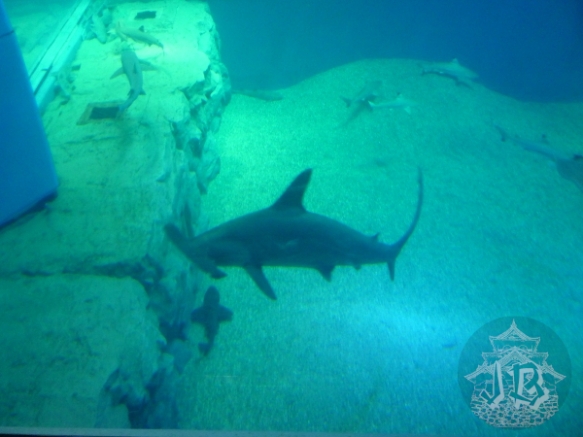
I went in nonetheless, and took a few pictures for your viewing pleasure, starting by the hammerhead shark.

A hammerhead shark swimming in the tank.

There was also a Sun fish:

A sunfish sniffing the aquarium ground.

My first time seeing Japanese spider crabs:

Three Japanese spidercrabs

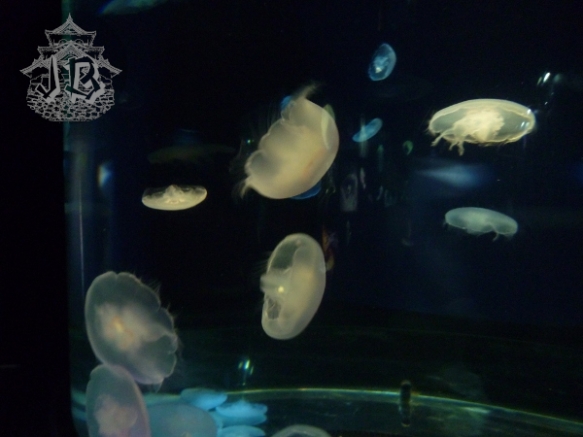
Jellyfish I knew, but they’re fun anyway:

White jellyfish with small tentacles folating around in a dark tank

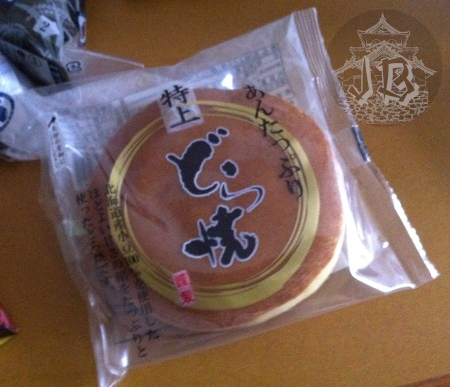
I would have loved to go and see the Castle illuminated by night, but I was too exhausted and feared crashing down, especially considering that I had one challenge left… Kyoto in ten hours. So instead, I went to the hotel and had a full-blown conbini dinner consisting on “Korean hamburger”, onigiri and dorayaki.

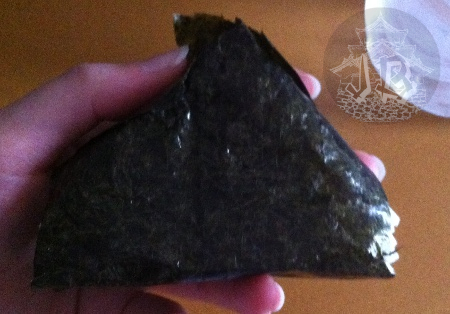
A sandwich, a bar of chocolate, a pastry and two onigiri, which look like dark triangles

A close up of the onigiri. The triangle is made out of dry algae (nori), you can see the rice filling on one corner

A close up of the pastry. The wrapping reads どら焼き

9th July 2012: Osaka, day 1 {Japan, summer 2012}

Monday 9th had me doing something I never thought I would do – riding a Tokyo train during rush hour, and survived too!

My first destination was Shinagawa station to catch the Hikari Shinkansen bound to Osaka [大阪]. With a speed of almost 300 km/h, the Hikari Shinkansen covered the 454 km between Tokyo and Osaka in abuout three hours, with some stops in between, Nagoya being one of them.

A train station platform with the train arriving in the background. The train locomotive is white and looks like a duck bill

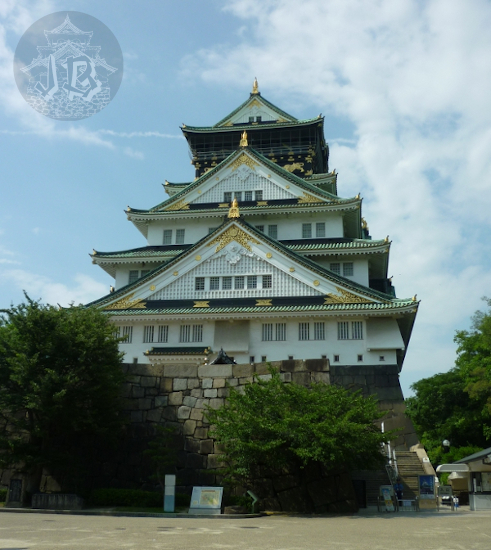
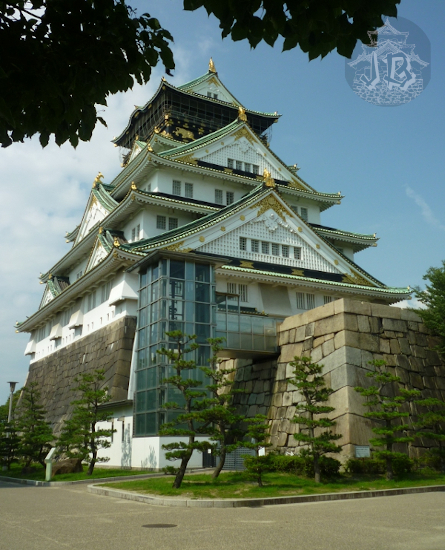
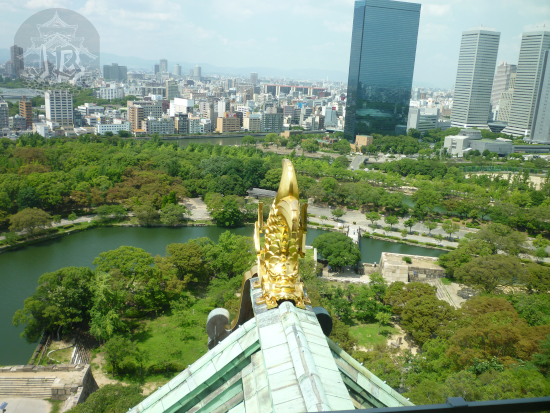
Upon arriving I headed towards the city’s Castle, Osaka-jō [大阪城]. There are no words to describe Osaka-jō, and no picture would make it justice. Have some that try anyway:

Osaka Castle. It stands on a rock base, and it has four floors. The roofs are green/grey and the main walls are white with golden decoration

Osaka castle from the side, showing the accessible lift for wheelchair users

View from the top of Osaka Castle. In the foreground there's the roof decoration, a gold fish-monster. In the background, Osaka highrises. In between the park and the moat

Next to the castle is the Hōkoku Jinja [豊國神社], which I visited too.

A severe grey torii in front of a white and green shrine building

Then I walked back to the castle to undo all the way towards the station – as some monuments close at 3pm I wanted to make sure to go in the tower museum. Now I had the chance to take pictures and explore. By chance I noticed some stairs by the edge of the park surrounding the tower so I climbed up to discover a mini temple to one side of the castle. The small statues symbolize dead or stillborn babies, and I find them incredibly creepy.

Inside a shrine grounds - a little fountain, a stone torii, and a number of small human-like statues wearing red bibs

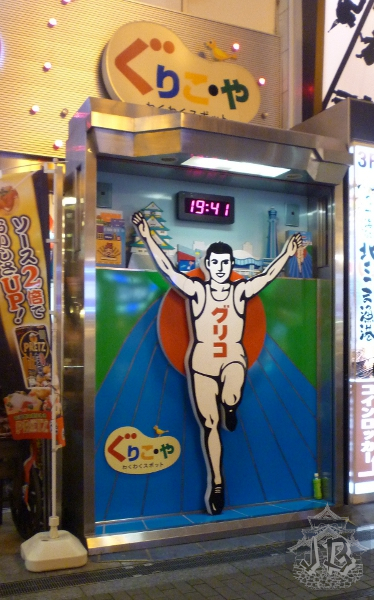
I explored the area and went back to the main path to find the station and head off to Namba, where my hotel was. Now, Osaka has two main entertainment districts: Namba and Shin Sekai. Namba [難波], where I went, has the Glico man (which somehow I missed, mistaking it for this little shop) and the giant blowfish and crabs.

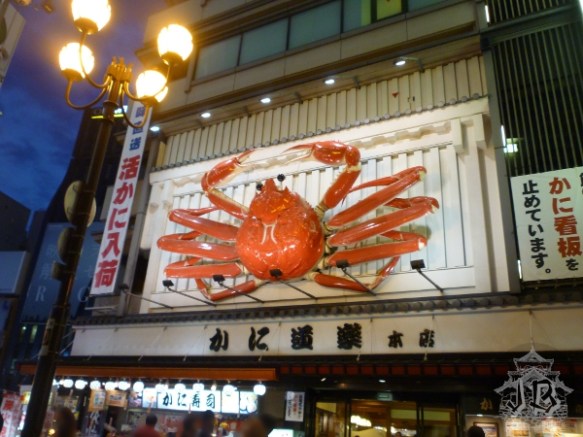
Giant snow crab adverstisement for a restaurant

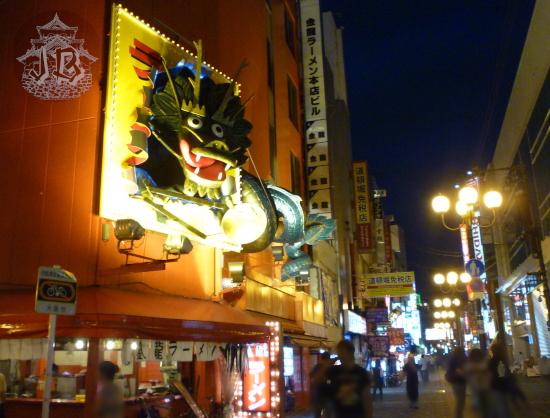
Giant dragon advertisement for a ramen restaurant

A billboard of a man reaching the end line of an athletic course, raising his arms in victory. His shirt reads グルコ

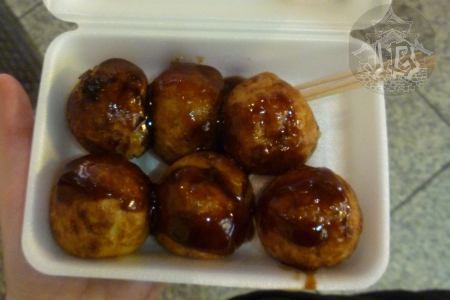
In Namba I bought myself some takoyaki – octopus dumplins – for dinner from one of the street stands. This was one of my first interactions completely in Japanese, and I felt stupidly proud of it. And of course, the takoyaki were delicous, albeit scorching hot.

A box of six round dumplins covered with brown sauce

7th July 2012: Nikkō {Japan, summer 2012}

Nikkō [日光市] is about 140 km north of Tokyo, a couple of hours train ride. While the town itself might not seem much, close to it there is lies the Shrines and Temples of Nikkō Unesco World Heritage Site, and here we headed off on Saturday.

The area holds a whooping 103 buildings or structures, though the natural setting around them is also considered heritage. The buildings belong to two Shinto shrines: Futarasan Jinja [二荒山神社] and Tōshō-gū [東照宮], and one Buddhist temple Rinnō-ji [輪王寺]. Nine of the structures are designated National Treasures of Japan while the remaining 94 are Important Cultural Properties. Unesco listed the site as World Heritage in 1999.

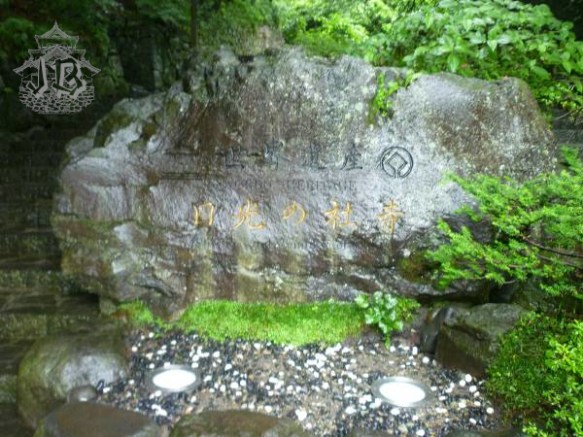
A rock reading World Heritage Shrines and Temples of Nikko in English and Japanese

As you might be able to tell, it was raining. Like magic. Like hell. Cats and dogs. And then some.

Highlights include the Three wise monkeys, “see no evil, speak no evil, hear no evil”:

Wooden carvings of three monkeys: one is covering its ears, another is covering its mouth and the other is covering its eyes

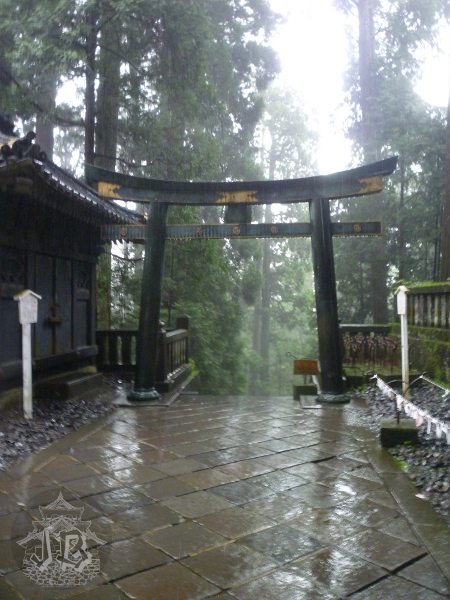
The mausoleum of Tokugawa Ieyasu:

A torii in black and gold. It's raining

A small one-story pagoda, the mausoleum itself

A five-storey pagoda (gojūnōto) belonging to Tōshō-gū:

A five-story pagoda, in red, green and gold. It's still raining.

The inner buildings of Furata-san Jinja:

Dark wood buildings decorated in green and gold. It's still raining

The entrance to Tōshō-gū:

Shrine entrance. The entrance is completely golden. It's still raining

However, since I would not be me without finding (and falling in love with) something obscure and creepy, have a small shrine to the side of the road nobody was paying attention to:

A forlorne stone torii forgotten in the middle of the forest

Did I mention it was raining? Because it was. All the damn day XD

5th July 2012: Gods of Old {Japan, summer 2012}

Yesterday morning started with a much dreaded headache so I decided to try and take it easy, get some morning rest and fill the blog up. Later on I headed off to Asakusa – after a small adventure charging the Suica train card – and had a typical me moment getting lost around the building I had to walk around. Yep, turned the wrong way around said building.

Asakusa [浅草] hosts Sensō-ji [金龍山浅草寺], a Buddhist temple dedicated to the bodhisattva Kannon and it is particularly famous for its giant lanterns (chōchin, [提灯]). Some drama actor I have a tiiiiiny bit of a soft spot has been… well… filming around here a couple of times. And I did not try to reproduce any camera angles *coughs*. Behold the main entrance, the main building and a close-up of the chōchin.

The entrance to a Buddhist temple. There is a huge (taller than a person) red paper lamp hanging with the kanji 雷門 on it, two demon statues stand on its sides

Another  entrance gate, with another huge red lantern. The building is decorated with red, white and green

A close-up of the lantern, with 小舟町 written on it

I bought a Temple charm from one of the maiko, a mini lantern and a daruma. The sellers were very nice once they had no more option but to acknowledge my present and we got by in Japanese with calculator showing of totals. In one of the stands I was given an origami crane, which was really cute. I had been recommended a tayaki (sweet) stand but unluckily that they they had cleaning day and they were not serving.

“Close” (in Tokyo terms) to Asakusa is the Tokyo Skytree [東京スカイツリー], which has taken over television broadcasting functions from Tokyo Tower and it is about twice as high. Since I was “in the area” I decided to drop by, although I did not feel like climbing it. Although it has been recently opened, going up is super expensive and… is not Tokyo Tower XD Excuse the funny picture format.

Tokyo Skytree - a tower seemingly made out of grey scaffolding

Getting there I crossed in front of the Asahi Beer Group Building Complex, so have a picture too:
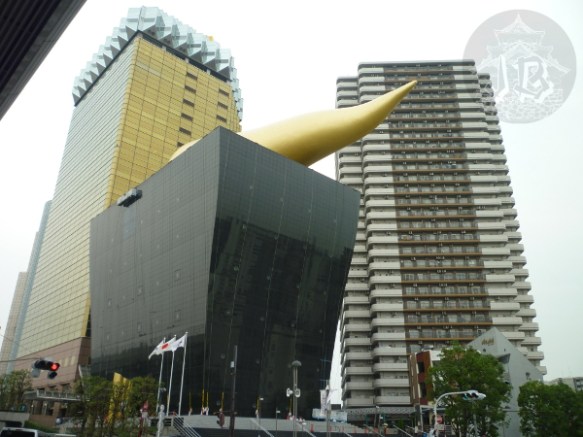
The Asahi building, with horns like a bull

And a system of floodgates, just because I’m biased:

A canal with a flooding gate system

I got something to eat from a Family Mart under the Skytree, and that included dorayaki, because I was starting to feel brave about interactions!

A pancake-like sweet, about the half the size of my hand

Then, I headed to Shibuya [渋谷] because I was getting tired and there was a nice, long, metro ride in the Ginza line. Guess what was the first thing I looked for? The Shibuya 109 building. Unfortunately, if there is an aquarium up there, it is restricted area. Sales day, too. Was crazy, so root me with the Angels for this one XD (X Clamp reference, for those who are hanya’ing right now).
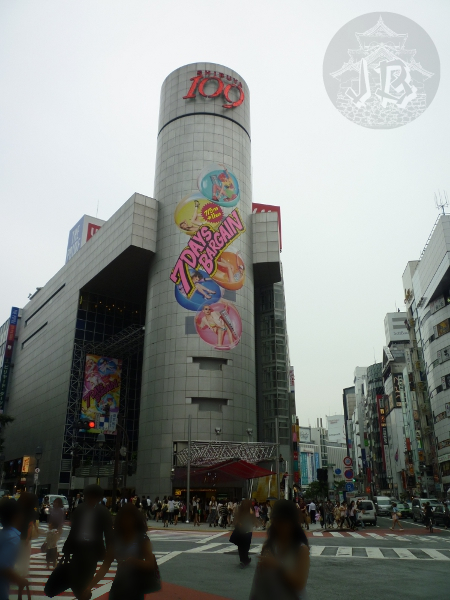
Shibuya 109 building. It is a regular mall with a round tower full of advertisements

Since I had the time I stalked the infamous Shibuya Crossing, which serves about 3,000 people per green pedestrian crossing:
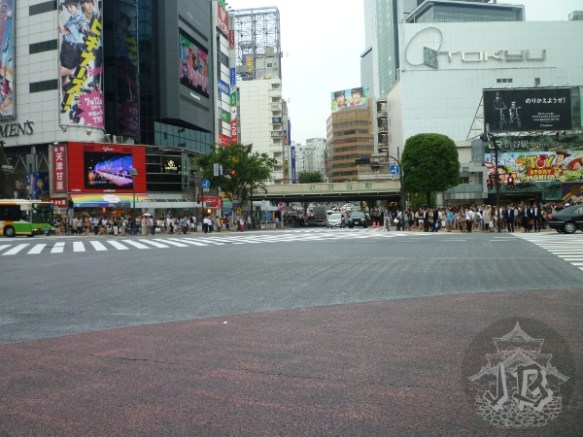
Shibuya crossing, empty of people and cars

Shibuya crossing as people flock into it

Then I did what one does in Shibuya… roam around and spend money OTZ. Though I was banned from Mandarake yet, there were many interesting stores, among them the equivalent to a FNAC / Virgin Media or similar with a HUGE Fukuyama Masaharu DVD promo poster; for the good of my wallet I forbade myself to walk into it. The funny anecdote of the day came when I was listening to KAT-TUN’s Peak and suddenly I heard Kame speaking. I was surprised because I do not have Peak live on my mp3. Then I realised that it had been Shibuya’s giant screen with their new car CM. D****e helped me find a few bargains in Book Off after we met.
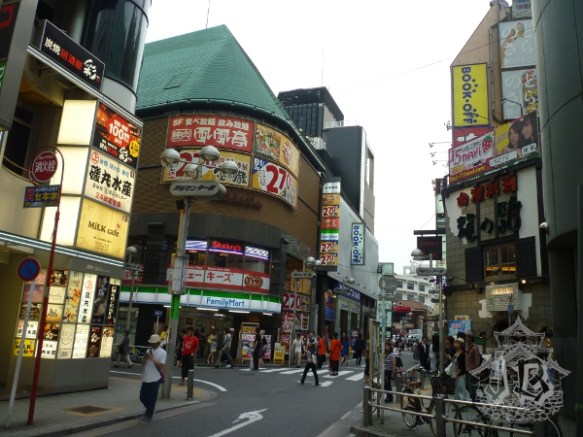
A shopping street in Shibuya. One of the billboards on the right reads Book Off

And speaking of meeting, I kind-of was thrown into a nomikai [飲み会] with her volunteering partners that she met in Tohoku. A nomikai is a… typical Japanese drinking party with real Japanese people and at first I was a bit 0_0 about the whole thing. After all my Japanese is… more basic than basic. Surprisingly it turned out very enjoyable with me… making up Japanese as I went along and D****e helping me out most of the time. My random vocab was very surprising at some point for one of the girls because… yeah, I can’t ask for my food to be heated but I know how to say “typical Japanese paper screen”. The downside was coming home past midnight. The upside, was lots of fun.
And guys, romantic dorama weird plots happen in real life. There was a married couple there to prove it.