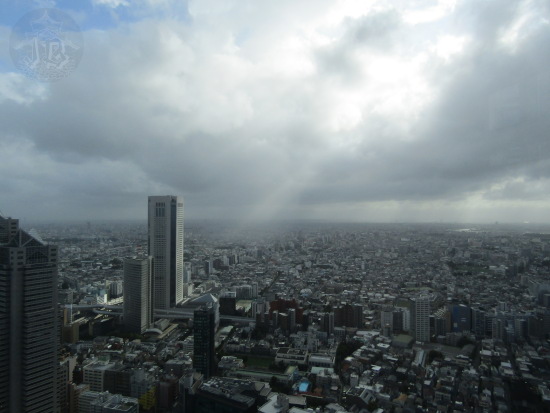
15th August 2019: Downpour Shinjuku {Japan, summer 2019}

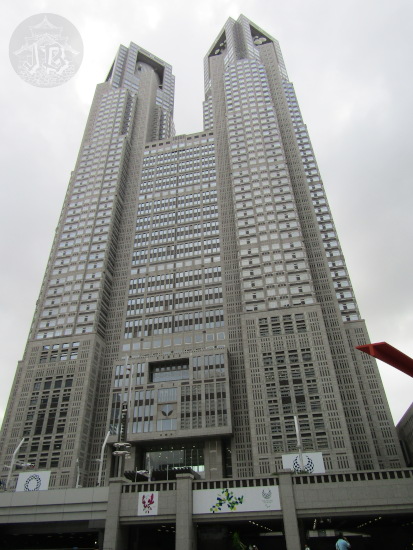
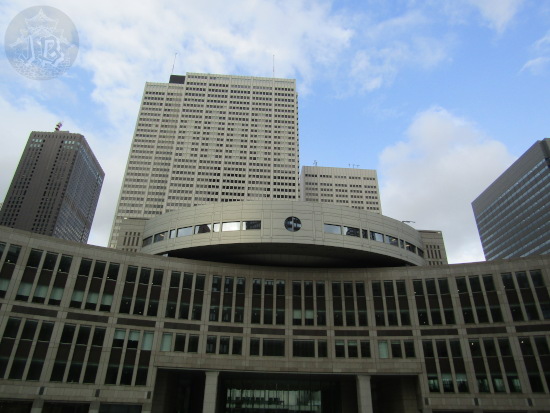
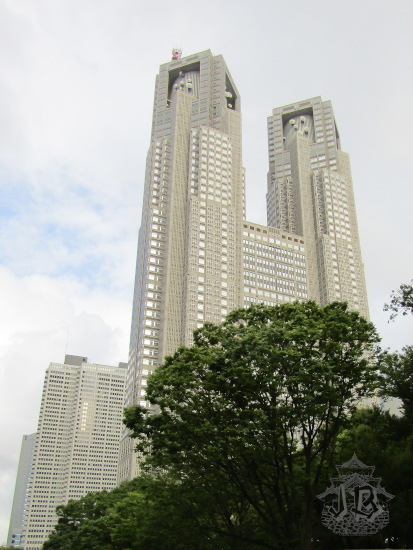
Once more in Shinjuku [新宿], I stepped out at Tochomae station to go to the Tōkyō Tochō [東京都庁] aka the Tokyo Metropolitan Government Building. To my surprise, there was a line for the observatory! Apparently they have closed the North Observatory for renovations (possibly 2020 preparation). When I got to the observatory there was a piano, and at that time, visitors were allowed to play it. I thought “Wouldn’t it be cool if someone did X Japan?”. And then two guys do 紅 with three hands. I was very impressed.

I hoped I would be able to walk around Shinjukucho Teien [新宿中央公園] before it started raining.

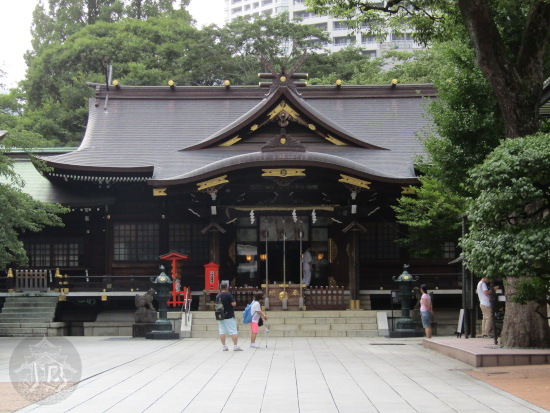
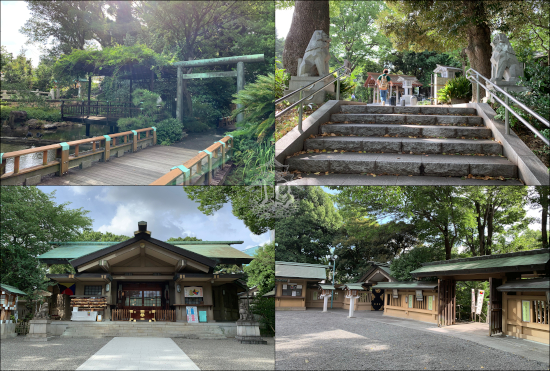
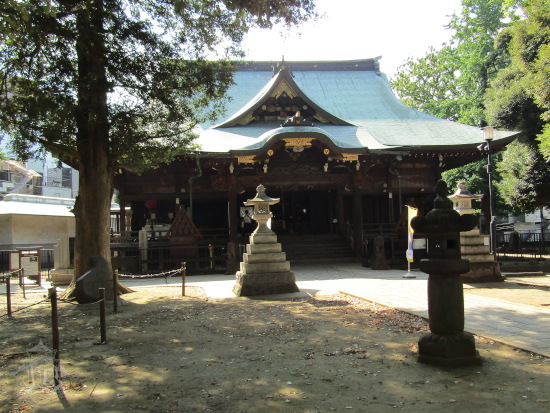
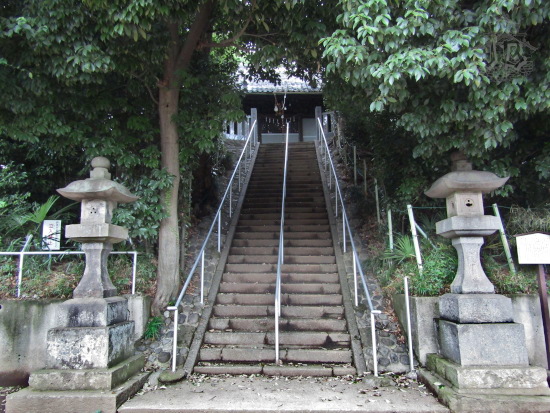
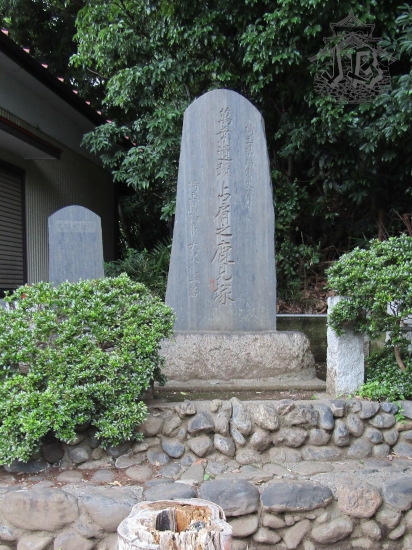
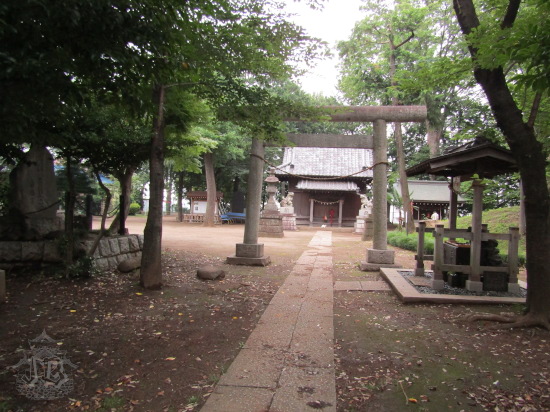
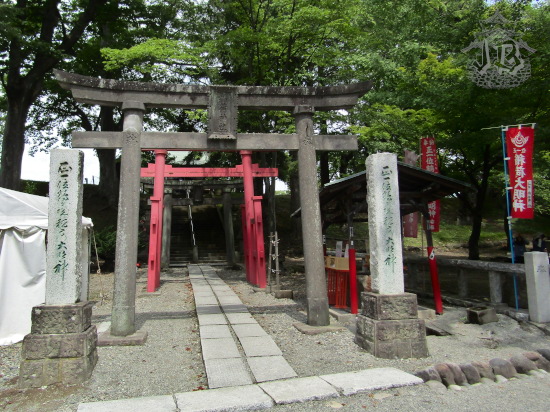
As I was in Shinjukujunisha Kumano Jinja [新宿十二社 熊野神社], where I got a shuuin, it started pouring.

Thus, I went back to the covered station underpasses as fast as I could and then tried to get my way round the inner passages… with dubious success. I did find the Shinjuku tourist office, because they had Coke packs there, but I could not find one that had sakura and Tokyo bottle in it (ó_ò).

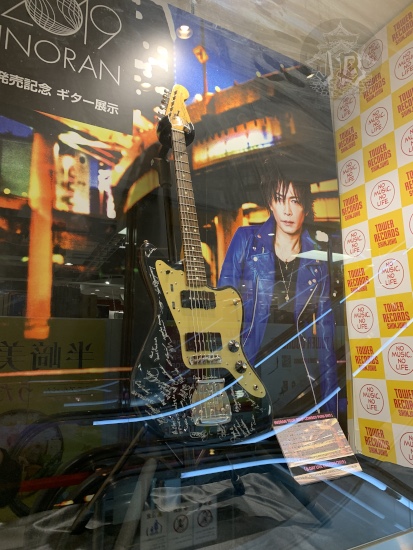
Then I went to Tower Records to see INORAN’s guitar, which was on display prior to his tour.

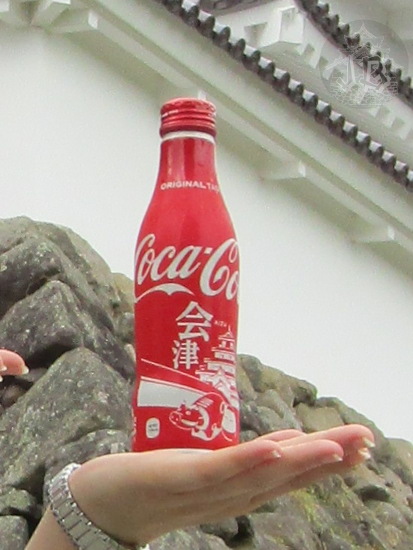
And then I headed off to Roppongi [六本木]. And you know what I found in the first random vending machine I came across? The freaking Tokyo Coke bottle, which turned out not to be only in Shinjuku! I had been looking for it for days (;¬_¬)

Afterwards, I met D****e and M*****san for a nice shabu-shabu dinner.

Walked distance: 10978 steps / 7.85 km.

14th August 2019: The other side of Harajuku {Japan, summer 2019}

After a sweep around the V-kei shops in Shinjuku [新宿], I dropped by Shibuya [渋谷区] (finally) to go to the big Tsutaya there, along with the Mandarake and Tokyu Hands. And there, in the most random vending machine in a backstreet, I managed to find the Shibuya coke bottle (which I drank with glee as I had approached the vending machine as I was thirsty). Then I walked towards Harajuku [原宿], but instead of Takeshita Doori, this time I turned towards the other side. I wanted to see the LemonEd flagship shop, as the Nagoya one did not convince me. LemonEd is a brand created by the deceased X Japan’s guitarist Hide, known for his bright colour combinations and hearts. I wanted to see the shop at least once, I guess, even if “bright” is probably not my thing (≧▽≦). There were many items, T-shirts and so on and I sneaked a couple of pictures.

I went on a little and arrived at Tōgō Jinja [東郷神社], which I really liked. I got a shuuin there too, and almost lost my shuuincho there because the miko would not call my number to give it back (;¬_¬).

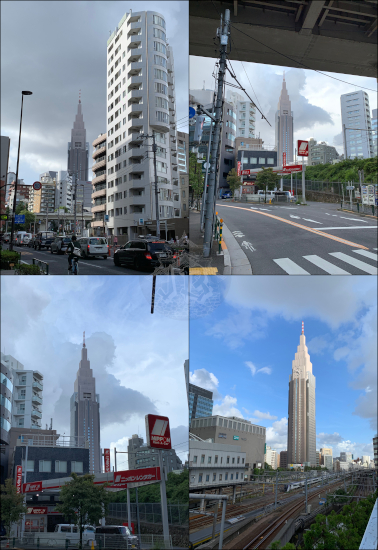
I walked from Harajuku back to Shinjuku via Yoyogi [代々木], and I pretty much went around the NTT Docomo Yoyogi Building [NTTドコモ代々木ビル] from all angles (and weather backgrounds).

When I arrived at Shinjuku station [新宿駅] though, I came across… the Salamander God in a Takashiyama Window… I’m not kidding you.

Once I was in Shinjuku I tried to find the Tokyo Coke bottle in another random vending machine… It did not work, but I found the Kabukichō Benzaiten [歌舞伎町弁財天], which I had seen in passing, and wanted to snoop around.

After kushikatsu dinner, we called it a day.

Walked distance: 19234 steps / 13.7 km.

13th August 2019: Steamy steamy Tokyo {Japan, summer 2019}

Following recommendations from some Japanese acquaintances, I headed off to the Shinagawa [品川区] area to visit Hebikubo Jinja / Kamishinmeitenso Jinja [蛇窪神社 / 上神明天祖神社], a pretty shrine where I got a pretty shuuin (aaaand discovered another stamp rally).

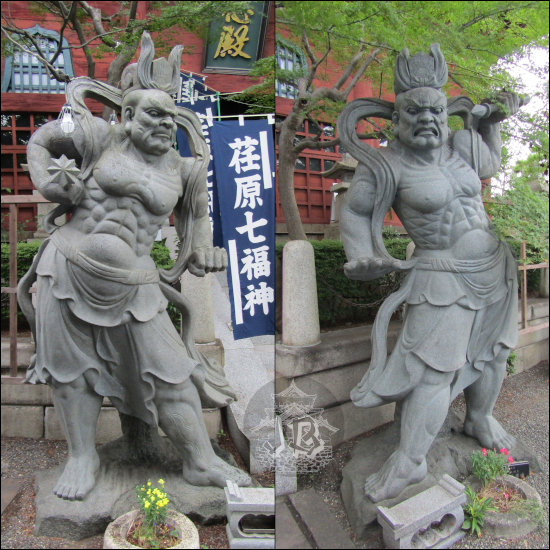
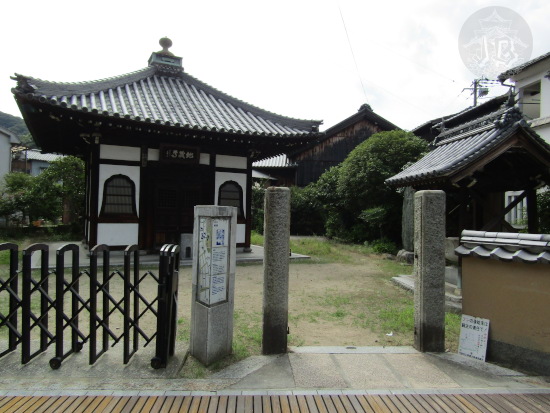
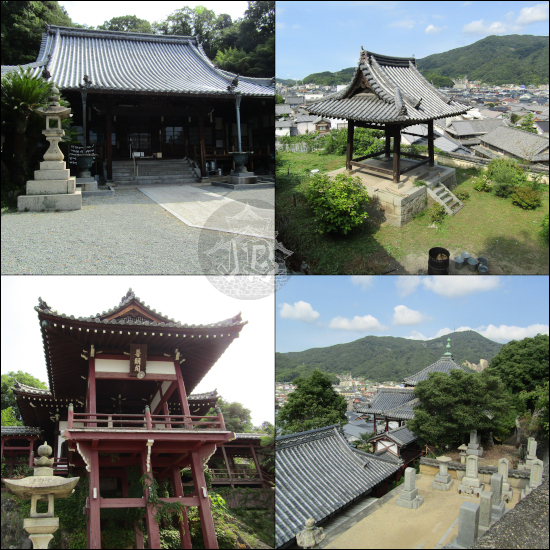
Among rain, sun and drizzle it was exhaustingly hot. I continued on to find Kimyozan Yogyokuin Nyorai [帰命山養玉院如来寺], a temple with amazing guardians.

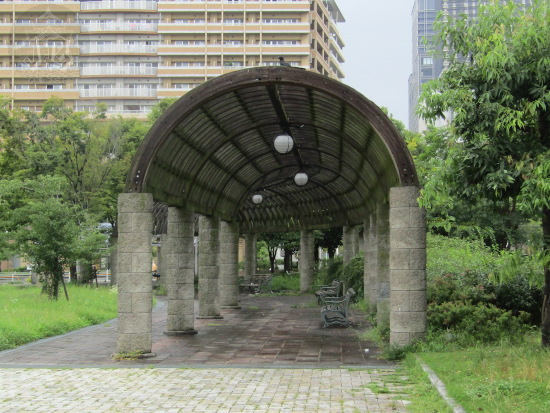
And then I found an obviously very dangerous and aggressive tiny pond, I mean, look at those meshes (yes, I know that it’s probably for children safety, but I shall still make jokes about it). It was the Hara no Suijin-ike [原の水神池].

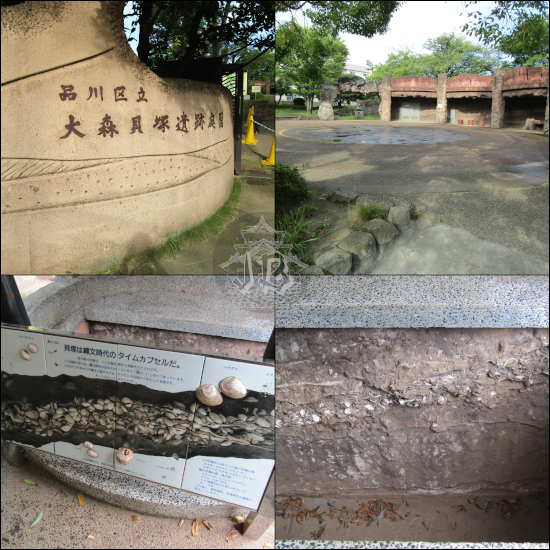
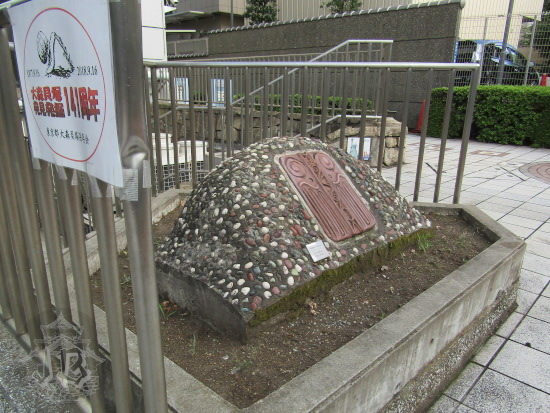
Checking how to come back I came across Ōmori Shell Mound Ruins Garden, Ōmori Kaidzuka Iseki Teien [大森貝塚遺跡庭園] and the Statue of Ōmori Shell Mound, Ōmori Kaikyo no Ishibumi [大森貝墟の碑]. The Ōmori Shell Mound was apparently the first archaeological excavation in Japan. They dig out a seaside village from the Jomon period (14,000 to 300 BC).

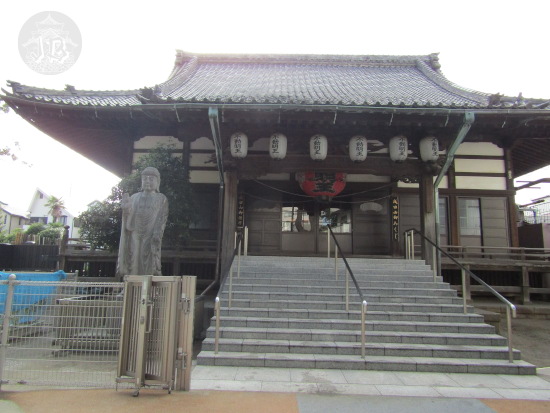
Opposite I found Naritasan Ennoji [成田山圓能寺].

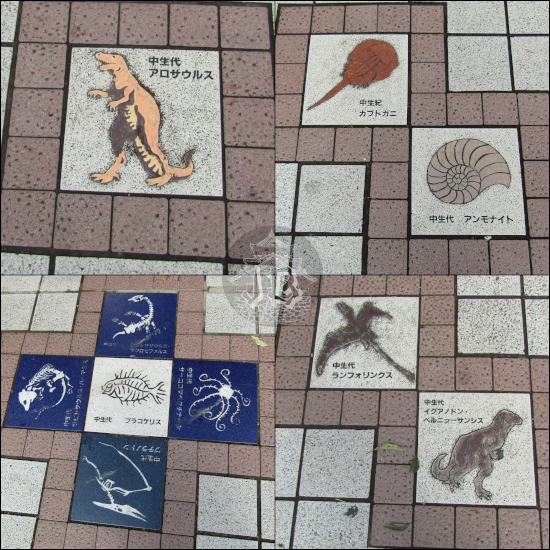
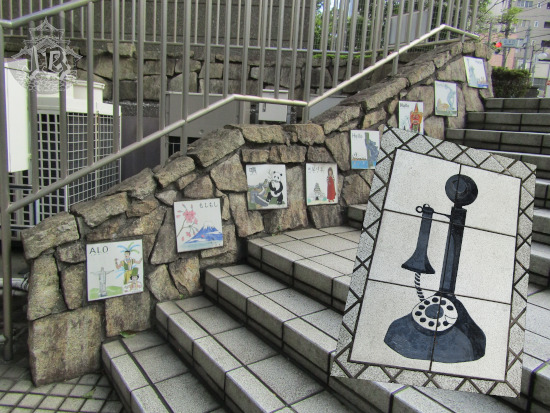
And before I left I noticed the ground decoration on the pavement – life evolution and… telephone greetings. Because Japan, I guess…

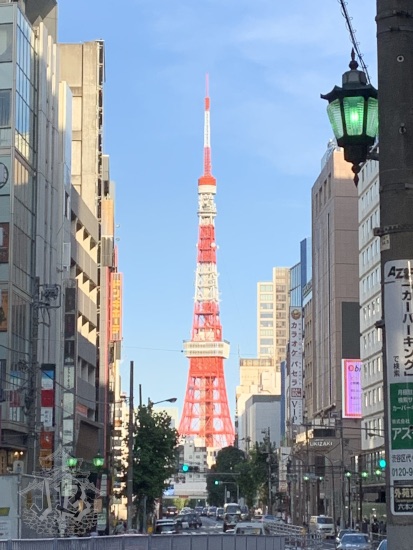
Then I looked at Tokyo Tower [東京タワー] from Roppongi [六本木], as I checked the Don Quijote for Tokyo Coke bottles, without success.

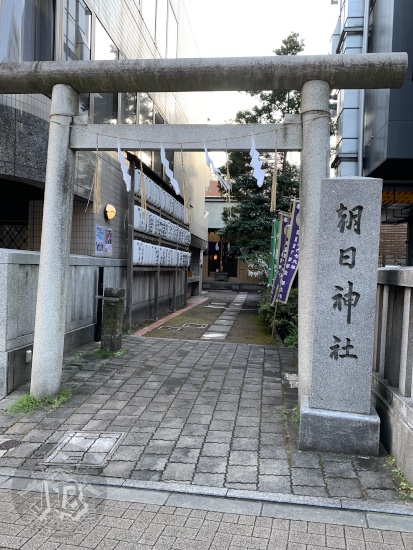
I also came across tiny Asahi Jinja [朝日神社].

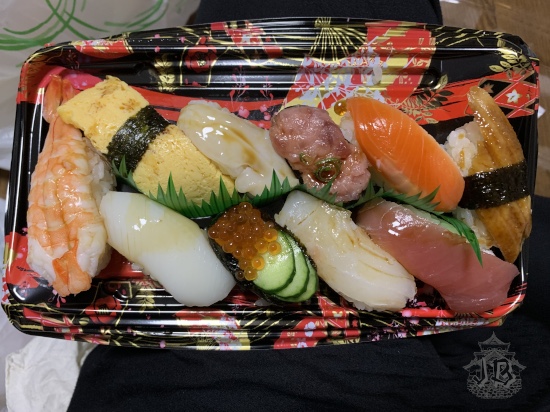
Then dinner was supermarket sushi, which was very, very yummy.

Walked distance: 14009 steps / 10.0 km

10th & 11th August 2019: Once in a lifetime – The Great Fuji-san Adventure {Japan, summer 2019}

Mount Fuji aka Fuji-san [富士山] is a special mountain in Japan, both geologically and culturally. Japanese and tourists enjoy Fuji-san in different ways – contemplating it, visiting it, climbing it, going around it… Well… Guess who got into their thick head that they wanted to climb it? raises hand Exactly! Yours truly. I was already toying with the idea back in 2018, but I chickened out. However, as I mentioned before, this one time I wanted to scratch as many things off the bucket list as possible, so… There I went – kinda pushed by a feeling that if I did not do it, by the time I were back in Japan it might be too late as my health is not.… complying lately. But I had not hiked up a mountain before in my life…

Mount Fuji is the most famous mountain in Japan. Its iconic image is everywhere – enamel pins, t-shirts, postcards, classical art… Located around 100 kilometres south-west of Tokyo, it is 3,776.24 metres high, which makes it the highest peak in the country. It was declared a UNESCO World Heritage Site in 2013.

Technically, Fuji-san is neither a mount nor a mountain, but a type of volcano known as a stratovolcano. Its current morphology was shaped by consecutive layers (“strata”) of lava hardening. It is mainly composed by a rock called basalt, and it is one of the few large basalt volcanos in the world. Basaltic lava is rather thick and slow-moving, so there are many lava tunnels and tree moulds created by the eruptions.

Fuji-san, as we know it today, was formed from a previous volcano (Komitake), and became active around 5,000 years ago. Around 2,300 years ago, there was a mud landslide (Gotemba mud flow [御殿場泥流, Gotemba deiryū]) that can still be identified. There have been several historical eruptions, twelve of them between the years 800 and 1083. There was a ten-day eruption of ashes and cinder in the year 864 (Jōgan 6 in the Japanese calendar, based on the different Emperor’s reign; 2019 is Reiwa 1, as current Emperor Naruhito just ascended the throne). In the year 1707 (Hōei 4 in the Japanese calendar), a few weeks after a big earthquake, the last known eruption took place. In the current Japanese Volcanic Alert Level, Mount Fuji is categorised as “Level 1: Potential for increased activity”, which is the lowest level.

Mount Fuji has frequently been depicted in Japanese art, most famously in Katsushika Hokusai’s [葛飾 北斎] Thirty-six Views of Mount Fuji [富嶽三十六景, Fugaku Sanjūrokkei] by, a series of ukiyo-e block prints (which are actually 46). Probably the best known among these is The Great Wave off Kanagawa, one copy of which is displayed at British Museum in London (actually, in 2017 they ran a whole exhibit around it and Hokusai).

Fuji-san is also an important element in the collective spirituality of Japan. In Shinto mythology, the goddess of Mount Fuji is Konohanasakuya-hime [木花咲耶姫]. She is enshrined in Fujinomiya town Fujisan Hongū Sengen Taisha [富士山本宮浅間大社]. Technically, this shrine has owned Mount Fuji since 1609, though there are no current records of ownership. The volcano stands at the boundary between the prefectures of Shizuoka and Yamanashi, and in order to manage the natural area, the Fuji-Hakone-Izu National Park [富士箱根伊豆国立公園, Fuji-Hakone-Izu Kokuritsu Kōen] was established.

Depending on the actual weather, Fuji-climbing season extends from late June or early July to early September. It is not allowed to climb Fuji “off-season” without a permit. However, people do not usually climb the whole mountain, but start quite closer to the summit. There are roads leading up Mount Fuji up to around 3,200 metres, to an area called the Fifth Stations However, no private cars are allowed on those roads.

From the Fifth-Stations there are four trails or paths to the summit, colour-coded to help people find their way, especially on the way down:

  • Yoshida Trail [吉田ルート] (yellow). It starts at the Fuji-Subaru Line 5th Station [富士スバルライン五合目] (Yamanashi Prefecture). This is the trail recommended to “beginners” and thus the most crowded.
  • Subashiri Trail [須走ルート] (red) Head. It starts at the Subashiri Trail 5th Station [須走口五合目] (Shizuoka Prefecture).
  • Gotemba Trail [御殿場ルート] (green). It starts at the Gotemba Trail New 5th Station [御殿場口新五合目] (Shizuoka Prefecture).
  • Fujinomiya Trail [富士宮ルート] (blue). It starts at the Fujinomiya Trail 5th Station [富士宮口五合目] (Shizuoka Prefecture).

When I told D****e that I was planning to try to organise the climb, she did not believe me at first. As she realised I was being serious, she decided that she was crazy enough to want to come with me as “she could not let me do such a thing alone” and actually took over most of the planning, since she had done it before. I would have just found an agency, but I think she was better.

So off we went. As she was working, we organised our hike on a Saturday-Sunday trip weekend trip – and we did not realise until afterwards that we would be climbing during Mountain Day – Yama no Hi [山の日]. We packed snacks, water, and everything we thought we might need – in my case, also gloves which I eventually lost, and a ridiculous amount of layers. D****e was chill, but I was a little worried about all the equipment the Official webpage for Mt. Fuji Climbing said that was needed, including oxygen and helmets. There were also warnings in place, such as your mobile phone battery dying super-fast, or the need for an evacuation plan in case altitude sickness got too much. I was also worried about weather (especially rain) and temperature changes – thus all the layers. She insisted we would be fine.

After a big lunch, we took the Shinjuku Expressway Bus around 16:00 on Saturday the 10th, and arrived at the Fuji Subaru Line Gogōme [富士スバルライン五合目] / Fuji Subaru Line 5th Station at 2,300 m around 17:30. We (she) had booked a mountain hut at the Seventh station so we “only” had to climb two stations, right? Right. Read: wrong.

Approaching Mount Fuji: the mountain looms half-hidden by the clouds.

Right about the time of taking this picture it had sunk on me how much of a bad idea this had been (≧▽≦). I really wondered if it was too late to turn back and go home.

A date banner at Mount Fuji 5th Station, reading 2019 08 10

My first step was buying a staff – that we nicknamed the “Fuji-climbing stick”. The idea is that you use it to feel your way around and make sure that you step on solid ground, and especially when you hike down. However, (you’d never guess), you can get stamps burnt into the wooden stick as you hike up – usually for 300 ¥. Climbing Fuji can get expensive… D****e had chosen the Yoshida Trail [吉田ルート] for our ascending side (noborigawa [登り側]). And so… off we went.
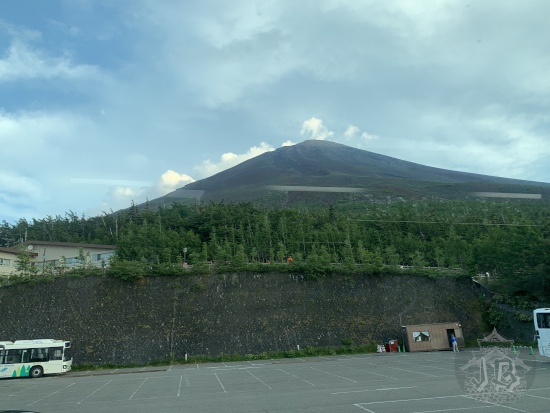
From the Fifth Station, looking up at the summit.

From the Fifth Station, looking down at the car park and a sea of clouds underneath

We started off climbing at around 18:00. Between the Fifth (2,300 m) and the Sixth Stations (2,390 m), you walk along some dirt paths in the forest, and there isn’t really that much “ascension”. As there was also light, the first hour was easy enough. This area is crowded due to all the “visitors” going for a “walk” from one of the Fifth Stations to another. We actually saw someone using up their oxygen at this point. That was weird.

From the Sixth Station there was a first zig-zag upwards, with paths held up by some dams. This is one of the parts I found the hardest, as it is the same inclination all the time and I was not warmed up yet. Then, sunset came, and while it was pretty, it brought darkness upon us (yeah I’m being literary on this). Not that I had a problem with actual darkness, but other people’s torches and headlights kept blinding me, which made the most difficult parts hard to climb – because some people are idiots who point their lights forward and not downwards, where the ground is. Sheesh. There were parts that were just a gentle incline up, while others were stuck rocks or lava flows that you had to climb with your hand and feet.

At the Seventh Station (2,700 m), the path changed and we started. Though there were some slopes, there were also stuck rocks and lava flows that I had to climb with my hands and feet. Fortunately, I could make use of the short stops we made to stamp my staff. Workers of the Mountain Huts use hot irons to burn the stamp into the wood. I think I got all the ones I could on my way up (no stamps on the way down).
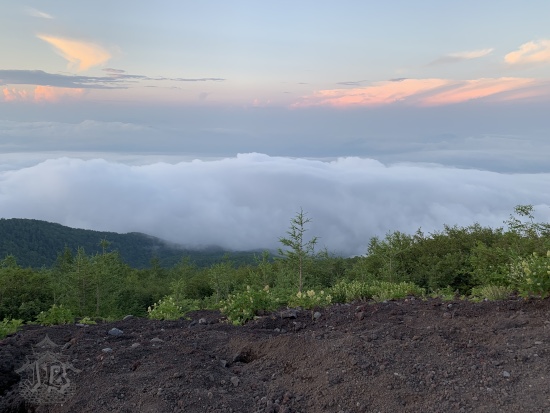
The sea of clouds at the foot of Mount Fuji

Distant lights in the night, down

Mountain huts [富士山の山小屋, Fujisan no yamagoya] are tiny establishments where you can get some food or spend the night for around 10,000 ¥. They often require reservations, usually in Japanese, that is why D****e took charge of that part. Some of them have a bin for rubbish – because you can’t dispose of trash on the slopes, you have to take back what you brought in. They have toilets too, and require a tip. Most of them follow an “honour system” with a small coin box, but some have a guardian to collect the money.

We continued upwards until we made it to our Mountain Hut, Shichigōme Torii sō [七合目 鳥居荘], the Seventh Station’s Torii-so at around 21:00. We had been told it was the one with the red torii, and it was a sight for sore eyes. It stands at 2,900 metres high, closer to the Eight Station than the Seventh – we had expected to find it sooner due to the name.

A torii gate lit up in the dark

D****e had booked a bed and a meal. As we came into the hut, our staffs and backpacks were hung over the door, and we were given bags for our shoes and personal effects. We had a small riff-raff with the owners, because they claimed that we had arrived too late for food. However, D****e argued that the webpage said nothing about a time limit. Thus, we got some curry and rice as the dinner we had booked.
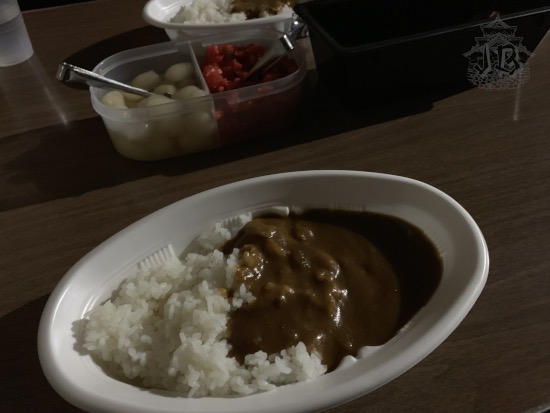
A dish of curry and rice.

Around 22:00, we used the toilet, and then we were shown to the common dormitory – the bed bunks are basically a line of futons put together so you share a blanket with the person next to you. The idiot I had to share with decided to lie on the blanket instead of under it, so she had me uncovered half the time until she left.

Thankfully, at around 23:00 there was a call for people who wanted to set off in time to see sunset from the summit, and she got going. Between getting uncovered, and lying down too soon after food, I started feeling queasy. I freaked out a little. I started turning in my head that I was going to get sick and not get to the summit and have to be evacuated. D****e helped me calm down and I managed to get a few hours of sleep.

But just a few. We were woken up by the noise around us around 4:15. I felt strangely not tired, and D****e indulged me. Thus, we got up and went outside to see sunrise. Sunrise from Mount Fuji!!! I mean… I can’t even. Unfortunately (and ironically) we left too early to get the stamp from our own hut! We continued our way and had breakfast at the next big rock where we could sit down.
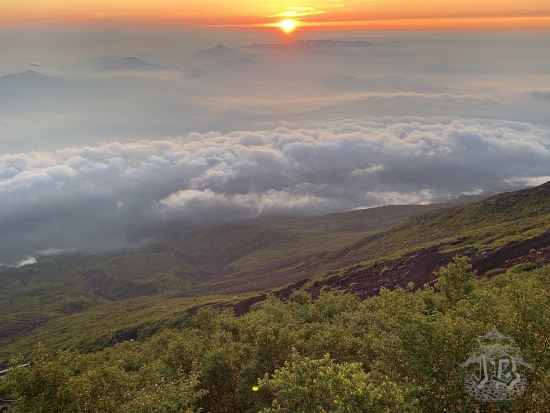
Sunrise from the slopes of Mount Fuji.

After coffee (yes, I’m addicted enough to carry coffee to Mount Fuji), we went on hiking. To be honest this second day was not as bad as I had imagined – as in I was rather convinced that I was not going to be able to make it, especially during the night freak-out. My painkillers kicked in and I only felt a small buzz in my ears as pressure changed.

It did not take too long to arrive at the New Eighth Station (3,100 m). Once again the trail became irregular, which on one hand was tiresome, but at the same time, it was not tedious, so it did not feel as hard. Gloves were useful for this part of the hike, as I could hold on to things. We continued up to the Original 8th Station (3,400 m).

After the Original Eighth Station the trail became path-like again, with torii and stairs and fewer rocks you had to climb over, but a bunch of smaller ones that you had to step up on. Here I learnt to appreciate the actual usefulness of my staff. Vegetation disappeared gradually until the ground was barren.

I think I lost my gloves at the Ninth Station. We saw a group of people evacuating an injured / ill climber – we mentally awarded them like a million karma points, and after getting the injured person to help, they happily went back up again. One of them told us their group does it every year. I remember hugging some torii on the way, and a thousand thoughts twirling in my head.
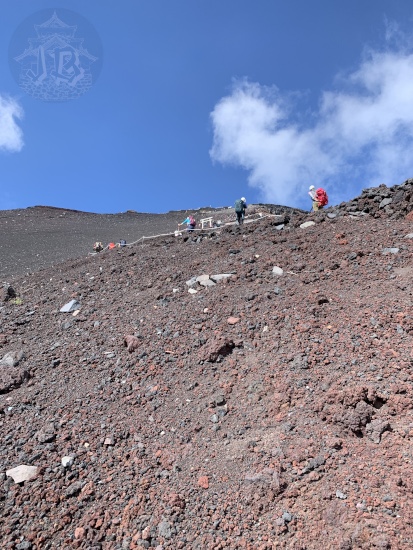
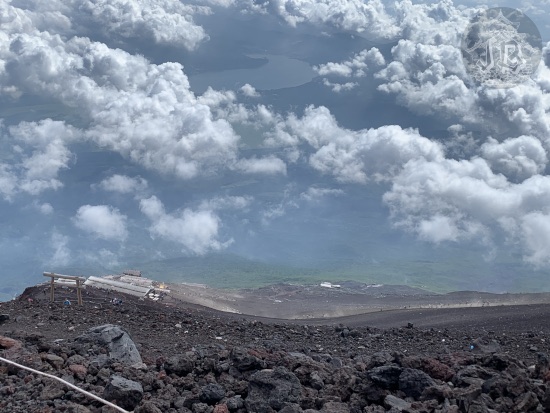
Area closer to the summit of Mount Fuji. There is no vegetation and the ground looks reddish and more like gravel than actual rock.

Looking down from the barren area, there are clouds and a river at the foothill

And then we made it. Around 11:00 we reached the rim of crater. I could not believe my own eyes when I stepped in front of the shrine Asama Taisha Okumiya Kusushi Jinja [淺間大社 奧宮 久須志神社] and Fuji-san Chōjō Yamaguchi-ya Honten [富士山頂上 山口屋 本店] aka Top of Mt. Fuji Yamaguchi Shop. I had made it. I had beaten my own limits, and reached the crater.
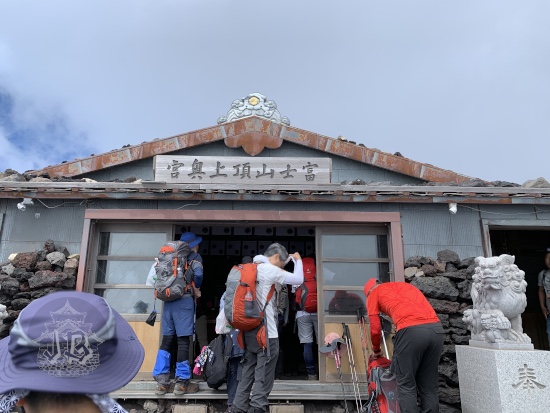
Entrance to the Temple on the Summit of Mount Fuji

Online certificate that you can download using a QR from the Top. It has the date as August 11 2019

Of course I needed to get all the stamps and the shuuin and the exclusive Coca-Cola bottle. We decided not to go around the crater to the highest point, just a handful of metres higher, because it would add some 90 minutes to our trek, and we preferred to just hang around where we were for that long. Because I was at the freaking crater of Mount Fuji! I was the Kami of the Mountain.

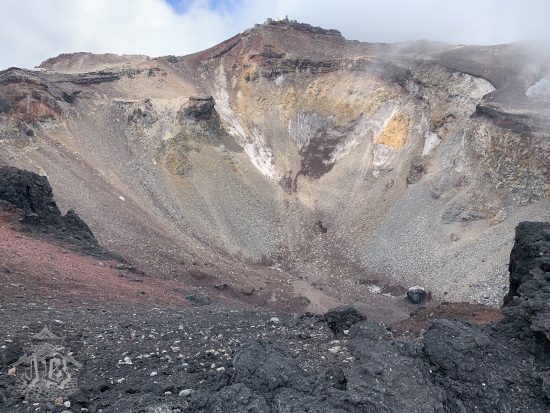
Brim of the crater of Mount Fuji

Crater of Mount Fuji

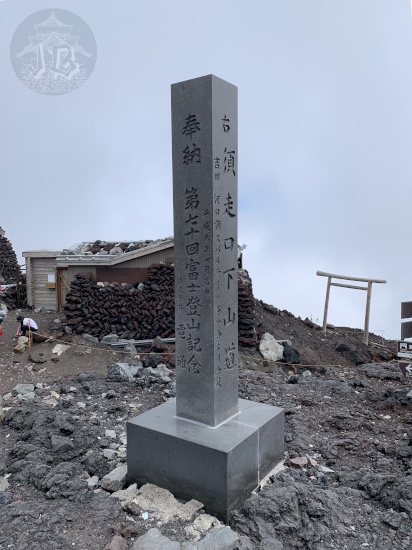
Stone marker at the summit

Cheers with two Mount Fuji exclusive Coca-Cola bottles

Walking around the crater would have been great, but we would be hard-pressed for time for our bus if we took too long. D****e asked me what I wanted to do, and I was happy staying around the crater taking pictures and enjoying the feeling. After an hour or so, we set on our way back down – the trail was a bulldozered zig-zag of gravel, boulders and volcanic sand, and it was even more exhausting than the way up.

It was tricky not to slide and fall. It took us about three hours until we were back to the forest area and the Sixth Station. We reached our Fifth Station around 15:30. I did not fall even once – thank you, Fuji-climbing boots from the Decathlon Children Section for not letting me down, literally!! I also acknowledge that we were super-lucky with the weather, we only had a few clouds just under the crater, and it was not too cold even for me – and no rain, which would have made the experience miserable.
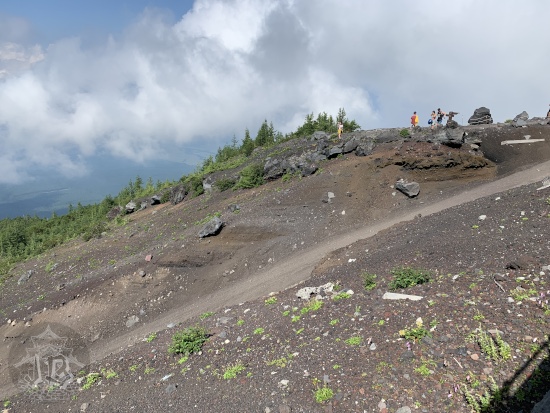
The path down, bulldozered into a straight line.

We actually made it with some time to catch our bus, so we looked at the souvenir shops and Fujisankomitake Jinja [冨士山小御嶽神社].

A colourful and crowded shrine. A lot of the tourists in front of it are wearing shoes that were definitely not made for climbing.

My made-for-climbing shoes, and lower jeans, which were originally blue, looking orange due to the volcanic dust.

As we left, we could see Mount Fuji in all its glory, and I could not believe that I had actually been up there! The total experience had taken a bit over 27 hours, and it was exhausting but exhilarating.

View of Mount Fuji from the bus

However, the downfall had to come, and it came in the bus, about 20 minutes into the ride home – once I stopped moving, my body completely shut down in pain. My back cramped, headache hit, left knee got stuck, and the road trip was horrible. I did not want to have any dinner even if I knew I needed it, but a hot pot in the conbini managed to draw me and it was exactly what I needed!

Hot pot with vegetables, mushrooms and pork

Walked distance: 10th: 9988 steps / 7.14 km; 11th: 21107 steps / 15.1 km. However! The damn watch does not take into account that I CLIMBED A VOLCANO!! I mean, come on! Some of those steps had a 70 cm difference in height! I managed to do it, and I feel damn proud of myself for it, and I will forever proudly display my Fuji-climbing stick as proof of the feat. Also, just so you know 11th of August is Yama no Hi [山の日] (Mountain Day) so this was ironically well-timed, even if by pure chance!

The walking cane I used, covered in hot-iron stamps.

I know that hundreds of people climb Fuji-san every year, but for me those almost 3,776 metres represent something special. It was my very own challenge, something I never thought I would be able to do, and yet I managed. I was extremely proud of myself. I think it helped me become more adventurous, as I found out that I could really push my limits. There was a price to pay afterwards, yes. But I had made it and I don’t regret it (I did regret it a bit the following day going down the stairs though. But not much). I was the Kami of the Mountain.

9th August 2019: Pretty lights, 2019 Edition {Japan, summer 2019}

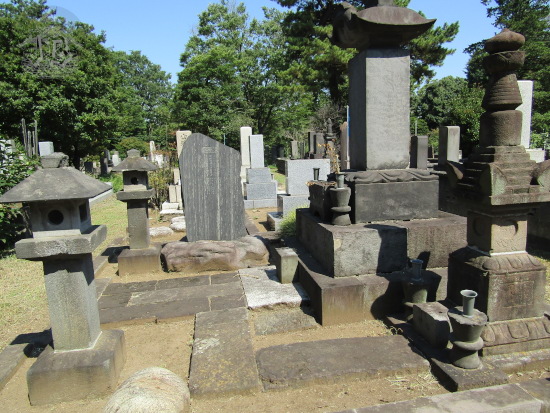
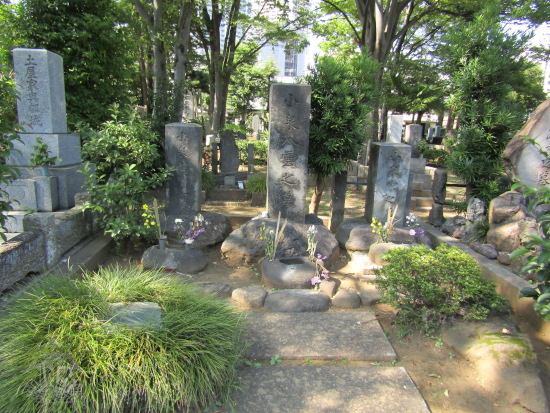
That morning I headed off to Ikebukuro [池袋], on my way to find one of the most important Tokyo [東京] graveyard – Zoshigaya Reien [雑司ケ谷霊園]. I wandered the graveyard for a while – it was damn hot.

However, there was one particular grave I was interested in, the restplace of Lafcadio Hearn / Koizumi Yakumo [小泉 八雲], the 19th Century collector of ghost and mythology stories.

I decided to walk out the opposite direction from which I had come in because I wanted to see a park. I did not find it, but pretty much walked into Otori Jinja [大鳥神社] (and discovered a new stamp rally I should attempt at some point).

I continued on my way towards the station and sort of accidentally walked past Honnōji [本納寺].

And then this little guy drew my attention and I entered Zoshigaya Mimizuku Park [豊島区立雑司が谷みみずく公園].

The park holds Takeyoshi Inari Jinja [武芳稲荷].

And Kishimojin [鬼子母神堂] (which I saw before / later in Gokusen 2005 and I right about died laughing).

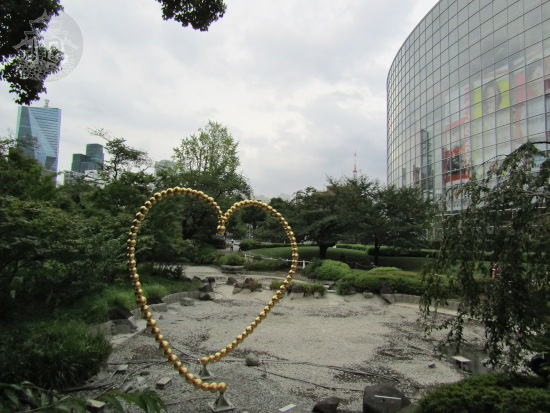
Afterwards I headed to Roppongi [六本木] to meet with M***chan and D****e for Chinese at Tokyo Midtown [東京ミッドタウン], and later we walked through the Midtown Loves Summer light festival.

Walked distance: 18686 steps / 13.3 km.

1st August 2019: Takehara’s Little Kyoto in Aki {Japan, summer 2019}

Takehara [竹原市], in Hiroshima Prefecture, claimed to have its own Gion-like district, and they are trying really hard to promote it. I decided to check out whether it was true / worth it. And after half an hour what I kept wondering was “are you sure you’d want this to become as crowded as Kyoto?”

The historical area consists on a few streets, temples and shrines dating back to the Edo period. Let’s see whether I can retell the route accurately. My first stop was Izumo Jinja [出雲神社]

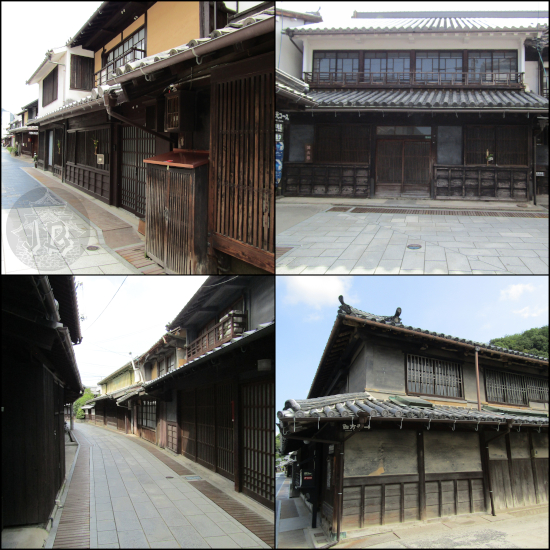
After I had taken the wrong turn a couple of times because the map was cute but not that accurate, I found the “Takehara Historical District”, actually Takehara Townscape Conservation Area Takehara Machinami Hozon Chiku [たけはら町並み保存地区]. The main tourist route runs along Honmachi [本町] Street, and during my whole walk I ran across maybe ten other tourists.

My first diversion was Choseiji [長生寺].

After this I had a better idea of where I was, so things rolled more easily. I continued along the houses and turned right to climb up Saihoji Fumeikaku [西方寺普明閣].

Afterwards I visited Okakae Jizo [おかかえ地蔵], who will grant you wishes if you pick him up

Then Ebisu Jinja or Kodo [胡堂].

Afterwards, Shōrenji [照蓮寺].

Historical alley, holding Shumpukan [春風館] and Fukkokan [復古館].

I diverted then to Sumiyoshi Taisha [住吉神社].

And Kusunoki Jinja [楠神社].

Isonomiya Hachimangu [磯宮八幡] was under construction, so I did not bother the workers.

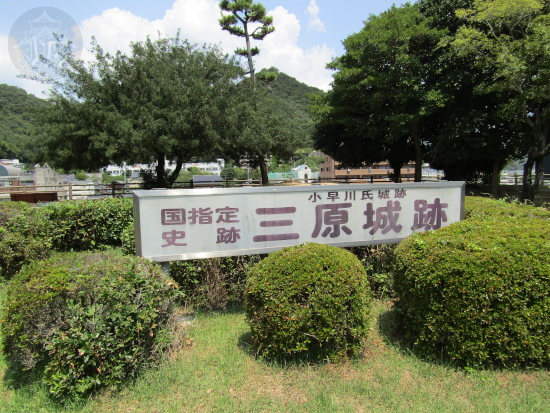
After this I wandered a little around the river, considering whether going to the harbour or not, but in the end I decided against it and headed off back to the station, where I took a train towards Mihara [三原], where I visited the site of Mihara Castle Remains, Mihara jōato [三原城跡].

I also found… Rakkii Jinja [らっきー神社], which I think it’s actually “Lucky Jinja”… in Mihara Station… I don’t ask anymore… but apparently Mihara is the “Octopus Town” and this is their mascot?

Then I went on back towards Nagoya via Kobe. This took around three and a half hours, so I was in Nagoya [名古屋] around late afternoon. Once there, I continued on my search for long jackets and I was finally successful in acquiring two of them in the Midland Square Mall, where I actually went to check out on a LemonEd pop-up shop… which I almost didn’t find because it was way too discrete.

Walked distance: 17438 steps / 12.4 km.

31st July 2019: Journey to the East (2): To the bunnies! {Japan, summer 2019}

I caught the train early in the morning to get to Fukuyama [福山] (Hiroshima Prefecture), barely 15 minutes away from Okayama by train. I wanted to see the local castle, Fukuyama-jo [福山城], which I had not been able to see the last time I had been around because I was a bubblehead and missed the train that gave me leeway to stop (and it was a Monday and closed). Thus, this time I factored it in.
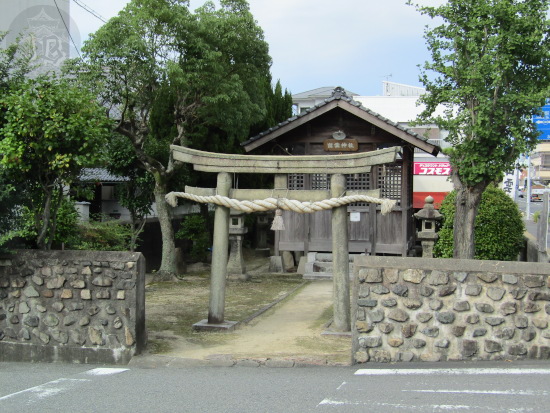
After visiting the castle I found the complex found by Abe Jinja [阿部神社] and Bingo Gokoku Jinja [備後護国神社].

And then Sanzoinari Jinja [三蔵稲荷神社].

These three shrines were located within the same park as the Castle, but my map also pointed out that Fukuyama Hachimangu [福山八幡宮] was not that far away, so I went to find it too.

On my way back I diverted because a building had drawn my attention and I wanted to find out what it was – it turned out to be, and I quote the “Holy Zion’s Park St. Valentine” [ホーリーザイオンズパークセントヴァレンタイン]. It was a wedding venue. Live and learn.
As I had some time before the train I wanted to take, I also checked the Fukujyukaikan [福寿会館], which turned out to be a ‘traditional house with a teahouse’, so I did not come in.
After that, I took another train to Mihara where I took the Kure line towards Takehara. However, I stopped halfway, in a small station called Tadanoumi [忠海]. What is there in Tadanoumi? The ferry to Okunoshima.

And what the hell is there in Okunoshima? Bunnies. Hundreds of tame rabbits which you can feed and which will climb on you to demand your food, or climb into your backpack of bag or whatever you’re carrying.

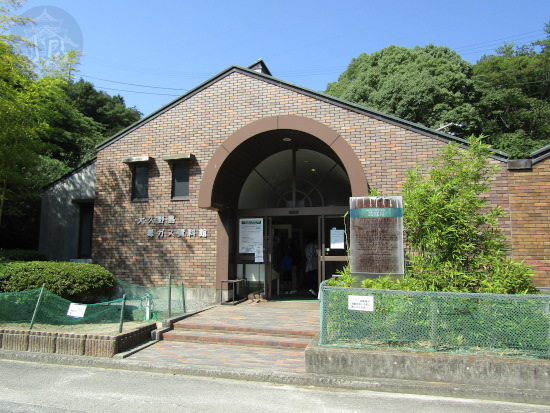
So yes, I went to Okunoshima [大久野島]. I could lie to you and tell you that I was there because of the island (horrific) history, and places like the Poison Gas Museum Ōkunoshima Dokugasu Shiryōkan [大久野島 毒ガス資料館].

Or the magically decaying Okunishima Jinja [大久野島神社].

Or the beautiful scenery.

But bluntly put I was there for the rabbits and bunnies and bunbuns and the fluff and the floppy ears and the straight ears too. Okunoshima is also known as Rabbit Island. After it was abandoned after WWII, apparently a bunch of students released some domestic rabbits and they have colonised the whole island. Now you can go and feed them, although you are encouraged not to grab them or ‘put your fingers near their mouths’. For three hours I pranced around finding bunnies and feeding bunnies.

Then I took the ferry back to Tadanaoumi as the sun started to set.

I continued on the Kure Line to Takehara [竹原市], the city / town Tadanoumi actually belongs to (and I was super lucky because there were disturbances and delays for hours starting the following train). Honestly it was just the nearest hotel I had found – I mean, when I went out the only thing I found to grab a bite to eat was a McDonald’s… and they made my fries to order. I also found out about the town’s unofficial mascot, a character called Momonekosama [ももねこ様], from an anime that is set in Takehara

I had saved up the following day as “buffer day”. I did not know whether to try and get to Kure, or directly back to Nagoya, I thought it would just depend on how tired I was… But the hotel had a little map about how Takehara’s historical district was “Little Kyoto”… I thought maybe that was worth checking out.

Walked distance: 19058 steps, 13.6 km

30th July 2019: Journey to the East (1): Sakaiminato → Okayama {Japan, summer 2019}

For the second part of my Sakaiminato adventure, I got breakfast on the go, and around 9:00, I set off to the Yumeminato Tower in the park of the same name. I had a plan of things to watch and walk around that unfortunately fell through due to, again, a perceived temperature of over 42 ºC and bright sun. But the Yumeminato Tower [夢みなとタワー] could not be skipped as it is part of my still ongoing All Japan Tower Stamp Rally. Aside from the customary observatory, the Tower featured an anthropology exhibition about the cultures of “countries historically related to Sakaiminato in matters of trading” such as Korea or China.

Yumeminato Tower and views from it. There is also a betobetosan (a… white ball with teeth).

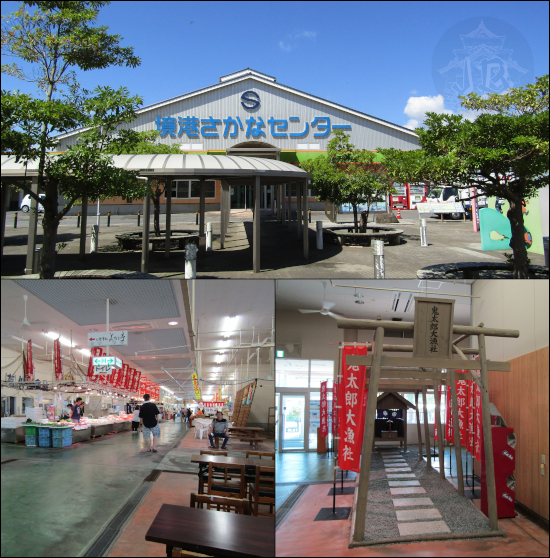
At the feet of the tower is the Sakaiminato Fish Center [境港さかなセンター], a fresh fish market – remember that Sakaiminato is “The City of Kitarō and Fish”. Here is where the homage to fish starts. Sakaiminato is both a trading and fishing key point in western Japan, so this spot is quite important for local business. They have even built a small shrine to give thanks to the ocean for providing the catch.

Sakaiminato fish market, outside and inside, including a small shrine.

Both the tower and the market buildings are encased in Yumeminato Koen [夢みなと公園], a huge – and shadowless – park. It was quite hot, to be honest, and looking back I should have probably just taken the tourist shuttle, but the schedule was inconvenient.

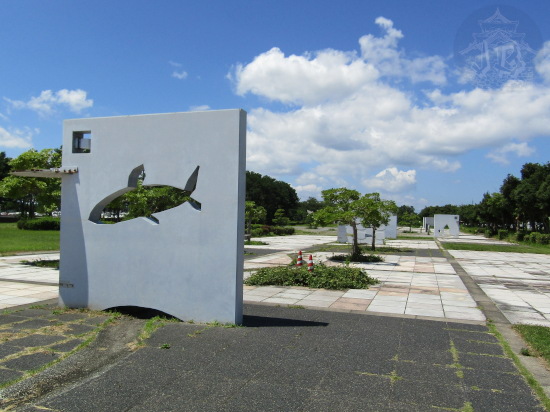
Park with sculptures that depict silhouettes of fish.

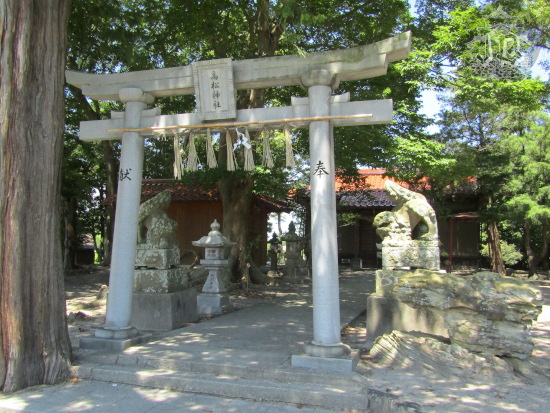
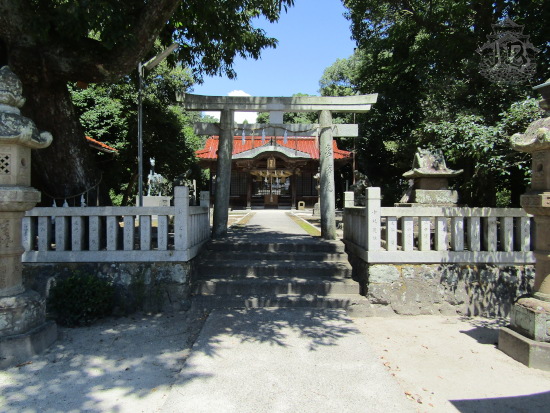
When I arrived at the Takematsucho station, my train had just left, so I snooped around Takematsu Jinja [高松神社], a small shrine next to it.

The torii of a small shrine, next to a sacred tree

Having to wait forty minutes further, as there is only a train per hour, I decided to walk over to the following station, where I visited Amariko Jinja [餘子神社].

A shrine. The entrance torii frames the main building.

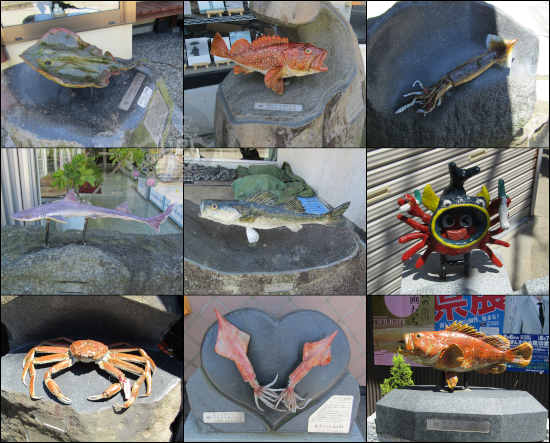
Then, I just sat down to wait and have a drink till the train came. Once back in the centre of Sakaiminato, I realised that even if it was a Tuesday, the Museum of Sea and Life was closed. That did not stop me from hanging around Osakana Road [おさかなロード], the Fish Road, which follows the same ideas as Mizuki Shigeru Road – it has little sculptures here and there. Only these are not yōkai, but fish.

Life-like fish, squids, crabs and sharks from Osakana Road, along a cartoonish mix of them all.

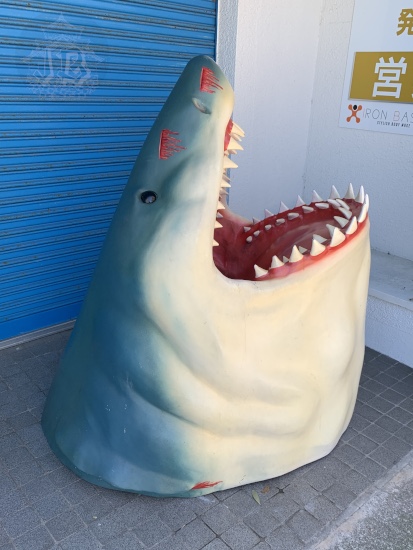
Oh, and I found a… photo-op / trash can shark on the way ʅ(・ω・。)ʃ?? I have no idea, but I could have fit inside. Unfortunately, I would not have been able to climb out.

Head of a white shark

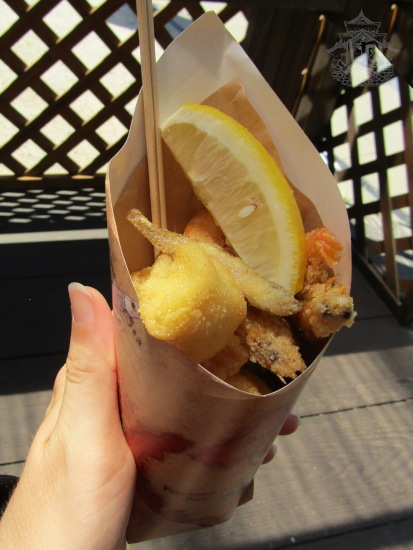
And speaking of fish, I had a great fish-fry snack in Mizuki Shigeru Road as I did an extra sweep to make sure I was not missing any yōkai. I chose this place because the owners seemed nice, and they were. They tried to make some conversation and they were very friendly.

Fish fry with a slice of lemon.

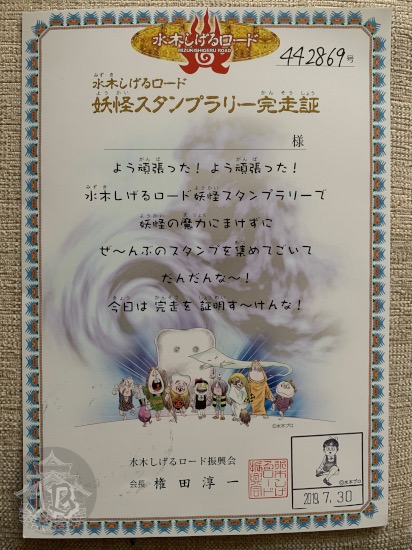
After that, I claimed my certificate at the Tourist Information Centre next to the station Sakaiminato-eki [境港駅]. Although I had done it the previous day, by the time I finished, the office was closed. Of course, nobody had any issue with that – they happily gave me my certificate, dated July 30th and not July 29th (≧▽≦).

Certificate of having finished the Yokai Stamp Rally, dated 30 July 2019.

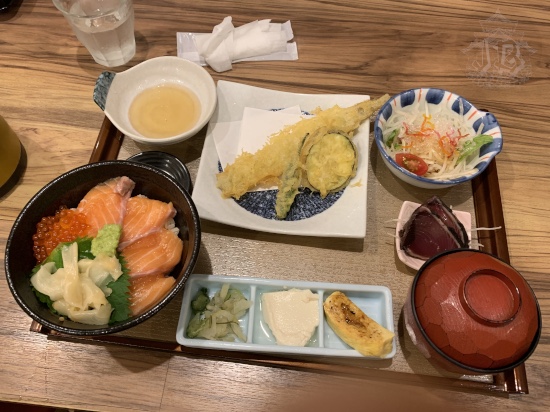
I finally said goodbye to Sakaiminato, and I took the train back to Yonago, and from there to Okayama, the capital of the Prefecture of the same name. This took around three hours, and I was in Okayama [岡山] around 18:00 or 19:00. I dropped my things off at the hotel and headed off for dinner. I ended up ordering a salmon set in a semi-traditional restaurant in a Takashiyama shopping centre, and although the staff was not the nicest, the food was delicious!

Japanese dinner with fried fish, salad, miso soup and a bowl of raw fish on rice.

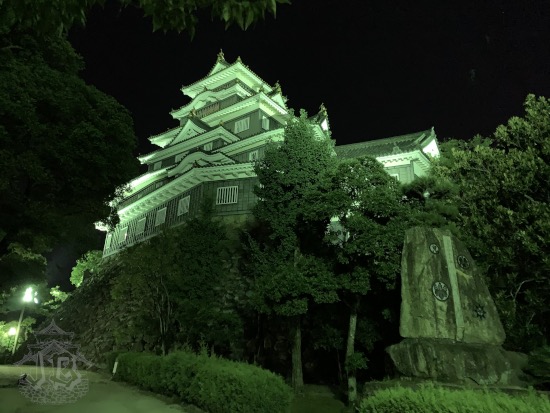
Right after dinner, I walked to the castle, Okayama-jo [岡山城], hoping it would be lit, and it was. They were also rehearsing some summer light show, with music and stuff.

Okayama Castle at night

Afterwards, I went back to the hotel – unfortunately I had a smoking room (yuck), so I had to spray everything with freshener so I could breathe. But I left the window open as I showered, and I slept rather well afterwards. I had started to feel the tiredness.

Walked distance: 22899 steps / 16.3 km. Most under the sun (soooo sunburnt!)

29th July 2019: Journey to the West: Osaka → Sakaiminato {Japan, summer 2019}

I was determined to cross as many things on my bucket list as I could in this trip as I could, and that involved some crazy travelling – in this case, two hundred eighty-something kilometres, four trains, and a bit over five hours. In order to make it work, I needed to leave Osaka around 7:00. From the hotel I took the Midosuji underground line from Doubutsuen-Mae Station to Shin-Osaka station, where I took the Tokaido-Sanyo Shinkansen to Okayama – the first 2.5 hours. There, I took the Yakumo Limited express to Yonago [米子市] (a bit over an hour). There, I had to change to, the JR Sakai Line which would finally take me to Sakaiminato [境港市] in Tottori prefecture – it took 45 minutes to travel the last 18 km.

Sakaiminato is “The City of Kitarō and Fish” – Fish is quite self-explanatory. Kitarō is the main character in the manga Ge Ge Ge no Kitarō [ゲゲゲの鬼太郎], often quoted as the reason why yōkai and other elements of Japanese folklore and mythology became popular in the 20th century. Yōkai [妖怪], literally “strange apparition”, are mythological creatures unique to the Japanese islands. They tend to represent nature or societal phenomena, some of them have animal features or are part-human part-animal, or anthropomorphised animals. Many others are rooted on the Japanese idea that inanimate objects have or can develop a spirit. Some yōkai are benevolent, others are evil.

The creator of the manga was Mizuki Shigeru [水木 しげる] (1922 – 2015). He was born in Osaka, but his family moved to Sakaiminato when he was young, and he grew up there. After being drafted to fight in World War II, he became interested in travelling and mythology. Back in Japan, he started the manga in the 1960s. Aside from writing and drawing Ge Ge Ge no Kitarō [ゲゲゲの鬼太郎] (Ge Ge Ge being an onomatopoeia of creepy grave yard noises), he was also a great connoisseur of Japanese folklore, especially monsters, ghosts, and yōkai.

Ge Ge Ge no Kitarō went through a few names and formats to its final form – and there have been anime adaptations as recent as 2018. Kitarō, the main character, is a young yōkai boy who lives between the worlds of humans and yōkai. His usual adventures involve protecting people from both evil yōkai and monsters of western origin. Other characters appear through the story, such as Medama-Oyaji, the “ghost” of Kitarō’s father, incarnated in his eyeball, the Rat-Man (Nezumi Otoko) or the Cat Girl (Neko-Musume).

Most of Kitarō’s adventures happen in or around Sakaiminato, and the town has decided to honour Mizuki’s yōkai legacy – or turn it into a tourist attraction. The inhabitants embraced its yōkai fictional legacy with glee… and stamps. Sakaiminato is all and everything about yōkai.

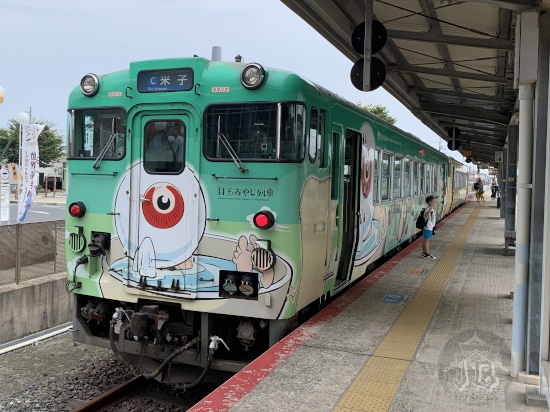
The magic started when I reached Yonago [米子市] Station: there, the platform is decorated with sculptures and statues, a prelude of what one finds when arriving in Sakaiminato. The train in the JR Sakai line [境港線] was also decorated with some of the characters of the manga. Furthermore, a lot of stops of the Sakai Line, aside from their actual name, are nicknamed after a yōkai.

Sign of Yonago station, featuring the character Nezumi Otoko from Ge Ge Ge no Kitaro.

Train to Sakaiminato, featuring the character Medama-Oyaji from Ge Ge Ge no Kitarō, taking a bath.

I finally reached the Sakaiminato station, Sakaiminato-eki [境港駅]. Upon exiting the train, the first thing I saw was a mural with all the recurrent characters in the manga. The second, that the street lights were shaped like Medama-Oyaji, Kitarō’s eyeball-shaped father.

Mural of Ge Ge Ge no Kitarō characters. The street lights in front of it are shaped like eyeballs, and the irises have different colours.

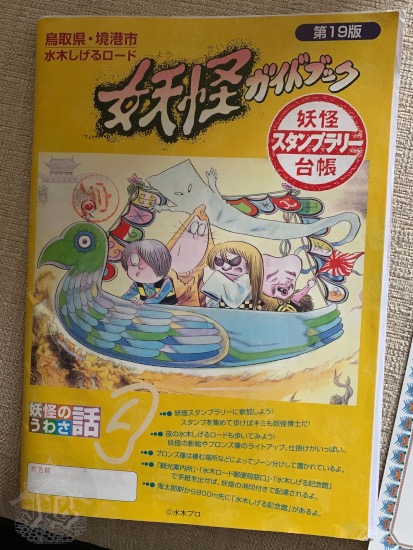
As I came out of the station, I was greeted by a bronze statue of Mizuki Shigeru writing among his characters, and a themed postbox. At the end of the block there was a mall-like building (actually, a cultural centre) which holds the Tourist Information Office. There, I got a copy of the yōkai booklet to carry out the Yōkai Stamp Rally [妖怪スタンプラリー]. The booklet was 120 ¥, of course I could not let it go – there are 35 stamps to collect, and if you get all the stamps of the main rally, you get a small certificate. There are extra stamps for day trips, too. I wish I had known beforehand, I would have planned two days out there to try and complete it.

In order to complete the stamp rally, you have to go down the main street and stop at the many shops which have a small stand out front with a stamp and an ink pad. It was stupidly fun to do, even if there were a few parents who thought nobody but their kids should get stamps and a certificate. Some of the stamps were “hidden” away from the main street and the documentation is in Japanese, so some effort is required – or just use the convenient interactive map.

Stamp Rally booklet

Booklet acquired, I could go forth and explore (and stamp). I backtracked towards the bronze statue of Mizuki Shigeru writing among his characters Mizuki Shigeru-sensei Shippitsu-chū no Zō [水木しげる先生執筆中の像], and the Kitaro postbox [鬼太郎ポスト].

Statue of a character writing with his mouth open. Two manga characters are looking at him, hearing his stories.

Kitaro sitting on top of a post box

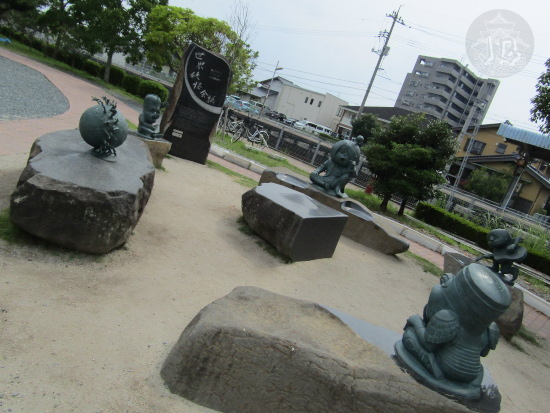
And as you follow the road and turn the corner you directly go into Mizuki Shigeru Road. However, when have you read me going into something directly without getting distracted? First I had to see the Yōkai World Summit, Sekai Yōkai Kaigi [世界妖怪会議].

The bronze statues that comprise the Yokai World Summit.

Finally I got down to Mizuki Shigeru Road [水木しげるロード], which features dozens of small and not-so-small bronze statues representing yōkai as they appear in the manga, alongside the characters designed for the story itself. The Tourist Information claims that there are 177 statues in total. I honestly did not count. Shops line to the sides, and a bunch of them have the stamps that you ink on your booklet – and it was hard to get to them, it was so crowded!

I walked the right side to the end, then I decided to come back to check into the hotel, which was close to the station, and drop the luggage. Why didn’t I do that from the beginning? Either it was too early for check-in, or I was eager to get started with the stamps, or maybe both. I reached my hotel and it was gorgeous! It was actually the most expensive hotel in the whole trip, but it was amazing! Outside, it was just a brick building. Inside, it was full of wood and tatami, and so was the room. There was an onsen (artificial hot spring) on the uppermost floor, which I decided I would visit later.

I actually felt a bit bummed that I only had a night there, because I would have really stayed in that room for hours just lounging around – and there were more stamps to collect… But as soon as I thought about the stamps I realised I just had to go out again to continue my adventure. There were lots of things to see and do! Thus, I headed out again, and realised I needed to find myself some food as it was close to 15:00 and I had only had a coffee and a cracker at around 8:00. Then, I set off to walk the left side of the Mizuki Shigeru Road. Of course, every time I went up and down the street I took photographs…

Collage showing Japanese mythological characters as depicted in the Ge Ge Ge no Kitaro manga. They include a Medama-Oyaji, Betobetosan, a dragon, a nurikabe, a giant skeleton…

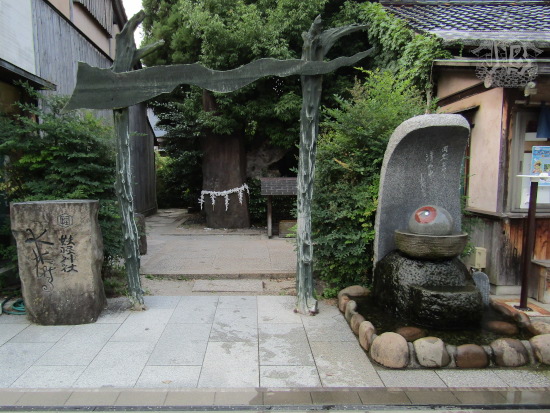
Of course, I also had to visit Yōkai Jinja [妖怪神社] on the way (the amount of time and times I had to wait till I was able to take a picture of this without anybody in it was ridiculous (≧▽≦)).

Japanese shrine entrance, depicting the torii as something ghostly. There is a sacred tree just behind the torii.

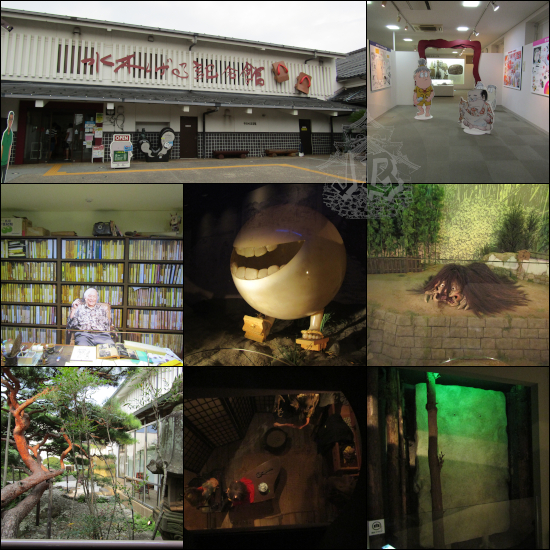
At the end of the road, I had seen the Mizuki Shigeru Museum, Mizuki Shigeru Kinen-kan [水木しげる記念館] and I knew that it was open (on a Monday!) until late (in Japan!). I actually had put Sakaiminato on the schedule like this so I could make the most out of the Monday. I decided to enter before I had finished the stamp rally, because I keep getting distracted by shiny new things. The Museum features some of the original manga strips, a replica of Mizuki’s office, some items of his mythology-artefact collection and personal library. You can peek at haunted house and see a lot of “domestic” yōkai that that may lurk in a traditional home. There are also replicas of different yōkai – big, moving, and trying to be creepy but only managing to be awfully cute: Nurikabe, Shirouneri, Otoroshi, Azukihakari, Betobetosan, Suiko, Akaname, Miagenyudou. There are also photo spots to compensate that more than a few items cannot be photographed. The museum also had a nice garden for the “wild” yōkai.

The Shigeru Mizuki Museum and garden

I still had a few stamps to go, so after I left the museum, I diverted towards the harbour to find them. That is how I ended up at Ominato Jinja [大港神社], a much more traditional shrine, not for tourist but actual practising.

Japanese Shrine. Pretty standard in comparison to Yokai Jinja.

It was time to look for the “hidden” stamp spots. The very last one I found was at the Sakaiminato Ekimae Police Box, Sakaiminato Ekimae Kōban [境港駅前交番]. I had completed the booklet in one afternoon! However, it was just around 18:00, so the tourist office was already closed. I saw something called “Kitarō Haunted House”, but I did not enter – it seemed to be for kids, and I did not want to brave too many hyper-protective fathers.

Open Yokai stamp booklet showing the stamped characters.

Instead, I went to the harbour to have a look at the setting sun. This was my first time in the west of Japan, so I thought I could see the sun going under the maritime horizon. I had not counted on the bay, but it was overall pretty.

Sunset at the harbour. It looks pastel.

As it was “after hours”, I went to look at the fountain Kappa no Izumi [河童の泉]. That day, the city employees had been cleaning it, and I did not want to take pictures with the workers in them, or disturb their work and power-washing. The fountain was still not running, but the city officials had left.

Dry fountain with Ge Ge Ge no Kitarō characters.

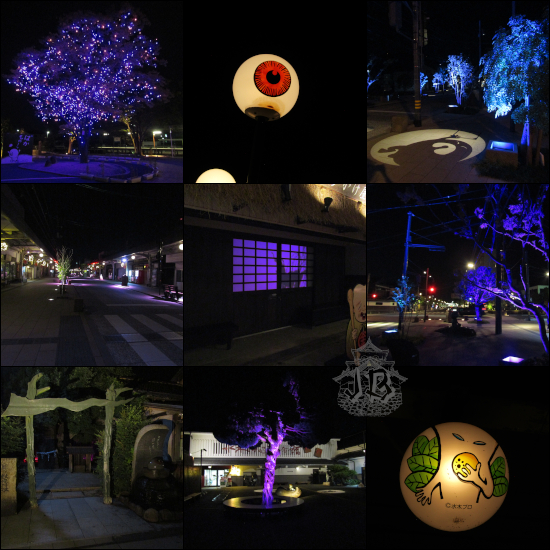
Afterwards, I tried to grab a bite to eat, but most places had either shut down or were not taking customers any more by 18:00. Thus, I found myself some conbini food, and headed back to the hotel. I had a nice traditional bedroom and a fantastic shower, but honestly, I ignored it in favour of the onsen. I went there to enjoy a long soak. As night falls and the shops close down, it looks like this small Japanese town would go quiet. Nothing further from reality! The Mizuki Shigeru Road displays a creepy illumination complete with sound effects. This is probably an incentive for people to stay overnight. I had read about it on the brochure, so of course I walked out again to see the town at night.

The whole Mizuki Shigeru Road had been completely overtaken by the wannabe creepy atmosphere – at least. There was music, and some of the shop windows had shadows. The Medama-Oyaji street lights flickered. Suddenly, as I was walking down the road, there was a thunderclap sound and all the lights went out at the same time. I jumped! They got me good! Well, me and everyone who was just experiencing it for the first time. Part of the fun became identifying when the lights would go out and watching out for people getting as startled as you had been. I plead guilty of doing it.

Mizuki Shigeru Road, with creepy lighting.

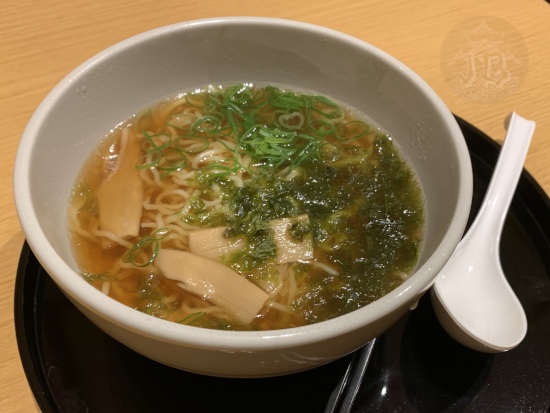
I went back to the hotel around 21:00. However, as part of the stay-in-town incentive, my hotel also offered a free bowl of ramen between 22:00 and 23:00. I wondered if it would be greedy to go and have it, but I decided to take full advantage of the offer. Thus, to finish the day, I got free ramen at the hotel for dinner! Indeed, I could have stayed in that hotel for days on end!

Bowl of free ramen with algae and bamboo sprouts.

I went to bed soon after. But remember, Sakaiminato is “The City of Kitarō and Fish”. I had done the Kitarō part. The following day, I needed to focus on the fish.

Walked distance: 13641 steps, 9.76 km in one afternoon/evening. It was bloody amazing and I had a blast!

28th July 2019: Wakayama {Japan, summer 2019}

Going to Wakayama [和歌山] was a spur-of-the-moment decision, so I did not prepare for it in advance – I should have. On the one hand, it was super hot, on the other hand, most of the stuff was not covered by my JR Pass and I had not budgeted 3,000 ¥ extra on trains for it. But when I came out of the train on the 27th saw that my platform was the Wakayama platform and thought “why not?” After all, they made HYDE their Tourist Ambassador this year…

First I found my way to the castle, Wakayama-jo [和歌山城] and the adjacent park.

On one of the corners of the park I found Wakayama-ken Gogoku Jinja [和歌山県護国神社].

And then I visited the Wakayama Rekishi-kan [わかやま歴史館], Wakayma History Museum, since the ticket was included in the Castle visit.

Then I missed the train to Kimiidera [紀三井寺], so I had to wait an extra half-hour… that I would later be thankful for because… stairs. Lots of them.

There were a couple of other shrines that I wanted to visit, but it felt like 45ºC and it was just too hot to walk to them – besides the stairs left me exhausted. So I headed back to the station. I did not manage to make a seat reservation, so I had to stand the 90 minutes back to Osaka [大阪]. That was not fun. Once I was in Osaka I took a stroll in Tennoji shopping centre because I wanted a long summer-jacket, preferably in black lace. I was not lucky.

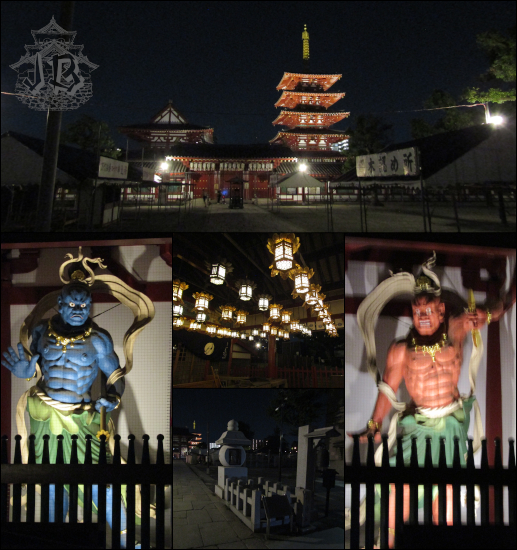
I had dinner and a shower at the hotel, and then I walked past Shinsekai [新世界] and Tsūtenkaku [通天閣] to see Shitennoji [四天王寺] at night. I was closely observed by some cats which roamed the altars and were very offended I was not bringing them any food.

Walked distance: 22995 steps, 16.4 km

27th July 2019: Osaka by drizzle and twilight {Japan, summer 2019}

After the KAMIJO concert, I set off again, this time over to Osaka (where I was a train-challenged idiot and this time I can’t even blame it on the chaotic Osaka transport) and my first stop was Namba Yasaka Jinja [難波八阪神社], one of whose buildings is shaped as a lion-dog head. It was a very nice and fun shrine.

On the way to the station I walked through Namba Koen [浪速公園].

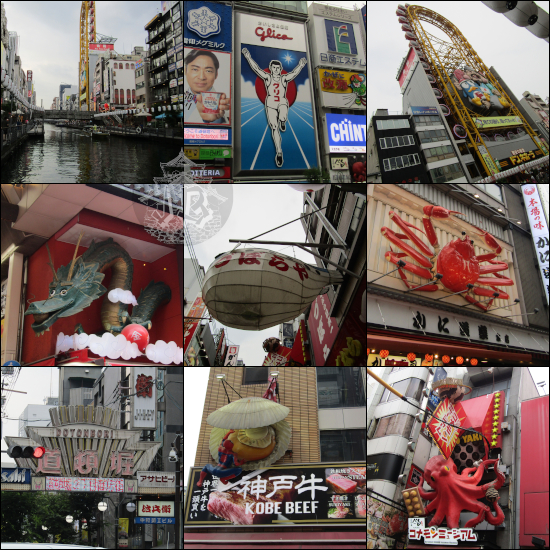
Then I rode to the hotel to drop off my things – and of course gotout the wrong station at Shin-Imamiya station (I also held a little prayer so I did not end up at a love hotel again – I had chosen wisely!). I had a bit of a rest and then I headed back towards Dōtonbori [道頓堀] and after once again checking the map before getting my butt there, I was able to find all the spots I wanted too – count me out of the Donki ferris wheel though.

The plan was waiting until sunset to see all the lights, but I miscalculated again and I did see the lights, but only against the twilight. Oh. But I made some time eating takoyaki [たこ焼き].

I got some rest on the way, so I was rested enough to have a stroll down Shinsekai [新世界] at night – including Tsūtenkaku [通天閣] and Billy Ken.

Afterwards, before going to sleep, I watched a NHK TV special on one of the bands I like – but have never seen live – LunaSea. I was in my hotel in Osaka, but I watched “with” my friend E**chan, as we both kept messaging each other about what we were listening to at the moment.

Walked distance: 19319 steps / 13.8 km.

25th July 2019: Sekigahara {Japan, summer 2019}

I was staying in Nagoya for another of the HYDE concerts, but I had a free morning, so I decided to take a train to Sekigahara [関ヶ原], which is a nearby little town, which is really only in the books because in October of 1600 a huge battle in the mountains over there decided the establishment of the Tokugawa shogunate, which shaped the history of Japan for centuries. It is known as the Battle of Sekigahara, Sekigahara no Tatakai [関ヶ原の戦い]. Basically there were a bunch of samurai clans warring with each other and Tokugawa managed to convince, bribe and slaughter every one in his way until he was the de facto ruler of Japan.

A vermillion gate with trees in the background

I found a map with a route to follow and thus my first stop was the Higashikubidzuka [東首塚] Mound, where a bunch of samurai were beheaded – this was off to a bloody start. Within the same area there were several monuments signalling different events and encampments – which was to mark how most of Sekigahara is laid out.

Collage of the park, showing a marker, some flags and a torii

Then I continued on to Jinbano Koen [陣場野公園], where I could see the Site of the Battle Camp of Tanaka Yoshimasa [田中吉政陣跡], the Site of Tokugawa Ieasu’s Final Encampment [徳川家康最後陣跡], Kibune Jinja [貴船神社], Mitama Jinja [御霊神社].

Collage of the park, showing a marker, some flags, fences with spikes, and a torii. There are trees and overgrown bushes in the background.

It was hot as could be, so I was not going to do the 17-km route, but I did go to the main area, the Site of Sekigahara Battleground – Sekigahara Kosenjō [関ケ原古戦場], along with the Site of the Battle Camp of Shima Sakon (Sasaoyama) – Shimasako-jin ato [島左近陣跡].

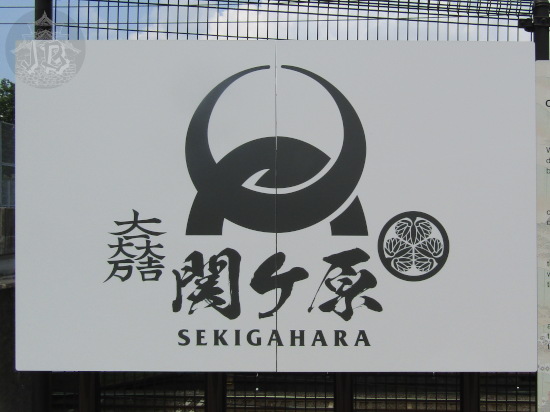
The logo of the city of Sekigahara. It can look like the moon coming up from behind a mountain, or a samurai helmet

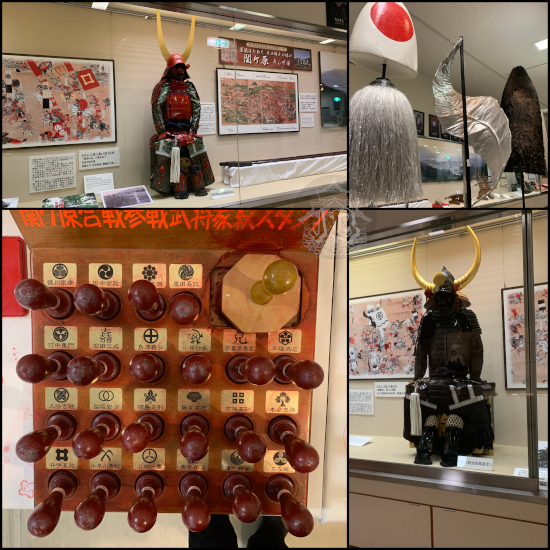
After that, I backtracked to the Sekigahara Town History and Folklore Museum Sekigahara-chō Rekishi Minzoku Shiryōkan [関ケ原町歴史民俗資料館], which I had missed at first because there was construction in the area. There I could see some weapons and armours and get the whole collection of samurai clan stamps and enjoy the air conditioning.

Samurai armours and pennants

I would have liked to go to the Site of Tokugawa Ieyasu’s First Encampment [徳川家康最初陣跡], but it was too far away to walk, so I had to take picture from the train.
A clear in the forest with some white flags

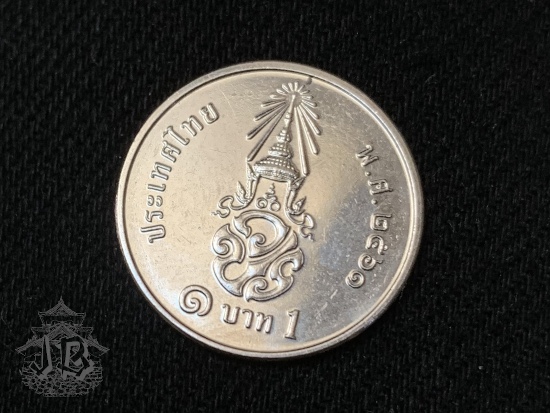
As an interesting anecdote, I found a Thai coin in the battle site, something I would have never expected.

A Thai coin

Once in Nagoya [名古屋], it was time for HYDE concert’s HYDE Live 2019 at the Zepp Nagoya again. As the previous day, it was a fun concert – I stayed at the end of the venue because my entry numbers were so high I had zero chance to find anything mid-venue, but it was all right, it’s not like I’m ever going to do first row in a HYDE concert in Japan. I have accepted that. I had fun anyway, and that is the most important thing.
My impressions were similar to the previous day. The concert made the 2018 tour feel like a rehearsal for this one, or maybe just a way not to “give up” summer touring on HYDE’s part since he has a pretty devout following.

Setlist:
    1. Who’s gonna save us
    2. After light
    3. Inside of me
    4. Underworld
    5. Fake Divine
    6. Two face
    7. Set in Stone
    8. Zipang (Japanese version)
    9. Out
    10. Mad Qualia
    11. Sick
    12. Don’t hold back
    13. Lion
    14. Another moment
    15. Midnight Celebration II
– break –
    16. Duality (Slipknot cover)
    17. Countdown
    18. Ahead
    19. Ordinary World (Duran Duran cover)

After the concert, Sr-san had skipped back to Tokyo, so I just headed off to my hotel to have a shower and relax. I had another concert coming the next day, making it three concerts in a row, so I needed to rest up a little.

Walked distance: 14683 steps / 10.5 km.

23rd July 2019: Arashiyama honours its name {Japan, summer 2019}

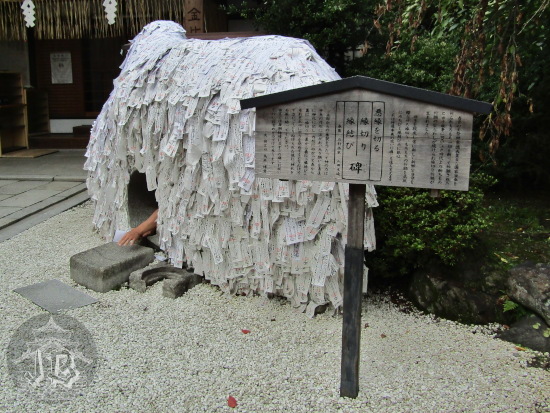
I started off the day at Yasui-Konpira-gu [安井金比羅宮], a shrine with a huge ema-like “mound” called Kushi-zuka [久志塚] with a hole in the middle. It is thought that if you write your wish on a paper, glue it on the mound and then crawl through the hole and back, your wish comes true. In case you’re wondering, no, I didn’t go through.

Then I walked all past Gion again to return to Gion Shirakawa [祇園白川] and Tatsumi Bashi [祇園 巽橋] to see the area by light. I saw Tatsumidaimyojin [辰巳大明神], the Kanikakuni monument, Kanikakuni Ishibumi (Koma-satsu) [かにかくに碑(駒札)], and a very cool heron (or crane?) who totally owned the place.

After this little stroll, it was still early so I headed off to the reconstructed castle Fushimi-Momoyama-jo [伏見桃山城]. It was a very cool castle, but it was not open to the public (this trip was not castle-lucky, now that I think about it).

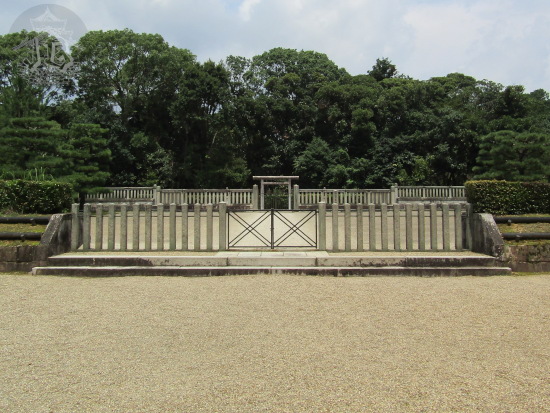
Underneath the castle, I found the Mausoleum of Emperor Kanmu Kanmu Ten’nō Kashiharanomisasagi [桓武天皇 柏原陵].

And then I walked off to the opposite part of the hill. On my way I found some of the original rocks that had conformed the Ninomaru [二ノ丸跡] of Momoyama-Jo.

I kept ascending until I reached Meiji Ten’nō Fushimi Momoyama no Misasagi [明治天皇 伏見桃山陵], Emperor Meiji’s Tomb at Fushimi Momoyama, which was… somehow very sober and somewhat humble for such an important figure in Japanese history (then again I’ve recently visited the Spanish Royal Family Pantheon so… hm… yeah. Anything is more sober than that.)

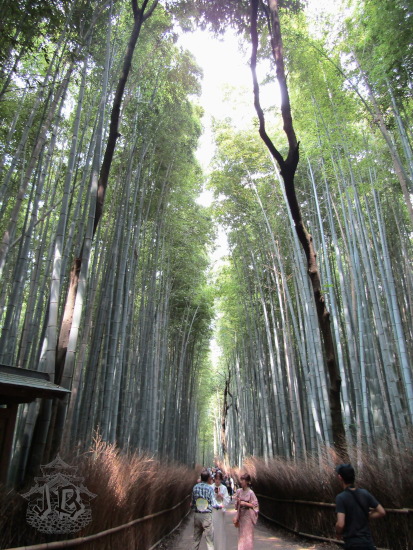
After that I was tired and hot, so I needed a break – and the best way to have a break is a train ride. I rode back to Kyoto Station and from there I headed off towards the Arashiyama area. I wandered around the Bamboo Grove Arashiyama Chikurin no Shōkei [嵐山 竹林の小径] for a while. It was packed so I kept diverting towards other areas.

I walked into Rakushisha [落柿舎], a poet’s house, where I got a shuuin.

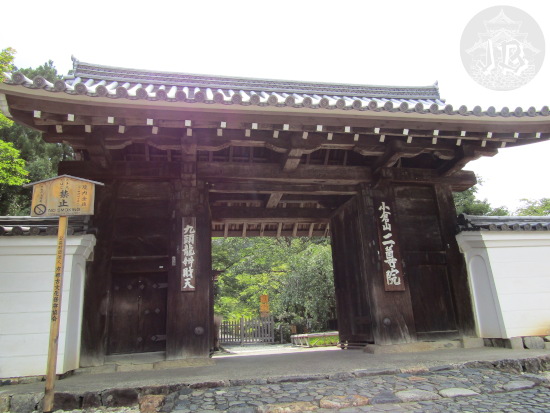
Then I went up the road to Nison-in [二尊院].

On my way back I stopped to admire the lotus flowers, which were in full bloom.

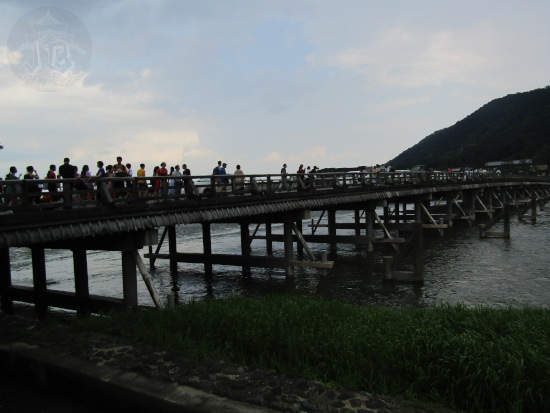
I considered going into the Museum of Korean arts, but as it was closed, my decision was irrelevant, so I decided to head back towards the Arashiyama Koen Nakanoshima Chiku [嵐山公園 中之島地区], the Nakanoshima area of Arashiyama Park. I saw the Kadono Ooi [葛野大堰], the small damn in the river, and crossed the Togetsu-kyō Bashi [渡月橋] bridge.

There I climbed up to Ichitani-Munakata-Jinja [櫟谷宗像神社].

I decided against climbing to the Monkey Park, and I was halfway back through the bridge, when the skies opened and a huge thunderstorm hit – so indeed, Arashiyama became the mountain of storms! I waited half of it under the canopy of a shop, and after twenty minutes I braved running across the street to the Lawson to get myself a sandwich and ate it as the rain dwindled enough for the streets to be walkable again.

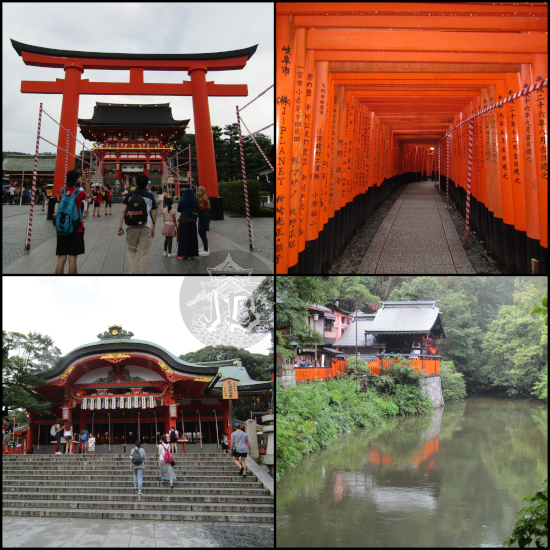
Once that happened, I walked to the station and took a train back to Kyoto and then to Fushimi Inari Taisha [伏見稲荷大社]. I did two sweeps – one with light and once when the sun was setting. Of course I did not climb the whole mountain, I just stayed to see the main buildings and the Senbontorii [千本鳥居] (the loooong torii line) lit.

And finally I headed off back to have some food and rest.

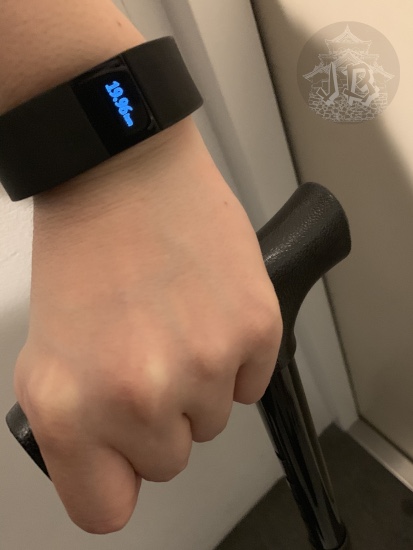
Walked distance: 27897 steps, 19.9 km (so glad I took my cane today!)

22nd July 2019: Tokyo Shinagawa → Higashimaya Kyoto {Japan, summer 2019}

My Shinawaga hotel was very close to Sengakuji [泉岳寺], the temple that honours the forty-seven ronin so I paid them a visit before I moved on.

The reason why I was in Shinagawa was being close to the station as I was heading off to Kyoto. I took a shinkansen around 9 am and was in Kyoto just before 11, maybe. From Kyoto station I walked to Nishi-Hongwan-ji [西本願寺], which was about 10 /15 minutes away. It had been on my list since I went to Higashi-Hongwan-ji last year, but I had to go get some rest afterwards because I had a migraine.

As I was heading back towards the station I came across a building that really grabbed my attention. A little research yielded to finding out that it is a temple: Dendou-In [伝道院], which apparently belongs to Nishi-Hongwan-ji and is a research building. It was designed by a famous architect called Itō Chūta in 1912 in a style called “Evangelical”, and built shortly after. It’s not open to the public though, but it sure as hell is interesting.

After that I took the underground to my hotel. It was raining like crazy when I got there, and to make things more difficult, my bloody credit card decided to stop working. This made me slightly late to my 13:00 appointment at Studio Esperanto Oiran Taiken [studio-esperanto 花魁體驗]. Things were a little different this time. First of all, because I was just in time for appointment, I was directly ushered to the make-up room. Fortunately I had quite a clear idea of what I wanted, so it sort of worked in the end. The make-up artist was nice but she was a bit intimidated, and the photographer was difficult to communicate with, which hampered the experience a little. In the end, however, I got really cool pictures out of the experience, so I am not going to complain.

By the time I got out, there was a deluge outside. I was in the hotel, which was close to the photography studio, for a little, and after checking the maps that they had given me at reception, I realised that I was much closer to the Gion area than I – and Google Maps – had actually thought. There was one big park / shrine complex I could walk. At least part of it is called Maruyama Koen [円山公園] and it has a cool pond. I walked from the north entrance to the western exit, which belongs to Yasaka Jinja [八坂神社], the Yasaka Jinja Minami-romon [八坂神社 南楼門], the Tower Gate. I passed Gyokkō Inari Yashiro [玉光稲荷社] on the way.

I walked off to Gion, [祇園] which was almost empty due to the storm. Whenever I get to Gion in the evening, I always check whether there is a long queue at Gion Corner, which is a theatre that performs “traditional arts”:

  • Tea Ceremony [茶道]
  • Flower Arrangement / Ikebana [華道]
  • Koto [箏]
  • Gagaku [雅楽] Court Music and dance
  • Kyogen Theatre [狂言] (comic play)
  • Kyo-mai [京舞] (maiko dance)
  • Bunraku [文楽] Puppet Theatre

I was lucky this time, as the rain had scared most tourists away, so I could come in. It was a fun thing to do once, especially with “foreigner discount” it becoming half-price, but the audience kept talking and moving around the floor to take pictures and videos. Thai and Chinese people are loud (and a few of them rather disrespectful)! But all in all, I’m happy I got it out of my system, particularly the Kyo-mai dance.

After that, as it was not raining any more, I strolled down an almost-empty Gion.

Then I walked off towards an area that I had never been able to find before – Gion Shirakawa [祇園白川] and Tatsumi Bashi [祇園 巽橋]. Fortunately this time I had checked for the Tatsumi Bridge location fist, so it was not even that hard! I just had to know where to look for it! (≧▽≦).

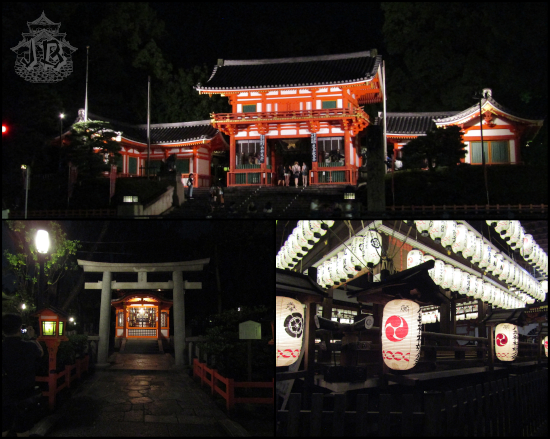
I decided to take the way back through the park, so I could see all of Yasaka Jinja [八坂神社] lit up, which was very pretty.

As the hotel was also next to Heian Jingu [平安神宮], but as it was not lit up, I did not walk in.

Then I bought some conbini food and I went to the hotel to have dinner and a bath – the hotel had a hot spring public bath (and it was empty! Just for me!). I was lucky enough to get one of the traditional rooms, and the sand-puffs-like thingies were super-comfortable… until I had to stand up. It was so comfy I could barely stand up! And then I went off to sleep like at 10pm cause I was beat (∪。∪)。。。zzz.

Walked distance: 18517 steps / 13.2 km

21st July 2019: More Kawagoe. 戦国時代-The age of civil wars-: アコースティックライブ&CDサイン会 {Japan, summer 2019}

Sengoku Jidai -The age of civil wars- [戦国時代-The age of civil wars-] is a visual kei [ヴィジュアル系] bandthat has been active since 2017. It is formed by four members – Kz, the leader on guitar and back-up vocals, Nao-A on main vocals, S.N.D on drums and Date on bass. “Sengoku Jidai” refers to a time between the 15th and 16th century, when samurai clans fought almost continuously for dominance. In a wink to that, the members don samurai-like clothings and sometimes masks. Thing is, we’ve come across two of these people before – S.N.D is Junji, and Date is Ju-ken, both of whom we’ve seen with GACKT and VAMPS. I’d been trying to avoid the band quite actively because I know that I would like them a lot and I have to start controlling the number of artists I support.

I’d been following bassist Ju-ken on social media since I got one of his picks at the Barcelona VAMPS concert, and that was how I found out about this whole thing. Not long before my trip, Sengoku Jidai released a new song, Yotogi no Hana [夜伽の華]. It sounded nice, so I went down the YouTube rabbit hole first, and then ended up on the webpage. Over there, I found out that there was a free event in Kawagoe [川越] as part of the new single promotion. And that is why I decided to head over there and try to attend. The event consisted of a “midsummer summer acoustic live”, called Sengoku Jidai – The age of civil wars –: Manatsu no Accoustic LIVE [戦国時代-The age of civil wars-: 真夏のアコースティックLIVE] and a CD sain kai [CDサイン会], which is basically a “meet and get an autograph”. From 11:00, fans had access to a booth to buy a number of CDs of the last two singles: Yotogi no Hana [夜伽の華] and Sengoku Enka [戦国演歌], my favourite. You could get as many signatures as CDs you bought. The band would hold a small concert at 14:00, after which you could shake their hands and get your CDs signed, one single at a time. When you bought the CDs, you also got one number to access the “restricted” area for the concert, though anyone around could watch, even from the upper floors of the mall, and you were guaranteed a seat.

The event took place on the lower floor at the Kawagoe Pepe shopping centre. The mall opened at 10:00, and I got there around 10:15. To be honest, I was a bit uncomfortable queueing alone in a completely unknown fandom, having to deal with everything in Japanese. But I told myself it was a rare chance to get to do something like this, for free on top. So after hiding in the bathroom for a few minutes to gather my courage, I went to the queue, where a few people were already waiting. I got a couple of weird looks but mostly I kept to myself and no one bothered me.

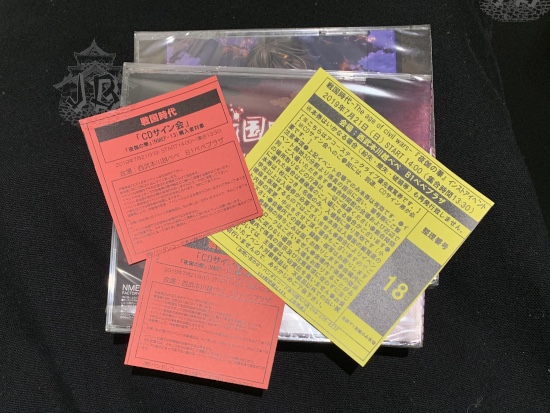
The staff arrived not much later. They they built the booth and put up the notices of what was going on. They also brought the CDs and the flyers in. After they opened at 11:00, I got a CD of each of the singles, and I was out of the queue by 11:15, with the CDs and my numbered ticket, sporting #18. The staff must have given around 200 numbers or so before the live started.

Admittance to the concert (one, printed in yellow with number 18 on it) and the Meet and Greet (two, printed in black)

In between the two parts of the event, I made a little escapade to Kawagoe [川越大師]’s Seiya-san Muryōshuji Kita-in [星野山無量寿寺喜多院], which is a Buddhist temple dating back from the 830 AD. It is noted for its hall and its pagoda. It also has a small graveyard with “the five hundred disciples of Buddha”. I was not sure whether last time I had actually been there or not, because I arrived by my almost-trademarked method of getting lost, so I wanted to make sure, and I had a bit over an hour to kill – it was the same place indeed.

After walking around the temple for a while I went back to Pepe for the second part of the Sengoku Jidai event, the live / sain kai. The area of the shopping centre got closed off with tape and “doors” opened at 13:30. The staff had even prepared three lines of chairs, and at the appointed time they started calling the numbers out. Since the instruments were already on the small stage, we knew who would be sitting where. I choose a seat on Ju-ken’s side – the instruments were already on the stage, so it was easy to decide where to sit. As we came in, we were given a little sheet of paper to write what we wanted the band to talk about. The restricted area filled up quickly with all the fans who had bought CDs,and so the live started early, around 13:45. The acoustic was very interesting – I had never been to one, except for a couple of songs at the VAMPS’s Beast Party. This one was also an unplugged.

The live had two songs, a talk session, and two other songs. It lasted for about an hour. The band picked up topics from what the fans had written to talk about and answer question, and there was a lot of teasing among them. They talked about the summer, what they liked doing, what they have been up to, including solo activities and summer festival. They were quite chatty, except for Ju-ken, who plays a persona called “Date” and never speaks – he is very strict and serious – so he just explained, via gestures, that he went fishing. The whole persona thing will be important later. There were quite a few people watching “from the sidelines”, – looking over the balconies from the upper floors, and they received a lot of attention, as prospective fans. The actual live was free, you only had to pay if you wanted an autograph, and the price of the CDs was the standard 1500 ¥, so it was a good promotion strategy. The selling booth remained open for the whole live, and even the later signing session, and it actually worked because some curious did decide to get an autograph.

The songs played were Yotogi no Hana [夜伽の華], Sengoku Enka [戦国演歌], Sengoku Ondo [戦国音頭], which is their “introductory song”, I think Tennyo monogatari [天女物語]. During Sengoku Ondo, Nao-A asked us to stand up and dance / do the furutsuke with him – and then he messed up! I was so confused!

There was a bit of chaos when it was the turn for autographs. I almost lost my nerve again, but I had made it this far. I let the most dedicated fans go into the queue first, and I made my way slowly, rehearsing what I wanted to say – in Japanese. The first one to see me was drummer S.N.D / Junji, whose eyes went wide – he has no poker face at all and completely went (O_O)!, wondering what a white person was even doing at their event, I guess. He asked if I was okay with Japanese and I answered that I was okay with simple language. Then, I informed him that I was the foreign factor representation. Then I got Ju-ken / Date – I told him about having his pick from Barcelona. His eyes went even wider than Junji’s. He broke character completely, grabbed my hand and shook it vigorously, as he repeated “sank you, sank you, sank you” (some Japanese people just can’t do the TH sound and substitute it with an S). Kz was equally surprised to see me around and he asked where I was from. Finally, Nao-A hid his surprise better, and he acted quite cute and friendly. I actually… chatted a bit with all four of them. I felt proud of a) my Japanese and b) not freezing out.

I walked out the area and climbed upstairs to snap a couple of pictures. Then, I went back to the queue. I had bought two CDs so I could go through the process twice, and the band remembered me. Kz asked if I was studying or working in Japan, and I said I had travelled there for my summer holidays. Probably, if there had been more CDs, I would have bought all to get them signed.

After all the fans had got their signature, the artists waved at everybody and disappeared into… the adjacent supermarket. All in all, it was a very fun event – it went unexpectedly well, with no problems nor awkward moments. I did not get to make any new friends, but I think the band’s reaction was something priceless that I’ll treasure for a long time.

The band shaking hands and signing autographs

Signed CDs

After the event was finished, I went back to Tokyo [東京]. I kinda got lost so I wasted about an extra hour and a half, and thus I was not at the next hotel, in Shinagawa, until late. Though it was a business hotel – or maybe because of that – it had a huge TV, almost as wide as the 135cm-wide bed I had!

The TV at the foot of the bed is almost as wide as the bed itself, and the bed would fit two people

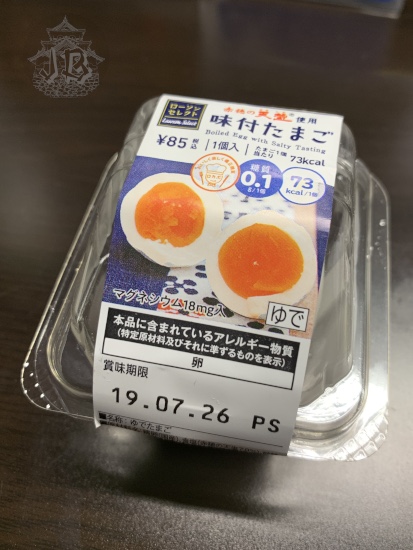
I bought dinner on the way and enjoyed it in the room. And after a long day, I decided that I was okay with some extra protein – so I tried the conbini boiled eggs. It was an excuse just like any other…

Soft-boiled egg box

Walked distance: 19468 steps / 13.9 km. However this includes the little furutsuke that Nao-A made us do, and that was recorded as pacing, and getting lost and walking for an hour coming out of the wrong exit of a station.

20th July 2019: Kawagoe revisited {Japan, summer 2019}

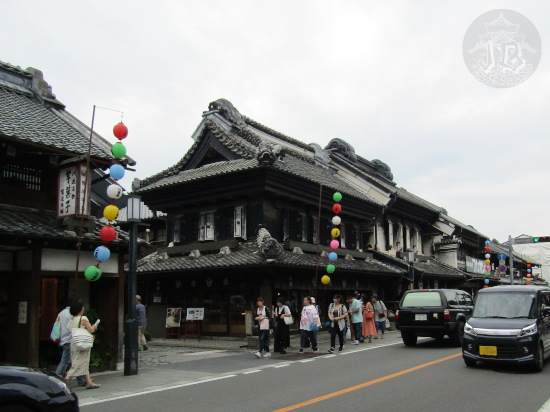
I went to Ikebukuro to exchange my JR Pass, and from there I went to Kawagoe [川越], a small town near Tokyo. The historical centre of Kawagoe is called Koedo [小江戸], Little Edo or Little Tokyo. I have actuallly visited Kawagoe before and I had not thought that much of it, but I wanted to give it another chance as I was going to a fan-event over there the following day, so I got myself a hotel over there and spent the afternoon / evening wandering the town.

I arrived by train at the Kawagoe Station and I headed to the touristic area. My first stop was Kawagoe Kumano Jinja [川越 熊野神社]. I thought about getting a shuuin but there were too many people and I backed off. I thought there would be fewer people the following day but I was wrong. Oh, well. Live and learn.

After that I found my way to the Black Warehouse District Kurazukuri no Machinami [蔵造りの町並], which is an area with houses that date from the Edo period. Today they are shops, mostly tourist traps, though. I am not a big fan.

On one of the side ways you can find the Clock Tower, Toki no Kane [時の鐘], which is one of the few historical clock towers in Japan (although it was rebuilt after it burnt down in the 19th century).

And I moved on to the Kawagoe Hikawa Jinja [川越氷川神社], which has a very cool wind chime tunnel, but it was packed at the time.

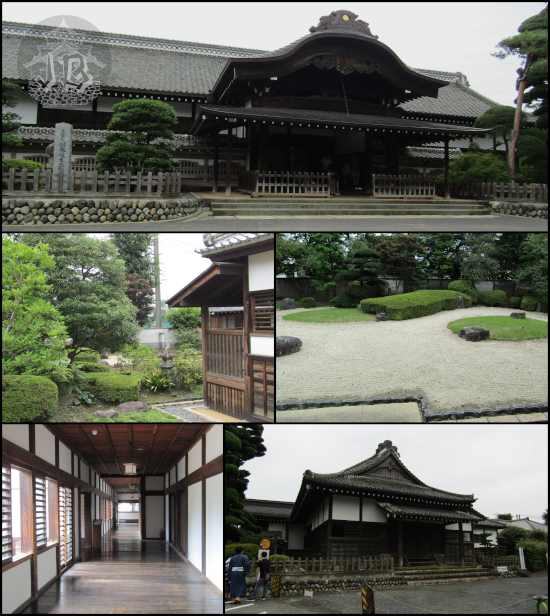
Later I visited the Kawagoe Castle / Honmaru Residence [川越城 本丸御殿]. The castle is long gone, but the palace was built in the 19th century.

I walked past the Reconstructed Moat of the Castle (I have no idea why there are no pictures of it?) and Yukizukainari Jinja, which was closed off. Then I headed off to the hotel to check in, and after that, I did some walking over the less touristic / known area of town. Right behind the hotel I came across Sugahara Jinja [菅原神社].

My next stop was snooping around Myōzenji [妙善寺] and its adjacent graveyard.

Then over to Fujisengen Jinja [富士浅間神社], a nice little shrine with a historical stelae next to it, the Shishimizuka of Uranaikata [占肩の鹿見塚].

From the grounds I could see Jitsuzaiji [実在寺], which is a very modern temple.

After that I walked towards Senbahikawa Jinja [仙波氷川神社], which I’m sure is haunted by a nekomata which appeared out of nowhere.

Senbagashishiseki Kouen [仙波河岸史跡公園], an awesome and large park with a lake and a ghost-proof bridge.

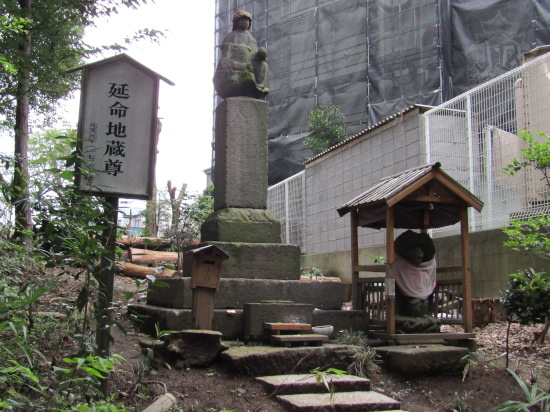
The park has a small temple altar, Enmeijizoson [延命地蔵尊] to one side.

On the other side stands Senbaatago Jinja [仙波愛宕神社] and I bought some takoyaki for dinner.

Walked distance: 22797 steps / 16.3 km

2nd September 2018: HYDE LIVE 2018 @ Odaiba, Strike 2, and Pretty Lights, Strike 3 {Japan, summer 2018}

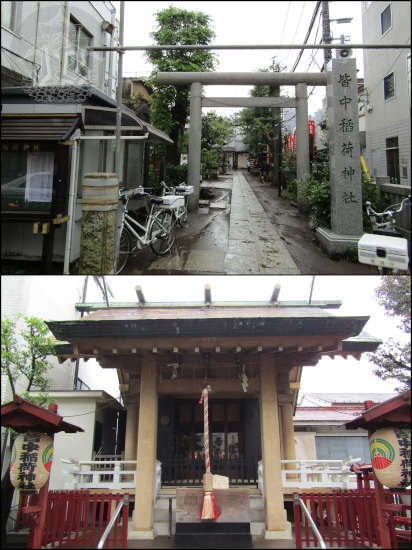
It was raining that morning when D****e and I walked out and headed towards Shin-Okubo [新大久]. The weather actually turned so bad for a while that around halfway, we just walked under a bridge to wait the worst of the downpour out. By the time we arrived at our destination, though, it had cleared out. We were walking to Kaichū Inari Jinja [皆中稲荷神社], also called Minna Ataru no Inari.

Entrance to a Shinto sanctuary through a back alley, and main altar

The shrine is dedicated to the kami [神] Inari [大稲荷], one of the most important deities of the Shinto mythology, the kami of fertility, rice, tea, sake, agriculture, and worldly success. Inari is said to use foxes as messengers. Shrines dedicated to Inari often have a lot of torii gates, usually offered by business in search of that success, and stone fox guardians. The most famous Inari Shrine is Fushimi Inari Taisha in Kyoto.

The legend surrounding Kaichū Inari Jinja tells that after the introduction of firearms in Japan during the Edo Period, a battalion was stationed near the shrine. The captain could not shoot well, no matter how much he trained. The deity Inari appeared to him in a dream, and after he went to the shrine to say thank you, he became a great shooter. Not only him, all of the battalion went to the shrine and they became good shooters. Both “Minna Ataru” and “Kaichū” translate as “hit all the targets” and at the same time “everybody hits”. Kaichū Inari Jinja became “the Inari shrine of everybody hits the target”, Minna Ataru no Inari Jinja. The news spread, and eventually people from the whole country started visiting so their wishes came true. The shrine’s relation with firearms was constant until it was burnt down in WWII.

Nowadays, Japan does not have firearms, but people still want to hit… for concerts! And thus Kaichū Inari has become the fan-shrine, where people go to pray to hit for lotteries for concerts and events!

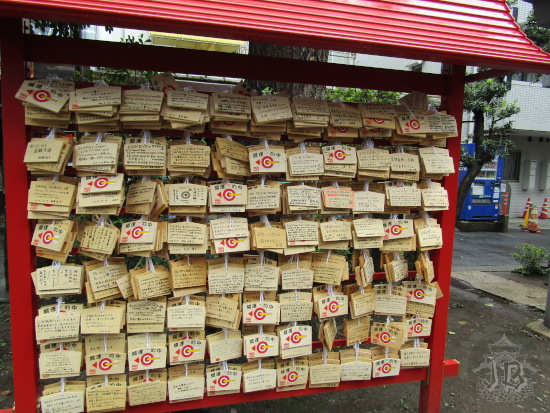
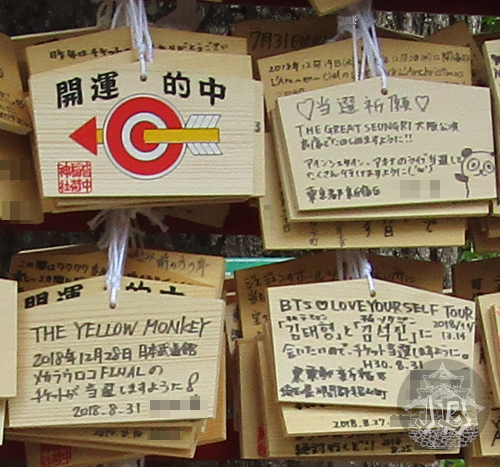
I’m not even kidding. Kaichū Inari Jinja is also known as “the fan shrine”. In Japan, you do not queue for concerts. Instead, your ticket has a number printed on it, and you enter when it is called. However, there are different series of numbers. The best tickets are offered within the artists’ fanclubs, and if there are more requests than tickets, these are assigned lottery-style. Fanclubs also have lotteries for other privileges such as attending trips and exclusive events, VIP meet&greets or special merchandise – when I belonged to Gackt’s fanclub I hit for fanclub tickets for the Last Visual Live and his birthday dinner. People want to “hit” for these tickets, and somehow Minna Ataru no Inari became the shrine to go to pray for that. Fans go to the shrine to offer a prayer, then they write what they want in volition tablets called ema [絵馬], which are then hung in the shrine premises. Much nicer “hits” that the ones which kill people.

An offering wall with tons of votive wooden tablets

Close up of the votive offerings with names of bands on then

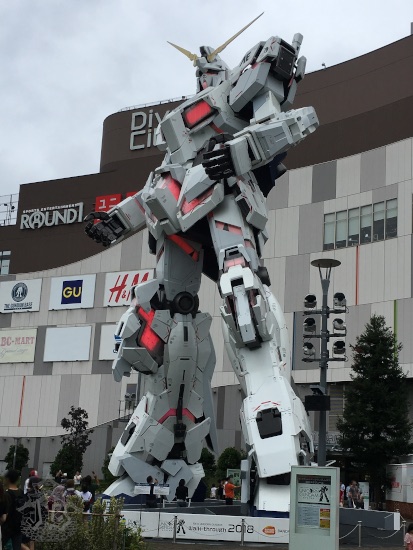
After visiting the shrine, we headed off to Odaiba [お台場] again, to meet with N***chan for lunch. We made a short visit to the Unicorn Gundam beforehand, but it was not moving.

Gundam robot statue. It is white and taller than the two-story shopping centre behind it. People can walk under its legs

Then we went to have lunch at an “Osaka delicatessen” restaurant at the Venus Fort. I ordered Takoyaki (buried in katsuomi (≧∇≦)) and kani koroke (octopus dumplings with bonito flakes, and crab dumplings). Yummy! Apparently other people’s orders were not as great though…

Dish of octopus dumplings that cannot be seen because there are a lot of bonito flakes on top

Afterwards, we headed to Zepp Tokyo for the second concert of HYDE’s Live 2018 concert, again with STARSET. Impressions were similar to the previous day. I really enjoyed STARSET, who played the same songs, and I again had mixed feelings about HYDE’s – not bad but… could have been better. I had not figured out my problem with the disconnected act yet.

Setlist:
1. Fake Divine
2. After light
4. Out
5. Set in Stone
6. Don’t hold back
7. Zipang
8. Who’s gonna save us
9. 監獄ロック [Kangoku Rock]
10. Rise or Die
11. Another Moment
12. Two Face
13. Devil’s side
14. Midnight Celebration II
(pause)
15. Kiss of Death
16. Ahead
17. Rise up
18. Ordinary World (Duran Duran cover)

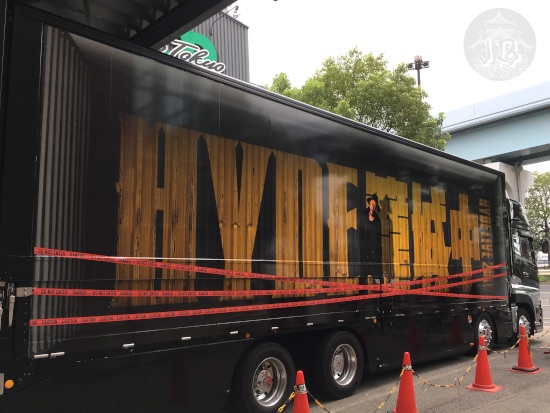
Hyde's tour truck reading his name

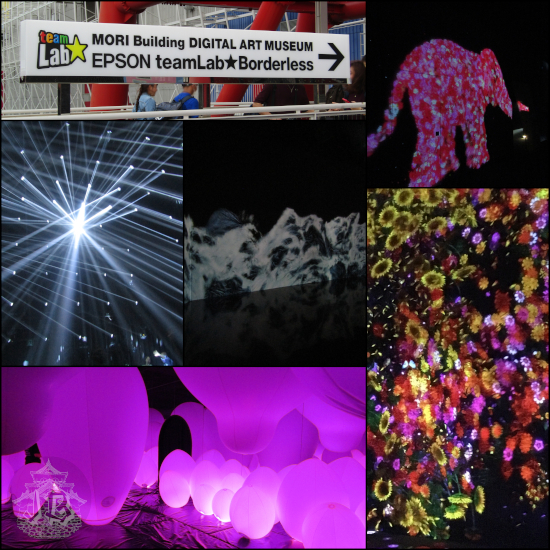
After the concert we had tickets to visit the MORI Building DIGITAL ART MUSEUM EPSON teamLab ★ Borderless. This is a pretty much interactive museum that relies on technology and light to create art – or at least pretty things for you to play with. D****e, N***chan and I were very lucky that it was open late, so we could go after the concert. There were few people there and we could be silly around it. Part of the museum was closed because some TV station was there doing interviews though, and even then it was worth the visit.

Most of what you see in the Digital Art Museum are light projections. You’re encouraged to interact with them, even create some of them that they will project for you. We saw a butterfly and flower area, pink elephants, kangaroo, waves…

I enjoyed a couple of the exhibits particularly – one of them was a light water fall, in a room that had kanji shadows on the walls. If you touched them, they turned into what they represented. I also liked the whales made of light and how peacefully they moved and floated. There were some other interactive exhibits that were very fun, like the… egg-balloons thingies which you could prance through or make float.

Collage of Mori interactive and light art – a walking elephant made of projected lights, it's pink with white flowers. Many rays of white light coming from everywhere in the dark. Waves. Giant purple-pink balloons. Flowers projected on the walls – sunflowers, daisies in different colours

Dancing whale with flowers, projected with light

Afterwards we had some dinner and left for home.

31st August 2018: Tokyo Tower Reprise and off to Roppongi {Japan, summer 2018}

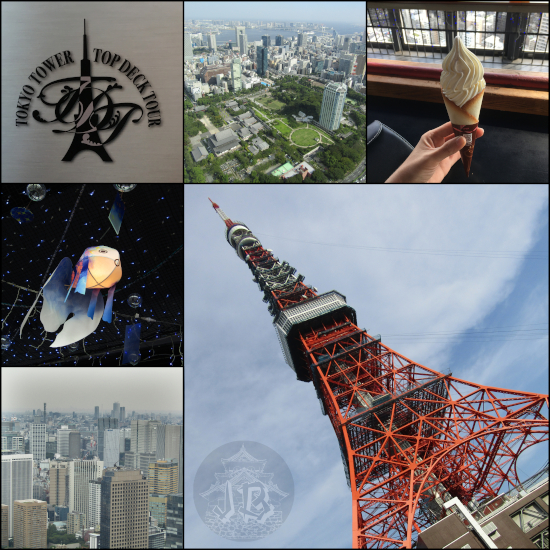
I went to Minato [港] because Tokyo Tower [東京タワー ] is there, and I love Tokyo Tower. My first stop, however, was Shiba Koen [芝公園], to visit a certain tree. However, the park was under construction! Who the hell closes a park for construction?! (O_O)!

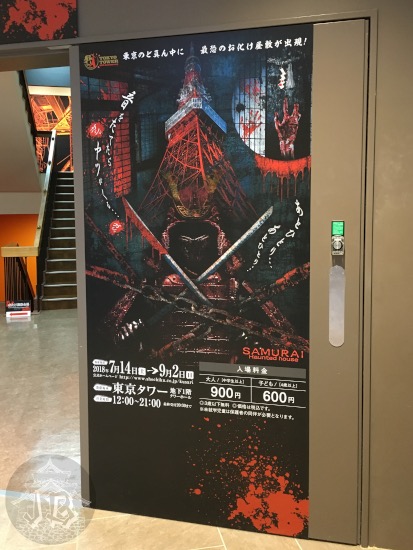
They have reopened the upper observatory in Tokyo Tower so of course I had to come back. It was imperative for my mental health. When I arrived I found out that they were running a “haunted house” on the basement and I decided to give it a go.

The story was of a cursed samurai who has killed 332 people and you’re supposed to be number 333. I had been wanting to try one of those for a while but in the end I did not enjoy it that much – the not seeing down the corridors was too stressful. Maybe with someone else it would have been more fun.

Afterwards I got my ticket for Tokyo Tower [東京タワー ] and the “VIP = Very impressive panorama” from the second observatory. I don’t understand why Tokyo Tower makes me so happy, but it does so more power to it. Oh oh oh and I had awesome(ly expensive) ice cream on the tower!

Afterwards I walked towards Roppongi [六本木], making a stop at the Don Quijote, a macro store that has nothing useful but lots of fun little stuff, with half a mind to buy a traditional red eyeliner or coloured contact lenses. But in the end I was strong and did not waste money (yet (≧∇≦) ).

I continued to the gardens Mori Teien [毛利庭園], and I was a tiny bit disappointed that the pond had been emptied!

And I saw that the TV Asahi [テレビ朝日] building was open for visitors, so I went to snoop into that, because of course I did.

Later I met with D****e and M*****san for a shabu-shabu dinner which was out of this world.

26th August 2018: To the East: Niigata → Aizu-Wakamatsu → Koriyama → Tokyo {Japan, summer 2018}

As there was not much to see in Niigata [新潟], we took a scenic train to the east – Niigata is famous for being ‘countryside’, and growing rice. We saw lots of rice fields.

Our destination was Aizu-Wakamatsu [会津若松], a ‘samurai town’ famous for Tsuruga castle and the story of the Byakkotai [白虎隊], a troop of young soldiers who fought during the Boshin war. Back then the ‘Aizu warrior spirit’ was a very important thing, and 19 youths committed ritual suicide when they thought the castle had fallen. This is called the Tragedy of the Byakkotai.

On the other hand, the town’s mascot is a cartoonish phantom red cow Akabeko [赤べこ]. Because why not?

We headed out to the castle first and foremost. Tsuruga-jo [鶴ヶ城] or Aizu-Wakamatsu-jo [会津若松城]. If you google it, you might think it’s pink. So did we. We were a bit on the amusedly disappointed side (≧∇≦).

But we made-do with some awesome (and ice-cold) Aizu Coke-bottles.

Within the castle grounds we found Tsuruga-jo Inari Jinja [鶴ヶ城稲荷神社].

And Kasama Inari Jinja [笠間稲荷神社].

After the castle it was lunch time so we went to have lunch in the ‘old samurai town’ which to be honest does not feel too old. On the way we stopped by Shinmei Jinja [神明神社], which was rather on the empty side, but still nice.

We ate lunch in a place called Mitsuta-ya [満田屋] to eat miso dengaku [味噌田楽]. We had a course of skewers consisting on two konjac (one with salty and one with sweet miso), fried tofu, mochi (rice cake), sweet potato, shingorou (some kind of rice croquette) and smoked herring. All these were grilled just in front of us, which was on the one hand really cool to see, and on the other, bloody hot because hey, there was a fire burning in front of us. We were told that this was typical samurai food, because it could be prepared and eaten ‘on the go’. Who knows whether it is true, but it was fun and yummy.

Once we had eaten we had to make a run to the station so we could catch the train – as the following one was two hours later – and we made it with three whole minutes to spare despite google maps saying we were too far away. And thus we were off to Koriyama [郡山], which… we had not really heard of before this whole thing? (≧∇≦). There we took the Tourist Office by surprise when we asked what we could see even if it was already ‘late’. Map in hand, we headed off to see Asakakunitsuko Jinja [安積国造神社], which was a little on the creepy side.

Then we saw Nyoho-ji [如宝寺].

And continued to the park Hayama Koen [麓山公園], where we saw the Asaka Canal Hayama Waterfall Asaka Sosui Hayama no Hibaku [安積疏水麓山の飛瀑].

And the so-called Of the 21seikiki nenkouen Hayama no Mori [21世紀記念公園 麓山の杜], the 21st Century Memorial Park Hayama Forest.

Finally we headed back to the station area, where we checked out the Observatory in the Big-i [ビッグアイ] building.

And finally caught a shinkansen back to Tokyo, we had dinner on the go and crashed in bed when we got home.

22nd August 2018: … and I raise you two castles more {Japan, summer 2018}

From Nagoya [名古屋], I got myself to Inuyama [犬山], Aichi Prefecture, to see yet another castle. This is also one of the twelve original castles and a National Treasure of Japan. Inuyama is located about 40 minutes away from Nagoya in a line I had not even heard about, so I had a bit of a hiccup finding the station. But it was no more than a tiny stumble and I was on my way at the expected time. Inuyama is a nice little town with a traditional street leading up to the castle, called “Castle Town street”.

Before getting to the castle I came across two shrines – one was Haritsuna Jinja [針綱神社].

The other one was Sankoinari Jinja [三光稲荷神社 ], which either got you a partner or protected your pets. Inclusive for people who want a partner or not, I guess (≧∇≦).

Then I hiked up to Inuyama-jō [犬山城], the castle.

I diverted from the way to get to Inuyama Jinja [犬山神社].

And I was puzzled by something called Oibokenizu Jizoudou [老い呆け来地ず蔵堂]. But it’s okay. Apparently most people are. It seems to be some kind of love temple.

Finally I met a very relaxed kitty in Akiba Jinja [秋葉神社].

With this, I left Inuyama and headed back to Nagoya, from where I took a Tokyo-bound Shinkansen. I made a stopover at Hamamatsu [浜松] because I wanted to see… yet another castle! I found my way to Hamamatsu-jō [浜松城, Hamamatsu-jō].

Next to it there is the sculpture of Tokugawa Ieyasu Wakaki hi no Tokugawa Ieyasukō-zō [若き日の徳川家康公像]. Ieyasu build the Castle and resided in Hamamatsu and was the first shogun of Edo shogunate. The castle is a reconstruction.

Finally, there is the Ieyasu Armour Hang Pine Tree Ieyasu yoroi-kake-matsu [家康公鎧掛松] which (supposedly) is where the man hung his armour when he was home (aka the original castle).

And with that I headed off back to Tokyo [東京] and D****e’s place to get some rest.