1st August 2019: Takehara’s Little Kyoto in Aki {Japan, summer 2019}

Takehara [竹原市], in Hiroshima Prefecture, claimed to have its own Gion-like district, and they are trying really hard to promote it. I decided to check out whether it was true / worth it. And after half an hour what I kept wondering was “are you sure you’d want this to become as crowded as Kyoto?”

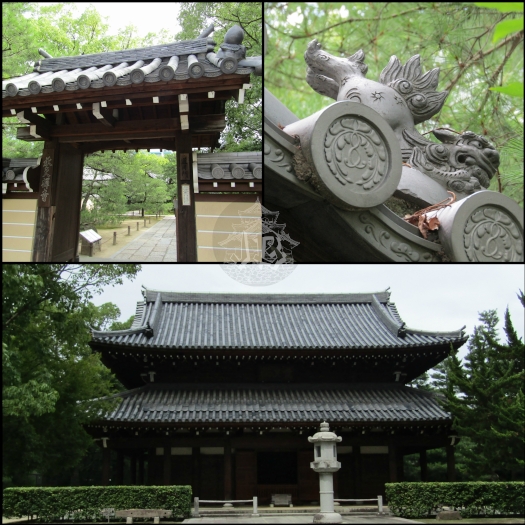
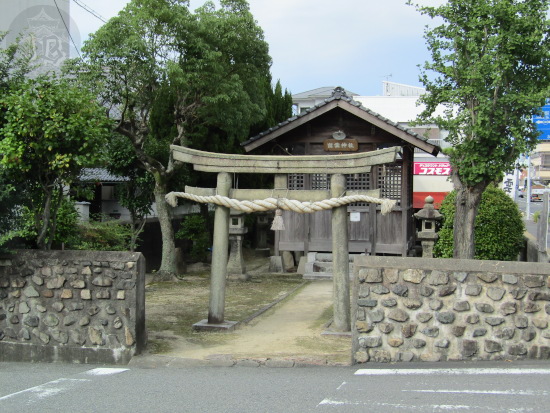
The historical area consists on a few streets, temples and shrines dating back to the Edo period. Let’s see whether I can retell the route accurately. My first stop was Izumo Jinja [出雲神社]
After I had taken the wrong turn a couple of times because the map was cute but not that accurate, I found the “Takehara Historical District”, actually Takehara Townscape Conservation Area Takehara Machinami Hozon Chiku [たけはら町並み保存地区]. The main tourist route runs along Honmachi [本町] Street, and during my whole walk I ran across maybe ten other tourists.
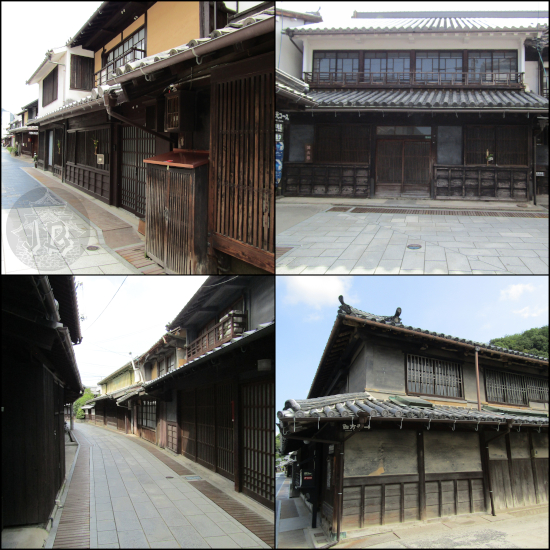
My first diversion was Choseiji [長生寺].
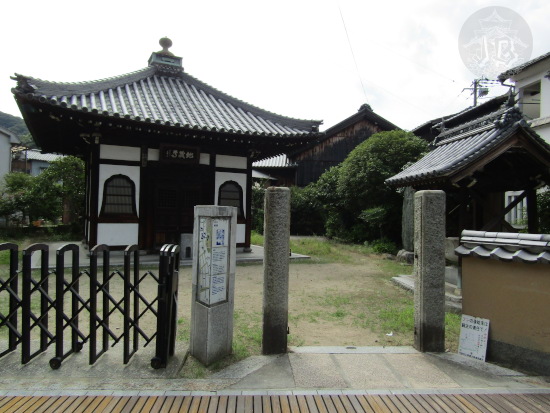
After this I had a better idea of where I was, so things rolled more easily. I continued along the houses and turned right to climb up Saihoji Fumeikaku [西方寺普明閣].
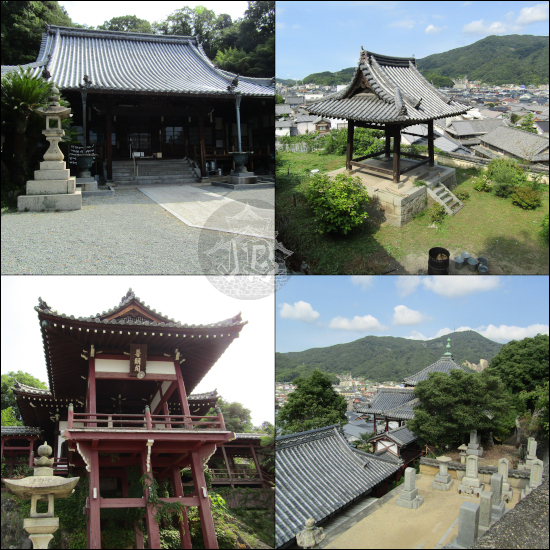
Afterwards I visited Okakae Jizo [おかかえ地蔵], who will grant you wishes if you pick him up

Then Ebisu Jinja or Kodo [胡堂].
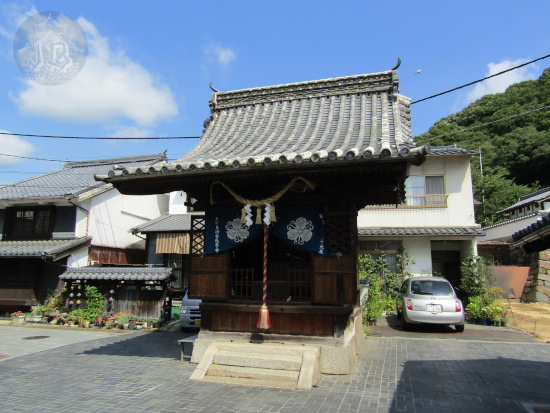
Afterwards, Shōrenji [照蓮寺].
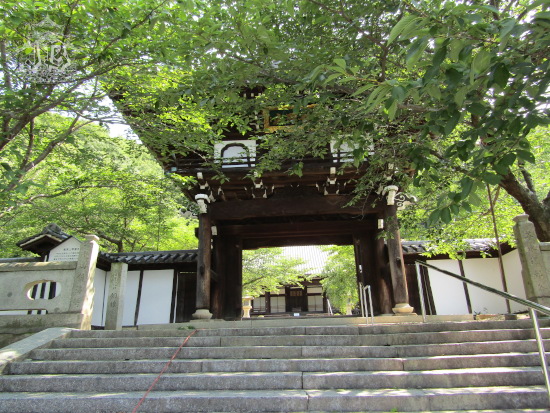
Historical alley, holding Shumpukan [春風館] and Fukkokan [復古館].

I diverted then to Sumiyoshi Taisha [住吉神社].

And Kusunoki Jinja [楠神社].

Isonomiya Hachimangu [磯宮八幡] was under construction, so I did not bother the workers.

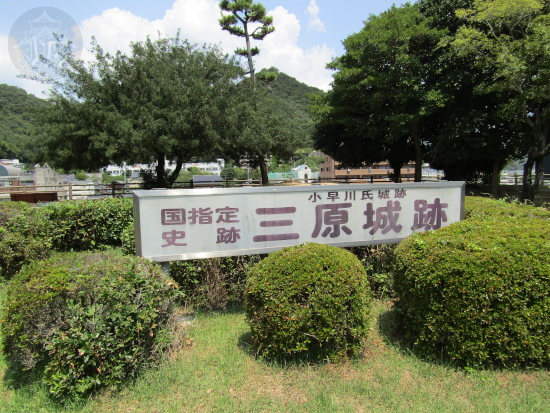
After this I wandered a little around the river, considering whether going to the harbour or not, but in the end I decided against it and headed off back to the station, where I took a train towards Mihara [三原], where I visited the site of Mihara Castle Remains, Mihara jōato [三原城跡].
I also found… Rakkii Jinja [らっきー神社], which I think it’s actually “Lucky Jinja”… in Mihara Station… I don’t ask anymore… but apparently Mihara is the “Octopus Town” and this is their mascot?

Then I went on back towards Nagoya via Kobe. This took around three and a half hours, so I was in Nagoya [名古屋] around late afternoon. Once there, I continued on my search for long jackets and I was finally successful in acquiring two of them in the Midland Square Mall, where I actually went to check out on a LemonEd pop-up shop… which I almost didn’t find because it was way too discrete.

Walked distance: 17438 steps / 12.4 km.
26th July 2017: Kyoto buses *eyeroll* {Japan, summer 2017}

Someone told me that using Kansai public transport made her appreciate Tokyo trains, and I whole-heartedly agree. I am thankful to the Kyoto [京都] Tourist Office Lady told me the two shrines I had left in the Kyoto Gosha Meguri ~Shi shin Sou Ou No Miyako~ [京都五社めぐり~四神四神相応の京~] would take me a long time, because it allowed me to plan accordingly. Good thing that with a JR Pass you can travel between Osaka and Kyoto in barely half an hour for free.

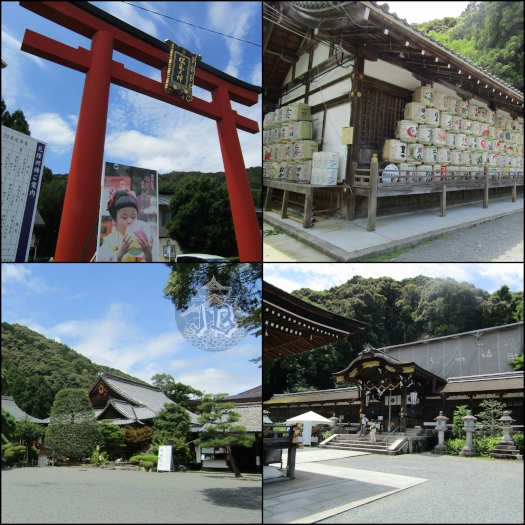
I went to Matsuno Taisha [松尾大社], but I did not try the famous sake they had because not a drinker here. The shrine was being restored, too, so that took away some of the impressiveness.

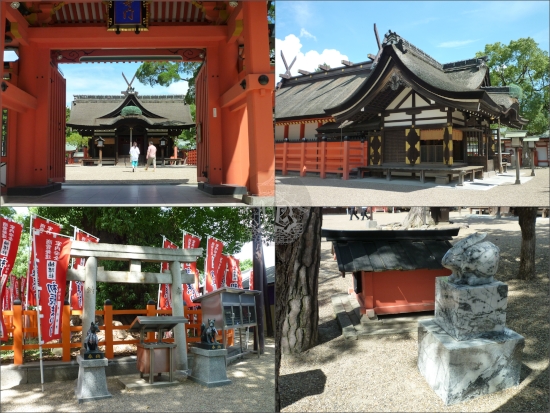
Collage of a Shinto shrine: a vermillion torii, ceremonial sake, and the main buildings in dark wood

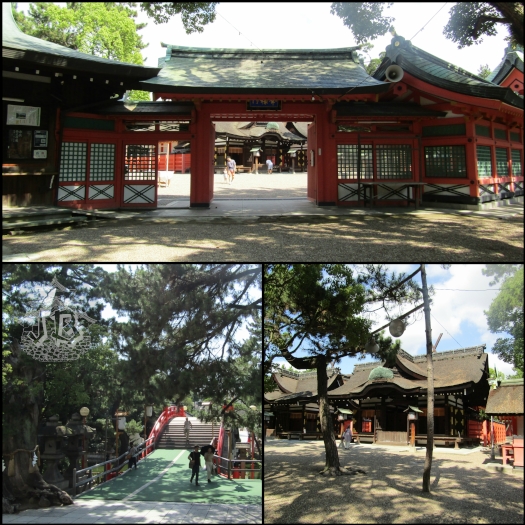
After I was back at the station, I travelled back to Osaka [大阪] to get the shuuin at Sumiyoshi Taisha [住吉神社] there.

A vermillion gate that gives way into a Shinto Shrine.

Then I headed out to Zepp Osaka Bayside for the last of my VAMPS concerts for the time being. There had been no surprises this time, so it was just a “normal” concert without extra adrenaline, which was good for a chance, honestly. I was too sore to jump after the previous day though (≧▽≦).

Zepp Osaka Bayside logo in blue neon

18th July 2017: Fukuoka – swampy heat {Japan, summer 2017}

The modern Fukuoka [福岡] is a rather big city comprised of two towns – Fukuoka and Hakata. My hotel was in the Hakata area (close to Hakata station), so I could start with visiting some of the sights around there. Right down the street there was Hakata Sennen no Mon [博多千年門], which is a rather modern gate that signals the entrance to the historical site of Fukuoka.

Afterwards I snooped the back gardens of Jouten-ji [承天寺], to whose main building I would come back later (weird mapping sent me the wrong way).

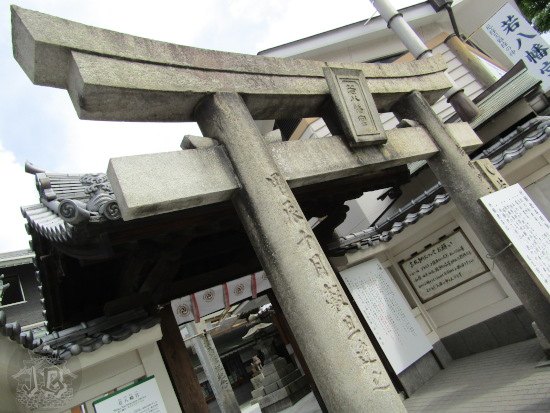
I snooped around Waka Hachimangu [若八幡宮], which was not even open as this was about 8.30 in the morning, I had some coffee and I continued on my way.

My next stop was Tōchō-ji [東長寺] a Buddhist Temple with a rather short-tempered monk in charge of writing shuuin, and a huge Buddha statue made of wood around whose you can descend to ‘hell’, a corridor which first explains the different hells in Buddhist religion and then plunges into complete darkness (no pictures allowed though).

Next I was in Ryugu-ji [龍宮寺], a small temple next to Tōchō-ji.

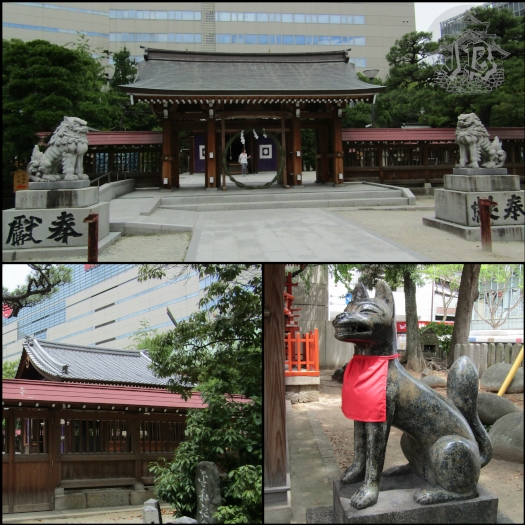
Right on the other side of the street I walked over to Kushida Jinja [櫛田神社], dedicated to Amaterasu and Susanoo, the first gods in Shinto.

After that I walked into Gokushomachi [御供所町], an area where two or three major Buddhist Temples are located. The most important out of these (and the only one open for inspection) was Shofuku-ji [聖福寺], which is the first known Zen Buddhist temple in Japan.

Afterwards I took a stop at a conbini for some lunch a subway ride to check on the former site of Fukuoka castle Fukuoka-jo [福岡城], and the only two remaining items: the Otemon (main gate) [大手門] of the castle and Shiomi Tower [潮見櫓] and backtracked to the train.

My next stop was Suikyo Tenmangu [水鏡天満宮], in the dead centre of Fukuoka, following the Fukuoka Navi recommendation.

Afterwards, I walked a little and ended up at Kego Jinja [警固神社], a shrine which holds a ‘laughing’ kitsune statue in the grounds. It is the closest thing to a castle shrine that Fukuoka has.

My last stop in Fukuoka was Sumiyoshi Taisha [住吉神] which was colonised by VAMPS fans as it seems that HYDE favours it (the Osaka one, at least, but… don’t ask me).
 

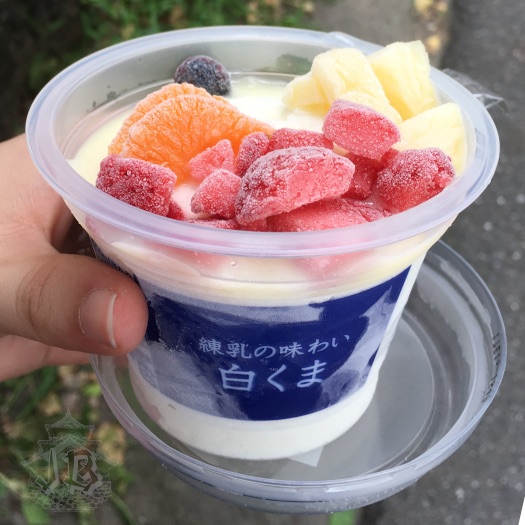
On my way back I had some ice cream because hot and hungry.

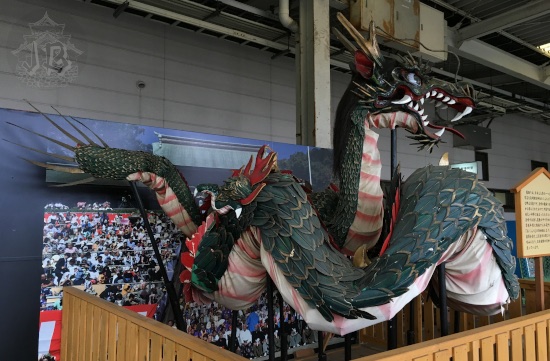
Finally I took the 15:15 Kamome train to my next destination, Nagasaki [長崎]. This dragon greeted me at the station.

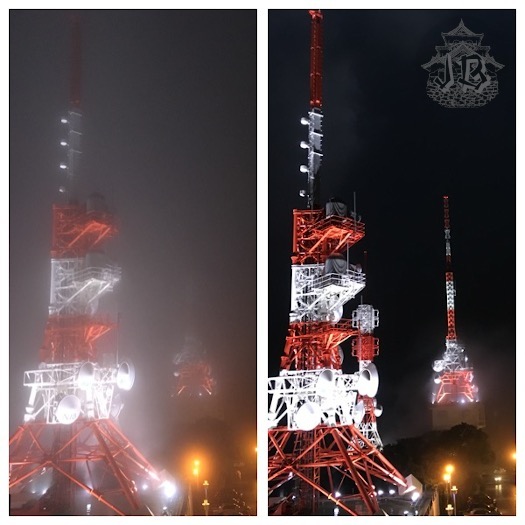
After checking in, I tried to go to the Peace Park, but Google sent me to a random parking lot called “Peace Park” so I decided to go to the Inasayama [稲佐山] Observatory to watch the “one million dollar view”. Fortunately or unfortunately there was a storm brewing – it broke down as I was heading towards the Nagasaki Ropeway [長崎ロープウェイ], then it calmed down, only to start up again once I was almost at the top of the mountain. So normal people watch the Nagasaki skyline, I… guessed the Nagasaki skyline through a storm cloud, because I am cool like that.

18th August 2014: In Osaka, we stand on the right {Japan, summer 2014}

Armed with my JR pass I headed off to Kansai via Shinkansen. I would be staying in a Kyoto hotel for a couple of days, but my first stop was Osaka [大阪]. Hereby, by the way, I need to remind myself that next time I have to do Kobe. And get a hotel close to Fushimi Inari so I can bloody make it to the top for a change.

Arriving in Osaka, once again, I felt an overwhelming sensation of being home, and that was once again the feeling I got upon remembering that I was to stay on the right on the escalator (in Tokyo, you keep to the left). My visit was carefully planned, even considering transportation times and queues. Yes, it was not the most… travel efficient one if you look at a map, but had to be done like that in order to work, time wise.

My first stop was at the Sumiyoshi Taisha [住吉大社] compound. Sumiyoshi Taisha is one of the oldest Shinto Shrines in existence, so of course I had to go there this time over.

After the shrine I headed off to downtown Osaka to visit the Ōsaka Rekishi Hakubutsukan [大阪歴史博物館], the Osaka Museum of History which features exhibitions depicting the evolution of the city from ancient times to the occupation period and the start of Western influence.

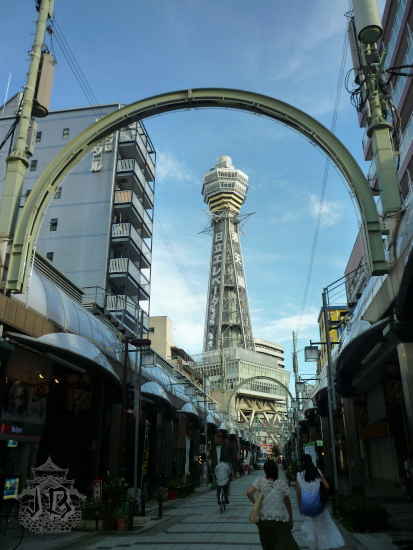
Although this was close to Osaka-jo [大阪城] (Osaka Castle), after I was done I headed back to the train station and backtracked half the way I had previously advanced in order to go to Shinsekai [新世界], the New World. there was something else I had pending here, and that was going up the Tsutenkaku [通天閣] Tower to get a view of the city and, of course, to visit Billy Ken, the God of Things as They Ought to Be, and his sidekicks.

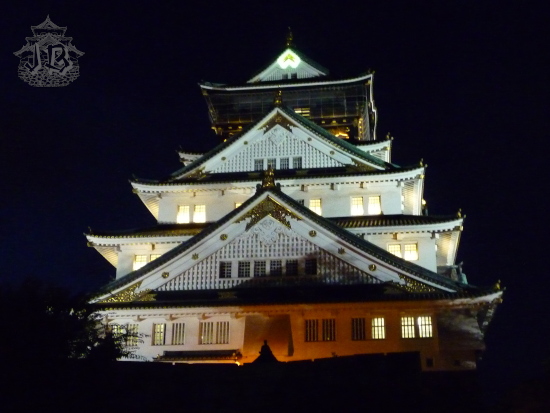
After that I headed back to Osaka Castle area to be up when the sun set, and thus be able to see it lit up, which I had not managed the previous time I had been there either.

Finally I took the Shinkansen to Kyoto and checked in my hotel for the night.