28th August 2018: Easy-peasy {Japan, summer 2018}

Having felt so lousy the previous day I decided to take an easy day with friends. I took another Nakano Broadway [中野ブロードウェイ] trip, although I did not find anything interesting – actually I did but I decided to leave buying for later and the next time I came it would be gone. Not the item, the whole shop (≧∇≦).

I met B**** for Chinese food in Shibuya [渋谷], drinks (because we had free Starbucks!) and then I got a haircut! Not that my hair was long but it had started losing shape and it did not look neat. My hair saloon was called Number 76 and it was in Omotesando [表参道].

This was a bit of a weird experience – I got my hair dry-cut, then washed, then styled, and then I got a massage – and B**** treated me to it because she’s awesome and generous ♥

Afterwards we met with D****e and had dinner at a very weird meat place in Shinjuku [新宿] (once again in MyLord because we decided it is very convenient and it has nice places). I mean, this is a salad…

27th August 2018: Nippori {Japan, summer 2018}

I went to the Yanaka [谷中] area in Nippori [日暮里] because I was not feeling too well and I thought it would be urban enough but empty enough. Unfortunately it did not quite cut it.

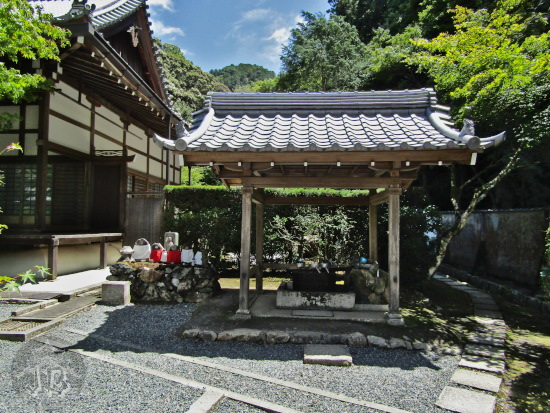
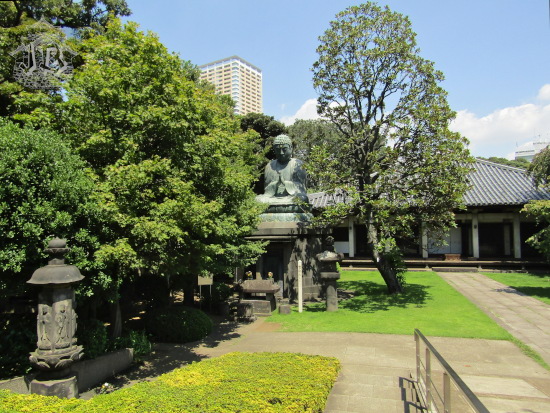
Just after coming from the station, I went to Hongyo-ji [本行寺]:

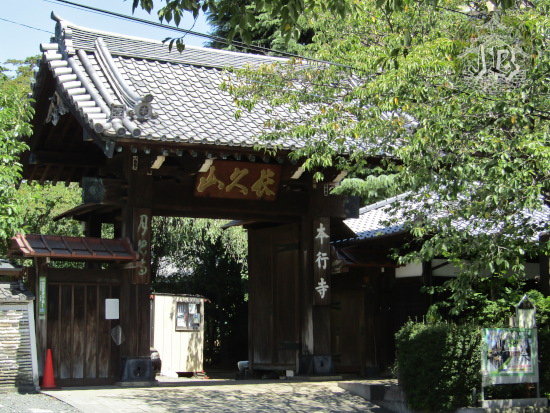
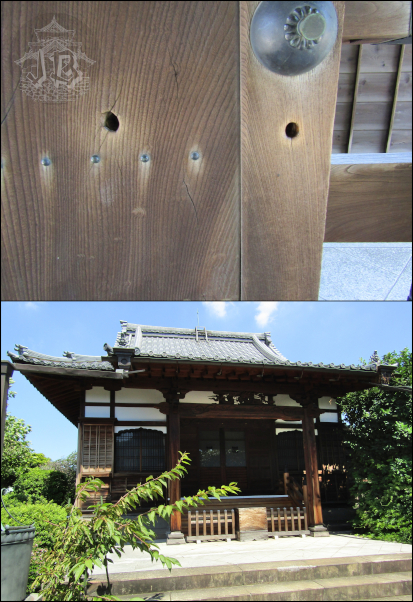
And then to Daikokuten Kyōo-ji [経王寺], whose gate is important cultural property and keeps bullet holes from the Battle of Ueno (1868).

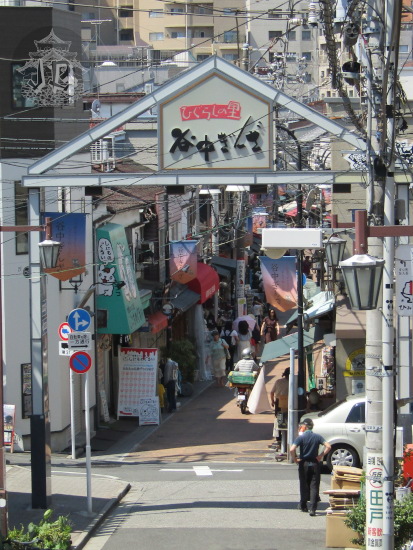
I arrived to Yanaka Ginza [谷中銀座], a traditional shopping street. I saw Fukuyama Masaharu posters there and I found a shop that sold humoristic hanko for foreigners. I really, really fancied the idea of one with 榊 [Sakaki] on it (with a platypus drawing) but alas, extravagancy budget had already been topped by the Oiran photoshoot.

Then I walked throughout Yanaka Reien [谷中霊園], one of Tokyo’s urban graveyards, where you can see some special see-through bamboo barriers:

I also saw the Tokugawa family graveyard within, alhtough it is technically “only” the Grave of Tokugawa Yoshinobu, Tokugawa Yoshinobu Kōbosho [徳川慶喜公墓所].

And Tenno-ji [天王寺] next to the cemetery.

The truth was that I wanted to explore a few more temples in the area. However, I decided to do a Book Off, Tsutaya, etc tour because it was my last day on the JR Pass and I wanted to check out some CDs – and because my stomach was being stupid and I needed to be close to toilets. Truth be told I don’t have that much of a good memory from this day (≧∇≦), because I was totally unable to get anything to eat till dinner – boy was I hungry by then.

26th August 2018: To the East: Niigata → Aizu-Wakamatsu → Koriyama → Tokyo {Japan, summer 2018}

As there was not much to see in Niigata [新潟], we took a scenic train to the east – Niigata is famous for being ‘countryside’, and growing rice. We saw lots of rice fields.

Our destination was Aizu-Wakamatsu [会津若松], a ‘samurai town’ famous for Tsuruga castle and the story of the Byakkotai [白虎隊], a troop of young soldiers who fought during the Boshin war. Back then the ‘Aizu warrior spirit’ was a very important thing, and 19 youths committed ritual suicide when they thought the castle had fallen. This is called the Tragedy of the Byakkotai.

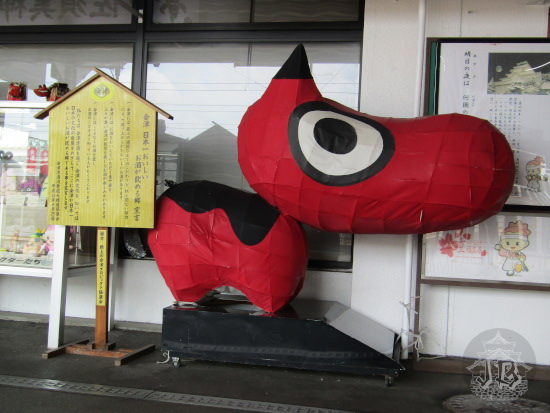
On the other hand, the town’s mascot is a cartoonish phantom red cow Akabeko [赤べこ]. Because why not?

We headed out to the castle first and foremost. Tsuruga-jo [鶴ヶ城] or Aizu-Wakamatsu-jo [会津若松城]. If you google it, you might think it’s pink. So did we. We were a bit on the amusedly disappointed side (≧∇≦).

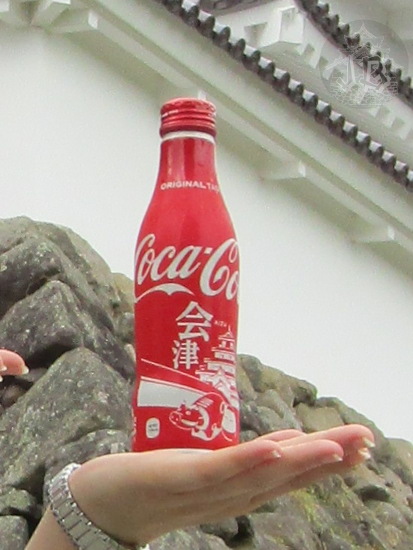
But we made-do with some awesome (and ice-cold) Aizu Coke-bottles.

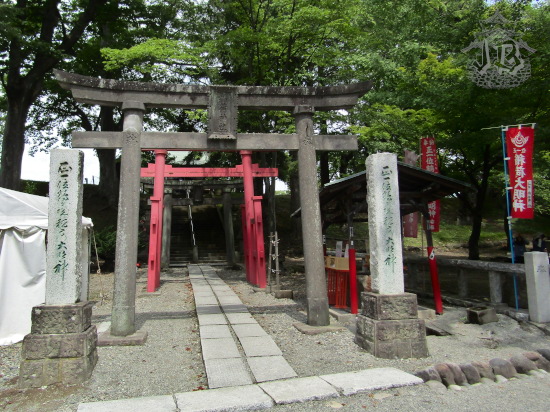
Within the castle grounds we found Tsuruga-jo Inari Jinja [鶴ヶ城稲荷神社].

And Kasama Inari Jinja [笠間稲荷神社].

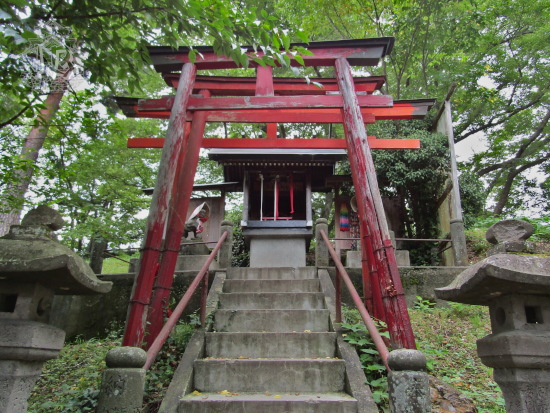
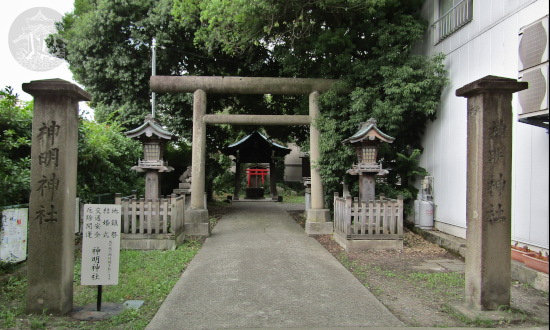
After the castle it was lunch time so we went to have lunch in the ‘old samurai town’ which to be honest does not feel too old. On the way we stopped by Shinmei Jinja [神明神社], which was rather on the empty side, but still nice.

We ate lunch in a place called Mitsuta-ya [満田屋] to eat miso dengaku [味噌田楽]. We had a course of skewers consisting on two konjac (one with salty and one with sweet miso), fried tofu, mochi (rice cake), sweet potato, shingorou (some kind of rice croquette) and smoked herring. All these were grilled just in front of us, which was on the one hand really cool to see, and on the other, bloody hot because hey, there was a fire burning in front of us. We were told that this was typical samurai food, because it could be prepared and eaten ‘on the go’. Who knows whether it is true, but it was fun and yummy.

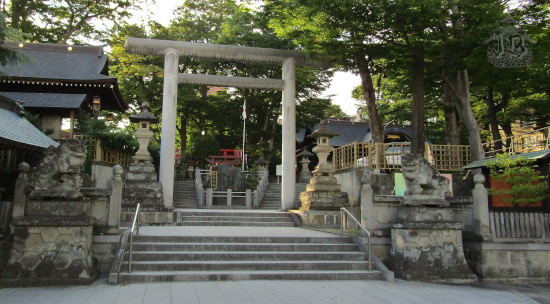
Once we had eaten we had to make a run to the station so we could catch the train – as the following one was two hours later – and we made it with three whole minutes to spare despite google maps saying we were too far away. And thus we were off to Koriyama [郡山], which… we had not really heard of before this whole thing? (≧∇≦). There we took the Tourist Office by surprise when we asked what we could see even if it was already ‘late’. Map in hand, we headed off to see Asakakunitsuko Jinja [安積国造神社], which was a little on the creepy side.

Then we saw Nyoho-ji [如宝寺].

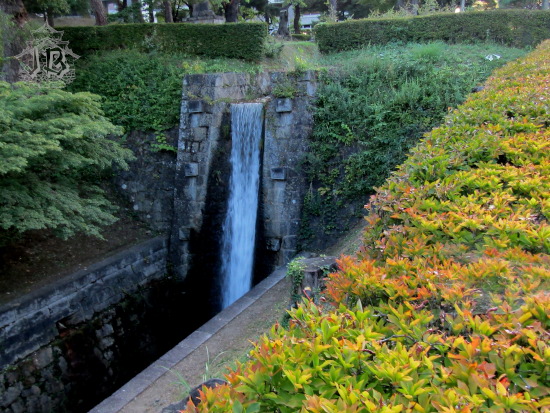
And continued to the park Hayama Koen [麓山公園], where we saw the Asaka Canal Hayama Waterfall Asaka Sosui Hayama no Hibaku [安積疏水麓山の飛瀑].

And the so-called Of the 21seikiki nenkouen Hayama no Mori [21世紀記念公園 麓山の杜], the 21st Century Memorial Park Hayama Forest.

Finally we headed back to the station area, where we checked out the Observatory in the Big-i [ビッグアイ] building.

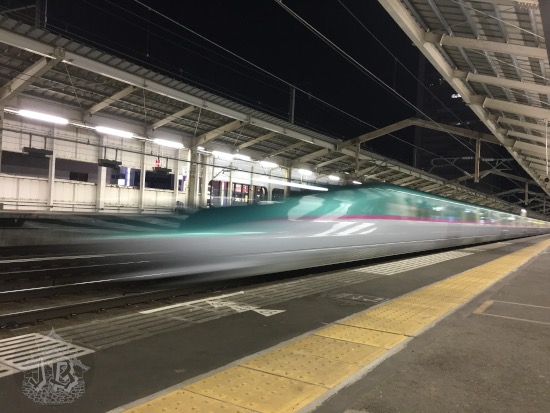
And finally caught a shinkansen back to Tokyo, we had dinner on the go and crashed in bed when we got home.

25th August 2018: Niigata + Otohige {Japan, summer 2018}

D****e and I went to Niigata [新潟] to attend Otohige, a summer music festival.

I took in a few things:

  • Golden Bomber are fun (well, this I knew already). Sho got hit for real a couple of times
  • Wagakki Band are fun too. I have given them money
  • I can’t go to arena moshpit without anything to hold on. Too painful.
  • Being on third row for HYDE should be amazing but it sucks if you can’t see HYDE and all your body hurts due to pushing and shoving.
  • I shall avoid macro festivals that do not have seats. If there are seats and arena, I will stay at the seats
  • Japan summer rain when everything hurts is not nice.
  • Painkillers and yummy yakiniku can make things better. Eventually.

This was not such a great experience for me as going into the pit turned out to be a good decision, causing a flare. I’ve decided to avoid festivals from now on.

24th August 2018: Friends! {Japan, summer 2018}

In the morning, I went to the Shōbō hakubutsukan [消防博物館] or Fire Museum, in Yotsuya [四谷]. I blame my last binge on Chicago Fire for the curiosity bug to bite on that one. It was strangely interesting, but the helicopter was closed due to wind and rain – also the problem with kid friendly museums is… kids overrunning you and parents cheering for them…

Then I met B**** in Shibuya [渋谷] for sushi, and that was awesome, until we were done. Then we saw the shrimp and fish being beheaded alive in front of us. That was a shock (O_O)! After that we went for ice cream, window shopping, karaoke and dinner in Shinjuku [新宿], in MyLord building next to the station, which was really convenient and surprisingly good (and well-timed on our part). Okonomiyaki! This was my masterpiece!

(Added a lot of katsuomi to it afterwards (≧∇≦) )

23rd August 2018: 疲れた {Japan, summer 2018}

After nine days on the go, mostly with the backpack on, today I took it easy as my body kind of hurt. I went for a stroll down Ikebukuro [池袋], popped into the music shops in the neighbourhood, and looked at yukata. A yukata [浴衣] is the simplified version of a kimono [着物], usually worn in summer. It is less elaborated as it has fewer layers, and it is usually sewn from printed fabric rather than embroidered one. As so, it is rather more affordable than the real kimono – most people in Japan will own at least one yukata.

I went into the ALTA Ikebukuro super shopping centre. There, I found a super beautiful, super expensive high-class yukata. I absolutely fell in love with it, but it was completely out of my budget – it was embroidered with actual silver threads. After that, it was really hard to find something else I liked.

After a few more shops, I did find a yukata in Shinjuku [新宿]’s Tokyo 135º. Ironically, I found this shop in Shinjuku ALTA, right in front of Shinjuku Station Kabuki-cho exit (this is the building that used to have the huge Kimura Takuya billboard). It seemed that the sales ladies were quite used to tourists. The assistant did not press me, and she actually offered to take a picture of me before I actually told her I would buy the yukata.

My choice was exactly what I was looking and aiming for – it has a dark background and a bit of a “goth” design, with roses in different shades, from dark red to pink.

Coming back, I got lost in Shinjuku Station. Like, very lost. Then I realised that to get to the “South Exit” you have to actually come out of the building and find it outside. Live and learn. The great thing about getting lost in Shinjuku Station was that I found all the TOKIO panels for their new video game commercial. Including one low enough to be able to “take a selfie” with Nagase.

Then I picked up D****e in Roppongi [六本木], we had dinner, and called it a day.

22nd August 2018: … and I raise you two castles more {Japan, summer 2018}

From Nagoya [名古屋], I got myself to Inuyama [犬山], Aichi Prefecture, to see yet another castle. This is also one of the twelve original castles and a National Treasure of Japan. Inuyama is located about 40 minutes away from Nagoya in a line I had not even heard about, so I had a bit of a hiccup finding the station. But it was no more than a tiny stumble and I was on my way at the expected time. Inuyama is a nice little town with a traditional street leading up to the castle, called “Castle Town street”.

Before getting to the castle I came across two shrines – one was Haritsuna Jinja [針綱神社].

The other one was Sankoinari Jinja [三光稲荷神社 ], which either got you a partner or protected your pets. Inclusive for people who want a partner or not, I guess (≧∇≦).

Then I hiked up to Inuyama-jō [犬山城], the castle.

I diverted from the way to get to Inuyama Jinja [犬山神社].

And I was puzzled by something called Oibokenizu Jizoudou [老い呆け来地ず蔵堂]. But it’s okay. Apparently most people are. It seems to be some kind of love temple.

Finally I met a very relaxed kitty in Akiba Jinja [秋葉神社].

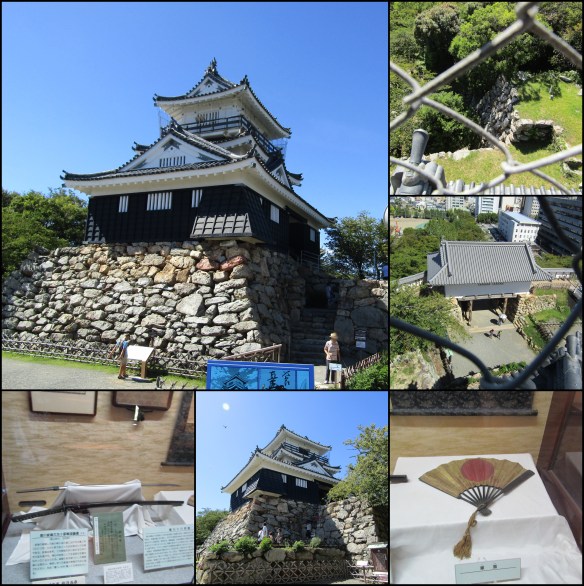
With this, I left Inuyama and headed back to Nagoya, from where I took a Tokyo-bound Shinkansen. I made a stopover at Hamamatsu [浜松] because I wanted to see… yet another castle! I found my way to Hamamatsu-jō [浜松城, Hamamatsu-jō].

Next to it there is the sculpture of Tokugawa Ieyasu Wakaki hi no Tokugawa Ieyasukō-zō [若き日の徳川家康公像]. Ieyasu build the Castle and resided in Hamamatsu and was the first shogun of Edo shogunate. The castle is a reconstruction.

Finally, there is the Ieyasu Armour Hang Pine Tree Ieyasu yoroi-kake-matsu [家康公鎧掛松] which (supposedly) is where the man hung his armour when he was home (aka the original castle).

And with that I headed off back to Tokyo [東京] and D****e’s place to get some rest.

21st August 2018: I see two castles… {Japan, summer 2018}

As I had made it to Nagoya a bit on the early side the previous day, I had some time to plan today carefully. The tentative plan was visiting Gifu and Inuyama, both castle towns. However, a third castle, Kiyosu, was also on the list, and it turned out that to get to Gifu, you go via Kiyosu. So there was a slight readjustment in Castle-visting schedule.

Thus I got myself on the train and 20 minutes later I stopped at Kiyosu [清洲]. I had seen the castle from the Shinkansen before, but I had never found the name until I was doing some pre-planning for this trip. Thus, it was a win/win situation. Everything seemed to be helping towards me seeing that castle this time.

Bonus points for Kiyosu: signs. Awesome, easy to follow signals reading “清洲城” in every crossing . Not in every second crossing. In every actual crossing so you can actually get to the place without even a map!

Anyway, the highlight of Kiyosu is the castle, Kiyosu-jō [清洲城]. It is not original by any means, but it is one of the prettiest ones I’ve seen. I like all the colourful stuff.

Then I snooped around Kiyosu Koen [清洲公園], the park where Oda Nobunaga Nōhime-zō [織田信長・濃姫像] stand, they are the bronze statues of Oda Nobunaga and his wife Nouhime.

Afterwards I returned to the station and continued onto Gifu [岐阜], where I took a while to figure out the bus system, but in the end I managed to get to the feet of the mountain where Gifu Castle is.

Before going into the park, I decided I would not go into the insect museum, and walked off to Shōhōji [正法寺], home of the Great Buddha Gifu Daibutsu [岐阜大仏].

I took the Gifu Safu Kinkazan Ropeway [ぎふ金華山ロープウェー] (Gifu Mt. Kinka Ropeway). As much as it seems that I am getting comfortable with the whole Ropeway thing, I’m not. For the record.

But there I went, up to Gifu-jō [岐阜城], the castle up the muontain.

Later I was wandering around the park for a while and of course I needed to go and see the Gifu Kōen Sanjūnotō [岐阜公園三重塔], the Three-Story Pagoda that stands on the slope of the park.

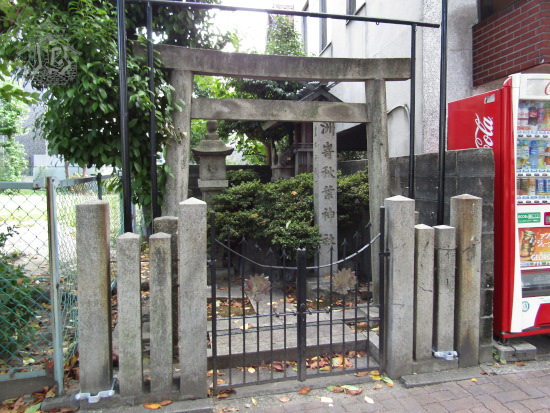
I was sort of tired, and it was very hot, so I took the bus back to the station, and the train back to Nagoya [名古屋]. When I got there I had rested a little, and I felt up to walking a bit in Nagoya – besides it just felt too early to go to the hotel. I walked by a cute little shrine, Yuzu Akiba Jinja [洲嵜秋葉神社].

I finally made it to Ōsu Kannon [大須観音],

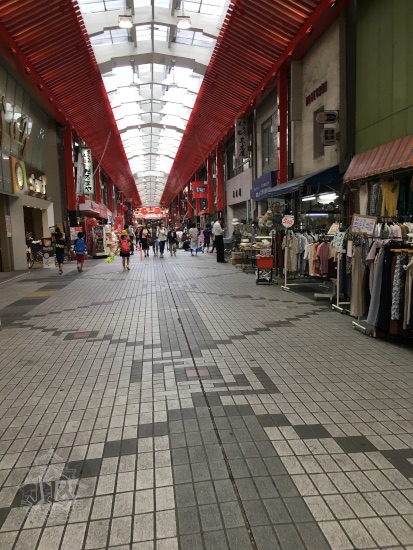
and the adjacent shopping streets,

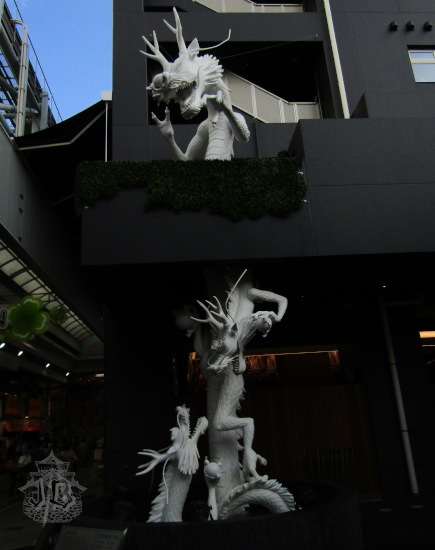
where I found Hakuryu [白龍], the white dragon.

I did some shopping in Mandarake and Book Off and I walked back to the hotel.

20th August 2018: Ise, the Soul of Japan {Japan, summer 2018}

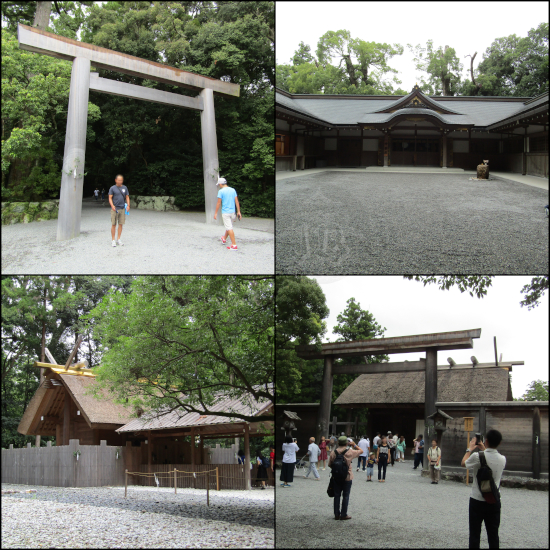
Ise [伊勢] in the Mie Prefecture, is a coastal town home to the Ise Grand Shrine Ise Jingū [伊勢神宮] dedicated to Amaterasu, Sun Goddess, and said by many to represent the soul of Japan. It is also, according to the legend, the resting place of one of the three Imperial Regalia, the mirror Yata no Kagami [八咫鏡]. The Grand Shrine is actually a compound, but there are two main shrines, the Inner Shrine Naikū and the Outer Shrine Gekū

I left the hotel just in time to make it to the local station and get to Ise stfation, where I checked with the Tourism office and bought a bus pass. As much as I dislike buses in Japan, sometimes it’s the only way to get around. My first stop was the Outer Shrine: Gekū [外宮].

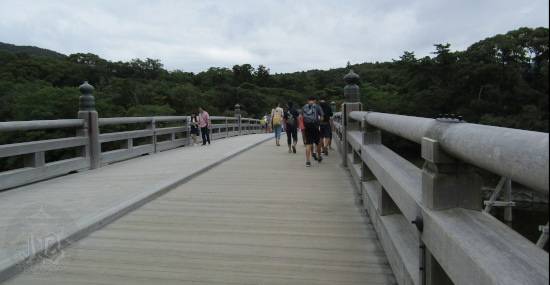
Then I took the bus to the Inner Shrine, which was packed with people and school trips. I crossed another Uji Bridge, Uji-bashi[宇治橋].

Then walked into the Inner Shrine: Naikū [内宮].

My general impression of the Ise Grand Shrine: it felt really severe and not too welcoming, which is different from what I usually feel in Shinto Shrines. It was full of people praying at the different shrines and sub-shrines, and families with grandparents, parents and kids. There were also a lot of children in trips. In the Great Shrine, people usually pray at what is called the third level. When I was there, a woman was shown to the second level for her to pray there, which caused some outrage around the parishioners. That amused me.

After I had seen the Grand Shrine I took the bus again to head off to the coast. On the way we passed by Azuchi-Momoyama Bunkamura, and I filed it for future reference, as it had a castle. But for the time being I was heading off to see the Meoto Iwa.

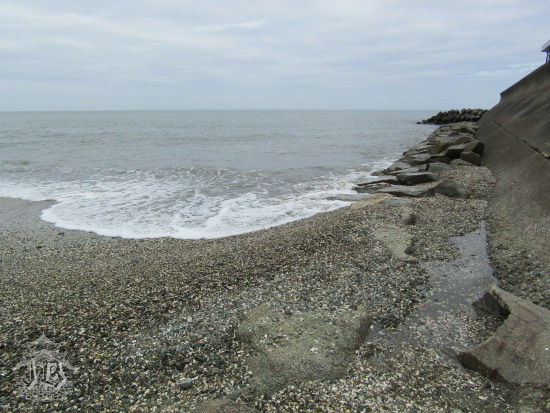
I got off the bus and first I was distracted by the ocean.

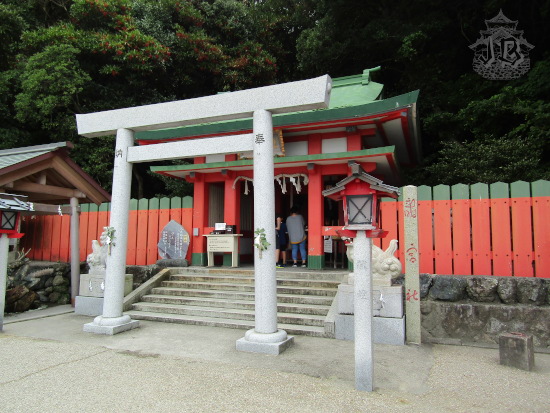
Then I walked through Ryugusha [龍宮社], a dragon Shinto shrine.

I walked around the cliff and got to Futamiokitama Jinja [二見興玉神社].

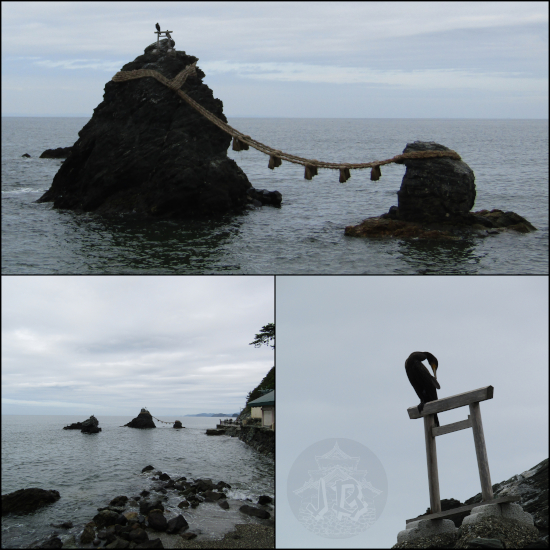
Which is home to the Married Rocks Meoto Iwa [夫婦岩], two rocks in the ocean that are joined by a sacred rope and represent a married couple.

I had now some time to do something else. I considered the Aquarium, and the Azuchi-Momoyama Bunkamura [伊勢安土桃山文化村]. I decided to give myself some more time to think by taking the bus backtracking towards the Naikū, and I had almost decided on the theme park – featuring samurai, geisha and the castle.

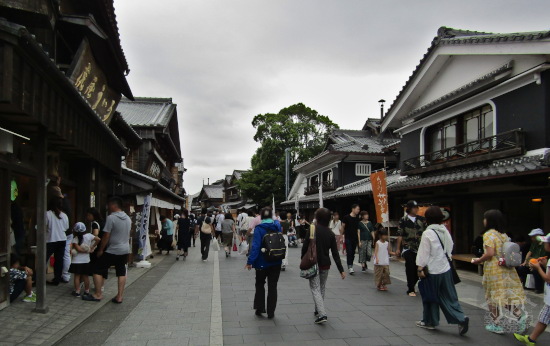
But then I saw the price. It was over 4,000 ¥ and I had spent 10,500 ¥ at the Oiran Experience than expected, so I was a bit off-budget. Thus I decided to just head back to the shopping and restaurant area and grab a bite to eat. (Full disclosure: I might have to go back to Ise just to check this out anyway (≧∇≦).)

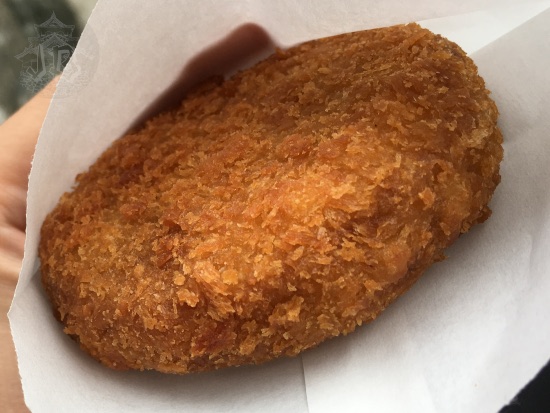
I had heard about ‘Ise lobster’ Ise ebi [イセエビ] (Japanese spiny lobster, Panulirus japonicus), but in the end it turned out that I only bought a koroke. It was yummy though.

After this, being already late afternoon, I decided to head back to the station, stopping by Seki Jinja [世木神社] before I left towards Nagoya [名古屋], which would be my operational base for the next couple of days.

19th August 2018: Uji, layovers and finally Ise {Japan, summer 2018}

Uji [宇治] is Kyoto’s li’l brother that nobody has ever heard about and which has a bit of a disproportionate ego. Today I set off to visit this small town, where I had not slept because it was crazy expensive. Armed with an online itinerary I got there and asked for a map at the tourist office – my surprise? One of the main attractions, the Genji Monogatari museum was closed. Because reasons I guess. Hindsight: I should have slept in Kyoto again and left luggage at Kyoto station as I would have to travel through it again.

My general impression of Uji is that it wants to climb the tourist ladder but at the same time, it does not want to carter to the actual tourists. Attractions were in general expensive and a tiny bit unwelcoming, while at the same time the people were nice in a bit of a condescending way. The demeanour of the tourist lady “what are you here to see?” was strange, and the fact that the Genji Monogatari museum, which is the reason why the town is even in the map, being closed, even more so.

My first stop in Uji was Byodo-in [平等院], a beautiful temple complex built around a small lake. Coming into the actual building to watch the paintings had an extra charge so I did not do that. Instead I snooped around the whole complex, museum, and sub-temples.

I continued my walking route skipping the tea house, because even if Uji is known for tea, it was too hot for hot tea. I got to the river, Ujigawa [宇治川], and crossed one of the bridges, the Kisen Kisenbashi [喜撰橋] to get to a small river island called Tachibanajima [橘島].

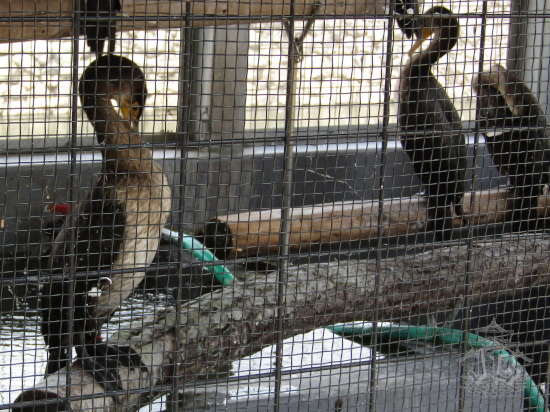
Another thing that is apparently typical in Uji is ukai [鵜飼] or cormorant fishing, which means fishermen use trained cormorants to fish. It was apparently too early in the morning for the cormorant to be out working.

I crossed then another of the rivers, the Asagiribashi [朝霧橋] to get back to main land, where I stopped by Uji Jinja [宇治神社].

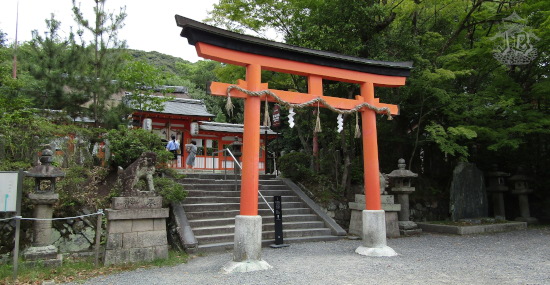
Then Ujigami Jinja [宇治上神社], which is basically another building of Uji Jinja but it got separated because the Haiden is a historical monument.

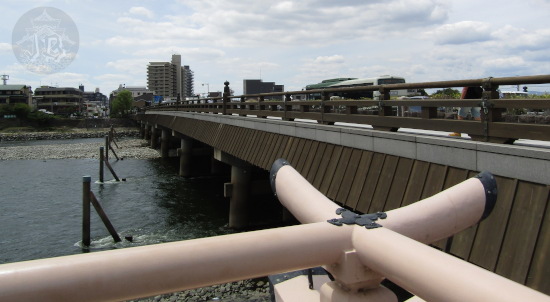
I finished my walk around Uji at yet another bridge, Uji-bashi [宇治橋], famously mentioned in Genji Monogatari. Do you see a pattern here and why I’m so weirded out about closed museum?

After Uji the plan was getting to Ise mid-afternoon, but my Shinkansen was late, which lead to a two-hour layover in Nagoya [名古屋].

That meant that I arrived in Ise [伊勢] in the Mie Prefecture, around 6 pm. I had two options there – walk 45 minutes to the hotel, or wait 45 minutes for a train that would take ten minutes to get at the hotel station, and then walk for 15 minutes. I chose to walk.

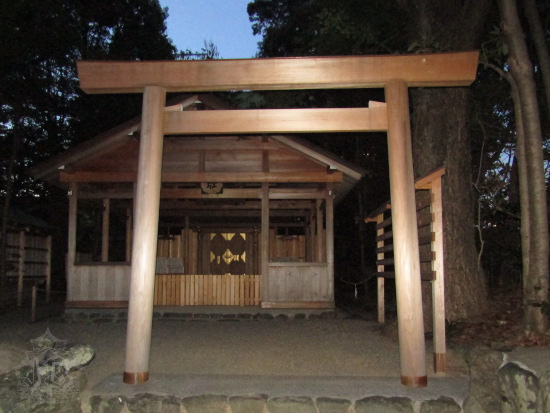
Thus I came across Tsukiyominomiya [月夜見宮] just as the sun started to set. I started to notice here the ‘naked’ torii, which are typical of Ise – it means that they are not painted or made of stone, they are plain wood, usually sakaki, a sacred tree in Shinto.

And Suhara Taisha [須原大社] a bit later (though the two look… creepily similar, don’t they?)

By the time I got to the hotel I was exhausted and hungry, and maybe a bit eeried out because I had had to cross a mostly deserted area over the river as it got dark. Sheesh, was I happy when I started seeing neon again. Bonus point, the hotel had an onsen, which was great for my back (and it was near a combini, so food was also had). The hotel was such a huge complex that they needed to hand out maps so you found your way between the different areas – onsen, reception, restaurant, room!

18th August 2018: Plan Switching. Kyoto → Osaka → Nara {Japan, summer 2018}

On this day I was supposed to hike up a mountain – mount Takao to be precise. But you know what? When I woke up that morning I just did not feel up to it, so I decided to change my plans. In the end when you’re on the JR Pass you can get from Kyoto to Osaka for free. For a change, I actually got to Osaka instead of Shin-Osaka which was convenient. Then I grabbed the underground to get to Osaka Aquarium Kaiyukan [海遊館], which is actually the largest aquarium in the world.

I had been there before, but the previous time I did not get to see the whale sharks as they were ‘quarantined’. How can anyone block a tank which is in the middle of the whole damn thing, I have no idea, but they did. This time I broke even and had a blast. Unfortunately the Aquarium was packed because this was a Saturday morning, and for some reason my back was hurting a lot. I had dropped my luggage off at a coin locker because I thought it would be better. However at some points I could not really walk straight. The weight of the camera bag was too much and I had to sit down. Found a nice place to watch the sharks from, though.

After the Aquarium I went to Kuchu Teien [空中庭園], observatory in the Umeda Sky Building [梅田スカイビル] to have a look at the skyline and to get the stamp for the Japan Towers rally. I got the greatest omg-gaijin face of the trip here (and truth be told, had I known that the stamp was actually held at the reception desk and not the actual observatory, I might have skipped this). In this case the building is an attraction itself. It consists on two towers joined by some passageways and a circular platform at the top, with see-through escalators.

Next the plan was going to Dotombori, stroll down there, and eat some takoyaki before heading off to Nara where I had my hotel for the night. When I got to the station and jumped on the Osaka Loop line, it turned out that I actually was in the train that continues on to Nara… and it was air conditioned and I had a seat…

I found it a sign and decided to just go with the flow and get to Nara [奈良] on that train. Upon arriving there I checked into the hotel and I decided to go to Nara koen [奈良公園], the main Nara park, and see if I could feed a sacred shika [鹿] deer or two. This was close to 5 pm by now so all the temples would be closing anyway. I did feed the deer some shika senbei [鹿煎餅] (deer crackers), and one of the does bit me. Not even the hand that was feeding her, she actually tried to snack on my tummy. Sheesh.

As I was coming back down I had a pretty sunset over Kōfuku-ji [興福寺].

17th August 2018: Gold & Oiran {Japan, summer 2018}

Last year I decided to take a maiko photoshoot and it was fun, so when this year I found something similar, I decided to take the plunge. In this case, it was not a maiko, but an oiran [花魁], high-ranking courtesans with flashier clothes and more expensive kimono and accessories. I timed this to be the day after the Gozan no Okuribi, and my appointment was at 1 pm, although the website advised you to be around half an hour earlier.

I woke up feeling much better than the previous day, and after leaving the hotel the first thing I did was visit Mikane Jinja [御金神社], a small temple that had at some point come under my radar because it has a golden torii. This was, again by luck, very close to my hotel.

Torii gate painted in glittery golden paint

After that I took the underground to go to the Higashiyama / Keage area, where my photo studio was. There are also a few things to see around there, so I got off at Keage Station and the first thing I saw was Nejirimanpo [ねじりまんぽ], a Spiral Brick Tunnel, also called “Twisted tunnel”. I walked across, of course.

Entrance to a tunnel made of bricks. The bricks seem to be built in a spiral, and not straight

Afterwards I found myself at the complex formed by Tosho-gu [東照宮] and Konchi-in [金地院]. Tosho-gu is dedicated to Shogun Tokugawa Ieyasu.

A Buddhist temple with lots of bonsai pines in front of it

I continued into the temple complex and saw Nanzen-ji [南禅寺], a grand temple.

The main building of a Buddhist temple with an incese brazier in front of it

And then I stumbled onto Suirokaku [水路閣], which is, of all things, an aqueduct! Furthermore, it is still in use.
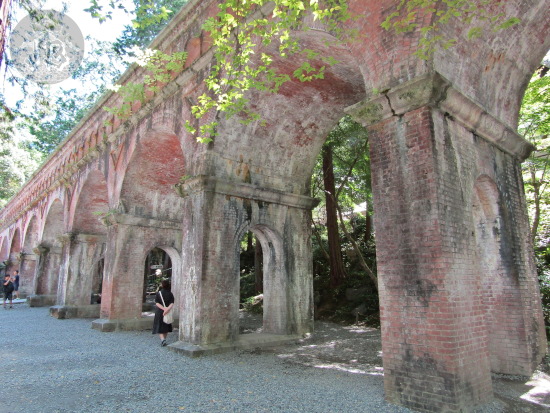
Aqueduct made out of brick

My next stop was Saisho-in [最勝院].

A Shinto purifying fountain

Then it was almost time for my appointment, so I headed towards Studio Esperanto Oiran Taiken [studio-esperanto 花魁體驗], which was pretty much amazing.

Studio Esperanto front shop

While considerably more expensive than the maiko photo shoot, but the truth is, it seems less standardised and way more professional in a way, relaxed in the other… maybe it is the fact that you get to choose more is what makes it unique to you – also I am happy to report that I could do it with my contacts in, so that was way more enjoyable. The whole thing was like a dream – it reminded me a little of the experience you get when you go to Swallowtails, a lot of people are trying their best to make you feel welcome. In this case you choose a kimono and two different covers, called uchikake, which are super heavy because they are embroidered with metal thread.

The first thing I did was to take off my clothes and put on a white “underwear” robe. I could choose a lot of things – make up style, colours, wig, nails, hairstyle to a point, eyelashes… it is very participative. After make-up, you choose the kimono and the obi – which is the real thing, a long one that they tie around you. For the photo shoot itself, you feel like a rock star for real. They put the uchikake on you, they help you with the poses, and they take a lot of pictures for you to choose which ones you want printed into a book -For the plan I bought, 25,000 ¥ you get five printed pictures in a book and can buy the rest of them on a CD (which was 10,000 extra, but in my case, way worth it, as I got 50 pictures) – one day I would love to do the VIP experience, that’d be cool, but I guess I’ll just settle for entertaining repeating a similar plan with the blue background.

Collage of a person in oiran outfit. The kimono is decorated with pine needles embroidered in gold, and cranes. The person is wearing wig with long red hair.

While I was waiting for the pictures to be done, I decided to have a walk around the area. I saw the Biwako Sosui Kinenkan [琵琶湖疏水記念館 ], the Lake Biwa Canal Museum, from the outside.

Fountain with a crane inbetween the flow

I thought I might check out the zoo, but the price made me decide against it, and after turning a corner I found myself, surprisingly, at Heian Jingu [平安神宮 ].

Bridge leading up to a huge torii gate painted vermillion

I remembered there was a conbini next to the daitorii, so I went there to have some lunch, and then walked back to the Keage area, to have another look at the temple complex and Jishi-in [慈氏院] (probably. There was some construction going on and this might have been a smaller temple).
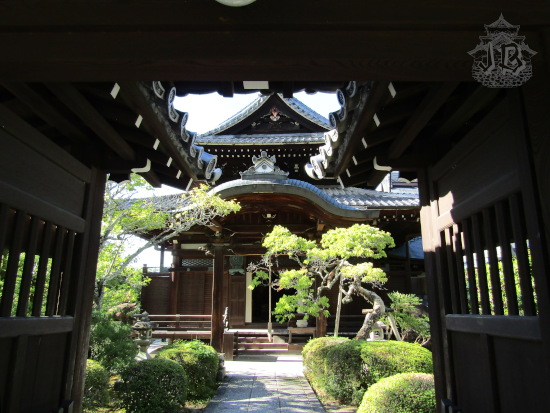
A Buddhist temple through the wooden gate

After I had my pictures (and still not quite believing it), I decided to walk down to Gion, as the path would take me down the river.

A shot of the Kyoto canal, with weeping willows hanging over it

I ended up at Yasaka Jinja [八坂神社].

Vermillion gate that marks the entrance to a shrine up a flight of stairs

Then I walked into the actual Gion [祇園] area. It was more than crowded, which killed the exploring drive.
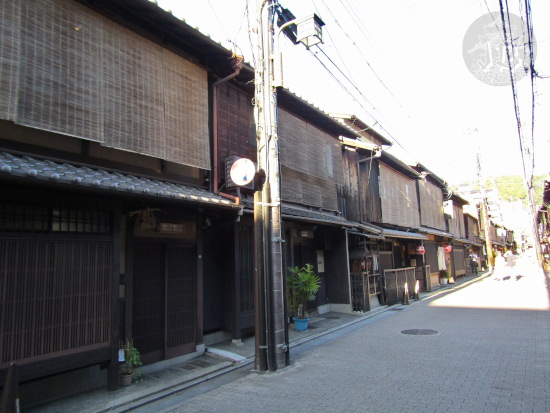
Wooden houses in the sun, the wood is dark

And here is when I totally forgot that I wanted to go see Fushimi Inari Taisha by night and went back to the hotel 。゚(゚´Д`゚)゚。. I guess I was a bit more tired than I had previously thought, because I did not remember that until I was getting on a train the following there.

16th August 2018: 五山送り火 (Gozan no Okuribi) {Japan, summer 2018}

Remember when I mentioned I overdid it on the 15th? I was feeling it today. My head was bugging me and it grew worse along the morning. The weather, showery, was not really helping, even when I took my meds.

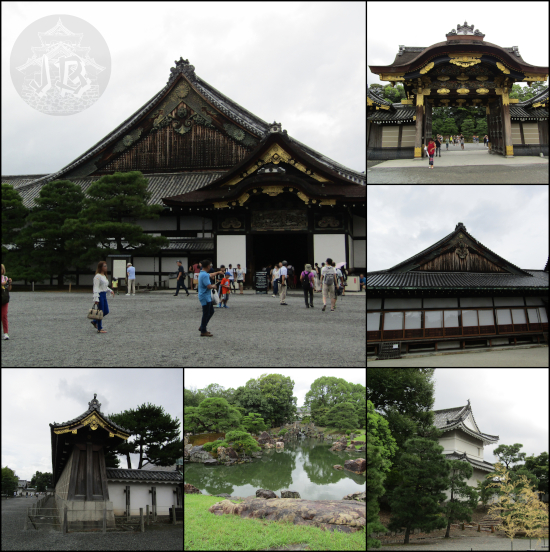
Never the less, I left the hotel in the morning, got some breakfast and walked to Kyoto’s old castle, Nijō-jō [二条城], which was literally two blocks over. This was not planned, as when I booked the hotel I looked for something reasonably-priced reasonably-close to a JR or an underground station – I really, really hate Japan buses, trains for the win.

Anyway, the castle was close, so I decided to drop by as the first time I had been around it was being renovated.

After the castle I walked towards the JR station where I had come from the previous day to stop by Shinsen-en [神泉苑], the remains of a Heian Era garden, which holds a sub-temple to To-ji.

Also I snooped into Nijo Jinja [二条神社], just because there was an indication sending me there.

Then I headed off to Kyoto JR station as there is a tourist information centre. There I wanted to ask where to watch the upcoming Gozan no Okuribi [五山送り火], which is a festivity that closes the Obon festival in Kyoto. The Obon festival honours the deaths of the deceased, which come back to the world and are sent away by the five fires started in four mountains around Kyoto. I wanted to see as many fires as possible, and I had been doing some research online. I wanted to find a good place, which in the end turned out to the rooftop of a local Aeon supermarket, the Aeon Mall Gojo.

After getting the info, I went to Higashi Honganji [東本願寺], a temple close to the station.

I wanted to go find its twin, Nishi Honganji, but I was not feeling well and I really wanted to be fine for the evening’s fires – which were after all the reason why my trip was planned like this, so I could go to see the fires. My headache was growing worse, I think part of the reason was that I was stressing that the mall might not be a good place to watch the fires and whether I could go somewhere else. Thus I got something to eat, and headed back to the hotel for a shower, a nap, and some dinner before I left for the mall.

The nap proved to be a good idea. The fires would be lit at 8 pm, so I stayed in the hotel until a little after 5 pm, when I left so I could be at the mall at 6 pm. This gave me time to relocate to another of the viewing spots if my first choice did not work.

But it did. You know you’re on the right track when you find all the locals all ready a picnic, and the Aeon was just like that. There were hotel employees pointing to the areas where we would see the fires. Out of the five fires we would see three, and part of the other two.

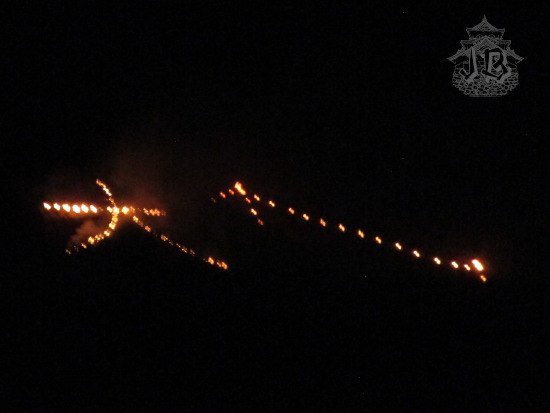
There are five fires in the Gozan no Okuribi [五山送り火], and they are lit from right to left. The first one is shaped 大, it is called Migi Daimonji or just Daimonji [大文字]. It is lit at 8pm. The second one is Myojo [妙法], a Buddhist prayer. Next comes the ship that is supposed to take the souls back to the underworld, called Funagata [舟形]. The fourth is the Hidari Daimonji [左大文字], another 大, and the final one is the Toriigata [鳥居形], shaped like a torii.

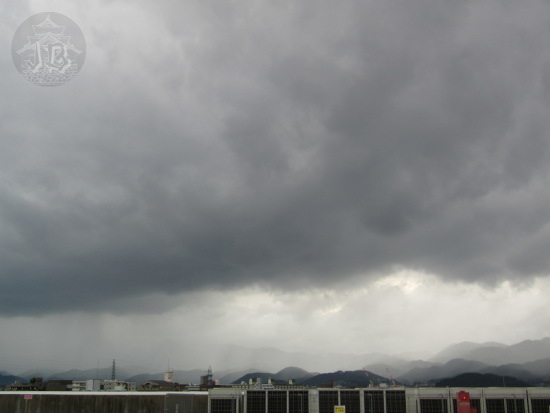
Everything was good. I could relax and my headache did not come back, even if we had a mini deluge that had everybody going inside for a few minutes.

When it was done and we went all back outside, we had a great sunset.

Finally everything went dark and the fires started. We saw the Migi Daimonji lit first to our right.

Then the sparks of what could have been the Myojo or the Funagata, nobody was too clear on that. Later we saw the Hidari Daimonji lit, just in front of us.

Finally, we got to see the Toriigata after changing sides of the roof.

All in all, it was a great success!! I was really glad I got to go and see it, especially the first and last fire, because it gave everything a sense of beginning and ending, even if I was quite exhausted to make it back to the station and the hotel.

15th August 2018: Hikone is small and at noon it turns into a pumpkin? Hikone → Kyoto {Japan, summer 2018}

As I had learnt the way to the castle entrance the previous day, first thing in the morning I headed off to Hikone Castle. The walk to the castle is flanked by the Irohamatsu [いろは松], which is a row of special pine trees that were planted there as their roots grow downwards but not sideways.

Hikone castle, Hikone-jō [彦根城], is one of the twelve castles that retain the original keep and one of the five to be a national treasure. The ticket included the castle, the museum, and the Gardens. I was there when they opened so the affluence of people was not to big yet.

Being one of the important ones made two things happen – one, that you have to take your shoes off, and two, that the stairs are crazy. Good thing I was not carrying my backpack – I had left it at the hotel but they told me they could only keep it till noon for whatever reason, so it was a good thing that Hikone is not as big of a town as others. The interior structure of the castle is naked wood, and it feels quite severe.

After the castle I went to the Hikone-jō Hakubutsukan [彦根城博物館], the Castle Museum, as it started drizzling. Normally the castles have the museum inside, but this one was in a nearby tower next to the main gate.

My next destination were the Genkyuen [玄宮園], a traditional garden from where you can spot the castle.

Also within castle grounds was the Kaikoku kinen-kan [開国記念館] (officially translated as Hikone City Museum of History, but it is more as “Memorial Hall”) – unfortunately pics were not allowed except for this Lego Castle.

Finally I checked out Shigakengokoku Jinja [滋賀縣護國神社] under daylight.

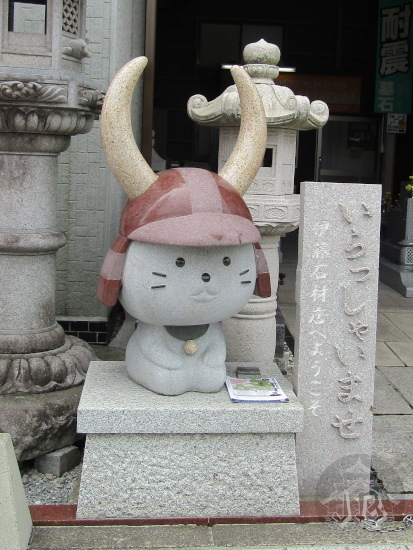
I walked back to the hotel through the main street, where I saw many stone statue shops displaying their work - including the city mascot, Hikonyan [ひこにゃん].

Finally, after picking up my luggage from the hotel I stopped by the Ii Naomasa Ritsuzō [井伊直政立像], the Statue / Monument to Ii Naomasa, who was the original builder of the castle.

I jumped on the Hikone Rapid Express, which was packed, and headed off to my next destination, Kyoto [京都]. As I was earlier than expected, I got a jump-start on sightseeing. This would later proof to be not too much of a good idea – originally I only wanted to do one temple so I did not put my luggage into a coin locker. Looking back, I should have.

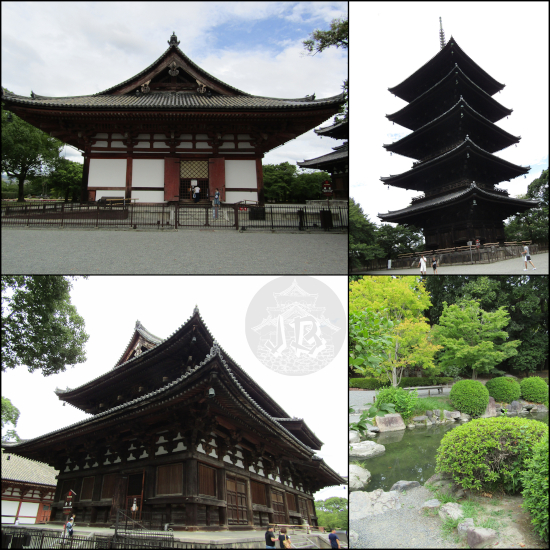
I went to To-ji [東寺], a Buddhist temple whose pagoda had drawn my attention every time I had been in Kyoto before.

Then, as it was quite close, I decided to check out the aquarium, Kyoto Suizokukan [京都水族館].

Finally, I went to Daishōgun Shōten Machi Ichi-jō Yōkai Street [大将軍商店街 一条妖怪ストリート], a shopping area with a lot of yokai and yokai-like mascots. Unfortunately, most everything was closed due to the Obon festivities, which in the end made for an unrewarded extra effort. Here I was trying to pace myself and not doing a good job out of it.

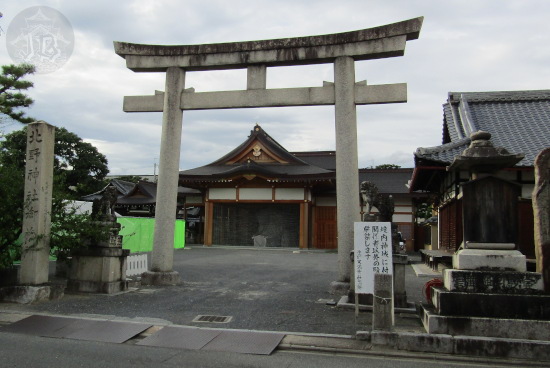
On my way to Yokai street and back I saw Jinja Kitano-Jinja Otabisho [北野神社 御旅所],

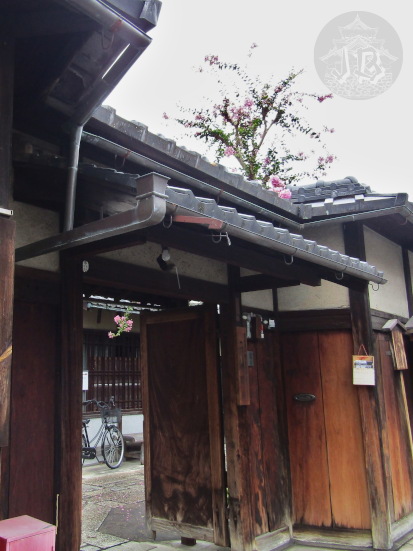
Jizo-in [地蔵院 ],

and finally Daishogun Hachi Jinja [大将軍八神社].

Finally I backtracked to the station and headed off to the hotel for some rest. I made a mental list of things that were incredibly close to the hotel and I could do the following day.

14th August 2018: On the road… I mean railway again! Tokyo → Nagahama → Hikone {Japan, summer 2018}

One of the things I did on Saturday in Shinjuku [新宿] before the J concert was activating my JR Pass, and I had a week of travelling in store, so there I went. After getting to Shinagawa and being told that there were no seats to be reserved, I travelled to Maibara on a seat in a very-empty unreserved car (keep in mind, this was the end of the Obon festivals, and lots of people travel around these dates).

In Maibara I left the Shinkansen and jumped onto the local line that headed off to Nagahama [長浜] in Shiga Prefecture. This trip was mostly organised around my need to be in Kyoto on the 16th of August, so when I looked up things to do, Nagahama popped up for having a castle at the shore of Biwa-ko [琵琶湖], Lake Biwa, which is the largest freshwater lake in Japan.

Nagahama Tourist Office at the station provided me with a very handy map that featured a walking route to see the most important areas of the town, which I set to almost immediately.

First, of course I head to the castle, Nagahama-jō [長浜城]. Between the station and the castle there was a cage with monkeys. I did not realise that until one of them popped up staring at my lunch.

Then I walked around the surrounding park and got to the lake front. Biwa-ko is big enough to have waves.

Then I continued on the proposed route to the Nagahama Railway Square, Nagahama Tetsudo Square [長浜鉄道スクエア], and the Railway Museum.

In front of that there was the Keiunkan [慶雲館], a beautiful traditional house and garden.

Then, after deciding to modify the walking route to fit my interests, I headed out to the town centre to find Nagahama Betsuin Daitsū-ji [大通寺], the biggest temple in town (with confusing indications). To get here I passed by the central commercial streets.

Afterwards I decided to go to Hokoku Jinja [豊国神社].

And before heading to the station, the Kaiyodo Figure Museum [海洋堂フィギュアミュージアム] had really caught my attention so I decided to come in.

On my way back to the station I saw the Hideyoshi to Mitsunari deai no zō [秀吉と佐吉 出会いの像], the Statue of (Toyotomi) Hideyoshi and (Ishida), important historical figures in the area.

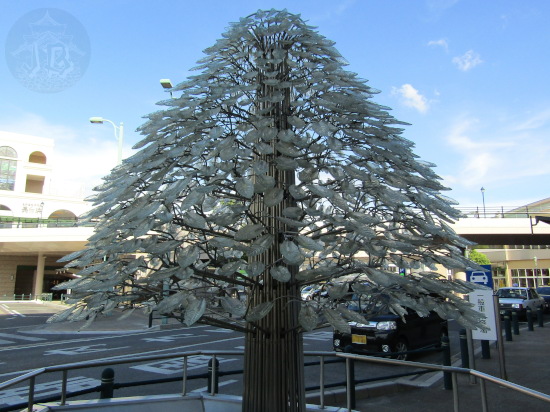
Finally there was the Aqua Tree before I took the train to go to my next destination, Hikone [彦根].

Hikone is twenty minutes by train using via Maibara, so I basically backtracked to Maibara and continued in the opposite direction. At Maibara our train joined another one so it became twice as long in a very interesting process.

Once I arrived in Hikone, I found my hotel and I checked in. However, having heard that sunset at Biwa-ko was really beautiful, I decided to sprint for 35 minutes, and headed off to the lake, racing the sun. I managed to see a beautiful dusk indeed, even if coming back to the hotel was a bit lonely once the lights were out. I had no idea. Yet.

Then I diverted towards Hikone-jō, Hikone-jō [彦根城] to try and catch a glimpse of it at night. Everything was locked down, so this is the best I got, and that’s a lot of zoom.

Finally, just before turning in I walked by Shigakengokoku Jinja [滋賀縣護國神社] and the Mitama Matsuri it was holding.

13th August 2018: Pretty Lights, Strike 2 {Japan, summer 2018}

I had quite a boring morning filing all the insurance and company flights hoping to get the money I had spent on clothes during the time my luggage was lost. Then a storm broke so I took the subway to Nakano Broadway [中野ブロードウェイ] to canvass the shops for a while. After shopping (mostly for my friend C*****, actually) I headed home to drop off the purchases of the day because my back was hurting and I did not want to run around carrying weight.

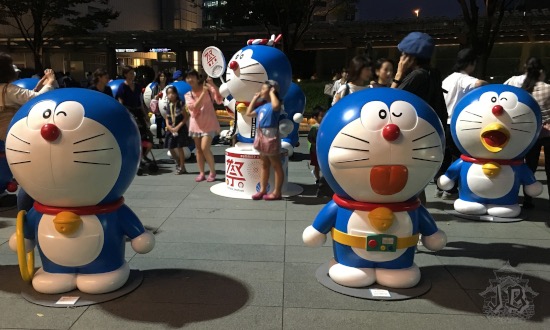
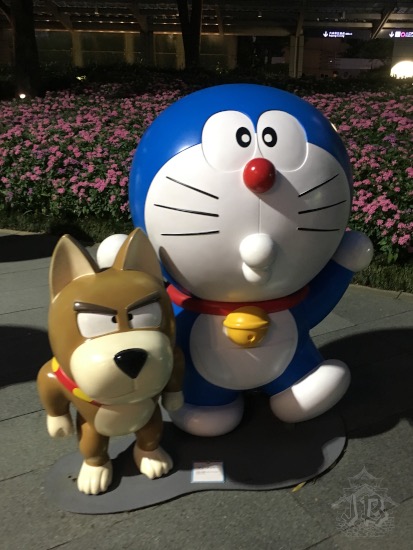
I had arranged to meet D****e in Roppongi [六本木] when she was done with work for two things – one was taking pictures with the dozens of Doraemon [ドラえもん] that were once again colonising Roppongi Hills [六本木ヒルズ].

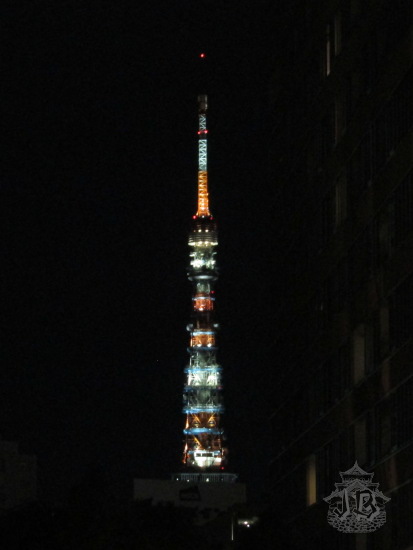
Then we went to Tokyo Midtown [東京ミッドタウン] building, also in Roppongi. We saw Tokyo Tower [東京タワー] on the way.

We had Chinese for dinner and then we walked into the gardens for the event called Midtown Loves Summer which was a show of lights and music, which was the second goal of the evening. Pretty!

12th August 2018: SSGW (Shinjuku Samurai Godzilla Walk) {Japan, summer 2018}

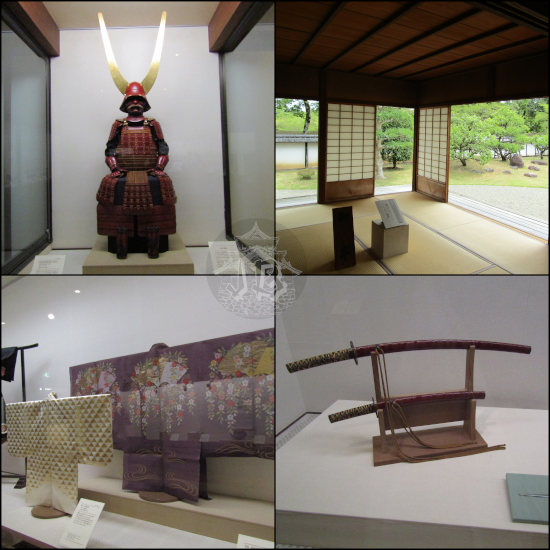
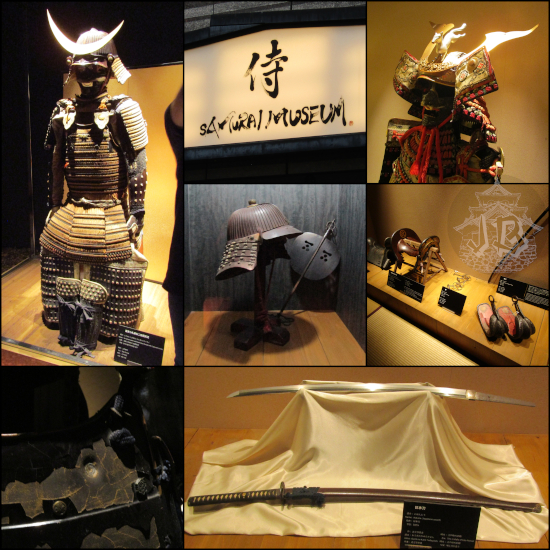
This Saturday afternoon I headed off to Shinjuku [新宿] again. This time I went to the Samurai Museum in Kabuki-cho [歌舞伎町]. It is located roughly ten minutes away from the station’s Kabuki-cho exit, though I had to do some extra walking because I got a bit disoriented from my metro exit to the actual area. I get lost in Shinjuku station a lot, but I think I’m getting the hang of it.

The Samurai Museum has two floors. As you come in, you have the shop to one side and the counter to the other. I was strongly encouraged to take the English-speaking tour that started in 10 minutes, although I did see people on their own without taking the tour – my impression was that they prefer foreigners in tours, but I went with it.

The museum claims that all its pieces are original. It has two floors, the first one has a few armours, one of them with a bullet dent. The second floor, where you have to take yours shoes off, you have several rooms with memorabilia such as helmets, stirrups, saddles and so. There is also one room for sword exhibitions – which take place once an hour in the afternoons – and the chance for you to try on.

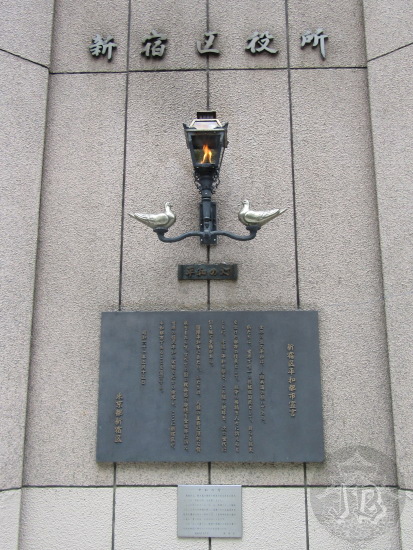
After the museum I grabbed something to eat from a conbini (because I am not known for keeping regular meal times in Japan anyway) and then took a stroll down Shinjuku and Kabuki-cho, ending up at the Peace Memorial.

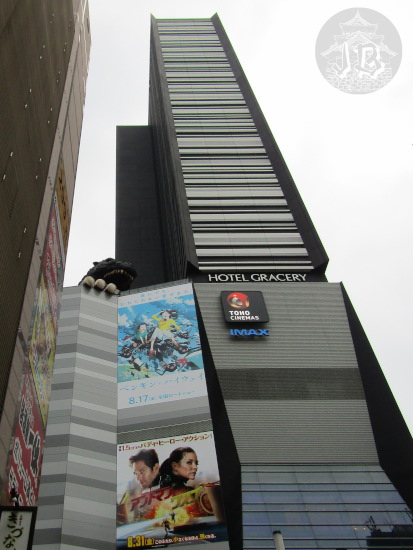
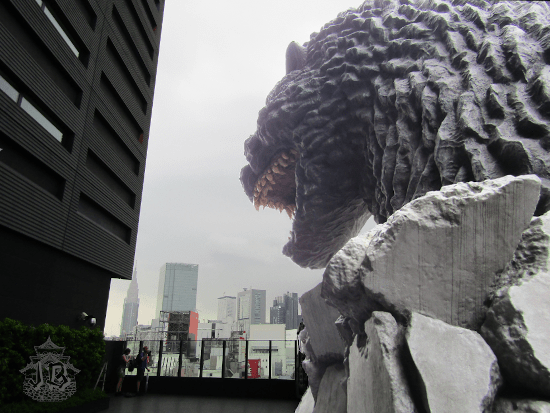
Afterwards I went to the Toho cinema / Hotel Gracery Shinjuku [ホテルグレイスリー新宿] to see the Godzilla [ゴジラ] head. I have been there a few times, and I always try to go to the balcony to get close to the head. In theory, access is restricted to customers from the hotel or the bar, but I had heard that sometimes they open it in general. I am not sure if this was the case, but this time the terrace was open, there were people outside so I applied the old trick of ‘walking into it as if you belonged’. So I finally got up close with Godzilla! It was about time, too.

(Sidenote: The above Godzilla pic is a composite of two I took with different lightings. I’m quite proud of how it turned up.)

Then I met up with D****e at the Tokyo Metropolitan Government Building, Tōkyō Tochō [東京都庁], to watch sunset (ish. Again. Japan weather in summer).

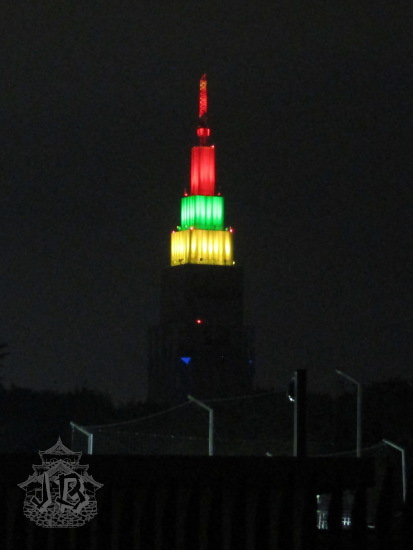
Afterwards went off for a drink and towards Shibuya to snoop around the Tower Records and the Book Off, only to discover that the latter was gone 。゚(゚´Д`゚)゚。. From Shibuya [渋谷], as the evening was nice, we walked down first to Harajuku and later to Yoyogi [代々木] to catch the underground. We saw the illuminated NTT Docomo Yoyogi Building [NTTドコモ代々木ビル] and I took about a gazillion pictures.

And at some point I guess we had dinner. Probably.

11th August 2018: The Luna Sea Connection {Japan, summer 2018}

Luggage arrived around 9 am, and let me tell you I have never been this happy to see my own underwear. I put together all the presents I had brought for people (feeling sorry that I had not been able to take M***chan’s for her the previous night) and headed out, first with D****e to Shinjuku and later to Akasaka, as I was meeting a friend over there for a concert.

Back in April 2018, when I went to the INORAN concert at the Salón del Manga de Alicante, one of the people I met was E**chan, who is coincidentally a Luna Sea fan and studying Spanish.

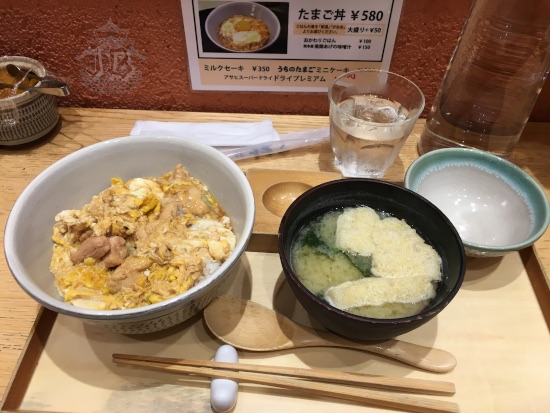
When she heard that I was going to Japan this summer she offered to help me find tickets for the solo concert of her favourite Luna Sea member, the bass J in the Mainabi Blitz Akasaka [マイナビBLITZ赤坂]. I met E**chan at Asakasa station [赤坂駅] for lunch and coffee / tea before the concert. We ended up in a place called Uchi no Tamago Chokubaijo [うちのたまご直売] and ate tamago kake gohan [卵かけごはん], which I had never eaten before and was absolutely yummy (I’ve looked up recipes by now (≧∇≦). I mean, it’s basically raw egg and rice so…).

Lunch. A bowl of miso soup and a bowl of rice with cooked egg on top

After lunch we were talking for a while, and then headed for the concert. I bought some goods (Tshirt) and she was nice enough to wait with me even if she had a much better number since she’s a fanclub member. The concert was super lively and rocky, with almost a mosh pit and all! It was fun, and J was very energetic – one day I will see the whole of Luna Sea together. I got pushed and shoved a little, so even if fun, it turned out a bit exhausting.

After the concert I headed back of to Shinjuku [新宿] to have a shabu-shabu dinner with D****e before we headed back home.

Dinner watching the shabushabu broth until it boils. There are mushrooms, tofu and spinach leaves ready to be cooked

10th August 2018: Pretty Lights, Strike 1 {Japan, summer 2018}

I stayed in bed for most of the morning, and had conbini lunch at home. Mid-morning I received an email informing me that my things had arrived in Haneda and would be delivered the next morning. This confirmed what I suspected, that luggage had stayed in London due to the check-in issues, and left me free for the day, although I would have to fill an insurance claim or two.

Luggageless, and thus cameraless, I did not feel like going out to do tourism, though I did have a couple of places I wanted to visit, so what to do? Obviously the first hunting incursion of the day – first Shinjuku [新宿]’s Closet Child and Pure Sound, and then I headed off to Harajuku [原宿] and the Laforet Building, then I came up Takeshita Dori [竹下通り] where I bought a pair of sunglasses and fell in love with a couple of shoes (until I saw the price. It was an impossible love).

After that, D****e and I met up with M***chan at Meguro [目黒] to go to the Hotel Gajoen Tokyo [ホテル雅叙園東京] and dinner afterwards. Hotel Gajoen is a huge luxury complex in Meguro, with corridors that go on forever, fountains, bridges and jaw-dropping prices. That should give you a clue that dinner was not had there.
The hotel organises cultural events around their one-hundred step ladder, and this summer it was holding the WA NO AKARI × HYAKUDAN KAIDAN Illumination Festival 2018: Wa no Akari, The Aesthetics of Japanese Illumination [和のあかり×百段階段2018 ~日本の色彩、日本のかたち~]. This was an exhibition of interpretation of Japanese art using lights, and it was very beautiful.

Would you like to catch a glimpse of the luxuriousness of the place? These are the lobby toilets:

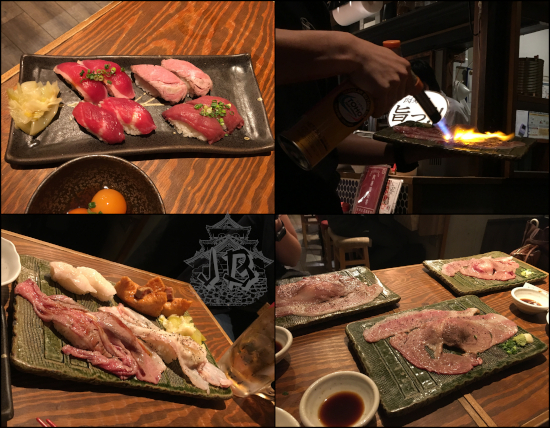
Since obviously we could not afford to have dinner there, we went for nikuzushi [肉寿司], which is basically sushi with meat, raw or cooked, instead of fish to a place called, of all things, Nikuzushi, in Ebisu [恵比寿] (albeit this is apparently a chain, so there are several of them around the city). This was unexpectedly yummy.

Afterwards we did an hour of karaoke and headed home.

8th / 9th August 2018: Not really Murphy, but almost {Japan, summer 2018}

Our story today begins in Barajas airport and the hour-long line for baggage drop off. There are a few details to this trip that might be a bit different from usual, as there is one more factor to take into account. Something that has never flared up on this journal is my chronic pain, which may or may not be fibromyalgia (we go with that for now, because it is never Lupus, and we don’t want to go into the possibility of ALS, not just yet). That makes it difficult to move and to do certain things. The greatest pain I have, or at least the most unmanageable one, is my right wrist, which at the moment warrants a 250€ wristbrace (affectionately known as the exoskeleton) and sometimes a sling.

Even though there are now direct Madrid-Tokyo flights, I booked via London, for a reason – well, actually almost 400 reasons, I’m sure you get my meaning – and direct return flight. Thus I had Iberia and British Airways flights for the leaving trip, and Iberia for the return. Somehow, British Airways told me I was able to buy my seat, but it assigned me one. I think this was because the check in defaulted via Iberia, who keep saying that they have no control over the aircraft British Airways use, so they can’t assign a seat.

So I tried to get a decent seat where I could actually manoeuvre with my wristbrace and my sling, which ended up causing the whole mess. Somehow, after a bunch of calls and emails, my check-in was effective in Iberia, since I had my boarding passes, but somehow not in British Airways – as I was denied entry into London Heathrow intercontinental area until someone punched some stuff on a computer.

Guess what this means? No? Well, it means that I made it to Tokyo Haneda – albeit we were delayed – but my luggage did not. Joy.

(Shout out here to the personnel in Madrid Barajas and London Heathrow for their helpfulness and attentiveness throughout the whole process too, and helping out when I could not move so well).

Anyway, I disembarked in Haneda, and headed off to the luggage belt only to see my name on a small whiteboard. And here we headbutt with the whole Japanese-ness for starters. Superpolite and superineffective ladies wanting me to give them a lot of details on my suitcase while unable or unwilling to answer the simple question of “Is it lost or is it in London?”. They did not know where it was, but they could tell me when it would come via Kuroneko, somehow explaining about the typhoon impacting delivery service. Well, when an airline loses your baggage, they are supposed to explain that you have some rights. For example, the right for them to compensate you for stuff you have to buy. I got none of this. Neither did I get the reference number I was supposed to get nor my receipts, but for some reason I needed to leave them the key – in case customs decided they had to open the suitcase. I tried to prod them about buying things but they would not bulge, they just wanted the paperwork filled and me out of their way.

So guess what?

That meant that I had been awake for roughly 24 hours and now I had to go shopping. For everyday clothes. In Japan. Instead of going to D****e’s place and get a shower, which is what I wanted – and the only thing I could think of was the big Uniqlo in Ikebukuro [池袋]. So Ikebukuro here I come.

Let’s be honest here, for as much as a disaster this could have been – It wasn’t. I had all my money with me, had not packed any, and I did not have pressing stuff that required special clothes. As someone pointed out, if this had happened the year of Gackt’s birthday party I would have died. But it was not really fun, having to spend the first afternoon looking for XL clothes in Uniqlo and Sunshine City. In the end I found enough stuff to survive two or three days and headed off to D****e’s apartment to have my shower, change into new clothes and then get some dinner. And sleep. Cuz sleeping is a thing that should happen.

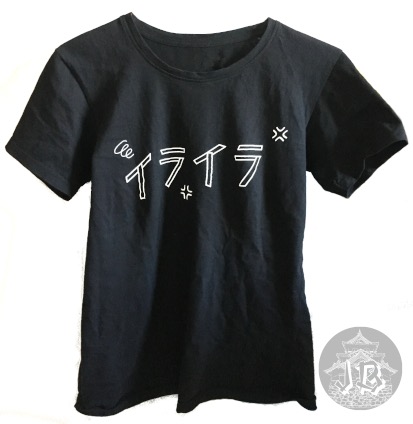
I think one of the T-shirts I bought perfectly illustrates the situation. It states イライラ (ira-ira), which is an expression of annoyance.