19th & 20th August 2019: Bye-bye for a while, Japan {Japan, summer 2019}

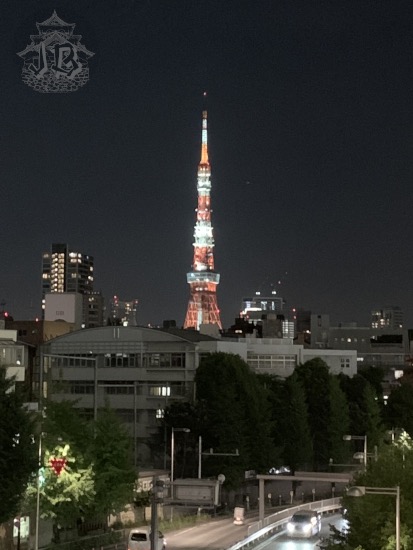
For my last day full day in Japan, I dropped my luggage off at Shinjuku station and met with D****e for lunch to say goodbye for now. I also got to say goodbye to Tokyo Tower [東京タワー] from Roppongi Hills [六本木ヒルズ].

Lunch was a bit sad, but the yakiniku was very yummy. After she had to come back to work I met with B**** for drinks and wandering around for a while in Shinjuku [新宿]. We mostly sat at Wendy’s, talking and drinking… whatever this is…

And then she took me to CocoCurry for goodbye-curry.

Then she came with me to Nippori station to help me carry my luggage to the train. I was so mentally exhausted that I did not even stop for a stamp at Narita Terminal 1. I had booked myself a hotel for the night at the airport because I felt that was the best thing for my mental health at that time, and I am glad I did. It was very handy and the transport to the terminal was very smooth.

I had been worried about my Fuji-climbing stick, but I had been told I could check it in. I bought a suit-cover which I sewed, and had no problems with it – I mean, I saw people checking-in kayaks, for fuck’s sake. My stick was tiny in comparison to that! The flight back was a-okay, unremarkable, mostly.

Walked distance: 19th: 11099 steps / 7.94 km. 20th: 5045 steps / 3.60 km. The displacement was a bit longer though… something around the 11000 km (≧▽≦)

The 2019 trip was a long one, full of awesome experiences that I won’t forget any time soon. I hope to gather experience from what went wrong, but not cling onto the bad feelings. I chose not to write about that, and look for the best in every day. Also, I did not really feel it, but a bunch of Japanese friends told me that my language skills had improved, so that made me happy. Now it’s time to go back to the real world and do adulty things, and start dreaming about the next adventure. また今度ね。

18th August 2019: 500 points at Swallowtail {Japan, summer 2019}

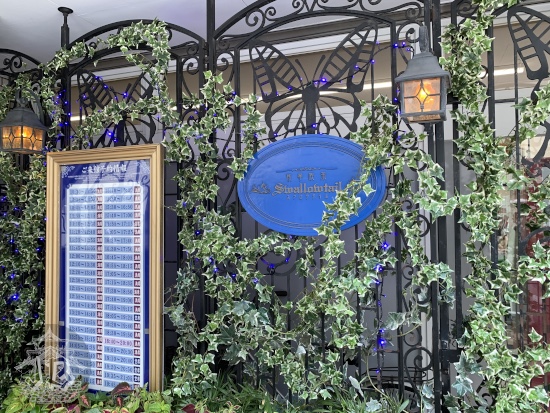
I asked D****e to come with me to Swallowtail at Ikebukuro [池袋] once more because I can’t do them alone (yet). Hopefully next time. We got a very nice butler who wanted me to choose my teacup as I had already visited five times (500pts), but I always have my tea iced, so I wouldn’t be using a cup. That was a bit of a communication problem (≧▽≦).

I had a great salmon and salad set (though I pushed the pepper away, because… no thank you), and analysed the butler types. There was one so tall that the poor thing had to get backpain all the time from pushing the carts. There were the kawaii bouncy ones, broad manly ones, and one wearing lipstick. I guess catering to every trope out there.

Afterwards we sang some karaoke and then went back home until it was time for dinner. It was a quiet, unwinding day.

Walked distance: 12979 steps / 9.28 km.

17th August 2019: Oblivion Dust in Ebisu {Japan, summer 2019}

I spent the day at Ebisu [恵比寿], where I got to say hi and meet a lot of known and new people . First, I had arranged a late lunch with my friend with E**chan. Unfortunately, her trains had problems and she was forced to drive to another line station to get from her village outside Tokyo to Ebisu – so in the end it was a very late lunch we had. I spent the time wandering the malls and the Ebisu Skywalk [恵比寿スカイウォーク], which is basically a long corridor without anything to see – the train service was disrupted and we did not know when she would arrive, I did not want to leave the area. She finally made it, and we managed to find some super-nice place in the Ebisu Atre building. By that time, we were starving, and when we caught sight of a traditional restaurant, we went for it. We ordered a katsudon [カツ丼] each, because it looked fantastic – and it was delicious..

Katsudon lunch set: miso soup, a bowl of rice with meat and egg on top, a cup of tea and grated cabbage to share between two people

A scoop of vanilla ice cream and a cup of green tea

Afterwards, we went to the Oblivion Dust’s Gods Of the Wasteland Tour 2019 Gods Of Reborn concert at Ebisu Liquidroom. Oblivion Dust, shortened as “Oburi”, is a three-man Japanese rock band. The current members (none of whom are founding members) are Kentaro “Ken” Lloyd (vocals), Iwaike Kazuhito “K.A.Z” (guitar) and Rikiji Masuda (bass). They usually work with two supporting musicians:Yuji (guitar) andArimatsu / Arly (drums). I’ve often seen both K.A.Z. and with VAMPS.At present, they are touring with guitarist Ryo, as K.A.Z. has broken his hand. Reportedly, he “remains behind the scenes, doing synthesiser work”.

Despite K.A.Z’s broken hand, Oblivion Dust has carried out a sixteen-concert tour during summer, Gods of the Wasteland. There are four different setlists, each played four times:Gods Of Elvis, Gods Of Misery, Gods Of Reborn and Gods Of Butterfly.

Gods of Reborn setlist:

    1. Goodbye
    2. Girlie Boy Imitation #6
    3. Ghost That Bleeds
    4. Sugar Free
    5. Under My Skin
    6. Death Surf
    7. Come Alive
    8. Plastic Wings
    9. Alien
    10. No Medication
    11. Nightcrawler
    12. Crazy
    13. In Motion
    14. Haze
    15. Lolita
    16. Sail Away
    17. Evidence
    18. You

After checking out the merchandise boot, E**chan and I had our numbers called and we went into the floor. We found good spot on the left,, just on the edge of the “mosh pit”, the central area where people jump and dance, and elbow you if you are not careful.

The concert lasted for about two hours, and it was full of energy. Vocalist Ken always amazes me because he does not drink anything, he just grabs bottles of water, dumps the liquid on his head, and then throws them at the crowd.Bassist Rikiji is probably a relative of the Duracell Bunny, and he does not stay still whatsoever. He mimics shooting at people with the neck of his bass, or is busy jumping around. Ryo was all right, but he was… not K.A.Z, which also showed as Ken and Rikiji did have their fun and trolling moments – Ken stole Rikij’s “bass microphone” and and Rikiji just offered him the bass to go with it. Ken also went to “visit” Arimatsu, who was having too much fun to be bothered, and just made some more noise. I mean, Ken seemed to be everywhere at once.

After the concert, everybody was happy-exhausted.I for sure was absolutely drained. E**chan invited me to tag along her and some of her friends for dinner, and we went to a typical izakaya. The food was great, but a bit (all right, a lot) on the expensive side.

The logo of Liquid Room, styled to look like an organic chemistry molecule, with hexagons for Q and Os

Walked distance: No idea, I forgot the watch. But most of what I walked was on the Ebisu Skywalkas I was bored waiting for E**chan since I was early but her train was super-delayed due to the accident (≧▽≦).

16th August 2019: SAITAMA Summer Rock Festival 2019 {Japan, summer 2019}

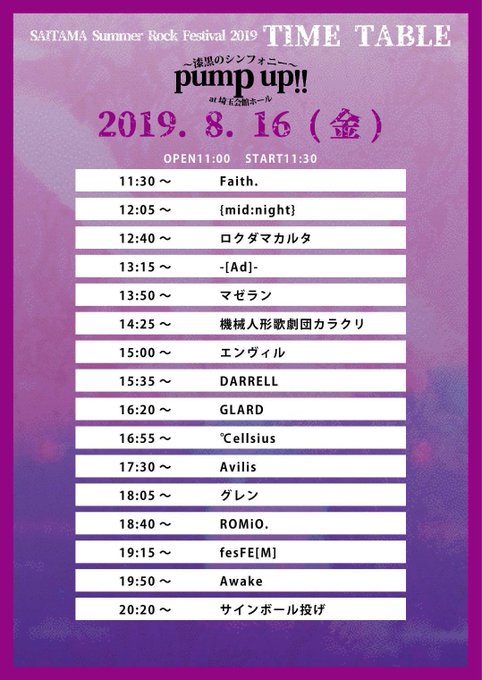
After developing an unhealthy obsession for discovering fesFE[M] when they opened for JUPITER in Madrid in May 2019 I was very happy to be able to catch their act again in Saitama [さいたま市]. I also learnt a lot about the v-kei scene and how it works.

The event was the first day of SAITAMA Summer Rock Festival 2019 ~Shikokku no Symphony~ pump up!! [SAITAMA Summer Rock Festival 2019 ~漆黒のシンフォニー~ pump up!!] and it was held at Saitama Hall [埼玉会館ホール].

Schedule of the Event, in intervals of 25 - 35 minutes

Although fesFE[M] act was not scheduled until 19:15, I headed off to Saitama early because I needed a same-day ticket, so I was there around 12:15. I did not have any issues getting in, as it was a weekday in the morning. I had originally thought that I would just get the ticket and then snoop around Saitama city, but the event was held far away from most interesting stuff, so I decided to stay and see it all. It was, as I mentioned, an interesting experience.

Stuff I learnt:

  • I should have taken earplugs as seven hours in a small hall echoes hard
  • First rows are exchangeable according to which your favourite band is. Nobody bats an eye and people will make room for each other
  • The bands will sell their own merch to make new fans and even chat to you. They will be very surprised if they get two foreigners in their queue and they don’t know each other
  • Some of the bands are really good, some of them are really bad

After each show, the “leader” of the band would come out for a small interview. Some of them had to do stuff like playing with beach balls and stuff, but mostly it was promotion for upcoming band activities and stuff.

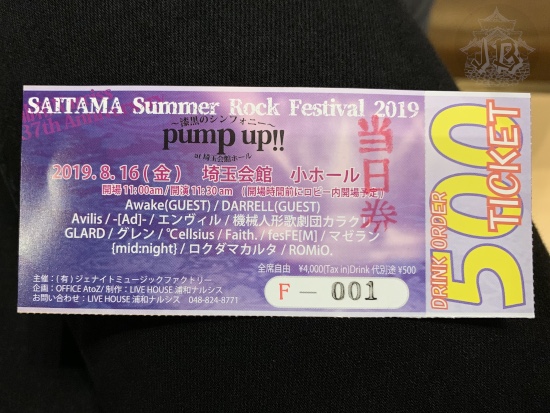
Ticket. It reads the names of the bands and the number F001

Here’s a curated version of notes I took after each act for the ones I attended:

{mid:night}: They are not bad but the vocalist (although tall) needs more stage presence.

ロクダマカルタ: Was not convinced, but the guitar is dressed as a schoolgirl and the furutsuke is fun.

[Ad]: Female vocalist. She’s good, but there’s something that does not completely click. They stayed the longest for selling their stuff and promoting.

マゼラン: They are really, really good, both music- and stage-presence- wise. I’m so glad I had not realised at this point that they would be outside selling stuff because I might’ve bought all the things.

機械人形歌劇団カラクリ: Didn’t like them

エンヴィル: They are the Kanjani 8 of v-kei. They troll each other really hard and they are fun, with passable music. They wear yukata and each has a different footwear. They also watched like half of the other bands from the back row and cheered like standard fangirls.

DARRELL: Not bad, but too yelly for my tastes

GLARD: They were fun. I got to talk to the vocalist and buy one of their CDs. As I was talking to him, another foreigner decided to talk through me, and translate the price for me? No idea, I think she was just trying to get his attention. The poor guy was very surprised when we did not know each other.

ºCellsius: I like them too, they are really fun (and they are wearing… tartans?).

Avilis: They are cute and bouncy

グレン: They look like a band put together for an anime that would later sing the OP

ROMIO: The male vocalist is very pretty, but I managed not to fall into the trap of his prettiness.

Finally it was fesFE[M]’s turn at 19:15. I moved to the second row (not the first because no idea what the furutsuke are) and I enjoyed the show. It was almost the same they did in Spain when supporting for JUPITER, including Doll in Blueberry Jam. I really loved the vocalist Lion (again) how the keyboardist Jun plays the dollmaster cutting all the ropes and bringing the dolls back together. Also, wow Rensa (drummer) for being able to twirl the baton in his hand for three minutes straight without moving any other muscle.

After the show, Lion came out for his interview and he explained that he would be there on Saturday with his “other” band. I felt tempted to come back, but I had plans for that day already.

Then I went outside to buy some merch, including some polaroids, but unfortunately the band did not come out (ó_ò). I would have loved to see them, but at least I got to tweet at them and some saw the tweet ヽ(^◇^*)/. I talked to some other fans who looked at trading the polaroids, but I did not have any Tohru (bass, aka “the blonde”) and he’s popular. I missed the last band while I was waiting, but it was all right. I decided to head back because I still had about an hour’s worth of train ride.

Walked distance (which no. This is 80% furutsuke): 15324 steps / 10.9 km

15th August 2019: Downpour Shinjuku {Japan, summer 2019}

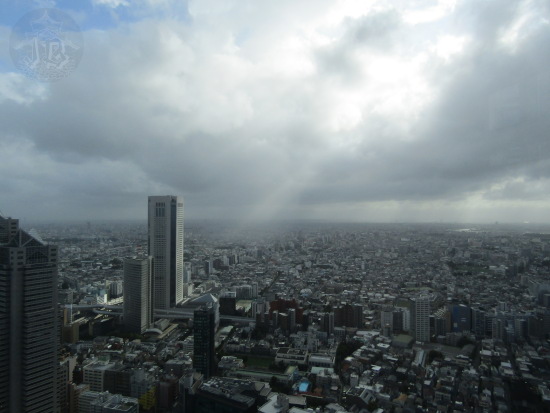
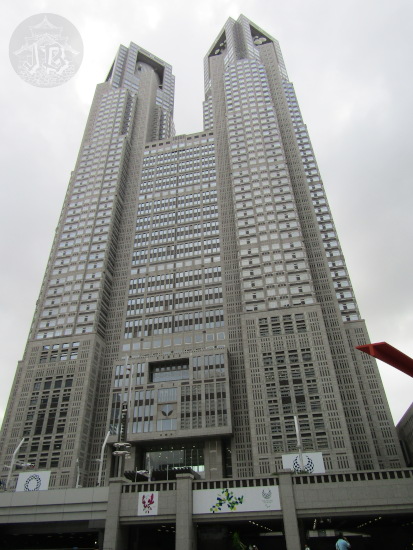
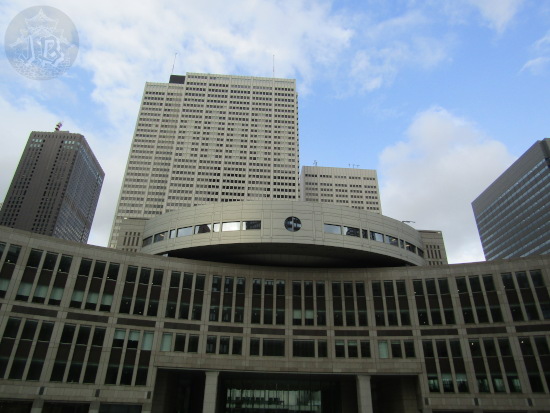
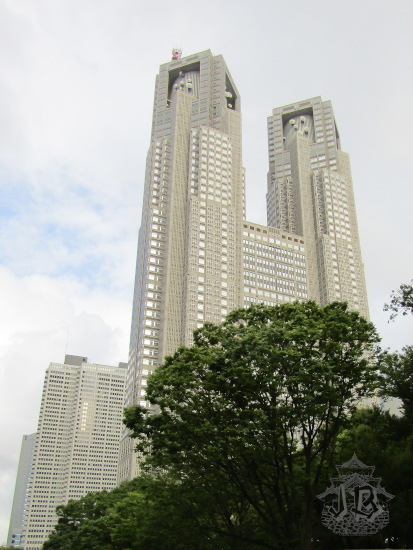
Once more in Shinjuku [新宿], I stepped out at Tochomae station to go to the Tōkyō Tochō [東京都庁] aka the Tokyo Metropolitan Government Building. To my surprise, there was a line for the observatory! Apparently they have closed the North Observatory for renovations (possibly 2020 preparation). When I got to the observatory there was a piano, and at that time, visitors were allowed to play it. I thought “Wouldn’t it be cool if someone did X Japan?”. And then two guys do 紅 with three hands. I was very impressed.

I hoped I would be able to walk around Shinjukucho Teien [新宿中央公園] before it started raining.

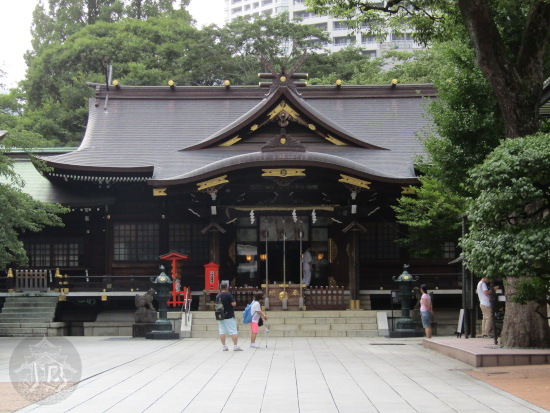
As I was in Shinjukujunisha Kumano Jinja [新宿十二社 熊野神社], where I got a shuuin, it started pouring.

Thus, I went back to the covered station underpasses as fast as I could and then tried to get my way round the inner passages… with dubious success. I did find the Shinjuku tourist office, because they had Coke packs there, but I could not find one that had sakura and Tokyo bottle in it (ó_ò).

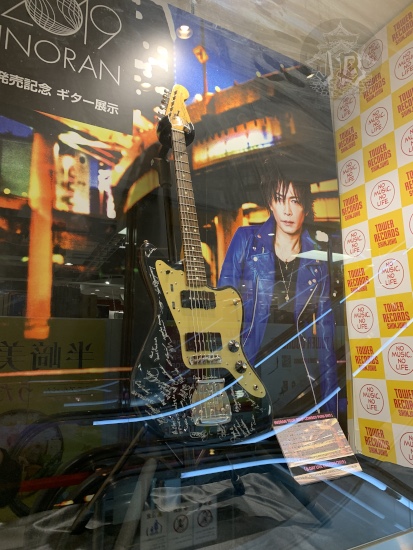
Then I went to Tower Records to see INORAN’s guitar, which was on display prior to his tour.

And then I headed off to Roppongi [六本木]. And you know what I found in the first random vending machine I came across? The freaking Tokyo Coke bottle, which turned out not to be only in Shinjuku! I had been looking for it for days (;¬_¬)

Afterwards, I met D****e and M*****san for a nice shabu-shabu dinner.

Walked distance: 10978 steps / 7.85 km.

14th August 2019: The other side of Harajuku {Japan, summer 2019}

After a sweep around the V-kei shops in Shinjuku [新宿], I dropped by Shibuya [渋谷区] (finally) to go to the big Tsutaya there, along with the Mandarake and Tokyu Hands. And there, in the most random vending machine in a backstreet, I managed to find the Shibuya coke bottle (which I drank with glee as I had approached the vending machine as I was thirsty). Then I walked towards Harajuku [原宿], but instead of Takeshita Doori, this time I turned towards the other side. I wanted to see the LemonEd flagship shop, as the Nagoya one did not convince me. LemonEd is a brand created by the deceased X Japan’s guitarist Hide, known for his bright colour combinations and hearts. I wanted to see the shop at least once, I guess, even if “bright” is probably not my thing (≧▽≦). There were many items, T-shirts and so on and I sneaked a couple of pictures.

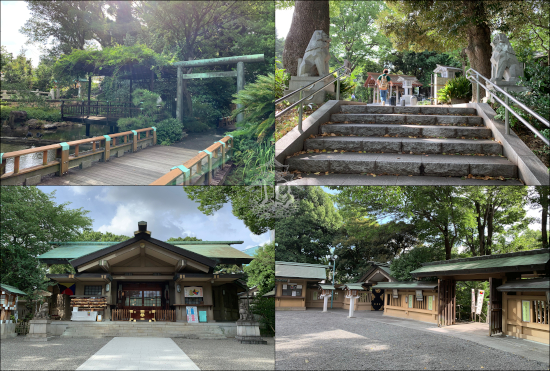
I went on a little and arrived at Tōgō Jinja [東郷神社], which I really liked. I got a shuuin there too, and almost lost my shuuincho there because the miko would not call my number to give it back (;¬_¬).

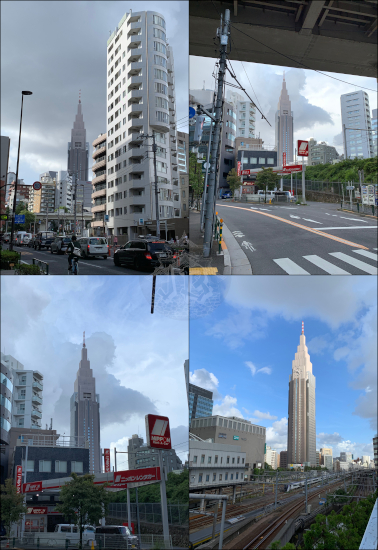
I walked from Harajuku back to Shinjuku via Yoyogi [代々木], and I pretty much went around the NTT Docomo Yoyogi Building [NTTドコモ代々木ビル] from all angles (and weather backgrounds).

When I arrived at Shinjuku station [新宿駅] though, I came across… the Salamander God in a Takashiyama Window… I’m not kidding you.

Once I was in Shinjuku I tried to find the Tokyo Coke bottle in another random vending machine… It did not work, but I found the Kabukichō Benzaiten [歌舞伎町弁財天], which I had seen in passing, and wanted to snoop around.

After kushikatsu dinner, we called it a day.

Walked distance: 19234 steps / 13.7 km.

13th August 2019: Steamy steamy Tokyo {Japan, summer 2019}

Following recommendations from some Japanese acquaintances, I headed off to the Shinagawa [品川区] area to visit Hebikubo Jinja / Kamishinmeitenso Jinja [蛇窪神社 / 上神明天祖神社], a pretty shrine where I got a pretty shuuin (aaaand discovered another stamp rally).

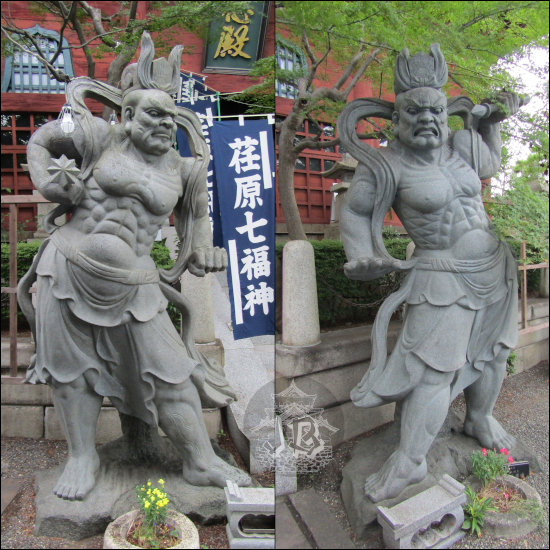
Among rain, sun and drizzle it was exhaustingly hot. I continued on to find Kimyozan Yogyokuin Nyorai [帰命山養玉院如来寺], a temple with amazing guardians.

And then I found an obviously very dangerous and aggressive tiny pond, I mean, look at those meshes (yes, I know that it’s probably for children safety, but I shall still make jokes about it). It was the Hara no Suijin-ike [原の水神池].

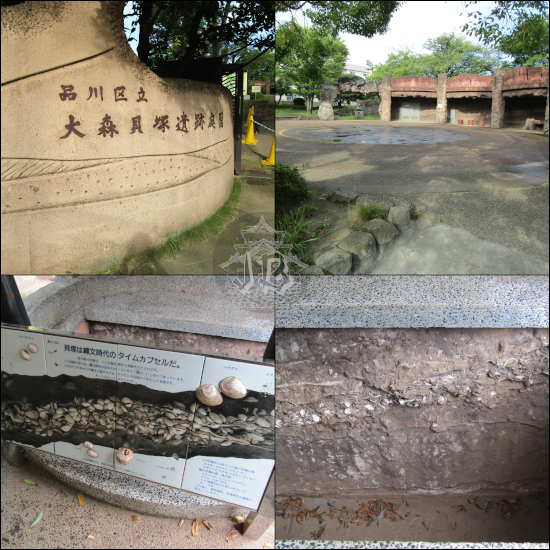
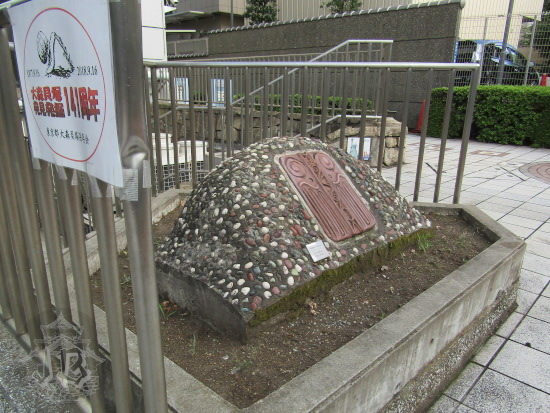
Checking how to come back I came across Ōmori Shell Mound Ruins Garden, Ōmori Kaidzuka Iseki Teien [大森貝塚遺跡庭園] and the Statue of Ōmori Shell Mound, Ōmori Kaikyo no Ishibumi [大森貝墟の碑]. The Ōmori Shell Mound was apparently the first archaeological excavation in Japan. They dig out a seaside village from the Jomon period (14,000 to 300 BC).

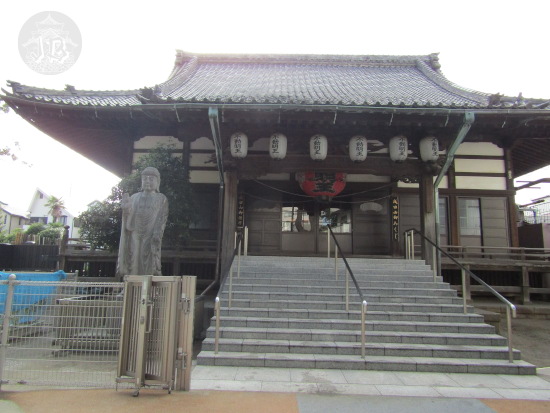
Opposite I found Naritasan Ennoji [成田山圓能寺].

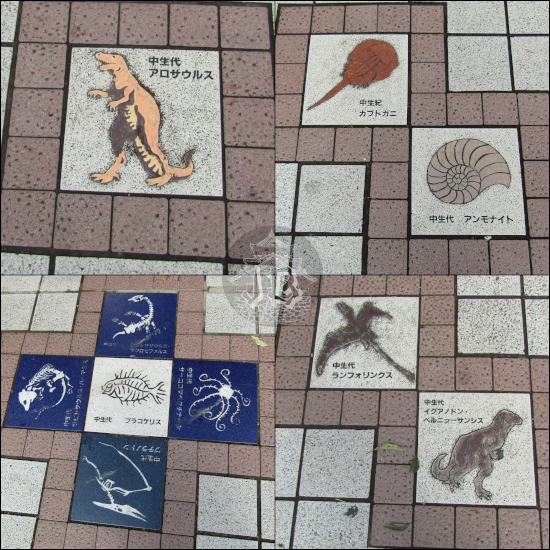
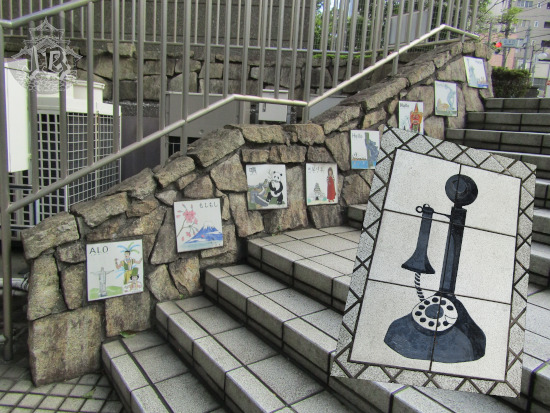
And before I left I noticed the ground decoration on the pavement – life evolution and… telephone greetings. Because Japan, I guess…

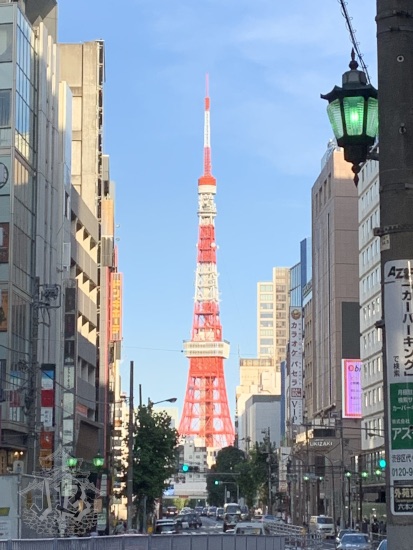
Then I looked at Tokyo Tower [東京タワー] from Roppongi [六本木], as I checked the Don Quijote for Tokyo Coke bottles, without success.

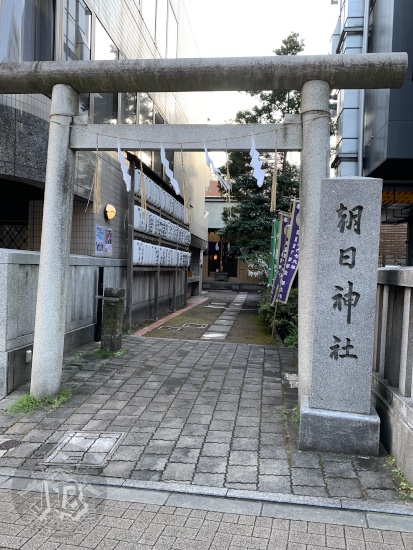
I also came across tiny Asahi Jinja [朝日神社].

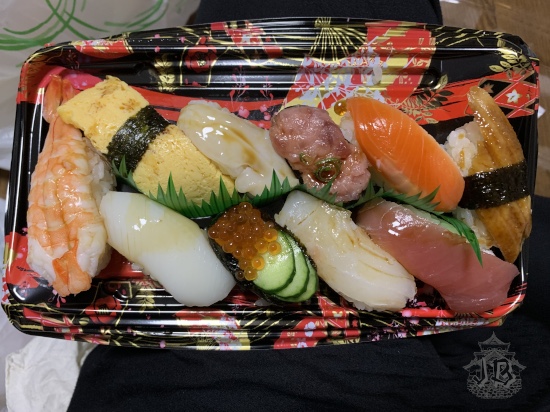
Then dinner was supermarket sushi, which was very, very yummy.

Walked distance: 14009 steps / 10.0 km

12th August 2019: The Surviving Fuji thing? Think twice {Japan, summer 2019}

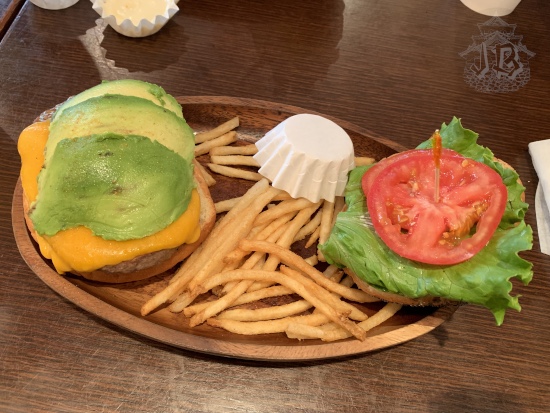
We didn’t sleep in, because why would we? We had only climbed a mountain – a volcano – the day before. We went to Shinjuku [新宿] for an avocado burger at Kua’aina, and then we did a sweep over Tower Records and Tokyu Hands.

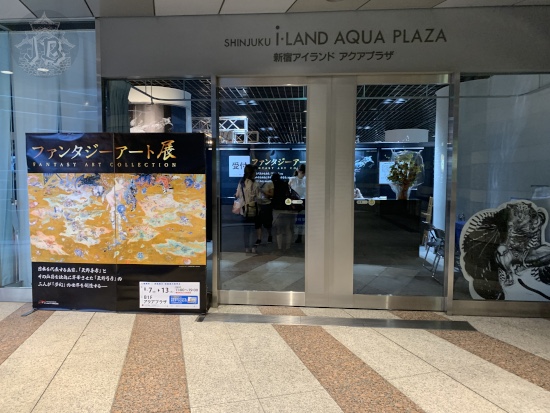
Then we went to see the Amano’s Fantasy Art Collection [ファンタジーアート展] exhibition / sale at Shinjuku I-Land Tower [新宿アイランドタワー].

Later we sang some karaoke and then had a bit of a Hokkaido dinner – kanimiso yummy!

Walked distance: 16580 steps / 11.8 km. And every damn step – especially on stairs – hurt. Throughout the whole day, legs were on fire. But my back withstood, which was good. We whined a lot about being sore though, because we could (≧▽≦)

10th & 11th August 2019: Once in a lifetime – The Great Fuji-san Adventure {Japan, summer 2019}

Mount Fuji aka Fuji-san [富士山] is a special mountain in Japan, both geologically and culturally. Japanese and tourists enjoy Fuji-san in different ways – contemplating it, visiting it, climbing it, going around it… Well… Guess who got into their thick head that they wanted to climb it? raises hand Exactly! Yours truly. I was already toying with the idea back in 2018, but I chickened out. However, as I mentioned before, this one time I wanted to scratch as many things off the bucket list as possible, so… There I went – kinda pushed by a feeling that if I did not do it, by the time I were back in Japan it might be too late as my health is not.… complying lately. But I had not hiked up a mountain before in my life…

Mount Fuji is the most famous mountain in Japan. Its iconic image is everywhere – enamel pins, t-shirts, postcards, classical art… Located around 100 kilometres south-west of Tokyo, it is 3,776.24 metres high, which makes it the highest peak in the country. It was declared a UNESCO World Heritage Site in 2013.

Technically, Fuji-san is neither a mount nor a mountain, but a type of volcano known as a stratovolcano. Its current morphology was shaped by consecutive layers (“strata”) of lava hardening. It is mainly composed by a rock called basalt, and it is one of the few large basalt volcanos in the world. Basaltic lava is rather thick and slow-moving, so there are many lava tunnels and tree moulds created by the eruptions.

Fuji-san, as we know it today, was formed from a previous volcano (Komitake), and became active around 5,000 years ago. Around 2,300 years ago, there was a mud landslide (Gotemba mud flow [御殿場泥流, Gotemba deiryū]) that can still be identified. There have been several historical eruptions, twelve of them between the years 800 and 1083. There was a ten-day eruption of ashes and cinder in the year 864 (Jōgan 6 in the Japanese calendar, based on the different Emperor’s reign; 2019 is Reiwa 1, as current Emperor Naruhito just ascended the throne). In the year 1707 (Hōei 4 in the Japanese calendar), a few weeks after a big earthquake, the last known eruption took place. In the current Japanese Volcanic Alert Level, Mount Fuji is categorised as “Level 1: Potential for increased activity”, which is the lowest level.

Mount Fuji has frequently been depicted in Japanese art, most famously in Katsushika Hokusai’s [葛飾 北斎] Thirty-six Views of Mount Fuji [富嶽三十六景, Fugaku Sanjūrokkei] by, a series of ukiyo-e block prints (which are actually 46). Probably the best known among these is The Great Wave off Kanagawa, one copy of which is displayed at British Museum in London (actually, in 2017 they ran a whole exhibit around it and Hokusai).

Fuji-san is also an important element in the collective spirituality of Japan. In Shinto mythology, the goddess of Mount Fuji is Konohanasakuya-hime [木花咲耶姫]. She is enshrined in Fujinomiya town Fujisan Hongū Sengen Taisha [富士山本宮浅間大社]. Technically, this shrine has owned Mount Fuji since 1609, though there are no current records of ownership. The volcano stands at the boundary between the prefectures of Shizuoka and Yamanashi, and in order to manage the natural area, the Fuji-Hakone-Izu National Park [富士箱根伊豆国立公園, Fuji-Hakone-Izu Kokuritsu Kōen] was established.

Depending on the actual weather, Fuji-climbing season extends from late June or early July to early September. It is not allowed to climb Fuji “off-season” without a permit. However, people do not usually climb the whole mountain, but start quite closer to the summit. There are roads leading up Mount Fuji up to around 3,200 metres, to an area called the Fifth Stations However, no private cars are allowed on those roads.

From the Fifth-Stations there are four trails or paths to the summit, colour-coded to help people find their way, especially on the way down:

  • Yoshida Trail [吉田ルート] (yellow). It starts at the Fuji-Subaru Line 5th Station [富士スバルライン五合目] (Yamanashi Prefecture). This is the trail recommended to “beginners” and thus the most crowded.
  • Subashiri Trail [須走ルート] (red) Head. It starts at the Subashiri Trail 5th Station [須走口五合目] (Shizuoka Prefecture).
  • Gotemba Trail [御殿場ルート] (green). It starts at the Gotemba Trail New 5th Station [御殿場口新五合目] (Shizuoka Prefecture).
  • Fujinomiya Trail [富士宮ルート] (blue). It starts at the Fujinomiya Trail 5th Station [富士宮口五合目] (Shizuoka Prefecture).

When I told D****e that I was planning to try to organise the climb, she did not believe me at first. As she realised I was being serious, she decided that she was crazy enough to want to come with me as “she could not let me do such a thing alone” and actually took over most of the planning, since she had done it before. I would have just found an agency, but I think she was better.

So off we went. As she was working, we organised our hike on a Saturday-Sunday trip weekend trip – and we did not realise until afterwards that we would be climbing during Mountain Day – Yama no Hi [山の日]. We packed snacks, water, and everything we thought we might need – in my case, also gloves which I eventually lost, and a ridiculous amount of layers. D****e was chill, but I was a little worried about all the equipment the Official webpage for Mt. Fuji Climbing said that was needed, including oxygen and helmets. There were also warnings in place, such as your mobile phone battery dying super-fast, or the need for an evacuation plan in case altitude sickness got too much. I was also worried about weather (especially rain) and temperature changes – thus all the layers. She insisted we would be fine.

After a big lunch, we took the Shinjuku Expressway Bus around 16:00 on Saturday the 10th, and arrived at the Fuji Subaru Line Gogōme [富士スバルライン五合目] / Fuji Subaru Line 5th Station at 2,300 m around 17:30. We (she) had booked a mountain hut at the Seventh station so we “only” had to climb two stations, right? Right. Read: wrong.

Approaching Mount Fuji: the mountain looms half-hidden by the clouds.

Right about the time of taking this picture it had sunk on me how much of a bad idea this had been (≧▽≦). I really wondered if it was too late to turn back and go home.

A date banner at Mount Fuji 5th Station, reading 2019 08 10

My first step was buying a staff – that we nicknamed the “Fuji-climbing stick”. The idea is that you use it to feel your way around and make sure that you step on solid ground, and especially when you hike down. However, (you’d never guess), you can get stamps burnt into the wooden stick as you hike up – usually for 300 ¥. Climbing Fuji can get expensive… D****e had chosen the Yoshida Trail [吉田ルート] for our ascending side (noborigawa [登り側]). And so… off we went.
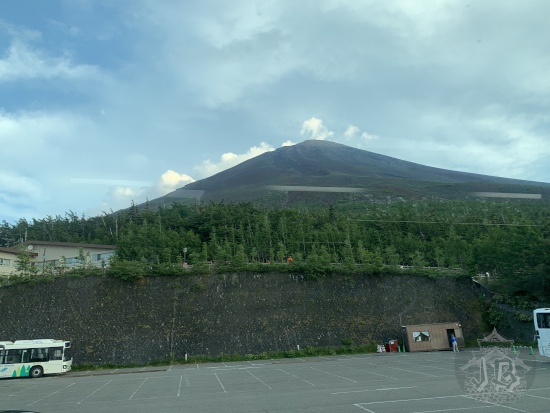
From the Fifth Station, looking up at the summit.

From the Fifth Station, looking down at the car park and a sea of clouds underneath

We started off climbing at around 18:00. Between the Fifth (2,300 m) and the Sixth Stations (2,390 m), you walk along some dirt paths in the forest, and there isn’t really that much “ascension”. As there was also light, the first hour was easy enough. This area is crowded due to all the “visitors” going for a “walk” from one of the Fifth Stations to another. We actually saw someone using up their oxygen at this point. That was weird.

From the Sixth Station there was a first zig-zag upwards, with paths held up by some dams. This is one of the parts I found the hardest, as it is the same inclination all the time and I was not warmed up yet. Then, sunset came, and while it was pretty, it brought darkness upon us (yeah I’m being literary on this). Not that I had a problem with actual darkness, but other people’s torches and headlights kept blinding me, which made the most difficult parts hard to climb – because some people are idiots who point their lights forward and not downwards, where the ground is. Sheesh. There were parts that were just a gentle incline up, while others were stuck rocks or lava flows that you had to climb with your hand and feet.

At the Seventh Station (2,700 m), the path changed and we started. Though there were some slopes, there were also stuck rocks and lava flows that I had to climb with my hands and feet. Fortunately, I could make use of the short stops we made to stamp my staff. Workers of the Mountain Huts use hot irons to burn the stamp into the wood. I think I got all the ones I could on my way up (no stamps on the way down).
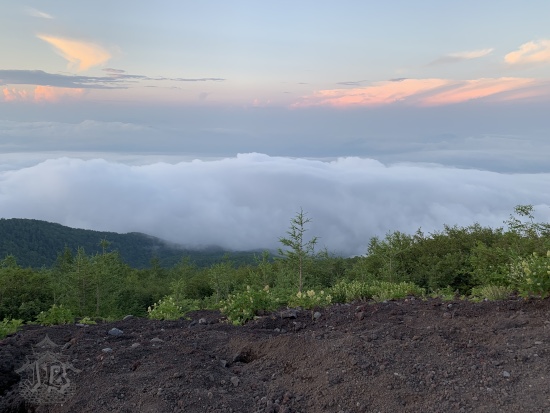
The sea of clouds at the foot of Mount Fuji

Distant lights in the night, down

Mountain huts [富士山の山小屋, Fujisan no yamagoya] are tiny establishments where you can get some food or spend the night for around 10,000 ¥. They often require reservations, usually in Japanese, that is why D****e took charge of that part. Some of them have a bin for rubbish – because you can’t dispose of trash on the slopes, you have to take back what you brought in. They have toilets too, and require a tip. Most of them follow an “honour system” with a small coin box, but some have a guardian to collect the money.

We continued upwards until we made it to our Mountain Hut, Shichigōme Torii sō [七合目 鳥居荘], the Seventh Station’s Torii-so at around 21:00. We had been told it was the one with the red torii, and it was a sight for sore eyes. It stands at 2,900 metres high, closer to the Eight Station than the Seventh – we had expected to find it sooner due to the name.

A torii gate lit up in the dark

D****e had booked a bed and a meal. As we came into the hut, our staffs and backpacks were hung over the door, and we were given bags for our shoes and personal effects. We had a small riff-raff with the owners, because they claimed that we had arrived too late for food. However, D****e argued that the webpage said nothing about a time limit. Thus, we got some curry and rice as the dinner we had booked.
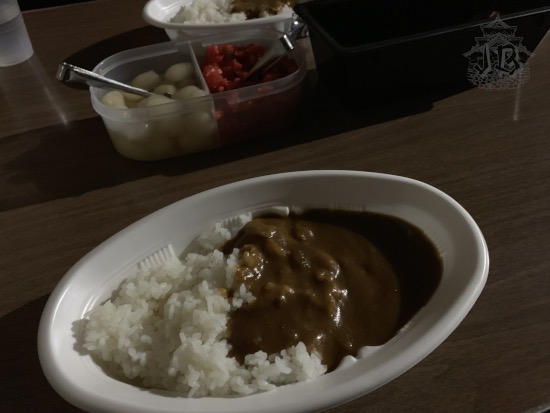
A dish of curry and rice.

Around 22:00, we used the toilet, and then we were shown to the common dormitory – the bed bunks are basically a line of futons put together so you share a blanket with the person next to you. The idiot I had to share with decided to lie on the blanket instead of under it, so she had me uncovered half the time until she left.

Thankfully, at around 23:00 there was a call for people who wanted to set off in time to see sunset from the summit, and she got going. Between getting uncovered, and lying down too soon after food, I started feeling queasy. I freaked out a little. I started turning in my head that I was going to get sick and not get to the summit and have to be evacuated. D****e helped me calm down and I managed to get a few hours of sleep.

But just a few. We were woken up by the noise around us around 4:15. I felt strangely not tired, and D****e indulged me. Thus, we got up and went outside to see sunrise. Sunrise from Mount Fuji!!! I mean… I can’t even. Unfortunately (and ironically) we left too early to get the stamp from our own hut! We continued our way and had breakfast at the next big rock where we could sit down.
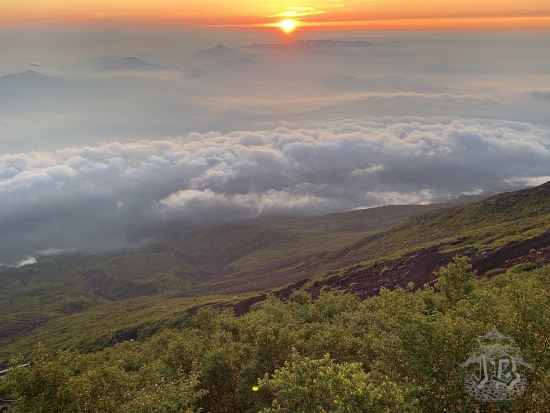
Sunrise from the slopes of Mount Fuji.

After coffee (yes, I’m addicted enough to carry coffee to Mount Fuji), we went on hiking. To be honest this second day was not as bad as I had imagined – as in I was rather convinced that I was not going to be able to make it, especially during the night freak-out. My painkillers kicked in and I only felt a small buzz in my ears as pressure changed.

It did not take too long to arrive at the New Eighth Station (3,100 m). Once again the trail became irregular, which on one hand was tiresome, but at the same time, it was not tedious, so it did not feel as hard. Gloves were useful for this part of the hike, as I could hold on to things. We continued up to the Original 8th Station (3,400 m).

After the Original Eighth Station the trail became path-like again, with torii and stairs and fewer rocks you had to climb over, but a bunch of smaller ones that you had to step up on. Here I learnt to appreciate the actual usefulness of my staff. Vegetation disappeared gradually until the ground was barren.

I think I lost my gloves at the Ninth Station. We saw a group of people evacuating an injured / ill climber – we mentally awarded them like a million karma points, and after getting the injured person to help, they happily went back up again. One of them told us their group does it every year. I remember hugging some torii on the way, and a thousand thoughts twirling in my head.
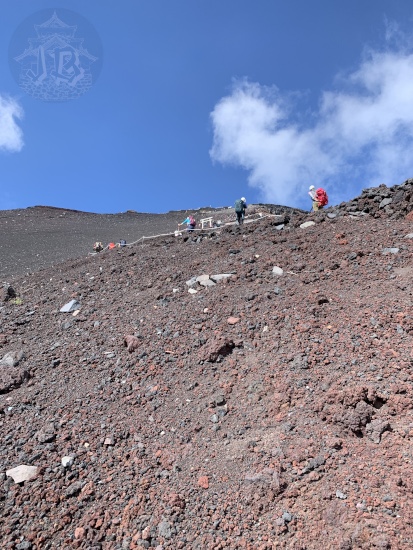
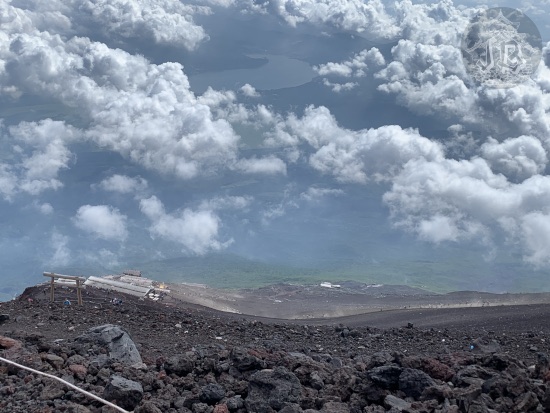
Area closer to the summit of Mount Fuji. There is no vegetation and the ground looks reddish and more like gravel than actual rock.

Looking down from the barren area, there are clouds and a river at the foothill

And then we made it. Around 11:00 we reached the rim of crater. I could not believe my own eyes when I stepped in front of the shrine Asama Taisha Okumiya Kusushi Jinja [淺間大社 奧宮 久須志神社] and Fuji-san Chōjō Yamaguchi-ya Honten [富士山頂上 山口屋 本店] aka Top of Mt. Fuji Yamaguchi Shop. I had made it. I had beaten my own limits, and reached the crater.
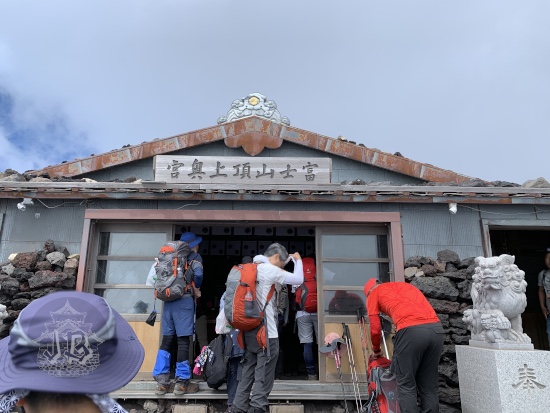
Entrance to the Temple on the Summit of Mount Fuji

Online certificate that you can download using a QR from the Top. It has the date as August 11 2019

Of course I needed to get all the stamps and the shuuin and the exclusive Coca-Cola bottle. We decided not to go around the crater to the highest point, just a handful of metres higher, because it would add some 90 minutes to our trek, and we preferred to just hang around where we were for that long. Because I was at the freaking crater of Mount Fuji! I was the Kami of the Mountain.

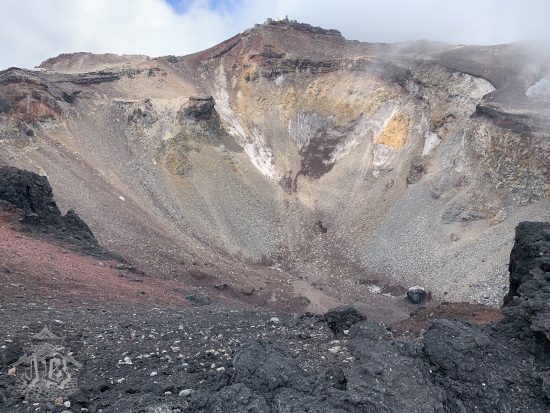
Brim of the crater of Mount Fuji

Crater of Mount Fuji

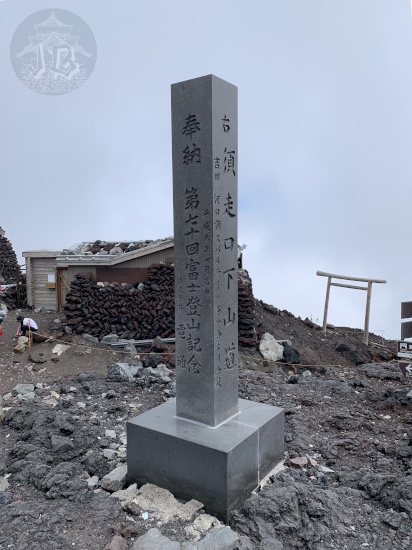
Stone marker at the summit

Cheers with two Mount Fuji exclusive Coca-Cola bottles

Walking around the crater would have been great, but we would be hard-pressed for time for our bus if we took too long. D****e asked me what I wanted to do, and I was happy staying around the crater taking pictures and enjoying the feeling. After an hour or so, we set on our way back down – the trail was a bulldozered zig-zag of gravel, boulders and volcanic sand, and it was even more exhausting than the way up.

It was tricky not to slide and fall. It took us about three hours until we were back to the forest area and the Sixth Station. We reached our Fifth Station around 15:30. I did not fall even once – thank you, Fuji-climbing boots from the Decathlon Children Section for not letting me down, literally!! I also acknowledge that we were super-lucky with the weather, we only had a few clouds just under the crater, and it was not too cold even for me – and no rain, which would have made the experience miserable.
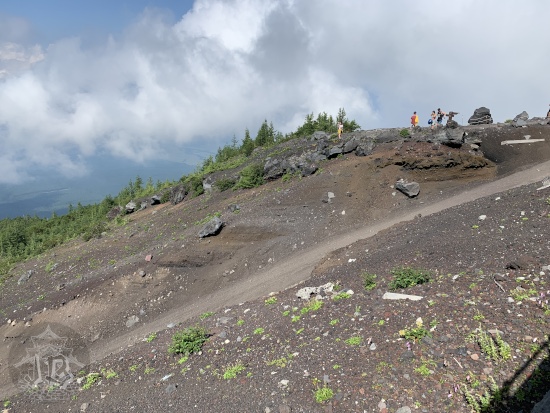
The path down, bulldozered into a straight line.

We actually made it with some time to catch our bus, so we looked at the souvenir shops and Fujisankomitake Jinja [冨士山小御嶽神社].

A colourful and crowded shrine. A lot of the tourists in front of it are wearing shoes that were definitely not made for climbing.

My made-for-climbing shoes, and lower jeans, which were originally blue, looking orange due to the volcanic dust.

As we left, we could see Mount Fuji in all its glory, and I could not believe that I had actually been up there! The total experience had taken a bit over 27 hours, and it was exhausting but exhilarating.

View of Mount Fuji from the bus

However, the downfall had to come, and it came in the bus, about 20 minutes into the ride home – once I stopped moving, my body completely shut down in pain. My back cramped, headache hit, left knee got stuck, and the road trip was horrible. I did not want to have any dinner even if I knew I needed it, but a hot pot in the conbini managed to draw me and it was exactly what I needed!

Hot pot with vegetables, mushrooms and pork

Walked distance: 10th: 9988 steps / 7.14 km; 11th: 21107 steps / 15.1 km. However! The damn watch does not take into account that I CLIMBED A VOLCANO!! I mean, come on! Some of those steps had a 70 cm difference in height! I managed to do it, and I feel damn proud of myself for it, and I will forever proudly display my Fuji-climbing stick as proof of the feat. Also, just so you know 11th of August is Yama no Hi [山の日] (Mountain Day) so this was ironically well-timed, even if by pure chance!

The walking cane I used, covered in hot-iron stamps.

I know that hundreds of people climb Fuji-san every year, but for me those almost 3,776 metres represent something special. It was my very own challenge, something I never thought I would be able to do, and yet I managed. I was extremely proud of myself. I think it helped me become more adventurous, as I found out that I could really push my limits. There was a price to pay afterwards, yes. But I had made it and I don’t regret it (I did regret it a bit the following day going down the stairs though. But not much). I was the Kami of the Mountain.

9th August 2019: Pretty lights, 2019 Edition {Japan, summer 2019}

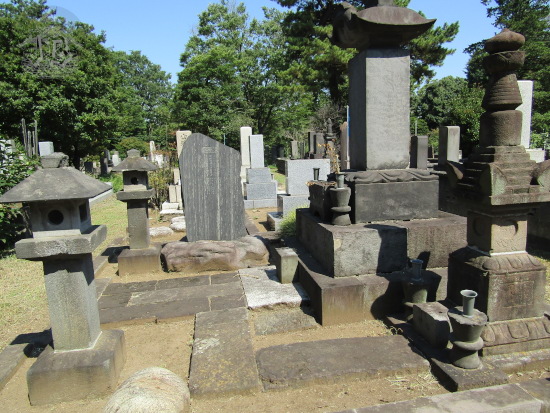
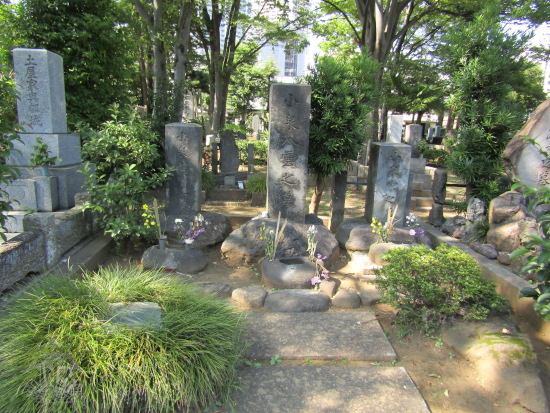
That morning I headed off to Ikebukuro [池袋], on my way to find one of the most important Tokyo [東京] graveyard – Zoshigaya Reien [雑司ケ谷霊園]. I wandered the graveyard for a while – it was damn hot.

However, there was one particular grave I was interested in, the restplace of Lafcadio Hearn / Koizumi Yakumo [小泉 八雲], the 19th Century collector of ghost and mythology stories.

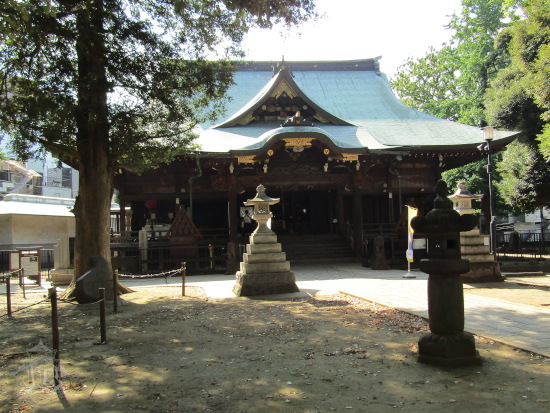
I decided to walk out the opposite direction from which I had come in because I wanted to see a park. I did not find it, but pretty much walked into Otori Jinja [大鳥神社] (and discovered a new stamp rally I should attempt at some point).

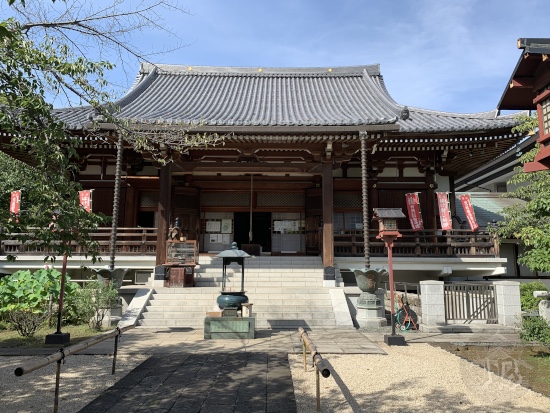
I continued on my way towards the station and sort of accidentally walked past Honnōji [本納寺].

And then this little guy drew my attention and I entered Zoshigaya Mimizuku Park [豊島区立雑司が谷みみずく公園].

The park holds Takeyoshi Inari Jinja [武芳稲荷].

And Kishimojin [鬼子母神堂] (which I saw before / later in Gokusen 2005 and I right about died laughing).

Afterwards I headed to Roppongi [六本木] to meet with M***chan and D****e for Chinese at Tokyo Midtown [東京ミッドタウン], and later we walked through the Midtown Loves Summer light festival.

Walked distance: 18686 steps / 13.3 km.

8th August 2019: Tokyo Tower & Nakano Broadway {Japan, summer 2019}

When I was in Kawagoe I found the Saitama special Coke bottle, and I decided I would be on the look-out for them. Afterwards, I saw the three-bottle Kansai pack in Osaka. Thinking about where I could get some of the Tokyo ones (I have an Ueno one that I bought in Narita Airport at some point), I thought about Tokyo Tower as a place to find them. I was not successful, but I did say hi to Tokyo Tower [東京タワー] (Shiba Koen [芝公園]is still under construction though (ó_ò).)

Afterwards I had a shopping sweep in Nakano Broadway [中野ブロードウェイ] – where I bought my new obi and haori – and later I met D****e for dinner.

Walked distance: Unknown, as the connection phone / wristband malfunctioned. I estimate around 6 to 7 km. As you can see, I was feeling the tiredness indeed, so these few days were more relaxed. For now…

7th August 2019: Dragons & kappa {Japan, summer 2019}

It is by now a tradition to go Ueno [上野] and the National Museum of Nature and Science, Kokuritsu Kagaku Hakubutsukan [国立科学博物館] to see the summer exhibition this time it was about kyouryuu [恐竜博], “fear dragons” aka dinosaurs – this year the exhibition was called 恐竜博 2019 THE DINOSAUR EXPO 2019. So it was a must-go for me (^o^)/

And then of course I wandered a little around the evolutionary wards of the museum, because of course I did.

I came out and I turned right instead of left, so I walked right into Kaisan-do (Ryo-daishi) [開山堂 (両大師)] (which on google maps appears as Rinnoji. Note to self: explore the area beyond next time over.

Then I crossed above all the railways leading in and out Ueno station.

I continued on until I got to Sogenji [曹源寺] also known as the temple of the kappa, Kappa-dera [かっぱ寺]. There is a legend related to a raincoat maker who was helped by a kappa when he wanted to build a drainage system in the area. There are a lot of kappa in the temple.

They also populate the nearby area, Kappabashihon [かっぱ橋本].

After that, I backtracked back to Ueno and from there I took a train to Ikebukuro [池袋] to do some window shopping. Then I looked at Tokyo Tower [東京タワー] from Roppongi [六本木] before D****e and I had dinner and called it a day.

Walked distance: 13384 steps / 9.57 km

6th August 2019: Tokyo & Yokohama Book Off Rally {Japan, summer 2019}

To be honest, this was a weird day because my mind was full with some personal stuff, so I just wanted to keep busy. I did a Book Off marathon and I found a lot of interesting things, both in Tokyo and Yokohama [横浜市]. I wanted to visit the Tower there, but it was closed for renovation!

At 6pm I met up with Sr-san for way beyond amazing sushi! Lots of new things to try too!

In the end what I was worried about was solved ε-(´・`) フ and I went back without any problems (on the way out the regular train line was down).

Walked distance: 17438 steps / 12.4 km.

5th August 2019: Vampire Rockstar… I mean Vampire Café {Japan, summer 2019}

After doing laundry (sweaty clothes and lingering smells of smoking rooms demanded those), I met up with B**** around Nakano [中野] station for lunch. Since I arrived earlier than her, I wandered around the shopping centre, and I saw yet another long jacket that I loved at a great price, so all in all, jacket success.

We did some karaoke and then she was kind enough to indulge me and accompany me to the Vampire Café in Ginza [銀座]. Themed cafés are rather popular in Japan. They are establishments that combine food, drinks, or both, with some kind of attraction or theme that makes them unique and / or special. A lot of them are are “animal cafés”, which have living animals as mascots. Back in 2013, B****, D****e and myself visited the Sakuragaoka Cafe, where you can feed the goats. Other cafés choose a topic or particular atmosphere, such as the butler café Swallowtails.

The problem with themes cafés is that one usually needs better Japanese than I have got in order to get by, so I have not visited as many of them as I would have liked. There quite a few reviews on the internet that complain about small portions and high prices for the cafés. It is true that they tend to be a bit more expensive than a regular shop, but you are paying for the experience on top of your food. I don’t think they are overpriced. Regarding the portions, I’ve always found them reasonable. So they are not like the hugely posh European restaurants that you get tiny amount of food at an exorbitant price.

We got off the train at Ginza station and found the La Paix Building or LapeBiru [ラペビル]. We spotted the café logo on the outside, and later in the directory next to the lifts. As it was a Monday, the place was not crazy full. I think they would have turned us down otherwise as we did not have a reservation. There was a direct lift to the entrance of the café, already decorated in style, with dim lights, cobwebs, lots of red velvet, even a skeleton.

We were given a note that informed us that each customer needed to order at least “a food and a drink” and that the time limit was two hours. While in general the experience was fun, I think that this café needs to be visited in groups so you’re in the main area and not the tiny booths to the sides. The main room had a coffin to the side, and there is a table for the groups. The walls were black, and the booths closed with heavy red drapes. There were candles (real candles, not lookalike lamps) for light, and a soft “music box” chamber music in the background in order not to disturb conversations.

Our waiter was clad in a long burgundy gown and she had bat wings on her hair. We’re not sure whether she was in character, or just unamused, but she looked very serious and a little unfriendly – she was probably just not in the mood to deal with the poor-Japanese-skills customers. Since we were only two, we were taken to one of the little booths with red sofas, a small black table, and black walls. As she drew the curtains closed – maybe for a casket-y feeling – we found ourselves giggling.

The food was not bad at all. We decided on a set for two, called Mankitsu Course [満喫ココース], literally “Enjoyment course”, and a couple of cocktails – a non-alcoholic ブルッドオレンジジュース “blood orange juice” for me, and a ブルッドオレンジサワー “blood orange sour” for B****. What was really on-spot was the presentation though – very in synch with the place, and rather cute, with roses made out of salmon, scythes and skulls sprinkled on the places and ice-cream spiders… and even those were cute.

Collage. The two-people booth is surrounded by red curtains, and the food is gothic-looking. The cold sausages have been stylised to look like roses, as has the salmon in the salad. The pasta has a black cross and a grim reaper drawing along the word Death. Ice cream scoops have little cookie legs so they look like spiders. A general shot of the room shows a coffin-looking table with a chandelier on top

Food consisted on:

  • Hamu moriawase [ハム 盛リ合わせ]: Ham assortment, more like sausage assortment with biscuits.
  • Shiisaa Sarada [シーザー サラダ]: Caesar Salad, really nice but not “Caesar”, it had a salmon rose.
  • Garikku Toosuto [ガリック トースト]: Garlic toast, in the shape of coffins, really adorable.
  • Ika sumi pasuta [イカスミ パスタ]: Squid pasta, surprisingly good and with an adorable Grim Reaper presentation.
  • Haabu & supiisu chikin [ハーブ & スパイス - チキン]: Herb & Spice Chicken, flambéd at the table.
  • Nishiki Aisu [2色アイス]: Two-colour ice-cream, strawberry and vanilla in an edible cookie mini-bowl with little spider legs and glazed-cherry eyes.

Our waiter tried to make us chant once, but we did not manage to understand what she wanted us to do until we heard it echoed in a nearby booth. The truth is that we did not get to communicate with her too well. The booth was cute and all, but it was a bit disappointing to be “enclosed” behind the velvet all the time and miss on part of the experience – “Dracula” skipped our booth, apparently because we did not have enough Japanese for him?

The place felt rather quiet. As the velvet curtains muffled the sounds from other customers, only the creepy music-box ambience could be heard, albeit very faintly. When the two-hour limit was nearly over, we got our bill. The meal, including drinks, was actually cheaper than I expected. They did not add the cover charge despite saying they would, so the total came up to 7,776 ¥ (6,000 ¥ for the set menu, 550 ¥ for the non-alcoholic drink, 650 for the alcoholic cocktail plus taxes), so it did not even reach 4,000 ¥ per person.

Reading the bill slowly later, we thought that what the waiter wanted us to chant was a Dracula invocation: koyoi wa sonata [コヨイハソナタ] “tonight is a sonata”, and chi wo itadaku [血ヲイタダク] “(I) receive the blood”. I might want to come back to this place if my Japanese ever improves enough to enjoy the whole experience. But I got it out of the bucket list, and that was great. After all, I might have been on a bit of a vampire high due to both KAMIJO’s concert.

Walked distance: 15168 steps / 10.8 km, again somehow.

4th August 2019: Gastronomy Day {Japan, summer 2019}

I took an early shinkansen back from Nagoya to Tokyo [東京] because I was out early the day before and thus up at an insane hour. I was on the train before 9AM for sure (≧▽≦). I have witnesses!

And in Tokyo… basically I had lunch with D****e, curry soup, in Nakano [中野]:

We said hi to the Doraemon [ドラえもん] in Roppongi [六本木].

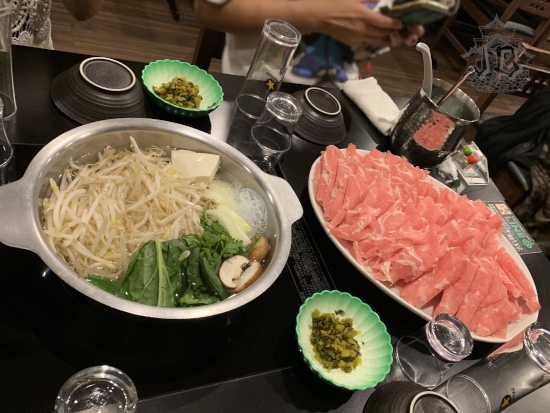
Then we went for lamb shabu-shabu for dinner…

And that was it. There went my diet.

Walked distance: 17978 steps / 12.8 km… somehow. From the hotel to Nagoya station, and then from Nakano Station to D****e’s house (oh, wait, I got lost on the way, that explains a lot). Then back to Nakano Station area for lunch, and once more to D****e’s house, and then to the station? Yes? Okay (≧▽≦).)

3rd August 2019: Higashiyama Sky Tower and ELL {Japan, summer 2019}

In the morning I headed out of the Nagoya centre and to Higashiyama Sky Tower [東山スカイタワー]. This was a bit far out and I had slept in – did I mention tiredness catching up? I also considered the zoo/aquarium but in the end I decided against it.

A collage of the Higashiyama Sky tower, a rectangular building with a cylindrical core, mostly built in glass and metal. The smaller pictures show the view of the park, and the earthquake damper

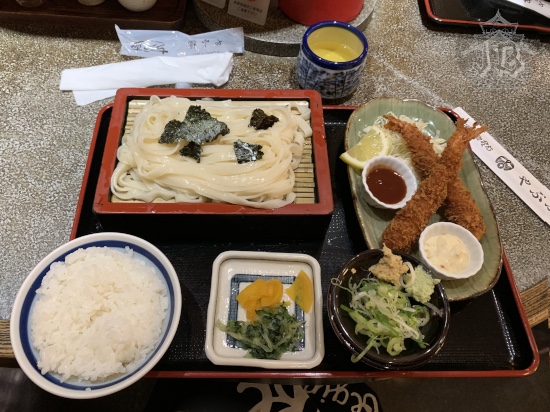
I had an amazing lunch set in the shopping mall underneath / connected to Nagoya Station on my way back.

Lunch set: cold soba, white rice, breaded prawns, pickles, and green tea

Then I headed out for Electric Lady Land. To increase my chances of actually seeing KAMIJO this summer, I balloted for two concerts of the 2019 Japan Tour Persona Grata through the fanclub Rose-Croix international. I was lucky enough to hit for both. When I arrived at the venue, I queued to buy goods – I only wanted the collectible badge, but ended up getting way too many. I waited around, and this time, the Japanese members of the fanclub were let in before the international ones. We did not get a physical ticket, either, just the passport and the reference ticket were enough.

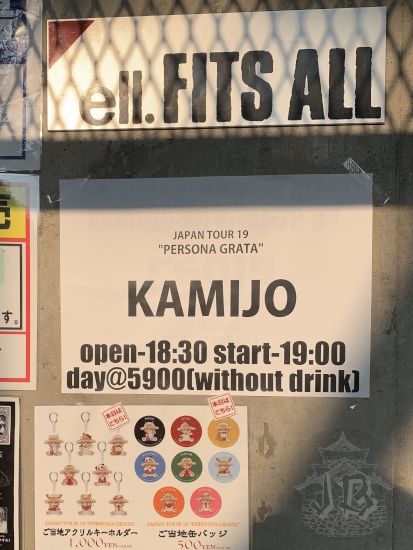
Notice reading ell. Fits all. Japan Tour 19 Persona Grata. Kamijo. Open 18:30, Start 19:00

ELL is a small venue and we were not many people there for the concert – it was strange that there were so much people in Tokyo to fill up the Blitz, but not enough in Nagoya to fill ELL. It was a more humble concert, with a smaller screen for the projections, but it was fun none the less. I was able to stand close to the stage, but I chose the wrong side – I stood left while KAMIJO donned right. I shall learn from that. The set list was the same as the opening concert, which gave me the chance to appreciate the new songs even better. Even if the hall was smaller (tiny, actually) and thus held fewer people, it felt more energetic as attendees were jumping and yelling further – it seemed like the Blitz opening had felt more formal. Glad I got to attend both concerts, never mind how different and similar at the same time they were.

Kamijo Persona Grata poster

Walked distance: 16231 steps / 11.6 km. We don’t trust this measure either as it counts the furutsuke as walking (≧▽≦).

2nd August 2019: Ise Bunkamura {Japan, summer 2019}

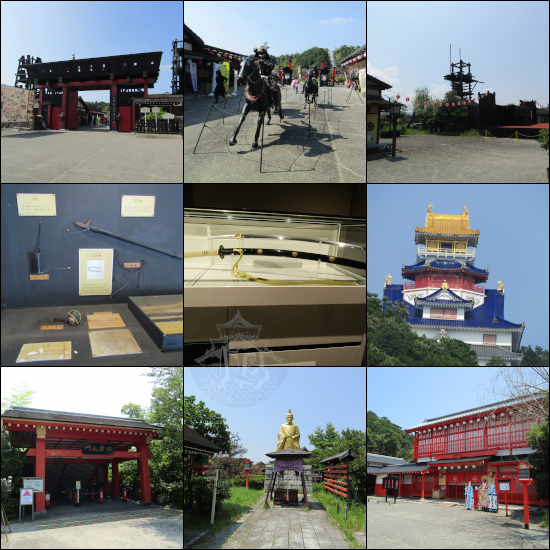
When I was in Ise [伊勢市] in 2018 I could not budget (neither time nor money) to visiting the… you know what, I’m confused as hell as what the actual official name is. In English it is Ninja Samurai Kingdom – Ise, but in Japanese it is Azuchi Momoyama Jōkamachi (Ise Azuchi Momoyama Castle Town) [伊勢安土桃山城下街]. Anyway. I went there.

It is a sort of theme park where you can cosplay and walk around in costume, watch shows and play games. In theory, you can also visit the castle, but the bus there was not running that day, and a few of the areas were closed. Not that I regret going, but looking back it would have been skippable – now I know. But I had to go to know and get it out of my checklist ☆⌒(ゝ。∂) .

I think I actually spent more time travelling there and back than doing actual things. I had to wait an hour and a half between the shows that I had thought I’d use on seeing the castle… but nope.

Once back in Nagoya [名古屋], I went to the Book Off to check if there was anything interesting, as after Nagoya I would be heading back to Tokyo, and I could now go on a shopping spree.

Walked distance: 16136 steps / 11.5 km.

1st August 2019: Takehara’s Little Kyoto in Aki {Japan, summer 2019}

Takehara [竹原市], in Hiroshima Prefecture, claimed to have its own Gion-like district, and they are trying really hard to promote it. I decided to check out whether it was true / worth it. And after half an hour what I kept wondering was “are you sure you’d want this to become as crowded as Kyoto?”

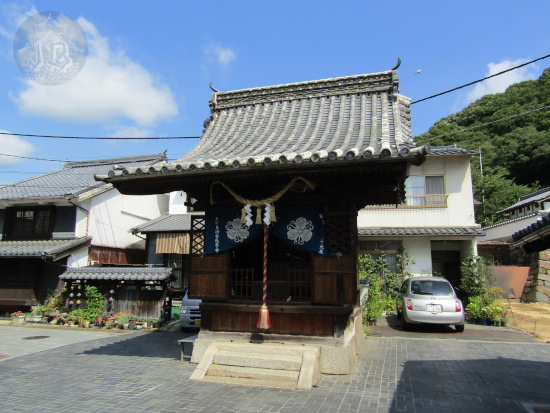
The historical area consists on a few streets, temples and shrines dating back to the Edo period. Let’s see whether I can retell the route accurately. My first stop was Izumo Jinja [出雲神社]

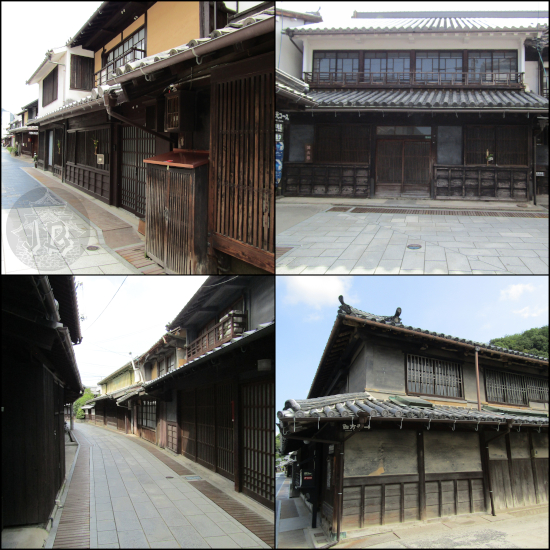
After I had taken the wrong turn a couple of times because the map was cute but not that accurate, I found the “Takehara Historical District”, actually Takehara Townscape Conservation Area Takehara Machinami Hozon Chiku [たけはら町並み保存地区]. The main tourist route runs along Honmachi [本町] Street, and during my whole walk I ran across maybe ten other tourists.

My first diversion was Choseiji [長生寺].

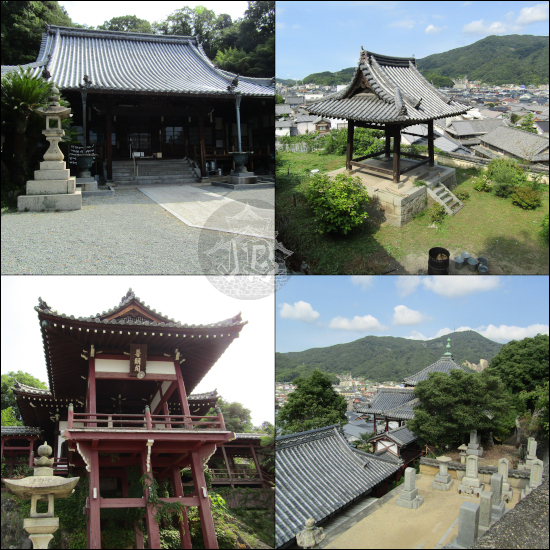
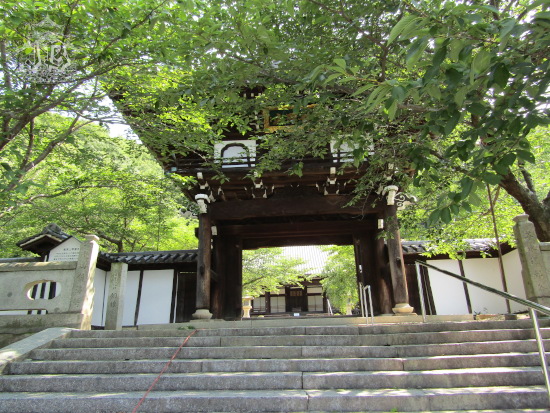
After this I had a better idea of where I was, so things rolled more easily. I continued along the houses and turned right to climb up Saihoji Fumeikaku [西方寺普明閣].

Afterwards I visited Okakae Jizo [おかかえ地蔵], who will grant you wishes if you pick him up

Then Ebisu Jinja or Kodo [胡堂].

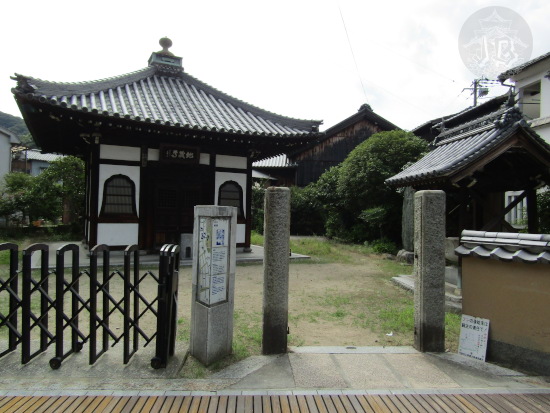
Afterwards, Shōrenji [照蓮寺].

Historical alley, holding Shumpukan [春風館] and Fukkokan [復古館].

I diverted then to Sumiyoshi Taisha [住吉神社].

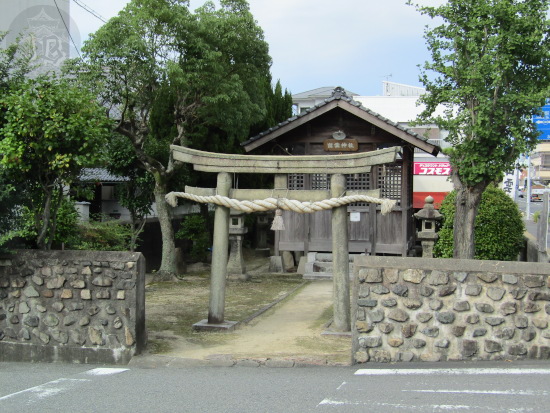
And Kusunoki Jinja [楠神社].

Isonomiya Hachimangu [磯宮八幡] was under construction, so I did not bother the workers.

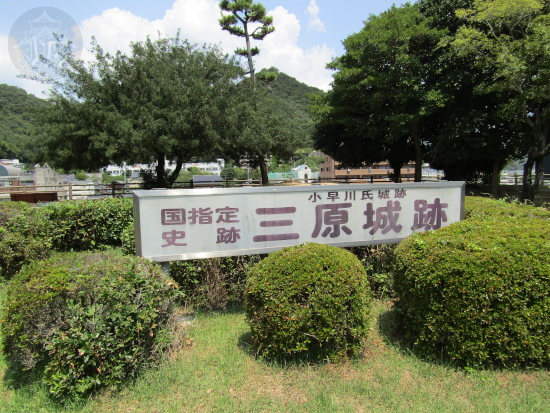
After this I wandered a little around the river, considering whether going to the harbour or not, but in the end I decided against it and headed off back to the station, where I took a train towards Mihara [三原], where I visited the site of Mihara Castle Remains, Mihara jōato [三原城跡].

I also found… Rakkii Jinja [らっきー神社], which I think it’s actually “Lucky Jinja”… in Mihara Station… I don’t ask anymore… but apparently Mihara is the “Octopus Town” and this is their mascot?

Then I went on back towards Nagoya via Kobe. This took around three and a half hours, so I was in Nagoya [名古屋] around late afternoon. Once there, I continued on my search for long jackets and I was finally successful in acquiring two of them in the Midland Square Mall, where I actually went to check out on a LemonEd pop-up shop… which I almost didn’t find because it was way too discrete.

Walked distance: 17438 steps / 12.4 km.

31st July 2019: Journey to the East (2): To the bunnies! {Japan, summer 2019}

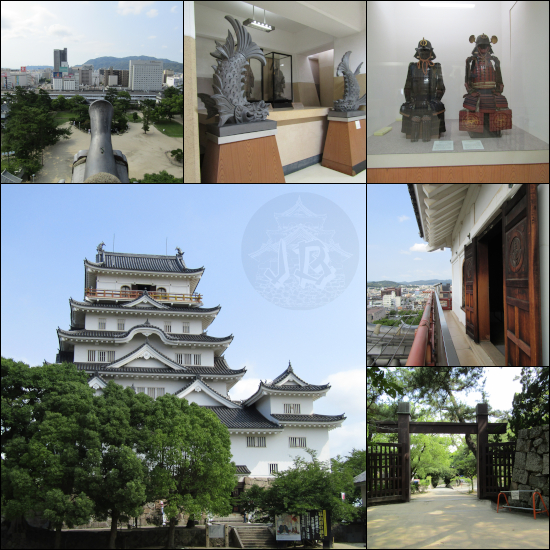
I caught the train early in the morning to get to Fukuyama [福山] (Hiroshima Prefecture), barely 15 minutes away from Okayama by train. I wanted to see the local castle, Fukuyama-jo [福山城], which I had not been able to see the last time I had been around because I was a bubblehead and missed the train that gave me leeway to stop (and it was a Monday and closed). Thus, this time I factored it in.
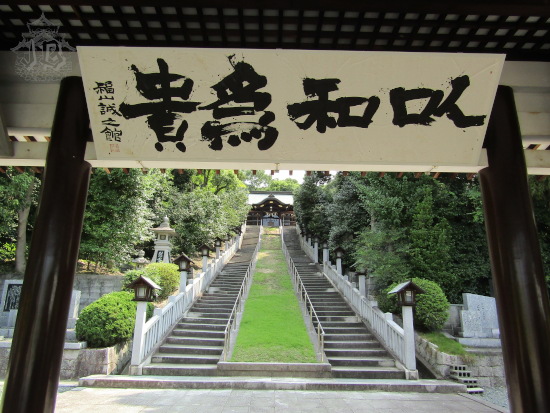
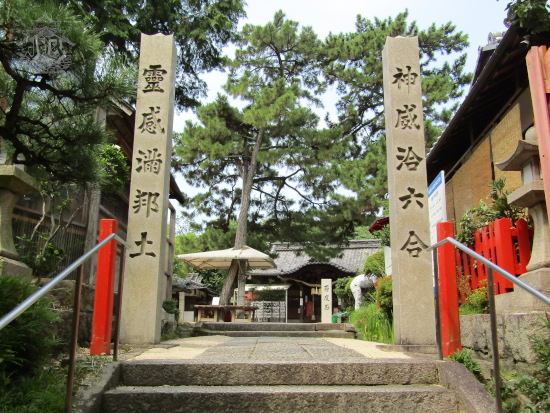
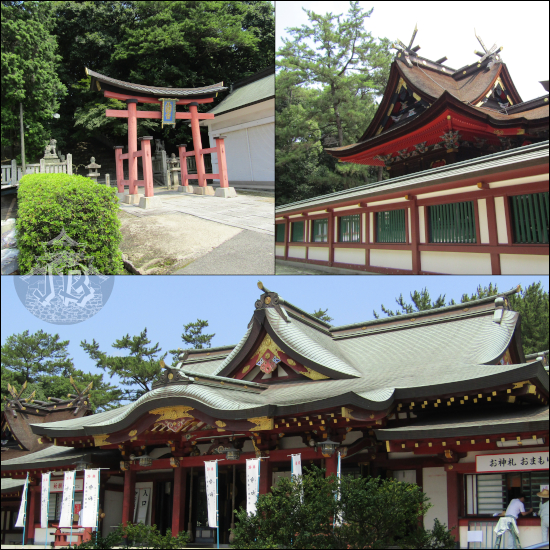
After visiting the castle I found the complex found by Abe Jinja [阿部神社] and Bingo Gokoku Jinja [備後護国神社].

And then Sanzoinari Jinja [三蔵稲荷神社].

These three shrines were located within the same park as the Castle, but my map also pointed out that Fukuyama Hachimangu [福山八幡宮] was not that far away, so I went to find it too.

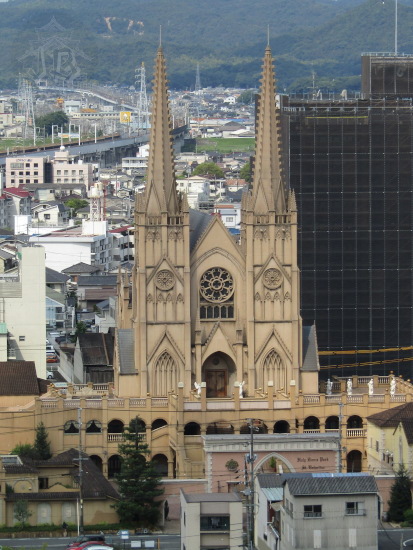
On my way back I diverted because a building had drawn my attention and I wanted to find out what it was – it turned out to be, and I quote the “Holy Zion’s Park St. Valentine” [ホーリーザイオンズパークセントヴァレンタイン]. It was a wedding venue. Live and learn.
As I had some time before the train I wanted to take, I also checked the Fukujyukaikan [福寿会館], which turned out to be a ‘traditional house with a teahouse’, so I did not come in.
After that, I took another train to Mihara where I took the Kure line towards Takehara. However, I stopped halfway, in a small station called Tadanoumi [忠海]. What is there in Tadanoumi? The ferry to Okunoshima.

And what the hell is there in Okunoshima? Bunnies. Hundreds of tame rabbits which you can feed and which will climb on you to demand your food, or climb into your backpack of bag or whatever you’re carrying.

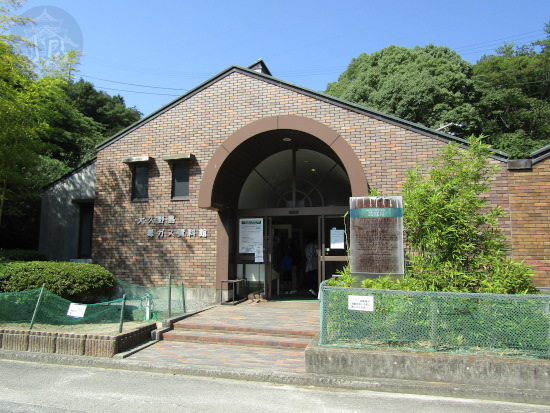
So yes, I went to Okunoshima [大久野島]. I could lie to you and tell you that I was there because of the island (horrific) history, and places like the Poison Gas Museum Ōkunoshima Dokugasu Shiryōkan [大久野島 毒ガス資料館].

Or the magically decaying Okunishima Jinja [大久野島神社].

Or the beautiful scenery.

But bluntly put I was there for the rabbits and bunnies and bunbuns and the fluff and the floppy ears and the straight ears too. Okunoshima is also known as Rabbit Island. After it was abandoned after WWII, apparently a bunch of students released some domestic rabbits and they have colonised the whole island. Now you can go and feed them, although you are encouraged not to grab them or ‘put your fingers near their mouths’. For three hours I pranced around finding bunnies and feeding bunnies.

Then I took the ferry back to Tadanaoumi as the sun started to set.

I continued on the Kure Line to Takehara [竹原市], the city / town Tadanoumi actually belongs to (and I was super lucky because there were disturbances and delays for hours starting the following train). Honestly it was just the nearest hotel I had found – I mean, when I went out the only thing I found to grab a bite to eat was a McDonald’s… and they made my fries to order. I also found out about the town’s unofficial mascot, a character called Momonekosama [ももねこ様], from an anime that is set in Takehara

I had saved up the following day as “buffer day”. I did not know whether to try and get to Kure, or directly back to Nagoya, I thought it would just depend on how tired I was… But the hotel had a little map about how Takehara’s historical district was “Little Kyoto”… I thought maybe that was worth checking out.

Walked distance: 19058 steps, 13.6 km

30th July 2019: Journey to the East (1): Sakaiminato → Okayama {Japan, summer 2019}

For the second part of my Sakaiminato adventure, I got breakfast on the go, and around 9:00, I set off to the Yumeminato Tower in the park of the same name. I had a plan of things to watch and walk around that unfortunately fell through due to, again, a perceived temperature of over 42 ºC and bright sun. But the Yumeminato Tower [夢みなとタワー] could not be skipped as it is part of my still ongoing All Japan Tower Stamp Rally. Aside from the customary observatory, the Tower featured an anthropology exhibition about the cultures of “countries historically related to Sakaiminato in matters of trading” such as Korea or China.
Yumeminato Tower and views from it. There is also a betobetosan (a… white ball with teeth).

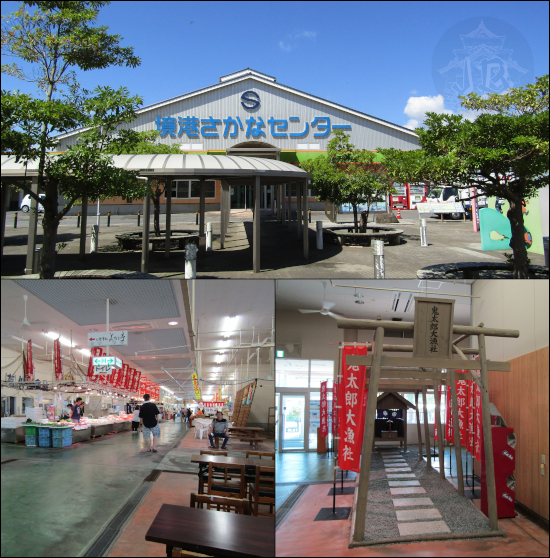
At the feet of the tower is the Sakaiminato Fish Center [境港さかなセンター], a fresh fish market – remember that Sakaiminato is “The City of Kitarō and Fish”. Here is where the homage to fish starts. Sakaiminato is both a trading and fishing key point in western Japan, so this spot is quite important for local business. They have even built a small shrine to give thanks to the ocean for providing the catch.

Sakaiminato fish market, outside and inside, including a small shrine.

Both the tower and the market buildings are encased in Yumeminato Koen [夢みなと公園], a huge – and shadowless – park. It was quite hot, to be honest, and looking back I should have probably just taken the tourist shuttle, but the schedule was inconvenient.

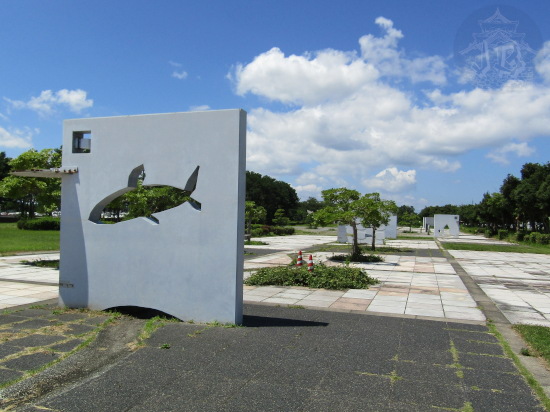
Park with sculptures that depict silhouettes of fish.

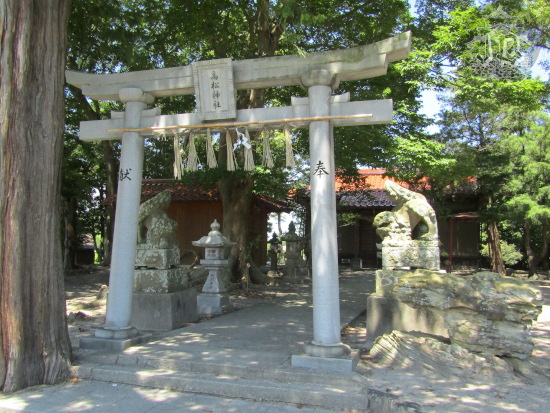
When I arrived at the Takematsucho station, my train had just left, so I snooped around Takematsu Jinja [高松神社], a small shrine next to it.

The torii of a small shrine, next to a sacred tree

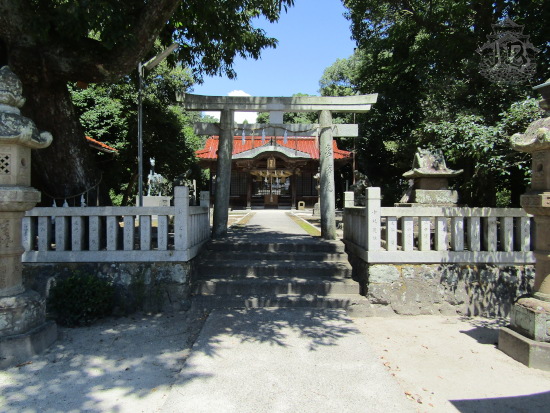
Having to wait forty minutes further, as there is only a train per hour, I decided to walk over to the following station, where I visited Amariko Jinja [餘子神社].

A shrine. The entrance torii frames the main building.

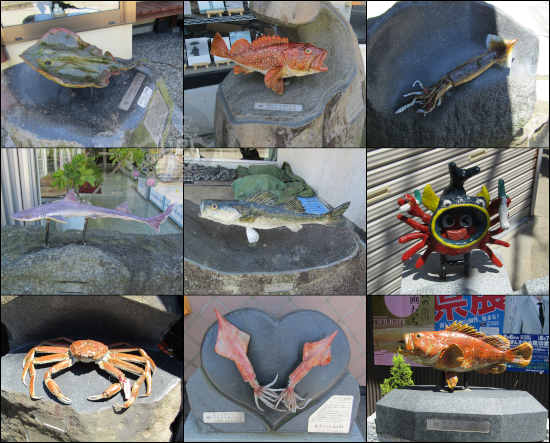
Then, I just sat down to wait and have a drink till the train came. Once back in the centre of Sakaiminato, I realised that even if it was a Tuesday, the Museum of Sea and Life was closed. That did not stop me from hanging around Osakana Road [おさかなロード], the Fish Road, which follows the same ideas as Mizuki Shigeru Road – it has little sculptures here and there. Only these are not yōkai, but fish.

Life-like fish, squids, crabs and sharks from Osakana Road, along a cartoonish mix of them all.

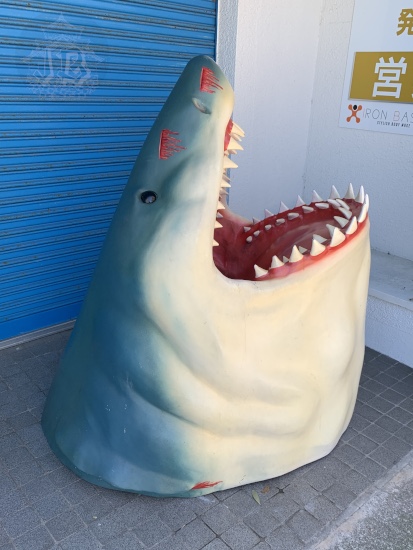
Oh, and I found a… photo-op / trash can shark on the way ʅ(・ω・。)ʃ?? I have no idea, but I could have fit inside. Unfortunately, I would not have been able to climb out.

Head of a white shark

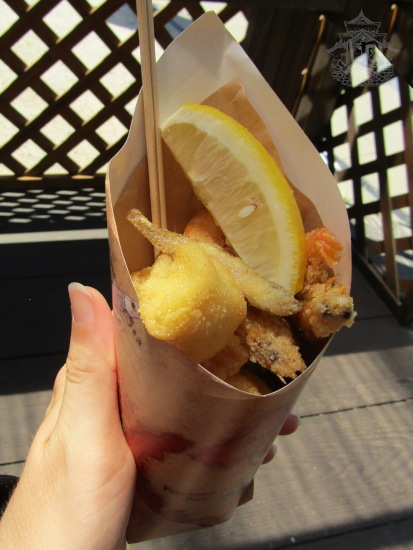
And speaking of fish, I had a great fish-fry snack in Mizuki Shigeru Road as I did an extra sweep to make sure I was not missing any yōkai. I chose this place because the owners seemed nice, and they were. They tried to make some conversation and they were very friendly.

Fish fry with a slice of lemon.

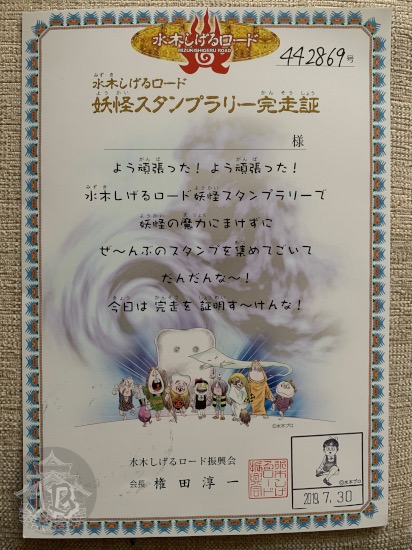
After that, I claimed my certificate at the Tourist Information Centre next to the station Sakaiminato-eki [境港駅]. Although I had done it the previous day, by the time I finished, the office was closed. Of course, nobody had any issue with that – they happily gave me my certificate, dated July 30th and not July 29th (≧▽≦).

Certificate of having finished the Yokai Stamp Rally, dated 30 July 2019.

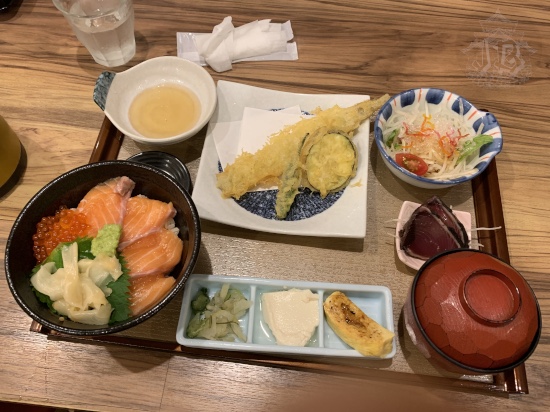
I finally said goodbye to Sakaiminato, and I took the train back to Yonago, and from there to Okayama, the capital of the Prefecture of the same name. This took around three hours, and I was in Okayama [岡山] around 18:00 or 19:00. I dropped my things off at the hotel and headed off for dinner. I ended up ordering a salmon set in a semi-traditional restaurant in a Takashiyama shopping centre, and although the staff was not the nicest, the food was delicious!

Japanese dinner with fried fish, salad, miso soup and a bowl of raw fish on rice.

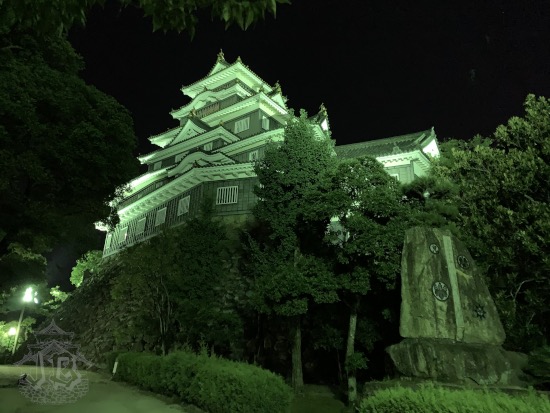
Right after dinner, I walked to the castle, Okayama-jo [岡山城], hoping it would be lit, and it was. They were also rehearsing some summer light show, with music and stuff.

Okayama Castle at night

Afterwards, I went back to the hotel – unfortunately I had a smoking room (yuck), so I had to spray everything with freshener so I could breathe. But I left the window open as I showered, and I slept rather well afterwards. I had started to feel the tiredness.

Walked distance: 22899 steps / 16.3 km. Most under the sun (soooo sunburnt!)