
Dolls have probably existed for as long as humans have been humans. The earliest known were found in Egyptian tombs from the 21st century BCE. Romans had rag dolls already around 300 BCE, and dolls with moving parts and removable cloths existed around the 200 BCE. They are not just children’s playthings, throughout history they have been used to teach, in rituals, and / or been infused with magical and spiritual meanings. The oldest Japanese dolls date from the Jōmon Period [縄文 時代], probably as early as 8000 BCE. The country has had an extremely long and strong connection with dolls for millenia.
Ningyō: Art and Beauty of Japanese dolls is a travelling exhibition by The Japan Foundation, designed to broadcast that connection. The word ningyō [人形] is composed of two kanji: 人 nin, which means human or person, and 形 gyō, form, shape or figure. Together, they translate as doll, puppet or marionette, particularly when referencing the traditional Japanese dolls, but literally mean “human shape”. It is not a bad description.
If one were to relate Japan with a religion, this would probably be Shinto – though it is more a philosophy rather than a religion. Shinto is greatly based on symbolism along with the respect of nature. From early times, paper dolls with vague human shapes were used in its purification or protection rituals. Later on, wooden dolls became decoration, depicting Imperial weddings or armoured heroes, to wish good growing to children.
As dolls grew more and more popular, craftsmen and artisans became more prominent. Different shapes and styles were particularly favoured by royalty, and the different Japanese regions developed their unique doll fashion. Complex traditional dolls are still made by hand – artisans create the individual parts and a final craftsman assembles them. More simple shapes are created and hand-painted by the same expert. Tradition spread to modern times with the arrival of plastic dolls imported from the US, which eventually gave way to the industry of collectible figures.
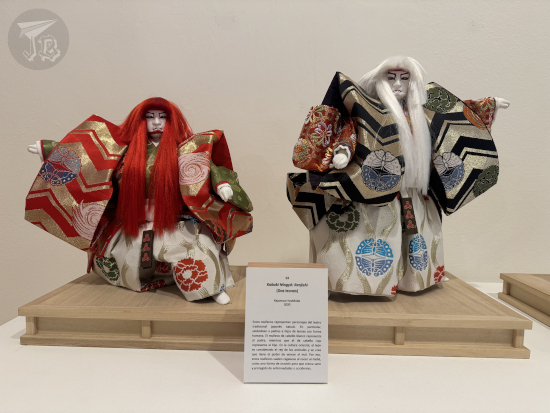
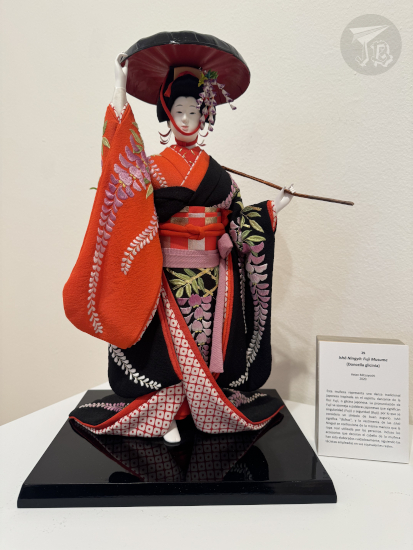
The Japan Foundation has two sets of dolls circulating throughout the world. November saw one of the sets in Alcalá de Henares, in the exhibition hall and former hospital called Antiguo Hospital de Santa María la Rica. The hospital was established in the late 13th or early 14th century bringing together several already-existing houses. It later passed onto a religious brotherhood and focused on tending to pilgrims until in the 19th century, it closed down. In the year 2000 it became the seat of the Cultural Council, and it is now used for travelling exhibitions.
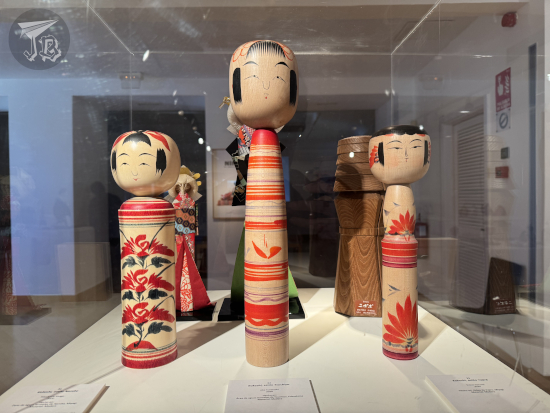
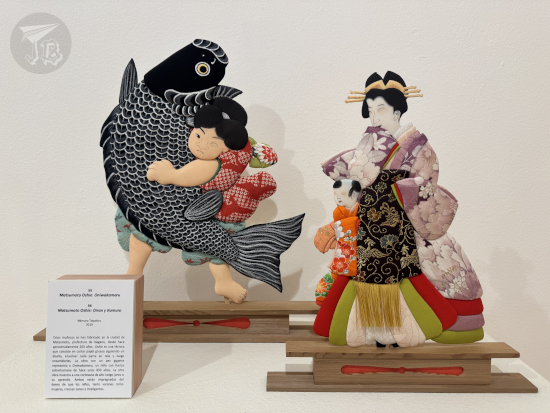
The exhibition displays about 70 pieces, all of them modern and mainly created by the same artisan, Mochizuki Reikou, whose studio was established in 1936. There was also a video explaining the same information that was displayed on the signs, but accompanied by testimonies of actual doll-makers and experts from the Tokyo National Museum (Tōkyō Kokuritsu Hakubutsukan [東京国立博物館]). I quite enjoyed it, but I would not like to be in that room alone with dimmed light… some of the dolls could be creepy.
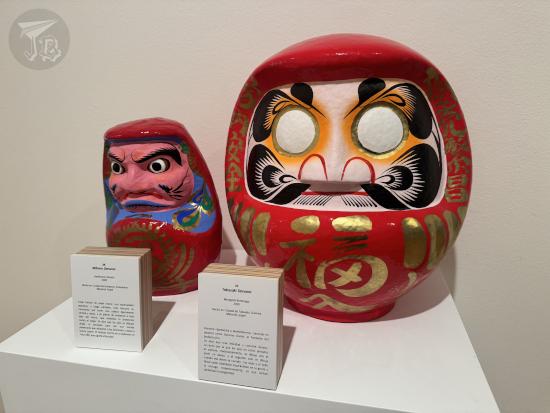
There was not much going on in town, as it was a weekday in that period in which everyone is getting ready for Christmas. However, it was the only free time I could muster within the month the exhibition was open due to work and other trips. I did not even stay for lunch, but headed home right after.
 JBinnacle – A Travel Logbook