21st September 2025: Alarcos on the way back {Road Trip & Almadén, September 2025}

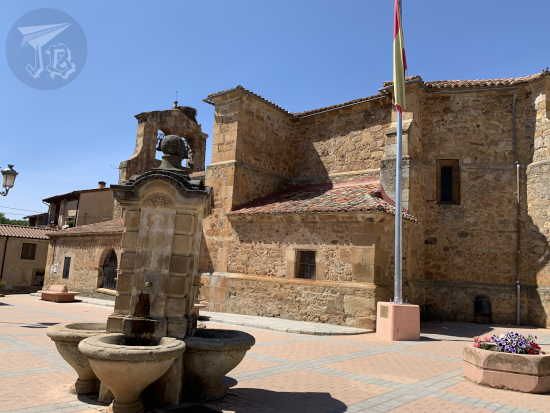
The lady in Almadén had recommended a pretty hermit-church-castle place in the nearby village of Chillón, but when I reached there, it turned out to be closed and expecting a bike race, so if I stayed… well, I would have to stay till the race was over. I left as fast as I could, so I was not able to see the church Ermita Virgen del Castillo and the Bronze-Age paintings nearby. I just stopped for a quick picture of the mining park Parque Minero de Almadén.

A general view of the town of Almadén. It shows that it is located on a hilltop. The main structures seen are the mining complex on the left (a grey mass on top of a black gorge) and the castle at the very top.

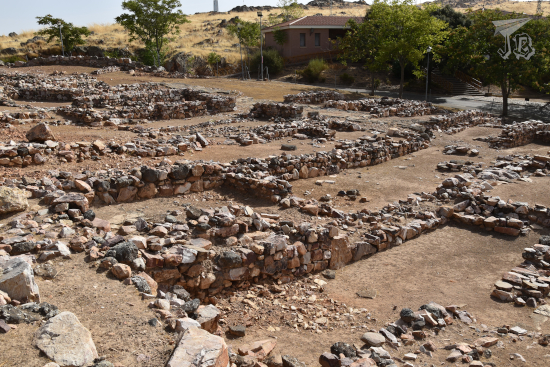
I stopped for fuel, then went onto the road. It took a couple of hours until I reached the village of Alarcos. Nearby stands the archaeological site Parque Arqueológico de Alarcos, which displays three historical periods – there are remains of an Iberian town, a ruined castle, and a Reconquista battlefield. The Iberian town was built around the 6th century BCE, located all over the hill. There are remains of a neighbourhood, a sanctuary, and further away, a necropolis.

Remains of house blocks in the Iberian village - foundations built in rock.

Remains of the Iberian sactuary with the Medieval wall in the background.

During the Middle Ages, there was a project to build a town and a castle. The town would have been protected by a wall, and the castle would have stood at the highest point. However, Alfonso VIII decided to fight a battle against the Almohad Caliphate there before the castle was finished. The battle of Alarcos happened in 1195, and the Christians lost miserably. The castle was then turned into an Almohad town until the battle of Las Navas de Tolosa recovered the whole area in 1212. However, nobody wanted to live in the town any more, so eventually its population would be moved to “The Royal Villa”, later the Royal Town – Ciudad Real, the current capital of the region.

Alarcos Battlefield with the sign that positions the troops.

Ruins - more like just the foundations, actually - of the 11th century Medieval castle. It would have been huge, perched atop a hill, but the most one sees is the intention of a tower, and it's not even the keep.

There is also a small hermit church, but that was locked away behind a fence. The castle is extremely derelict, though some of the Moorish houses can be guessed on the blueprint. Any archaeological findings have been taken to the museum in Ciudad Real – which I still have to visit, but timing was not on my side today. Fortunately, that is doable on public transport – if I ever decide to trust Spanish long-distance trains again.

On my way out, the nice person at reception gave me a bag of goodies – a booklet about the site, some brochures, a magnet and a Medieval music CD. She recommended my trying to reach a hermit church on the other side of the motorway to find the interpretation centre about the prehistoric volcanos in the area, but that is for another, focused trip.

I just hit the road to get home. There was an accident on the way and the subsequent traffic jam added an hour to the drive. The last 40 minutes or so, I felt very tired, so even if I had wanted to have lunch somewhere, I also had the feeling that if I stopped, it would be harder to keep driving. I made it home around 15:30 and had a very late lunch.

I consider the trip was a success. I saw the Mine, which is something I have been wanting for years. Food in Almadén was horrible, and maybe future road trips should be broken with a night in-between, so lessons were learnt. More supermarkets, more overnight stops. But I only had a long weekend, so I made the most of it. And splurged on a mercury vial for my mineral collection.

21st August 2021: Fossil tracks and Roman ruins {Spain, summer 2021}

Enciso is a couple of hours away from Sos del Rey Católico, but to be honest it is barely even on the map. It is a tiny little village in the area of La Rioja that I had not even heard of a year ago. But at some point during this year I became aware of it – and its palaeontological importance as it is the reference point for a dozen or so sites where ichnites have been found. Ichnites or fossil tracks are marks left by dinosaurs and other prehistoric animals on the mud that eventually become fossilised. In this little village in the middle of nowhere there are around 1,400 dinosaur foot tracks. When we were in Albarracín, we saw a bunch of fossils from the time Spain was submerged under the ocean. During the Mesozoic, the area of La Rioja, and the neighbouring Soria (Castilla y León), were somewhat swampy, which lead to a lot of mud. When dinosaurs and other animals moved through the mud, they left trails that sometimes became fossilised.

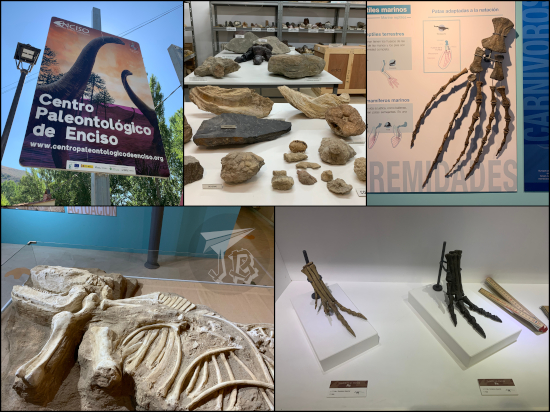
Our first stop in the village was the palaeontological museum Centro Paleontológico de Enciso . This one we could have skipped – it has next to no original pieces, and it basically just has a few infographics and reproductions of different types of dinosaur legs, but we had to start somewhere.

We visited two fossil track sites. The first one was a long strip of rock called Yacimiento de Valdecevillo . In this site, there are tracks of theropods (carnivores with three fingers, usually bipeds that left clawy marks), ornithopods (herbivores with three fingers, also bipeds, that left somewhat more rounded tracks), and sauropods (four-legged dinosaurs with less-defined fingers). Some of the tracks are very easy to identify (especially the ones fenced off), others are chalked on, and sometimes they even cross each other.

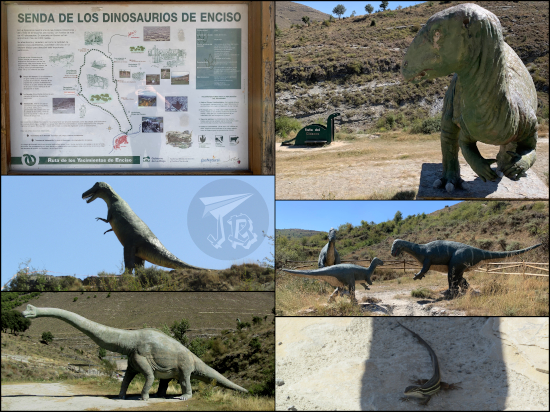
Next to the rock formation, a few reproductions have been built, in order to illustrate what dinosaurs roamed the area. A family of iguanodon has been clearly identified. The sauropod looks like a generic brachiosaurus, but it could have been a turiasaurus, even. I have to say though that the carnivore theropod needs a bit of an update – but it looked adorably like those that they drew when I was a kid back in the 80s. Oh, and we also saw a real-life present-day minisaurus (aka lizard, maaaaaaaybe Spanish psammodromus Psammodromus hispanicus).

It was too hot to walk around the trail, so we hopped onto the car and drove off to the other site, Yacimiento de la Virgen del Campo.
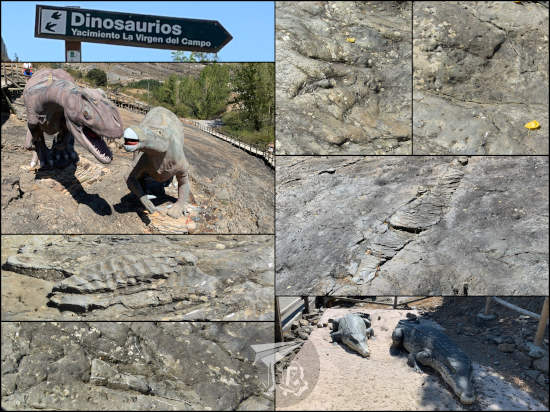
In this formation you can “feel” the mud – the rock has ripples (water marks), and here is even a small mud collapse from an earthquake. Here we saw foot tracks again, marks of skin, and even tail trails left by ancient crocodiles. In this site there are indications of a carnivore attacking a herbivore, represented by 1:1 sculptures (maybe a ceratosaurus and an iguanodon).

Around 13:00 we got back on the car and drove off to the town of Garray for lunch and a rest near the river…s. Río Tera, a smaller current, joins one of the most important rivers in Spain, Río Duero (Douro River) under the unnamed stone bridge.

We managed to have lunch in one of the few restaurants in town, in front of the municipal fountain and the church of Saint John the Baptist Iglesia San Juan Bautista. After lunch we stayed at the river bank for a while before we moved towards our next stop.

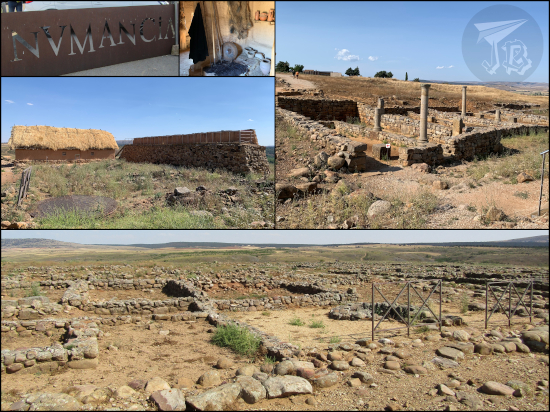
The archaeological site of Numantia Yacimiento arqueológico de Numancia holds the remains of a Roman town, built upon an earlier Celtiberian settlement. The Celtiberian town was the centre of a number of hostilities against the Romans in the second century BCE – the Numantine War, the third of the Celtiberian Wars broke out in 143 BCE. After a decade, the Romans sent one of the heroes of the Third Punic war to suffocate the rebellion. The general cut down all the trees in the area and built a barrier around the settlement, in what has been called the Siege of Numantia, in 133 BCE. The town was completely cut off the rest of the world and after eight months of siege, the inhabitants set the town on fire. Most of them committed suicide in order to avoid being taken as slaves.

After the Roman conquerors levelled the ruins, a new town emerged, and a Roman settlement existed in the area between the first and fourth centuries CE. The last remains date back from the sixth century before the town vanished from existence and memory until it was located in the late 19th century.

Today, the site holds remains and patterns for several houses, and it has a reconstructed Roman house, an Iberian house and two pieces of the wall. The most visual building is a Roman house of the later period which still keeps a couple of columns. Unfortunately, this was 16:30 and the guided visit was long and full of useless and dull information – guess who got a sunburnt, even under an umbrella?

When we were done with Numantia, we decided to skip the complementary exhibition in Garray and drove off towards Soria, where we would be staying the night.

The Parador de Soria, our hotel, is the first modern Parador I’ve stayed in, though it stands on the mountain where the castle used to be, and the views were astonishing (I also almost forgot my stamp!!). We had dinner in the parador, which included some freshly-fried torreznos de Soria. Torreznos are a pork-based snack especially typical in the area. The pork belly is marinated with salt and paprika, cured or smoked, and finally fried – delicious but for sure a “sometimes food”. After dinner, we went to our rooms to compare the day-view with the night-view and admire the moon.

Total driven distance: 196 km. Total walking distance: 6.57 km.

8th – 12th July 2021: Beach weekend (El Campello & Elche, Spain)

The sea is far, far away and due to a number of situations coming together, we rented an apartment near the ocean for a couple of days. Our usual summer destination was not a good option this year due to – as everything that is going less than great these days – to Covid, so we gave a try to the town of El Campello. The town likes boasting itself as a beach paradise-resort, while it’s barely a standard Mediterranean village eaten which boomed along other, bigger resorts such as Benidorm. The apartment was not anything marvellous, but it was extremely close to the ocean – just beyond the waterfront promenade, Paseo Marítimo.

8th July 2021: The arrival

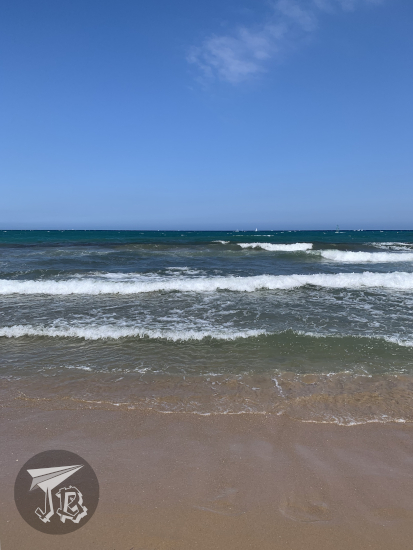
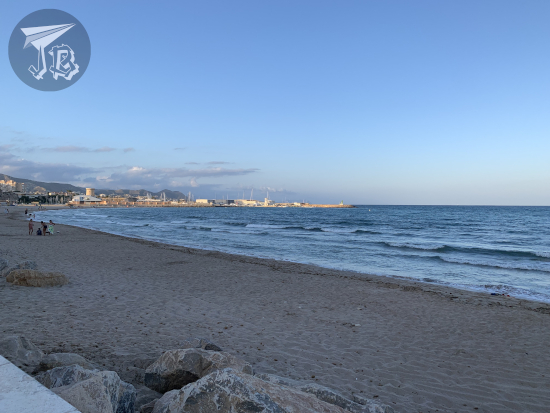
We arrived in El Campello at around 4pm, did a fast sweep of the apartment in order to feel safer Covid-wise and I decided to go for a walk at the beach, jeans and all. There were surprisingly fewer people than expected, and not as hot as I thought it would be – all in all we were pretty lucky, weather-wise.

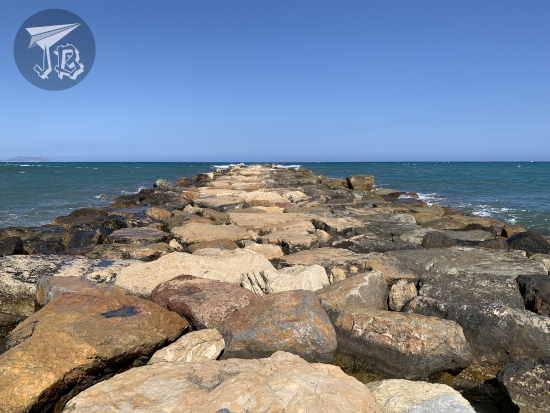
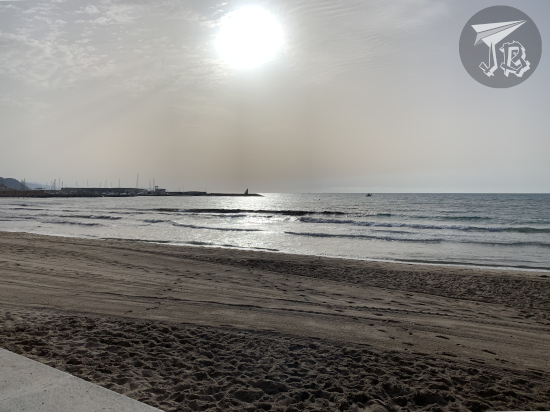
El Campello is built parallel to the coastline. The more traditional area has a small marina Puerto de El Campello to the north, and then a sand beach that extends towards the south divided into Platja de la Illeta and Platja del Carrer de la Mar. Though the beach has a couple of breakwaters, they are for protecting the beach against erosion and not to separate the different areas – the east of Spain has a reputation for building quite close to the beaches. Over the years, that caused the winds and waves to shift and the once amazing and long beaches started being washed away – now all those groins are necessary to keep the sand in place, and are liberally built along the Mediterranean coast.

I climbed on one, of course, more than once – and more than one too (≧▽≦).

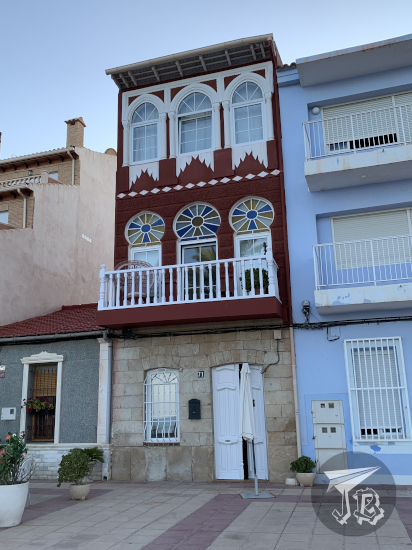
In the evening we walked along the waterfront promenade. While most of it is fronted by restaurants and souvenir shops, I did see this cute little house.

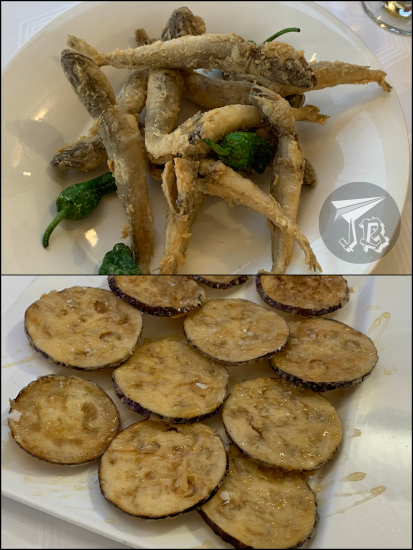
Eventually, we chose a place to have dinner – some fish and the area speciality: honey-soaked aubergine (berenjenas con miel), which is not actually made with honey, but a type of molasses – which actually makes this a vegan dish, as bees are not involved in making the “honey”, what do you know? The first time I tried this I was not too convinced, but if prepared well, this dish is absolutely delicious.

9th July 2021: The lady’s town

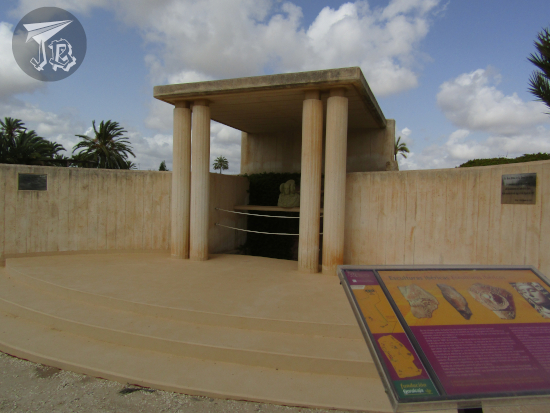
Elche is a nearby town a bit inland, and the third most populated in the area. It is famous due to the Iberian sculpture bust found nearby and because of its palm grove. The history of the town can be traced back to the current archaeological site Yacimiento Arqueológico de La Alcudia, whose stratigraphic sequence dates to the Bronze Age. There are ruins and artefacts, mostly from the Iberian and Roman ages, though there are findings until the Islamic era.

In 1897, a young farmer found the bust named La Dama de Elche, the Lady of Elche, which can be seen in Madrid’s archaeological museum Museo Arqueológico Nacional – it is the limestone bust of an Iberian woman, probably with funerary purposes, what was carved around the fourth century BCE. Since that time, a great deal of work has been carried out in the area of La Alcudia, and today is a full-fledged archaeological site with a Roman wall, several Iberian and Roman houses, a Roman temple and an Iberian one, a basilica, and hundreds of sculptorical and clay artefacts.

We visited the site in the morning, hoping to finish the stroll before it became too hot. There are still works carried out in the site, but you can visit and walk around the area – as long as you don’t step on the red ground. There are two museums on site, aside from the outer ruins. In one of them there is a reproduction of the lady, which yields to easier pictures than the glass protection in the National museum. There are also interpretations and reconstructions about what the Lady may have looked like when she had her colours. Unfortunately, reaching the site is hard, and probably not worth the detour unless you’re an expert in archaeology, but it turned out interesting to see.

… Except for the “commemorative site” of where they found the Lady. That was hideous.

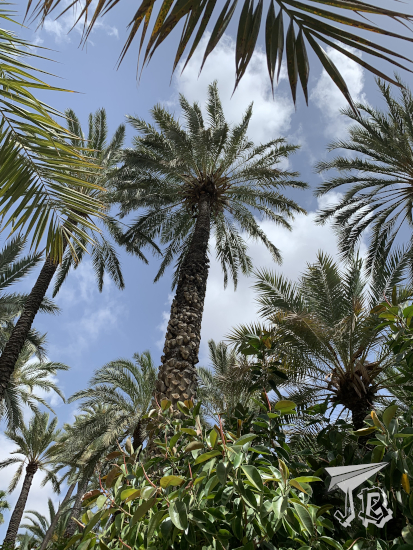
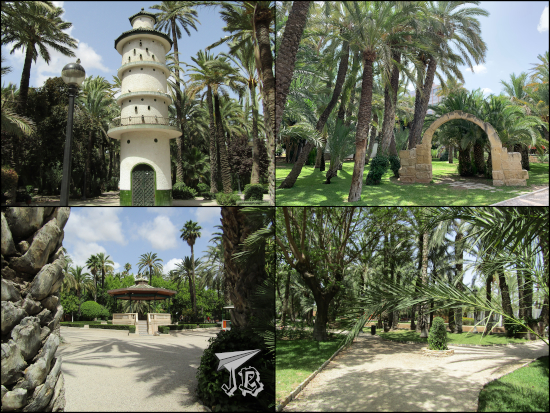
After La Alcudia, we drove off to the town centre to walk around Palmeral de Elche, the biggest palm grove in Europe, with around 200,000 – 300,000 trees, most of the date palm species, Phoenix dactylifera. The palm tree grove originates in the 10th century CE (planted by the Caliphate of Cordoba conquerors), and it has been a Unesco World Heritage Site since the year 2000. The most important palm grove is in the centre of the town (and we missed the dragon that stands on one of the trees 。゚(゚´Д`゚)゚。).

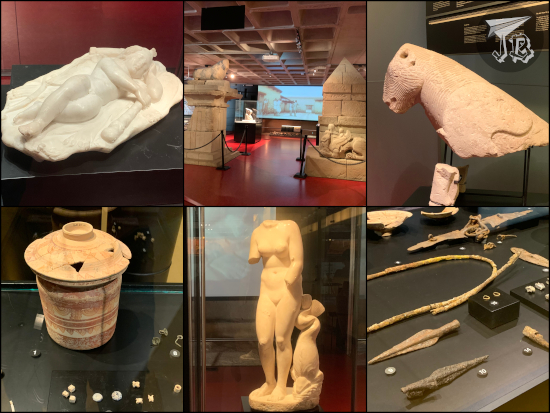
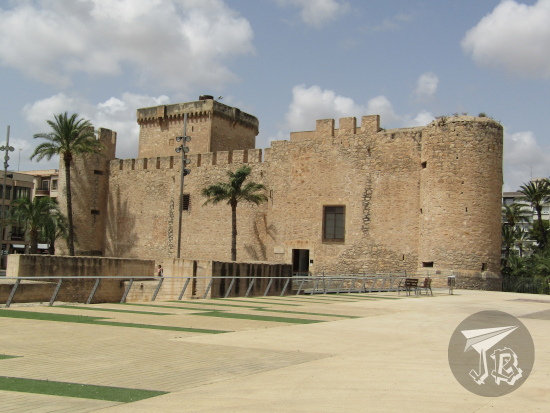
Close to the grove stands the local archaeological museum, Museo Arqueológico y de Historia de Elche, divided between the new building and the old Moorish castle or alcázar, Palacio de Altamira, which drinks from La Alcudia and other findings from the area.

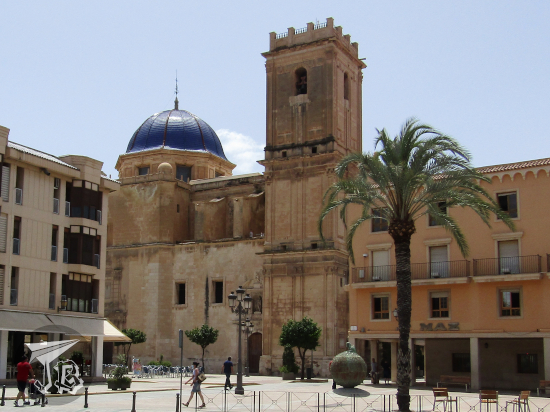
After the museum, we headed off to see the main church Basílica de Santa María, but we had just missed opening times. It stands on the place of the original mosque, and the current building – the third church that has been built – is Baroque. The bold blue dome is typical of the area, found all over the region on towers and churches.

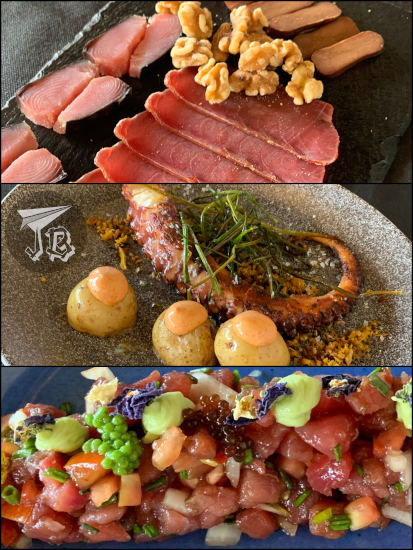
As we could not see the basilica, we just had lunch! After a bit of a banter with an over-friendly waiter we had some fish-based lunch to share – salt-preserved fish bits, grilled octopus and tuna tataki.

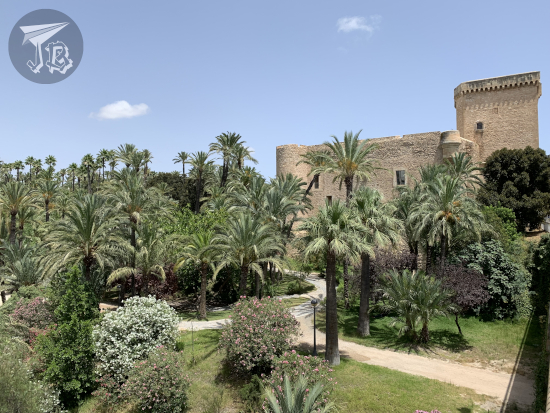
On the way back we got to see a different view from the palm grove and the castle and the palm grove – maybe it looked like this in the old Arab times?

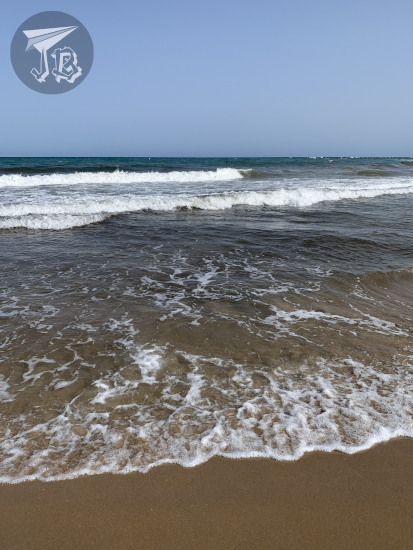
It was too hot to stick around and wait for the museums and church to open up again, so we drove back and after a while I headed back to the beach. This time I reached the end of the sand beach and got to the boulder one at the end of the waterfront promenade.

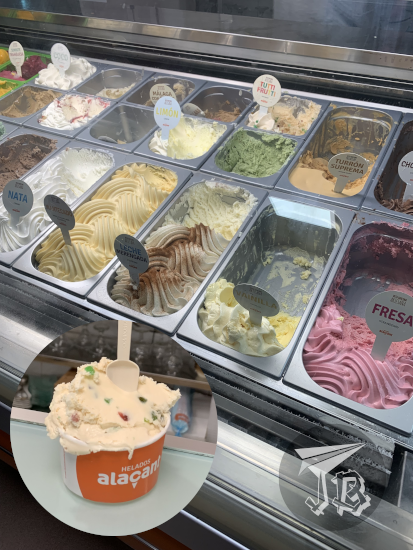
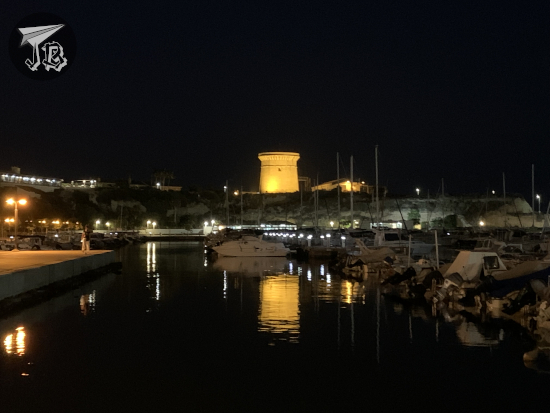
We had a quiet dinner at the apartment, then went out for ice-cream. We ended up walking to the marina, Port d’El Campello and caught sight of the Torre Vigía De La Illeta in the background.

10th July 2021: Not much to report

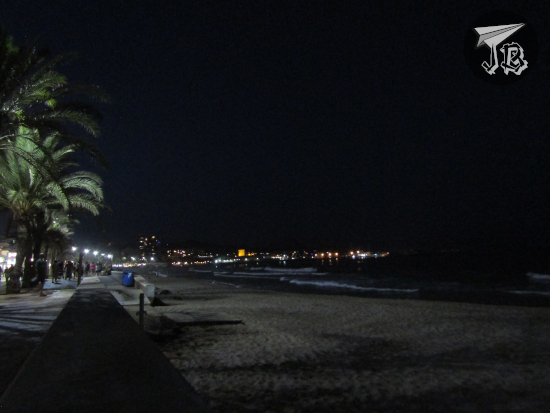
Just some pizza and a night-time walk along the waterfront promenade yielding tries to take artistic pictures without much success.

11th July 2021: The Tower

I woke up with a lovely reaction to the sun – not a sunburn, more like an allergy flare-up (here’s the plausible explanation for that), so we went out rather early for a walk, to then shield from the sun.

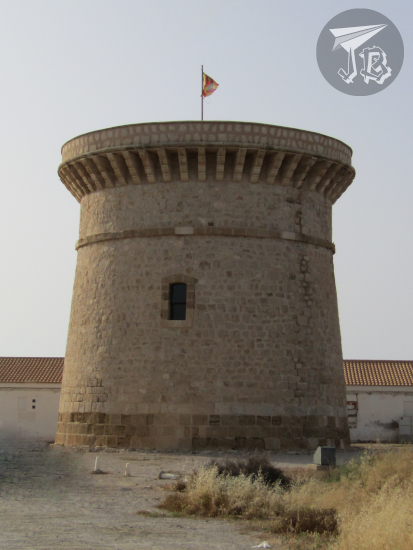
From the Roman times, a number of watchtowers were build along the Mediterranean coast to be on the lookout for pirates. The tower in El Campello, Torre Vigía de la Illeta was built between 1554 and 1557 (and restored in the 1990s), was part of a watch system commissioned by the Viceroy of Valencia at the time. The tower was manned by two infantry and two mounted soldiers – in case a pirate ship was spotted, the former would make smoke signals and the latter would ride to raise alarm in town.

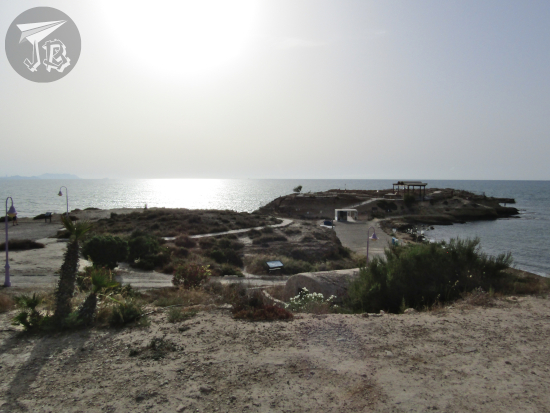
The tower overlooks the marina, the town, and the archaeological site Yacimiento Arqueológico La Illeta dels Banyets, with ruins and artefacts dating from the Iberian and Roman times, but we did not walk to them as it was early in the morning and it was not even open.

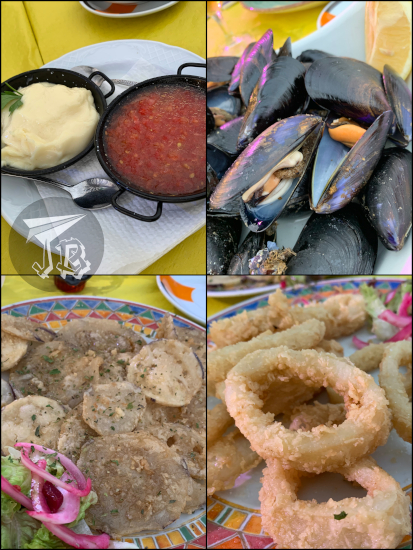
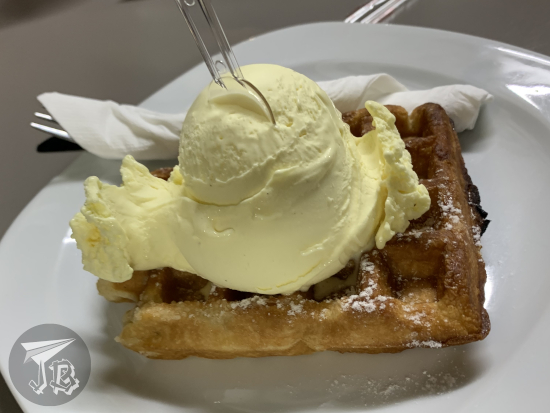
It was hot, so most of the day was spent under the air-con, to later have dinner out – some mussels, more aubergine with honey (not so good this time), and squid rings. But the highlight of the night was the final ice-cream waffle, which is a great, great idea.

And that was it, as we left early in the morning the following day, as soon as we could check out, as the trip is – as mentioned – long.

18th & 19th May 2019: Madrid (Spain) for Jupiter (and fesFE[M]!)

The weekend started extremely early on Saturday, when I took the first bus out to Madrid, and I think I was there around 7:30 to meet my friend C*****. She had been having a rough time and she had asked me to “keep her head off things”. Up until a couple of days before, we did not even know whether she would be able to come to the concert, so I had a whole plan up my sleeve. Unfortunately, a couple of steps backfired slightly. The main event – which we had been planned since the previous December – was Jupiter’s concert for the ZEUS Europe Tour on Sunday the 19th, but we made a whole weekend out of it. I was not actively following Jupiter at the time of the announcement, but C***** and I decided to attend because Madrid is easy and convenient, well-communicated and an opportunity to spend a weekend decompressing somewhere. As the time drew near and we could access more material, the excitement built up – I also managed to find the album they were promoting and it sounded really well, actually.

Her bus arrived earlier on Saturday than mine, and when we met, we decided to have breakfast at the coach station, to catch up and to give shops and so on the time to open up. When it was a reasonable time, we took the underground to drop our luggage at the hotel – the lovely EXE Moncloa. I had selected it because it was near the concert venue, and I hoped that we could hang out the terrace and the swimming pool, which unfortunately did not open until June. After getting rid of the luggage, we rode the underground towards the neighbourhood of Chueca, where I had looked up a bunch of Goth apparel shop which were right up her alley and… did not open at 10:00 as the internet said, but at 12:00.

Fortunately, other shops were already open and we were able to pass the time amicably. We were actually close to the Telefonica building, so I suggested we headed up there for the TeamLab exhibit, which I had already seen, and I thought she might like the digital art.

Teamlab logo and digital art: Waves, butterflies in red and green, and a dripping circle as if it were painted with a brush. All of them are light or bright colours on black.

Afterwards, we moved onto Callao Gourmet Experience for a snack. I wanted to introduce C***** to the Niji Mochi shop, and we also shared a chocolate ice-cream shake.

Mochi and coffee with whipped cream

Afterwards, we were shopping for a little longer before we moved on to have lunch. I had a surprise for her. While I care little to nothing about Korean food, she is a fan of everything Korean. Thus, we hit one of the best Korean restaurants in Madrid, called Seoul. I gave her free reign to order for both of us and we shared, though being honest, the only thing I enjoyed was the green tea at the end.
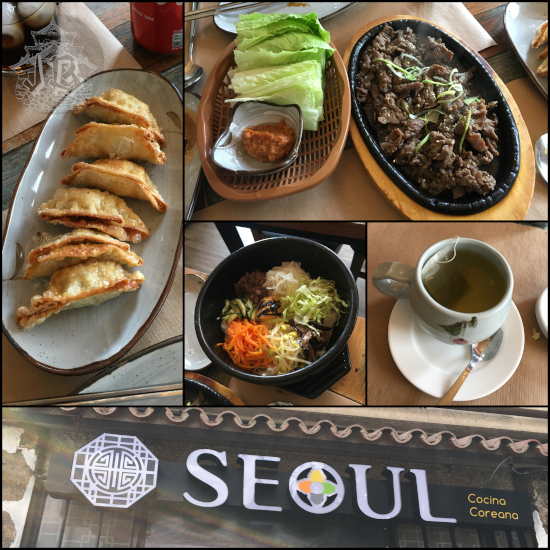
Lunch: fried dumplings, roasted meat, rice with vegetables, and green tea.

After lunch, we went on and found an underground station. We rode towards the Museo Arqueológico Nacional, National Archaeological Museum, although we had not realised that it was museum day so instead of a quiet exhibition I was used to, we had to deal with a ton of families! On the bright side, it was free, though. The museum, which shares a building with the national library Biblioteca Nacional, was founded in 1867, at a time when creating national museums had become popular among European governments. It was the start of the development of archaeology in Spain. I remembered it from the time I was a kid, dark and with wooden floors, but it was recently renovated with wide spaces and modern interiors.

Exhibits at the archaeological museum: bones from a mastodon, boar statue, lady statue, Neanderthal skull, Roman mosaic of an octopus, Horus statue, Iberian stelae, primitive animal that looks like a boar or a bull carved out of stone, Grecian vase

C***** was tired from spending all night in the bus, so we left the museum and headed back to the hotel to finish our check in process and then catch a break. On the way, we stopped and bought a few snacks for the following day because you always have to be ready for a post-concert low.

We had to look for a place to have dinner, and I found a few interesting places. There were not one, but three Japanese restaurants in the area where we were staying. One of them required queueing and sounded quite self-important, so we were left with two options. We decided to try one in the evening and the next for lunch the following day. Thus, I booked a table at the nearby Naniwa. We had some decent sushi, chicken, and takoyaki… then ordered takoyaki seconds because we had a discount (and I was hungry because I barely picked on lunch).

Dinner: sushi, fried chicken, octopus balls, chicken skewers

The next morning, we headed to the venue Sala Copérnico door around 9:00 and upon seeing nobody queueing yet, we went to have breakfast at a nearby café. Then, we walked around the Moncloa park area, mostly chatting, until we went back to the venue – no queue. And later went back to the venue – no queue. And afterwards, we went back to the venue again, just to find there were still no people in the queue.

Coffee and bread breakfast

In the end we ran into the supporting bands went to have lunch to the second Japanese restaurant in the block, Morikaen. It was around 13:30 as we were heading there, and I said something along the lines of “I feel sorry that they’ll arrive and there’s nobody here to greet them”, and as we turned the corner we almost literally ran into the whole crew coming out of the bus. Talk about timing. They looked tired so we just walked by, but we were rather sure that we had been noticed. On our way to the restaurant, we walked past a family all clad in “Sunday church clothes”, and their small girl wearing aaaall white just stared at us – in rock-goth black clothing – with pure envy in her eyes. Here’s to you, little one. You’ll get there too.

Lunch was all right – tuna tataki, tonkatsu, takoyaki. A bit more expensive than the previous day’s dinner, but we also ordered higher-class ingredients and more complicated dishes.
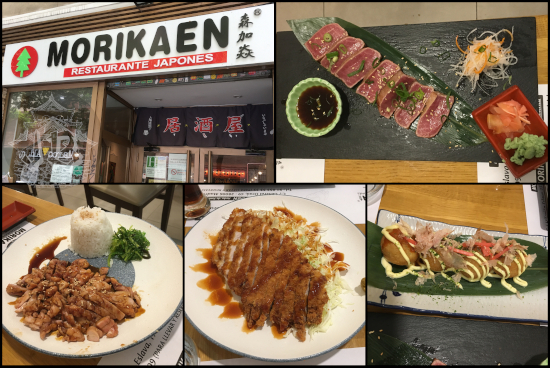
Lunch. Tuna tataki, rice and chicken, breaded pork, octopus dumplings

Jupiter is a Japanese band who define themselves as “melodic metal band”. It could be said that it is a visual kei symphonic power metal, which means they combine a very particular image (or a bunch of images, the most iconic being Hizaki’s Baroque-inspired dresses) with a subgenre of metal that combines hard drumming, metal guitars, and elements of classical music. On the 22th November 2018, Jupiter announced their new album, a Japanese Tour, and a European Tour, ZEUS Europe Tour. Bassist Rucy left between the announcement and the album release due to creative differences, and I really thought they would cancel the tours, but luckily everything went ahead. The remaining members – guitars Hizaki and Teru, current vocal Kuze, and drummer Daisuke were joined by support bassist Shoyo.

Schedule for the tour

There were two promoters involved for this concert. The local promoter, which in Spain was Madness Live, sold general admission tickets – they have a clean and neat webpage and buying from them is easy; I got ours on the 12th of December. The other, Editions Hikari, was in charge of coordination of the European tour, general information, and ticket upgrades. I think they are one of the worst organisers I have ever come across.

Hikari announced those upgrades in January. There would be VIP experiences, on sale on the 14th of February. Besides that there would be two kinds of upgrades, there was no real information about them until a few days before the sale. The best tickets were called “Venus Premium” (40€ face value + 5€ reservation costs) included autographs + handshake + backstage access before or after the show or soundcheck access (if possible) + photo with 1 member taken by a professional photographer (sent by e-mail later after the tour) + priority access to the merchandise, and there were five per show. The “Venus” upgrade (25€ VIP + 3€ reservation costs) comprised autographs + handshake + priority to the merchandise, there were 20 available per show. Getting the tickets was chaotic, but in the end, C***** managed to buy the two Venus Premium tickets we wanted – luckily. A lot of people did not even find out about the option to upgrade. In the end, the backstage pass / soundcheck was not available for any concert in the tour, and the priority access to the merchandise was impossible in Madrid due to the two independent promoters. Either of the VIP upgrades granted the option to buy an “Instax” (Polarid) photograph with the whole band at extra cost.

Hikari’s Facebook instructions were that Venus and Venus Premium ticket holders had to go to the merch booth – to which they supposedly had priority access – at the beginning of the concert. However, as the access to the actual venue was controlled by the local promoter ticket, there was no way they would access the merch booth with any kind of priority unless the managed to somehow skip the queue. Any kind of communication with Hikari was impossible as “they could not check emails, Facebook messaging, nor reply to comments.” However, they still made posts, and that is how we found that the CDs which Jupiter brought to sell at the merchandise booth were confiscated by customs’ officers before the first concert!

On the 10th of May, we received an email form the local promoter, Madness Live, informing us that the door timing had been changed and they were nice enough to send us the following schedule: Doors at 19:00, VII ARC (German support band) at 19:15; fesFE[M] (Japanese support group) at 20:20; Jupiter at 21:30. There was no information on the upgrades, because they had no clue about those, as Hikari was in charge. The day of the concert thus arrived and we had no actual about that, except for rumours and comments of what had happened in previous concerts. That was why, even if there was no queue, we had decided to stick around Sala Copérnico instead of heading into the city centre.

Eventually, after lunch, I decided that I was too tired to keep going up and down the streets, so around 16:00 we settled at the venue doors until they opened so we could get into the chaos that was the concert. At 16:30, other people arrived, so we got talking – that was how we found out that many people had never even heard about the upgrades. Doors opened around 19:00 – without any kind of priority access to the merchandise, nor separating VIPs and GA. C***** and I decided to divide and conquer – she went to secure a spot on the first row, while myself checked in at the merch booth to get the Instax tickets with the whole band.

That is when I saw the lousy, half sheet of paper taped there saying “Venus and Venus Premium ticket holders, gather at the merchandise booth at 20:00”. That placed the “Venus experience” in the middle of the support act, which meant either having very good friends who saved you the first row spot, or sacrificing it. We decided to give the place up and find somewhere more convenient so we could move about. Without holding spots for the VIPs, this was totally unacceptable in my opinion, especially since there had been no early entry, or priority merchandise. A bunch of people who did not want to buy anything missed out on what they had paid for.

The first support band was VII ARC. They were okay, a bit of stereotypical German heavy metal. I can see how they might appeal to the general metalhead crowd, but it feels that they were chosen because “they dress up sometimes”, and Hikari thought they would fit. It is formed by Kay (vocals), Fū (lead guitar), Bena (guitar, screaming), Grazel (Bass) and Z’ev (drums), and they could probably fit a bit on the “visual” style, but they did not bring any distinctive gear.
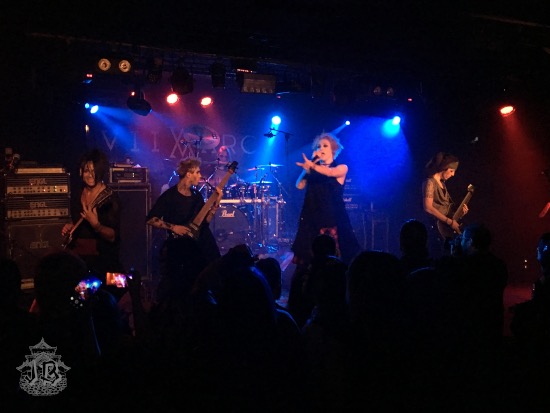
VII Arc playing in Madrid

At 20:00, as fesFE[M] prepared to take the stage, the Venus Premium and Venus ticket holders gathered around the merch booth and we were ushered past a barrier, towards the bar. There, we had to wait for about 10 minutes while the second support act started. A Japanese staff lady with little to no English came to “check” the Premium tickets and “sort of explain” to us the whole thing. First the Venus Premium would be shown backstage one by one for the one-on-one photograph – there were four of us, we never knew if the fifth was never sold, they did not come, or they missed the whole experience. Afterwards, we would come out again and joined the regular Venus for the autographs and handshake, then the Polaroid would be taken for the ones who had bought it. We were ushered past a curtain and the backstage door towards the mess room where the remains of the lunch buffet were.

As I entered, I caught sight of Shoyo, the support bassist, who was sitting down on a low mattress in a room to the left, looking bored. I greeted him in Japanese, and he greeted back. C***** turned to see whom I was talking to and her eyes were wide. I asked Shoyo if he felt lonely, he said a little. Another attendee who also spoke Japanese asked for a picture (beating me to it, actually) but he said he was not allowed.

The conversation died out when it was time to go into the private band area for my picture with one of the members. As I walked in, there was Kuze to my left, Daisuke to my right and Teru and Hizaki in front of me, Teru dead centre and Hizaki a little to the right. I was asked whom I wanted my picture with and chose Teru, as I had long ago decided that I would if I could. He smiled and posed with me, then he shook my hand. I have got to learn to look into Japanese musician’s eyes when I talk to them.

We said good-bye to Shoyo on the way out, and almost left, but it was now time for autographs, handshakes and Instax. I pulled out the CDs I had brought for C***** and myself, and I got to shake hands with all four of them and receive the band’s autographs. Since the CDs the band brought had been seized, we might have very well been the only ones in the whole country that produced some official material for signing. Then, we took the Instax and the staff would ask with a thumbs up sign “okay?” to check the picture was good, before we left.

CDs signed by Jupiter members

All in all, the band was very friendly and amazing, but the timing and organisation was horrid. We lost out first row – despite having “priority access”, and we missed half of the fesFE[M] concert. As Copérnico has two levels though, we found a nice spot at the stairs that connect both, and I could lean against the handrail to watch the rest of the act.

fesFE[M] is a relatively new visual kei band where all the members take up “doll” personas. Their career in 2017 and released their first mini-album in May 2019, just in time to come over to Europe for Jupiter’s tour. For each album / season, the band dons a doll theme, and they were currently on the “horror genre” dolls. The members and their doll types are: Lion [リオン], vocal, Distress Coppelia doll (from the namesake ballet, dressed as a bloody bride); Aito [アイト], guitar, Apathetic Prince doll; Zeno P [ゼノP], guitar, Bloodthirsty Child Killer doll; Toru [徹], bass, Emotional Princess doll; Rensa [蓮沙], drums, Psycho Butler doll; and Jun, keyboards, Scalded Dollmaster doll (dressed as a nun because… reasons?).

The first time I heard a song by fesFE[M], I was not extremely impressed – the PV was a bit too creepy. However, they are really good in person, even with the bad sound quality and reverberation in the venue – and the fact that we missed about half of their act. They were really engaging. The whole visual part was amazing, and the coordination was great! Their music was much more powerful live. The band played some songs from their mini-album enseMble autoMata: Doll in blueberry jam [Doll in ブルーベリィジャム], Arachne ni haitoku wo [アラクネに背徳を], Psychological stolen heart, and Freiya [フレイヤ].
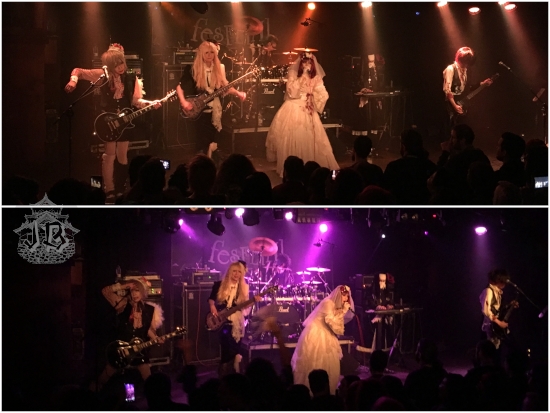
Fesfem live in Madrid

The Jupiter concert was as expected, very energetic and fun – it actually went beyond expectations. Our spot was really good in he end, a bit raised, without getting pushed, and we actually watched the concert next to fesFe[M]’s bass Toru. Sometimes he smiled and waved at us, and we waved back without fail.

Kuze, Jupiter’s vocalist held his ground better than I thought he would be able to. I was kind of impressed when I listened to the Jupiter single Theory of Evolution and later to the album Zeus: Legends never die. While we were expecting the guitar and metal power, Kuze’s voice range in the recording was rather wild, and I did not think that he would be able to keep it up live, especially on a final concert after touring both Japan and Europe. He proved me wring, and he held all his notes and his vocal range, just like the recording. He had practised his English a lot and learnt the MCs, but he switched to Japanese quite often, and he spoke too fast for me to get! He did a great job even with songs that had been released in the previous vocalist’s time.

Daisuke was pretty much hidden by his own drums from where we were, but we did see him bounce a couple of times. Hizaki was on the other side of the stage from us, and he looked divine in his Baroque dress. I don’t understand how he can even move in those clothes, much less play guitar or crouch, which he did so a few times in order to interact to first-row fans. A couple of times I did fear for his safety as someone grabbed either him or the guitar. Most of the songs that were played were his. It’s fun to imagine what he would be thinking when writing “die, die, die, go fuck yourself”, when he presents as such a beautiful and innocent lady, but it surely was fun to yell.

And finally, Teru had a blast. He kept twirling around as he played, his stud-leather coat swirling around him. He played with a huge smile on his face all the time and he gave off the vibes that he was having a lot of fun. He also interacted with fans a lot.
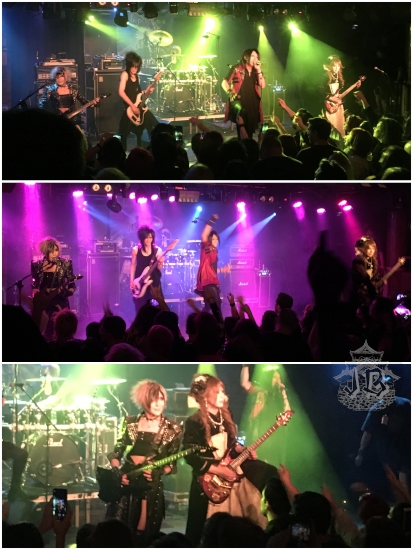
Jupiter Live in Madrid

Setlist:

  1. Arcadia
  2. Last Moment
  3. Angel’s wings
  4. Drastic Night
  5. Bring me out
  6. Show Must Go On
  7. No cry no more
  8. The spirit within me
  9. Tears Of The Sun
  10. Memories of you
  11. B.L.A.S.T
  12. Blessing of the Future
  13. Zeus: I. Legends Never Die / II. Conversations with God
  14. Symmetry Breaking [Encore 1]
  15. Theory of Evolution [Encore 2]

While the concerts were a lot of fun, the whole event was stressful due to the abysmal organisation. I actually feel a bit ripped off, because they did not deliver a lot of what they had sold in the upgrades. At least C***** and I are lucky enough that we managed to get our pictures, autographs, and saw the concert from a relatively good place. All in all, Jupiter are amazing, they were super nice, and so were the guys from fesFE[M]. The concert was great, and we don’t regret going for a second.

After the event, waved at Toru for what we thought was the last time. When lights went on, we also saw Rensa, who stopped for us when we told him he had done a good job. C***** and I decided to pool our money together to buy the CDs fesFe[M] had brought – and not got seized. Apparently, it is typical that the entry-level bands hang around merchandise booths after concerts, and we were lucky enough that they agreed to sign the CDs and take a photo with us. Lion was extremely surprised and nice – or acted so. He complimented me on my poor attempt of Japanese and complied with what we requested.

CD signed by Fesfem members

Finally, C***** and I headed back to the hotel, and we went home the next day – fortunately we left from the same bus station so we could maximise our time together.

Hikari took a few days to send out the VIP pictures, but they eventually arrived on the 1st of June. Getting them was also hard, and amateurish – they wanted to put them in a Google Drive link and post that on Facebook. At least we got them to send them via email, citing European Data protection laws at them… I really, really hope to avoid this promoter in the future, but if I do, I’ll be on the lookout in order not to miss anything.
16th September 2016: Some Madrid (Spain) Museums

I woke up one morning, a silly weekday that I did not have to work for some reason and I decided to wander off and take a day trip to Madrid to see some museums, just because I could.

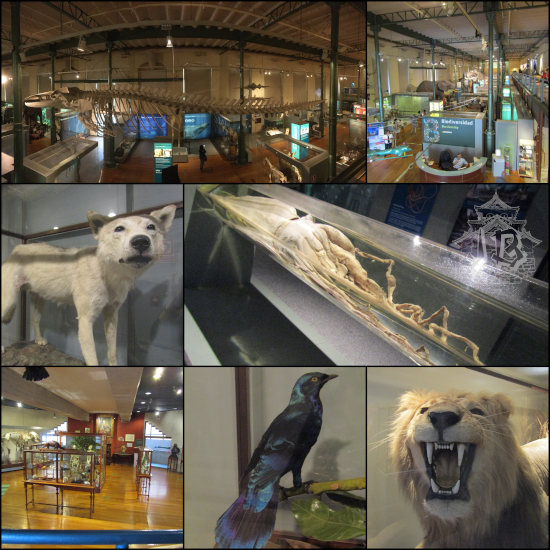
My first stop was the Museo Nacional de Ciencias Naturales, the museum of natural science. The museum is divided into several buildings. The first building holds the “Biodiversity” collection. This includes preserved specimens – in better or worse shape, mostly stuffed, and some skeletons.

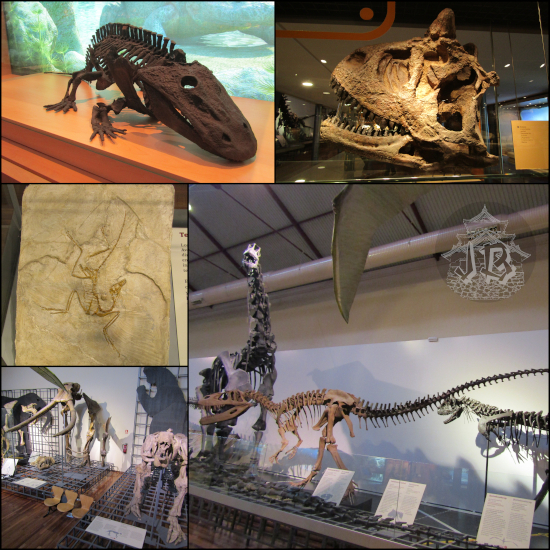
Then I walked over to the palaeontology and mineral museum, where at the moment most of the collection is composed of replica, sometimes it feels that you see the same diplodocus or arsinoitherium (two-horned rhino) skull everywhere. Of course, however, I hunted down every megalodon tooth on site and sight.

After this, I walked around the mineral collection and walked down Castellana Avenue until Colón Square, where I had lunch somewhere before I walked around to see the Museo Arqueológico Nacional – National Archaeological Museum. There were a few things that interested me there.

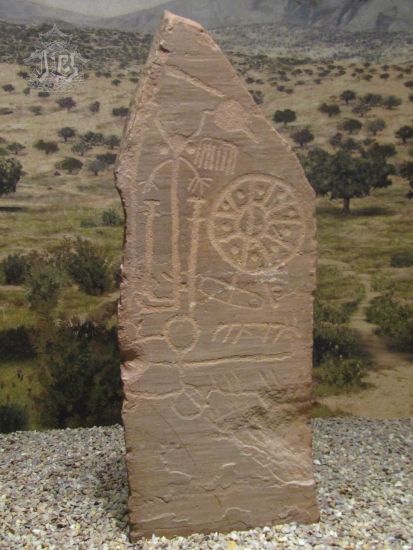
My first goal was to study the Iberian stelæ . Nobody really knows what they are or what their meaning is, but it is thought that they were funerary monuments, maybe of fallen warriors.

An interesting thing to see in this museum is the sculpture of La Dama de Elche, the Lady of Elche, the limestone bust of an Iberian lady dated back to the 4th century BC. It is supposed to be a woman who belonged to the aristocracy that was later revered as a goddess, or maybe a reinterpretation of the Goddess Tanit of Cathage. The back part has an opening, which suggests that it could have been a funerary urn. It was originally polychromated, but it has lost its colours. I really like her expression, and probably due to the Hellenistic influence. I have a thing for Greek sculpture, after all.

A second “lady”, the Dama de Baza (Lady of Baza), stands next to the first. This one still keeps some of its colours. This one is full-body, also carved out of limestone, and it traces back to the fourth century too. This lady seems to have been designed in pure Iberian style, without Hellenistic influences.

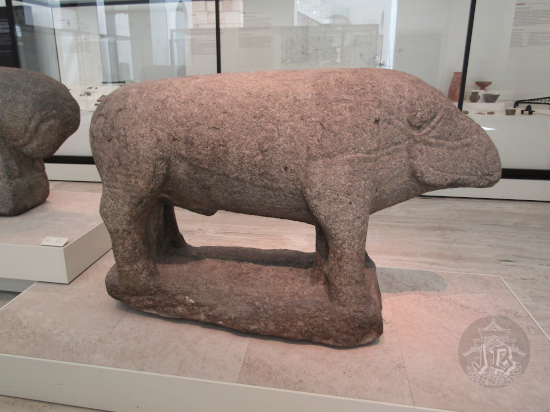
The last key pieces of Iberian sculpture in this museum are the verracos – sort-of headless boars, pigs or bulls (depending on the interpretation), but it is commonly accepted that they are symbols of protection of cattle routes. Most of them are… visibly male.

Once I had seen what I really wanted to see I wandered over the rest of the museum, stumbling upon the currency exhibition, which was strangely interesting.
I walked past the Medieval rooms and then I found the Egyptian area, which is humble, but has some interesting things like the X-rays of a mummified falcon. Finally, I checked out the classical Greek area before calling it a day and making it back home.