14th June 2025: The road to Loarre {Dinosaur Eggs Loarre & Zaragoza, July 2025}

The closer the day came, the more nervous I got. First, there was the drive. It would be a long drive on my own, during the pre-holiday rush, and I had to go around Zaragoza (Saragossa), which has a notorious knot of connections. I had studied the route up and down with both Google Maps and my Sat-Nav. However, I could not control traffic nor other drivers. And secondly, that weekend there had been torrential rain alerts in the area. The last thing I needed was a flash flood.

I pumped fuel before I went to work in the morning as I had a cheap petrol station on the way. When I finished at 15:00, wrapped up, said my goodbyes, and headed off. I had a swing of water and set on the road, with the goal of taking a break in an hour or so. I had over 360 km to drive through, most on the A2 speedway, then a national road, and a final local road. The first 20 km or so were the worst, with lots of traffic and lorries because I was right in the middle of a logistics hubs. For the next 100 km or so, as I went north, I had the pleasure of getting caught in a few “lorry overtaking lorry” instances (sometimes even “lorry overtaking lorry overtaking lorry” ones, when there were three lanes), with the slowest lorry going at 110 kph and the overtaking one at 111 kph on a 120 kph speed limit.

I was surprisingly not tired, but I forced myself to make a stop around 17:30 to have a caffeinated drink and one of the sandwiches I had prepared, then continued on. I found some construction work which created a traffic jam that got us to a near stop for about 20 minutes around 18:00, maybe. I managed the Zaragoza exchange and drove successfully onto the following speedway (A-23) – from there, it was about another hour. When I reached Huesca, the exchange was easier, just a turn left into the national network (A-132). The last 34 km were on the local road (A-1206 – the lower the number, the “better” the road is), and took a bit longer than expected due to getting stuck behind a tractor and a harvester for the last stint. I finally reached Loarre around 19:20. I found a convenient (and legal) parking spot in one of the outer streets, and walked to my accommodation.

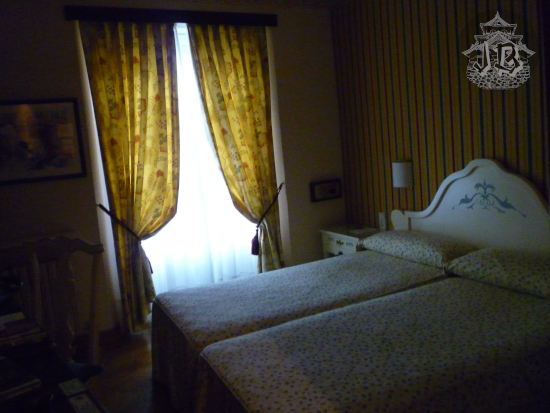
The hotel Hospedería de Loarre is located right in the Main Square of the village, roughly a three-minute walk away from the street where I had parked, and four minutes from the main road. When I checked in, the worker made some conversation and asked me why I was in town. Upon explaining that I had come for the course Técnicas de restauración en paleontología a través de la preparación de los huevos de dinosaurio de Loarre: Palaeontological Restoration Techniques through the preparation of Loarre dinosaur eggs, I was told that I was “the one from close-by”. Considering that I had driven for over 360 km, that shocked me. The worker explained that the previous people who had checked in before me, who were also there for the course, came from Chile and Mexico! I was the one from close-by indeed, and one of the three people from the course staying at the Hospedería. The network Red de Hospederías de Aragón comprises a group of hotels in historical buildings within areas with high tourism potential. The Loarre one is located in a palatial house, the former town hall, which was rehabilitated recently.

After check-in, I went for a walk for an hour or so. I saw the church Iglesia de San Esteban and the cross that marks the end of the village Cruz de Término. I also found the laboratory or “museum-lab”, Laboratorio Paleontológico de Loarre, which is a tiny building painted in bright colours and silhouettes of sauropods (though it shall soon move to a bigger one).
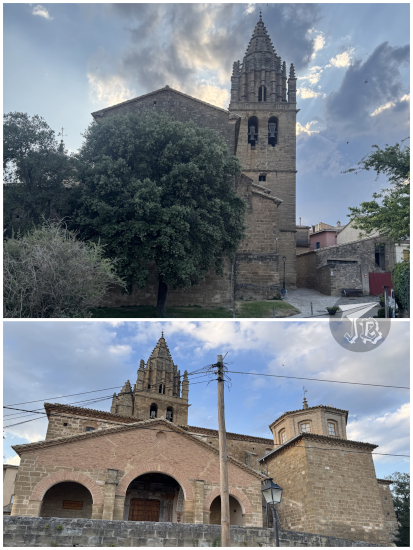
Romanesque church

Building with dinosaurs painted on it, the museum-lab in Loarre

The castle Castillo de Loarre was not too far away (walking route was about an hour). I had visited it before, so I did not need to see it again, but I would have liked a picture of the walls that I was unable to get due to a lack of perspective. Unfortunately, as I considered the hike, a storm cloud rolled by. There was ominous thunder, and a few raindrops fell. If I continued on my walk, I was sure I would get drenched. If I decided to go back, the second I got out of the shower and into the pyjamas, it would stop raining. The area had been on alert due to rain and flash floods all weekend too…

Loarre castle from the valley

A huge thunderclap helped me decide to head back.
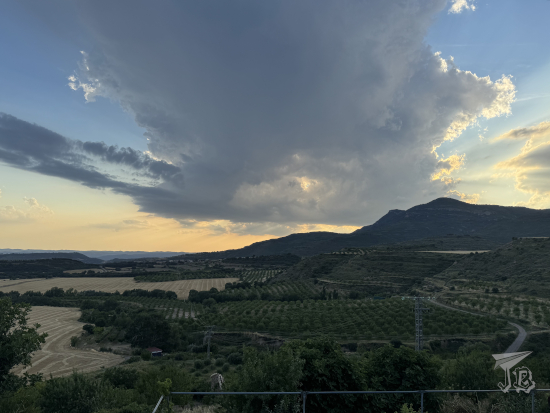
Storm rolling in over the cultivated fields near Loarre

When I pulled up my toiletries, the sun lotion had not been well-closed, so I had to wash all the stuff. At least my chapstick wouldn’t get sunburnt? Then, I headed into the shower, and when I came out, it had indeed stopped raining. However, the cloud was still there, and I did not trust it… Oh, well. There would be other chances, I thought.
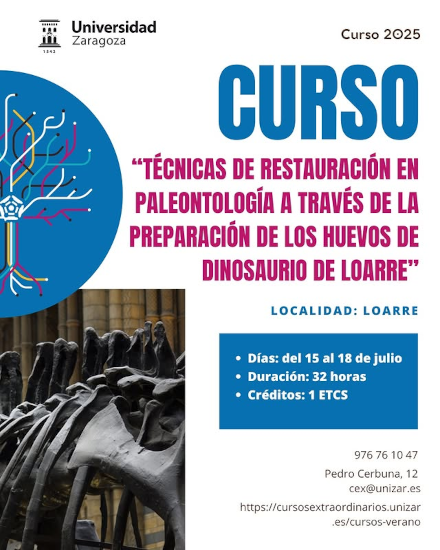
Palaeontological Restoration Techniques through the preparation of Loarre dinosaur eggs

27th & 28th July 2013: Segovia (Spain)

27th July 2013: Echoes of a Roman Past

We took the train early on Saturday and arrived in Segovia in mid-morning. Segovia is a Spanish city of the Inner Plateau, located in the autonomous community of Castilla León. It has gained fame because of its many monuments and landmarks, the main being the Roma aqueduct in almost perfect condition, the cathedral and the castle (which may have served to inspire certain mouse-company for the Cinderella Castle). The city centre has been a world Heritage site from 1985 and the aqueduct received the title of International Historic Civil Engineering Landmark in 1999.

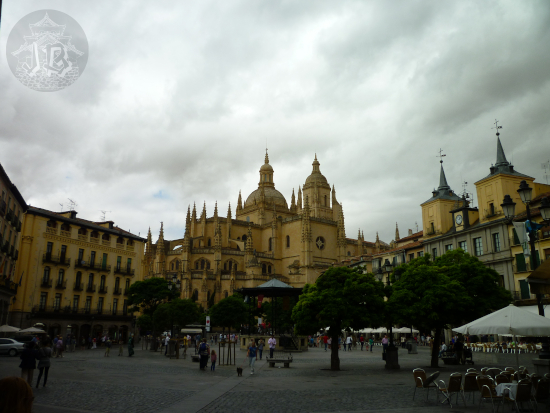
We checked into the hotel, which was dead in the centre of the Main Square and then we visited the Catedral de la Virgen María, the cathedral. The building was constructed between 1525 and 1577 in a late Gothic style that had already phased out in the rest of Europe. We saw the cloister, the chapels and the apse.

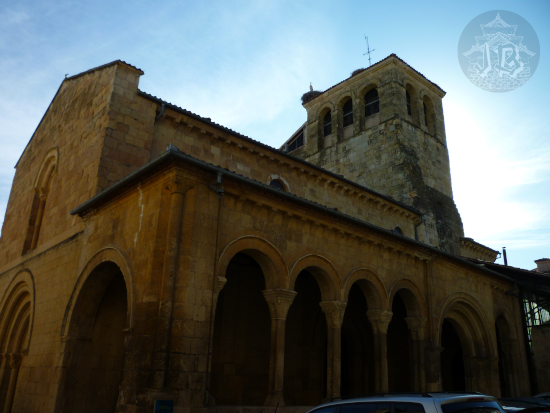
Then we moved onto the Iglesia de San Martín, St Martin’s church, built in the 12th century in the Romanesque style, with a Romanesque-Mudejar tower bell.

We then took a walk around the city centre, and we came across the Palacio de Cascales, a 15th century palace that belonged to the Alpuente Count.

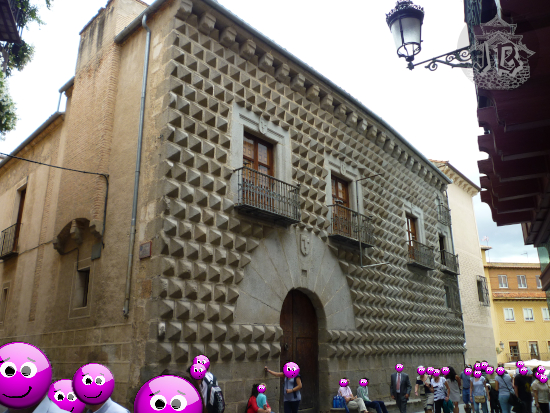
We passed by the Casa de los Picos, the “House of Peaks”, also built in the 15th century.

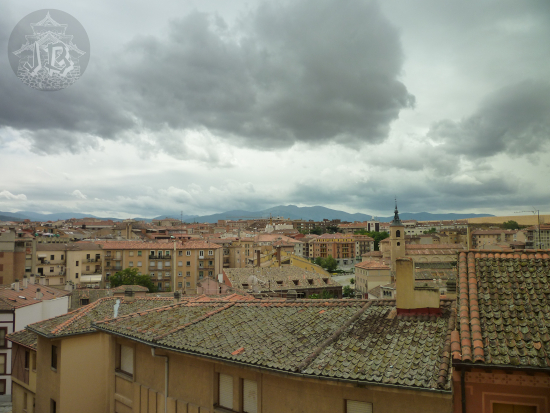
We somehow ended having these nice views of the rooftops of the city, too.

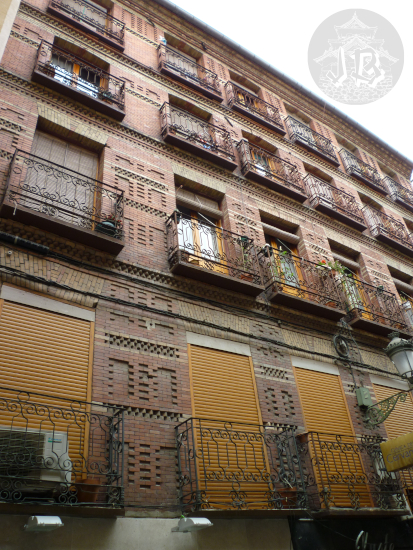
And passed by a very interesting house.

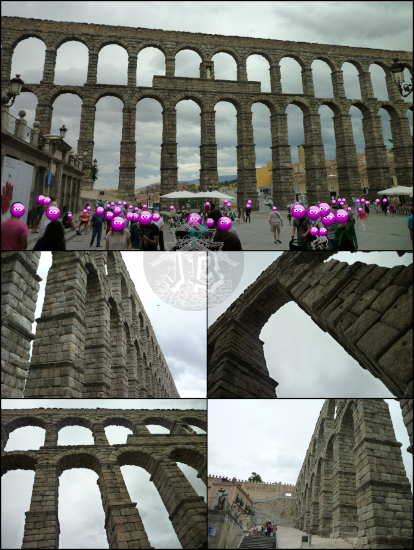
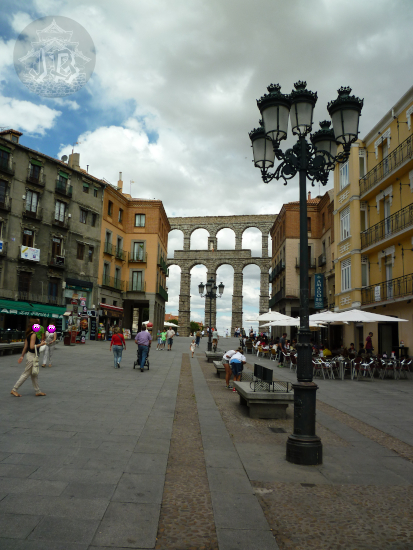
We finally got to the main event, the Aqueducto, the aqueduct. An aqueduct is a “water bridge”, a construction designed to carry water from one side of a valley or a ravine to the other. The Aqueducto was built by the Romans in the late first or early second century. It once transported water from the Frio River into the city, and it ran for a whooping 15 kilometres. It is one of the best preserved aqueducts in the world, as it was reconstructed several times through history, and it was working to get water to the city up to the 19th century.

We passed by the Casa de Ejercicios del Seminario one of the buildings of the Seminary.

We reached the Main Square, the Plaza Mayor again.

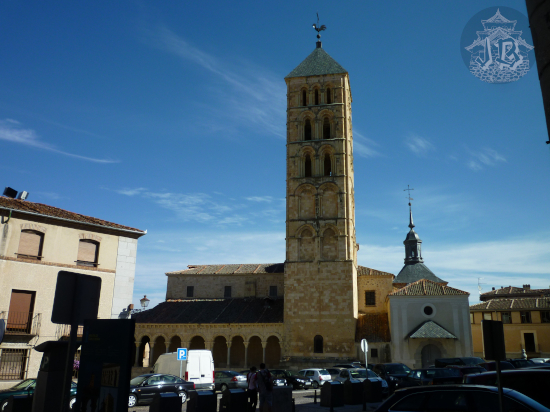
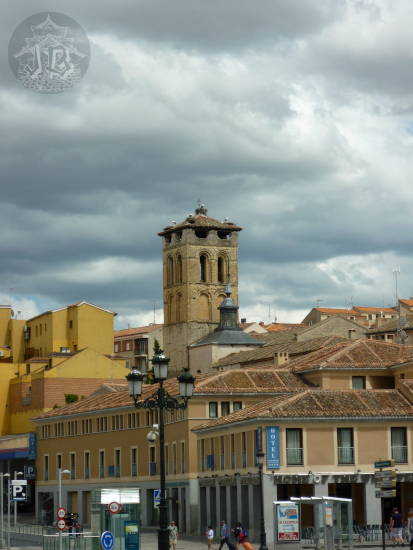
And saw the Romanesque Iglesia de San Andrés, St Andrew’s church, with a particularly nice bell tower.

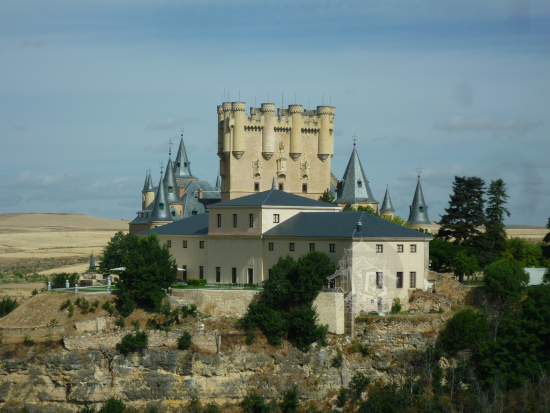
After this we decided to take a break and have the typical pork meat lunch. Then we moved on towards the Alcázar. An alcázar is a type of castle or fortress built during the Muslim rule in Spain and Portugal. The Alcázar of Segovia has been through several redesigns and renovations, but it is a pretty impressive building. The current form was reached during the reign of King Alfonso VIII, so it dates from the 13th century, but it was retweaked by several kings and queens after that. It was the royal residency until the Spanish court moved to Madrid in 1561.

On the way we could see some views and the Iglesia de la Vera Cruz, the True Cross Church.

The Alcázar is quite an impressive building, in Herrerian style, with impressive towers. Part of it is a history museum the other part is a military museum.

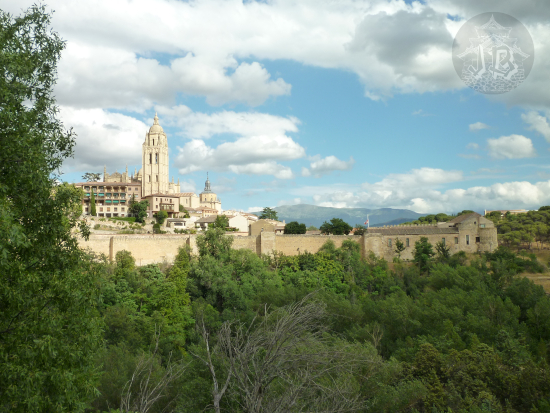
It also offers nice views of the cathedral from the other side.

We walked back to the city centre and along the aqueduct again.

This trip was in July, and scorching hot back home, so we had not considered much of a temperature change. Unfortunately, Segovia in the late afternoon became more than chilly and we had to walk into a random shop to buy a thin jacket, then headed off to the Plaza Mayor.

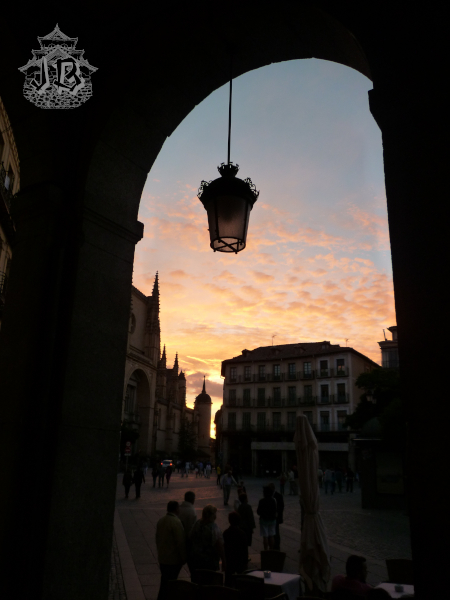
Funnily, when we were having dinner there, someone warned us that the shop assistant had left the alarm tag on my jacket! That was amusing. We called it a day heading off to the hotel, and being duly impressed by the illumination put in place for the cathedral.

28th July 2013: Churches while the city sleeps

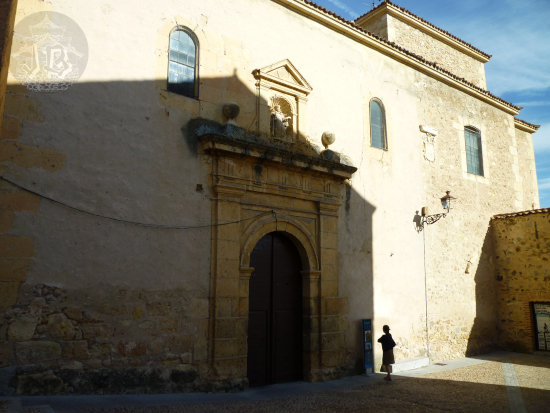
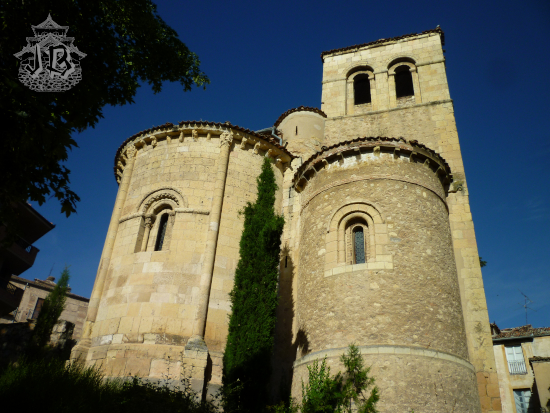
On Sunday morning, most everything was closed, so we took a strolling tor if the Medieval area, and saw a bunch of churches from the tenth and eleventh centuries:

Iglesia de la Trinidad (Trinity Church).

Convento de las Carmelitas Descalzas (Barefoot Carmelite Monastery).

Iglesia de San Nicolas (St. Nicholas’ Church)

Iglesia de San Quirce (St. Quirce’s Church)

Iglesia de San Esteban (St. Stephen’s Church)

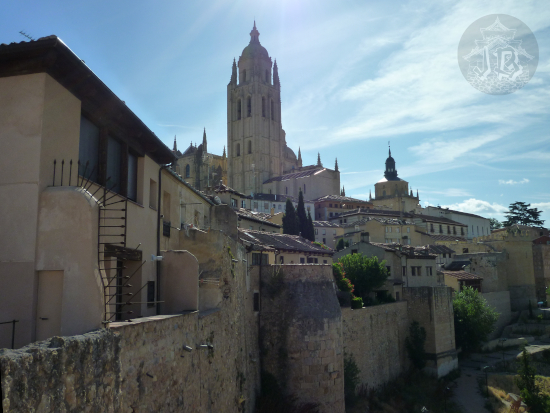
We also had yet a different view of the Cathedral.

And we could see the Alcázar in all its glory.

Then we returned to the city centre, where we caught a glimpse of the Iglesia de los Santos Justo y Pastor (St. Just and St. Pastor’s Church).

We had lunch and said one last good-bye to the Aqueduct before we headed back to the train station.