4th August 2020: Meanders and Curves {Spain, summer 2020}

The area we were visiting that day, called Ribeira Sacra, is sprinkled with Christian monasteries [mosteiros] and churches [Igrexas] in the Romanesque and Gothic styles. These religious sites became commonplace during the Medieval times, along the way that leads up to Santiago de Compostela, an important Christian pilgrimage site. The route is called Camino de Santiago (St. James’ Way).

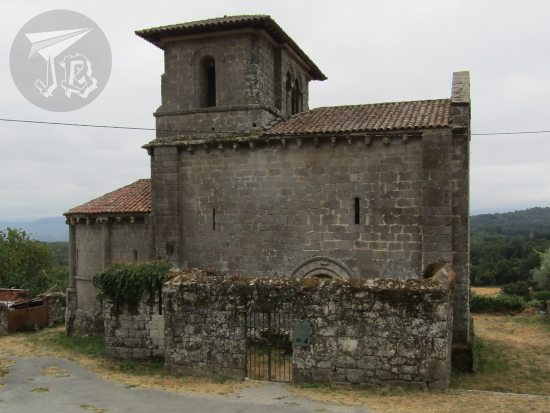
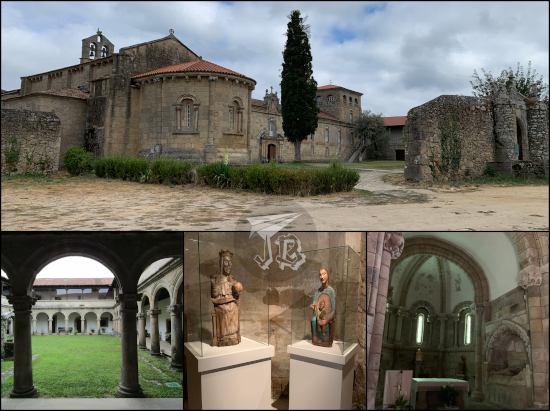
We started off with a fierce battle against the car’s sat-nav as it refused to take us to our first stop, the church of St. Michael in a tiny hamlet. I managed to trick the navigator and we arrived at the Iglesia de San Miguel de Eiré only a little later than expected. The church is small and it was built in the Romanesque style, which is common the Ribeira Sacra. The church was built in the second half of the 12th century, and has a remarkable archway. Back in the day, it belonged to a monastery.
Afterwards we backtracked to what is probably its successor – another monastery, the Monasterio Cisterciense del Divino Salvador in Ferreira, which was built in three styles – the church is Romanesque (12th century), the main building and the walls are Baroque (18th century) and the inner cloister is Renaissance (16th century). There are also two Romanesque wooden sculptures.
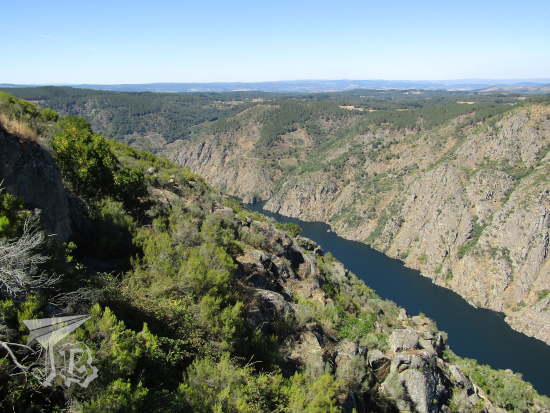
Then we set off towards a salad of curves the heart of the Ribeira Sacra, the area of the River Sil where the water has excavated a deep canyon – well, ish. There was a lot of tectonic activity going on in the area a long time ago that helped the development of the river canyon, the Canón do Sil. It is dammed at the moment, which has made the river depth increase.
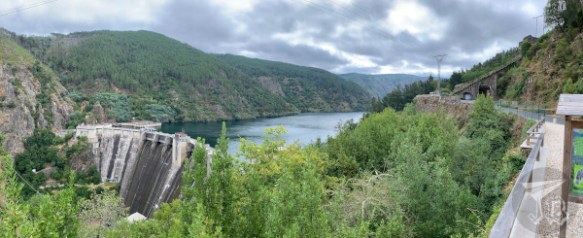
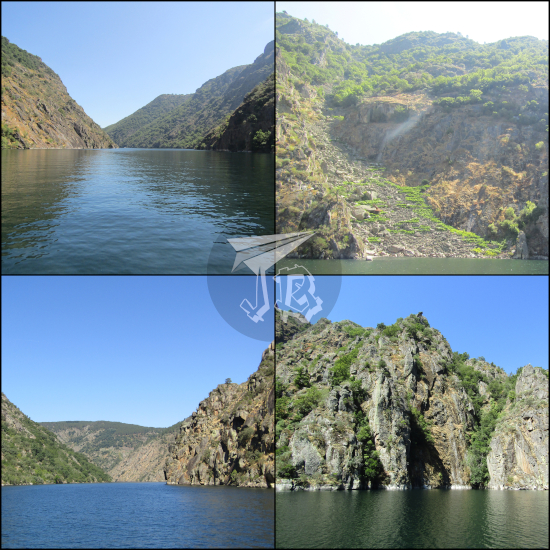
We had booked a “cruise” in a “catamaran” that turned out to be a plain-old boat and way too packed for my peace of mind. Fortunately everybody wore masks, we had the N-95 that protect both ways ones, and used a lot of hand sanitiser – my nails are really, really off due to the use and abuse of hand sanitiser. We sailed off the wharf Embarcadoiro do Santo Estevo and the views were pretty nice. Both the narrator and narration not so much, though the bit about the “special” vineyards perched on the canyon walls was interesting.
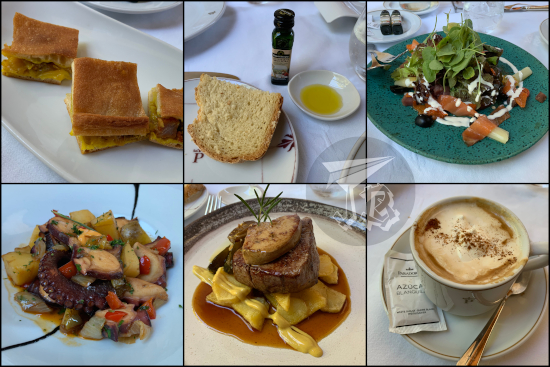
After a ninety-minute sail, we disembarked and took the car again to drive to the Parador de Santo Estevo to have lunch (cue stamp number three), where I tried the local beef with foie, while the rest went for the octopus.

Then we took a stroll down the Parador, which is an old monastery that has not one but three cloisters, as the Monasterio de Santo Estevo de Ribas de Sil has existed since the tenth century and buildings have been added. Two of the cloisters are Renaissance and the third is Baroque / Gothic.

Finally we stopped over at the church, whose interior is late Romanesque but with a later façade (and a very Baroque altar).

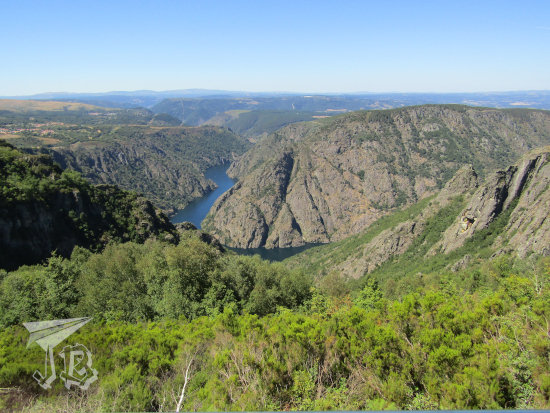
And then we went back to the curves. Lots and lots of curves. The road ran along the canyon, so we stopped over at a couple of viewpoints to observe the canyons – Miradoiro de Cabezoás:
Miradoiro Balcones de Madrid:
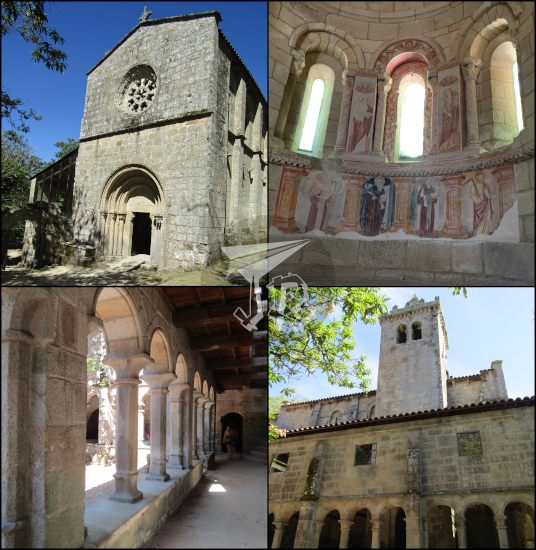
Then we continued onto the ruins of another Romanesque Monastery, Mosteiro de Santa Cristina de Ribas de Sil, with some very nice paintings and a very pretty cloister.
Afterwards we drove back up the road and we found another viewpoint Miradoriro Xariñas de Castro (a.k.a. Miradorio A Mirada Maxica) for more views of the canyon.

We continued to the monastery Mosteiro de Santa María de Montederramo, where we had booked at 19:00 but could join the 18:00 visit instead. Shifty, I know, but we were there at 18:04 and… yeah. Not really worth the wait, even though the Gothic church and cloister were neat, even if a bit unkempt.

And as we were finally driving back towards Monforte de Lemos, we came across the castle Castelo de Castro Caldelas, which was actually on the planning for the next day but we thought we would… how to put this… avoid some curve-driving if we took the stop.

All in all: 135 km driving; 6.96 km walking; around 20 km sailing; hundreds of curves.

3rd August 2020: On the road again {Spain, summer 2020}

After having to cancel London and Greece, we decided to try to at least take a few-day’s worth road trip within Spain as some sort of consolation prize. We were, of course, very careful, using a lot of hand-sanitizer and never taking off our face masks except within the car, hotel rooms or when we were eating – strictly so.

We started off just in time so we surrounded Madrid right after rush hour so we did not get caught in any traffic jams. We drove northwards towards Medina del Campo, a town which played an important role in Spanish history, specially around the time of the Catholic Monarchs and their direct descendants. We were there at 11:00 sharp, right at the time when the castle Castillo de La Mota opened to visitors. Mota is the Spanish word for motte, which is a raised area of ground where a castle keep, and a walled courtyard or bailey, are built. They are protected by a ditch and a palisade. These castles are thus called motte-and-bailey castle. In particular, the castle of La Mota is made of red brick, typical to the area, but it is heavily restored today. The visit included the outer building, the yard and the chapel of St. Louise.

We stopped for a quick lunch at the Parador de Puebla de Sanabria. Paradores is a Spanish brand of state-owned hotels and restaurants which have a good reputation all around the country. In our lunch stop, I got my stamp passport because I can find stamp rallies wherever they are (≧▽≦), and Paradores has launched one.

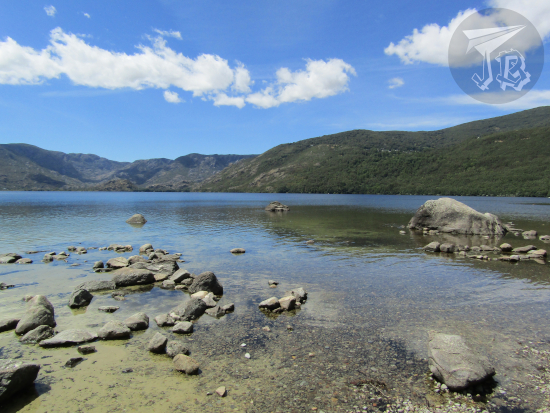
Then, as we were a couple of hours ahead our very informal schedule, we decided to take a small detour and check out the Parque Natural del Lago de Sanabria y alrededores, the natural park that surrounds the biggest natural lake in Spain, Lago de Sanabria. It is also one of the few, if not the only glacier-origin lake in Spain. It was full of people swimming and sunbathing, but the landscape was still beautiful.

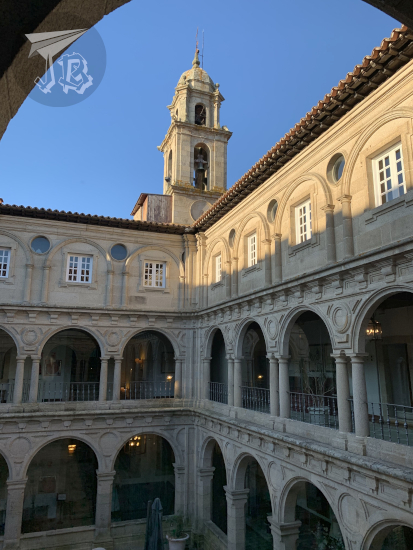
After lounging for a while we continued on our way towards Galicia and our destination, Monforte de Lemos. We stayed at the Parador de Monforte de Lemos, situated in the Monastery Monasterio de San Vicente do Pino at the top of a hill. It is part of a monumental compound, along with the former castle Keep and the palace of the former Count’s family, Palacio de los Condes de Lemos . Due to some kind of fluke, my room was doubled as “supreme” and the door came out to the actual cloister of the monastery, which was super-cool! (Also: Stamp number two)

We took a short stroll down the village, and we passed by the small sanctuary to the Virgin Mary’s image Santuario de la Virgen de Monserrat.

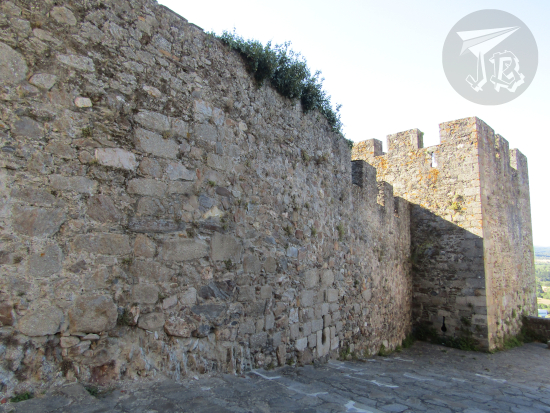
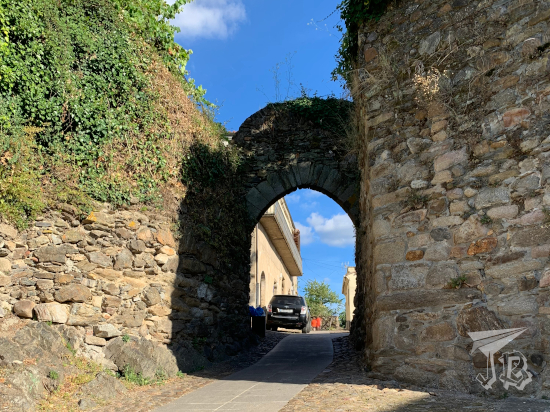
Then we saw the walls and the old gates.
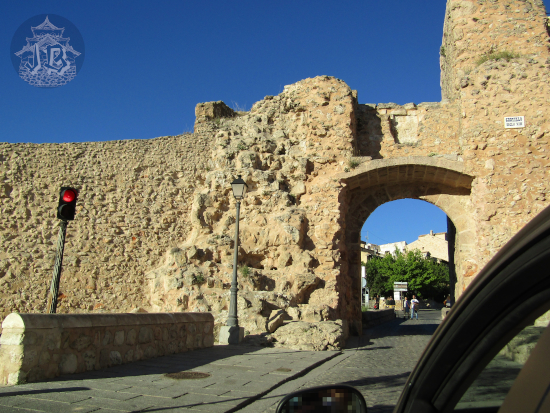
Finally, we went back to the hotel to have dinner over there. Our choices included trying a species of scallop I had not tried before, the zamburiña, variegated scallop (Chlamys varia). We also tried the local pie, empanada. For dessert, they had a ‘variety of chocolates’.

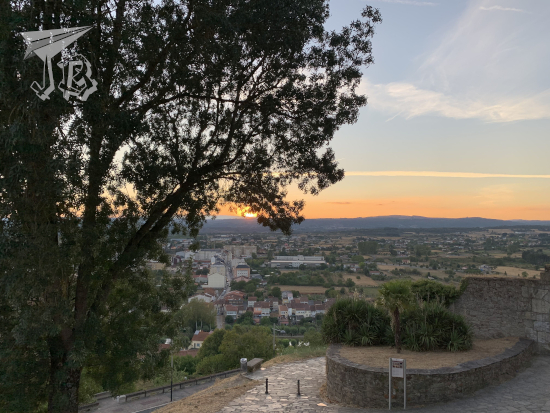
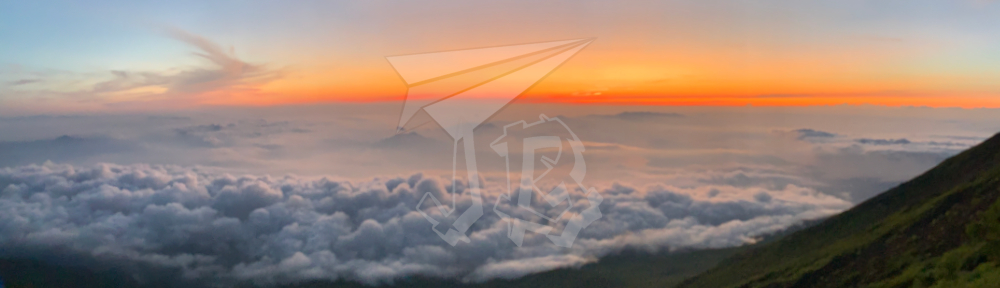
The day finished watching the sunset before turning in for the night.

Driving distance: Aprox. 600 km
Walking distance: 5.02 km

23rd & 24th April 2019: El Escorial, Vizmalo & Lerma (Spain)

23 April 2019: El Escorial

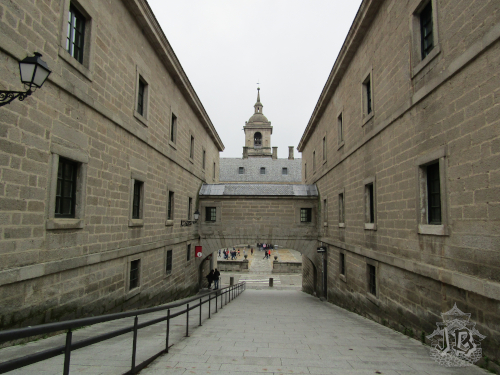
The Royal Site of San Lorenzo de El Escorial aka Monasterio y Sitio de El Escorial is located a shy hour away from Madrid. It is most known for the Monastery that used to be an official residence of the King of Spain. The Monastery was built between 1563 and 1584. It is the masterpiece of the Spanish architect Juan de Herrera, after whom the Herrerian style, a sub-style in the Spanish Renaissance, was named. The building is a sober building made of a granite, and it is the burial place of most of the Spanish kings and queens. Some urban legends say that it was based off the descriptions of the Temple of Solomon.
We drove in around 9:00, dropped off the luggage, and went out, as we had tickets for 10:00 – although the hotel did not want to let us in. Contrary to the nice weather that we had been enjoying, it was cold as hell. The whole town felt grey and sober, and the cloudiness helped the mood – we had breakfast at a nearby bar (the only one open) and headed off to the monastery. The building hosts many artworks, along with a chapel, the royal pantheon and the most amazing library ever. Pictures in the inner areas are forbidden, unfortunately. The Monastery is a Unesco World Heritage site.

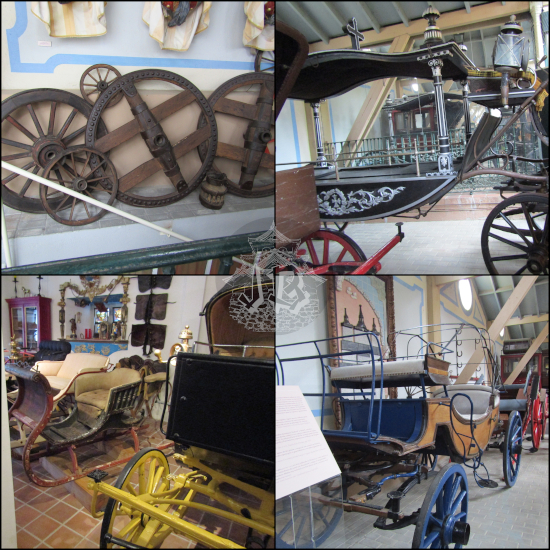
At lunchtime we walked out of the Monastery and headed off to the Royal Carriage House / Cocheras del Rey, a museum / restaurant. We had lunch, then visited the museum as the entry was free with lunch. It was raining like mad by then so we headed to the hotel to finalise the check in.

After an hour or so the rain had stopped so we decided to walk to the Prince’s House and Parks / Parque y jardines de la Casita del Príncipe. By the time we arrived it had started raining again – pictures were not allowed inside of the house either, but OMG was the inside Baroque, with flashy wallpapers.

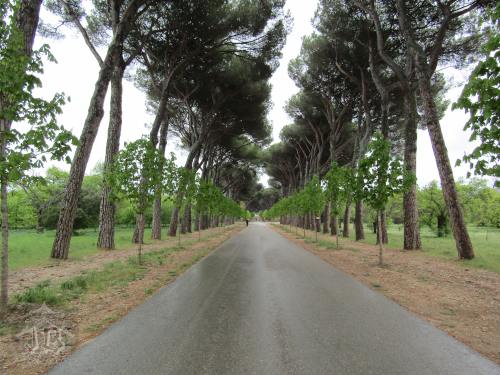
On the way back, we could catch a glimpse of the monastery through the park. By now it was raining like crazy, so we spent the rest of the evening indoors.

24 April 2019: Vizmalo & Lerma

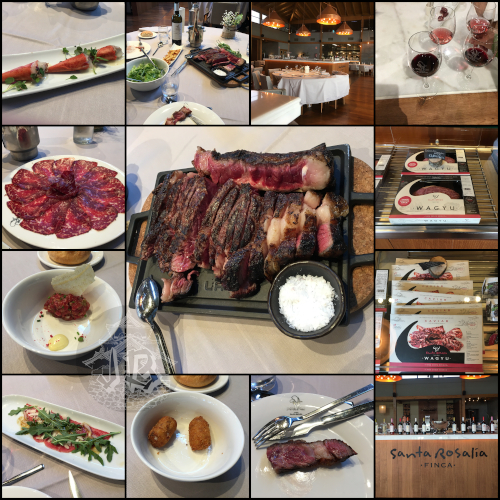
We left El Escorial early in the morning and we headed north for lunch. Yeah, well, let me explain. We had a reservation for lunch some two-and-a-half hours away, in Vizmalo (Burgos). This was a bit of a silly whim, but we were going to visit an estate / farm and have lunch there – the St. Rosalia Estate / Finca Santa Rosalía breeds wagyu for meat, and holy are they yummy. We had a booking to see the estate first.

While it was still cold, the weather was slowly improving, and in evening we had some sun. We saw the orchards, the grapevines, the cattle, the trees and so on. Then we moved into the wine cellars and saw the barrels, before we tried the wine and some of the meat-dishes that they prepare and sell. The selling point of Finca Santa Rosalía are the wagyu, cattle of Japanese origin. Wagyu meat is completely different from any other beef because it is soft and tender, and in general delicious.

Lunch was brilliant, based, of course on the wagyu meat. The T-bone was scrumptious and even if it was on the “a lot of money” side, it did not feel too expensive for a once-in-a-lifetime experience considering the amazing quality.

After lunch we drove off towards Lerma, a city which was revamped by the Duke of Lerma back in the 17th century. After finding our hotel and dropping our stuff off, we walked to the Duke’s Palace turned luxury hotel: Palacio Ducal & Parador de Lerma.

We walked around and came across the Mirador de los Arcos / Archway Viewpoint.

Then we saw Colegiata de San Pedro / St. Peter’s Collegiate church, where there was a religious exhibition being held (“Las Edades del Hombre”), with the topic of angels. Pictures were not allowed, or we would have shown you a few… interesting representation.

Sunset crawled upon us and it was nice view. We had dinner somewhere around the town centre, and called it a night before we drove home the following day.

6th & 7th May 2017: Cuenca (Spain)

If I ever go missing, especially with my car, don’t go around looking for me in Cuenca . I would have a nervous breakdown trying to drive through the streets and slopes. I’m not sure what time we arrived, maybe mid-morning. We had a reservation to have lunch at the Parador. However, to get there we had to drive up a horrible, horrible hill with a terrible paving and park too close to the cliff so #no.

Cuenca is considered a World Heritage City. It has a classical, mostly Medieval area, and a normal / standard area surrounding that. The inner cluster is virtually carless as the streets are narrow and steep. It is perched on the Huécar Gorge and as you can see, a vertical rock wall.

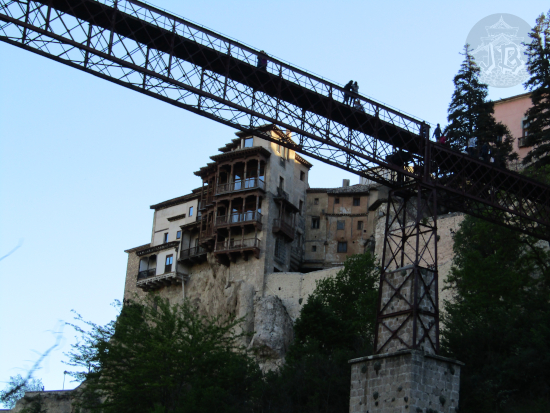
We had some time before we had to go for lunch, so the first thing we did was go have a look at the Casas Colgadas, the hanging houses that overlook the Huécar Gorge. Inside there is a contemporary art museum that I visited once already so there was no incentive to look again – you know, the kind of abstract art that showcases a plus-symbol and you’re supposed to interpret.

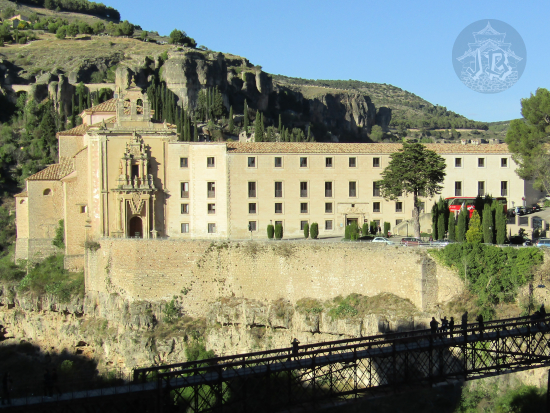
We had lunch at the Parador de Cuenca. A Parador is a high-end state-owned hotel usually with a good restaurant. More often than not, a Parador is located in a renovated historical building. This one is a former monastery, and the restaurant is located, if I remember correctly, where the original dining room would have been.

Main dishes were forgettable (and not photogenic) but the curd or “cuajada” for dessert was to die for – and it came with a lot of extra goodies.

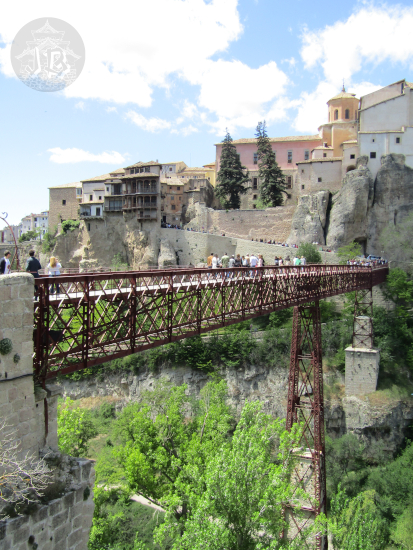
In order to get to the town centre you have to cross the scary, scary bridge aka the Puente de San Pablo, St Paul’s Bridge, over the gorge, but I survived – without a freak-out (≧▽≦) and you might be aware that I am not a fan of heights.

We had lunch, then moved (over the scary scary bridge) on to see the Museo de las Ciencias de Castilla la Mancha, the Science Museum of Castilla La Mancha – unfortunately the dinosaur area was closed, so we “only” got to see the super steampunk clock and the energy wards, and the tornado simulator, along to some kind of reproduction of the International Space Station.

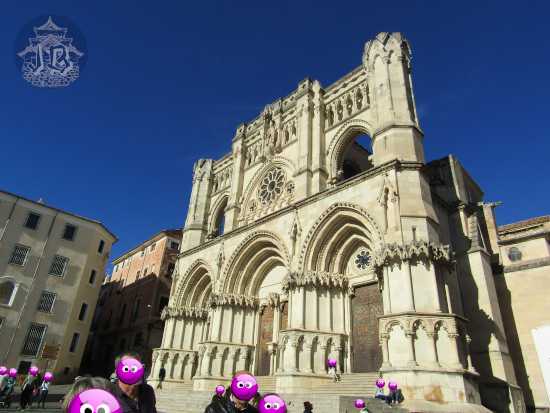
After the museum we walked a little around the town. We went to the cathedral, Catedral de Santa María y San Julián de Cuenca, but it was closed due to some religious service or another. I mean… that’s its main purpose I guess? (≧▽≦)

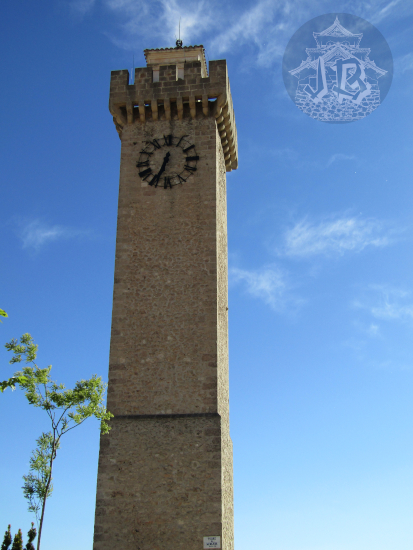
Then we found the Torre de Mangana, Mangana Tower, a clock tower dating from the Sixteenth Century. From underneath the tower there is quite an impressive sight of the area surrounding the city.

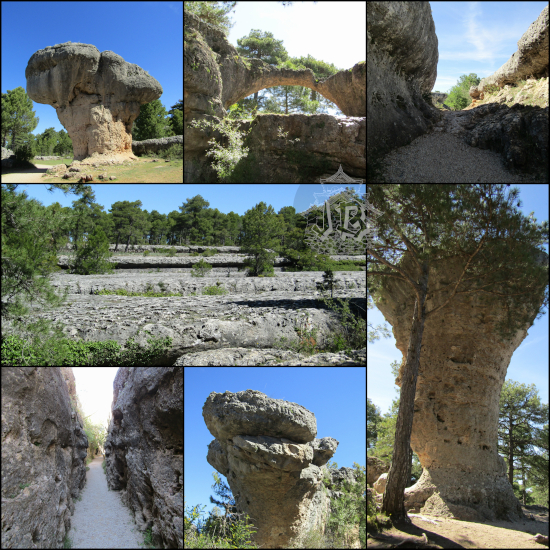
We went back to the car and we had a drive around the city. Cuenca is located in the middle of a karst area. Karst is a type of landscape formed by the dissolution of soluble rocks e.g. limestone or gypsum. You can see how the rock seems to be “molten” among all the pines.

We reached the Castillo and Murallas (castle and walls) on the other side of town but we had to drive back due to the streets being cut for the same religious event we had run into before.

Thus, on our way back, we drove at the bottom of the Huécar Gorge and headed back to the hotel.

This was about six or seven in the evening, and we did not go out again because we were way outside town. We had dinner in the hotel and called it a day eventually. I ordered the kids’ menu because everything else was too fancy and abundant.

The next morning we woke up early to visit the Ciudad Encantada / Enchanted City. This is another karst topography which has somehow become very famous. Some of the rocks have interesting forms, and have been given names. It is a sort of geological park formed by rain falling on the rocks and dissolving them for millions of years. The original rocks were a mix of of limestone and dolomite in different proportions, which ended up dissolving in different shapes.

After walking around for a couple of hours we went on our return trip.

10th – 12th October 2014: In Leon (Spain) with Family

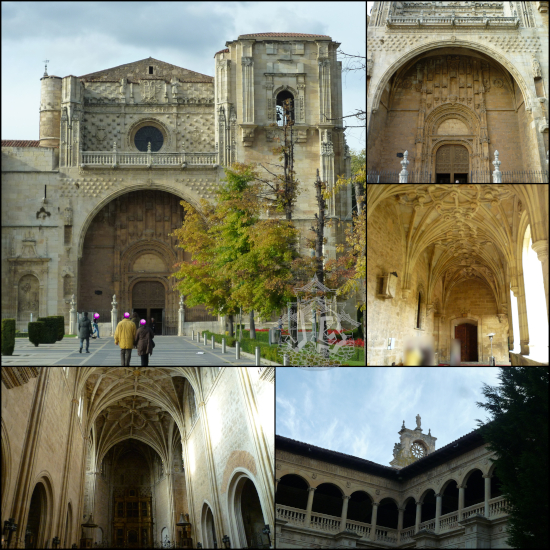
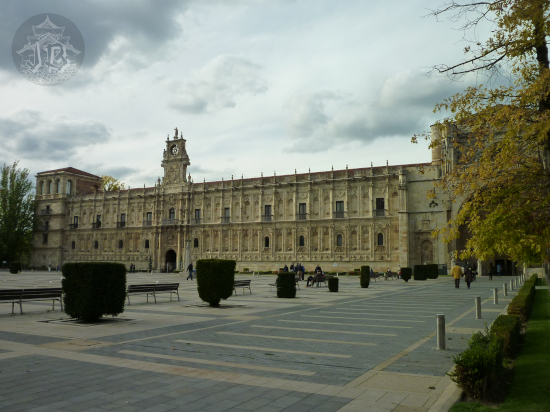
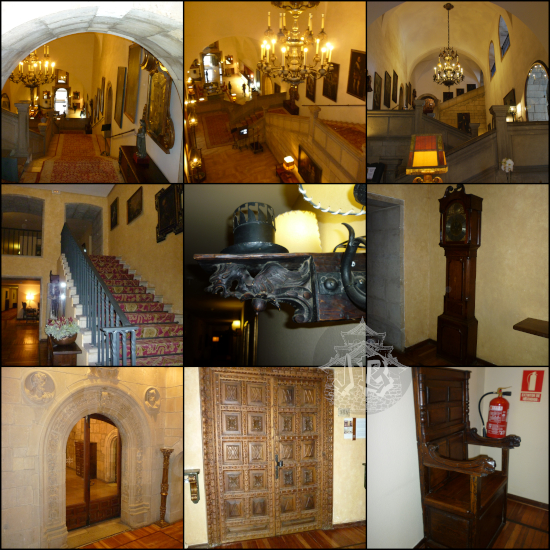
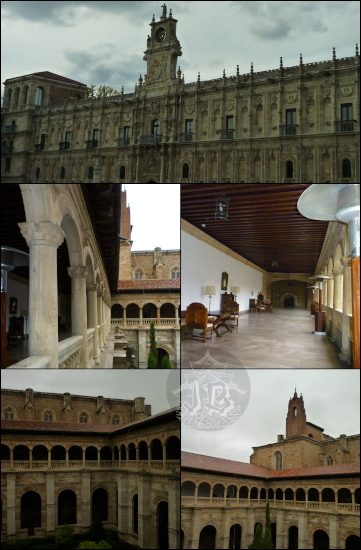
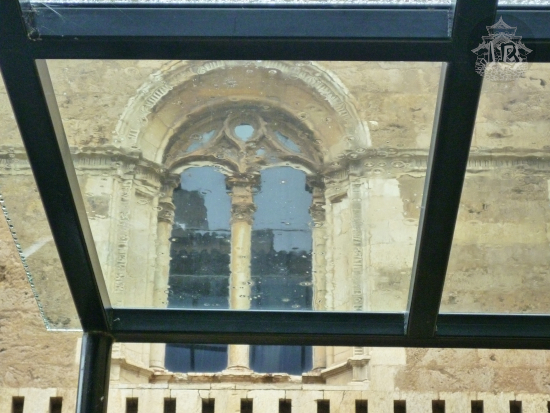
The year my father retired we went to have a nice weekend out, and we chose to drive to León, a historical city towards the north of Spain. I had to work on Friday afternoon, so we drove off in the early evening and reached Leon after dusk. We were staying at the Parador, called Hostal de San Marcos for a couple of nights. The building was luxurious, it was one of those one-in-a-lifetime experienced. The hotel is a former convent built in the 16th century, and it distils magic.

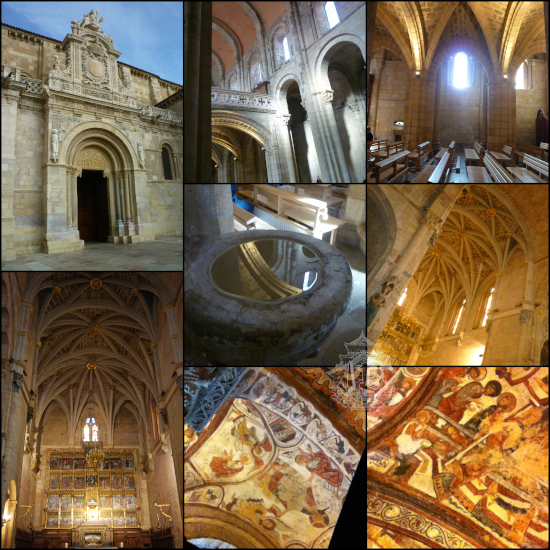
On Saturday morning we set off to visit the Basílica de San Isidoro de León, a Christian church dating from the 10th century. It is famous due to the 12th-century paintings that decorate the Pantheon of the Kings of León underneath the church.

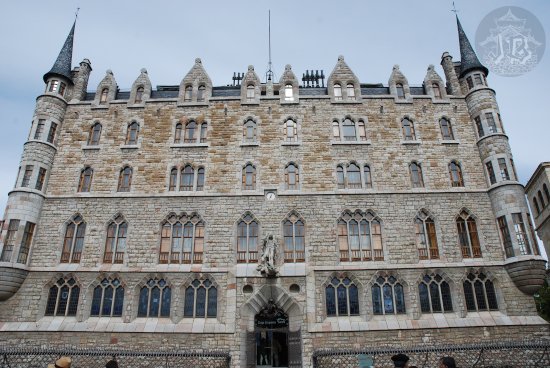
After this, we walked into the town centre and we came across the Casa Botines, a Modernist-style building erected by Gaudí, now a bank.

A bit further we saw the came across the local seminary, the Seminario de San Froilán.

We went on and found the local farmer’s market, the Mercado Tradicional de Productos Agrarios, which was in the Main Square of the city.

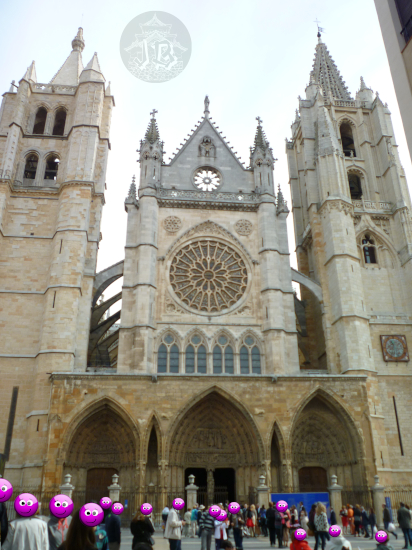
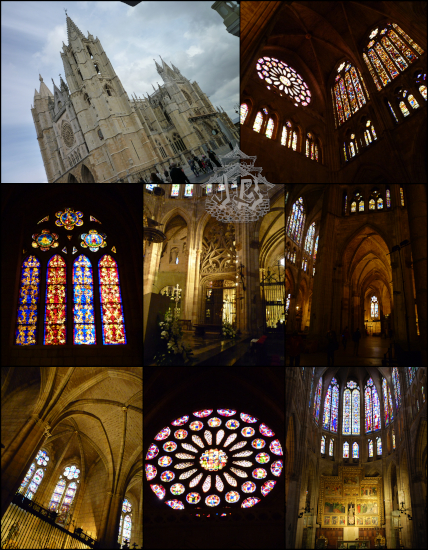
Finally, we circled back towards the cathedral, Santa María de León, a Gothic building built in three steps – the main building was built all throughout the 13th century, the north tower in the 14th century, and the south tower in the 15th century. The difference in the towers is easy to spot (≧▽≦). One of its key features are the stained-glass windows.

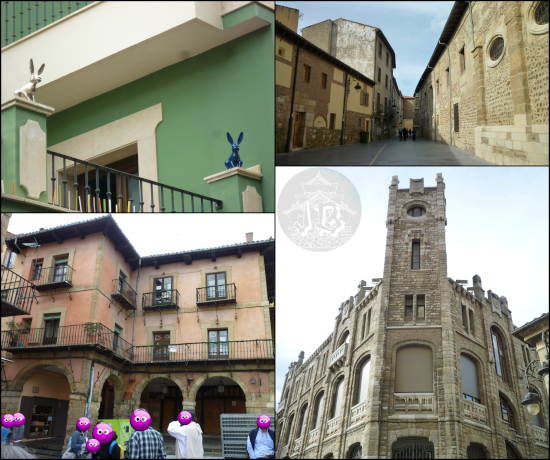
Upon leaving the cathedral, one of my favourites, by the way, we took an extra walk in the historical area, and found cool buildings and decorations.

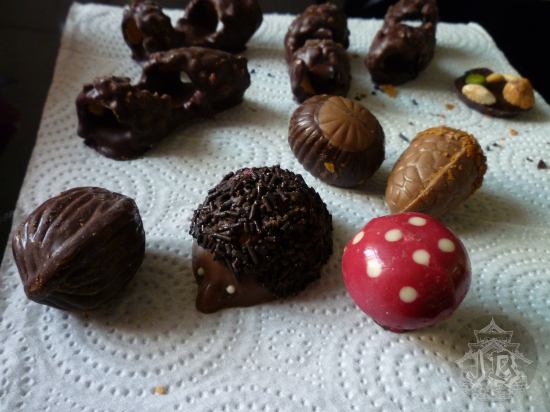
We had lunch, then returned to the Hostal de San Marcos. On our way back we found the cutest sweet shop that made adorable chocolate figurines.

We saw the Iglesia de San Marcos, the adjacent church, and then I explored the whole hotel a little.

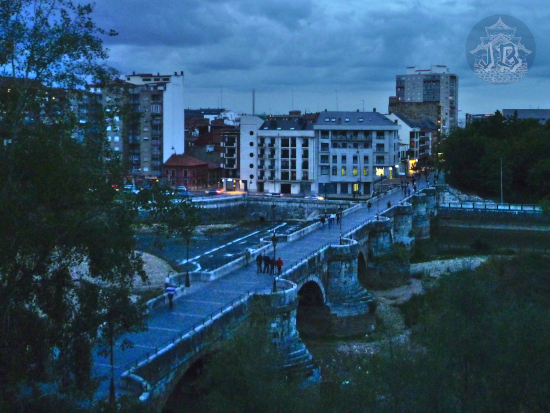
Also, I discovered that I could see the Puente de San Marcos, a stone bridge over the Bernesga River, from my room.

We drove off on Sunday morning, because the weather was nasty and the forecast was worse, so we wanted to be out of the area when the storm really hit. But before that I managed to get to the second floor of the cloister and explore some more.