28th August 2015: Matsushima and Sendai {Japan, summer 2015}

The day started in Matsushima [松島], the Pine Islands, where there are… lots of pines. And temples. We paid the small fee to cross the bridge to the biggest island, Oshima [雄島] and headed off there, to just walk around it. There were pines and other trees, but I am no tree expert, so… I could identify the pines… However, there were nice views and it was a good way to start the morning, even if I was not feeling 100%, as I had a small accident coming out of the station that ended up with me sprawled on the floor. Not fun.

This bridge survived March 11, although a smaller similar one was destroyed. In general, the area was quite spared by the tsunami.

A walkable bridge with concrete ground and vermillion guards that crosses the bay towards a rocky island with small pines

View from Oshima into the bay:

A view of the bay. There are pine branches in the foreground, and two small rocky islands with more pines

After the main island, we visited a few of the temples around. First, Zuigan-ji [瑞巌寺], which has some really cool cave altars.

A standing Buddha in front of a cave sanctuary.

Entsuin [円通院] – Mausoleum of Date Mitsumune.
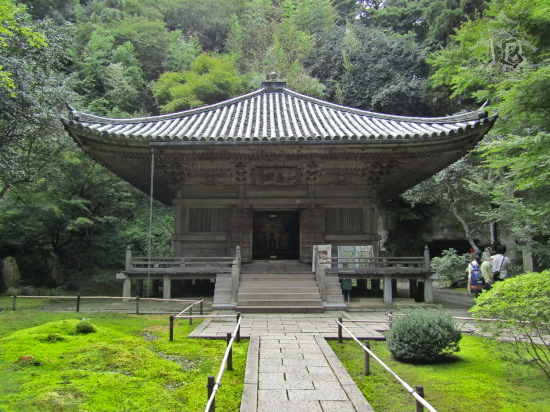
Main building of a temple. It's made of wood so old that it has turned white-grey

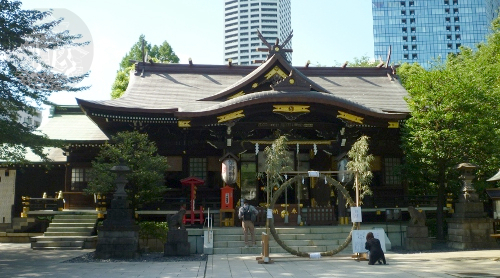
Back in Sendai, our first stop was the combini Ōsaki Hachimangū [大崎八幡宮], also known as the Black Shrine, as it was supposedly erected to enshrine the kami of war. It was ordered by Date Masamune, who was a very important figure in the history of feudal Sendai.
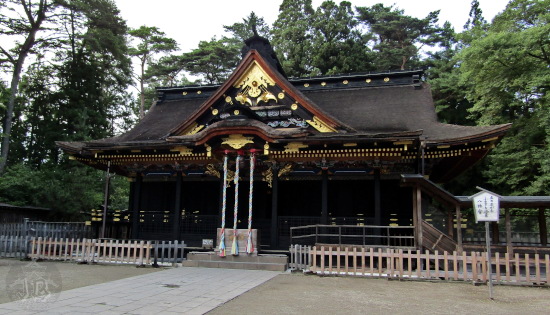
Shrine, built in black with golden decoration

Though we did not make it to Date’s mausoleum, we did see the sculpture erected in his honour up on the ruins of Aoba-jō [青葉城]. Here are the Date Masamune memorial on the ruins of Aoba Castle

Statue of a samurai, riding a horse. The samurai has a crescent decoration on his helmet. The horse is mid-step, with its front right leg bent

View of Sendai from Aoba Castle:

A view of the skyline of Sendai with a line of trees in front of it

Afterwards, we headed back to the station as we had to catch the 19.30 train, since we had an appointment in Ginza [銀座] at 22.00. We had a reservation for VAMPS Joysound special karaoke booth, which was normal karaoke, but in a room decorated with VAMPS stuff and a special video, along with some themed drinks. Just one of those cute fandom money-drainers activities.

The Vamps karaoke booth and theme drink

26th August 2015: Kobe – the calm before the storm {Japan, summer 2015}

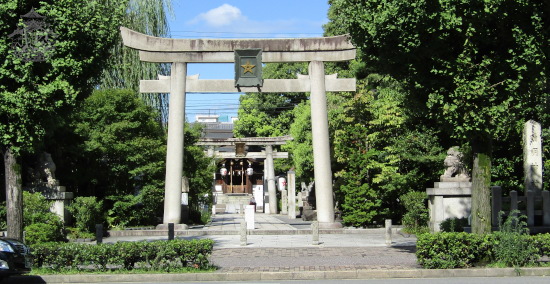
Before setting off to Kobe, there was one stop in Kyoto I had to make: Kyoto [京都]’s Seimei Jinja [晴明神社] which enshrines the soul of Abe no Seimei, reportedly the most powerful onmyōji Japan has had. He lived in the mid Heian Kyo as was the main actor in the union of the Shinto church and the state. He has been widely used in fiction as his figure seems to be half historical – half fictional anyway (Note to self: you’re still missing the Osaka Seimei Jinja). The shrine is built where he lived in Kyoto, quite close to the Imperial Palace itself. I am quite happy I got to go there alone, because the level of fanbying I achieved in that place might be embarrassing ^^”

After taking pictures to my heart’s content – getting the shrine’s seal, an omamori, and getting a free sticker because I was a foreigner, I went back to the station and took a Shinkansen to Kobe [神戸]. Kobe is one of the most important ports in Japan, and in 1995 was hit by a major earthquake which displaced areas of the city up to 6m to the sides. It is quite a new town, and it was very calm for what was about to happen. The next day, the most important yakuza gang in the country, based in Kobe, was about to split into different syndicates.

I wandered Kobe for a while, saw the clock flower and the eternal flame to commemorate the deaths from the quake and eventually made my way back to the harbour and Meriken Park. A part of it has been left as a memorial, never to forget the destruction caused – the Memorial in Meriken Park [メリケンパーク]. The Meriken Park Earthquake Memorial is eerie somehow.

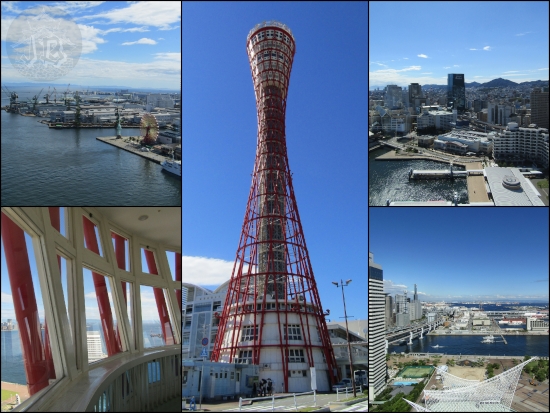
After seeing the memorial, I could already scout the Kobe Port Tower. I got a combined ticket to see the Tower and the adjoined museum – Maritime Museum and Kawasaki Museum. From the Tower I got quite a good view of the whole city and the harbour. It is quite humbling to think about that nature did to the city, and what could happen again any time. No pictures allowed in the Maritime Museum though, so I just bring you some pictures from the top of the tower.

After Kobe Tower, I made a stop in Sannomiya Jinja [三宮神社].

Then I headed off to have a look at the local Chinatown and the local shopping street/gallery – Motomachi Shopping street [神戸元町商店街].

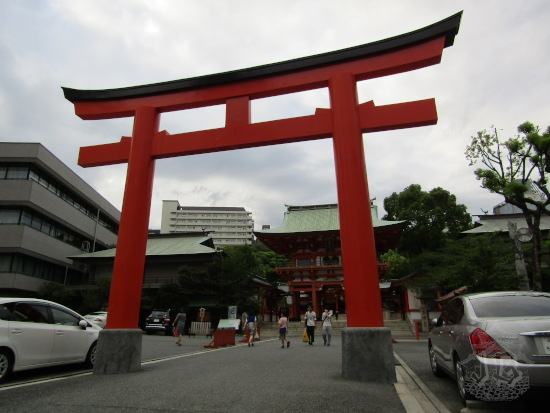
Chinatown had mostly food stalls, and I was not hungry – and I have already tried Kobe beef and know that I can’t afford the real good stuff, so after wandering around for a bit, I decided to head off to Ikuta Jinja [生田神社], the most important shrine in downtown Kobe, and quite in the lovey-dovey date couply future prayer. Not for me, but very very beautiful shrine.

And then I headed to check in the hotel and start a bit of a train nightmare that I won’t write about in hopes to forget eventually. Thus tomorrow we shall start with the arrival in Sendai.

24th August 2015: Up and down Fushimi Inari Taisha (Kyoto) {Japan, summer 2015}

Still sore and a little sunburnt from the Beast Party, I woke up early-ish on Monday to make use of my JR Pass and head off to Kansai, namely Kyoto [京都]. It was as always both a short and long ride and for the first time I did it with a reserved seat, as I gave myself the exercise of trying to talk to the reservation people. It did not go too well, but I managed my reservation.

Upon arrival in Kyoto I changed my original plans – again – due to – again – rain forecast. So instead of what I had planned, I changed into shorts, put on my cap, and armed with onigiri and coke, I set up to top Inari-san [稲荷山], Mount Inari. You see, I have been to Fushimi Inari Taisha [伏見稲荷大社] before, twice, and both times I had to give up halfway because heat. Both times I tried to stick with healthy stuff – isotonic drinks and so, rest, and do things correctly. This time, I bought water, coke, snacks and onigiri, allowed myself to rest, but not to sit down and finally managed to do the whole thing, snacking on onigiri and crisps as necessary and pushing forward. I am quite surprised my clothing survived, too.

I started down at the big torii and the honden.

This is the pond where I usually kinda collapse XD but this time I made it through.

Kyoto view from Yotsu-tsuji, halfway up.

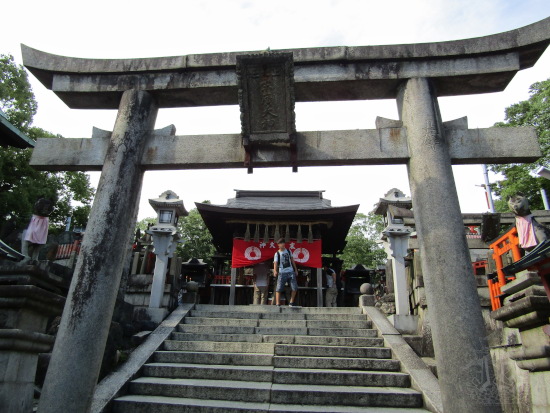
Itchinomine (First Summit)

Proof, in case you doubted me…

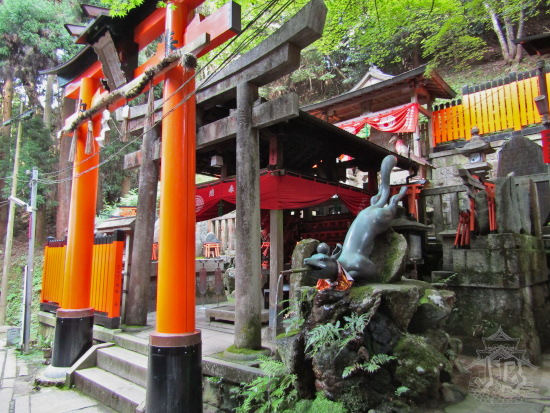
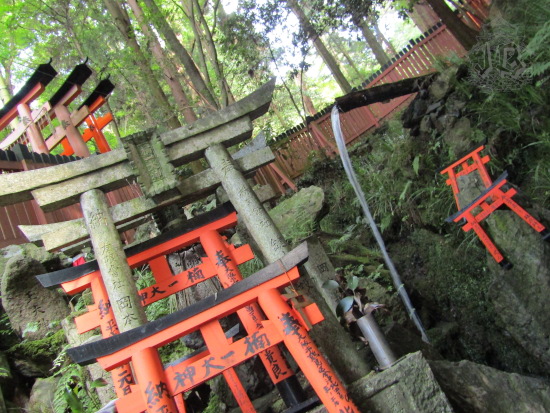
Fox temizuya (purifying fountain):

Down the other side:

By the time I was done, I may have been able to head off to another shrine, as I took less time than I had expected, but I decided that I’d better get some rest and get ready for the next day. After all, this was supposed to be ‘relaxing vacation’.

… Yeah, I don’t believe that either.

21st August 2015: Shibuya and Shinjuku {Japan, summer 2015}

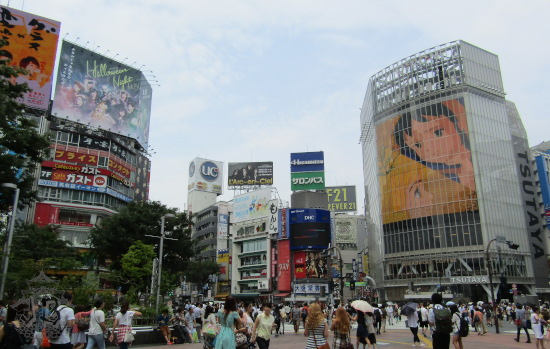
I was to meet with D****e in Shibuya [渋谷] as she was coming directly from Haneda that day and we had arranged to meet in Tsutaya – there would be Hachiko meeting point later on, but we wanted something covered, just in case the skies opened.

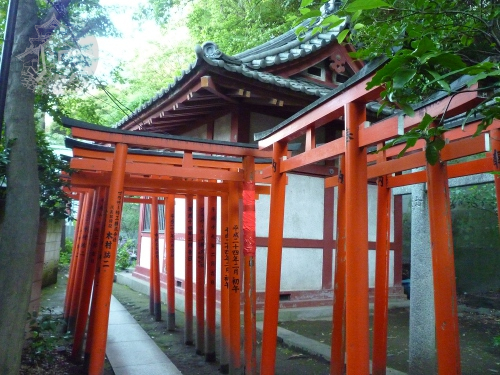
As it takes a bit to get from Satte to any place downtown Tokyo, I organised myself to be out of the door with enough time to find myself a shrine to visit. Because yes, I can find shrines anywhere in Tokyo and beyond and after a while walking through skyscraper-type buildings, I turned a corner to the Konnō Hachiman-gū [金王八幡宮], which I had not been able to find the previous year due to an Internet failure. I’m still torn about going to Yasukuni Shrine, by the way, which would have been another of my options. On one hand, I would like to come back and get a calligraphy seal; on the other, it would feel like condoning the whole thing Yasukuni means and… I don’t know, I think I have to think harder about that, especially with Abe’s whole revisionist attitude. Meanwhile, this is Konnō Hachiman-gū (which was being repaired so loop-sided picture not to bother the workers), and the little Inari altar located next to it.

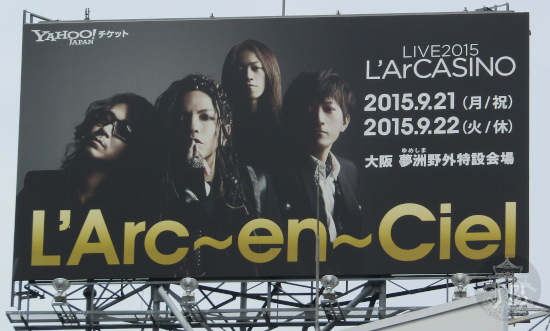
Once the shrine fix was achieved – come on, it was my third day already!! – I headed back to Shibuya [渋谷] to meet with D****e and as I walked back I saw something I had not noticed before, as it had been on the opposite side of the direction I was heading. However, now I could see it straight ahead.

The L’Arc~en~Ciel’s L’ArCasino billboard. Pictures happened. Maybe some inner fanbying too. Did I mention I love my new camera? Cause I do, a lot.

After a while doing experiments with the zoom, I headed off for the Tsutaya floor we were going to meet in, and barely had the time to check out the stuff before she arrived. Afterwards we headed off for the Book Off (which… is changing names?) because we could, and afterwards to the BIC Camera so she could pick up her own SIM card.

She wanted to check out a Shinjuku [新宿] kimono store to see if she found VAMPS’ bat yulata, but we were out of luck and it was already gone. And then there was karaoke, because for some reason there’s always karaoke with her in Shinjuku?

And then there was home and CocoCurry. Finally CocoCurry ♥

19th August 2015: Kickstart in Minato (not Ueno for a change) {Japan, summer 2015}

After I don’t want to think about how many hours of travelling, a quite narrow connection and too many superhero films on the plane, I landed at Narita and got my suitcase. No problem through customs though I was quite surprised when the guy tried Spanish with me. That took a bit to register.

I had ordered my SIM card online, to pick up at the post office at Narita Airport, and then I had my first run-in with Japanese maps. Ah, the lovely Japanese maps. You gotta love them. Once located where the hell I was and which of the corridors I had to wlak, picking up the SIM was easy and efficient.

After that, I got my JR pass and my NEX ticket at the Narita JR office, recharged the Suica and and I set off towards Tokyo. During the NEX trip I took the time to exchange SIMs and get my internet connection up and running so I did not get too lost around. My original plan had been runnign to the Natural History Museum in Ueno, but the weather was nice and there was rain announced for the next day, so I changed plans on the fly.

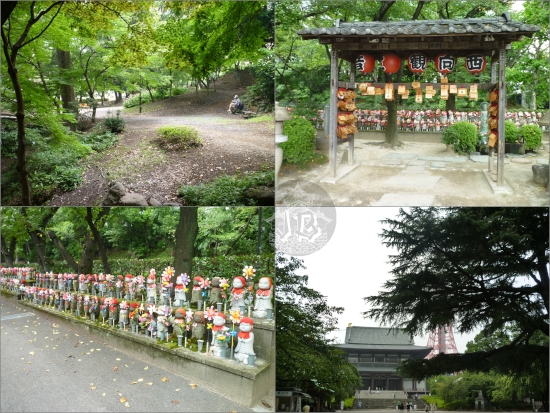
I left my suitcase in Tokyo Station because I was not sure that it would fit in the coin lockers and there is a manned storage there. Fortunately, it did fit, and I set off towards Minato [港] to say hi to Tokyo Tower [東京タワー], Zojo-ji [増上寺], Shiba Koen [芝公園]. Just because I could.

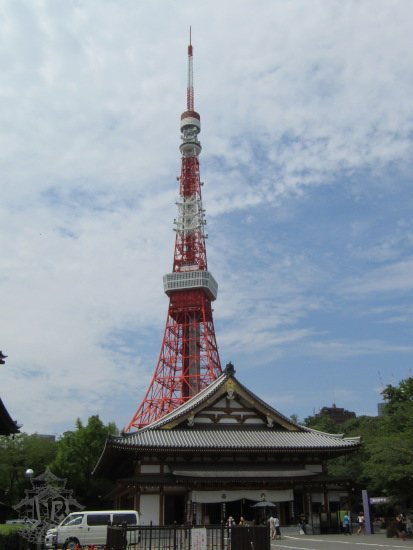
I really like this view of Zojo-ji and Tokyo Tower.

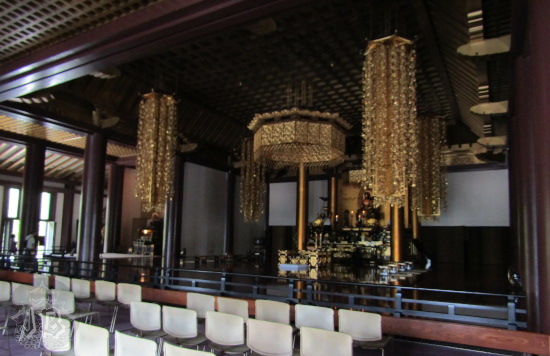
The altar in Zojo-ji (sneaky pic):

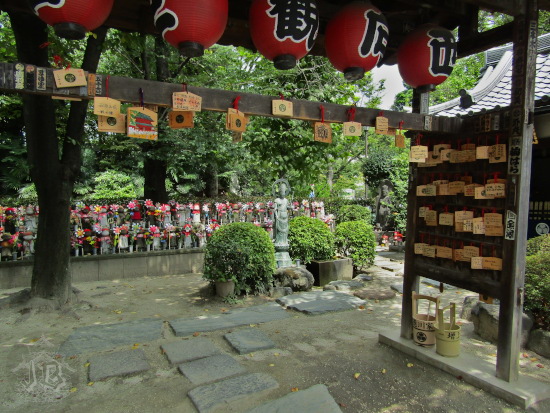
Ema tablets and Mizuko belonging to Zojo-ji:

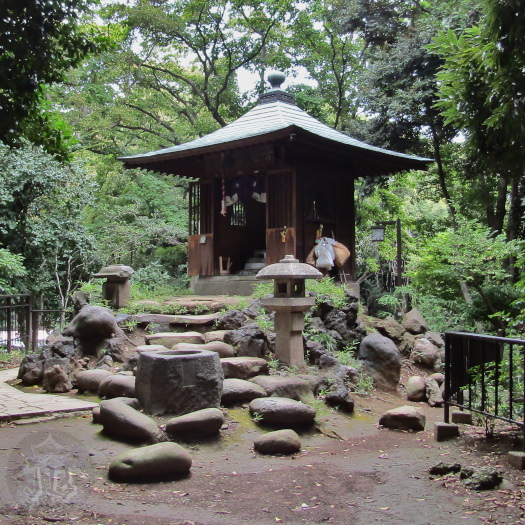
Small Buddhist altar in Shiba Koen, Nyoirinkanzeon [如意輪観世音].

Kumano Jinja [熊野神社]:

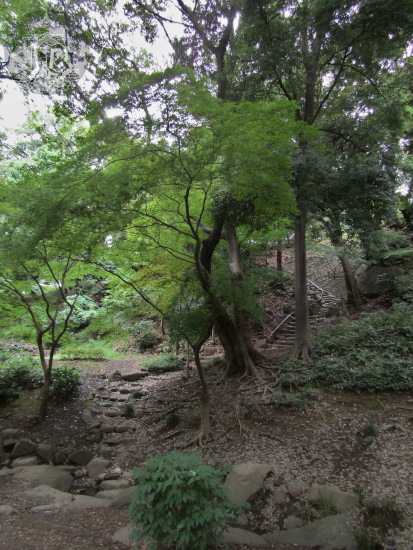
Shiba Koen view, along with a certain tree I really like:

The cicadas’ singing was deafening, but welcoming, and I spent the morning and early afternoon in Shiba Koen and the lower / free levels of Tokyo Tower, also getting used to my new camera – which I love, by the way. Afterwards I headed off to pick up my luggage and… well no, that’s not true.

As it was getting hot and I still had an hour to kill, I dropped by Akihabara [秋葉原]. It is not my favourite part of town but it was quite close to where I was and there is a nice Book Off, where my first shopping of the trip took place. I love the new ‘maxisingles’ section, makes everything so convenient.

Then I did head off to pick up my luggage – and had a bit of trouble locating my coin locker because Japanese stations have levels. Urgh. Afterwards I did head towards Satte in Saitama, as would be staying with a friend there. Then there was some food, and one of those flavours that I always associate with Japan – the strange veggies / fruits juice they have at the GUSTO drink bar. And then bed because excitement can only compete against jumping over half the world for so long and there was stuff to do the next day. Mainly fossils.

19th August 2014: Change of plans {Japan, summer 2014}

My day in Kansai was yet another carefully laid out plan, only darkened by a 90% chance of rain in Nara, where I was going to head out in the afternoon. Morning in Fushimi Inari Taisha, afternoon in Nara, maybe heading to Osaka in the evening to eat takoyaki in Namba. However, just before heading off I checked my emails only to find one by D****e telling me about an even which was going to happen in Tokyo that evening – a VAMPS’ secret live.

Hyde had been mentioning a ‘secret’ with a number code which turned out to be the event that was being organised, timing up with the release of VAMPS’ latest single. Having discarded trying for their interviews in Osaka on the 21st. It was a tough decision, because it meant losing one hotel night – coming back to Kyoto would be a rough 5 hours the day before, and that night would be impossible.

In the end, knowing that whatever I chose I would be missing out on something I really wanted to do, I decided to go with what could not be repeated – the VAMPS concert.

That still left me morning and eawrly afternoon in Kyoto [京都], so I dashed towards Fushimi Inari Taisha [伏見稲荷大社]. I was rather amused to find that some torii were under repair. I spent two hours in the Inari Forest and Mountain, but once again I did not make it to the top – it was just too hot. I did walk along some forgotten paths and was alone for a good 40 minutes or so, which was amazing. One day I have to try this either at dawn or in winter.

The Senbontorii - a row of hundreds of torii one after the other creating a sort of tunnel. Also, the main building of Fushimi Inari behind the giant vermillion torii

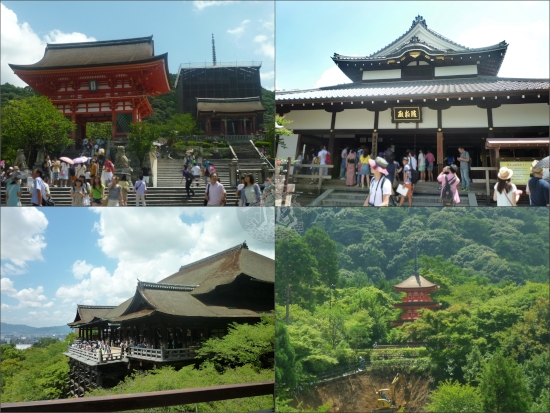
Before heading back to Tokyo I wanted to do something else, so I headed up to Kiyomizudera [清水寺], the Temple of Pure water, which was sadly being renovated. Never the less, I could come in and see most of the gardens and Pagoda and stand on the balcony. There were dozens of wind-bells and despite the rumble of people it was magical.

The main entrance to the temple, and a view of the main building from the side, where you can see that it hangs from the mountain.

After that I went back to the hotel, showered, changed and headed off to Odaiba [お台場] to the VAMPS Mezamashi Secret live, an event that the band had organised to introduce two new songs. It turned out to be a seven-song mini concert, and the first time I ever listened to what became one of my favourite VAMPS’ songs, The Jolly Roger.

The Mezamashi secret live stage. It shows the band's promo picture and the time, 19:40. The stage is lit in red, and there are flags with the band's logo, a Jolly Roger.

18th August 2014: In Osaka, we stand on the right {Japan, summer 2014}

Armed with my JR pass I headed off to Kansai via Shinkansen. I would be staying in a Kyoto hotel for a couple of days, but my first stop was Osaka [大阪]. Hereby, by the way, I need to remind myself that next time I have to do Kobe. And get a hotel close to Fushimi Inari so I can bloody make it to the top for a change.

Arriving in Osaka, once again, I felt an overwhelming sensation of being home, and that was once again the feeling I got upon remembering that I was to stay on the right on the escalator (in Tokyo, you keep to the left). My visit was carefully planned, even considering transportation times and queues. Yes, it was not the most… travel efficient one if you look at a map, but had to be done like that in order to work, time wise.

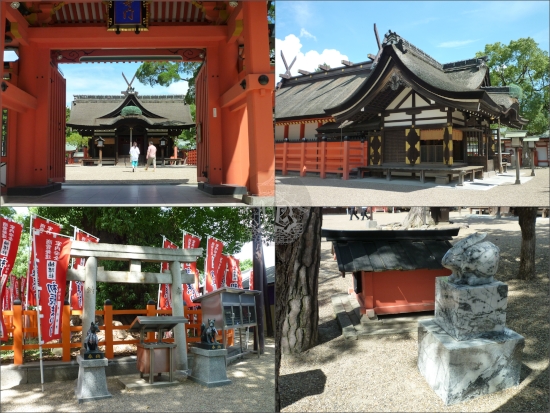
My first stop was at the Sumiyoshi Taisha [住吉大社] compound. Sumiyoshi Taisha is one of the oldest Shinto Shrines in existence, so of course I had to go there this time over.

After the shrine I headed off to downtown Osaka to visit the Ōsaka Rekishi Hakubutsukan [大阪歴史博物館], the Osaka Museum of History which features exhibitions depicting the evolution of the city from ancient times to the occupation period and the start of Western influence.

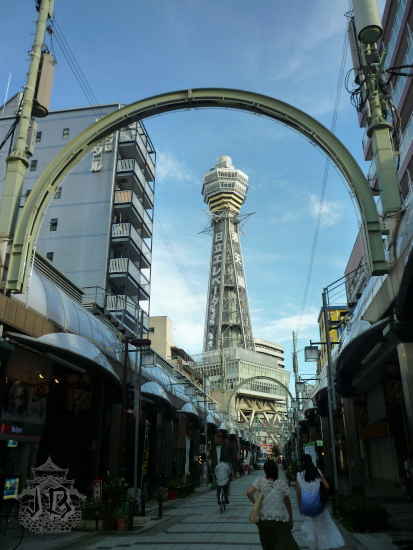
Although this was close to Osaka-jo [大阪城] (Osaka Castle), after I was done I headed back to the train station and backtracked half the way I had previously advanced in order to go to Shinsekai [新世界], the New World. there was something else I had pending here, and that was going up the Tsutenkaku [通天閣] Tower to get a view of the city and, of course, to visit Billy Ken, the God of Things as They Ought to Be, and his sidekicks.

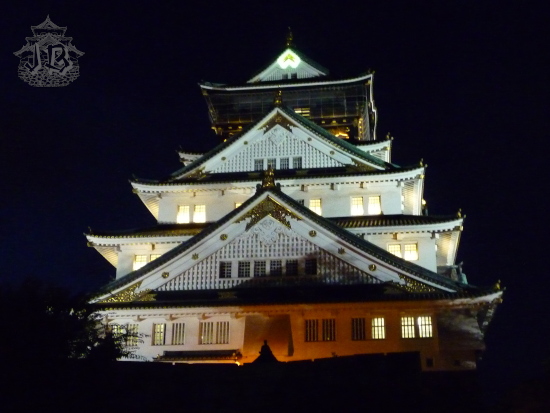
After that I headed back to Osaka Castle area to be up when the sun set, and thus be able to see it lit up, which I had not managed the previous time I had been there either.

Finally I took the Shinkansen to Kyoto and checked in my hotel for the night.

17th August 2014: Meiji, more Odaiba, Rainbow Bridge {Japan, summer 2014}

I started the day heading off towards Yoyogi Kōen [代々木公園], the park where Meiji Jingu [明治神宮] stands. I got my fortune in the shrine, and apparently, it shall be excellent from now on (and wouldn’t that be awesome). I got an English fortune and it came with a tiny Manekineko (lucky cat) and told me that my life was going to get better. I am going to cling to the thought. (Plus: I did not get dengue fever from my visit to Yoyogi Park).

After that I took a stroll down to Shiba Kōen [芝公園] and Zojo-ji [増上寺] in Minato [港], just because I could, but I had to move on before long. I did have the time to say hi to the mizuko, though, before I had to leave.

I met my friends for ComiKet [コミケット] in the convention centre Tokyo Big Sight, in Odaiba [お台場]. Comiket is reportedly the largest amateur comic convention in the world.

ComiKet was disappointing, mostly because it was insanely crowded, and we decided to make up for it walking back to the main Tokyo area crossing the Rainbow Bridge [レインボーブリッジ], which was an amazing experience. Not only the views, but the whole walking on it… well, within it might be more appropriate… was great, and I am very glad I got to do it.

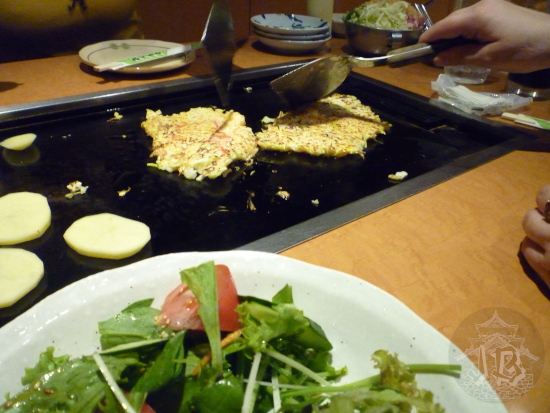
The day ended in Ikebukuro [池袋] eating okonomiyaki and monjayaki (with some sides because huuuuungry), which was quite yummy, although I have decided that I prefer okonomiyaki.

13th August 2014: Samurai vs. Kaiju {Japan, summer 2014}

We started the day in Asakusa [浅草], which would be one of my favourite places in Tokyo if it was not so crowded all the time. This time not only I wanted to visit the main Sensōji [浅草寺].

The Sensoji temple in Asakusa, whose most prominent feature is the huge red paper lanterns

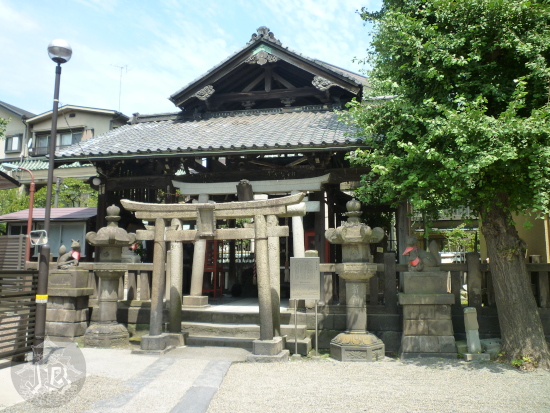
I also wanted to check out the smaller protective Shinto Shrines on the side, like Asakusa Jinja [浅草神社].

Small shrine with two stone torii, two stone lanterns and two fox statues flanking them

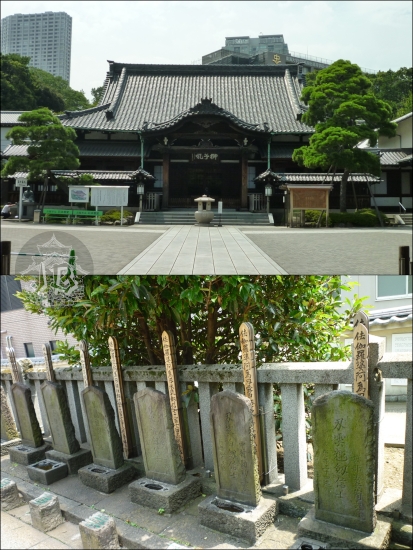
The second temple of the day was Sengakuji [泉岳寺], close to Shinagawa [品川]. The name does not really ring a bell by itself, but Senkakuji is also known as the Temple of the Forty-Seven Rōnin, as here is where all of them are buried. The Buddhist temple itself is nothing special. It has the graveyard where the samurai are buried, and a small museum attached where you can see a replica of the drum used in the attack, along with pieces of armour and one copy of the declarative letter that they wrote. Another part of the museum holds wooden statues for all of them.

A Buddhist temple, and a row of gravestones with the names of some of the 47 Ronin

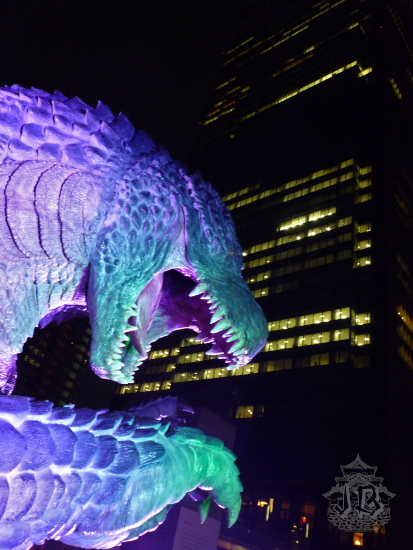
After having lunch in Shinagawa (in a… Mexican… kind of place called “El Caliente”) we headed off to Roppongi [六本木] to see Godzilla. Not the movie, but the sculpture that has been planted in Tokyo Midtown [東京ミッドタウン]. As a matter of fact, it was a very Godzilla [ゴジラ] summer in Tokyo. The Godzilla visit was done in two parts, one before sunset and one after it had gotten dark.

Godzilla coming from the ground, roaring

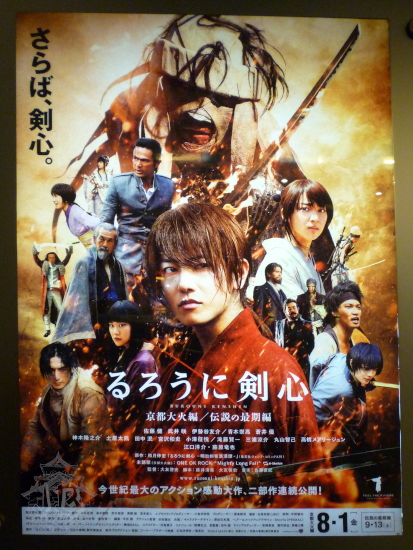
The two visits to Godzilla were separated by horrible horrible American food (I shall never willingly set a foot on a “Wendy’s” again) and going to the cinema to watch “Rurouni Kenshin – Kyoto Inferno”, the second instalment of a movie trilogy based on the manga of the same name.

Poster of the movie. It shows a man dressed in red traditional clothes, with an X-shaped scar on his cheek. Behind him, minor characters and the antagonist, covered in bandages.

Oh, and before we got back to Godzilla, we saw a gazillion and a half of Doraemon [ドラえもん] underneath Roppongi Hills [六本木ヒルズ], and pictures were taken with them.

A lot of people-sized Doaemon in different poses. Doraemon is a cartoonish ear-less blue and white cat

And here Godzilla tries to eat stuff (there are many good restaurants underneath Tokyo Midtown anyway):

A close-up of the Godzilla statue at night, lit purple and blue, and looming on a skyscraper

5th July 2013: Enoshima {Japan, summer 2013}

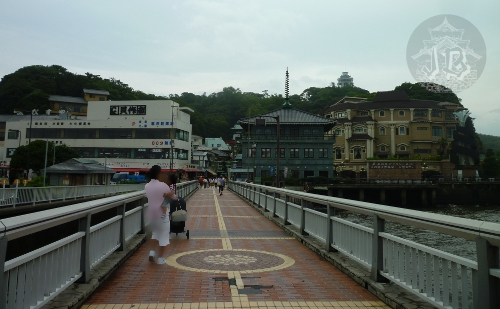
Enoshima [江の島] is a bridged island not far from Tokyo where there are three shrines that have been merged into one for convenience, a local dragon legend and an asphyxiating hot and humid weather. It was also the last stop for this trip.

I guess that’s why the local rhythm is so chilled:

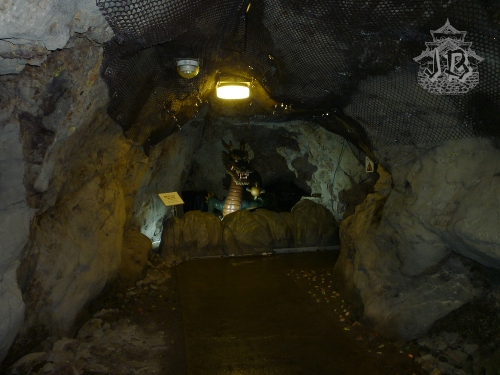
Enoshima Iwaya [江の島岩屋], the Enoshima caves, are beyond amazing.

The legendary dragon, which roars when you get close and produces flashlight when you clap your hands.

There was a bit of wavy weather due to wind, which allowed for a couple of good pictures of the seaward area:

Including the “turtle rock”, even in high tide. You just need to know how to count the wave frequency to know when the water is going to retract enough to let you see it ^_~

It was so windy that at points it was difficult to keep the camera straight for pictures, but we also visited Enoshima Jinja [江の島神社]

Well, the actual last stop was a bunch of Shinjuku [新宿] Book Offs but… don’t tell anyone XD. Then, the next morning I was off to the airport to go back home, fortunately the flight was much, much better.

1st July 2013: Wandering on a Monday {Japan, summer 2013}

Many national places like museums are closed in Japan on Mondays, so I thought I would visit the Imperial Palace East Gardens, Kōkyo Higashi Gyoen [皇居東御苑], which are considered a public park and should therefore be open, right? Wrong. Closed too. Thus I got a few pictures of… the moat and wall XD

I decided to head down to Yoyogi Kōen [代々木公園] and Meiji Jingu [明治神宮], as it was a place I enjoyed a lot last year and was closer than most my other options – and bound to be open. I took a few pictures I could not because it was raining in 2012, among them one of the daitorii up.

I met with a friend in the Minato-ku area, as Tokyo Tower [東京タワー] is a good meeting point and I still had to see Zojoji open. It was finally a success and I got an awesome omamori that turns bad luck into good luck (summer special, too!). What, you thought I had gotten over my omamori liking? You thought wrong XD

Finally I headed back to Roppongi [六本木] to meet with D****e and try the Roppongi Hills [六本木ヒルズ] observatory again, which was a success this time:

27th June 2013: Shinjuku, Ōji and Ikebukuro {Japan, summer 2013}

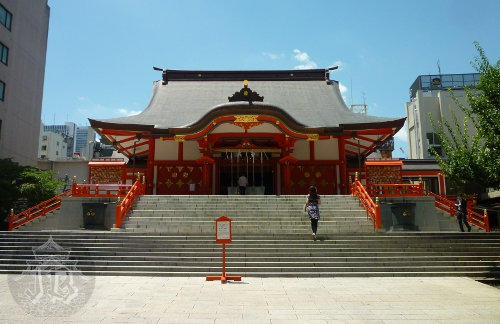
One of the fun things about Tokyo is that combination of modern and traditional that you find merged in quite a bit of harmony. Take for instance Shinjuku [新宿]. When one thinks of Shinjuku, one imagines skyscrapers and neon lights, but just a few minutes away, you find Hanazono Jinja [花園神社]:

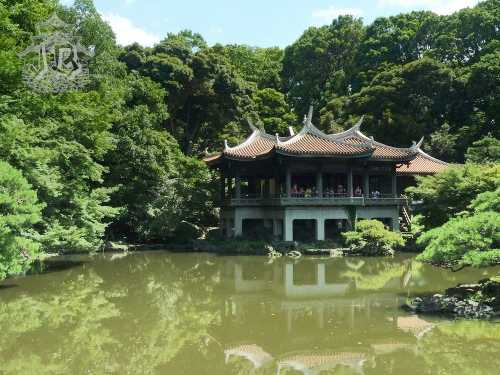
Five minutes away from the station there is Shinjuku Gyoen [新宿御苑], which is huge, and holds small wonders like this, Kyūgoryōtei [旧御涼亭], or Taiwan Pavillion (Taiwan Kaku [台湾閣]):

Of course, there are lots of skyscrapers in the Skyscraper District:

There is also this sculpture:

And yet another shrine, Shinjuku Juniso Kumano Jinja [新宿十二社 熊野神社]:

After Shinjuku I went to Ōji [王子] to see the Ōji Inari Jinja [王子稲荷神社].

And just the Ōji Jinja [王子神社]:

Then I headed to Ikebukuro [池袋] where we had a reservation at Swallowtail for 80 minutes of indulgence, and hell did we enjoy it XD”””

24th June 2013: Less-known Tokyo Shrines {Japan, summer 2013}

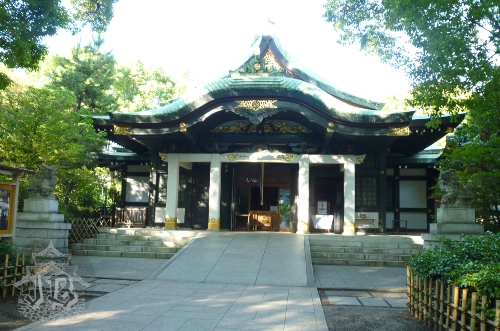
Most of Monday was spent wandering around Tokyo [東京] trying to find my way between shrines, since as you might have suspected, I like those. Akasaka [赤坂] was the first stop of the day to visit Nogi Jinja [乃木神社], which I managed to find even if I had missed all the landmarks that should have led me there.

As I headed towards Roppongi [六本木] for my next stop something went wrong. The station I was supposed to find was wrongly marked on Google maps, or another exit was marked or… I am not sure (looking back, probably a signal disruptor). My route ended up being a bit meandering. I crossed Tokyo Midtown [東京ミッドタウン]’s Hinokicho Kōen [檜町公園].

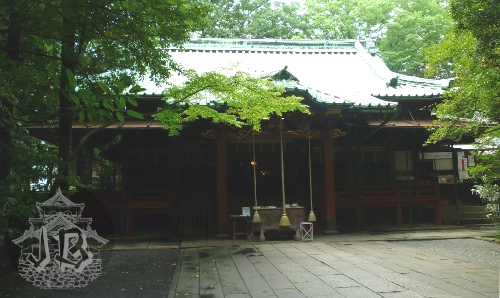
Once in Roppongi I took another detour (this time it was my own fault though XD) to Hikawa Jinja [氷川神社], which is one of the most creepy places on this earth. I liked it, but it did give off one hell of an eerie feeling.

After this I headed down the Minato Ward where the Tokyo Tower can be found. There I was to explore around for a few things, including Atago Jinja [愛宕神社], which was having a matsuri and thus crowded.

On my to-find list was, among other things, this mini-Inari shrine:

Then I headed down to Shiba Koen [芝大公園], Zojo-ji [増上寺] and the Tokyo Tower [東京タワー], just because I could.

I was to meet D****e back at Roppongi [六本木] to go up to the observatory in Roppongi Hills [六本木ヒルズ], but it did not pan out due to weird closing hours. However, we did manage a cool shoot or two of the Tokyo Tower lit up and the supermoon next to it.

We walked to Shibuya [渋谷], where we made a stop at Book Off. Money was spent XD

21st June 2013: Ueno and Ebisu {Japan, summer 2013}

As last year, 2013 visiting started on Ueno Kōen [上野公園], as it is an easy-enough place to reach and has a few museums that offer indoors entertainment. It was raining cats and dogs, which should have made me cranky. Nevertheless I was paroling around with this stupid grin on my face as the general tourists bitched about weather XD

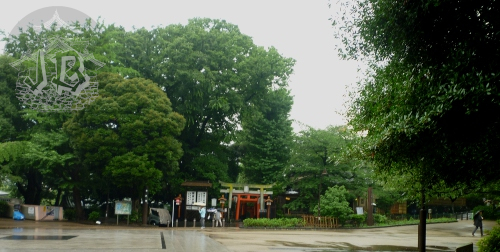
You might remember Hanazono Inari Jinja [花園稲荷神社] from last year:

Unfortunately the Sakurazukamori was nowhere to be found again – although I have to admit that the atmosphere changes quite a bit in the rain. Thus, I headed into the Kokuritsu Kagaku Hakubutsukan [国立科学博物館], Tokyo’s National Museum of Nature and Science, after being thoroughly confused by the Japanese arrow system once again.

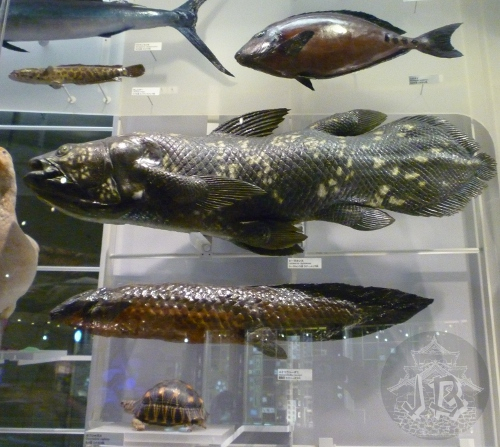
The museum has two buildings, and an impressive collection of preserved animals, along with a very cool evolutionary tree, a collection of dinosaur fossils, an exhibition on human evolution and some repeated casts that they hope really hard nobody notices.

The animal life exhibition gave me a glimpse of how biased I can actually be, as I rather felt like “monkey, cat, human… FISHY =D”. Most of my pictures are sea-life related XD

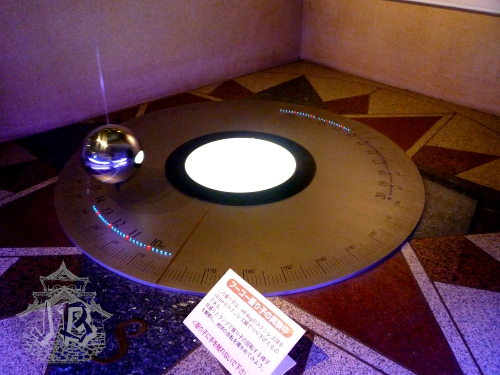
Like ever other Science Museum there was Foucault pendulum hidden in a corner:

And the last exhibition was about methods of science, units, and had an amazing periodic table with samples. Whomever designed the exhibition deserves a lot of kudos.

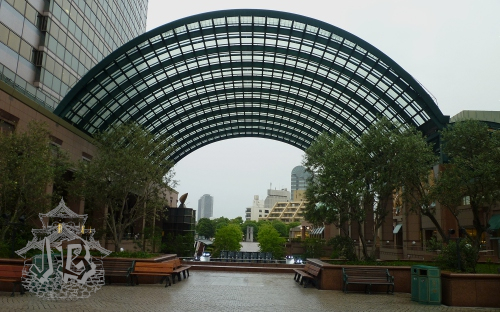
Later I headed to Ebisu [恵比寿] where D****e and I were meeting with some of her Japanese friends for drink and food. All in good fun. It was raining when I checked out Ebisu Garden Place [恵比寿ガーデンプレイスタワー], so I could sympathise with MatsuJun’s mysery XD”

14th July 2012: Kamakura & Yokosuka {Japan, summer 2012}

On Saturday the 14th we headed off to Kamakura [鎌倉], home of the second largest Buddha in the country and birthplace of the samurai. There was some “glassed” coffee for breakfast, then we set off on the train.

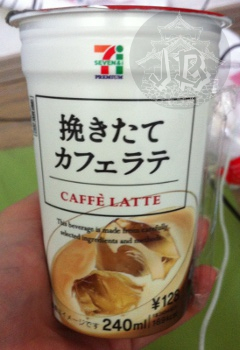
A can of coffee reading caffè latte 240 ml

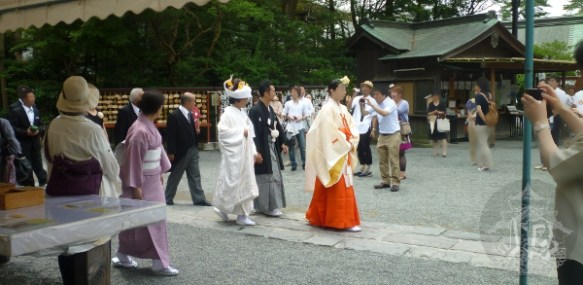
Once in Kamajura, we first off we headed to Tsurugaoka Hachimangu [鶴岡八幡宮], where we were lucky enough to see a couple about to get married.

A Shinto gate, in dark red with golden decoration

A traditional wedding, with the bride and groom dressed in kimono and hakama

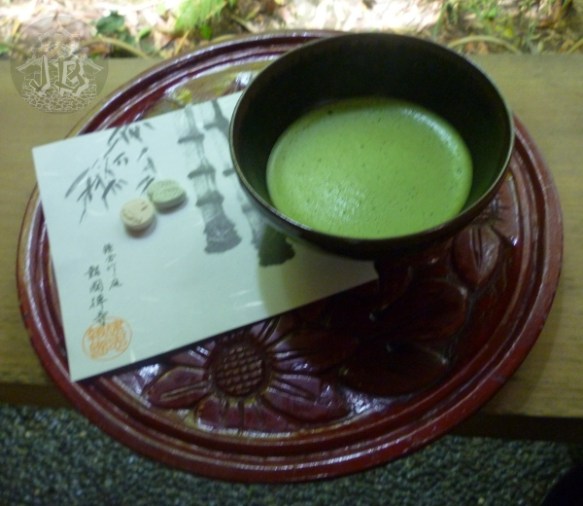
Second, we headed off to Kamakuragu [鎌倉宮], a shrine which has an awesome bamboo forest which we did not burn down. This is important because we had a small accident with an incense burner while we had some matcha (green tea) in said bamboo forest.

Religious stone markings in a bamboo forest

A bowl of foamy green tea, with sweets on the side

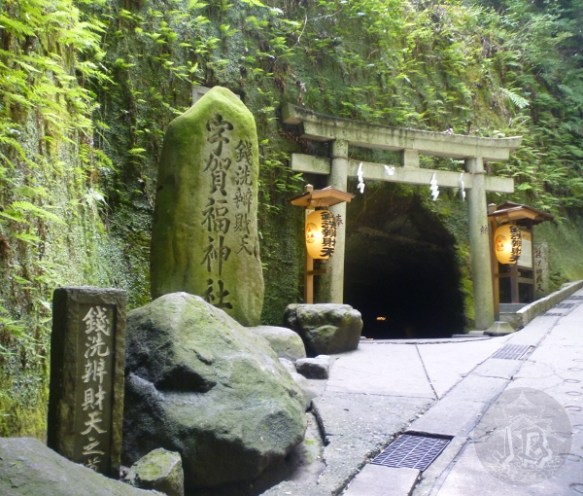
A few hills up and down we finally made it to Zeniarai Benzaiten Ugafuku Jinja [銭洗弁財天宇賀福神社] where you can legally launder money. In the literal sense – if you wash your money there it is supposed to multiply. Knowing fairly well that as long as I am here my money will only diminish, I did not really try, but the temple itself was awesome. And there was ice-cream.

Stone markings and torii gate that mark the entrance to a shrine. Right behind the torii, a dark cave mouth opens

A torii gate leading to a small sanctuary. There's a tree standing right in front of the torii, and it has been marked with sacred paper to protect it

Soft vanilla ice cream in a cone

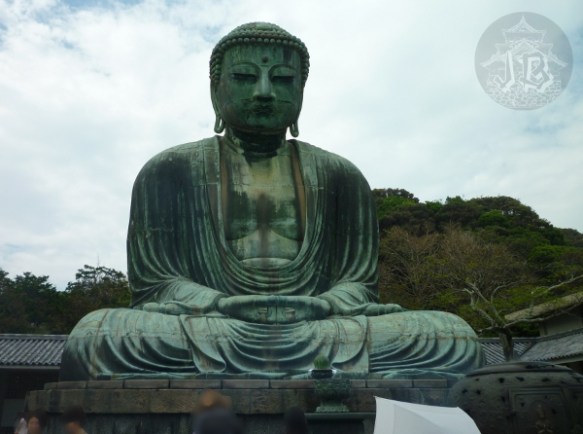
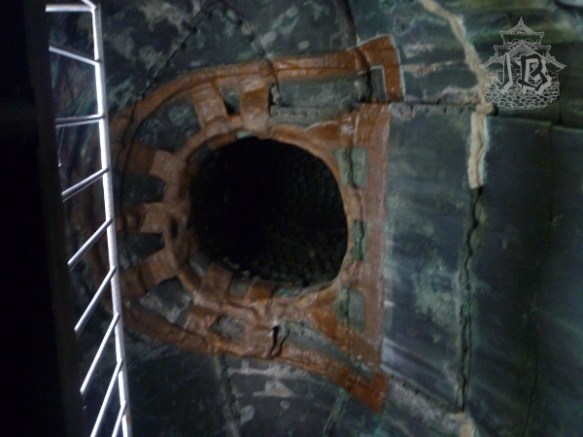
Our last spiritual stop was the Kamakura Daibutsu [鎌倉大仏] in Kotoku-in [高徳院], which is another of those things that everybody tells you that you should visit and you do because you think you should and still manage to amaze you. For the outrageous amount of 20 yen, you can even go inside.

The great Buddha, sitting cross-legged with a peaceful expression

The inside of the Buddha, with reinforced steel around a black hole that is probably the neck

We made a stop for food by the beach, too:

The beach, with foamy waves coming in

We had a snack, in particular a koroke:

A big croquette, breaded with big panko flakes

Finally we wrapped up the night heading over to Yokosuka [横須賀] to watch the summer’s fireworks by the powerplant!! =D sea.

Fireworks in the dark

Fireworks in the dark, reflected on the water

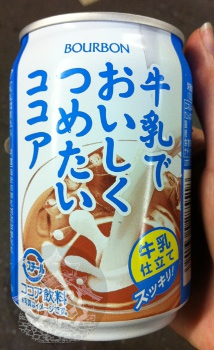
I was super-thirsty on the way back and I discovered that cocoa-in-a-can makes more giddy than coffee… Sheesh that’s some sugar rush!

Can of cocoa or chocolate milkshake

13th July 2012: Modern & Hip vs. Spriritual & Traditional {Japan, summer 2012}

There was nothing to fear about Friday the 13th, considering that Kinkakuji had predicted me an excellent fortune (yay!), and it started with a niiiice breakfast – Swallowtails‘ cheesecake.

The first stop of the day was skipped due to a train mishap: I missed the stop and did not realise until I had transferred to another line, so backtracking would be expensive. I was not deterred and moved on to my second destination: Ginza [銀座]. Ginza would be the expensive shopping district, and to be honest it did not give me too much of a good vibe.

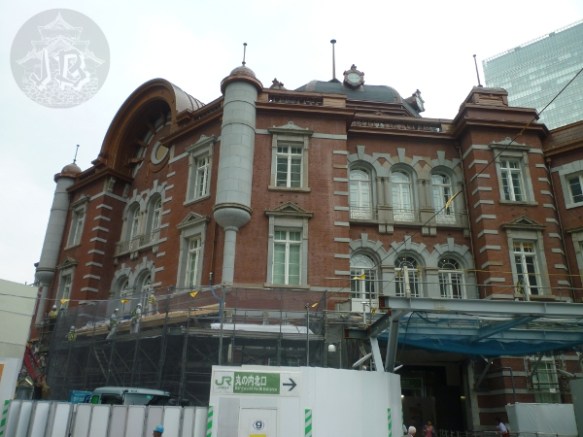
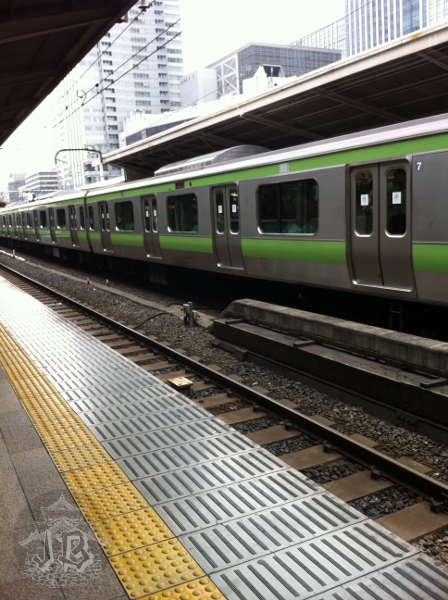
Not too happy with the place, I decided that since I could ride the Yamanote line for free (Japan Railway Pass = ♥) I would do a couple of other exteriors. The first one was Tokyo Station [東京駅] which was being renovated, so most of it was covered in white fabric.

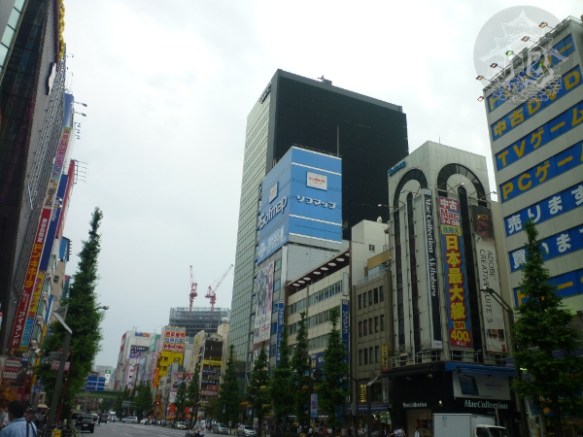
Afterwards I headed off to Akihabara Electric Town [秋葉原], the place of Tokyo that seems to have more gaijin per square metre. Akiba lives up to its reputation of flashy, hentai, and maido-café infested. Sadly, the Mandarake was doing some kind of renovation and the usual entrances were closed, so I could not find the way into the… interesting section.

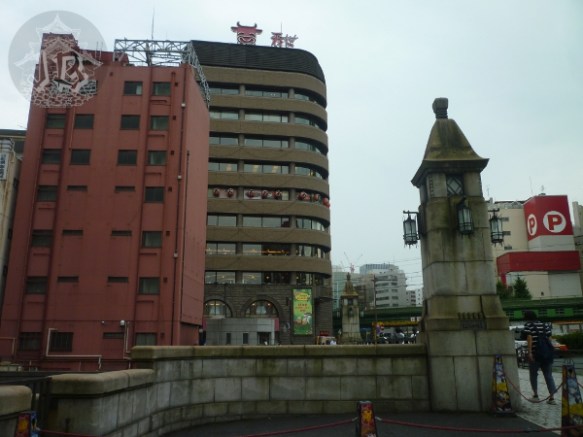
On top of the usual Akihabara scenario, I also found some remains of old Tokyo, among them this old stone bridge, Mansei Bashi [万世橋]

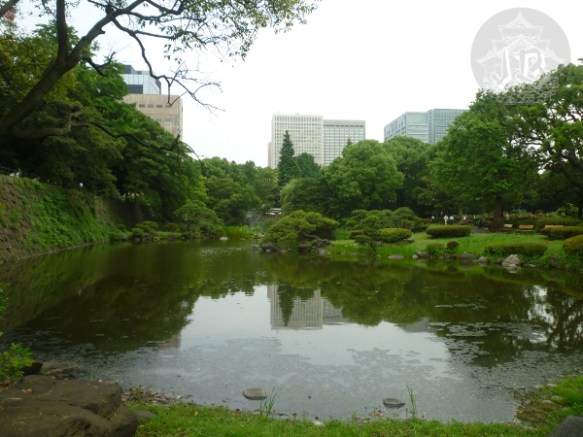
The evening’s destination involved a transfer in Ginza again, so I backtracked towards it. Instead of going into the shopping district, though, I headed off to Hibiya Koen [日比谷公園], which reportedly was were the first shogun houses were, around the Imperial Palace.

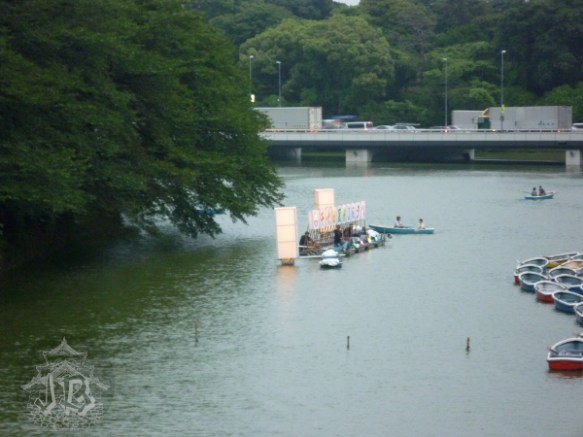
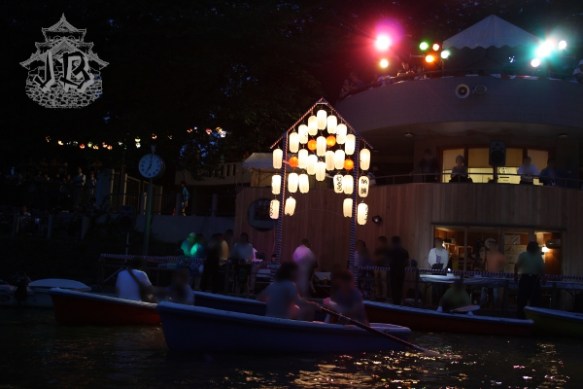
After some rest and chocolate cookies, I set off towards quite literally the other corner of the castle, to Kudanshita [九段下]. We have heard about the Chidorigafuchi Toro-nagashi, a matsuri (festival) that involves a number of boats releasing lit lanterns on the water in the Palace Moat at Chidorigafuchi Koen [千鳥ヶ淵公園]. Sounds a pretty thing to see, right? Right. Thing is that Kinkakuji fortune kicked in, so when we arrived there had been a cancellation on one of the boats and… we became part of the festival.

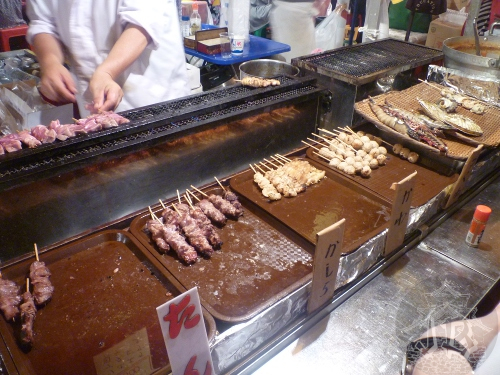
Chidorigafuchi Park is close to Yasukuni Jinja [靖國神社], where yet another festival, the Mitama Matsuri, was being held. We had matsuri food (yakitori), admired the lanterns and heard a bunch of young men doing taiko (traditional drumming). It was beyond amazing an evening.

11th July 2012: Kyoto in 9.5 hours: Mission Impossible {Japan, summer 2012}

My express visit to Kyoto [京都] on the 11th was fueled by a jump into a rabbit hole – the first time I drank canned coffee. It would not be the last, definitely.

A can of Georgia Café au Lait

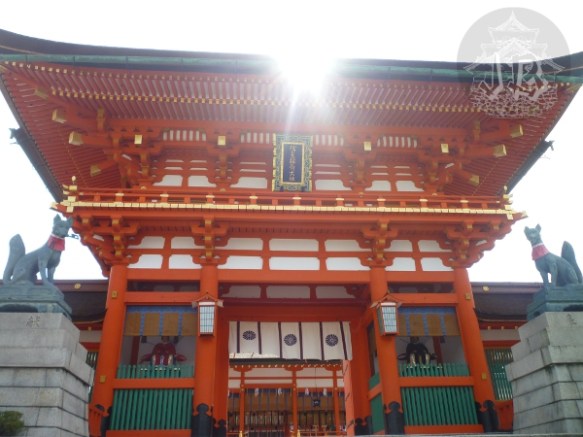
I started off with Fushimi Inari Taisha [伏見稲荷大社] and is dedicated to Inari, the God of Rice, whose messengers are considered to be the foxes or kitsune [狐]. It is a temple with a gazillion plus one torii, since in early Japan Inari was seen as the patron of business. Thus each of the torii is donated by a Japanese business. Sorry for the sun reflection, this was the best picture of the main building I could take:

A shrine building, in powerful orange. The sun is shining at the rim of the roof, and there are two sculptures of foxes sitting on the sides.

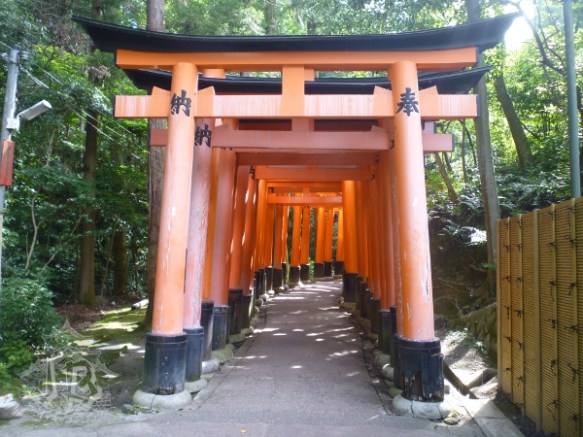
A line of torii (have I mentioned that I looove torii?) the Senbon Torii [千本鳥居], or line of a thousand torii:

A torii in the foreground. Beyond it, so many others that you cannot tell them apart. All of them are orange, but the outermost ones have been burnt by the sun and are less bright

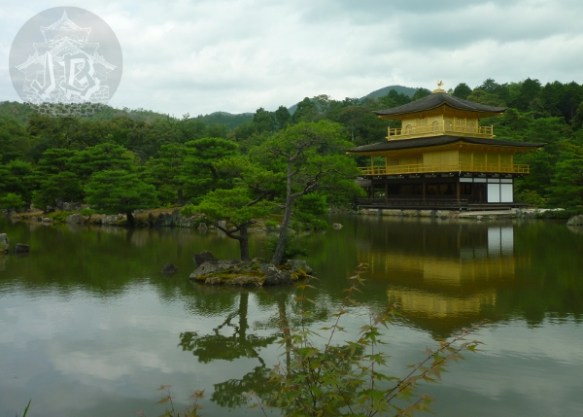
After Inari, I crossed the whole of Kyoto via bus and train and visited the Kinkaku-ji [金閣寺], the Temple of the Golden Pavilion. While I went to visit it because it was a must-see I found it amazing, and liked it more than I wanted to admit.

A pond with a pine tree at the centre. To the side, a three-story pavillion that looks similar to a pagoda. The first floor is built in wood and plaster, the upper ones have been covered in gold

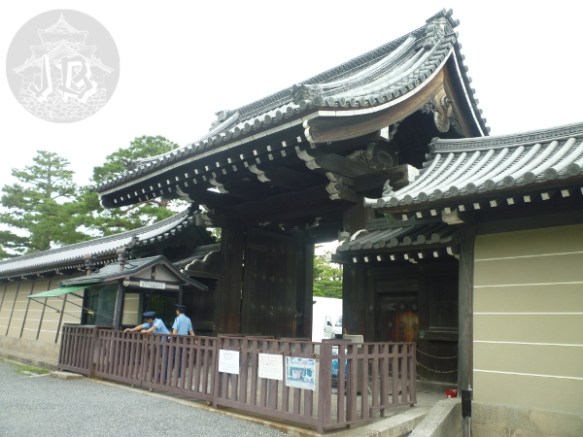
Bus again, towards the Imperial Palace, Kyōto-gosho [京都御所], of which you see… the outer wall and the cops that guard the door XD

The entrance to the Imperial palace - a gate through the walls. Two police officers in blue are chatting at the fence

And a thirty-minute walk after that, I found myself entering the castle Nijō Jō [二条城]. Can you feel the rush? XD

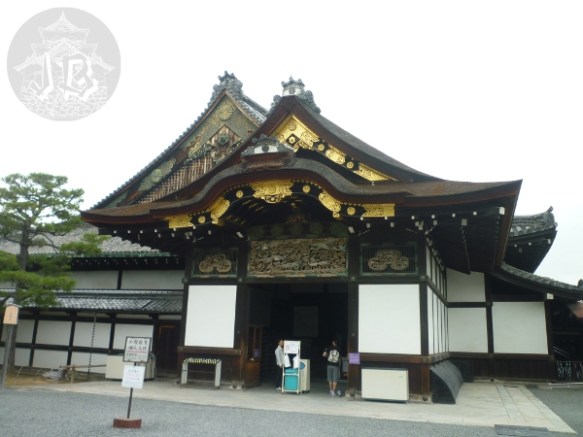
The main building to the old castle. Is is built in dark wood with gold ornaments and carved details showing animals and plants, painted in bright colours

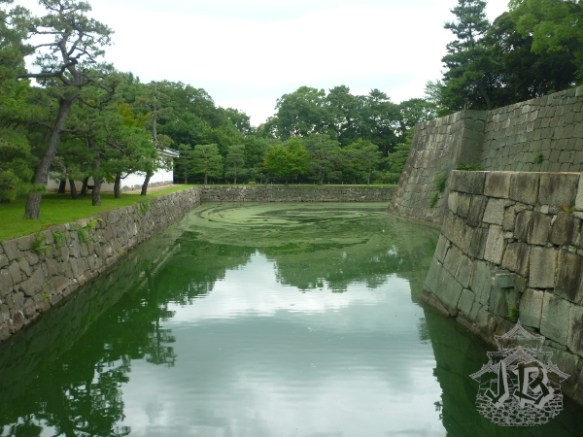
A view of the moat. The water is green.

Two buses later I was in Chion-in [知恩院] which was being repaired, so you can only see park entrance gate, which technically might belong to a nearby temple. I mean… there are too many temples to keep track of them! (Edit: after a bit of processing, that’s actually the entrance to the Yasaka Jinja [八坂神社] complex.)

A bright orange and white building at the top of some some stone stairs.

And going down those stairs to the left there was… Gion [祇園], the traditional geisha district. Found no geisha though D:

Traditional Japanese houses in dark wood, burnt by the sun. The entrance has a paper lanter and a menu

Finally, after another temple or twenty, or among them, I managed to sneak into Kennin-ji [建仁寺] just before it closed to see the twin dragons:

A ceiling painting of two dragons. The background is dark and the dragons are coloured in light shades, gold, white and red

By then I was so dead that I headed back to the station and was catatonic for the Shinkansen ride to Tokyo. This is not by far all I saw, but I lost track of the names for a bit. By the end of the day I was exhausted, but this is the gist of what I did that day. I would need more time to sort out the pictures, and I am trying to keep you guys generally updated, not write a thesis on ancient Japan XD (ETA 2017: Wow, that frame of mind changed a lot)

9th July 2012: Osaka, day 1 {Japan, summer 2012}

Monday 9th had me doing something I never thought I would do – riding a Tokyo train during rush hour, and survived too!

My first destination was Shinagawa station to catch the Hikari Shinkansen bound to Osaka [大阪]. With a speed of almost 300 km/h, the Hikari Shinkansen covered the 454 km between Tokyo and Osaka in abuout three hours, with some stops in between, Nagoya being one of them.

A train station platform with the train arriving in the background. The train locomotive is white and looks like a duck bill

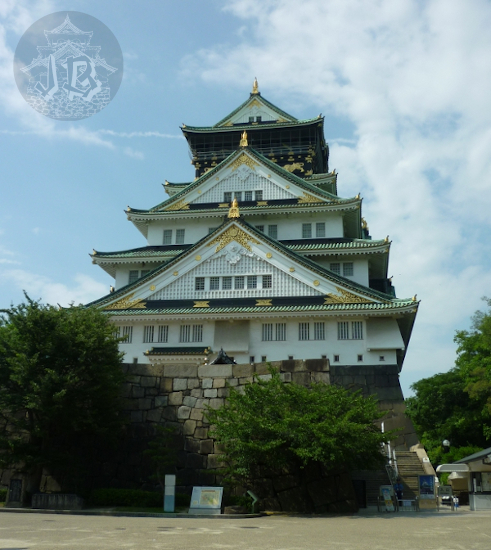
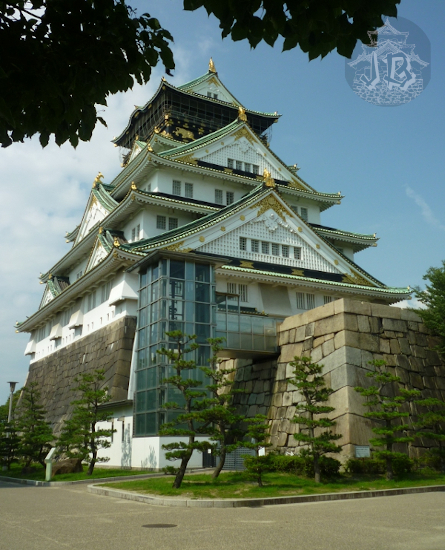
Upon arriving I headed towards the city’s Castle, Osaka-jō [大阪城]. There are no words to describe Osaka-jō, and no picture would make it justice. Have some that try anyway:

Osaka Castle. It stands on a rock base, and it has four floors. The roofs are green/grey and the main walls are white with golden decoration

Osaka castle from the side, showing the accessible lift for wheelchair users

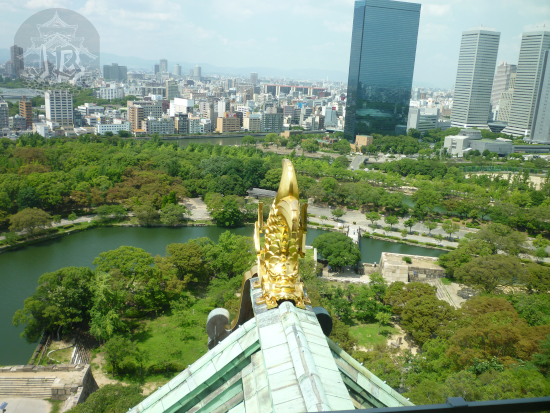
View from the top of Osaka Castle. In the foreground there's the roof decoration, a gold fish-monster. In the background, Osaka highrises. In between the park and the moat

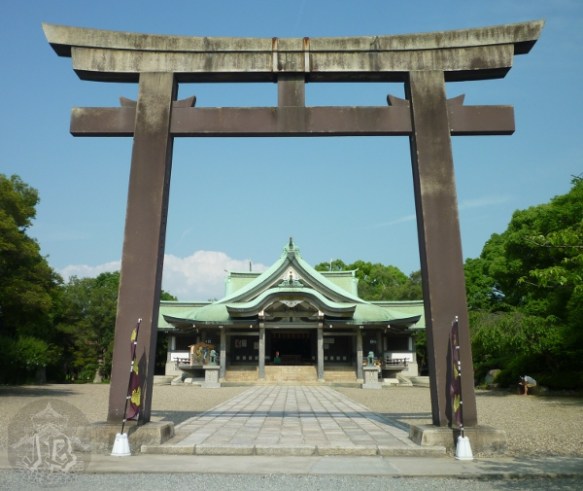
Next to the castle is the Hōkoku Jinja [豊國神社], which I visited too.

A severe grey torii in front of a white and green shrine building

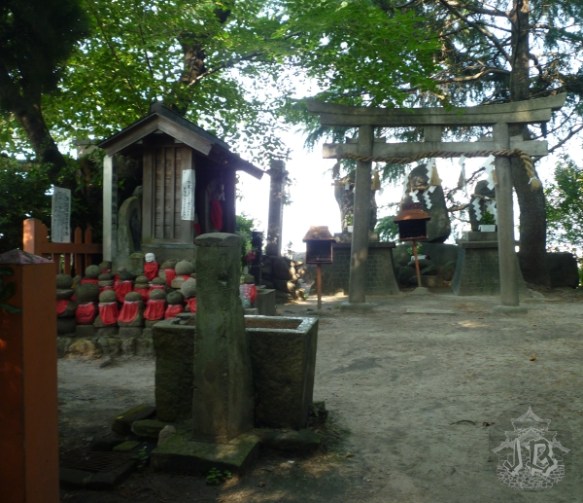
Then I walked back to the castle to undo all the way towards the station – as some monuments close at 3pm I wanted to make sure to go in the tower museum. Now I had the chance to take pictures and explore. By chance I noticed some stairs by the edge of the park surrounding the tower so I climbed up to discover a mini temple to one side of the castle. The small statues symbolize dead or stillborn babies, and I find them incredibly creepy.

Inside a shrine grounds - a little fountain, a stone torii, and a number of small human-like statues wearing red bibs

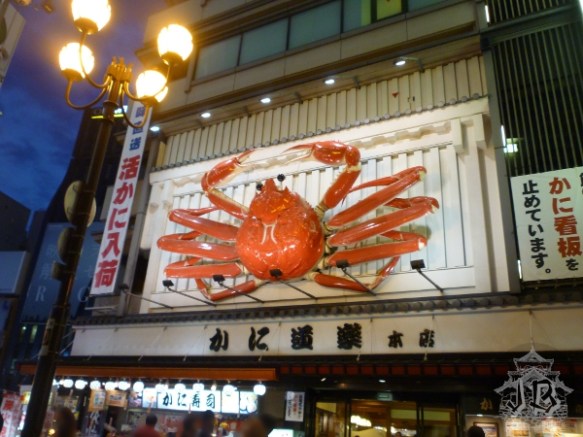
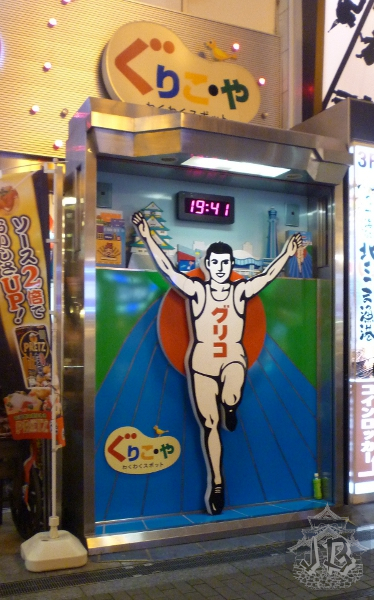
I explored the area and went back to the main path to find the station and head off to Namba, where my hotel was. Now, Osaka has two main entertainment districts: Namba and Shin Sekai. Namba [難波], where I went, has the Glico man (which somehow I missed, mistaking it for this little shop) and the giant blowfish and crabs.

Giant snow crab adverstisement for a restaurant

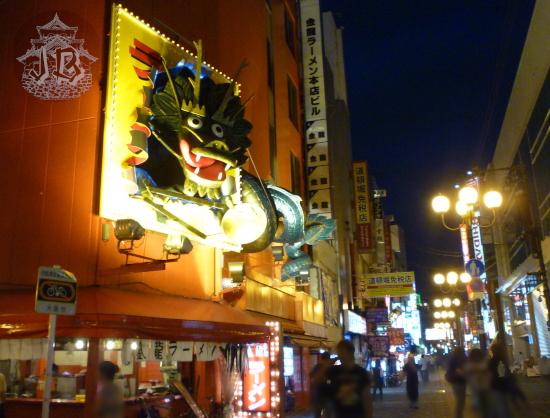
Giant dragon advertisement for a ramen restaurant

A billboard of a man reaching the end line of an athletic course, raising his arms in victory. His shirt reads グルコ

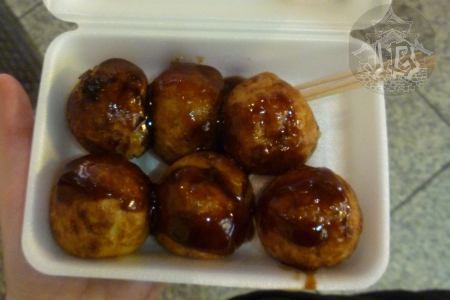
In Namba I bought myself some takoyaki – octopus dumplins – for dinner from one of the street stands. This was one of my first interactions completely in Japanese, and I felt stupidly proud of it. And of course, the takoyaki were delicous, albeit scorching hot.

A box of six round dumplins covered with brown sauce

7th July 2012: Nikkō {Japan, summer 2012}

Nikkō [日光市] is about 140 km north of Tokyo, a couple of hours train ride. While the town itself might not seem much, close to it there is lies the Shrines and Temples of Nikkō Unesco World Heritage Site, and here we headed off on Saturday.

The area holds a whooping 103 buildings or structures, though the natural setting around them is also considered heritage. The buildings belong to two Shinto shrines: Futarasan Jinja [二荒山神社] and Tōshō-gū [東照宮], and one Buddhist temple Rinnō-ji [輪王寺]. Nine of the structures are designated National Treasures of Japan while the remaining 94 are Important Cultural Properties. Unesco listed the site as World Heritage in 1999.
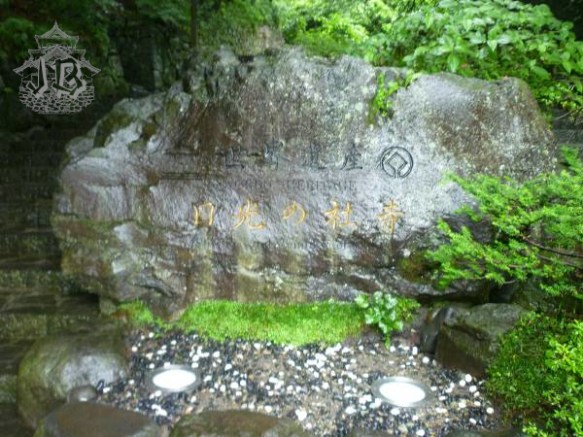
A rock reading World Heritage Shrines and Temples of Nikko in English and Japanese

As you might be able to tell, it was raining. Like magic. Like hell. Cats and dogs. And then some.
Highlights include the Three wise monkeys, “see no evil, speak no evil, hear no evil”:

Wooden carvings of three monkeys: one is covering its ears, another is covering its mouth and the other is covering its eyes

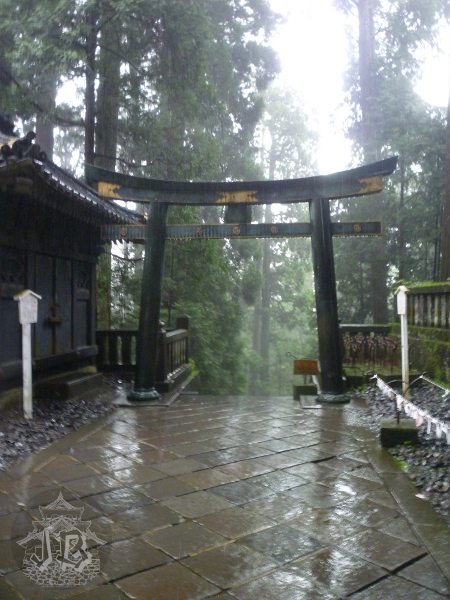
The mausoleum of Tokugawa Ieyasu:

A torii in black and gold. It's raining

A small one-story pagoda, the mausoleum itself

A five-storey pagoda (gojūnōto) belonging to Tōshō-gū:

A five-story pagoda, in red, green and gold. It's still raining.

The inner buildings of Furata-san Jinja:

Dark wood buildings decorated in green and gold. It's still raining

The entrance to Tōshō-gū:

Shrine entrance. The entrance is completely golden. It's still raining
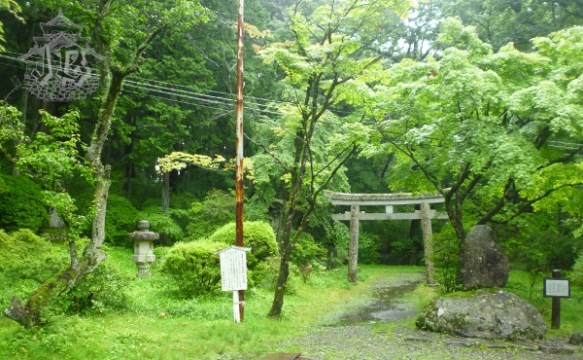
However, since I would not be me without finding (and falling in love with) something obscure and creepy, have a small shrine to the side of the road nobody was paying attention to:

A forlorne stone torii forgotten in the middle of the forest

Did I mention it was raining? Because it was. All the damn day XD

6th July 2012: 東京の雨(傘) {Japan, summer 2012}

On Friday I walked a lot but saw fewer things. I started with Yasukuni Jinja [靖国神社], which was preparing for a matsuri (festival), as you can see with all the lanterns. The lanterns had names in them and I have the chilling feeling that there’s one for each Japanese soldier who died in WWII – Yasukuni Shrine is dedicated to the fallen in that war.

A wall of yellow paper lamps being hung outdoors

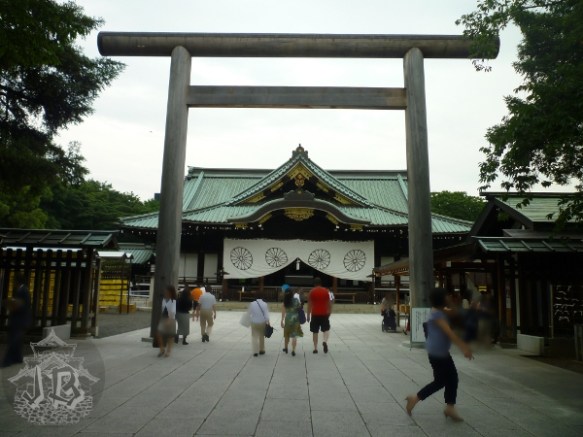
A torii gate and a shrine behind it. The shrine is hanging the imperial banner. The building is made out of dark wood with golden decoration, and the roof is green-grey

The shrine visit was followed by a 30-minute stroll toward the Diet Building [国会, Kokkai] , which is something like the Parliament. Surprisingly enough, I got there without much trouble. I checked points with this because a) is cultural building b) is a barrier in X Clamp and c) is where the Shinigami in Yami no Matsuei are based. Risky picture in the middle of a crossing too! (pedestrian light was green, so not that impressive, to be honest.)

A severe looking building, closed off by fences and guarded by the police

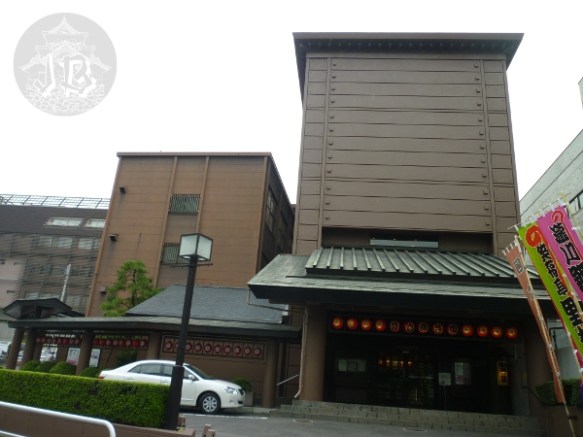
As I was walking towards the Diet I found the National Theatre by chance. It was not in the plan, but i decided to check it out:

A shoebox-like building, in brown, with some reddish paper lanterns at the entrance

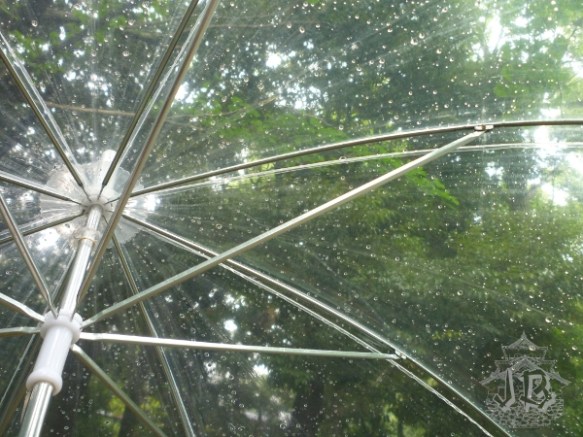
It started to rain and I was heading to Yoyogi Kōen [代々木公園], where I took a series of fun pictures through my (D****e’s) umbrella. It did not work as well as I hoped for though XD. Originally Yoyogi Park was conceived as a sacred forest around the Meiji Temple.

Trees through a transparent plastic umbrella

Thus, Meiji Jingu [明治神宮] was erected in the middle of the sacred forest of Yoyogi to honour the Meiji emperor and his wife. It is a very impressive complex, to be honest, and not even the bunch if tourists manage to break the spell of the place.

The entrance to Meiji Jingu, with a torii, and a small fountain to the left, and a lantern to the right

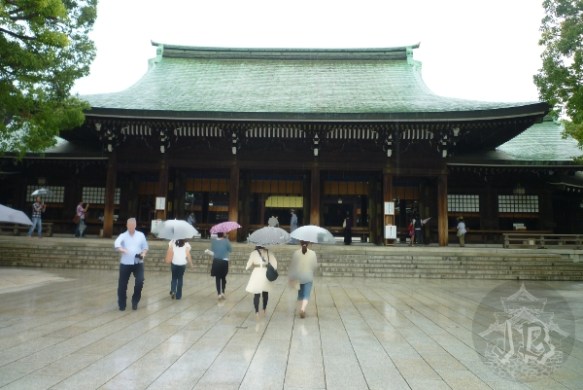
The main building of Meiji Jingu, in dark wood with a grey roof. A few people are approaching the building, all of them are carrying umbrellas

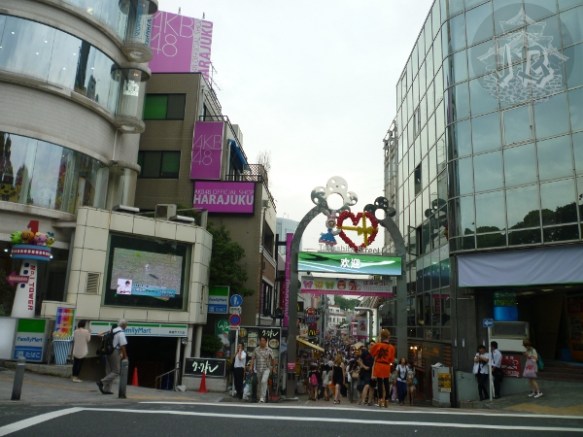
Finally I took a walk down Harajuku [原宿], where I, fortunately, did not buy anything. I swear, this country eats money way too fast…

A shopping street. The entrance is decorated with balloons strung together to look like a heart

Stay tuned for the tale if our trip to Nikko on Saturday and how we did not go to see the waterfall… the waterfall came to us. It was not the deluge… but almost. 大雨.

Title translation: Tokyo no Ame(gasa), it’s a pun on Tokyo’s rain and Tokyo’s umbrella. The Japnese word for rain is “ame”, and the word for umbrella is “amegasa”