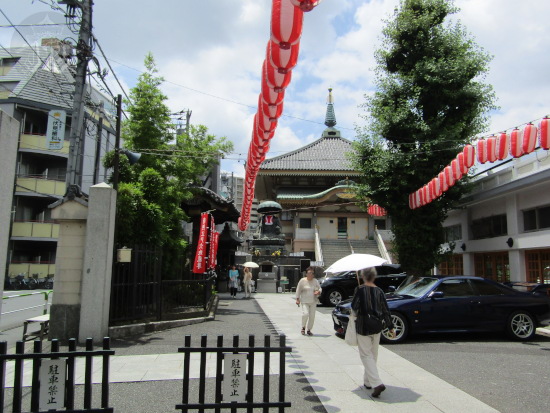
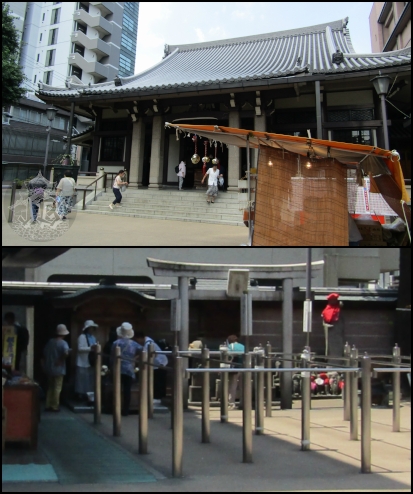
24th July 2017: Himeji {Japan, summer 2017}

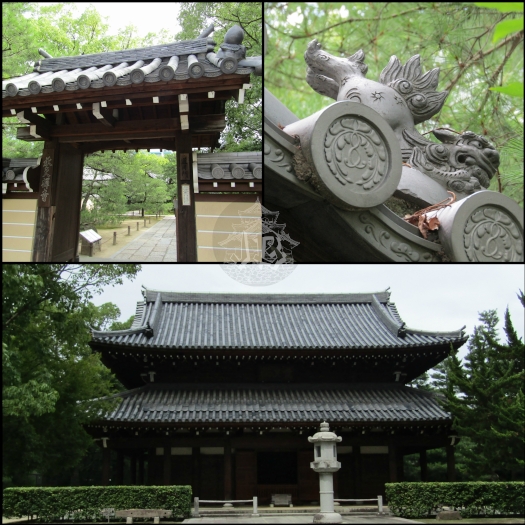
I woke up in order to be at Himeji [姫路]’s Castle Himeji-jo [姫路城] when they opened at 9am. Himeji had been on my to-do list for a long time, and now I had the chance to see it. I must learn how to convince volunteer guides to leave me alone though, as the visit would have been much better on my own. I visited the Main Keep, the East Small Keep, the Hyakken Roka (Long corridor)

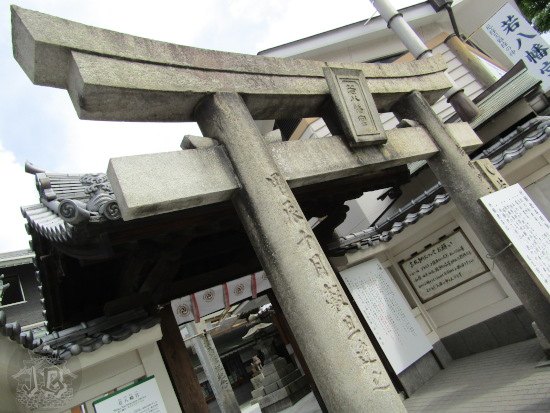
Then I walked around the castle grounds for a while and snooped around Himeji Jinja [姫路神社], although I did not go much far in.

Afterwards I walked (without melting, which was a good thing) to the complex formed by Otokoyama Senhime Tenmangu [男山千姫天満宮] and Mizuo Shrine [水尾神社] and the corresponding observatory of the castle.

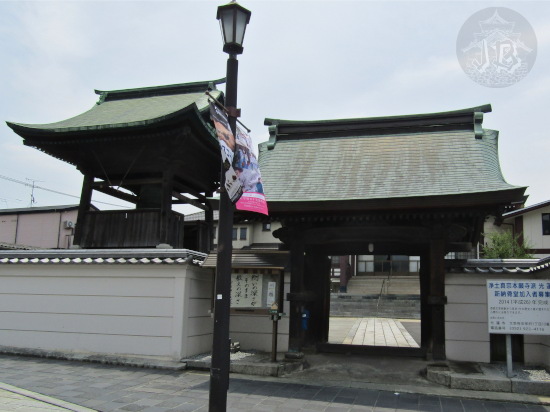
Next I walked back towards the castle grounds and around them because the gate of Itatehyozu Jinja [射楯兵主神社] had caught my eye from the castle.

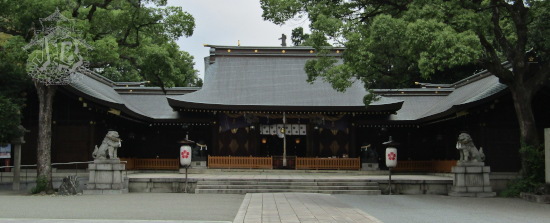
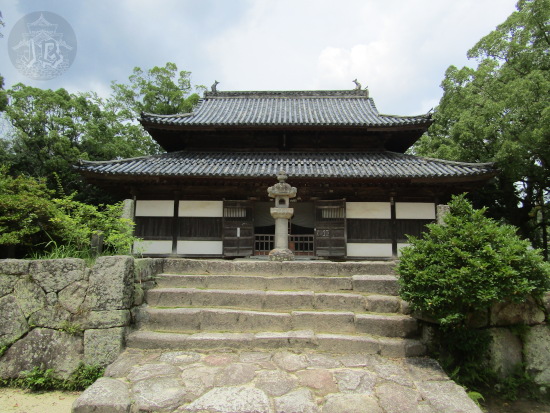
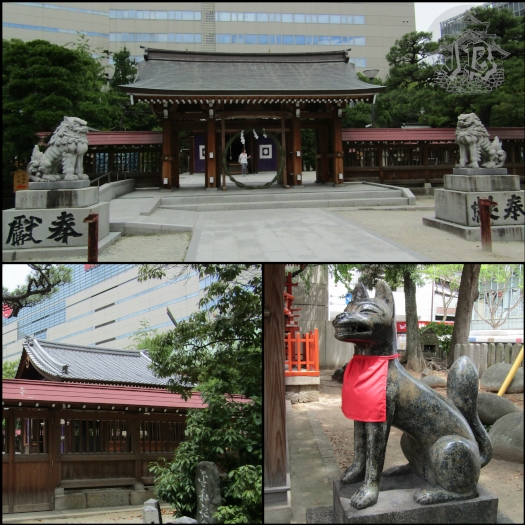
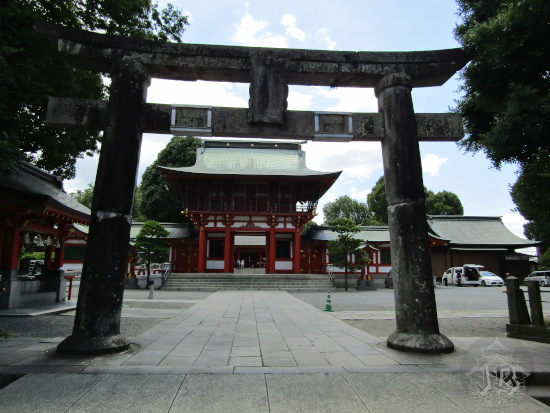
My last stop for the day was Gokoku Shrine [護国神社].

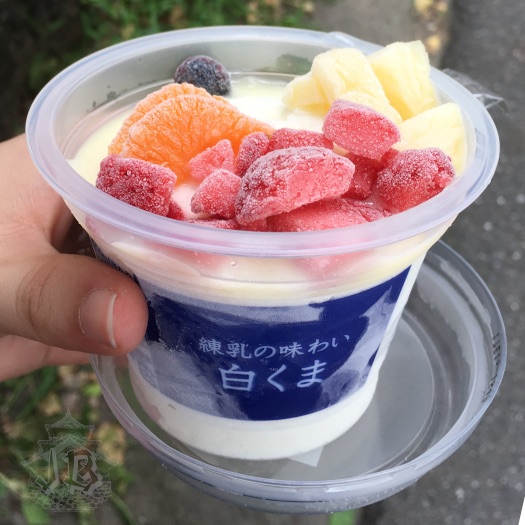
And you know what? The rest of the day sucked because there were lots of problems. Good thing I checked that Fukuyama Castle would be closed before jumping on the train. I got my butt to Osaka [大阪]. My hotel turned out to be a love-hotel, not somewhere I actually felt safe or welcome, and my concert ticket was not such, but the proof of sale. I spent hours trying to check if it had been picked up, and finding a way to exchange hotels, and I did not sleep almost anything. Fortunately, the ticket was ultimately found, I booked another hotel for the upcoming nights and the worst thing that happened was a morning on the trains ε-(´・`) フ

23rd July 2017: Kyoto: plans long made and plans unexpectedly changed – Maiko Henshin and Gyosha Meguri {Japan, summer 2017}

It was an early and cloudy Kyoto [京都] morning when I woke up to walk to Heian Jingu [平安神宮], a shrine built in 1895 to celebrate that Kyoto had existed for 1100 years already. It was supposed to be just another trip to a shrine, I did not expect anything special to come from it.

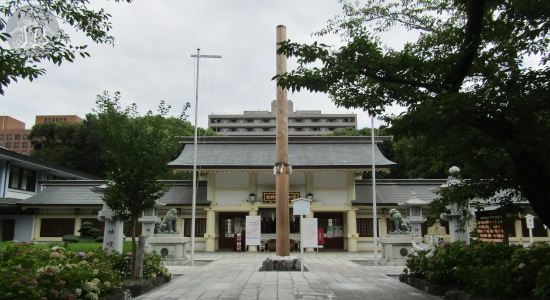
Heian shrine - main building and secondary buildings that stand on the sides, symmetrically to the left and right. The buildings are vermilion and white with a green-grey roof, and the ground leading to them is sand.

However, as I was snooping around the shrine shop I saw that they had come up with a stamp rally, shrine version – the Kyoto Gosha Meguri ~Shi shin Sou Ou No Miyako~ [京都五社めぐり~四神四神相応の京~] (The tour of four gods of Kyoto). According to legend, Kyoto was anciently guarded by four god-like spirits: the Azure Dragon of the east Seryu, the White Tiger of the west Byakko, the Red Bird of the south, Suzaku and the Black Tortoise of the north Genbu. Heian Jingu stands in the middle “the heart” of Kyoto, and each guardian is supposed to dwell in one shrine in each cardinal point. I bought a small cardboard tablet with the four sacred guardians of Kyoto , with the Heian Jingu stamp in the middle. With that tablet, you had to visit four more temples on the four cardinal points and get their stamps. It is The rally unexpectedly trumped all my Kyoto-visiting plans. I had to absolutely do this! I was so pumped that I did not even take pictures of the tablet until the peregrination was completed.

A cardboard card with the drawings of the four mystical guardians of Kyoto, the white tiger, the black tortoise, the blue dragon, and the red fire bird. They are aligned with their cardinal points, east, north, west, south. Between the animals and in the centre, five stamps in red ink.

After leaving Heian Jingu, I walked alongside the Kamo River Kamogawa [鴨川] towards Gion [祇園], stopping to get the second stamp at Yasaka Jinja [八坂神社]. Here is where the “easy” stamps were over. I still had three shrines to get to, and they would not be as easy as a literal walk down the river.

The vermilion entrance to a Shinto shrine on top of stone stairs. There are rows of lanterns hanging from the gate.

I was to meet D****e at 10.15, as she was coming from Osaka, where she was for a concert. She wanted to tag along to what I was going to do next, basically to… share the pictures with everyone. Last year, my friend B**** had told me about something she had done that she thought I might like, a photo shoot in maiko [舞妓] clothes – maiko being Kyoto geisha-in-training. Following her recommendation, I chose a place called Maiko-Henshin Studio Shiki [舞妓体験・変身スタジオ「四季」], which is where B**** had done hers.

This is something that had been in the back of my mind for the longest time, but I had never got around to doing it because of the price tag. I was a bit put off by paying over 10,000 ¥ for what would in essence be pictures of myself. However, I eventually realised that it is not just the photographs you are paying for, it is the whole three-hour experience. I booked a Studio Shoot plan for 11,900 ¥ (plus tax), which included:

  • White make-up cover.
  • Renting and getting dressed into a formal kimono.
  • A pair of tabi (Japanese socks) that you get to keep.
  • Fake eyelashes applied on you.
  • Natural wig (half-wig) fitted and fixed.
  • Eight studio photographs including a Fushimi Inari Taisha background.
  • A book with the best eight pictures.
  • CD-R with all the pictures taken.
  • Five postcards.
  • Ten minutes of free time to take your own pictures outside the studio.
  • Possibility of paying to get some extras, including extra pictures.

The shop was easy to walk up to. It was set out as a traditional house with a sliding door, and they offered two kind of services – kimono rental to walk around Kyoto, and Studio transformations along the subsequent pictures – maiko, samurai, and couple or family options.

This was a 98% great experience. 1% fell because I had a coughing fit (I have had issues with my lungs, but they are slowly getting better) and the other 1% due to a communication failure with the studio upon reservation. However, that 2% is negligible and it was all in all great. D****e had a blast in turned, and she decided that she needed to share the pictures with everyone she knew who knew me.

I had made my reservation online a month in advance. I chose a time, which was rescheduled for an hour later. When I asked if I could have a sword for the photo shoot, the answer was to inform my photographer.

When I arrived, the receptionist checked my plan with me. Then they asked about the optional or “less crucial” items – whether I actually wanted the white make-up, fake eyelashes, and type of wig – I have absolutely no idea about wigs. They asked if I wanted any extra photographs (each one for 1000 ¥) on top of the eight included in the shoot. They also checked who came with me so they could call D****e to come in when she was allowed to be with me.

D****e and I had arrived early for my 11:00 appointment, and they called me around 11.15. I was given a little basket, a gown, the keys to a locker, and a pair of tabi [足袋] – Japanese socks, with a separation for the big toe and the small ones. The little basket also contains a brochure to give you instructions of what you are to do in all the steps of the experience. This was helpful, especially when they recommended using the toilet beforehand.

I walked up to the third floor to change into the gown and tabi and put all my belongings into the locker. I took with me the key on an elastic band around my wrist. The little basket was for the instructions, and my mobile phone for pictures during free time later. At this point I was still wearing my glasses, but I had to take them at the next step, and they would also go into the basket.

I walked down to the make-up room on the second floor. At this point I had to take off the glasses (and decided that I wanted to get myself some contact lenses). Here I had the white make-up applied, and I was amused by the process. I had not built any kind of expectation about how they would do it, but I guess I was not expecting a thick brush – much thicker than a normal make-up brush. It was an interesting feeling – the white paste was cool and the brush also felt very different from a regular one. The make-up reached up to my hair line, but the artist left a little bit of unpainted skin for the wig. They also painted much lower down my back than I would have expected – it was explained to me that the neck and the wide collar of the kimono are “sexy”.

Afterwards, they contoured my face a little, added the blush, and airbrushed my lips bright red. Finally, they did my eyelids and eyebrows, also in tones of red. The staff gave me instructions in “fluent” (read: broken) English, but we both tried, and communicated successfully. I was told where to look at each point, or to close my eyes and finally I was offered the fake eyelashes again – I accepted because I was going to be without my glasses anyway. I unfortunately inhaled a bit of powder or something, and had a coughing fit that almost gave my poor make-up artist a heart attack…

After the whole make-up had been applied, it was time to get the wig fitted. I was shown to another room with a big closet full of lockers, and each locker held one wig. They checked three or four against my head until they decided on one to put on me. It was a “half-wig”, which means that they painted the hairline and part of your own hair in order to stick it down. Afterwards, they put some traditional decoration, kanzashi [簪], in the wig.

Then it was time to choose the kimono. At this point, D****e was called onto the floor to “help me choose”. There were literally hundreds of options, but I actually found the one I really wanted even before she was there. It was black with cherry blossoms on it, and when D****e arrived she said “that one is really you”. The staff grabbed it for me and took it to the next room – and my poor friend was sent away once me.

Before they started getting me dressed, the first thing was padding my front so the kimono fell flat. At this point I was wearing the under-gown, and on top of that they put an undercoat called nagajuban [長襦袢] over it – this is done to protect the kimono. The nagajuban was tied closed with a cord called datejime [伊達締め]. Then they put the actual kimono on me – and boy was it heavy. I had not expected that it would be that heavy. They offered me a choice of three obi [帯], the wide belt, somewhat of a rigid sash that holds the kimono together. They tied it down and placed a pre-made ornate bow on the back – it was a bit of a bummer that they did not do the whole knot on the spot. They finished putting hair accessories into the wig, and I was ready to head off to the studio. They tucked the long sleeves and the lower part of the kimono into a string that they tied around the obi. The big problem came when I had to go down the stairs to the studio on the first floor, without the glasses – yes, I need to get myself some contact lenses.

Down there, I had to wait for maybe 10 – 15 minutes, which felt very long. I am a tremendously visual person, so I felt very vulnerable without my glasses, just catching some shadows in the background. I saw something that I thought was a cat in a little garden, probably for the outside shoots (the garden, not the cat). When the “cat” jumped into a small pond, I realised that it was a duck.

Once I was admitted into the studio, the photographer was a very nice young woman. However, it was now when I learnt that the eight pictures that you get with the package are pre-planned shoots, you do not get to choose anything. The photos are pre-planned and “staged”, so they are the same for everyone, whether it is “your angle” or not. But at this point, the 1,000 ¥ were not that much of a price increase, so I decided to get it anyway. I was not upset, I just thought it was a translation issue from Japanese to English or a miscommunication. My photographer was friendly and explained about the extra photograph. As it was not included in the maiko set, I had to get it in the samurai room. I agreed, because I really wanted that picture with the katana. As she was finishing explaining, D****e was shown in. She helped with the “look at X” instructions. She also helped make the photographer understand the kind of picture I wanted, since she had trouble digesting the idea that I wanted the samurai sword kind photo with the pretty maiko set-up.

The photo shoot has eight pictures, and I don’t think I look particularly well in any of them – but it was fun. For the first seven photographs I was only wearing the tabi, and for the last one I was given a set of okobo [おこぼ] – high platform sandals for you to walk on, named onomatopoeically for the sound they make on the pavement. The photos included in the photo shoot are:

  1. Full body, slightly backwards, with a fan and the kimono extended at your feet,
  2. Upper body, front, with the fan,
  3. Upper body, front, with some kind of ball / jewellery box,
  4. Full body, front, with a red paper parasol, and kimono extended,
  5. Upper body, front, looking straight at the camera with the parasol,
  6. Full body, front, looking “nice”, kimono extended at your feet,
  7. Upper body, front, with some kind of bento box,
  8. Full body, lower part of the kimono pulled up, with the okobo and a Fushimi Inari Taisha background.

After my official shoot, I was taken to the samurai room for my extra photograph so I could get the picture with the sword. Then, D****e and I were lead outside, the back part of the studio, to play around with the phone and take selfies and stuff. She made sure to take a hundred thousand photos of me during the following 10 minutes. Just for the LOLs, my last couple of pictures were back with the glasses on – which surprisingly did not even flake the white make-up.

Once back inside, the magic seemed to die down, and everything became efficient and a bit cold. My kimono was undone, my wig taken away, and I was given instructions on how to remove the make-up. It did not take too long to do so and go back to my normal, boring self. Then I had to pay and we waited for a little while before I was given my pictures. In total, the whole thing took about two hours and a quarter.

It was a fun experience, probably not a must in Japan. Communication at times was a bit weird, because they work in a sort of “line”, and each person is very specialised on one thing. They are very set on what they do, and don’t always explain in detail because after all “they know,” it is what they always do, even if the customer is lost or not aware of what is going on. Then again, I had a blast and I really liked it, never mind all the inconveniences and issues. Not that I feel I need to repeat it, especially costing this much. However, I might consider something similar thing at a cheaper price, or with a different kind of character.
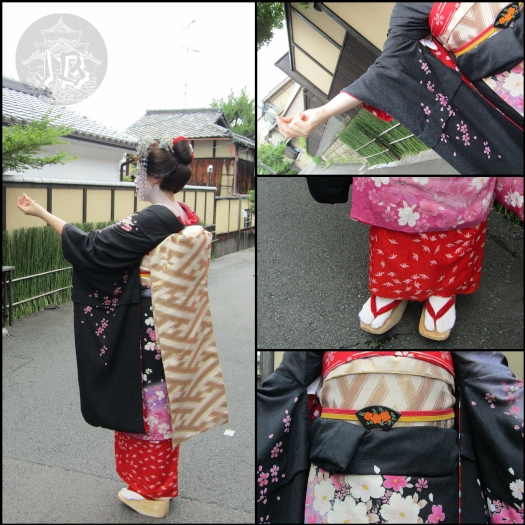
Person dressed as a maiko, with a long robe in black with pink cherry flowers

I walked D****e to her station, waved her away, and headed off towards the third shrine of the stamp rally, which I thought at the time would be the furthest-away shrine, Kamigamo Jinja [上賀茂神社], in the outskirts. There was some kind of art / craft fair there by university students, so it was very lively. Unfortunately too, a lot of it was under renovation, but I explored a little (and wasted a lot of time waiting for and riding the bus). Anyway, I received shrine-stamp number three.
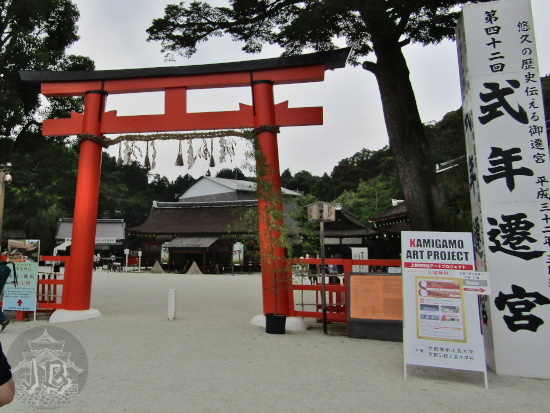
A vermilion torii gate

After the stamp success, I headed off back to the hotel to retrieve my luggage and undid my way to the station by subway. I had a while at the station, so I explored the building a little. Designed by Hiroshi Hara, it is one of the most “out of place” buildings in the city. It can be considered “futurist”, with an irregular glass-and-steal façade and illuminated stairs.
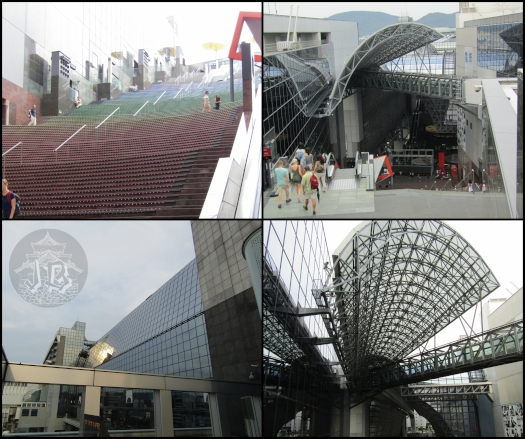
The stairs and wavy roof of Kyoto station

Finally, I jumped on a train to backtrack to Himeji [姫路], which is south of Kyoto. I timed the visit to Maiko Henshin so D****e could tag along, even if it meant going back and forth a little – travel was covered by the JR Pass though. Once in Himeji, I found my hotel and then went to walk around the castle. Actually, I should have been having some dinner but apparently I’m castle-distracted. I walked around the park and took a lot of pictures – and spotted some koi carps in the castle moats that were huge.
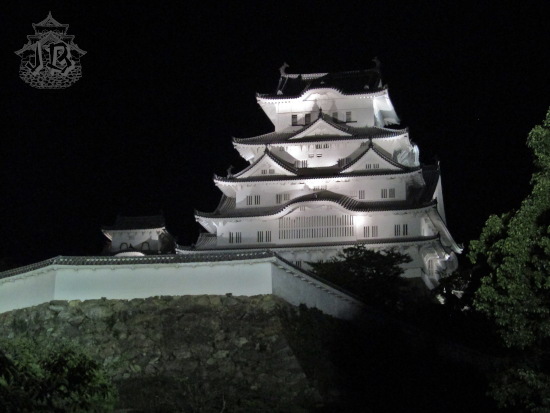

A Japanese castle lit up white at night.

22nd July 2017: Kokura → Okayama – castle day {Japan, summer 2017}

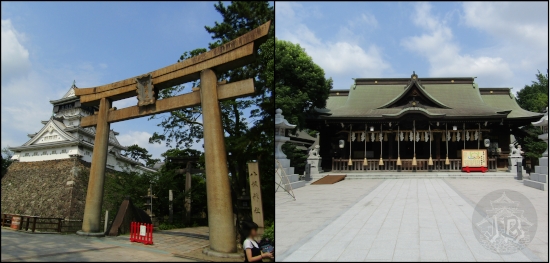
I started the day in Kytakyuushu [北九州], heading out to Kokura-jo [小倉城] again, this time by light.

After the castle I went to Yasaka Jinja [八坂神社], next to the castle.

Then I backtracked to the station to head to Okayama [岡山]. Unfortunately the train I wanted to take was full, so I had to wait for an hour and take a slower train. In hindsight (when everything is clearer) I should have stopped at Fukuyama to see that castle, but I was worried I would not have time to see Okayama castle. On the way I was talking to the nice ojii-san who was going to Nara to pick up the car his wife had bought in yahoo auction.

Upon arrival in Okayama and failure to find appropriate coin lockers I headed out to Okayama-jo [岡山城].

As I was good for time I bought a combined ticket for the castle and Korakuen [岡後楽園] a huge Japanese garden which hosts a couple of small shrines – Jizo-do [地蔵堂] and Jigen-do [慈眼堂].


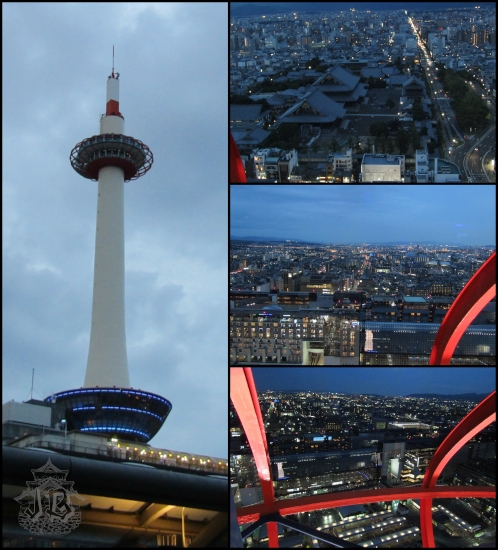
Afterwards I backtracked towards the train station and took a train towards Kyoto [京都], where I climbed up Kyoto Tower [京都タワー], because I had not been up even if I had been to Kyoto before.

Afterwards, I just wanted to get some sleep, so I went to the hotel, had dinner and collapsed in bed.

21st July 2017: Beppu – Hell day~ (in a good way) {Japan, summer 2017}

Beppu is, as I said before, known for having a lot of volcanic vents. It has decided to exploit this as a tourist resource. Beppu is still trying to open up to foreigners. It’s trying, at least partially. So cheers to the nice people.

The main attraction are the Jigoku [地獄] or hells, which are, depending on who you ask, seven, eight or nine. I visited eight of them. They are spectacular hot springs and vents which are too hot for bathing but really interesting to look at. The whole pack is called Beppu Jigoku Meguri [別府地獄めぐり]

I got myself a map, bought a ticket pack and a bus pass, and set off to the bus. Most of the jigoku are located in the Kannawa [鉄輪] District, but two of them are pretty far away, in Shibaseki [柴石] (2 km is far in the boiling summer, if the weather had been nicer, I would have walked back and forth).

I visited the Onishibozu Jigoku [鬼石坊主地獄] (Hell of the Demon-monk) which is a boiling mud puddle and a strong sulphur smell. I did not manage to get any bubble exploding, but the idea is that the bubbling mud looks like a monk’s shaved head.

Second I headed walked into the Umi Jigoku [海地獄] (Sea Hell), which is a turquoise pond of boiling water with a small shrine. It also has a smaller reddish pond to one of the sides.

After this I took a break to have a made-in-hot-spring-water pudding and have something to drink, just because I could. It was delicious.

And there was Onsen Jinja [温泉神社] (Hot Spring Shrine) to snoop around, too!

Third, I dropped by the Yama Jigoku [山地獄] (Mountain Hell), which comes off from the mountain slope and complements that it is not the most spectacular one with having a small petting zoo, where I somehow ended up feeding a capybara. Don’t ask me XD (This hell is independent, so you have to pay extra to come into it).

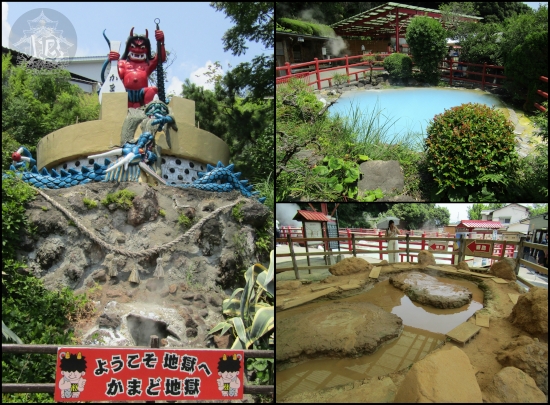
Fourth, I went to the Kamado Jigoku [かまど地獄] (Cooking Pot Hell) which has a big oni cook to greet you.

Fifth, I found the Oniyama Jigoku [鬼山地獄] (Devil Mountain Hell) which for some reason breeds crocodiles, and what the hell, that was scary for a second. Even if they were behind bards, the crocs would follow you under the water and snip at your shadow and some of them were enormous! Creepy! The hot-spring itself was not that impressive but basically because it was steaming too much to see any of it.

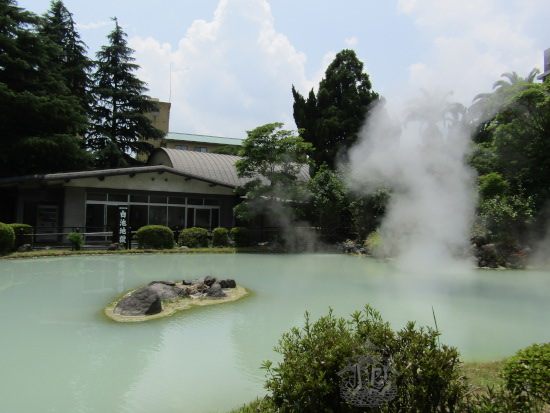
Sixth, I went to the Shiraike Jigoku [白池地獄] (White Pond Hell) where there was nobody to take my ticket. A nice old couple explained that I was to cut it myself and put it in a jar over there. We were talking a little and they asked where I was from. Then they continued on their way and I stayed petting a random cat who decided I was to scratch it right then and there. In this jigokku they also have a small aquarium with several tank of freshwater fish, among them “man-eating piranhas”…

I took the bus then to Shibaseki where the other two remaining hells were. Had the weather been more agreeable I would have walked, but I had the bus pass anyway and it was very hot. As I stepped out of the bus I came across the same couple from before. they explained that they had visited Spain before when they were younger and told me that they were from Osaka. We parted ways to go into the Chinoike Jigoku [血の池地獄] (Blood Pond Hell) which is a boiling red pond. Here I decided to take a foot bath as the area was empty and I was tired.

The final hell was Tatsumaki Jigoku [龍巻地獄] (Spout hell), a geyser you have to wait for, as it has its own timing. Here the old couple brought me a lemonade because they were adorable. And after the geyser it was over, or so I thought.

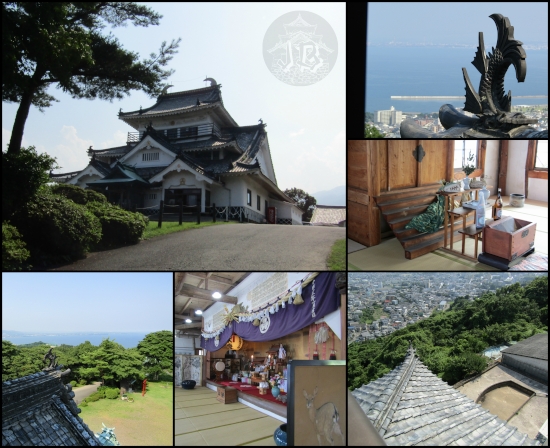
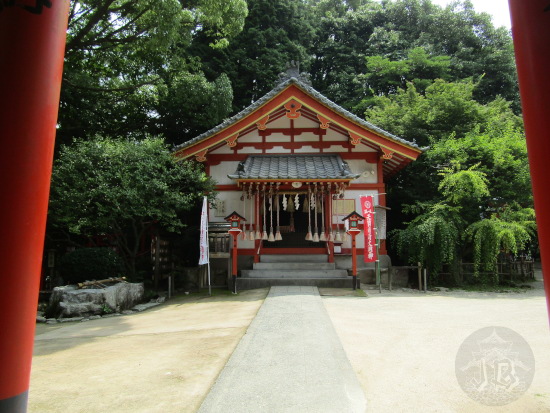
I had decided to give the aquarium a miss, because I was very tired but when I was taking pictures of the “castle” from afar I decided… I could not miss the chance, so I took the bus again towards Kifune-jo [貴船城] (which is quite new but pretty enough). Unfortunately the bus stopped right at the foot of the hill, so I had to go up and climb all the slope. I arrived just in time to pray to a snake which is supposed to bring happiness to whomever pats it.

After the castle I headed back downtown and took the train to backtrack to Kokura / Kitakyuushu [小倉 / 北九州]. While it is true that I had passed Kokura on my way from Fukuoka to Beppu, the idea was always to spend the minimum time on a train per day, but I wanted to combine Kokura with Okayama and make the following day a “castle day”.

Once in Kokura I checked in and went to see Kokura-jo [小倉城] by night.

20th July 2017: Dazaifu – not ready for thorough tourism {Japan, summer 2017}

Dazaifu [大宰府] was the neuralgic centre of the island of Kyushu between the 7th and the 12th century. Today is sort to Fukuoka what Nikko is to Tokyo. Nowadays it is mostly known for its temples and shrines. It has a central core close to the station where you get around quite easily and a few things off the way which… are an adventure to get to.

I started the day visiting Dazaifu Tenmangu [大宰府天満宮], which was crawling with tourists to the point that it was hard to walk at times. It is a big shrine with a huge bridge over a pond in the shape of 心.

Afterwards I got myself a bottle of water and climbed up to Tenkai Inari Jinja [天開稲荷神社] which would have been really, really awesome and creepy if I had been alone, but alas, there were a bunch of other tourists along. It was quite of a climb up so the number was fewer, which made it less crowded though.

After climbing down I wandered around and passed a tiny shrine on the bank of Aizome River [藍染川] the place of a rebirth of a woman named Umetsubo. There is also a small shrine and a “historical site.”

After this I reached Kōmyōzen-ji [光明禅寺], a Zen temple with a great garden, but no pictures were allowed, and you could not really walk through the gardens. However, it was much, much emptier and nicer.

It was now when I decided to head out to the Kanzeon-ji [観世音寺]…

… and Kaidan-in [戒壇院], along with the so called Bonsho Bell.

In order to get here the map sent me through rather bad roads, and it got scary for a second when a car was coming. Furthermore, the signposts were all messed up, making it hard to follow them and the map. But in the end I made it and even if I did not enter the museum, I felt accomplished.

On the other side of the road you could climb up to Hiyoshi Jinja [日吉神社], a tiny and quiet shrine on top of a hill that I really liked – I thought the kami would be bored so I dropped them a prayer too.

After all this I still had a few things left, but I was very tired and there was a storm brewing, so I backtracked to Fukuoka, where I had slept, gathered my luggage and was ready to take a train to my next destination when I unexpectedly met with a VAMPS fan friend, the same one D****e and I ran into at Kumamoto castle! Small world! We had ramen – Hakata ramen, of course – together and then I took the train towards my next destination, on the other side of Kyushu: Beppu.

Beppu [別府] is a small town on the side of a volcano known for its hot springs because it’s on the slope of a volcano named Tsurumi-dake [鶴見岳]. It has almost 3000 volcanic spring vents and it is a bloody amazing place!

I checked into the hotel and almost immediately walked out because the hotel was right next to Beppu Tower [別府タワー]. However I got distracted by Matogahama Koen [的ケ浜公園] and the beach and the breakwaters.

Finally I climbed up to the tower and looked around the city. I was a little disappointed because I was expecting to see some of the vents or at least a spark coming for the volcano, but it did not happen.

Afterwards I walked down to the hotel and spent an hour in the public bath that they had, which was really, really good for relaxing. And then I collapsed in bed and got some sleep because there was a big day the following day!

(I have to say here that I have decided to omit here most of the ‘blergh’ part of this trip in order to keep only the nice memories, thus the upcoming posts are a bit edited. So I’m not telling you about the unfriendly people I met in the way and that made me feel a bit sad. Just the friendly ones because they rock! )

19th July 2017: Nagasaki – the perseverance of nature and the pride of man {Japan, summer 2017}

My Nagasaki [長崎] day was the worst weather I’ve ever experienced in Japan. There was a storm mid-morning which caused the atmosphere to become so heavy with water vapour that even breathing was difficult.

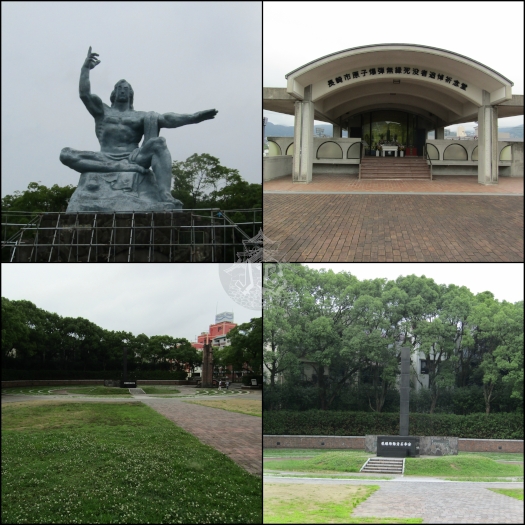
I started the day getting a tram pass and a map, and I first set on my way to see the Heiwa Koen [平和公園] or Peace Park, in order to be done with the ‘heavy feelings’ and then do other more relaxing stuff. I saw the Peace Fountain and the Peace Statue and snooped around Urakami cathedral outskirts, but it was being cleaned / renovated, so I did not walk closer. Then I looked at the Hypocentre of the Atomic Bomb. It made my heart heavy, thinking about what humans can do to each other.

After the Peace park I really wanted to see the one-legged torii of Sanno Jinja (山王神社), located less than a kilometre away from the blast site (the problem was that following the Nagasaki tourist map and signs, I had to take a huge detour). The shrine was destroyed in the blast, but the second torii did not completely collapse. The right leg and half the front remained standing, albeit, albeit rotated 30º. The torii still stands and now Sanno Jinja hosts the kami of two camphor trees that were scorched in the blast, but they survived and are now covered in leaves.

After that I took the tram towards Chinzei Taisha / Suwa Shrine [鎮西大社 / 諏訪神社] and as I was getting to the tram stop, the storm broke. It was not the rain as much as the asphyxiating heat what made it hard to breathe, even much more to climb up the stairs to the shrine.

After that, once the clouds had lifted and I had drunk a whole bottle of coke in pretty much one go, I headed off to an area called Teramachi [寺町] where two prominent temples stand. The first is Kofuku-ji [興福寺].

The second is Sofuku-ji [崇福寺]. Both of them are Chinese origin temples that at the moment feel more like tourist attractions than actual temples (entrance fee and all).

As I had taken down such a detour for Sanno Jinja and underestimated the distance between Kofuku-ji and Sofuku-ji I was running a little behind schedule, so I decided to change my original plans. First, I made a brief stop by Megane Bashi [眼鏡橋] (the Spectacles Bridge) over the Nakashima River, which is the oldest stone arch bridge in Japan, built by the same Zen master who established Kofuku-ji.

After this, even if I was a step away from Chinatown, I took the tram to the Nagasaki Koushibyou / Chuugoku Rekishi Hakubutsukan [長崎孔子廟 / 中国歴代博物館], aka Confucius Shrine and Historical Museum of China, because I wanted to be there before it closed. That was really and quite unexpectedly cool.

Again due to timing, I backtracked to Dejima [出島]. This is / was a small artificial island in Nagasaki bay established in 1634. This served as the opening of Japan to the Western world through trading with Dutch merchants. The recent renovations have restored the buildings in the island and established a museum to show how the Westerners lived. One of the things that grabbed my attention was the skeleton of a cow which had apparently been used to grow vaccinations. And there was a stamp rally, which only added to the fun. As a matter of fact I have to say that most of Nagasaki was more interesting and fun than I had expected, especially after the Peace Park and the heavy heart it caused.

I finally could backtrack to Nagasaki Chinatown (Chuokagai [中華街]) in Shinchi Machi.

After Chinatown I walked up to the Former Chinese Settlement, or Tojin Yakishi [唐人屋敷], where I saw Dojin-do [土神堂], Fukken Kaikan Hall (main gateway and Tenko-do) [福建會館], and Kannon-do [観音堂] which are remaining Shinto shrines in the area. Tojin Yakishi is the area where the Chinese merchants were confined, much like Dejima was for westerners.

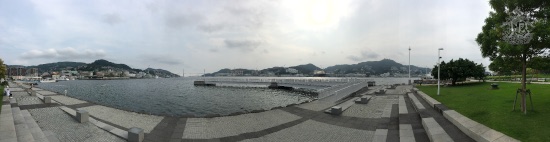
To end up the day I wandered around the Seaside Park, Nagasaki Mizube No Mori Kōen [長崎水辺の森公園] and backtracked to the station to head off to my next destination. All in all, I got the feeling that unlike Hiroshima, Nagasaki is trying to move on from the bombing and cultivate everything that it has to offer.

18th July 2017: Fukuoka – swampy heat {Japan, summer 2017}

The modern Fukuoka [福岡] is a rather big city comprised of two towns – Fukuoka and Hakata. My hotel was in the Hakata area (close to Hakata station), so I could start with visiting some of the sights around there. Right down the street there was Hakata Sennen no Mon [博多千年門], which is a rather modern gate that signals the entrance to the historical site of Fukuoka.

Afterwards I snooped the back gardens of Jouten-ji [承天寺], to whose main building I would come back later (weird mapping sent me the wrong way).

I snooped around Waka Hachimangu [若八幡宮], which was not even open as this was about 8.30 in the morning, I had some coffee and I continued on my way.

My next stop was Tōchō-ji [東長寺] a Buddhist Temple with a rather short-tempered monk in charge of writing shuuin, and a huge Buddha statue made of wood around whose you can descend to ‘hell’, a corridor which first explains the different hells in Buddhist religion and then plunges into complete darkness (no pictures allowed though).

Next I was in Ryugu-ji [龍宮寺], a small temple next to Tōchō-ji.

Right on the other side of the street I walked over to Kushida Jinja [櫛田神社], dedicated to Amaterasu and Susanoo, the first gods in Shinto.

After that I walked into Gokushomachi [御供所町], an area where two or three major Buddhist Temples are located. The most important out of these (and the only one open for inspection) was Shofuku-ji [聖福寺], which is the first known Zen Buddhist temple in Japan.

Afterwards I took a stop at a conbini for some lunch a subway ride to check on the former site of Fukuoka castle Fukuoka-jo [福岡城], and the only two remaining items: the Otemon (main gate) [大手門] of the castle and Shiomi Tower [潮見櫓] and backtracked to the train.

My next stop was Suikyo Tenmangu [水鏡天満宮], in the dead centre of Fukuoka, following the Fukuoka Navi recommendation.

Afterwards, I walked a little and ended up at Kego Jinja [警固神社], a shrine which holds a ‘laughing’ kitsune statue in the grounds. It is the closest thing to a castle shrine that Fukuoka has.

My last stop in Fukuoka was Sumiyoshi Taisha [住吉神] which was colonised by VAMPS fans as it seems that HYDE favours it (the Osaka one, at least, but… don’t ask me).
 

On my way back I had some ice cream because hot and hungry.

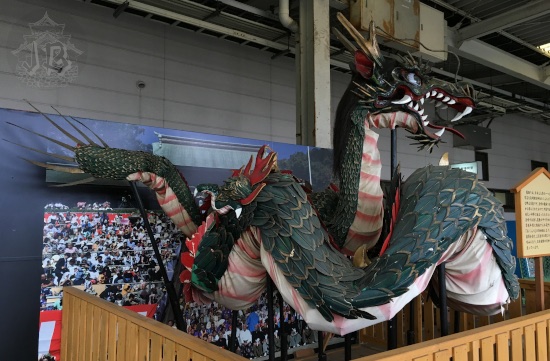
Finally I took the 15:15 Kamome train to my next destination, Nagasaki [長崎]. This dragon greeted me at the station.

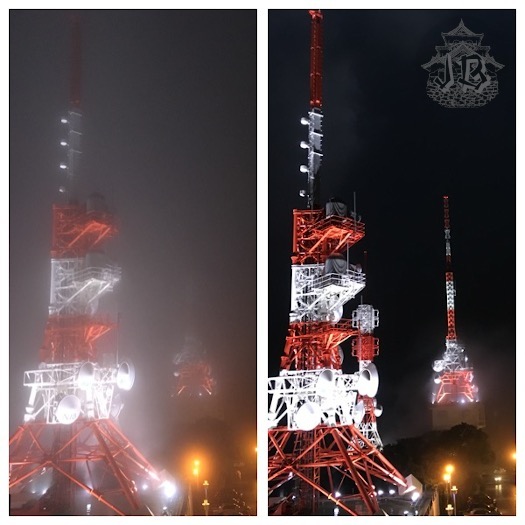
After checking in, I tried to go to the Peace Park, but Google sent me to a random parking lot called “Peace Park” so I decided to go to the Inasayama [稲佐山] Observatory to watch the “one million dollar view”. Fortunately or unfortunately there was a storm brewing – it broke down as I was heading towards the Nagasaki Ropeway [長崎ロープウェイ], then it calmed down, only to start up again once I was almost at the top of the mountain. So normal people watch the Nagasaki skyline, I… guessed the Nagasaki skyline through a storm cloud, because I am cool like that.

17th July 2017: The power of nature {Japan, summer 2017}

In the morning, D****e and I left the hotel to tour Kumamoto [熊本] a bit more. We headed off to Fujisaki Hachimangu [藤崎八旛宮], a shrine dedicated to a bunch of historical figures, among them Emperor Ojin.

After that, we walked in the sun towards the castle, and we missed our entrance to the nice shade, so we were in the scorching sun for a little longer than intended. In the castle park we headed off to Kato Jinja [加藤神社].

As we walked around the park, and from Kato Jinja itself we could see part of Kumamoto-jo [熊本城], but we could only see one of the towers, as the main building is still under reconstruction. The destruction of the turrets and walls gave us a chill, thinking of that quake and how strong it must have been. I have decided that I must come back to Kumamoto some day to see this castle once it is reconstructed.

As we were coming down we met a friend and arranged to meet with her later to emulate HYDE’s pictures at the station, but first we dropped by Kumamoto Inari Jinja [熊本城稲荷神社].

We had a shabushabu lunch and then headed off to the station meet with C. and to take our pictures with Kumamon (and a nice old couple who… wanted pictures with the gaijin for some reason).

After that I took the Shinkansen to Hataka station in the city of Fukuoka [福岡], where I arrived around 6pm. This kick-started my pattern for the following days: travel to a new city in the late afternoon / early evening, check in a hotel close to the station, see monuments by night, sleep, see the important stuff during the morning.

I checked into the hotel, changed clothes and headed off to see Fukuoka Tower [福岡タワー] and Momochi Seaside Park Seaside Momomichi Kaihin Koen [シーサイドももち海浜公園]. The latter is a small beach park which holds some restaurants, cafes and one of the famous Fukuoka wedding venues (the Marizon).

I entered the Tower and was waiting for a while to climb up, but it was worth it, as I got to watch sunset. I really like the whole tower-climbing thing. Finally I backtracked towards the hotel, stopping to take pictures of the lit tower on my way back.

16th July 2017: Kumamoto and VAMPS {Japan, summer 2017}

In the morning we headed off to get to know Kumamoto [熊本] a little. The first stop was Honmyou-ji [肥後 本妙寺], a temple in outskirts (with a tram stop conveniently placed at the end of the street). It is a temple that suffered a lot of damage in the 2016 earthquake and it’s in process of being rebuilt. A double staircase (176 steps) leads up from the main door to the main building. In-between the two sets of stairs there is a line of stone lanterns contributed by believers. Most of them, however collapsed in the quake, and that’s not the only reminder. I climbed up to the top of the hill (300 steps) to the grave of Katō Kiyomasa, the daimyo of Kumamoto who built the castle.

Highlights of the Buddhist temple Honmyouji. The entrance at the top of the stairs, a stone lantern that collapsed during the earthquake, the graveyard, the main building, and the statue of a samurai standing proud against the blue sky

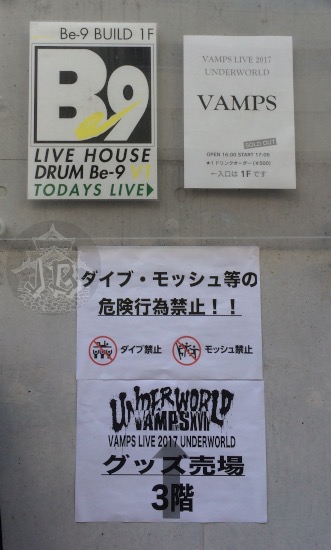
After that I walked around town for a while and checked out the B.9 V1 Live house, the venue where the concert was going to be held, and bought some goods. VAMPS brought their act Underworld to Kumamoto as a sort of improvisation, to “cheer the town up” after the earthquake. To be honest, Underworld is not my favourite VAMPS album, because the music reminds me of a lot of American hard-rock bands. Not that I dislike them, but in my head the songs sound like “someone else’s”. It is not a bad album but… it feels weak, and that shows in the concerts, in my opinion. However, they’re still fun.

Notice for the concert, reading B9 livehouse, Today's live is Vamps Underworld. Third floor.

After the concert and watching the departure of the band, we had dinner with a friend and then D****e and I walked around Kumamoto’s castle park, Kumamoto-jo Koen [熊本城公園] at night to eat ice cream and see the actual castle, Kumamoto-jo [熊本城].

The Kumamoto Castle at night. one of the towers, in dark grey and white, stands unscathed, but the main building is held behind a huge scaffolding and cannot be seen.

12th July 2017: Sugamo or how Google maps trolled the hell out of me {Japan, summer 2017}

You might remember that last year I was living in Komagome, which is a stop away from Sugamo [巣鴨], also known as “Grandma’s Harajuku”. That in itself did not sound too appealing, but it after some research I found out that it had a couple of interesting temples. However for some reason Google maps screwed up my route with several stops and sent me on the way it wanted.

In the end the first thing I snooped around was what I think was Edorokujizoson Shinsho [江戸六地蔵尊 眞性寺], then I continued down the Jizo Dori shopping street.

I continued for about 20 minutes until I reached Chisen-In [智泉院], which should have been the last place I visited.

Then I backtracked towards Honmyou-ji [本妙寺] under the heat.

Finally I found myself at Kogan-ji [高岩寺], which hosts the Togenuki Jizo [とげぬき地蔵], which is a jizo (monk) statue. Tradition says that if a part of your body hurts, you wash that part on the monk for him to heal it.

Then I headed off to Shinjuku [新宿] (where yes, this time there was fandom shopping) and I met with D****e at the station. We went for dinner at Steak Gusto, which was okay.

11th July 2017: Ueno on the first full day is a thing {Japan, summer 2017}

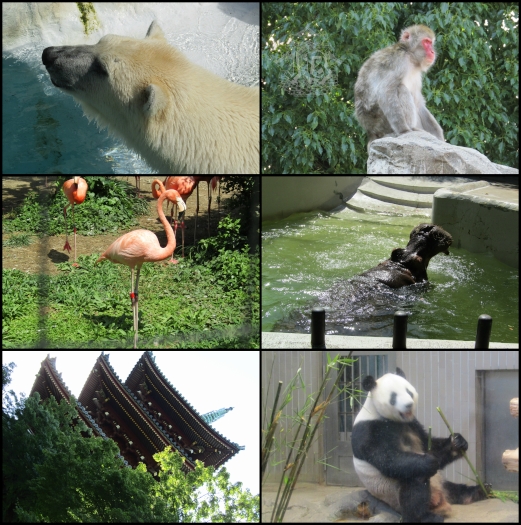
I headed off to Ueno because I wanted to wander around the zoo. Don’t ask me why, but it was what I felt like doing. First I dropped by the Shinobazunoike Bentendo [不忍池弁天堂] where I got the shuuin and I entered Ueno Zoo through the new Benten gate. The zoo had not changed much, I think, but I saw things I did not remember seeing the first time around. They have moved the petting zoo to something closed, probably to fight off the heat.

I had lunch at the zoo around 1:30 pm, then continued my way towards the upper part of the zoo. There I was observed by a bird of prey and it made me feel like food XD. I stayed at the zoo until 16:30 I did not get to see the baby panda because it is too small to be up and about.

Then I headed off to Shinjuku [新宿] which was a convenient place to meet up with D****e for dinner and an hour of karaoke. I did some shopping as I waited – and for some once, that was not (only) fandom related. I was in Kinokuniya getting myself some Japanese books (because as I passed N4 I have to continue studying). Bummer. We also stopped by a random electronics shop which had a big Yoshiki poster. That’s always nice to see.

7th January 2017: Hiroshima and Oblivion Dust {Japan, winter 16/17}

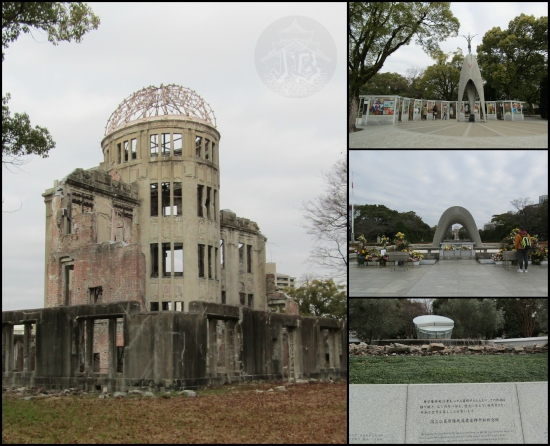
I caught up the 8 am ferry and was downtown in Hiroshima [廣島] round 9.10. my first stop was the quite-impressive and down-brining A-dome. This is the building above which the atomic bomb went off, and it is very, very sobering. What impressed me the most was the bottles of water still being offered to those who had been killed by the bomb.

I strolled around the Peace Memorial park, Hiroshima Heiwa Kinen Kōen [廣島平和記念公園] for a while, but I could not stomach the museum, to be honest. So after a while I decided to be on my way. Just imagining the amount of destruction and victimisation was spine-chilling.

My next stop was the old Hiroshima castle grounds. The first thing I saw there was Hiroshima Gokoku Jinja [廣島護國神社], which was full of people doing Hatsumode (I think this was kind of a pattern all through this first week of the year. Oh, the surprise (*≧▽≦)).

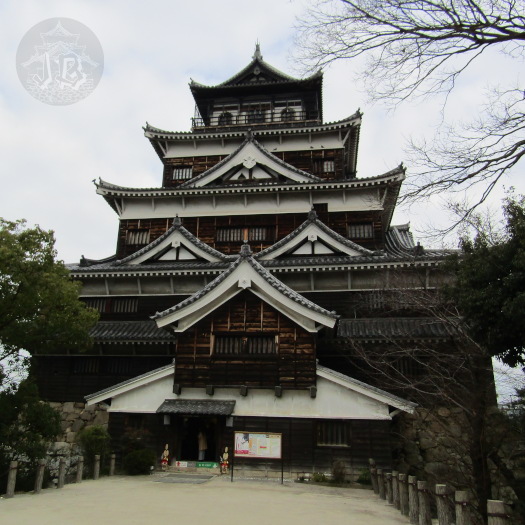
After that, I continued towards the castle, Hiroshima-jo [広島城], which holds a little antique museum, and was doing a demonstration on katana-making. However, I did not get to see the blades, they were just working on the guards, which is… I mean, don’t get me wrong. Not as cool? The castle was destroyed when the bomb went off, so it has been reconstructed since then. Part of the museum was dedicated to the reconstruction of the area. On the top floor there are a resting room and an observatory.

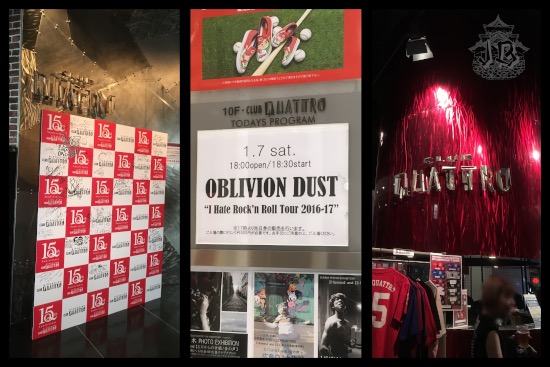
After the castle, I decided to head off to have some food and afterwards I went to Club Quattro, which was hosting an Oblivion Dust concert. Not that I am a hardcore (or much of a) fan – as a matter of fact I had never listened to any of their songs – but the guitarist is one of the VAMPS members, K.A.Z, and I kind of wanted to check them out.

I stayed over with Ms-san (who had helped me get the ticket) and some other acquaintances to see the band come in – and we got a half-assed wave from K.A.Z – and then I stayed to buy some merchandise. Then I realised that I had a… tiny problem. I had no transport to get to my hotel after the concert \(〇_o)/ because my last bus to the airport was at 7 pm, and I had a hotel very close to that!!! Well, I could have taken a taxi, but that was mover expensive than getting another hotel and losing the reservation for the previous one. It was a stressy hour until I could get there, check in, get some food and come back, but it all turned out nicely in the end.

The concert, part of Oblivion Dust’s 20 anniversary “I Hate Rock n’ Roll Tour 2016-17”, was really fun. Even if I had not heard any of the songs before, it felt familiar, as I could relate K.A.Z’s music style to what I knew from VAMPS and the long-gone Hide with Spread Beaver to some of thee songs I was listening to. The ‘average setlist’ for the tour was the following, so it is possible that this was what I listened to:

  1. In Motion
  2. Under My Skin
  3. Radio Song
  4. Red Light Green Light
  5. Come Alive
  6. Evidence
  7. Erase
  8. Easier Then
  9. Designer Fetus
  10. Elvis
  11. Sail Away
  12. Crawl
  13. Never Ending
  14. Lolita
  15. 24 Hour Buzz ’99
  16. Death Surf
  17. Nightcrawler
  18. Sink the God

K.A.Z was quite serious and concentrated most of the concert, and he only smiled a couple of times when he was exchanging glances with Arly, who is the support drummer for both Oblivion Dust and VAMPS. Most of the time I don’t even check on Arly that much, because I’m following Hyde around with my eyes, and that is a challenge, so I think this was the first time I was ever aware of how much fun Arly has at his job.

The bass player, Rikiji, was pretty fun. Ken, the singer, has a very different style from Hyde, but I could really see some parallelisms in the way he jerked around stage and jumped up and down. At one point, the guy climbed on the stage scaffolding-like thingy, hooked his knees, let himself and sang upside-down for a while. Now, that was quite impressive.

Surprising as it might, considering that in VAMPS he has to share the spotlight with something like Hyde, K.A.Z was quite… I’m not sure how to describe it… he did not have so much of that spotlight. No much guitar twirling, not that much jumping up and down either. At one point he went all zen in the back of stage where he could barely be seen. Seriously.

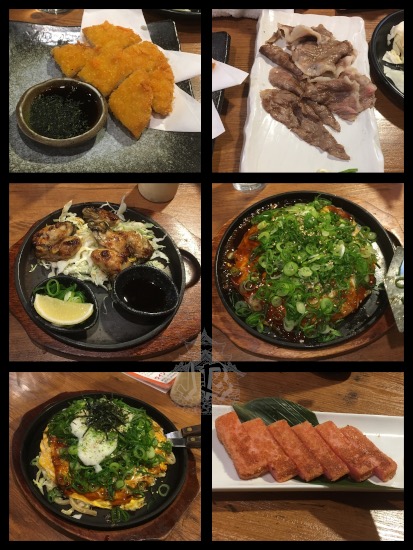
After the concert I went to eat with Ms-san and one of her friends and we had a few local specialities, such as Hiroshima okonomiyaki and roasted oysters. After that we all headed back to our respective hotels.

6th January 2017: Miyajima (in eleven hours) {Japan, winter 16/17}

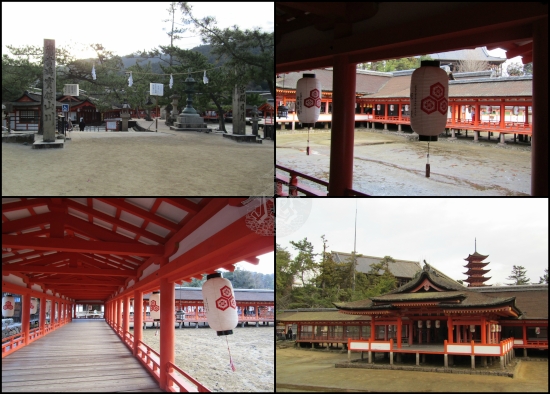
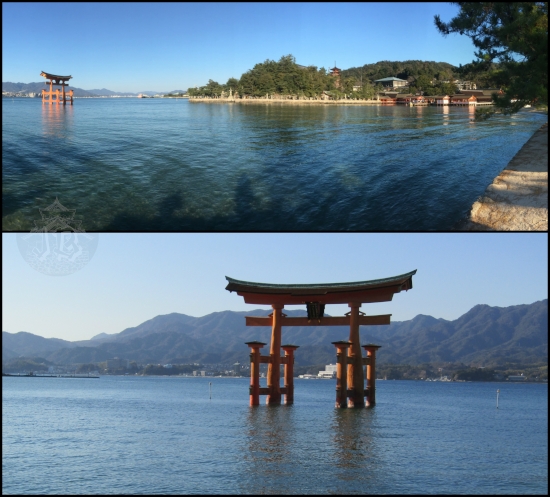
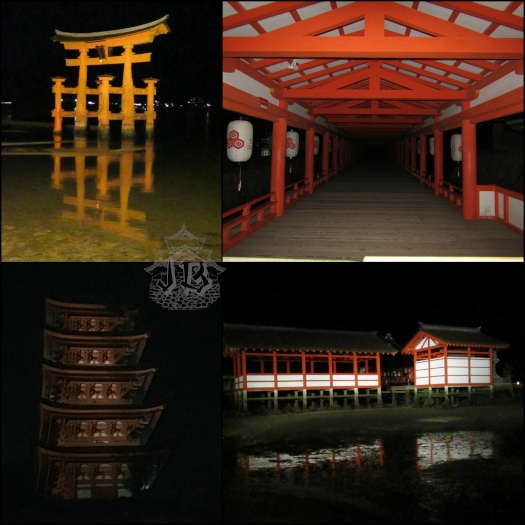
I was, quite literally, out from sun to sun on this day, and then when it was night I came back for more. Miyajima [宮島] is a small island in Hiroshima Bay, famous for the ‘floating torii gate’, the o-torii [大鳥居], belonging to the Itsukushima Jinja [厳島神社]. About 17 metres high, it is planted on the beach in front of the shrine, and you can walk up to it in low tide. In high tide you see it in the middle of the water. The o-torii’s upper part is around 22 metres long and hollow. It is not nailed or glued, but is weighted down by fist-sized rocks stored in the hollow area. The pillars are solid.

And to the o-torii I headed off literally at dawn, after getting a warm coffee from a vending machine. The first few minutes cough half an cough hour cough were spent around the torii as it was low tide and you could walk up to it.

After I managed to peel myself off the o-torii, I headed off to the shrine it actually belongs, Itsukushima Shrine, which is the main shrine of the island. The shrine has a famous noh stage and when the tide rises it also becomes ‘floating’. It is the biggest shrine in the area. Itsukushima Shrine is dedicated to Ichikishima-hime, Tagitsu-hime and Tagori-hime, known as the Munakata goddesses, are the deities of the ocean, traffic safety, fortune and accomplishment.

After Itsukushima shrine I ducked some deer, which abound, and are always hungry for maps and so on, and I walked down the breakwater to a little shrine named Kiyomori Jinja [清盛神社].

On my way back, I stepped on the grounds of the Buddhist temple of Daigan-ji [大願寺]. It was here where I realised that there were little stamps to be collected in the island, which is always a plus.

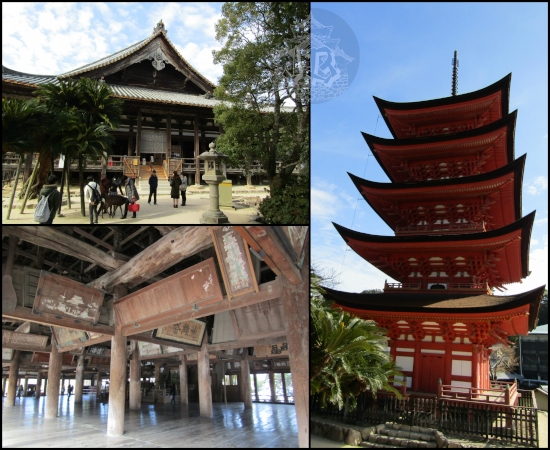
Then I got to Itsukushima Jinja Takaramono-kan [嚴島神社 寶物館], the shrine’s Treasure Hall, where they have a few treasures and old scrolls, armours and so on. Among them they have the ‘Story of Heike’ as well as several of the Heike family Buddhist Sutras. However, no pictures allowed. I continued on my way to the Tahoto [多宝塔] three-story Pagoda (also belonging to Itsukushima Shrine), which has a characteristic shape: it is square on the lower level and has a round shape on the upper level

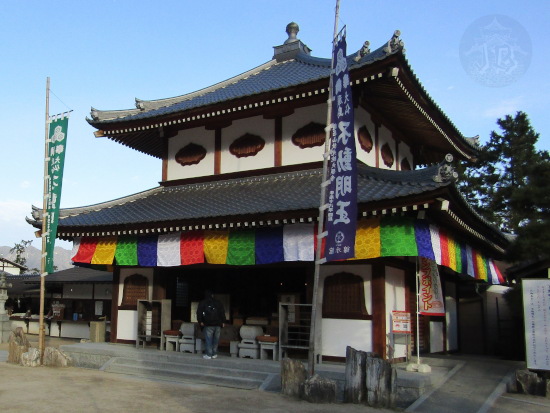
From there I got to Daishoin [大聖院], another of the big Buddhist temples in the area, where I decided against hiking up mount Misen (2.7 km to the summit). The temple has a few up and downs, and it was here where I ate my karepan breakfast, around 9.30 – 10 am, I am not exactly sure. I do remember that my camera battery was already down one bar out of three.

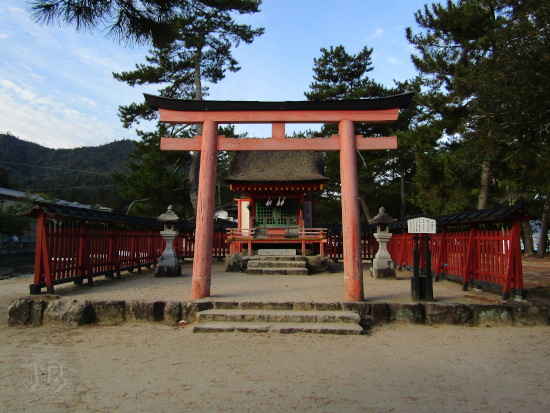
Then I headed down and then up again to another of the low hills to the Senjokaku [千畳閣] pavillion and the Pagoda of Toyokuni Jinja [豊国神社] and the five story pagoda next to the main building. Toyokuni Jinja was supposed to be a library of Buddhist sutras – however, it did not get finished (although that has its own shuin for some reason (・□・;))

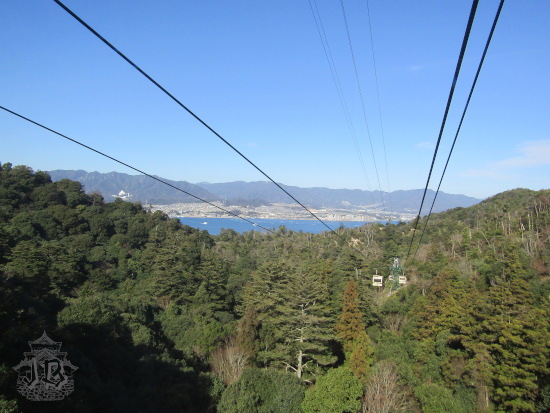
At that point it was barely half-morning I wondered whether to head downtown to Hiroshima, because high tide was only at 3 pm, and I really wanted to see the half-submerged torii, but I did not really know what to do. And no idea what got into me, but at that point I changed my mind and decided to go up Misen [弥山], the “island mount”. I actually decided to take the Miyajima Ropeway [宮島ロープウェー]. I crossed Momijidani Koen [紅葉谷公園], which is full of deer, and probably amazing when it is in full red, and took the ropeway from the park to Kayadani Station [榧谷駅] first and to Shishiiwa Station [獅子岩駅] then, about half an hour away from the summit. From there I took a few pictures and then decided to make my way up.

At that point I was not really thinking about getting to the summit (535 above sea level, and we’re talking 0 to 535 metres for real), but to Misen Hondo [弥山本堂] which is the temple where the ‘eternal flame’ was originally lit by a meditating Buddhist monk hundreds of years ago. The Peace Flame from Hiroshima was lit from here. There were two secondary halls, Sankido [三鬼堂] and Dainichido [大日堂].

But after Misen Hondo, I was ‘so’ close to the summit that it would be a pity not to finish the deed. That way, I could go up one route and down another one in order to see more things. On my way up and from the summit the sights were impressive, although it was a bit tiring. And a bit means a lot…

I think that at some point I considered using the ropeway down but time-wise it was going to be the same and walking down could be cheaper and would get me to see more stuff, such as Miyama Jinja [御山神社]. And I did not break my neck on the long hour and a half of hike-down, either. A greater plus.

All right, what time do you think I made it down? Not even 3 pm just yet, but as I had seen from halfway down the mountain, the tide was already up. Therefore I was able to see the floating o-torii, which was a high moment for me. The problem was that I was almost running out of battery in my camera already, and there was sunset to come! On my way around the bay I ate a very overpriced yakitori, but I was hungry and since Miyajima is ‘World Heritage’ it really does not have convenient stores.

And thus, when I went towards the aquarium, Miyajima Suizokukan [宮島水族館]. I decided to take all my pictures with the phone over there to save camera battery for the sunset pictures. That it was awfully cold at that moment had nothing to do with my decision, of course and walking into K.A.Z. absolutely never ever crossed my mind either.

After the aquarium I was distracted by Omoto Jinja [大元神社], which was full of deer. Praying, I’m sure. There were baby deer too, being bullied cute but for some reason (probably lack of battery) the pictures did not come out.

Then I headed back to the o-torii area to watch it in the sunset and took pictures until I had no more battery on any device.

Once batteries were dead and the sun was too low, so I headed back to my ryokan to recharge – in every sense of the way, as it was after 5.30 pm. On my way back I bought a local speciality – ‘fishcake’ which in my case was shrimp because I did not dare try the oysters. It was yummy. Before going to the hotel, I got myself some groceries to recharge my own batteries and have dinner later.

I spent some time resting, charging all the devices and writing down notes on everything I had been doing during the day, and then, at around 9 pm I came back out again to take pictures of the shrines and o-torii at night.

After that, dinner, shower, bed, and early check-out the following day in order to head down to Hiroshima, after very intense 11 hours running up and down Miyajima. Take that, nine hours in Kyoto.

3rd January 2017: Seven Lucky Gods, and a ship, Pilgrimage {Japan, winter 16/17}

As part of the shrine and temple visiting on the first days of the year there is the chance to do a “small” peregrination around several of them for luck – the whole thing is called the Shichifukujin Meguri [七福神 めぐり]. Together with D****e and Sh-san I set off to visit the Seven Lucky Gods of Minato-ku in their respective shrines and temples. Oh, and their ship.

The Seven Gods of Fortune or the Seven Lucky Gods, Shichifukujin [七福神, ] are a group of deities from different origin (India, China, and Japan itself). It is said that on New Year’s Eve the seven gods touch port in their treasure ship Takarabune [宝船] to bestow happiness to humans. The Seven are worshipped in a group, and there are a few temples that enshrine all ofthem together. However, in Minato-ku the Gods and their ship are scattered amongst a seven shrines and one temple. Visiting the Seven Gods of luck will bring you luck for the year (you can read all about the Seven Lucky Gods over at Buddhism & Shintōism In Japan A-To-Z Photo Dictionary Of Japanese Religious Sculpture & Art).

The Gods and Shrines/Temples in the order we visited them are:

  1. Benzaiten at Honjō-in [本成院]. Benzaiten [弁才天 / 弁財天] is the Goddess of the Arts and her virtue is Amiability. She is originally from India.

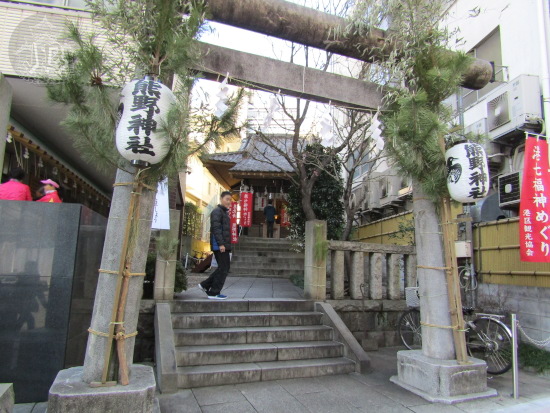
  2. Ebisu at Kumano Jinja [熊野神社]. Ebisu [恵比寿] is the God of the Ocean and his virtue is Fairness. He is originally from Japan.

  3. The Takarabume [十番稲荷神社] at Juban Inari Jinja. The ship carries all the attributes belonging to the Gods, and it is where they come to bring happiness.

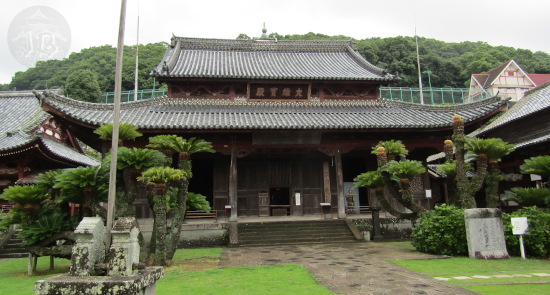
  4. Daikokuten at Daioji [大雄寺]. Daikokuten [大黒天] is the god of the Earth and his vortue is Fortune. He originated in India.

  5. Bishamonten at Hikawa Jinja [氷川神社]. Bishamonten [毘沙門天] is the God of Treasure, and his virtue is Dignity. He comes from India.

  6. Jurōjin at Sakurada Jinja [櫻田神社]. Jurōjin [寿老人] is the god of Wisdom and his virtue is Longevity. Originally, he comes from China.

  7. Fukurokuju at Tenso Jinja [天祖神社]. Fukurokuju [福禄寿] is the god of Wealth and his virtue is Popularity. He originally comes from China.

  8. Hotei at Hisakuni Jinja [久國神社]. Hotei [布袋] is the God of Contentment and his virtue is Magnanimity.

In-between the gods, we had lunch at a very good yakiniku place in Roppongi [六本木].

1st January 2017: Hatsumode {Japan, winter 16/17}

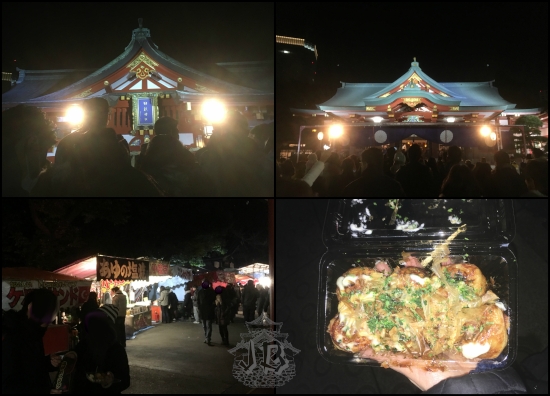
Hatsumode [初詣] is the Japanese custom of visiting a shrine or temple within the first three days of the year. Some people – like we did – actually wait the New Year to roll in the temple grounds. After the 108 (fast!) gongs that signal the entrance of the New Year, you are allowed into the shrine grounds to say the first prayer of the year in Hie Jinja [日枝神社].

After the prayer you can buy good luck charms, arrows which are ammunition for the kami to protect you (or something alike), enjoy some sacred sake, get your shuin, and once you’re outside, buy food and drinks. In my case I got some fresh takoyaki and ate them alone because apparently they’re stinky 。゚( ゚^∀^゚)゚。

Then we headed off home, and I got up at 8 am to have 12 grapes with Spanish TV as it has been my custom all my life. Then I went back to bed.

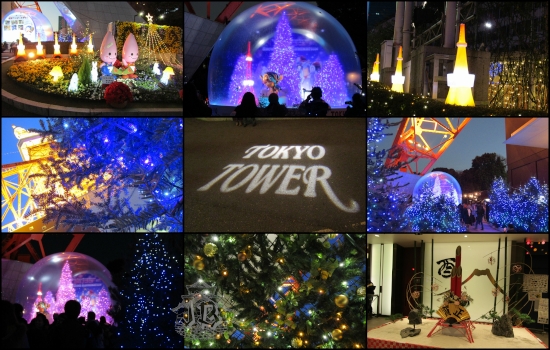
In the evening I headed off to Minato [港] to see Tokyo Tower [東京タワー]. Zojo-ji [増上寺] and Shiba Kōen [芝公園] were packed with Hatsumode parishioners and I had never seen such a line to go up Tokyo Tower. Thus I did not climb up, but I did take pictures of all the illumination around.

Afterwards I met with D****e and K***n. to go to Yokohama [横浜], to have dinner in Yokohama Chinatown, as Chinese people have their own New Year, they would be open to business as usual. It was my first time in Chinatown at night, too, so it was interesting seeing places like Kanteibyō / Kuan Ti Miao Temple [関帝廟 / 中華会館] in a new light.

On our way back we tried to see Shiodome [汐留]’s Winter Illuminations but they were off. We’re not completely sure of why…

28th December 2016: Find all the things ( ・`ω・´)! {Japan, winter 16/17}

One of the items in my calendar this time was visiting the three Dragon Gates of Tokyo. These are three torii gates that have been carved in stone and have an ascending and a descending dragon on each one of the pillars. The legend says that touching the dragons will bring you good luck.

Two torii are located in Suginami [杉並]. The first torii I went off to visit was in the grounds of Shukuhōzan Kōenji [宿鳳山高円寺]. The gate is a bit to the side, in a small adjoined shrine to the left of the main building.

The second gate I visited is in Mabashi Inari Jinja [馬橋稲荷神社], about 15 minutes walking from the previous one (which I chose to hit first because it is closer to the station). As this is indeed a shrine, the torii is pointedly displayed, as it is the second one on the main entrance.

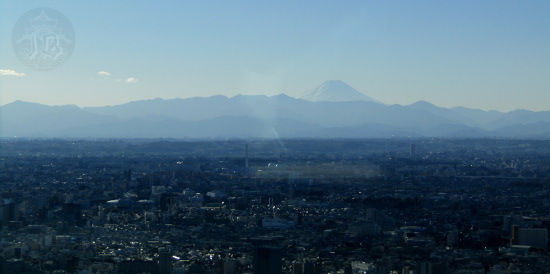
Although I would have wanted to hit the three gates on one day, going back and forth between the first two and the third was not a good idea. Thus, I headed off to Shinjuku [新宿] to check out the Tōkyō Tochō [東京都庁], the Tokyo Metropolitan Government Building, as the day was very clear. And bingo, it worked, and I managed to see Mount Fuji Fuji-san [富士山] in the background. Being a little bit of a geek, and since both observatories were open, I decided to climb both this time (just in case the stamp was different, of course!). Then (also of course) I was doing some shopping around…

And since I was in the area, I decided to go back to Isetan, having devised a plan to get some images of the kimono. Which succeeded. Then I saw other people taking pictures, so I shielded myself with them and took some, too.

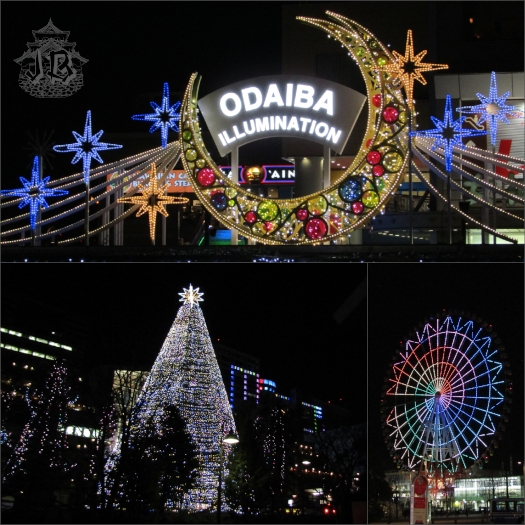
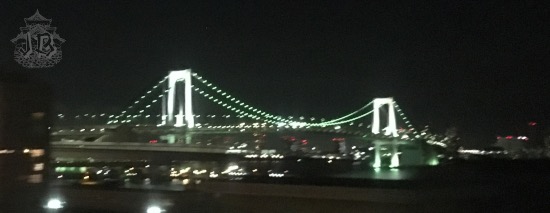
After that I met with D****e and we went off to find some of Gackt’s Gakucchi and Hyde’s Chupacabra crane games and UFO Catchers. For this we headed off to Odaiba [お台場], where we had a chance to look at the Winter Illumination, especially the Rainbow Bridge [レインボーブリッジ] looking… well, rainbow-coloured.

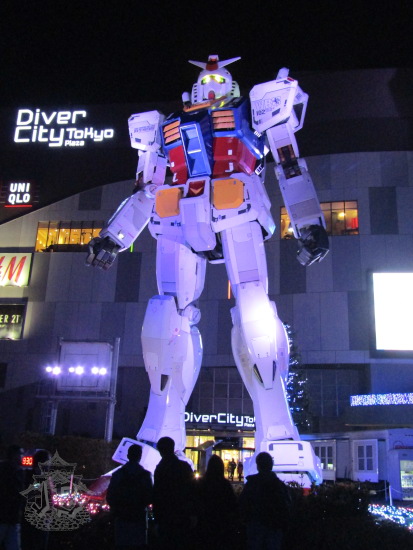
Then we went to say bye-bye to the Gundam in front the DiverCity and had some food inside. Somehow I feel like I’m talking about food all the time (*´∀`*)ノ… This was very yummy and the writing on the algae cracked me up.

As we did not find the Gakucchi nor Chupacabra in Odaiba’s Venus Front, where we had read they would be, we backtracked to Shinjuku [新宿] to search for them. We did not manage to get the stuff out of the crane games but we got the bags that you got with putting 500 ¥ into the UFO Catchers…

30th July 2016: 。・゜・(ノД`)・゜・。 Last day {Japan, summer 2016}

I had set up my alarm at an insane time in the morning because I needed to take the trash out before 8am (between 7 and 8?! Seriously, Japan?). But in the end it was good – you see my contract said that I had to clean the apartment, wash and dry the sheets and vacuum the floors. Which was okay, until the fluffy cover sheet took an hour and a half to about 95% dry. Oh, and I packed. 23.1kg of suitcase (^◇^;).

Anyway, the previous day I had been unable to get the Gakucchi clearfile from the UFO catchers, but I still wanted to try again. As I had to be back at the apartment by 4pm to give the keys back and pass the inspection, I headed off to the nearest Taito station, the one in Ueno. Unfortunately, they did not even have the GACKT machines. So I decided to brace myself and go to Akihabara [秋葉原] to try to find an arcade. The first three – the Sega ones – were not successful at all. I was about to give up and go home very sad when I was finally victorious! I found the clearfiles in the Taito Station. The staff-San I approaches was not very helpful at first – probably my Japanese was not the most articulate at that point either – but when she realised what I was trying to tell her she got me the clearfiles (I had an order, aside from the one I wanted for myself) and placed the plush I wanted on the machine for me to try. Of course I was not successful but I have the clearfile and that makes me happy.

As I had a bit of time, I headed off to Yoyogi Kōen [代々木公園] and Meiji Jingu [明治神宮], as I wanted some omiyage. In the end, I offered an ema, and got some silly stuff. I also located the Like an Edison shop, but I stopped myself from going in because SUITCASE WEIGHT issues. I blame the Hyde is Dead photobook (; ̄ェ ̄). I got back and bought some suahi from the street stand down my block, ate, sneaked out the rest of the trash, and sat down to wait for the inspection. At this point I was feeling kind of sad. Okay, without the ‘kind of’.

But the inspection / cleaner guy was adorable and he was pretty early so I could do stuff in the evening that would keep me going. I went to Tokyo station so they kept my luggage and then I headed to Tokyo Tower [東京タワー]. I got up to the main observatory, and had been considering walking up, but I did not trust myself without seeing the stairs first. So I climbed up on the lift and took pictures and enjoyed myself. I also wrote a postcard to myself to get the special post stamp… yes I’m lame like that, but I had a message for my future self (・◇・)/~~~

I walked down, because I figured out that I could so that more easily and I enjoyed it immensely. Then I stayed for a bit in the Zojo-ji [増上寺] matsuri in Shiba Koen [芝公園] , retrieved my luggage and headed towards the airport.

On my way I got to say goodbye to the Rainbow Bridge [レインボーブリッジ] on the way. It might be worth mentioning at this point that I could not complete the check in, and that I has only registered until Frankfurt… whoops.

Fortunately, after a bit of haggling with the lady organising the check-in queue I managed to get through to talk to an actual assistant who could get me my final boarding pass. I found myself some karaage dinner before moving on.

28th July 2016: Ueno + VAMPS Replay {Japan, summer 2016}

As the time to leave drew near, I felt a bit sad this morning (T^T). However, I did not let myself be dragged by it, so I forced myself out of the apartment to do things, and these things involved Ueno Kōen [野公園].

First I headed off to Ueno Tōshō-gū [上野東照宮], which I had not found open last year when I was there, because there was a matsuri, or something, I don’t really remember. Then I found out about the two dragons, the ascending dragon and the descending dragon, who come to drink at the pond at night. It is a very nice imaginary. Also, the shrine is really cool. It has a bit of a Chinese style, and is decorated with a gold layer. The inner fence shows animals of the sea and the wind, making it a unique shrine. I really liked it a lot.
The main building of a Shinto shrine, sparkling golden with a dark ceiling

Wooden painted carving of dragons, one going up, one going down

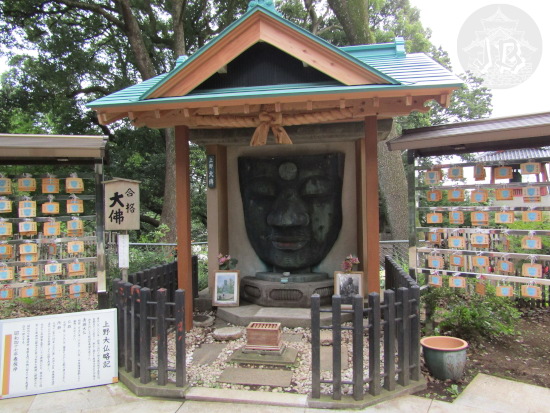
Then I found the Ueno Daibutsu [上野大仏], the Great Buddha Pagoda, which I had missed before – one of the things I love about Ueno is that whenever I go I find something new, yay. Most of the Ueno Daibutsu was melted for metal during WWII.

A giant Buddha face made of metal in a ceremonial pagoda

Gojoten Jinja [五條天神社] is really cool too, but I decided to leave getting its seal for another time. Next time.
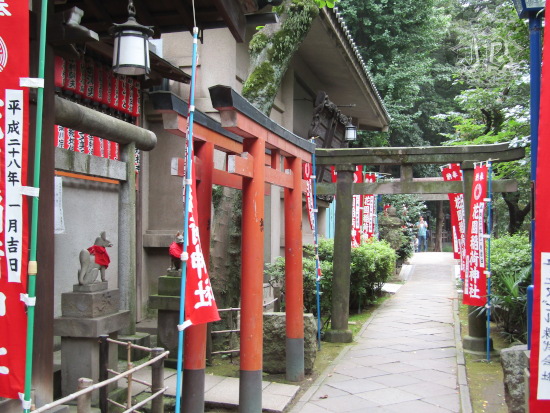
A row of torii gates

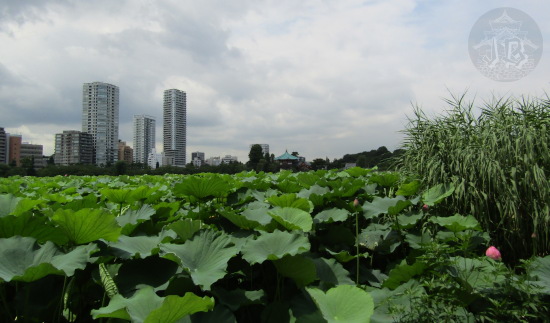
I walked by Shinobazu no Ike [不忍池], the Pond in Ueno.

A pond covered in water lilly leaves, with some high rises in the background

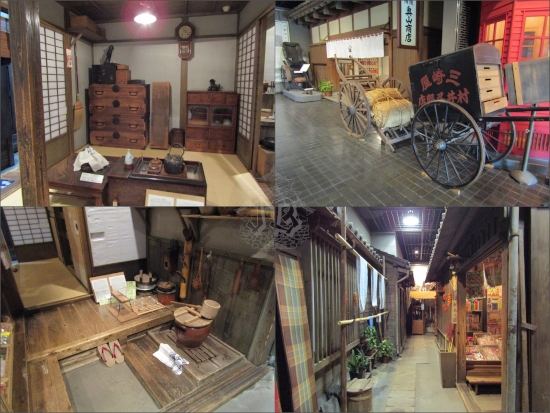
Finally, I went to the museum of Shitamachi of Customs, Shitamachi Fūzoku Shiryōkan [下町風俗資料館], where they keep some old houses from the years after the great Kanto Earthquake. A bunch (hundreds) of houses were built there to make sure that the population was housed. The museum shows how life was those few first years, and how people lived and organised themselves. There are a few items, houses, photographies and so. The second floor is hands-on, with games and pastimes and so. There was a very nice guide there and she explained a lot of things to me.

Reproduction of pre-industrial wooden houses in Tokyo

Later I went to class (I found another Gyoza Franchise on my way back to the station) and then I skidded out because I had to get to Yoyogi National Stadium, Kokuritsu Yoyogi Kyogijo [国立 代々木 競技場], in Yoyogi [代々木]. I was attending the Sukkiri Superlive in order to see VAMPS one more time before heading off back home. All in all, a very complete day that ended up with a bang – when I should have been studying Japanese to be honest ^^;;

The Yoyogi national stadium, and a screen reading Sukkuri 10th Anniversary Super Live

26th July 2016: Day and night {Japan, summer 2016}

In the morning I went off to Shimokitazawa [下北沢], which is a “commercial and entertaining district in Setagaya [世田谷], Tokyo [東京]” (according to Wikipedia, at least).

My first stop was Kitazawa Hachiman Jinja [北澤八幡神社], about 10 minutes away from the station. It is one of those not so hidden shrines that give you the impression that time has frozen.

Afterwards, I undid my way for lunch in Gyoza no Oshou, which I heard that was GACKT’s favourite gyoza place (ironically, this seems to be a franchise, I also found one in Ueno, later on). After that I slithered over to Harajuku [原宿] to find the Closet Child there (and buy things and get a discount card!) Because the fact that there were no more planned shopping sprees does not really mean… anything(≧∇≦).

In the evening (after class and homework), even if it was raining, I waltzed off to take pictures of the city at night. While Shibuya is bustling with neon, Shinjuku was a bit heart-wrenching as the homeless tend to gather around the station for cover, some of them read your palm for cash.

Shibuya [渋谷]:

Shinjuku [新宿]:

Cityscape from the Observatory of the Tokyo Metropolitan Government Building, Tōkyō Tochō [東京都庁] (not alone in the lift this time…):

At night there was an earthquake. Not a big one, probably (3, maybe?), but it made my whole apartment creak with the strain. It was creepy enough to straighten me out of bed (◎_◎;)

16th July 2016: Nagoya express (II) {Japan, summer 2016}

The day started with free breakfast that my hotel was providing, then I checked and set off to find a Shrine in the opposite block. It must have been the invisible shrine, because I did not manage to find it at all.

Then I set off to unwalk the path I followed the previous night to retrace the shrines, successfully. Everyone was getting ready for the festival so Nagoya Jinja [那古野神社] was very busy, and it was barely 8:15 in the morning (yes, I am a Japan early riser, who would have thought? XD)

And the same happened with Gokoku Jinja [佐屋護国神社].

I got to the Nagoya-jo [名古屋城] just before the hordes of tourists and had a quiet while to stroll around and take pictures. And when I say while, I mean couple of hours, because that is how I tick XD

Nagoya’s unofficial mascot is the kinsachi [金鯱] golden tiger-headed-dolphins, castle guardians to prevent the castles from burning (and that slack a little, as most castles have burnt down some time or another throughout history).

When I was coming out I stayed for a while watching the performance and rooting for some people just because they were pretty, even if I had arrived when it has all started and I did not know which clan was “the good guys” and which “the bad guys”. So yeah…

After the castle I checked on the temples again on my way to the metro. I had wanted to check the Gojobashi bridge out but it started raining pretty hard. Buying the Nagoya Eco pass proved impossible so I ended up just going in with the Suica, which worked without a problem. My next stop was Atsuta Jingū [熱田神宮], which enshrines the Sun Goddess Amaterasu. It is a bit out of the way so I decided to wait the rain out during the ride, and the plan worked. When I arrived at the shrine, the sky had cleared. A very nice ojiisan offered to show me around in broken English and I decided to encourage the system – Japan seems to be putting in place a system of helpful people to guide you in special tourist points, in different languages. I’ll support that.

Thus I went with the ojiisan who showed me around English. Even when I tried to switch to Japanese he would not really let me. He was quite impressed for for some reason that I knew names like Tokugawa or Nobunaga. After we were done with the tour I strolled around on my own again to take some pictures and enjoy the shrine. (I’m not a fan of this whole fad of Japanese older men acting as guides…)

Then I headed back to the metro system to get back to the central area and visited the Higashi Betsuin Kaikan [東別院会館], next to Nagoya TV and a Book Off.

I also made a pause for a snack, and then headed off to the Osu Kannon [大須観音].

Walking towards it I came across the hip shopping district, and a small Shinto shrine that I think was the Kitano Jinja [北野神社], but I cannot tell for sure. Bummer, I should have gotten myself the Japanese map along with the English one to match names.

After that I was a bit on the tired side so I headed back to Nagoya station. I had some time before my train so I tried the typical local chicken wings, tebasaki [手羽先].

Then I spent my Shinkansen ride listening to music and playing with my phone and was very lucky to go into a TOKIO-commercial full Yamanote train from Tokyo station to Konagome.

And then I crashed into bed. Because I was tired.