19th June 2021: Dino World Expo in Madrid (Spain)

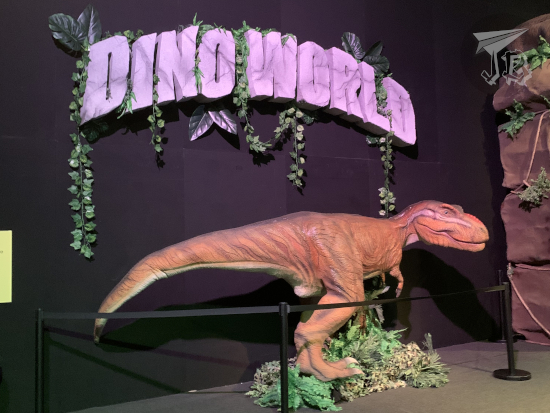
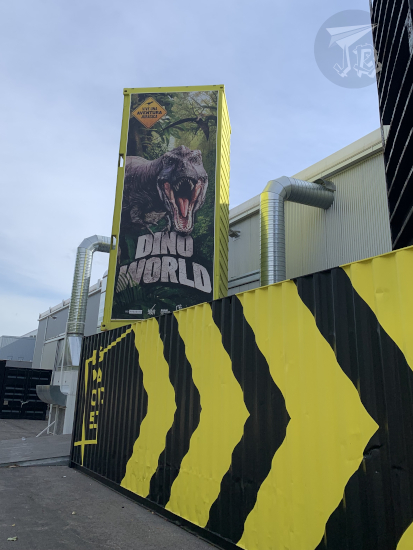
Upon finding that the exhibit Dino World Expo was opening in Madrid on the 18th, I decided to book myself a ticket for the first pass on Saturday morning, 10 AM. I guessed that it would not be too full since it was the first weekend, early, and before school was out for the summer and all the reviews popped up so everyone found about it and brought their kids.

The exhibit was held in Madrid’s fair grounds, IFEMA Espacio 5.1, a short drive away, and aside a small mishap with setting the Sat-Nav. When I arrived, about 15 minutes later there were about ten families with little kids. I walked around for a little and came back when the doors opened. There were several types of tickets, the basic one was 13.50€. The exhibit included an extra “Virtual Reality experience for 3€” (it was 4€ if you bought it during the exhibit itself), so I decided to get the “premium entry ticket” which for 23.50€ included entry, a printed picture (10€ otherwise), the VR experience, a lanyard and a poster – both of which have been distributed around kids who might have want them.

When my ticket was scanned, the system roared and I was given my “VIP lanyard”, and told that I just had to show it around. Then again, let me tell you that I almost called this post “normalise people doing stuff alone” but that would go into the ranting territory and I did not want to do that – it is enough to say that from the beginning to the end of this exhibit, every staff member gaped at me for being in a dinosaur exhibition alone / without kids.

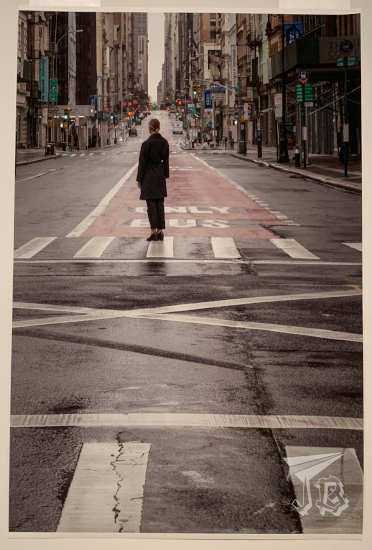
Upon entrance I got my picture taken, then had to wait a little with a couple of families before me until the first room cleared. We got an explanation about the audio-guide app and the exhibit rules. The exhibition itself was composed mostly of animatronics that moved and roared – when they had remembered to turn them on, some of them were still asleep. Aside from the life-sized animatronics, there was a CGI film and at the end of it, the VR experience which… was okay I guess. I learnt that I am not a VR person, as I got more than a bit queasy from the “flying” with the pterodactyl, swimming with a few anachronic species, and then following the T-Rex hunting.

From the shop I got my picture and the promised poster, although I had to show my ticket, not only the pass, in order to do so. All in all it was a cute little experience, but not really worth a detour if you are not in the area – one day I’ll learn that “for all the family” means “kid-oriented”, but that day was not today. On the way back the Sat-Nav got me confused and I took the wrong exit (“stay left on exit 9A” is not the same as “take exit 9A and then 9B to the left” in my books), but I was home by noon, and of course I took a lot of pictures.

Approach

Entrance

dinosaur animatronics: diplodocus

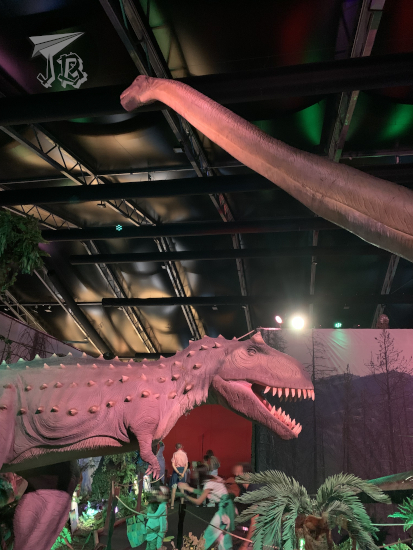
dinosaur animatronics: carnotasaurus and brontosaurus

dinosaur animatronics: pteranodoon

dinosaur animatronics: iguanodoon and Eustreptospondylus

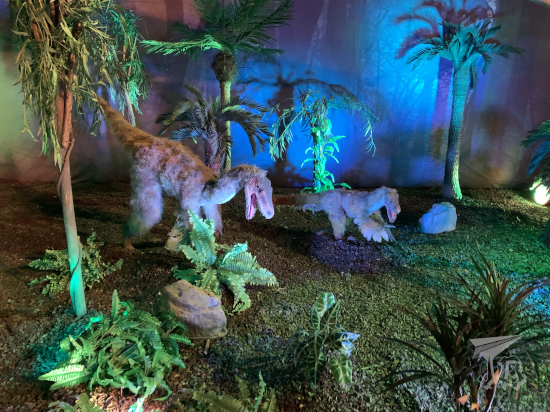
dinosaur animatronics: feathered dinos

dinosaur animatronics: T-rex and triceratops

30th July 2020: Vampires in Madrid (Spain)

The world is pretty much topsy-turvy these days, isn’t it? I’ve been literally staring at the computer screen for about an hour, wondering how to start, how to explain. I’ve erased the opening paragraph about four times too (≧▽≦). Thus, I will just spare you the introduction, explanations, justifications, and so. It took me a while to decide in favour of my little trip to Madrid.

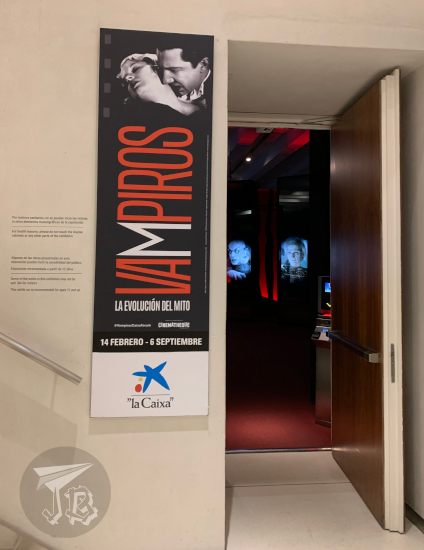
Vampires, the Evolution of the Myth, or Vampiros, la Evolución del Mito (#VampirosCaixaForum) was scheduled before the whole COVID-19 debacle. Once things started opening up in Spain, the exhibition was rescheduled to run in Madrid for a couple of months through summer. And for a while I pondered whether it was… I’m not sure how to put it… worth the risk? For months we had been told to avoid public transport, which is my main mean of moving around, so in the end I decided what the fuck, if I was doing this, I was going to drive into the centre of Madrid – for the very first time in my life. For the record I don’t particularly enjoy driving, I much prefer being driven, and my sense of directions when driving is… not the best, so I borrowed a GPS, picked up my sister, and drove off.

After only getting the wrong exit once, we left the car in an underground parking lot and walked ten short minutes and we were in front of the Caixa Forum Madrid. Caixa Forum is a cultural space owned by a savings bank in search of tax deductions that organises shows and exhibitions. We had a compound ticket for 12:00, which included both exhibitions in the building, and a theme lunch. And so we went.

Vampiros: La Evolución del Mito, “Vampires, the Evolution of the Myth” is an exhibition originally organised by La Cinémathèque française, which is a French French non-profit film organisation that holds one of the collection of cinema-related objects and documents in the world. As they are specialised in films, the vampire exhibition focuses on the figure of the preternatural being throughout cinema.

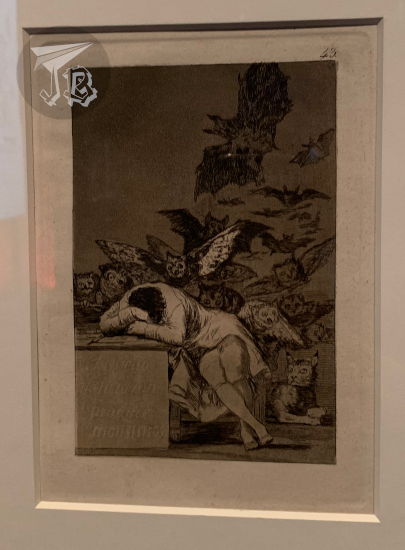
The first room is focused on the book Dracula, and the Romantic interpretation of the myth – Romantic as the literary period, not the lovey-dovey stuff. Highlights include a facsimile of the first scene of the manuscript of Bram Stoker’s version of Dracula for theatre, aside from early editions of the novel and other vampire books such as John William Polidori’s The Vampyre and Joseph Sheridan Le Fanu’s Carmilla. There were also some surprising items – some of Francisco de Goya’s wood-prints. Goya was one of the most influential painters in Spain, also grounded in the Romantic movement. Good stuff.
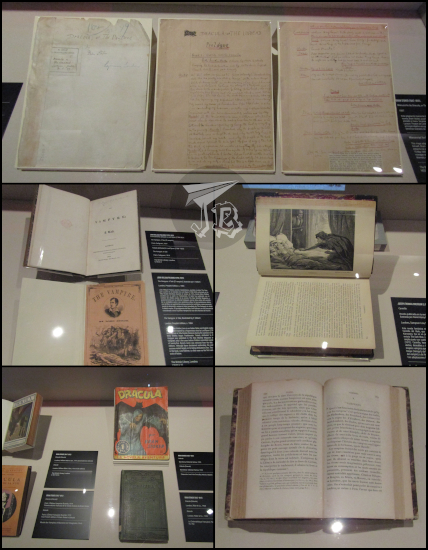
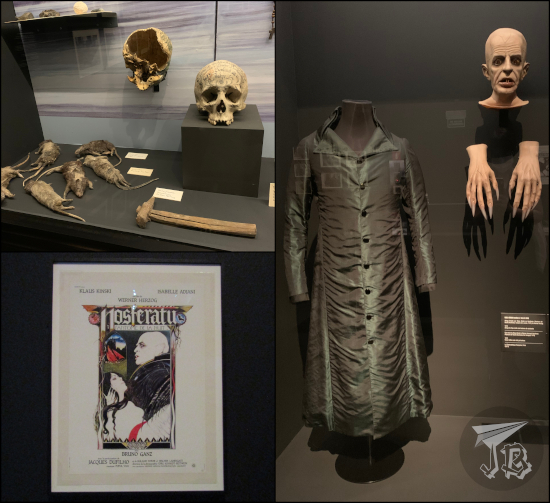
The second room was dedicated to Nosferatu, one of the key films in the vampire genre, with some promotional material and film props – this was the ward with best and most important number of items.
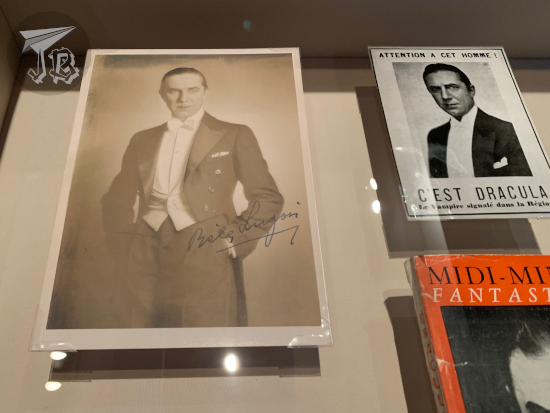
The following room was dedicated to the romantic, erotic and sexual vampires. It had two main focuses – one was the Dracula portrayed by Bela Lugosi as the epitome of the elegant, seductive vampire, first in Broadway, then in the 1931 film by Universal Studios. The centrepiece of the room featured two pieces of the wardrobe in Coppola’s Bram Stoker’s Dracula worn by Gary Oldman and Winona Ryder, along with several designs for the wardrobe (which could not be photographed, but you can peek at in some of the pics). Finally, we got to see the suit worn Tom Cruise as Lestat and Kirsten Dunst as Claudia in the 1994 film Interview with the Vampire. I missed some more Christopher Lee, as there were barely some photographies of his performance in Dracula (1958) and its sequels.
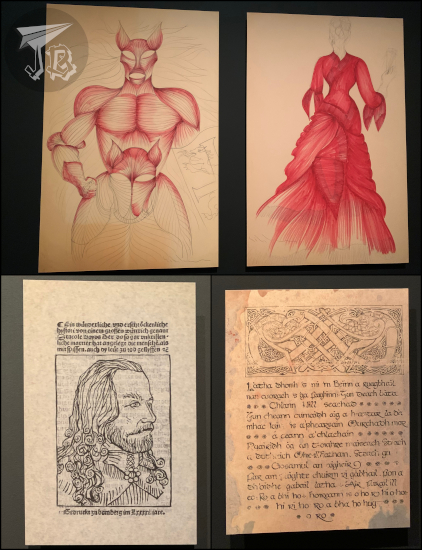
On one side there was a small area dedicated to the vampire as a political metaphor. The final area was dedicated to the pop vampire, including magazines, comics and graphic novels, some Japanese manga, and so on – even Count Dracula from Sesame Street! Then again, he was on a screen. I would have killed to see the real puppet.
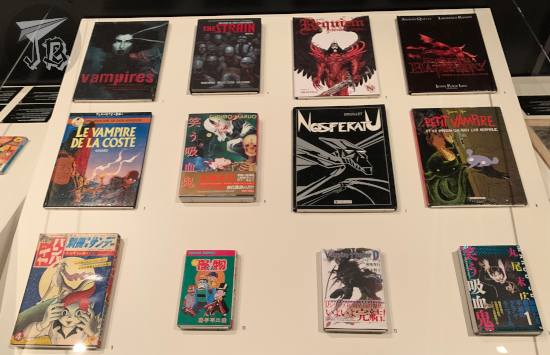
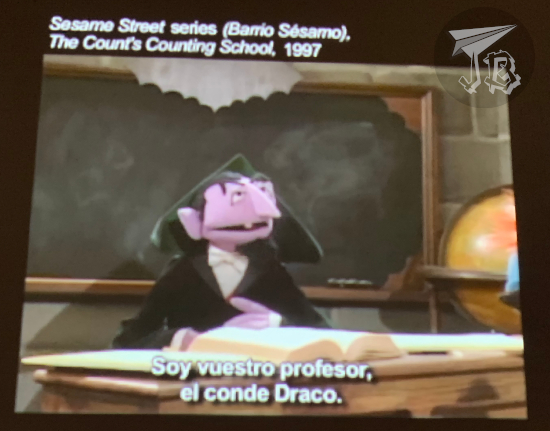
All in all I got the impression that the exhibit lacked ‘the real thing’ and abused the film montages. I was expecting a few more props and less bits of films which… after all I’ve seen most (≧▽≦). The truth is that the myth of the vampire starts much earlier than the “Medieval” vampire featured in the Romantic fantasies, and can be traced to early succubi or the Lamia myths in Ancient Greece if you think about Western Culture alone. The Romantic and Victorian writers just made the myth cool as it was once more popular due to a sort of “vampire hysteria” that crossed the Balkans the previous century – that’s probably the main reason why Bram Stoker chose the figure of a Transylvanian warlord to create his character. But in the end it was a good way to break the activity fast.

Then we moved on to the next exhibition, Cámara y ciudad. La vida urbana en la fotografía y el cine, “Camera and the city: urban life in photography and the cinema” which… was okay, I guess. I guess I’m not a photography / video kind of person (≧▽≦).

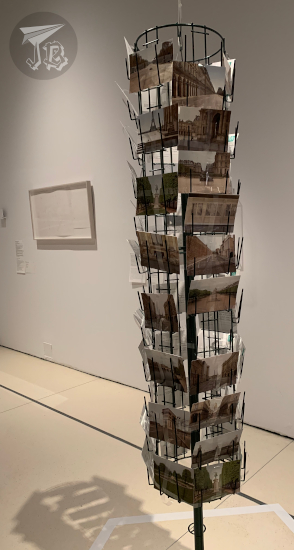
After perusing the shop for a while, we moved to the cafeteria, where a “theme menu” had been designed. Let me detail that for you:

  • El frenesí vampírico / Vampire frenzy: virgin – I think – Bloody Mary
  • Estacas de la muerte / Death stakes: aubergine tempura with sweet and sour sauce
  • Reencarnación / Reincarnation: Goat cheese, sweet beet and raspberries salad
  • Inmortalidad / Immortality: Macerated sea bass with lime, orange, coriander, salt and pepper, with a side of mango and tortilla chips
  • Embalsamamiento / Embalmment: Duck magret with a red wine sauce and mushrooms
  • Drácula / Dracula: Crème anglaise, jelly and raspberry mousse.

Let me tell you, this was amazing – and fortunately the portions were small so the final amount was more than adequate.

It was a little later than 15:15 when we left the CaixaForum centre and headed off the Museo Nacional Thyssen-Bornemisza, the Thyssen-Bornemisza National Museum, a museum built from a noble family’s art collection which also hosts temporary exhibitions. The permanent exhibition is chronologically organised, and here are some of the pieces by famous artists: Rubens, Rembrandt, Van Gogh, Degas, El Greco, Tiziano… and hm… many very modern painters I… can’t understand.

Finally we decided to call it a day before people started coming out of work and leaving town so that we did not get into a traffic jam, and I am very proud of myself for taking the drive – which was my wee white whale for a while. I’ll see myself out now (≧▽≦)

Distance: Approx. 120 km driving; 6.08 km walking

Also, as an afterthought, I ordered the Vampire exhibition book online. I did not at first because I did not feel like carrying it around as it is thick. But they home-delivered and I actually saved 2.5 bucks?

PS: New logo! What do you think?
2nd January 2019: Jurassic and 19th Century Madrid (Spain)

I was in the middle of winter holidays and a couple of family members asked me if I had plans – I said I was getting tickets for a dinosaur exhibit in Madrid, and they jumped in. We made arrangements to head over there on the 2nd of January and spend the day in Madrid. I don’t think they really realised what it meant to be around me and the “terrible lizards” (≧▽≦). But off we went.

General entry ticket for 2nd January 2019

The Jurassic World: Exhibition was held in Madrid. The whole thing is organised in-verse, as if you actually visited the island.

Jurassic World the Exhibition logo and title

After you walk in, there is first a small introduction on the “boat” as you travel towards Isla Nublar. There you are given the instructions (mainly, keep your hands to yourself), the boat makes dock and you are let into the Park. Keeping in touch with the spirit of the films (not the book though *giggles*) there’s a Brachiosaurus there to greet you, just like the first animal you see in Isla Nublar (and later the last).

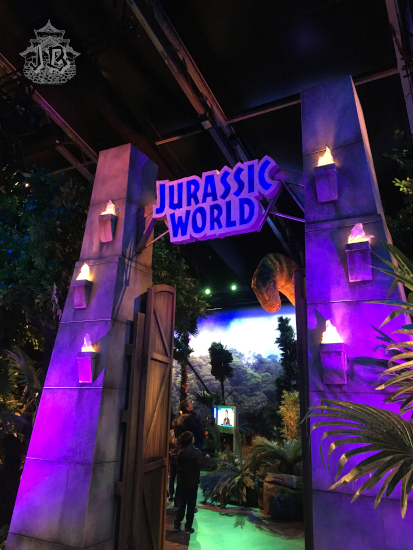
Pretencious gate with two columns on the side, reading Jurassic World. A brontosaurus head peers down at you

You also catch a glimpse of a Parasaurolophus.

The head of an herbivore dinosaur (parasaurolophus) peering through the bushes

Then you get to the “stables” where you get to see a Triceratops mama with her baby.

Mom and baby Triceratops behind a fence that reads Gentle giants petting zoo

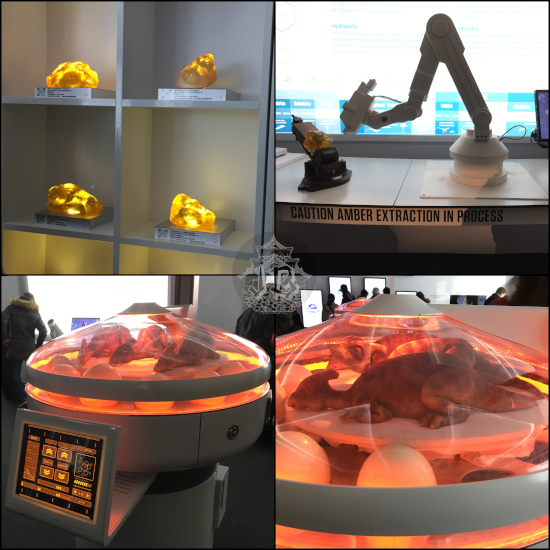
Afterwards, there is a small room that represents the laboratory where the dinosaurs are made – I could have made it out with a critter but there were only baby Iguanodon.

Fake amber pieces and DNA extactor along with an incubator with eggs and baby dinosaurs

Next, you walk into a tiny museum with some fossil reproductions and actual scientific information…

Reproduction of carnivore dinosaurs skull and bones, along with the drawing of a huge T-rex fooot print drawn on the ground to compare it to a human one

… right before everything goes to hell and back when you’re shown a hologram of Owen Grady talking to his velociraptor Blue and you get a… guy in a velociraptor costume prancing around (≧▽≦).

Person disguised as a verlociraptor

The next room shows the Tyrannosaurus rex cage (by the way #TeamTRex here, in case you did not know) behind her cage, menacing and staring.

T-rex animatronic, showing the huge head behind a fence

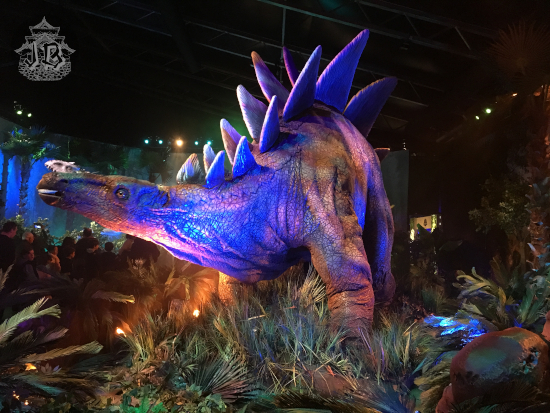
The final room is another garden in which you get to see a Stegosaurus being stalked by the made-up Indominus rex.

Stegosaurus

Head of the Indominus rex, looking like it's stalking prey

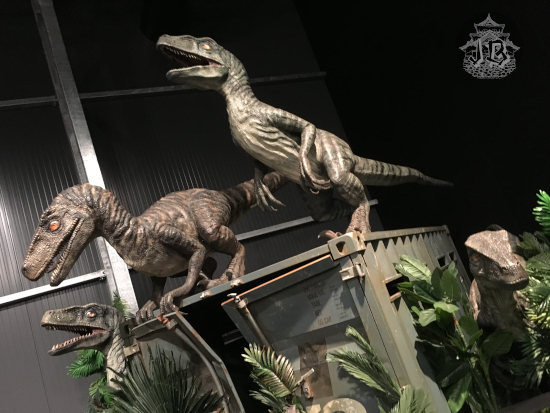
And at the end of the exhibition, after the shop even, you find the velociraptors, which have apparently escaped and are ready to attack!

Jurassic world velociraptors on a wrecked crate

All in all, being the dinosaur geek I am, I had a blast. I’m not sure that my poor family members that had wanted to tag along with me knew what they were bargaining for (≧▽≦).

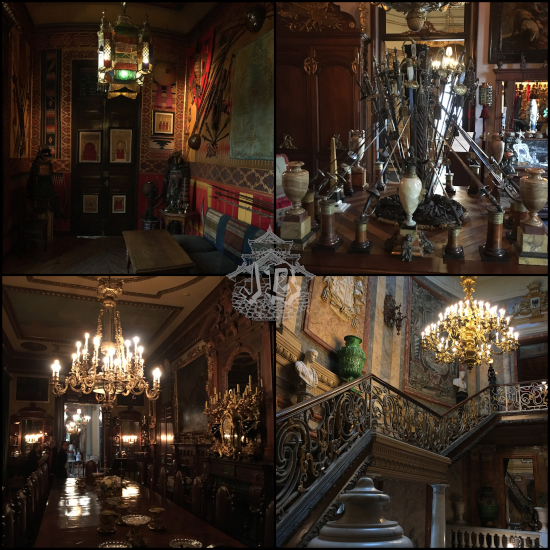
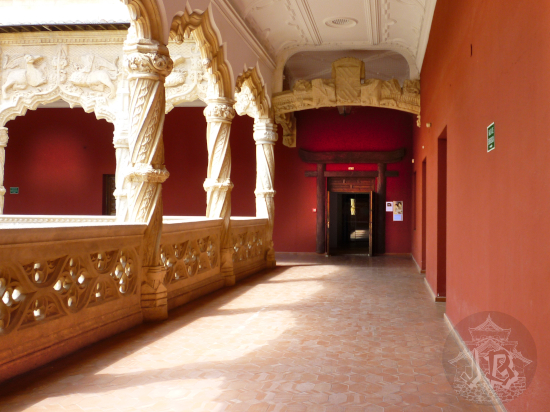
However, they were still willing to put up with my for a little longer, and together we drove off to the centre of Madrid, and somehow ended up at the Museo Cerralbo. They asked if there was something I wanted to see, and the Cerralbo Museum was running a couple of Japan-related specials I was curious about. The museum stands in the Palace of the same name, and it holds the collection of the late Marquis Cerralbo.

The museum is… crammed and chaotic, but interesting in its own way. It holds thousands of pieces, from worthless-looking mementos to priceless paintings by masters such as El Greco. Art experts say that the Cerralbo collection was the most valuable of its time.

Collage of cerralbo museum. A room with two samurai armous. A centrepiece made with swords. A long table, set, with chairs along and an ellaborate lamp hanging from the ceiling. The hall of the museum, with a staircase with an ellaborate balaustrade and a glass lamp hanging from the ceiling.

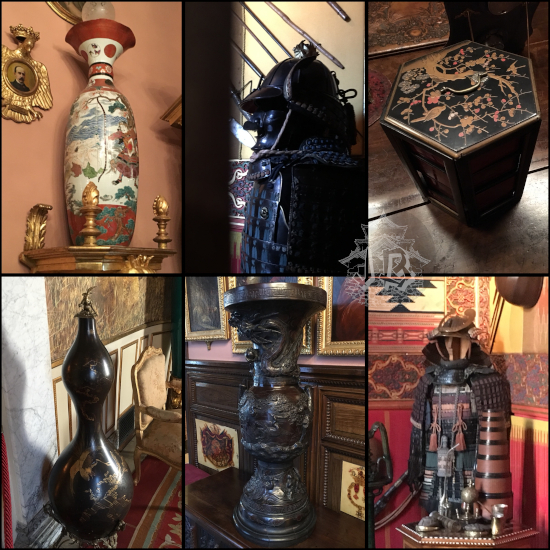
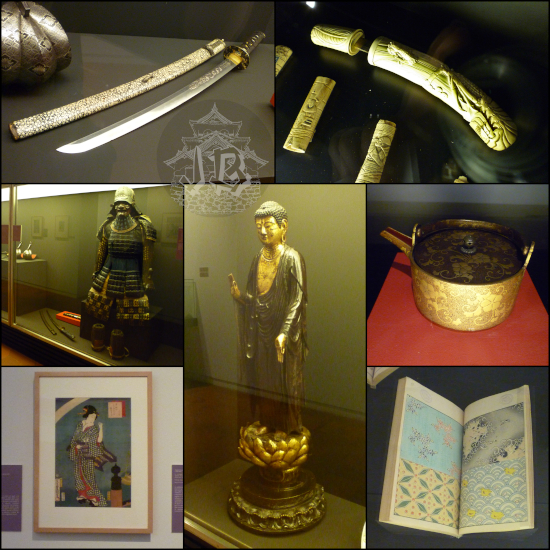
The museum was holding a designated route focused on the Japanese pieces it has, including samurai armours.

Collage of Asian and Japanese pieces of the museum: hars, a samurai armour, and an hexagonal carey box

Furthermore, there was an origami exhibition on the lower floor.

Origami pieces: a phoenix, a snake, an orca, corals, and a life-sized hippo

After the museum we sat down for lunch at a fusion Asian-Japanese restaurant, because the family members “wanted to try” – although they were rather scared of the food. Eventually they managed to enjoy it too, and even have seconds – however I needed to make a run to get my tablet serviced.

Lunch. Sushi, chicken skewers, rice dish and noodles dish

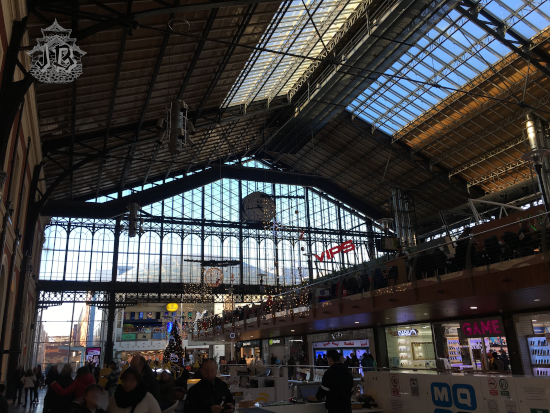
Once it was up and running, and family had come to find me, we walked towards the shopping centre in Principe Pío for dessert – yoghurt ice cream with berries and smarties. A great way to end the day!

An old station from iron architecture epoch repurposed into shopping centre

Frozen yoghurt with berries sauce and smarties

28th October 2018: HA·YA·TO: Drum Masters (Madrid, Spain)

Out of all the taiko [太鼓] shows I have attended, this was without a doubt the one I enjoyed the most. HA·YA·TO is a wadaiko [和太鼓] (Literally ‘Japanese drum’) group formed by the three Kanazashi brothers: Keita, Ryota and Yuta (Keita Kanazashi spends a lot of time in Spain, we’ve seen lots of ‘taiko workshops’ organised with him as a special trainer). This time they’re touring Spain with their show Drum Masters, accompanied by a number of renown musicians: Koji Hada, Takayuki Hashiguchi, Makoto Sekine and Syunchiro Kamija, aside from two special guests: Chieko Kojima (dancer and first female wadaiko master in Japan) and Masato Shibata (shamisen world champion).

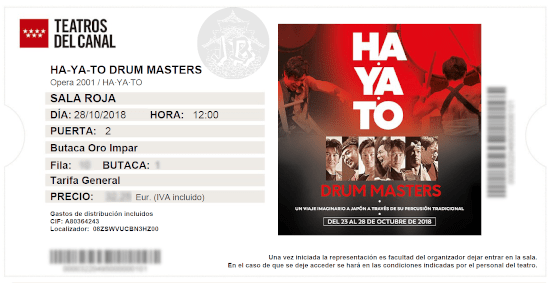
Hayato Premium Ticket I found by chance

I was lucky enough to get a premium seat as I attended a matinee show in the theatre Teatros del Canal in Madrid. The show represents the four seasons of the year, and each part has its own rhythm and characteristics, along with energy and colour. At one point there were seven drummers and sixteen drums being played on stage at the same time.

Hayato Drum Masters Poster

The show was divided into the four seasons. During the first part, spring and summer, energy was abundant. Spring brought all the musicians to the stage, so while the great weight of the show rested on the drums, we also got shamisen (Japanese guitar) and Japanese flute. Kojima showed us her dancing skills in front of a black background with a flurry of cherry blossoms.

Then came summer, with a torii background and the matsuri (festival) atmosphere. The big central drum was put into action. This was when Keita Kanazashi showed off his Spanish and used the audience as another instrument, making them clap and stomp their feet in a sort of call and response routine which was really fun.

The most impressive number had the seven drummers on a row, and sixteen drums in total, all in a line. Thus, each drummer had three taiko, one in front, and one on each side, all lined up. However, they were actually sharing the side taiko with the drummer next to them, so at any given time that they banged they could collide with the musician next to them. It was amazing to witness the crazy-you-dont-get-to-see-the-batons-fast speed slamming the drum.

The second part started with autumn, that had the four supporting drummers playing ‘tennis’ with the small crash cymbals, first one on stage, then two, then three, then four, then with the audience, and then with each other all around the theatre. Then we had a demonstration of Chieko Kojima’s art on stage, first dancing, and then with the taiko – it was impressive to see how such a small lady can bang the drum in a ethereal red kimono. First she did it with the free sleeves, then she danced with a sash that she used to tie them back so she could play more forcefully.

Winter was a bit slower on the uptake – though with impressive technique – but it grew into an amazing mix of sounds and visual arts, again with dancing, taiko, crash cymbals, flutes and shamisen. In the end, Chieko Kojima danced with her parasol making it ‘snow’ (at a point her sleeve got caught in her hair décor and she needed a tiny stop). It was beautiful.

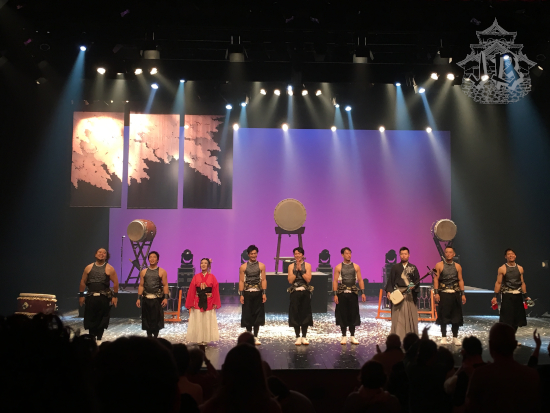
Hayato Drum Masters ensemble greeting at the stage

Theatre window with the Hayato Drum Masters poster

Finally, Keita Kanazashi introduced the musicians and informed us that they would be outside to take pictures after the show. I was lucky I could do so with everybody! All the artists were nice and friendly and it was a great experience. I also bought a DVD.

8th December 2017: Ferrari in Guadalajara (Spain)

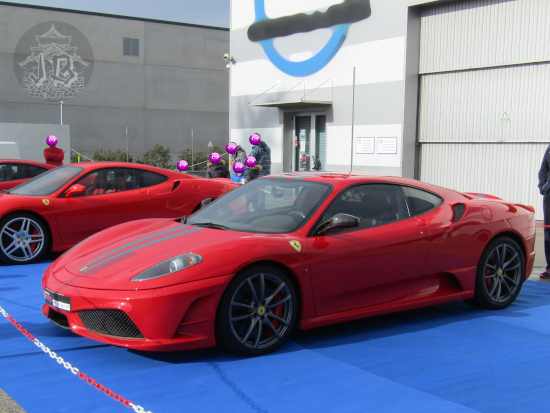
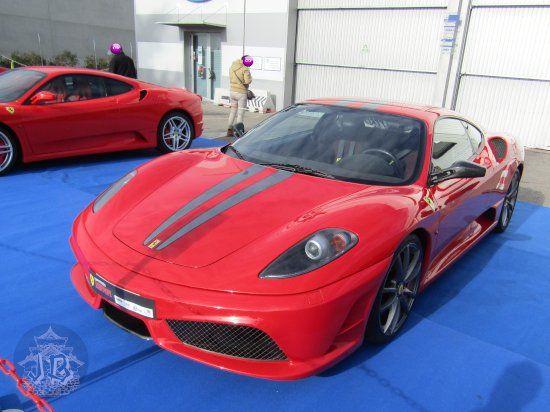
There was a tiny (five) Ferrari sport cars exhibition in Guadalajara, Spain, so I thought I would drop by, just to be able to appreciate what they call “Ferrari red”. I loved the cars, but I don’t think that I would ever be able to get in and out of them. You could not sit down at the wheel though, so I can’t say if I would be able to drive them (≧▽≦).

Ferrari was established in 1939 by Enrico Ferrari out of the racing car division of Alfa Romeo. In 1947, the first Ferrari-branded car was completed – there had been a racing car in 1940, but WWII stopped most competitions at the time. After the war, the racing team, called Scuderia Ferrari, was rebuilt, and went on to become the most successful Formula One Team.

Ferrari produced its first road car in 1949. the original road cars were two-seaters and usually customised. Throughout the 50s and 60s, customers used to personalise their cars, which would eventually become one of the brand’s selling points. Since 2011 clients have been able to work directly with designers so the cars are completely personalised.

The exhibition was organised by the car-maintenance watchdog, and the cars shown were recent models, such as the Ferrari F430 Scuderia (2007), the Ferrari 458 Speciale (2014), or the Ferrari 355 berlinetta (1994).

14th May 2016: Ikebana & Taiko in Madrid (Spain)

I went to the Royal Botanical Garden Real Jardín Botánico in Madrid because they were holding an exhibit of Ikebana and Japanese culture “X Gran Exposición de Ikebana y Semana Cultural Japonesa”. There were several activities, and I wanted to watch the ikebana and listen to the taiko players.

I was very amused when it turned out you could actually attend an ikebana class. Ikebana [生け花] is the Japanese art of aranging flowers, and it is one of the three classical Japanese arts of refinement (the other two are calligraphy and tea ceremony, I’m doomed).

To my surprise, the ikebana scene in Spain is heavily dominated by elderly ladies who take the whole thing Very Seriously ™, so in the end the workshop was more like two of them giving instructions to each attendee and one of them just taking the flowers from you and rearranging them if you failed to heed the instructions within a couple of seconds. It was interesting though, and behold my creation:

They almost made me late for the taiko – Japanese drums – demonstration, which turned out to also be a workshop, my first time playing the drums. I’m not that good at that one, either, but let me tell you better than the flowers…

Afterwards, I wandered about the rest of the exhibition before I headed off… and this sounds really fast, but it was a good half day!

16th January 2016: Un Planeta Enloquecido: Fantasmas, Monstruos, y Alienígenas en el Manga (Exhibition in Madrid, Spain)

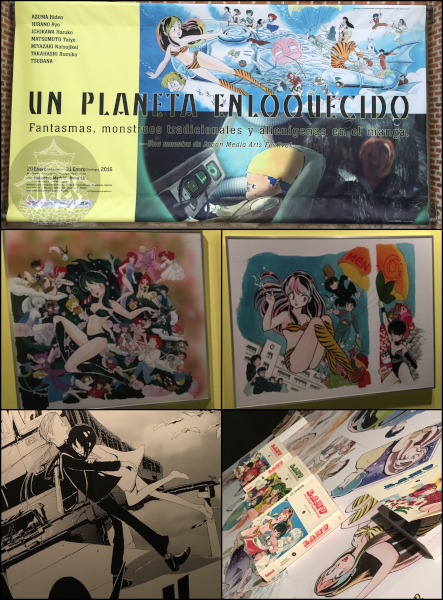
Naves Matadero in Madrid was holding a free exhibition on Japanese “monsters, ghosts and aliens” in manga and Japanese pop culture, and since I was around I decided to drop by. Here are some pictures.

I did not stay over but took a bus right back home because it was too cold for anything else.

15th July 2014: Robots and Drums (Madrid, Spain)

A bit over ten years ago, when I was in universe one of my neighbours was paying for a proto-on-demand TV subscription, and it turned out that my TV caught it for some reason. At that time I got to watch a bunch of anime – in Spanish, badly-translated and rather… altered. Among the series I watched was Gainax’s “Neon Genesis Evangelion”, or Shinseiki Evangerion [新世紀エヴァンゲリオン]. Evangelion is a rather confusing series in itself, but the creative translation and censorship made it almost impossible to understand. Evangelion tries to be a giant robot anime with a religious / philosophical background, where humans piloting huge robots (“EVA”) battle monsters called “angels” which apparently seek to destroy humanity. Or something.

The point of this anime-history paragraph is to explain how I ended up at the Museo ABC de Dibujo e Ilustración, the drawing and illustration museum in Madrid. They were running an exhibition about Evangelion and the Japanese katana Evangelion y las katanas japonesas. It was something interesting to see, and the first time I’ve ever seen actual Japanese katana information. The exhibition has three focuses – actual katana, recreations and figures of elements of the series, such as the robots, pilots or weapons, and weapons inspired by the anime.

After the exhibition I took the underground towards the thratre Teatro Circo Price to watch a taiko exhibition: “Taiko Performing Arts Ensemble: Dandan” by Kodo. Taiko are the traditional Japanese drums and there is a whole drumming style for them. It was really, really fun. Due to a fluke of destiny, I had very good seats, so I could enjoy to the fullest – far away from the reverberation and echoes, close enough so I could even sneak in a good picture or two!

The performance was amazing. I think this was the first time I’ve ever seen something so grandeur. Even when I saw a taiko school in Japan, it was just drumming, while Kodo added a lot of acrobatics to the mix. It was really great!

Unfortunately, I could not even check the merchandise after the performance as I had to run for my train, or risk getting stranded overnight in Madrid.

14th June 2014: Falconry & Birds of Prey Exhibition in Guadalajara (Spain)

Falconry is one of those things that I’m torn about – on the one hand I’m not really keen on animal labour and shows, but being close to those animals is an amazing experience. The town of Guadalajara was celebrating the 900th anniversary of the passing of the Medieval Hero Minaya’s passing, and falconry was common technique at the time.

Rodrigo Díaz de Vivar was a Castilian knight and warlord who lived in the 11th-century Spain. He was called El Cid Campeador which roughly means the Master of the Battlefield. He was a glorified mercenary, and has made history books as one of the most important history heroes. He was exiled when he confronted the King about killing his predecessor. One of his generals, Álvar Fáñez Minaya, is credited with liberating the town of Guadalajara from the Moors. Just as El Cid represents courage and strength, Minaya represents loyalty.

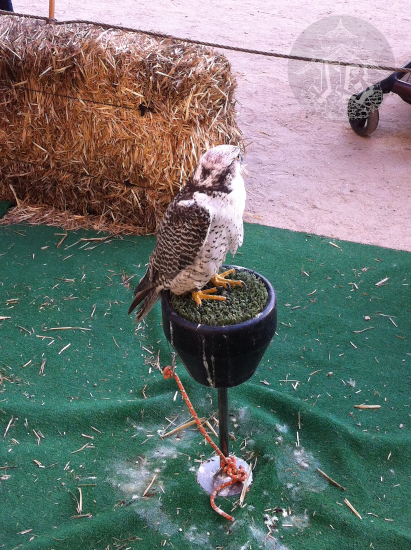
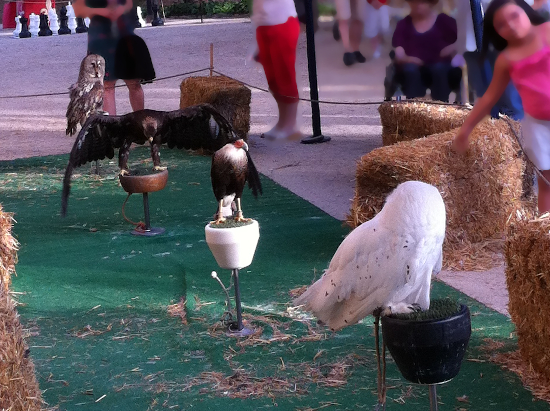
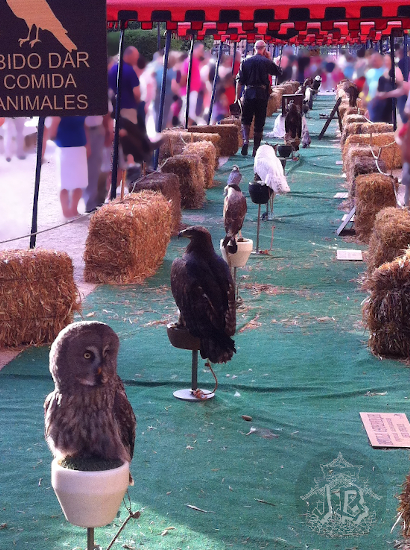
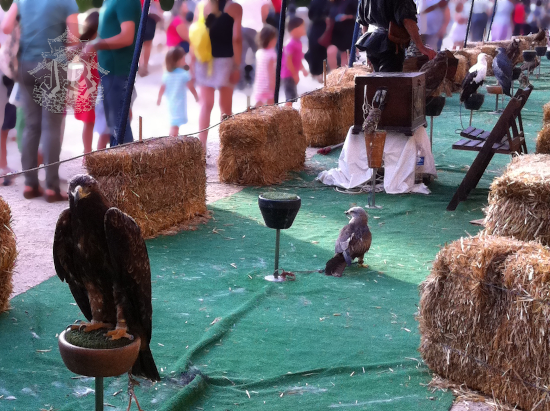
Guadalajara really likes the figure of Minaya – he is in the local coat of arms and flag, there’s a school and a Moorish tower named after him. And as he was supposed to have been an excellent falconer, the exhibition was organised. I never caught the name of the owners of the animals, but there were some very impressive birds over there – Steppe eagle, Eurasian eagle-owl, Iberian imperial eagle, Turkish vulture, a hawk / falcon and… and that’s the end of my ornithology knowledge. All in all the animals were beautiful, although people not respecting their space made me a little bit sad.

1st June 2014: “La Mirada Interior” exhibition in Guadalajara (Spain)

This Japanese-culture exhibition was held in the Palacio del Infantado in Guadalajara and I dropped by because seeing Japanese stuff in a Gothic palace was… well… weird. Here are some pictures: