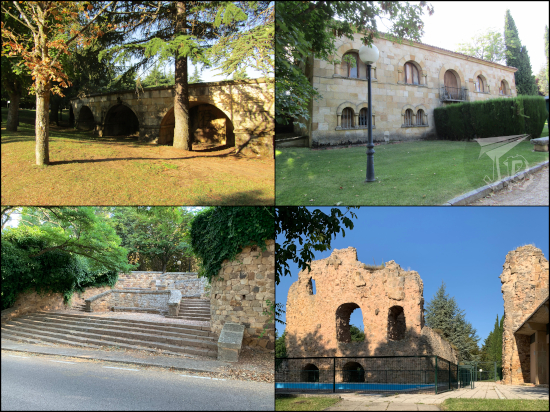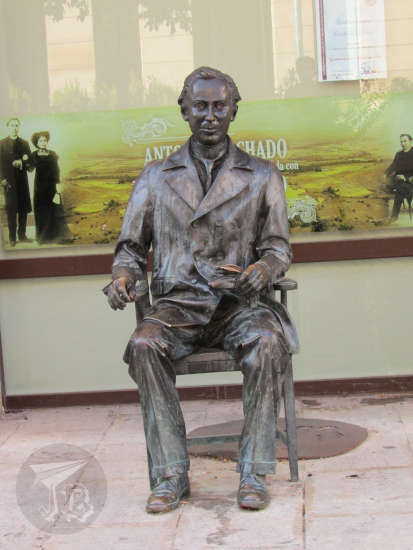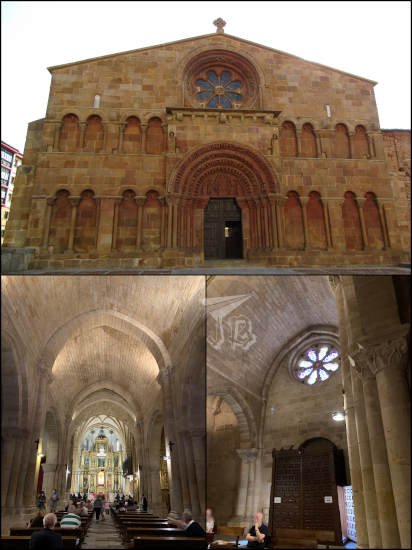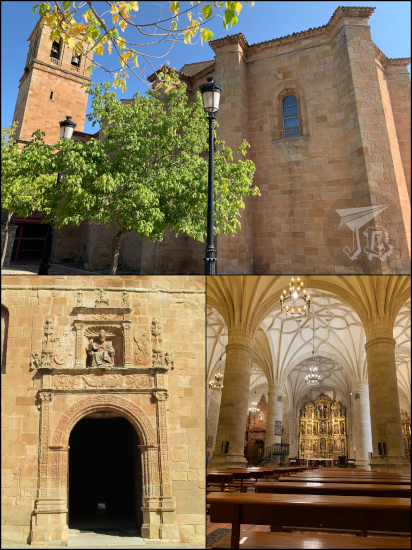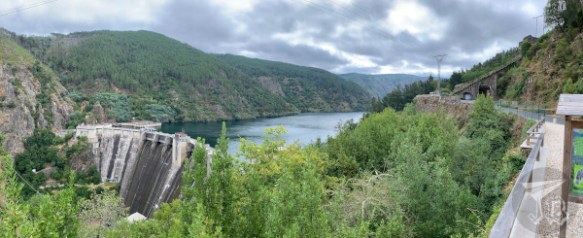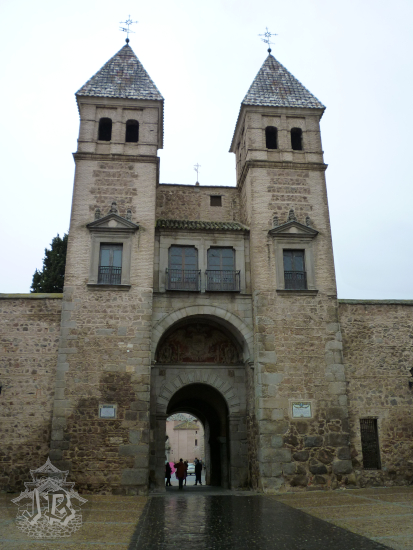
8th – 12th July 2021: Beach weekend (El Campello & Elche, Spain)

The sea is far, far away and due to a number of situations coming together, we rented an apartment near the ocean for a couple of days. Our usual summer destination was not a good option this year due to – as everything that is going less than great these days – to Covid, so we gave a try to the town of El Campello. The town likes boasting itself as a beach paradise-resort, while it’s barely a standard Mediterranean village eaten which boomed along other, bigger resorts such as Benidorm. The apartment was not anything marvellous, but it was extremely close to the ocean – just beyond the waterfront promenade, Paseo Marítimo.

8th July 2021: The arrival

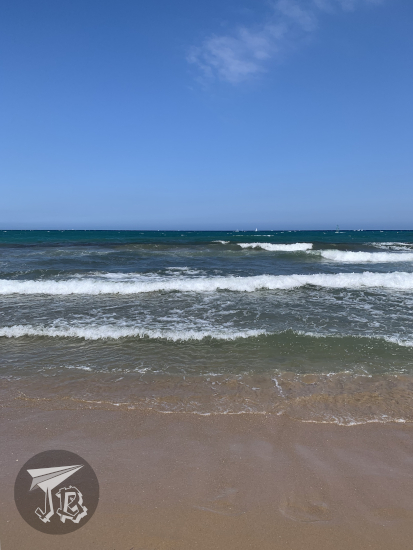
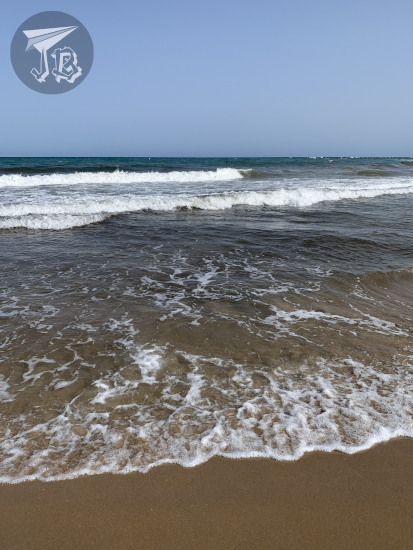
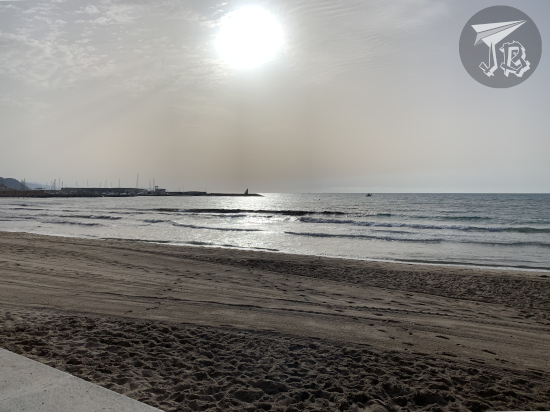
We arrived in El Campello at around 4pm, did a fast sweep of the apartment in order to feel safer Covid-wise and I decided to go for a walk at the beach, jeans and all. There were surprisingly fewer people than expected, and not as hot as I thought it would be – all in all we were pretty lucky, weather-wise.

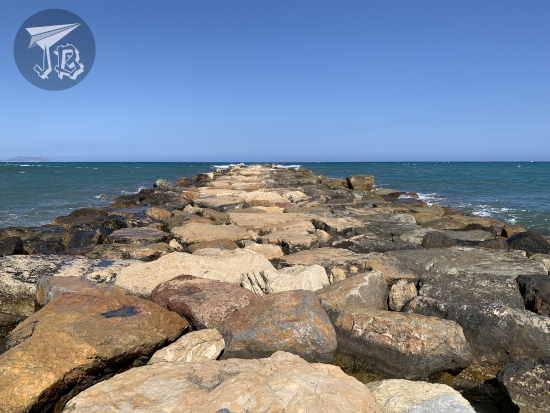
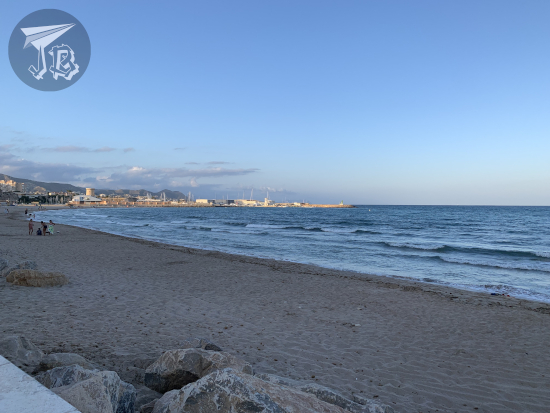
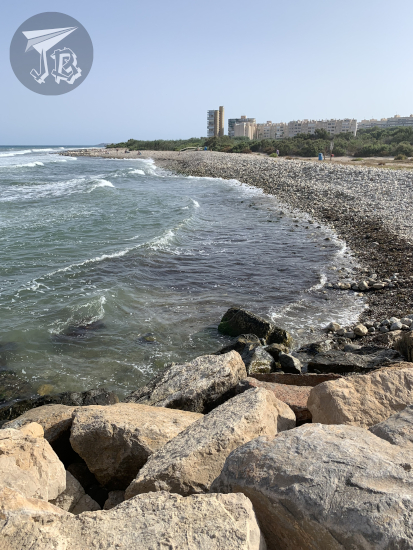
El Campello is built parallel to the coastline. The more traditional area has a small marina Puerto de El Campello to the north, and then a sand beach that extends towards the south divided into Platja de la Illeta and Platja del Carrer de la Mar. Though the beach has a couple of breakwaters, they are for protecting the beach against erosion and not to separate the different areas – the east of Spain has a reputation for building quite close to the beaches. Over the years, that caused the winds and waves to shift and the once amazing and long beaches started being washed away – now all those groins are necessary to keep the sand in place, and are liberally built along the Mediterranean coast.

I climbed on one, of course, more than once – and more than one too (≧▽≦).

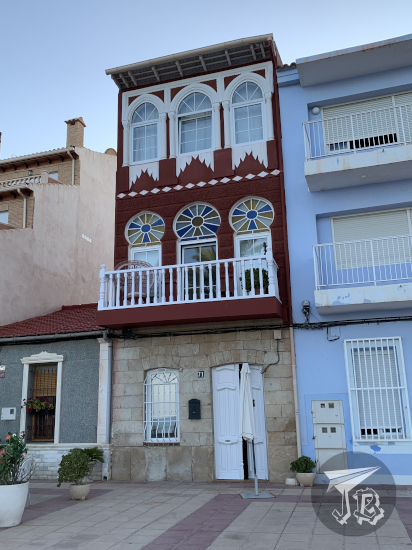
In the evening we walked along the waterfront promenade. While most of it is fronted by restaurants and souvenir shops, I did see this cute little house.

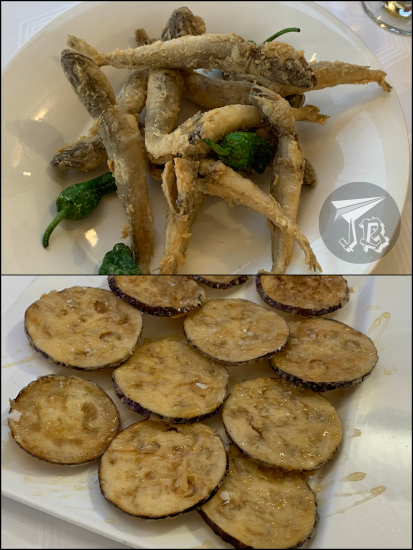
Eventually, we chose a place to have dinner – some fish and the area speciality: honey-soaked aubergine (berenjenas con miel), which is not actually made with honey, but a type of molasses – which actually makes this a vegan dish, as bees are not involved in making the “honey”, what do you know? The first time I tried this I was not too convinced, but if prepared well, this dish is absolutely delicious.

9th July 2021: The lady’s town

Elche is a nearby town a bit inland, and the third most populated in the area. It is famous due to the Iberian sculpture bust found nearby and because of its palm grove. The history of the town can be traced back to the current archaeological site Yacimiento Arqueológico de La Alcudia, whose stratigraphic sequence dates to the Bronze Age. There are ruins and artefacts, mostly from the Iberian and Roman ages, though there are findings until the Islamic era.

In 1897, a young farmer found the bust named La Dama de Elche, the Lady of Elche, which can be seen in Madrid’s archaeological museum Museo Arqueológico Nacional – it is the limestone bust of an Iberian woman, probably with funerary purposes, what was carved around the fourth century BCE. Since that time, a great deal of work has been carried out in the area of La Alcudia, and today is a full-fledged archaeological site with a Roman wall, several Iberian and Roman houses, a Roman temple and an Iberian one, a basilica, and hundreds of sculptorical and clay artefacts.

We visited the site in the morning, hoping to finish the stroll before it became too hot. There are still works carried out in the site, but you can visit and walk around the area – as long as you don’t step on the red ground. There are two museums on site, aside from the outer ruins. In one of them there is a reproduction of the lady, which yields to easier pictures than the glass protection in the National museum. There are also interpretations and reconstructions about what the Lady may have looked like when she had her colours. Unfortunately, reaching the site is hard, and probably not worth the detour unless you’re an expert in archaeology, but it turned out interesting to see.

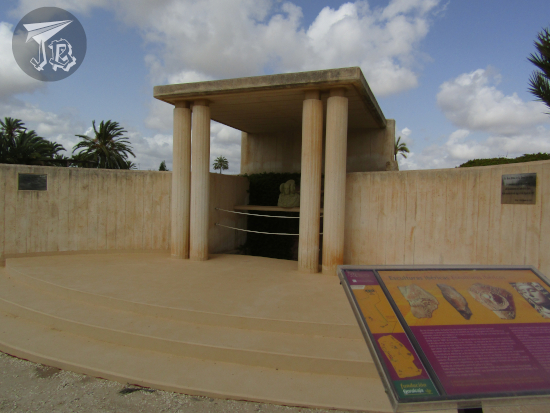
… Except for the “commemorative site” of where they found the Lady. That was hideous.

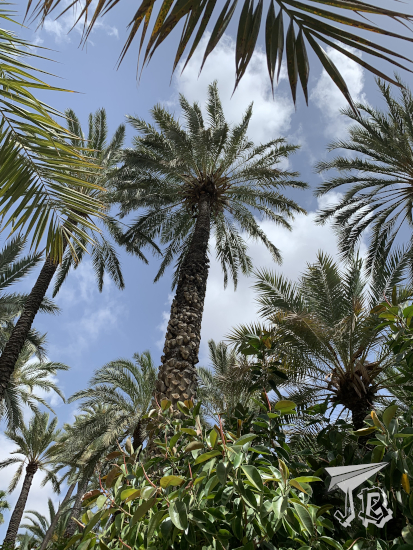
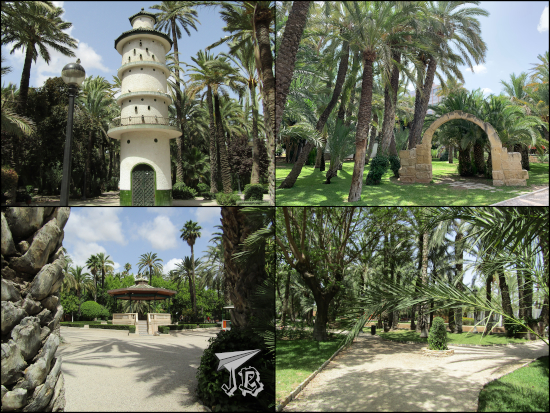
After La Alcudia, we drove off to the town centre to walk around Palmeral de Elche, the biggest palm grove in Europe, with around 200,000 – 300,000 trees, most of the date palm species, Phoenix dactylifera. The palm tree grove originates in the 10th century CE (planted by the Caliphate of Cordoba conquerors), and it has been a Unesco World Heritage Site since the year 2000. The most important palm grove is in the centre of the town (and we missed the dragon that stands on one of the trees 。゚(゚´Д`゚)゚。).

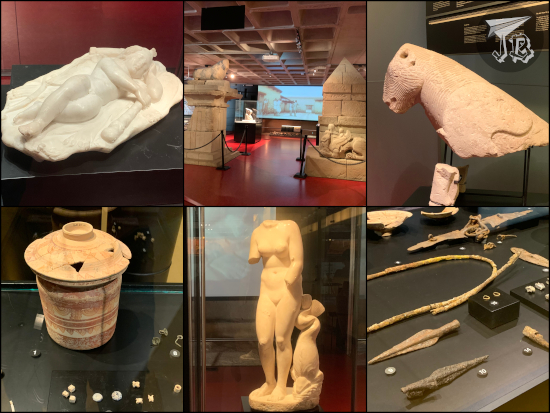
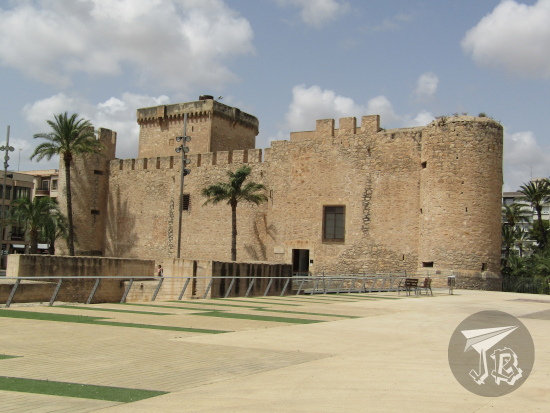
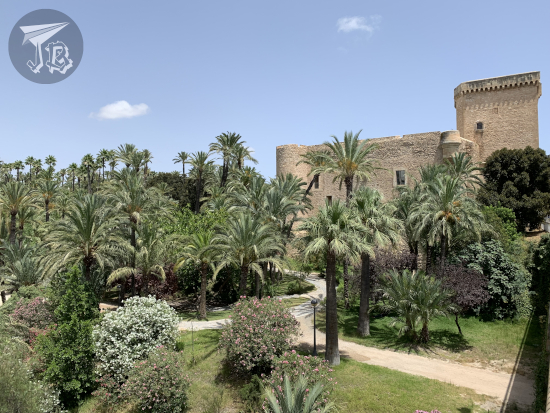
Close to the grove stands the local archaeological museum, Museo Arqueológico y de Historia de Elche, divided between the new building and the old Moorish castle or alcázar, Palacio de Altamira, which drinks from La Alcudia and other findings from the area.

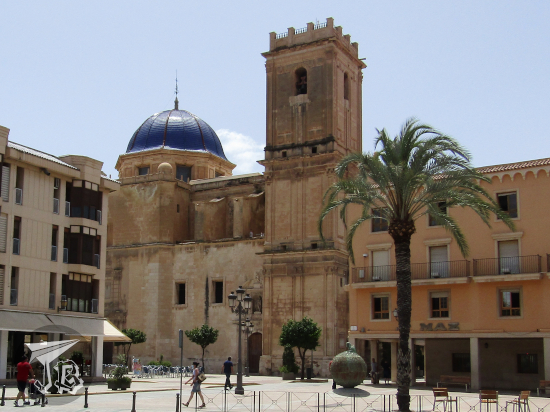
After the museum, we headed off to see the main church Basílica de Santa María, but we had just missed opening times. It stands on the place of the original mosque, and the current building – the third church that has been built – is Baroque. The bold blue dome is typical of the area, found all over the region on towers and churches.

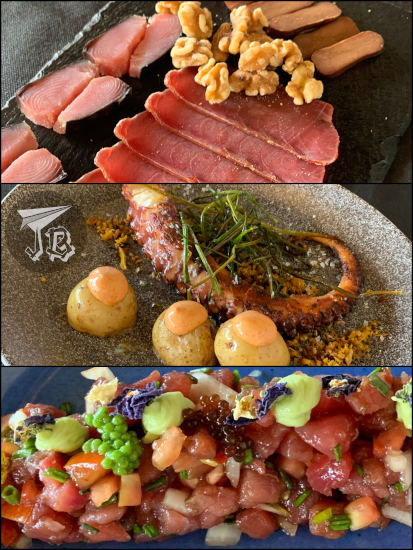
As we could not see the basilica, we just had lunch! After a bit of a banter with an over-friendly waiter we had some fish-based lunch to share – salt-preserved fish bits, grilled octopus and tuna tataki.

On the way back we got to see a different view from the palm grove and the castle and the palm grove – maybe it looked like this in the old Arab times?

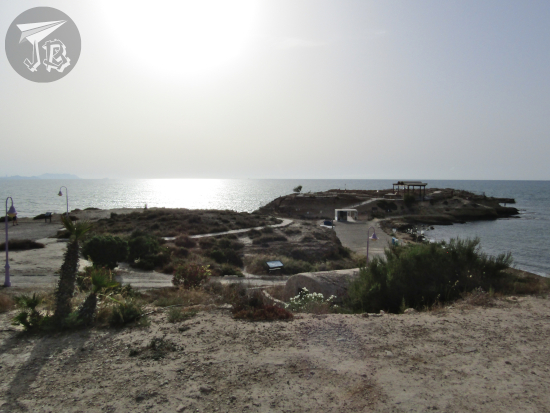
It was too hot to stick around and wait for the museums and church to open up again, so we drove back and after a while I headed back to the beach. This time I reached the end of the sand beach and got to the boulder one at the end of the waterfront promenade.

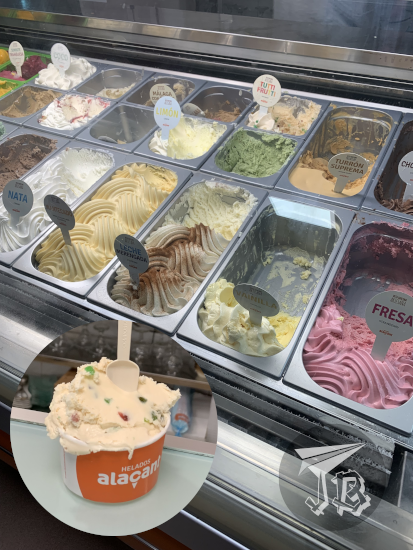
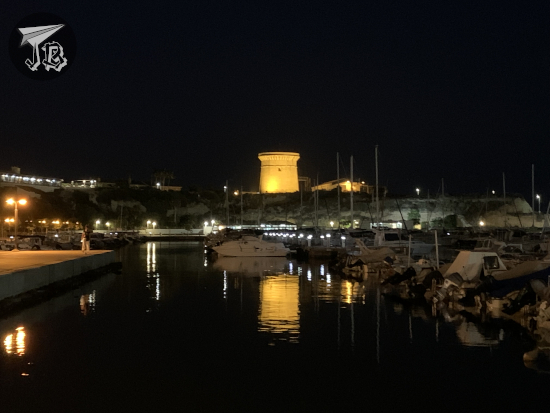
We had a quiet dinner at the apartment, then went out for ice-cream. We ended up walking to the marina, Port d’El Campello and caught sight of the Torre Vigía De La Illeta in the background.

10th July 2021: Not much to report

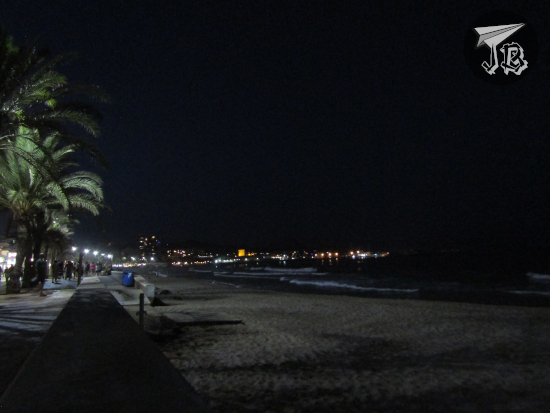
Just some pizza and a night-time walk along the waterfront promenade yielding tries to take artistic pictures without much success.

11th July 2021: The Tower

I woke up with a lovely reaction to the sun – not a sunburn, more like an allergy flare-up (here’s the plausible explanation for that), so we went out rather early for a walk, to then shield from the sun.

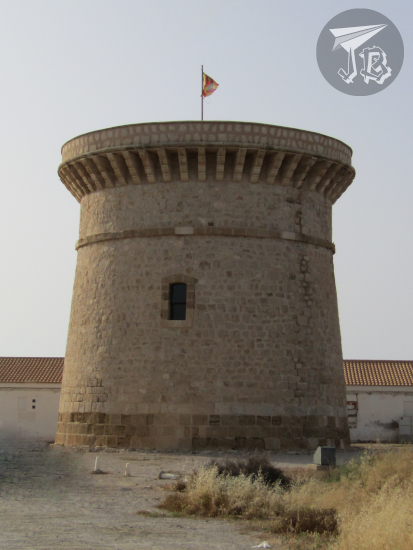
From the Roman times, a number of watchtowers were build along the Mediterranean coast to be on the lookout for pirates. The tower in El Campello, Torre Vigía de la Illeta was built between 1554 and 1557 (and restored in the 1990s), was part of a watch system commissioned by the Viceroy of Valencia at the time. The tower was manned by two infantry and two mounted soldiers – in case a pirate ship was spotted, the former would make smoke signals and the latter would ride to raise alarm in town.

The tower overlooks the marina, the town, and the archaeological site Yacimiento Arqueológico La Illeta dels Banyets, with ruins and artefacts dating from the Iberian and Roman times, but we did not walk to them as it was early in the morning and it was not even open.

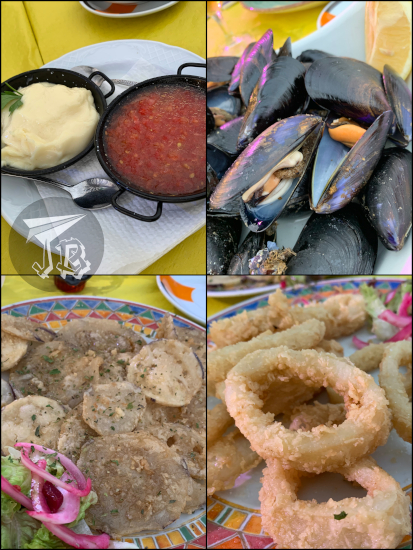
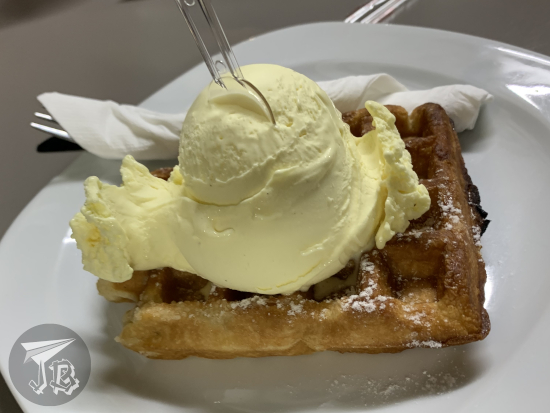
It was hot, so most of the day was spent under the air-con, to later have dinner out – some mussels, more aubergine with honey (not so good this time), and squid rings. But the highlight of the night was the final ice-cream waffle, which is a great, great idea.

And that was it, as we left early in the morning the following day, as soon as we could check out, as the trip is – as mentioned – long.

29th & 30th May 2021: The Walls (and churches) of Ávila (Spain)

There was a little-talked about consequence of the Industrial Revolution in Spain. While it is widely known that it drew a large number of people to the cities and towns, few stop to think of the subsequent steps that had to be adopted. More people in town required housing, and thus a number of projects denominated ensanches or “widenings” were projected and carried out. Even though such a thing makes sense, here lies the problem – in order to enlarge the urban area, many Spanish cities and towns tore down their Roman and Medieval walls, leaving either bare traces or nothing at all.

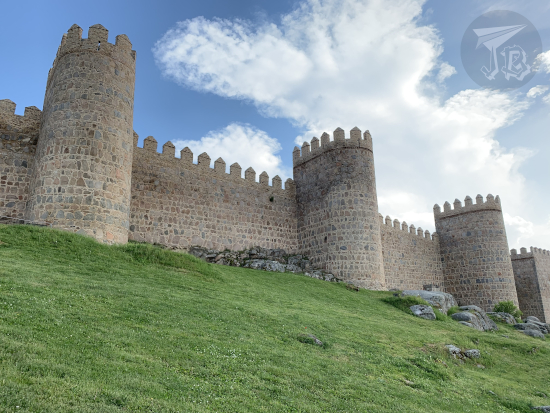
Legend has it that the town of Ávila lacked the money to demolish the wall. In retrospect, that was a good thing, because today, the walls that surround Ávila, Murallas de Ávila are among the most impressive Europe, some say that even better preserved than Carcassonne (France).

Ávila is a couple of hours away by car, so we drove off on Saturday morning at around 8 am and were there just before 10 am. We entered the city through one of the city wall gates, Puerta del Carmen.

Approach to the walls

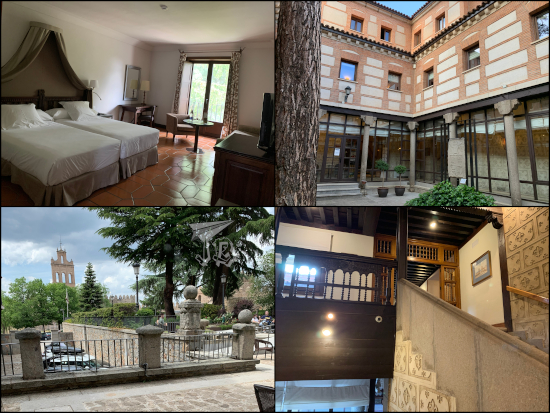
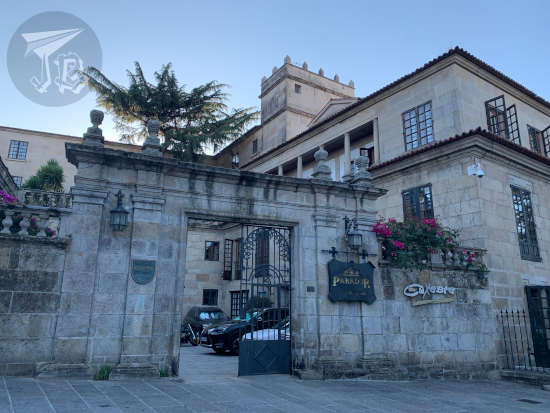
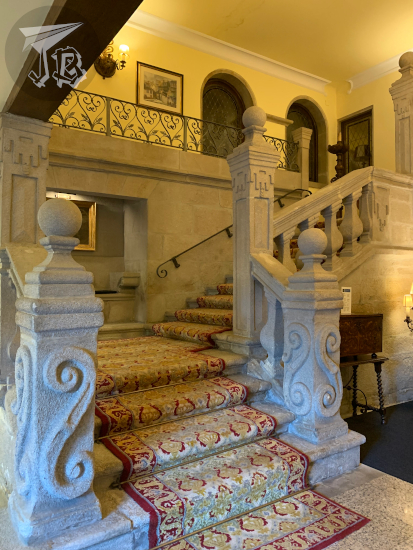
We parked (100% ditched the car) at the hotel and checked in – even if it was quite early, they told us that one of the rooms was already prepared and gave us the keys. Unfortunately, it was not, and since the blunder was a Covid-protcol blunder, they upgraded us as an apology. The hotel, Parador de Ávila, belongs to the Spanish network of Paradores, and it is located in a 16th century palace, Palacio de Piedras Albas. We booked late-check-out for the following day, which can be done “for free” booking lunch in the restaurant (which is obviously not free).

Parador

Our first stop was the tourist office, but not the one that is clearly signalled in the middle of the town – the one that is located outside the wall and you have to turn around and around to find. But we needed it to buy the 48-hour pass to the monuments. Then we stuck around to wait for the nearby church to open, which gave way to observing the wall for the first time.

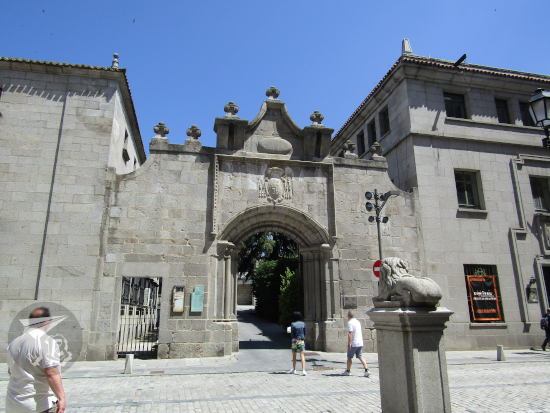
The Muralla de Ávila has been a Unesco World Heritage site since 1985. The structure is clearly defensive and it was built towards the end of the 11th century, quite probably as extension or reinforcement of a previous one, either Roman or Arab – though the Roman theory is the most credible as some pieces used in the original wall seem to come from a now-lost Roman cemetery, and there are documents about a Roman camp with similar shape. The wall has been restored in several occasions, and after surviving the ensanche risk, it was declared national monument and cleared of attached houses. Today most of the wall belongs to the Spanish government, and it is managed by the town hall, though there are some private parts, such as the ones that are part of the cathedral. The walls close off all the historical centre. They have a perimeter of 2,515 metres, with around 2,500 merlons, almost 90 turrets, and nine gates. Our second gate was Puerta de San Vicente.

Puerta de San Vicente

The first monument we stopped by, as soon as it opened since we were already there, was the basilica church Basílica de San Vicente (officially Basílica de los Santos Hermanos Mártires, Vicente, Sabina y Cristeta, three Christian siblings who were martyred nearby). It is one of the most important Romanesque buildings in the whole country, built between the 12th and the 14th century. It is protected as part of the World Heritage Site declaration. One of its characteristics is the golden rock in which it is built – sandstone-looking granite.

Iglesia de San Vicente

The inside of the basilica is, in the typical way, a mix of more modern styles. The grave of the martyr siblings is Pre-gothic, and the large altarpiece is Baroque. In the crypt there are proto-Christian pieces and a Romanesque Virgin which we did not get to see and which is the patron of the town.

Iglesia de San Vicente

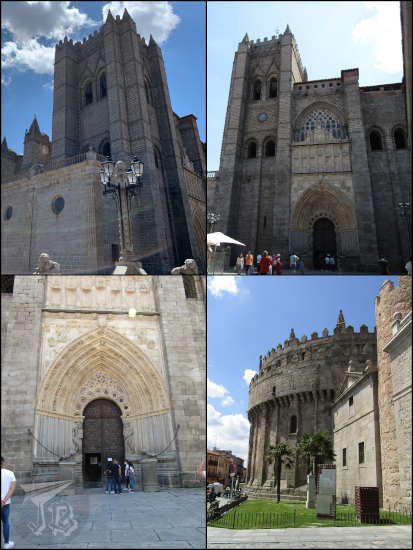
Afterwards we headed off to the cathedral Catedral de Cristo Salvador, which is considered the first gothic cathedral in Spain (something that other people say about Cuenca), with clear French influences. It was designed as a fortress church as its abse dubs as one of the turrets of the city wall.

Catedral de Cristo Salvador

In later years, a choir was added, along with a Baroque altarpiece. The walls are also sandstone-looking granite, but some elements inside are limestone and wood.

Catedral de Cristo Salvador

To the side of the cathedral stands the cloister, which holds the grave to the first modern president of Spain, Adolfo Suárez, and the entrance to the cathedral’s museum. It yields to views of the tower and… the storks that squat there.

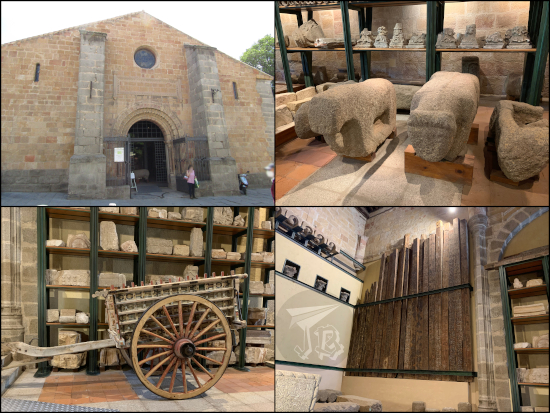
We headed off towards the Museum of Ávila. First we stopped at the former church Iglesia de Santo Tomé, which today is a warehouse for the museum, but can be visited anyway. When I was young, I studied the statues / sculptures called verracos, built around the 5th century BCE by the Vettones, a Celtic pre-Roman civilisation that faded upon the arrival of the Romans. The verracos are crude statues that represent four-legged animals – bulls, boars or pigs. At the time, I had only heard about a number of them, and was somehow under the impression that there were two or three around. I was quite wrong, apparently they pop up from the snow like daisies or something. In the church-turned-warehouse there were like twenty, one outside, there was one at the hotel garden… so no, apparently they are quite common. Other artefacts in the building include some carriages, Roman sculptures and mosaic, Muslim funerary artefacts and roof boards…

Iglesia de Santo Tomé

Then we moved onto the museum itself, Museo de Ávila, with a beautiful patio and a number of archaeological and ethnological items which represent the history and folklore of the town.

Museo de Ávila

It was almost time for lunch, so we headed off towards the restaurant where we had booked. Before, we made a small stop at an old palace Palacio del Rey Niño, built in the 12th century, today turned into the Post office and the public library, with a patio closed off by the Walls themselves.

Palacio del Rey Niño

Then we walked by the modern marketplace.

mercado

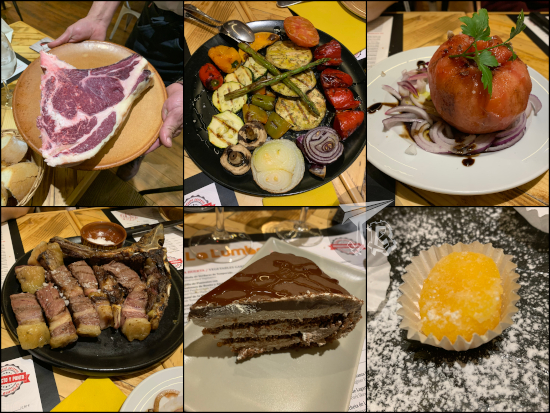
Which happened to be right in front of the restaurant, named La Lumbre. Aside from its walls, Ávila is famous for its cattle, a particular breed called Raza Avileña – Negra Ibérica, and of course the meat the animals produce, especially the matured and grilled meat from older oxen. After the animal has been sacrificed, the meat is matured in a traditional process called “dry maturation” for six weeks before it is grilled. We ordered the rib steak, chuletón to share, along with some grilled vegetables, a “tomato salad” that was a… one-tomato with dressing. And then there were desserts, aside from chocolate cake, we ordered yemas de Ávila – a typical confectionery made with egg yolks, lemon juice, cinnamon, and caster sugar. Lots of typical stuff, as you can see!

lunch

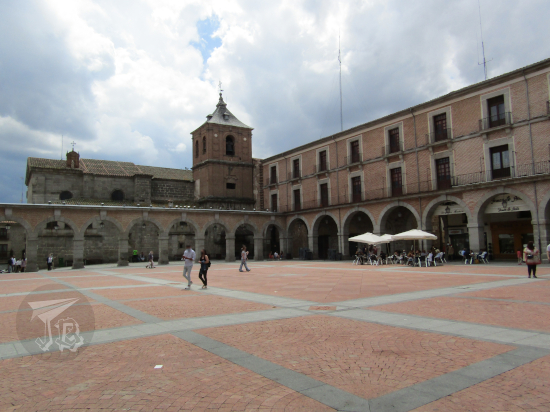
Our next stop was the main square, called “little market square”, Plaza del Mercado Chico, along with the town hall or Ayuntamiento. The square was rebuilt in the 19th century and is flanked by arcades. The town hall was built in 1862.

Plaza del Mercado Chico

Plaza del Mercado Chico: Ayuntamiento

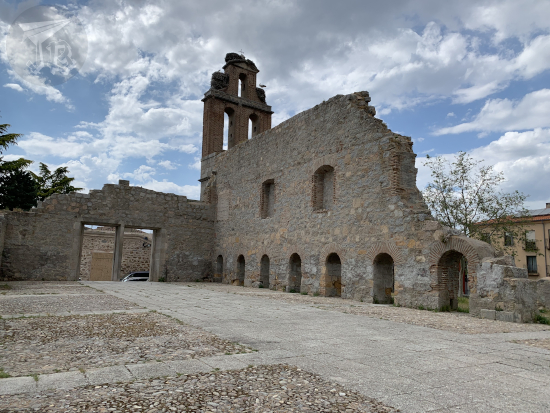
After a brief stop at the Parador for some rest, we headed off to find a convent / monastery on the other side of town. On the way we came across some ruins that I assume are the church Iglesia de San Jerónimo, as they sit in the square of the same name.

Ruinas de San Jerónimo

We reached the convent Convento de San José, a reconstruction of a previous monastery and church, the first founded by Santa Teresa de Jesús (Saint Teresa of Ávila), a Christian “doctor of the church” and mystic Carmelite nun, known for her ‘raptures’, her reforms, and her literature work. More on her later though. The convent and church were a little… underwhelming, even if is a World Heritage building.

Contento de San José

Then we walked back towards the historical centre, and walked past the church Iglesia de San Pedro, a 13th-century building with a great rose window, but which was closed (reforms).

Iglesia de San Pedro

On the other side of the square, Plaza del Mercado Grande (Big Market Square) stands another of the wall gates, Puerta del Alcázar, and a monument to Saint Teresa Monumento a Santa Teresa: La Palomilla.

Puerta del Alcázar

Next we separated and I went off to climb the walls Murallas de Ávila. Well, to walk on the parapet. Due to Covid, there is only one access, next to the Cathedral and its gate Puerta de la Catedral. The walkable area is around 1.4 km, including walking over some of the gates and up and down more than a few turrets. It allows for some amazing views of the town and its outskirts…

Views from the walls

… but also of the wall itself, both the original walls and the add-ons from later eras (and a magpie).

When I reached the end of the walk, I went down and crossed the bridge gate Puerta del Puente, named that way because it overlooks the bridge over the Adaja river. I could not take a picture of it because the traffic police was checking cars at the roundabout in front of the gate. Thus, I headed off to the pedestrian bridge to cross over towards the tiny hermit popularly known as “the four posts”, Los Cuatro Postes, which yield to an impressive view of the town and its walls.

Cuatro Postes

Views on the wall

Avila and View

I walked back to see the walls from the base. Then I crossed the gate we had driven through in the morning, Puerta del Carmen, and I headed back to the hotel for a drink.

At the feet of the walls

Puerta del Carmen

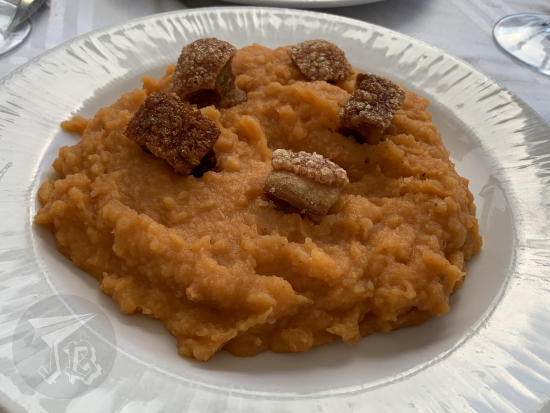
After a while we headed off for dinner and tried another of the typical dishes in Ávila, patatas revolconas – mashed potatoes with paprika and pork rashers, and waited for the sun to go down so the city lit up.

Patatas revolconas

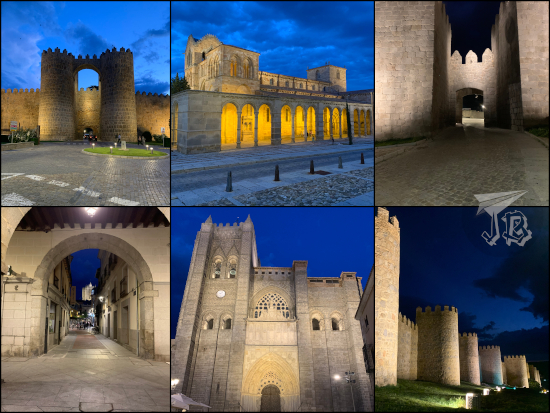
A walk around the town yielded to views of the Iglesia de San Vicente and Puerta de San Vicente, some of the inner streets leading to the town hall Ayuntamiento, the longer area of the Muralla and the Puerta del Carmen.

Night view

And then I had a very, very long shower and went to bed.

In the morning, breakfast was had – not a fan of the “we can’t have a buffet so we prepared this and this is what you get” plate, but whatever. I mentioned Santa Teresa before, let’s get into that a bit further. She was a 16th-century nun born near Ávila, canonized in the 17th century, and elevated to doctor of the church in the 20th century. She is conisdered one of the great mystics and religious women in the Roman Catholic church, author of a number of spiritual classics, and the reformer of the Carmelite nun order into the Discalced Carmelites. She founded convents all over Spain and was known for her mystics raptures which may have been messages from God or epileptic attacks. She is one of Ávila’s most important historical figures and wherever you go there are traces of her. In the place where her house stood now there is a convent, a church, a reliquary room and an interpretation museum, with really strange hours on Sundays. We could see the convent / church Convento de Santa Teresa de Jesús / Iglesia de la Santa and the reliquary room where no pictures were allowed Sala de Reliquias between services.

Iglesia de la Santa

On the way, however, I found some interesting ruins – the gate to the former hospital Hospital de Santa Escolástica, and we walked past a bunch of palaces.

Portada de Santa Eulalia

Then we moved onto a long walk to the 16th- century Gothic monastery Real Monasterio de Santo Tomás, which we could see due to lucky timing as there was a First Holy Communion Mass happening and the local little old ladies were not to keen on cultural visits of the church.

The monastery has a church, three cloisters and two adjacent museums. The church has an impressive Gothic altarpiece (by Pedro Berrugete, one of the key painters riding the wave between Gothic and Renaissance arts), and hosts the grave to the Catholic Monarch’s only male son.

Santo Tomás

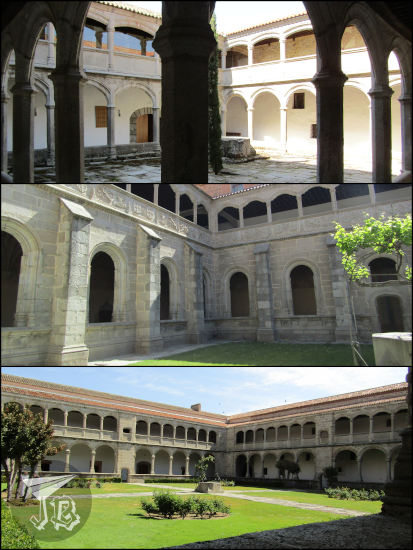
The three cloisters: Claustro del Noviciado, Claustro del Silencio, and Claustro de los Reyes Católicos (Novitiate, Silence and Catholic Monarchs).

Santo Tomás Cloisters

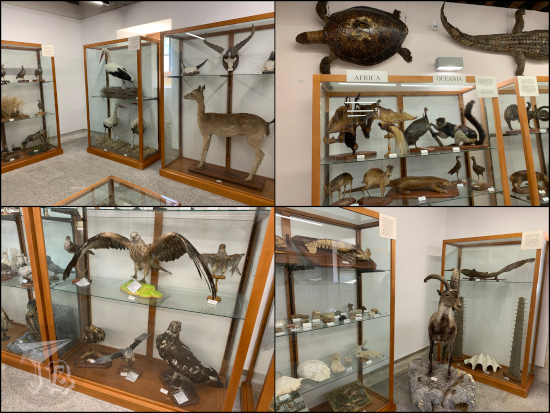
The Museum of Natural Sciences Museo de Ciencias Naturales, an occupational therapy project could… be better, and sets the expectation bar rather low for the next one.

Museo de Ciencias Naturales

However, the Museum of Eastern Arts Museo de Arte Oriental is pretty impressive. It contains pieces and artefacts that the Dominican missioners brought from China, Japan, Vietnam and the Philippines.

Museo de Arte Oriental

And in the end, that was it for the weekend. We walked back, decided to give the museum of Saint Teresa a miss, had a drink, had lunch and went back on our merry way – with a a view of the train tracks over the dam of the reservoir Embalse de Fuentes Claras.

Train tracks over Embalse de Fuentes Claras

Walked distance (Saturday): around 12.5 km
Walked distance (Sunday): around 6 km
Total distance driven (both days): around 340 km

23rd & 24th April 2021: Mental Reset Half-weekend: Cuenca (Spain)

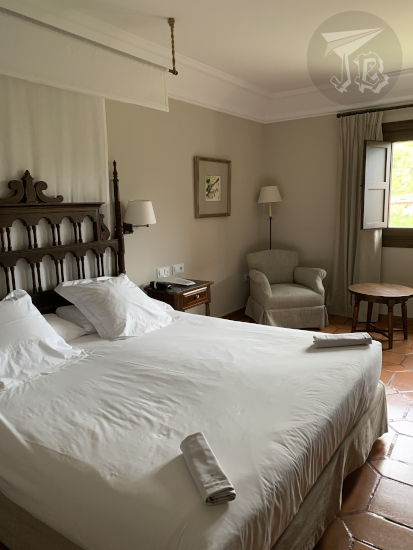
With everything going on, travelling is almost impossible, but the stars aligned for a tiinny bit longer than day trip – from Friday to early Sunday morning, with every precaution possible, of course. We ran away to Cuenca for a day and a fifth. As days are becoming a bit longer, when we arrived there were still a couple of hours of light left. We checked in and dropped off the car at the Parador de Cuenca. The Parador hotel chain might be more expensive than standard accommodation, but truth be told, it is upholding the strictest hygiene protocols, even though their hand disinfectants give me allergies. Truth be told, it was spectacular.

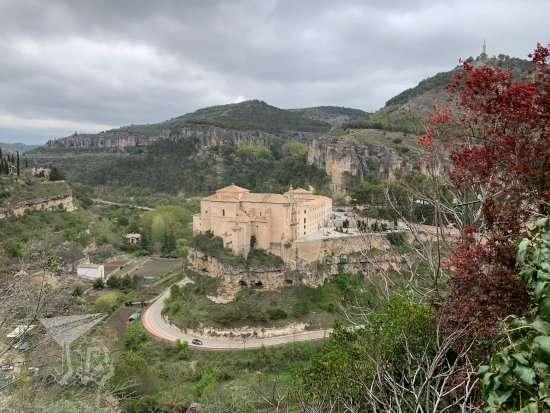
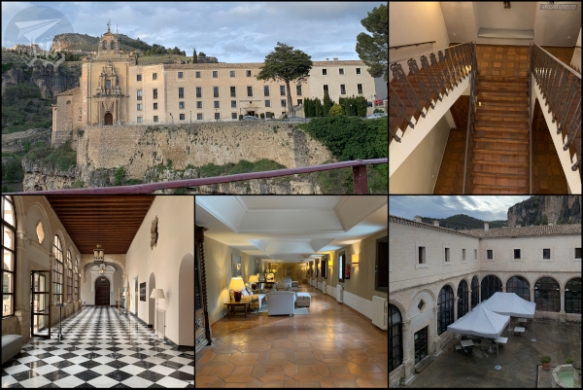
The Parador stands in a repurposed monastery, the old convent of Saint Paul, just at the edge of the historical centre of Cuenca. The hotel has a covered cloister and a newer building, and the adjoint church has been turned into an art centre.

Parador

Room

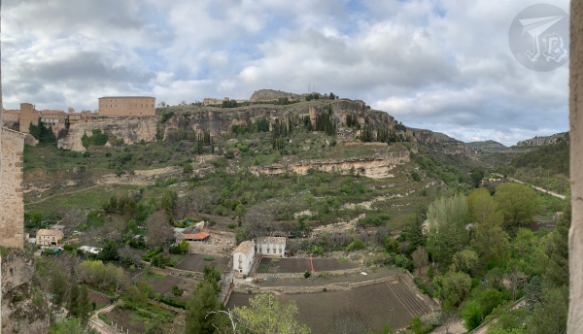
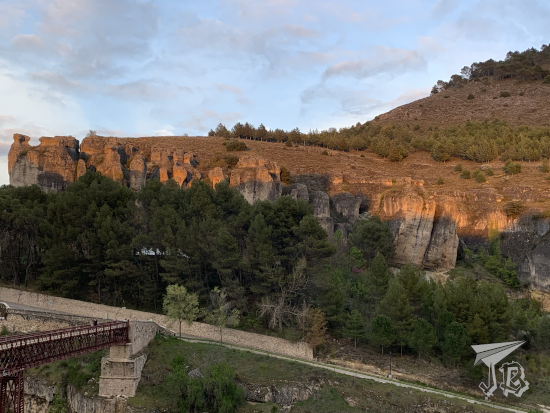
Gorge

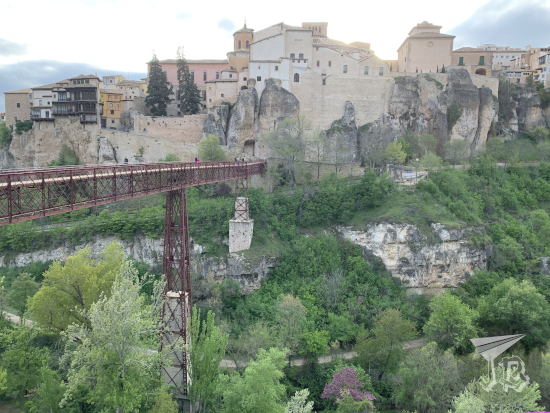
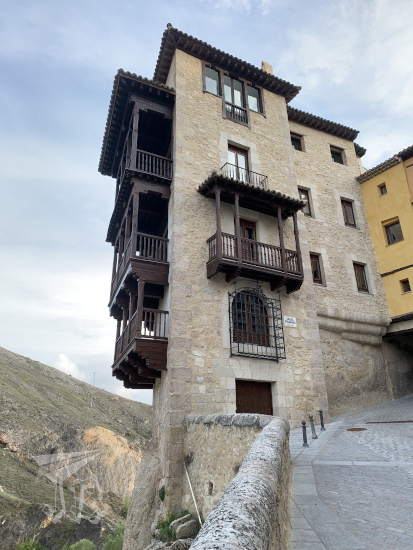
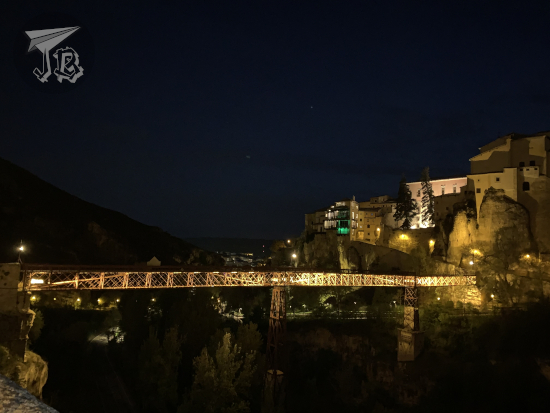
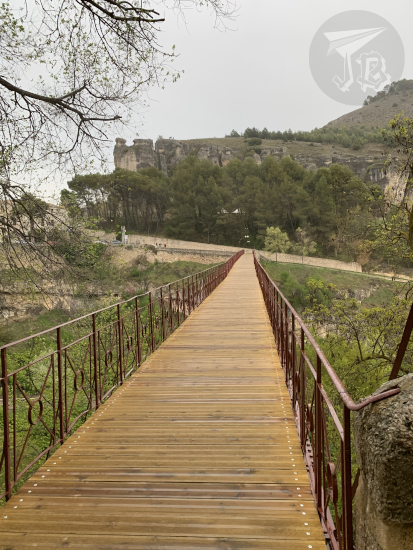
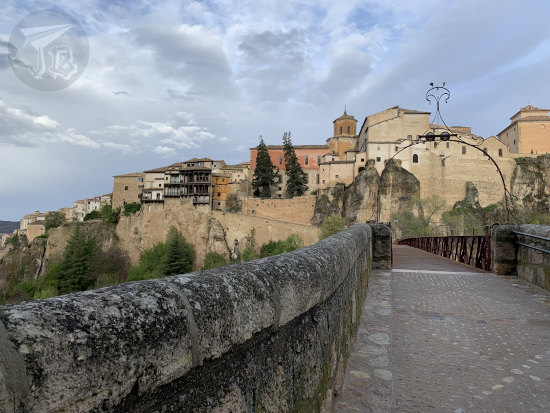
The core of the town stands between two rivers, River Júcar and River Huécar. As the area is rich in karst – calcite rocks, which dissolve in water – the rivers have dug parallel gorges around the historical dwellings. The walled city has been declared a Unesco World Heritage Site and one of the keymost point is the hanging houses, Casas Colgadas (now home to the Museum of Abstract Art). While the houses are now rather unique, they used to be the norm in the 15th century. In order to cross the Huécar gorge Hoz del Huécar, there is a(n also) hanging bridge. The bridge of Saint Paul, Puente de San Pablo, was built at the beginning of the 20th century in the typical cast-iron architecture of the time.

Puente de San Pablo

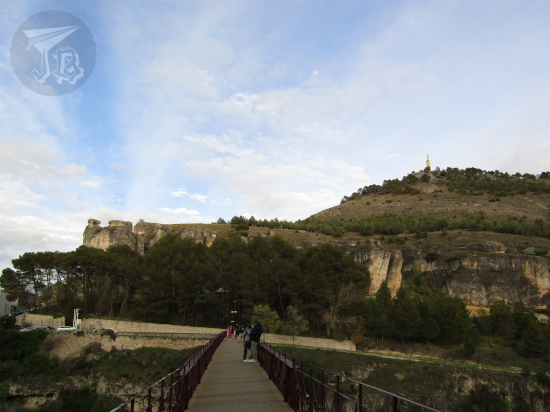
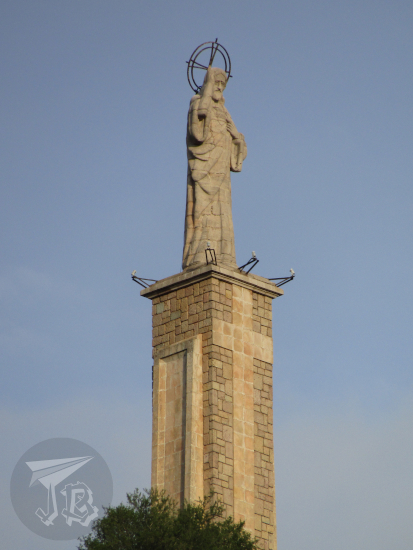
Looking back to the other side of the bridge, you see deceivingly high hill, Cerro del Socorro, carved out of karst. I say deceiving because when you actually look at it, you’re half-way up, and you can look down to the bottom of the gorge. At the top of the hill stands a religious pillar to the Catholic Sacred Heart, Monumento al Sagrado Corazón.

Cerro del Socorro

Monumento al Sagrado Corazón

Casas Colgadas

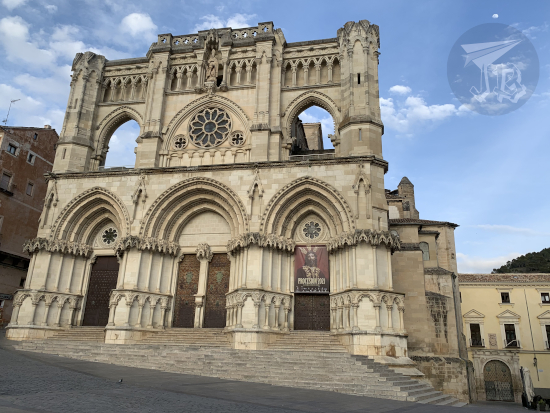
We went on walking towards Main Square and the Cathedral of Our Lady of Grace and Saint Julian – Catedral de Santa María y San Julián de Cuenca. The cathedral is one of the earliest Gothic buildings in Spain (although the main façade has been rebuilt in style). However, it is not the typical Spanish Gothic style, but it is more similar to the Norman buildings in the north of Europe. It was unfortunately not open for visiting though (it’s the third time I’ve been to Cuenca and I’ve never been able to walk in (≧▽≦) ).

Catedral de Cuenca

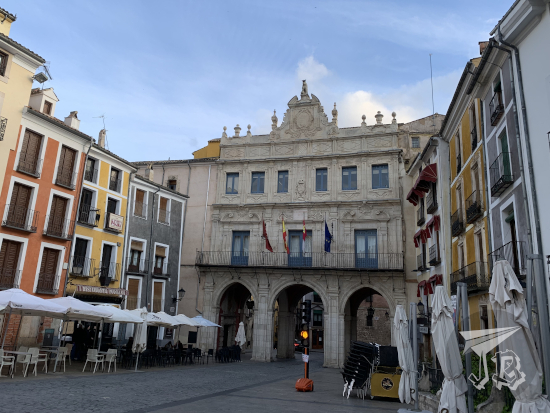
There also stands the Ayuntamiento de Cuenca or town hall, a three-arched Baroque building erected around 1760 after the designs of the architect Jaime Bort. The building closes off the square and is the gateway to a maze of chaotic traffic of one-way streets and directing traffic lights.

Ayuntamiento de Cuenca

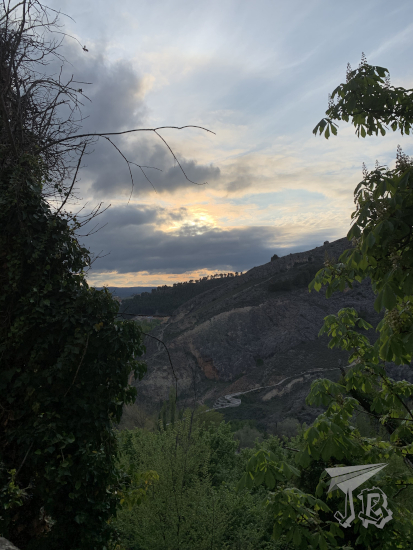
We turned towards the gorge, Hoz del Júcar on the other side of the town for a view of the sunset, but the clouds seemed to be hiding it.

Hoz del Jucar

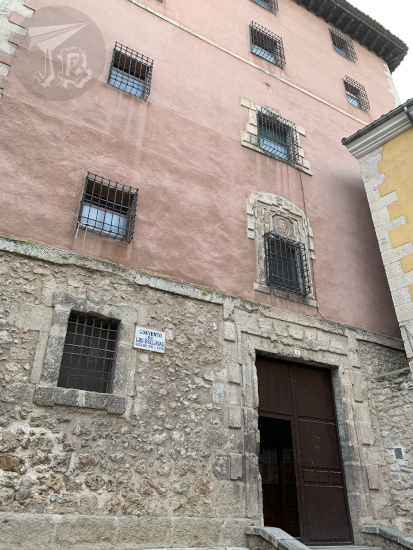
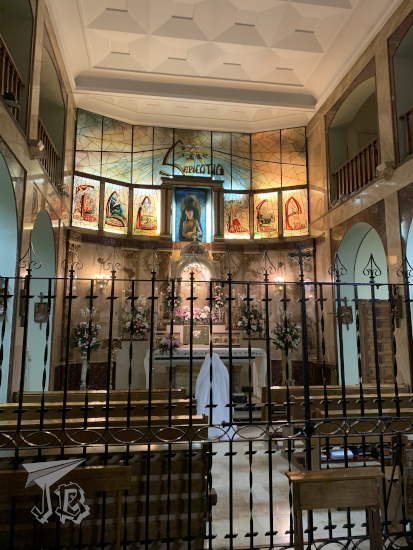
As we continued on, we stopped by a nun convent Convento de las Esclavas. This Catholic nun congregation leads a contemplative life and they are perpetually praying to the Eucharist – at least some of them, as apparently they bake and sell confectionery to sustain themselves. You can see a nun praying in the church, and to be honest for a second I did not realise she was there, it felt like there was a ghost all of a sudden. The building was erected between the 15th and 16th centuries.

Convento de las Esclavas

Convento de las Esclavas

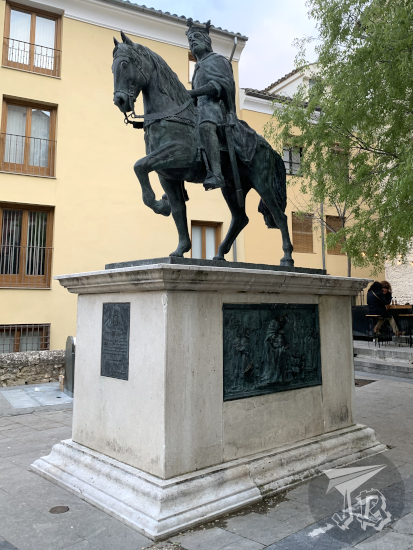
We found the monument to a medieval king Monumento a Alfonso VIII. During the Christian and Muslim wars, the king was the one to conquer Cuenca for the Christians, and assimilated it into the Castilla crown.

Monumento a Alfonso VIII

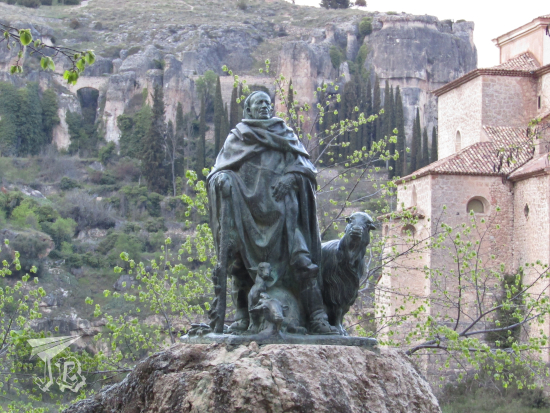
Another sculpture we found was, conversely, erected to honour the traditional shepherd from one of the old streets in town, a bronze statue named Monumento al pastor de las Huesas del Vasallo and located next to the bridge.

Monumento al Pastor

We also got treated to some nice views as the sun came out the second we turned out backs on it.

Sunset

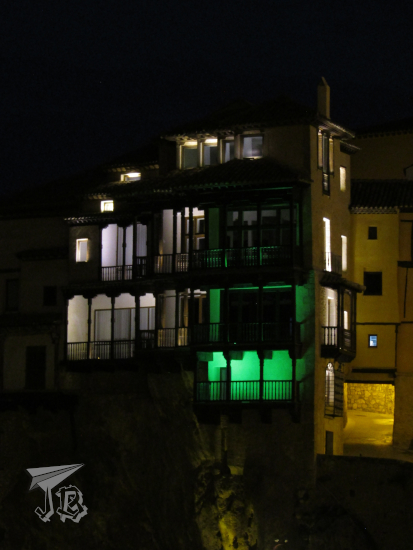
After dinner – a really good club sandwich in my case, I walked out to take some pictures of the bridge and the hanging houses after dark, expecting them to be lit up… Which they were. I mean, I was really not expecting the green colours.

Night

Casas Colgadas

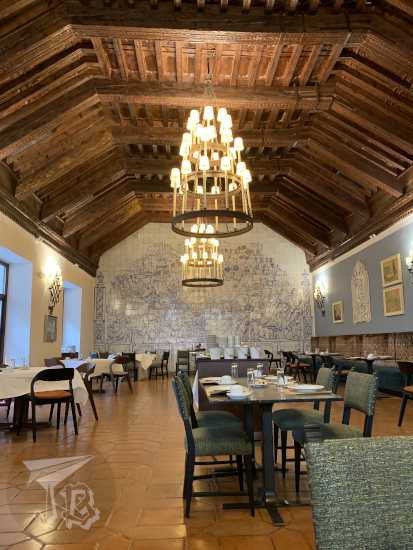
In the morning we had breakfast at the old dining room of the convent, the refrectorium, which still keeps its old allure.

Refrectorium

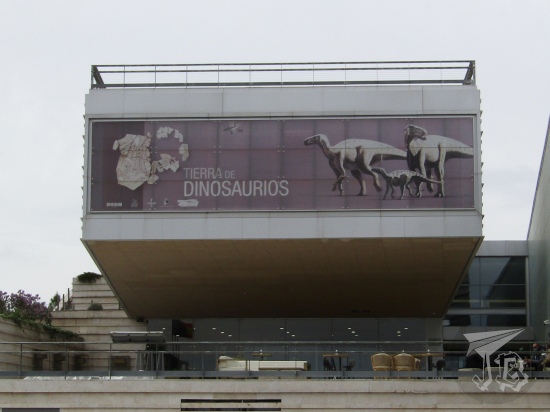
Later, we headed out to the local palaeontological museum Museo de Paleontología de Castilla-La Mancha. The museum was inaugurated in 2005, recycling, so to speak, a previous building that overlooks the city of Cuenca. The museum has an inner area with some reproductions and pieces from the different palaeontological sites around the area, and several models of the animals, organised in eras.

MUPA

MUPA

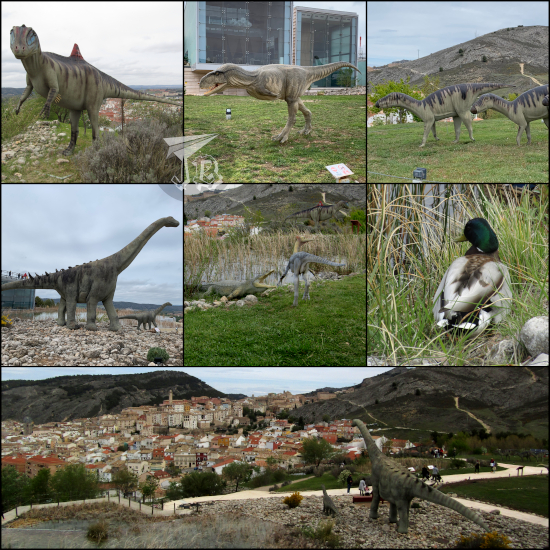
The outer part also holds replicas, and it gives a very Jurassic World feeling for a second, when you take the view with the dinosaurs. We had booked first thing in the morning, so we were leaving when the kid-crowd started to arrive, in order to see both the extinct and the extant dinosaurs (a.m., we found a mallard minding his own business at one of the ponds).

MUPA

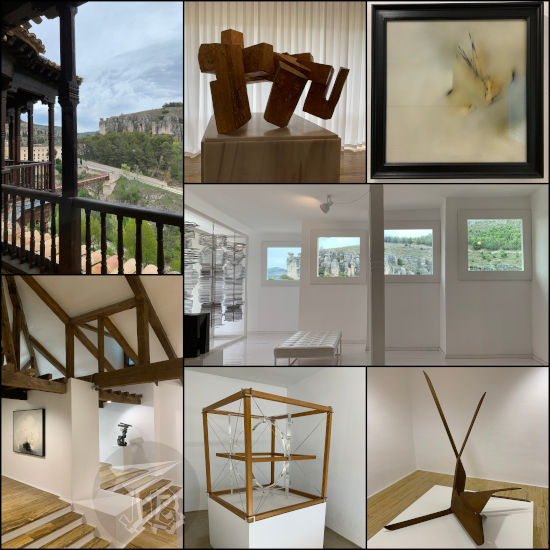
We drove back, and unfortunately the Sat-Nav got us lost. However, we dropped the car safely off a the hotel and decided to take the plunge and walk into the museum of Spanish abstract art Museo de arte abstracto Español, home to a number of… works… by Spanish artists from the 1950s and 60s in the Hanging Houses / Casas Colgadas. I… have to admit I am not the biggest fan of abstract art, so I was not terribly impressed – I mean I had been there before and it had not imprinted on me, like at all (≧▽≦).

Museo arte abstracto

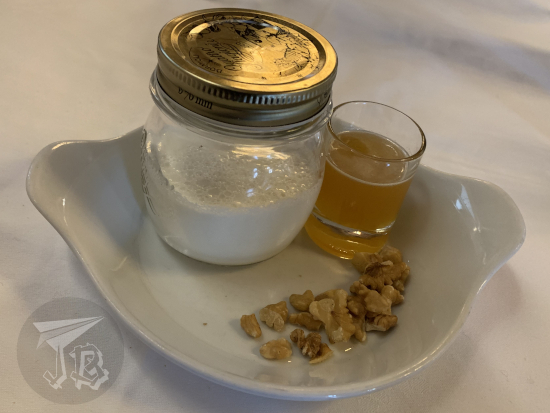
After the museum we headed back to the Parador for lunch and some rest – and I have to say that the curd I had tried the last time was nowhere to be found any more. Sad.

cuajada

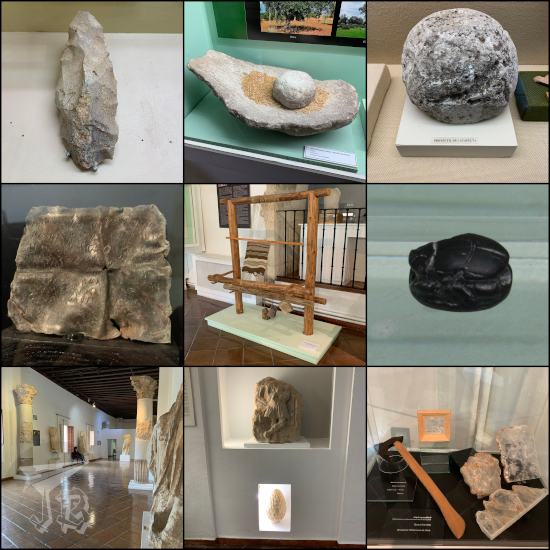
But not to be deterred, we soon moved to the city museum Museo de Cuenca, which highlights the Roman origins of the city. There are displays from Prehistory to the Middle Ages, but there is either a surprising lack of Muslim artefacts, or they were in the closed-off rooms.

Museo de Cuenca

After this, we wanted to check out one of the churches, and on the way we passed by a viewpoint towards the gorge Hoz del Huécar.

Hoz del Huécar

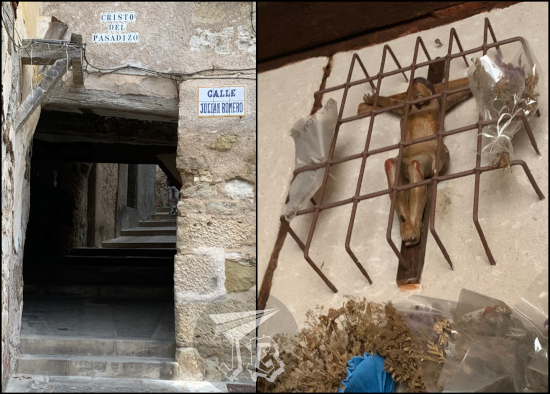
We also came across the “Christ in the Alleyway” or Cristo del Pasadizo, which is related to the legend of two lovers – he went to war, she stayed behind and moved on, and then everything ended in tears because how dare a woman in Christian Middle-Ages Spain try to be happy. Anyway, here’s the alleyway and the Christ figure.

Cristo del Pasadizo

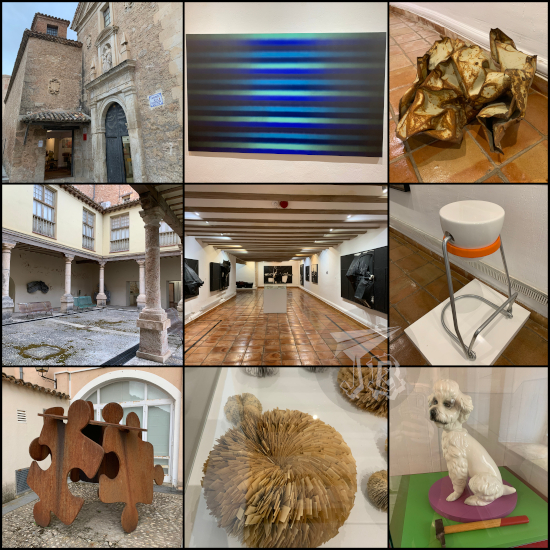
After that we ended up at another museum of contemporary art, Fundación Antonio Pérez, located in another former convent built in the 17th century. Honestly? It was slightly interesting but mostly claustrophobic. The majority of rooms do not have windows whatsoever and the fact that there is a one-way itinerary due to Covid, and how dry the air was, made it stressing to an almost ridiculous level.

Arte contemporáneo

It was early evening when we came out, and the second we put a foot outside it started pouring, so we headed back – it also made for a few spectacular pictures.

Rain

Rain

Some cool ones were also taken on Sunday morning just before we drove off early because there was stuff to be done throughout the day.

Casas Colgadas + Puente de San Pablo

8th & 9th January 2021: Guadalajara & Filomena (Spain)

Since 2017, Spain (alongside Portugal and France) has taken up the custom of naming bad storms, and this season we are up to ‘F’, the 6th bad storm. In this case, the storm, named Filomena, entered Spain from the south west and collided with a polar air mass that happened to be coming from the north. The result – snow. Lot’s of it, with low temperatures and snow-heights not seen in a very long time. Some call it “the snowfall of a lifetime”.

As Covid-19 has made travelling impossible – or at least pretty unsafe / irresponsible (choose your pick), plans have been pushed back again, and plain cancelled. While truth be told I still hold tickets for the Saint Seiya event in Paris in late May, I have no hope I will be able to attend. Even if the Covid crisis fades away, there’s the extra issue of the economic blow 2020 caused.

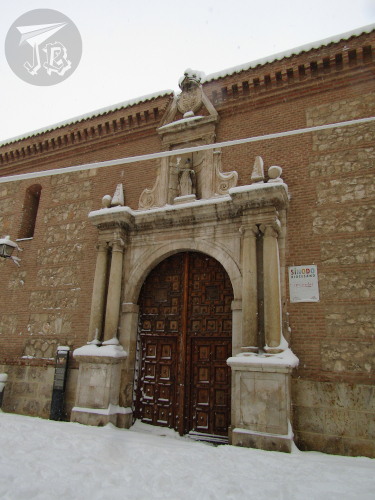
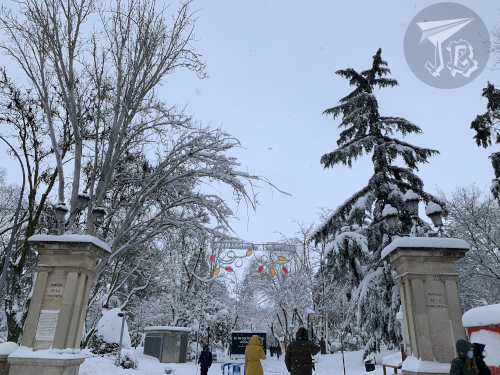
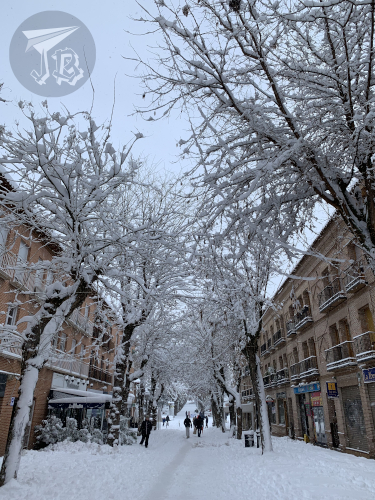
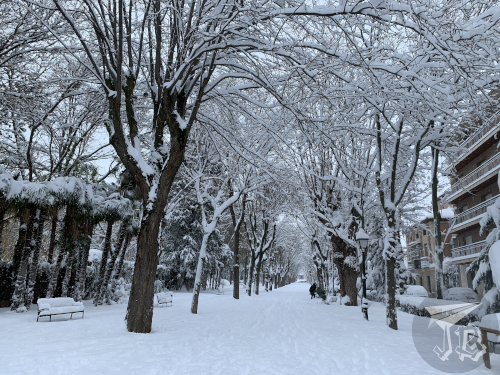
Anyway, back to Filomena – it brought something that is rarely seen in these parts. Snow. Lots of it. So before everything went to hell, I just decided to ignore the stay at home recommendation and took a couple of walks around Guadalajara for a rare sight – the monuments covered with snow. Furthermore, as the snow is expected to freeze into ice plates, I had to go out when the snow was still fresh.

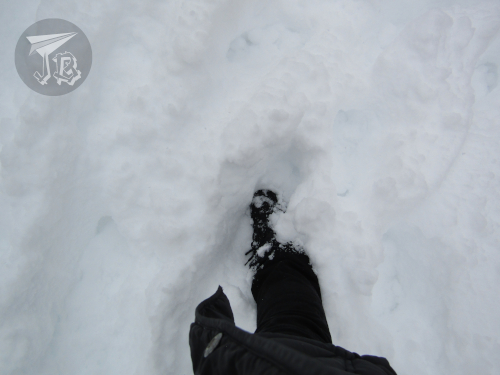
I took two different walks. On the eight of January, Friday, as soon as I got out of wok I put on my snow boots (perks from the time living in Scotland) and winter coat, then threw my raincoat over it – it was a tricky movement, but I managed not to dislocate my shoulder doing so. By this time there was a coverage of a few centimetres, and I decided to head out to the outer area of town where I could sneakily take my mask off if my glasses fogged too much, which I had to do when I crossed the road, because there’s no actual crossing.

There was a surprising amount of people around! Fortunately I was able to keep my distance, especially at the times when I tried to breathe – even if I went out with the smaller glasses, at points I had to take them and the mask off to be able to breathe and see anything.

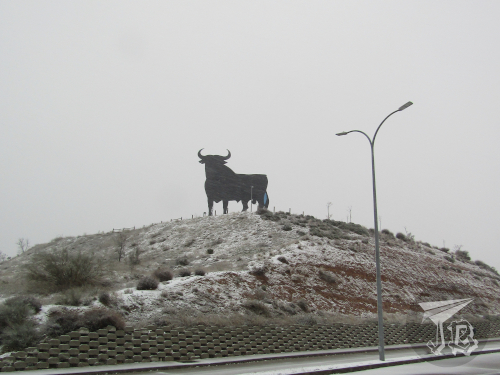
I walked up to the Toro de Osborne a winery-billboard-turned-item-of-cultural-and-visual-interest which as you can see is shaped as a bull – representing the species used in bred for bullfighting, because the Osborne winery is located in an area also famous for the livestock. It is made of metal and measures around 14 metres high, one of the 91 that remain around Spain. It stands in an area that was supposed to become urbanised but never did, so it has several unfinished alleys and corners. There has been a statue there since 1975, called El Abrazo, (The Hug), which has always reminded me of a decomposing DNA strand. It was erected by Francisco Sobrino, the most famous sculptor from the town.

I went back right before sundown, and the roads were already difficult. It continued snowing throughout the night, and when I woke up on Saturday morning, no cars could run, there were no buses, trains had been stopped and some trees had collapsed under the weight of the strongest snowfall in decades. But… temptation won. I only wanted to peek around the corner a little, but then I decided that as there was a good chance I would run into people, I could not cheat on mask policy – so I put my contacts on. That warranted for a longer walk as those are disposable, and… not cheap (≧▽≦).

First I walked down the Avenida del Ejército, one of the main arteries in town, which had already been somewhat cleaned of snow, which was good, because… well, there was a bit more of a cover than the day before

I reached the park built after the ancient Arab structure, Parque de la Huerta de San Antonio. To the left stands one of the towers of the old walls, Torreón de Alvar Fáñez.

I saw the snowed Palacio del Infantado. This palace was built in the late Renaissance style, designed by Juan Guas and commissioned by the Marquis of Santillana. Although the main construction happened between 1480 and 1497 but has been reformed in several occasions, even recently as it was turned from public library into monument and museum. Infantado is a name related to the concepts of infante or infanta, which are the Spanish terms that designate the children of monarchs who are not the direct heirs (so no the crown prince or princess). The most important feature is the main façade built with sand-coloured rocks and diamond protuberances as decoration. It was suspected to have suffered from aluminosis concrete a couple of years back, but after a small political struggle, it the palace was deemed healthy again. Magic, I guess.

Up the central street of the old town, I took a small detour to check the Iglesia de Santiago Apóstol to the left. The church, built in bricks, used to belong to a now-gone convent.

In front of the church stands the convent-turned-palace-turned-high-school Convento de la Piedad / Palacio de Antonio de Mendoza. The convent-palace represents the start of the Renaissance influence in Spain, especially the former grand entrance.

At the end of the street stands the main square and Ayuntamiento, the town hall, and main square, where the street turns into the main street, Calle Mayor. The town hall, built at the beginning of the 20th century, sports an interesting bell tower in iron.

The square Plaza del Jardinillo (square of the little garden) where the Baroque church Iglesia de San Nicolás el Real stands. You can’t really recognise him under all the snow, but there is a Neptune standing in the middle of the fountain in the square.

Main Street continues until the square Plaza de Santo Domingo. The square is half park-like, half built, and one of the trees that died in the park area was carved into a book-stash sculpture.

On the other side of the road stands another church, Iglesia de San Ginés, built in the 17th century with two towers and a Romanesque-looking entrance.

The police tape around the main town park, Parque de la Concordia, had been partially taken down and I interpreted (wrongly) by the sheer number of people inside that it was allowed to walk in. Only when I reached the other side I realised that the park was considered unsafe, and of course I did not risk any other trespassing. The park dates to mid-19th century, and hosts a gazebo-like structure built in brick and iron by Francisco Checa in 1915.

I went on to the Paseo de San Roque, only on the street area, as the more park-like one was taped off. This is one of the most diverse parks in town, and some say that it could / should have been considered a botanical garden.

I walked alongside, peeked into the park Parque de las Adoratrices, but it was packed, so I continued on. Although this park is rather recent, opened in 2009, the walls and fences were built a century earlier. The town festival used to be celebrated here, but it was moved away to the outskirts as the town grew.

At the end of the street stands the chapel Ermita de San Roque , which originally was outside the town when it was built in the 17th century, in the typical brick of the area.

I walked around the walled area of the Colegio de las Adoratrices, with some really cool views of the pantheon that stands there, Panteón de la Duquesa de Sevillano, the school building and the church Iglesia de Santa María Micaela. This whole area used to belong to the Duchess, who commissioned the architectural complex in the 19th century. The pantheon is a particular example of the eclectic architecture, with a purple dome. The church is a mixture of different styles, out of which maybe neo-Gothic would be the most prominent one.

The street I wanted to go along next was a) taped off and b) waaaay too steep for a safe climb-up, so I decided to turn towards another of the important squares in town, Plaza de Bejanque. You can guess the old fortress Fuerte de San Francisco behind it, but it was also full of people, so I walked fast.

One of the features of the square is the old gate from the walls, Puerta de Bejanque, one of the access gates through the 14th century wall. This used to be part of a house that was built around it, and it was unearthed, so to speak, in the 90s.

I went down towards the co-cathedral Concatedral de Santa María. Originally built in the 13th century, this catholic church has been redesigned and rebuilt in several styles. It is best characterised by the horse-shoe arches in the main façade.

And sneaked up towards the chapel Capilla de Luis de Lucena, a small and compact chapel built like a tiny fortress that used to be an oratory part of a larger church.

I walked past the old palatial house Palacio de la Cotilla, a palatial house from the 15th century.

The convent Convento de las Carmelitas de San José. This convent, where cloistered nuns still live (tradition says that couples that are going to marry should bring them eggs for sun on the day of the wedding) was built in 1625, and the inside is decorated in the Baroque style.

And finally reached the lookout over the park built within the old torrent, Parque del Barranco del Alamín.

I finally saw the former church Iglesia de los Remedios. Today it is used as the grand hall for the nearby university, but it was originally a Renaissance temple, with three characteristic arches guarding the entrance.

And turned back towards the Palacio del Infantado from the square Plaza de España.

It had started snowing more heavily by then and my legs were getting tired. The sloshy snow on the roads had become frozen so it was slippery, and when I was walking on the actual snow, it was up to my mid-shins, so I was feeling the strain in my legs and my back. Thus, I decided to go back home and not to return in the afternoon again because the trees had lost more and more branches under the weight of the snow. The temperature going down also meant that the snow was going to freeze and it would be more slippery as it became ice…

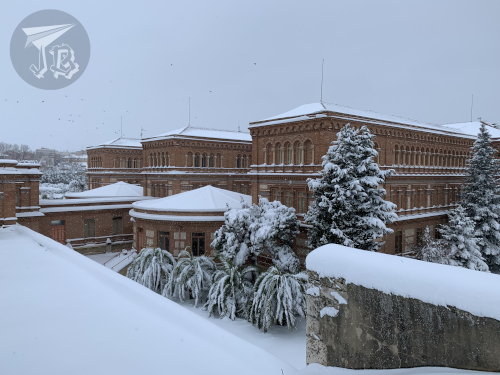
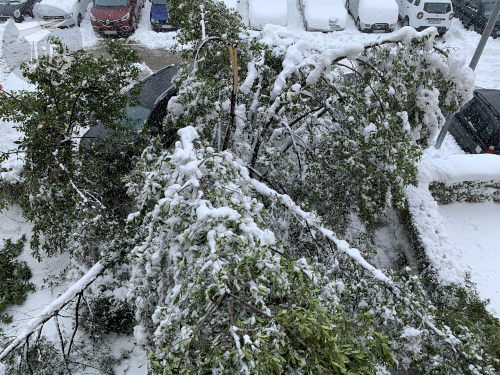
I mean, this is the tree that used to stand in front of my balcony… So better safe than sorry. But all in all, the snowfall of a lifetime in these latitudes!

12th September 2020: Sigüenza (Spain)

We took a drive to Sigüenza, in Spain. This medieval town? big village? had a big relevance through the Middle Ages, and the historical centre reflects that. The most prominent point is the castle on top of a hill. The Castillo de los Obispos is a fortress that can be traced to Roman times. However, the actual castle was a Moorish alcazaba. After the Christians took it over in the 12th century, it was remodelled and enlarged. Due to its vantage point, the castle was a key element in different wars and strife, including the Napoleonic invasion and the Civil War, thus resulting pretty damaged. In the late 20th century it was decided to restore it turn it into a Parador with around 50 rooms.

During our planning stage we called and tried to book a restaurant for lunch, and we were told they were not taking them, we had to call on the same day. Of course, when we got there, it was impossible to book – there was a course and the celebration of a communion (seriously, people, learn to say no so others can get organised). Unfortunately, you could not see the interior or even the yard if you had no reservations, so I can only share a picture from the parking lot, where we left the car.

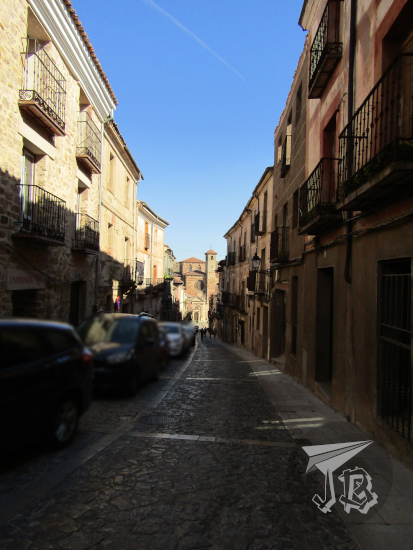
We walked down the main street Calle Mayor, a clobbered slope that ends (well, technically begins) at the town’s main square.

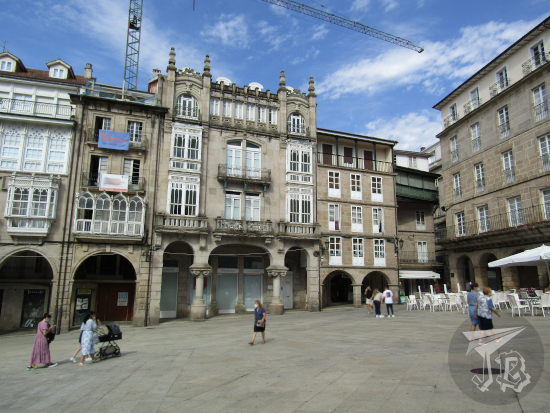
Main Square or Plaza Mayor is home to the Town Hall or Ayuntamiento de Sigüenza, an old palace with a typical Castillian inner yard or patio.

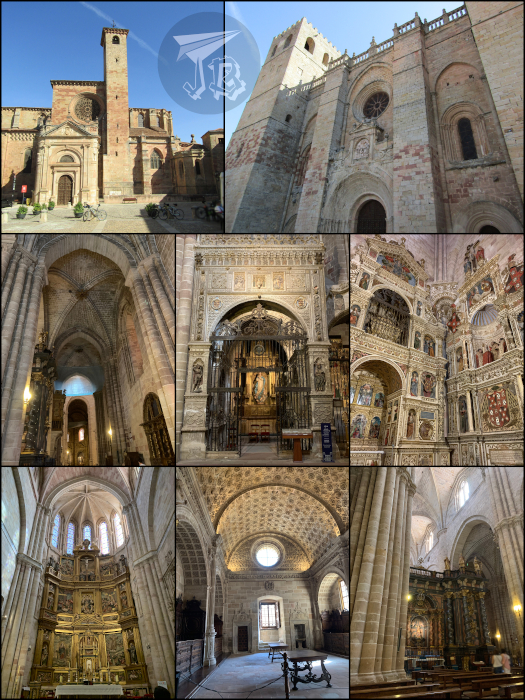
Opposite the town hall stands the cathedral Catedral de Santa María La Mayor de Sigüenza. The Gothic building was built upon a previous Romanesque one and it had some Neoclassical and Baroque additions. Thus, the façade sports Romanesque doors and rose window, and the main body is Gothic. The altar and the choir are awfully Baroque too, and some of the chapels sport Cisneros, Plateresque and Renaissance decorations. All in all, an interesting pout-pourri of architectural and decoration styles.

The most important piece of art of the cathedral, however, is a funerary piece to the right of the altar. It is the sepulchre of Martín Vázquez de Arce “El Doncel” (“The Young Man”). The chapel holds him, his parents and grandparents, but the sculpture on his sepulchre is the most impressive one. The Vázquez de Arce family were vassals of the Mendoza family, the most important family in the area during the Middle Ages. During the war to conquer Al-Andalus, the Vázquez de Arce males followed the Mendoza to the war in Granada, where Martín died in a trap set by the Arabs, which consisted on damming the River Genil to a creek, and then releasing the dam so the water took over the enemies crossing (which… kinda sounds like something out of the Lord of the Rings, doesn’t it? At least, it makes me think of Arwen and Treebeard). The sepulchre, commissioned by Martín’s brother, presents him taking a break during training and reading a book. He even has pupils, so if you could climb up, you’d see what he’s reading!

The cloister is also Gothic, as the previous Romanesque one was torn down. It holds a central garden and a number of side rooms where there is a collection of mythology-themed tapestries. In one of the chapels, there is also a painting by El Greco, a Greek painter rooted in Spain who was one of the key artists during the Spanish Renaissance.

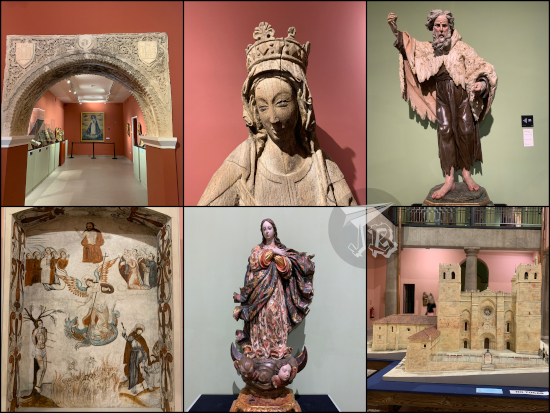
The cathedral ticket also allows a visit to the Diocesan Museum Museo Diocesano, which holds many pieces of religious art, along with a few models of the cathedral in its different construction stages. These days I’m trying to learn some hagiography, which means how to identify religious figures by how they’re presented. Getting there, three out of ten times or so, because half the time they cheat.

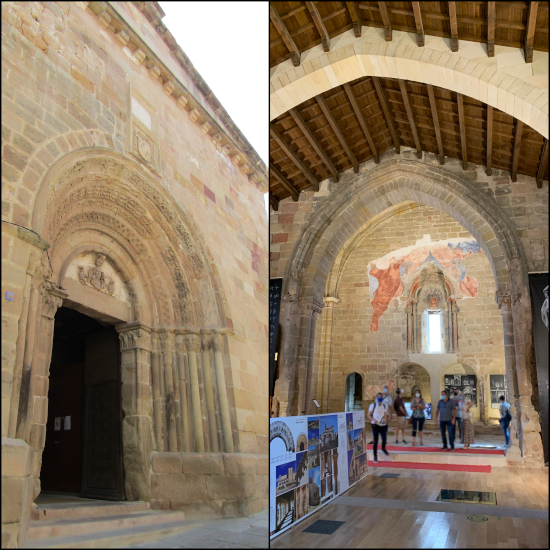
After the cathedral we climbed up towards the castle, and we stopped at the former church Iglesia de Santiago, now transformed into a mini-introduction centre for all the “hidden” or “unknown” Romanesque in the area. The church itself had some beautiful paintings, but it was destroyed during the Civil War.

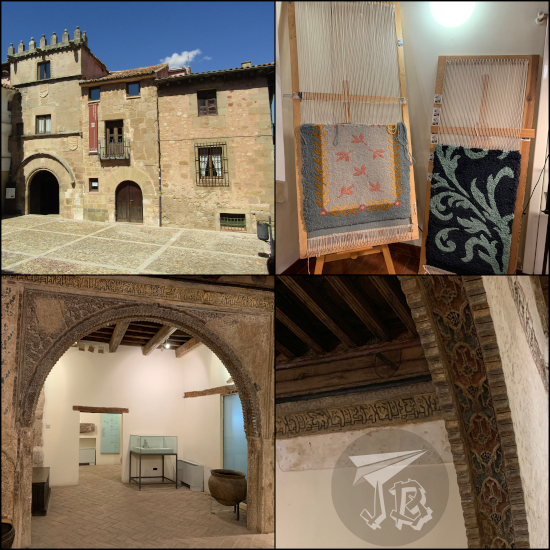
Continuing our way up, we turned a little to see the house where the Vázquez de Arce family used to live, now turned in a museum, Museo Casa del Doncel. There is a little paintings exhibition and a guitar museum, along with some ancient artefacts such as vases or looms. The most interesting part are the Moorish “Mozárabe” decoration. Here is a bit of historic trolling: when the Christian “conquerors” hired Arab craftsmen to do decoration, one of the things the Arabs did was decorate using Quran verses.

Then we saw the outside of the church Iglesia de San Vicente Mártir, Romanesque to boot.

Afterwards, we ended up at the square Plazuela de la Cárcel, where the old gaol jail stood.

Finally, we headed over to the restaurant where we had booked a lunch table, a traditional grill called La Taberna Seguntina where I chose to have a “summer menu” with salmorejo (a thick soup or purée made with tomato, oil, and bread and sprinkled with boiled egg and cured ham) and roasted cochinillo (suckling pig, roasted whole) with potatoes and herbs. For dessert I had a pudding!

And that was it, really – Medieval Sigüenza has nothing else to see. As the façade of the castle was being restored, we did not even take pictures of it as we drove away.

6th August 2020: Monforte → Ourense → Pontevedra {Spain, summer 2020}

We left behind Monforte de Lemos and drove off to Ourense, one of Spain’s thermal cities. Unfortunately most of the thermal water stuff is closed due to Covid and it was 40ºC anyway (≧▽≦). Upon arriving we left the car, and walked to the cathedral Catedral de San Martín de Ourense, an amazing piece of Romanesque / Gothic art with an amazing 13th-century chromatic Portico of Paradise [Pórtico del Paraíso] and a horrible Baroque Chapel of Christ [Capilla del Santo Cristo].

Ourense: Romanesque portico with wooden figures painted in bright colours (by JBinnacle)

We walked past Plaza Mayor or main square.

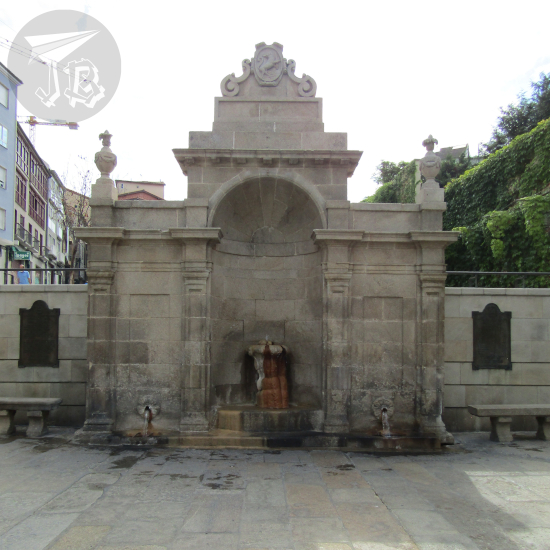
And we reached the area called As Burgas, where the old Roman baths and fountains of thermal water stand.

Then we took a stroll upwards and found an interesting church – the Iglesia de Santa Eufemia, very, very Baroque and climbed about five hundred stairs.

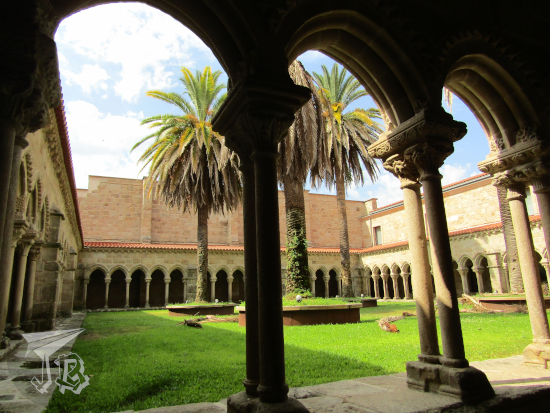
After arriving at the cloister of Francis, Claustro de San Francisco, we took a walk around and then went back to the car to drive off to Pontevedra.

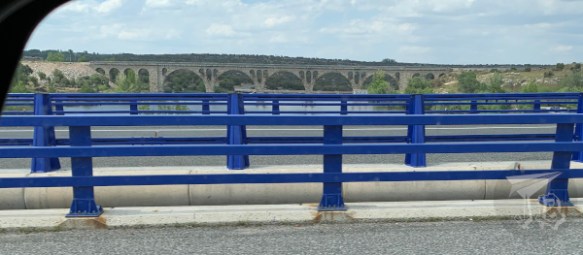
On our way out we could spot the Roman bridge, Ponte Romana, but could not take any nice pictures due to the railing of the actual bridge we were on.

It did not take long to Pontevedra, where we had lunch, rested for a while, and then took a stroll around the town centre. Oh, and I got stamp number four as we stayed at the Parador de Pontevedra, which is an old city palace. Pontevedra is the town of a thousand squares, or so it feels. The truth is that the following morning we had booked a guided visit, so just a few highlights here.

Santuario de la Virgen Peregrina, a shell-shaped church in the centre of the town:

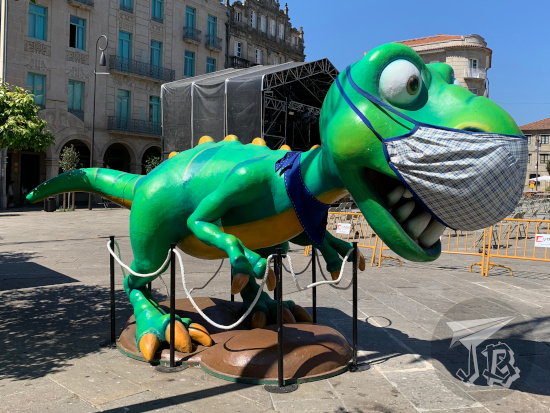
Plaza de la Herrería (and a few others surrounding it), with a friendly mask-concerned dinosaur (don’t judge, their hands might not be too good for the knot-tying).

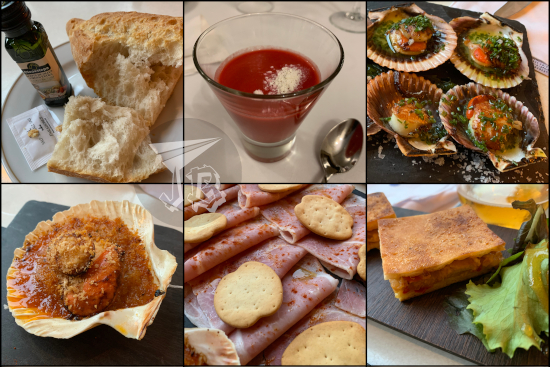
We had dinner a splendid dinner: scallops (both zamburiñas and vieiras, or king scallops (Pecten maximus), empanada(pie) and lacón (pork. Not quite ham, but yummy anyway).

Driving distance: 168 km
Walking distance: 6.28 km
4th August 2020: Meanders and Curves {Spain, summer 2020}

The area we were visiting that day, called Ribeira Sacra, is sprinkled with Christian monasteries [mosteiros] and churches [Igrexas] in the Romanesque and Gothic styles. These religious sites became commonplace during the Medieval times, along the way that leads up to Santiago de Compostela, an important Christian pilgrimage site. The route is called Camino de Santiago (St. James’ Way).

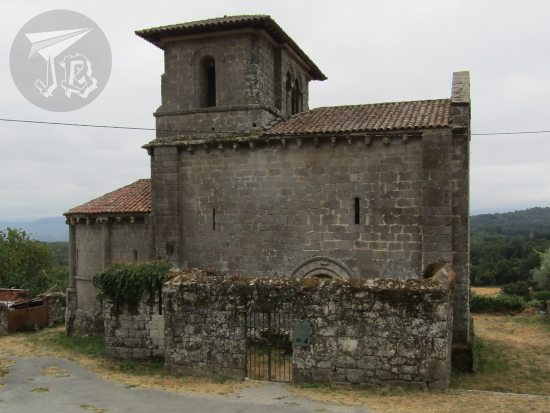
We started off with a fierce battle against the car’s sat-nav as it refused to take us to our first stop, the church of St. Michael in a tiny hamlet. I managed to trick the navigator and we arrived at the Iglesia de San Miguel de Eiré only a little later than expected. The church is small and it was built in the Romanesque style, which is common the Ribeira Sacra. The church was built in the second half of the 12th century, and has a remarkable archway. Back in the day, it belonged to a monastery.

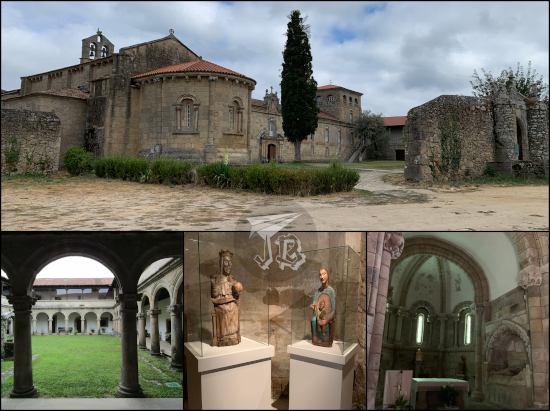
Afterwards we backtracked to what is probably its successor – another monastery, the Monasterio Cisterciense del Divino Salvador in Ferreira, which was built in three styles – the church is Romanesque (12th century), the main building and the walls are Baroque (18th century) and the inner cloister is Renaissance (16th century). There are also two Romanesque wooden sculptures.

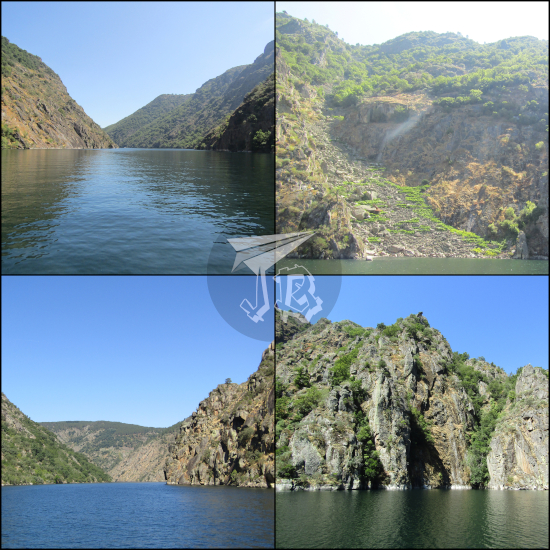
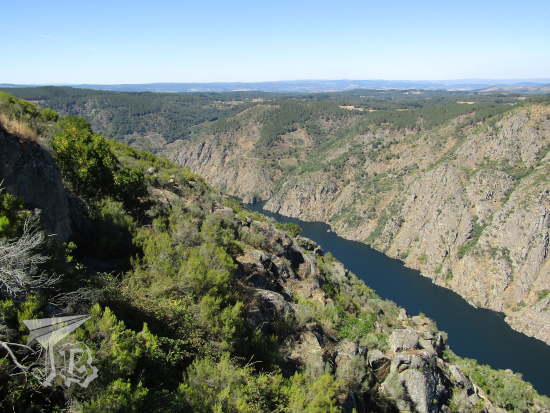
Then we set off towards a salad of curves the heart of the Ribeira Sacra, the area of the River Sil where the water has excavated a deep canyon – well, ish. There was a lot of tectonic activity going on in the area a long time ago that helped the development of the river canyon, the Canón do Sil. It is dammed at the moment, which has made the river depth increase.

We had booked a “cruise” in a “catamaran” that turned out to be a plain-old boat and way too packed for my peace of mind. Fortunately everybody wore masks, we had the N-95 that protect both ways ones, and used a lot of hand sanitiser – my nails are really, really off due to the use and abuse of hand sanitiser. We sailed off the wharf Embarcadoiro do Santo Estevo and the views were pretty nice. Both the narrator and narration not so much, though the bit about the “special” vineyards perched on the canyon walls was interesting.

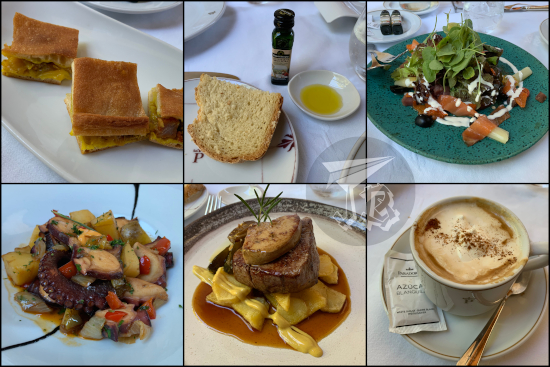
After a ninety-minute sail, we disembarked and took the car again to drive to the Parador de Santo Estevo to have lunch (cue stamp number three), where I tried the local beef with foie, while the rest went for the octopus.

Then we took a stroll down the Parador, which is an old monastery that has not one but three cloisters, as the Monasterio de Santo Estevo de Ribas de Sil has existed since the tenth century and buildings have been added. Two of the cloisters are Renaissance and the third is Baroque / Gothic.

Finally we stopped over at the church, whose interior is late Romanesque but with a later façade (and a very Baroque altar).

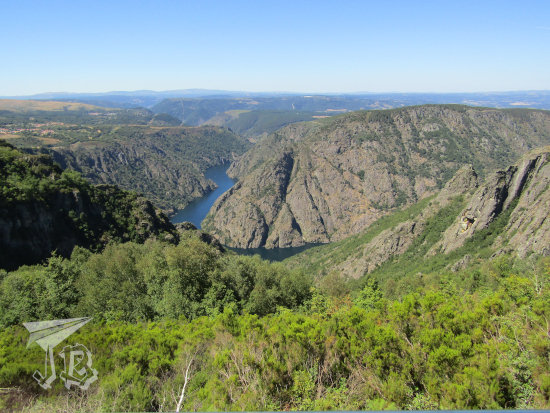
And then we went back to the curves. Lots and lots of curves. The road ran along the canyon, so we stopped over at a couple of viewpoints to observe the canyons – Miradoiro de Cabezoás:

Miradoiro Balcones de Madrid:

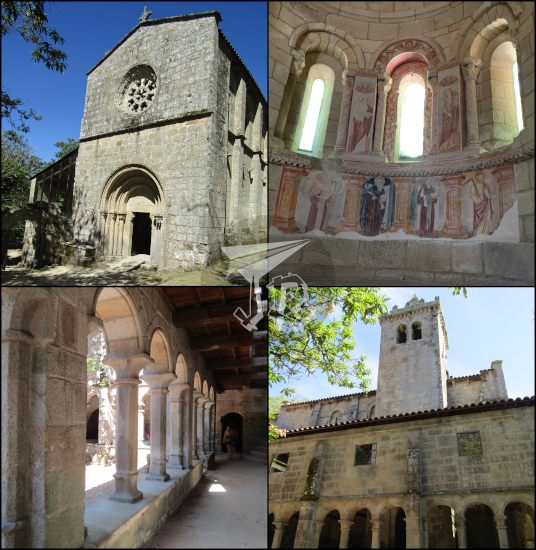
Then we continued onto the ruins of another Romanesque Monastery, Mosteiro de Santa Cristina de Ribas de Sil, with some very nice paintings and a very pretty cloister.

Afterwards we drove back up the road and we found another viewpoint Miradoriro Xariñas de Castro (a.k.a. Miradorio A Mirada Maxica) for more views of the canyon.

We continued to the monastery Mosteiro de Santa María de Montederramo, where we had booked at 19:00 but could join the 18:00 visit instead. Shifty, I know, but we were there at 18:04 and… yeah. Not really worth the wait, even though the Gothic church and cloister were neat, even if a bit unkempt.

And as we were finally driving back towards Monforte de Lemos, we came across the castle Castelo de Castro Caldelas, which was actually on the planning for the next day but we thought we would… how to put this… avoid some curve-driving if we took the stop.

All in all: 135 km driving; 6.96 km walking; around 20 km sailing; hundreds of curves.
23rd & 24th April 2019: El Escorial, Vizmalo & Lerma (Spain)

23 April 2019: El Escorial

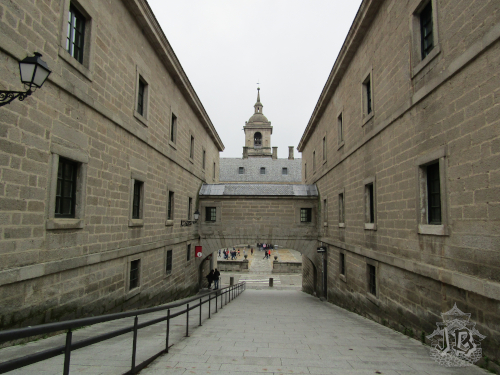
The Royal Site of San Lorenzo de El Escorial aka Monasterio y Sitio de El Escorial is located a shy hour away from Madrid. It is most known for the Monastery that used to be an official residence of the King of Spain. The Monastery was built between 1563 and 1584. It is the masterpiece of the Spanish architect Juan de Herrera, after whom the Herrerian style, a sub-style in the Spanish Renaissance, was named. The building is a sober building made of a granite, and it is the burial place of most of the Spanish kings and queens. Some urban legends say that it was based off the descriptions of the Temple of Solomon.

We drove in around 9:00, dropped off the luggage, and went out, as we had tickets for 10:00 – although the hotel did not want to let us in. Contrary to the nice weather that we had been enjoying, it was cold as hell. The whole town felt grey and sober, and the cloudiness helped the mood – we had breakfast at a nearby bar (the only one open) and headed off to the monastery. The building hosts many artworks, along with a chapel, the royal pantheon and the most amazing library ever. Pictures in the inner areas are forbidden, unfortunately. The Monastery is a Unesco World Heritage site.

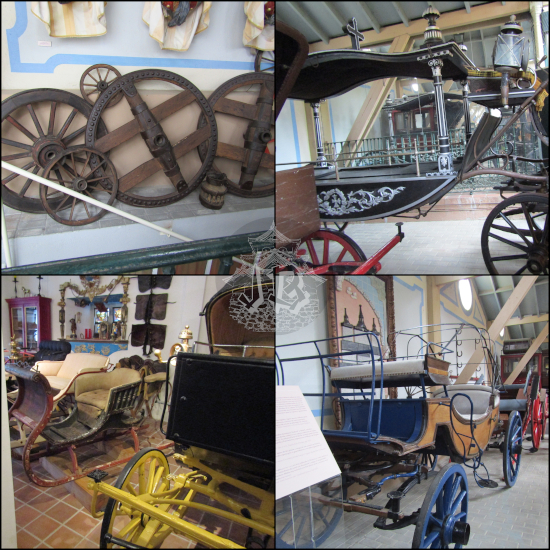
At lunchtime we walked out of the Monastery and headed off to the Royal Carriage House / Cocheras del Rey, a museum / restaurant. We had lunch, then visited the museum as the entry was free with lunch. It was raining like mad by then so we headed to the hotel to finalise the check in.

After an hour or so the rain had stopped so we decided to walk to the Prince’s House and Parks / Parque y jardines de la Casita del Príncipe. By the time we arrived it had started raining again – pictures were not allowed inside of the house either, but OMG was the inside Baroque, with flashy wallpapers.

On the way back, we could catch a glimpse of the monastery through the park. By now it was raining like crazy, so we spent the rest of the evening indoors.

24 April 2019: Vizmalo & Lerma

We left El Escorial early in the morning and we headed north for lunch. Yeah, well, let me explain. We had a reservation for lunch some two-and-a-half hours away, in Vizmalo (Burgos). This was a bit of a silly whim, but we were going to visit an estate / farm and have lunch there – the St. Rosalia Estate / Finca Santa Rosalía breeds wagyu for meat, and holy are they yummy. We had a booking to see the estate first.

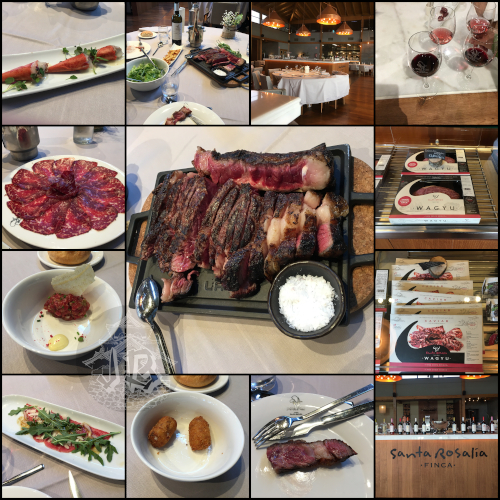
While it was still cold, the weather was slowly improving, and in evening we had some sun. We saw the orchards, the grapevines, the cattle, the trees and so on. Then we moved into the wine cellars and saw the barrels, before we tried the wine and some of the meat-dishes that they prepare and sell. The selling point of Finca Santa Rosalía are the wagyu, cattle of Japanese origin. Wagyu meat is completely different from any other beef because it is soft and tender, and in general delicious.

Lunch was brilliant, based, of course on the wagyu meat. The T-bone was scrumptious and even if it was on the “a lot of money” side, it did not feel too expensive for a once-in-a-lifetime experience considering the amazing quality.

After lunch we drove off towards Lerma, a city which was revamped by the Duke of Lerma back in the 17th century. After finding our hotel and dropping our stuff off, we walked to the Duke’s Palace turned luxury hotel: Palacio Ducal & Parador de Lerma.

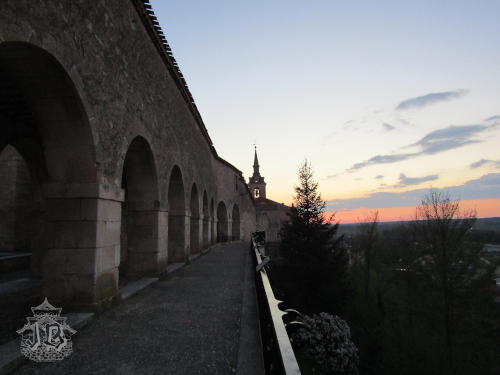
We walked around and came across the Mirador de los Arcos / Archway Viewpoint.

Then we saw Colegiata de San Pedro / St. Peter’s Collegiate church, where there was a religious exhibition being held (“Las Edades del Hombre”), with the topic of angels. Pictures were not allowed, or we would have shown you a few… interesting representation.

Sunset crawled upon us and it was nice view. We had dinner somewhere around the town centre, and called it a night before we drove home the following day.

14th – 16th October 2017: Vienna, Austria

14th October 2017: Arrival and the Inner ring: Butterflies and Dinosaurs

Between flight and transfer to the city on Saturday morning, I arrived in the city of Vienna at 1pm. As my hotel was between the station and the city centre, I took my chances for an early check in and I was lucky – it was. After dropping my luggage I headed off to walk around Vienna’s Inner Ring, the Ringstrasse, which is a big boulevard that runs around all the old city of Vienna (Unesco World Heritage Site). A bunch of things were on my way and it seemed easy enough to find one’s way around. My hotel was located in a building close to a park, and had three floors, on the 11th, 12th and 13th floors of a building, which gave me some views of the city.

On Saturday the plan was wandering around, but as I am who I am I ended up improvising. My first stop was the outer Vienna State Opera, the Wiener Staatsoper, where a young man dressed as Mozart tried to sell me tickets for a show.

Vienna opera house, a baroque building in light colours with huge windows and an arched entrance

I continued on my walk and I saw the Albertina, a modern art museum, but I was actually heading to the Imperial Palace greenhouse, which is the home of a café and the Schmetterlinghaus, or Imperial Butterfly House. This is an area of the greenhouse where a bunch of butterflies are free to fly around and feed on a bunch of flowers, plants and pieces of apple. I was lucky enough to catch a few good shoots and I was very happy to have decided to go in (albeit I have to say that I was really keen on going there since I had seen that it existed). I really had a blast and enjoyed this, so it was a must that I don’t regret having missed, especially since the 6.50€ for the ticket. I spent around forty minutes in there chasing butterflies.

Vienna Butterfly house: a former greenhouse, and a few close-ups of different butterflies on bushes.

Then I saw the Austrian National Library, the Österreichische Nationalbibliothek.

Severe-looking stone building with columns and windows.

After that I back I walked through the Hofburg Palace, Hofburg Wien, and the Michaelerplatz or Saint Michael Square.

Collage of the former Imperial palace. It is a stone building with columns and windows, and arches

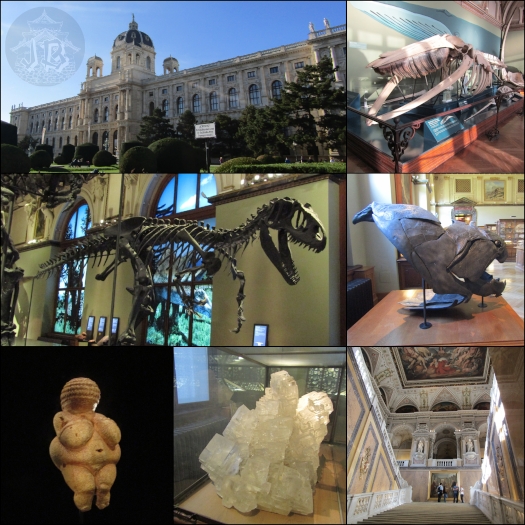
After that I crossed the palace in the opposite direction and ended up at the Heldenplatz, which gave way to Naturhistorisches Museum, the Natural History Museum to see dinosaurs, because there were dinosaurs, which is the home of the Venus von Willendorf, a tiny statue of stone dated back 29,500 years. The museum also holds a collection of minerals, meteorites, preserved animals, dinosaurs, an animatronics dinosaur and a multitude of artefacts from Prehistory to the Middle Ages. I also saw the same dunkleosteus that they have in the Tokyo Kokuritsu Kagaku Hakubutsukan. Have I mentioned dinosaur animatronics?

Collage of the Natural Museum: the building, with a dome, a whale skeleton, an Albertosaurus skeleton, the head of a Dunkleosteous fish, a huge salt stone and the Venus von Willendorf, a small naked woman statuette in golden stone

Following the museum I continued down the Ring Boulevard and it did not take me long to stumble up the Pallas Athene Brunnen (Monument to Palas Athena) and the Austrian Parliament Building, Parlamentsgebäude. The latter was under reconstruction.

Vienna parliament house, under renovation. There is a Palas Athena in white marble with a gold helmet standing in front of it.

I continued my walk until I found the Vienna Town hall, called the Rathaus, where there was a kind of Videogame trade fair or something going on.

Vienna town hall - neogothic building with a lot of towers and spikes.

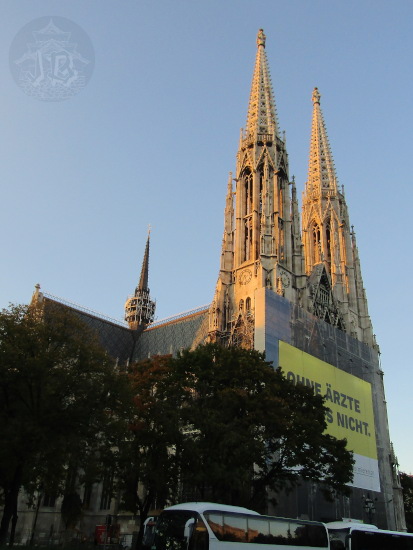
Then I went on walking towards the university and the church of Votivkirche, a neo-gothic building next to the university.

Gothic church under renovation

Afterwards I went down to the hotel because this is not summer vacations after all, just a weekend escapade and I seriously did not have that much energy. On my way I walked past the stables of the Spanische Hofreitschule (Spanish Riding School) stables and I saw some pretty horses.

Two white horses from the Vienna riding school

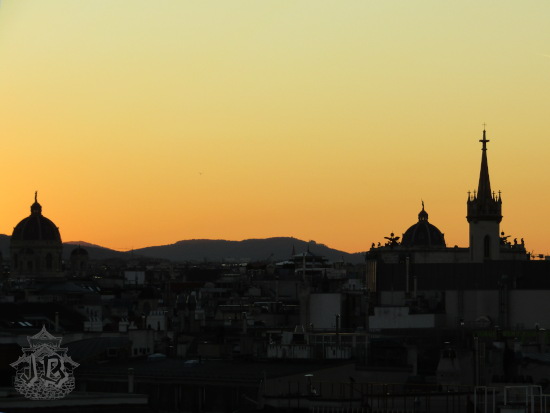
And even from the hotel (literally from bed), as my room had views, I could take some pictures of the sunset and the lit buildings. And then I went to sleep at a horribly early hour because I was beat and for some reason I managed over 8 hours of sleep.

Sunset over the skyline of vienna. The buildings are dark and the sky is orange

15th October 2017: Palaces, churches and the Cinema

Because my hotel was **** for a change (I have to say that when I think about the whole weekend the word “decadent” is what comes to mind), I had a kettle and instant coffee ready for me – this was my breakfast. After that I did the online for my flight the following day and of course running into technical difficulties, and I left the hotel at around 9:30, which was a bit later than I had intended.

I was coming up to the Belvedere Palace, and on my way there I took a diversion to see the Karlskirche or Karlskirche (St. Charles’ Church), which I could see from my hotel and illuminated at night. This is a baroque church that sometimes holds classical music concerts.

The church of St. Charles; a Baroque church. It has a dome, and two twisted columns in front.

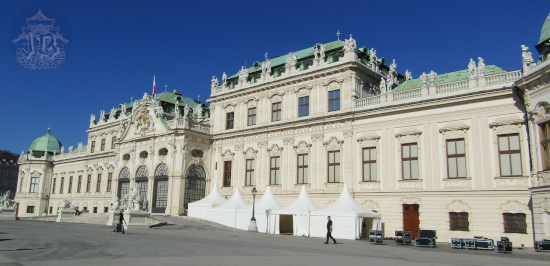
After taking a wrong turn once or twice this I headed out to my original target, the Schloss Belvedere (Upper Belvedere Palace). This is a Baroque Palace (seriously, Vienna is full of Baroque) that has been turned into a painting gallery. The most famous author in this gallery is Klint, but if I have to be honest, I’m not too appreciative of him – must be my likings for the realists. In the end, I liked the palace itself better than the painting collection, specially the reception room and the staircase.

The Upper Belvedere Palace, a Neoclassical building in white stone.

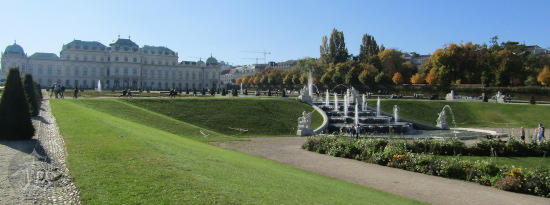
As I had bought a three-combo ticket including Upper and Lower Belvedere and the Winter Palace, I walked down the Belvedere Gardens to the Unteres Belvedere (Lower Belvedere), which holds the “Medieval Treasure” and temporal exhibitions. The best thing was the gold and mirror room and the marble gallery.

A huge garden with a palace in the background. The garden is artificial in a way, with perfectly-trimmed grass, fountains, and bushes.

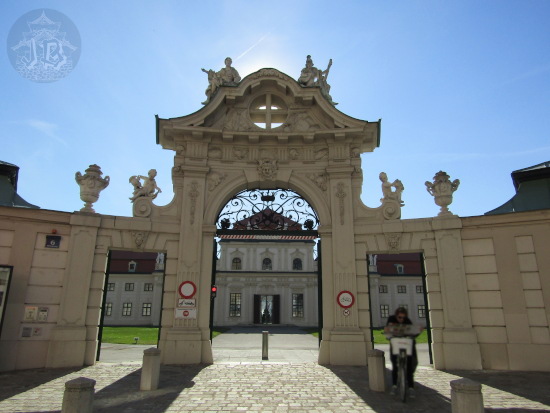
The Baroque entrance to the lower Belvedere palace, a stone gate with sculptures on top. It looks like it wants to stare you down. The palace peers through the three open doors in the background

Then I headed off to the centre of the city to see the Winterpalais des Prinzen Eugen (Winter Palace of Prince Eugene), which was not the best thing ever but hey it came within the three-museum combo.

A Neoclassical palace with flags hanging over the door

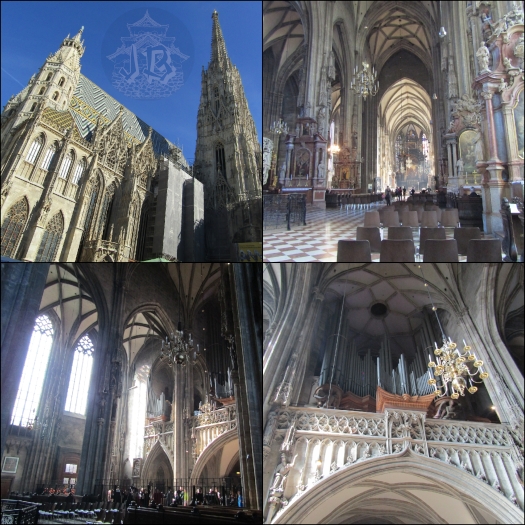
Then I headed off to Domkirche St. Stephan (St. Stephen’s Cathedral), which is the gothic Catholic cathedral. It is not Baroque but Gothic. The entrance was free, but it also had a paid area, including the catacombs. Unfortunately I was too late for the current tour and too early for the following one, so I decided not to stick around, else I would have got the combo for the catacombs, the tower and the treasure.

A gothic cathedral. Collage showing the outside, with the tower and the ornate windows, and the inside showing the pointed arches inthe nave, and the organ.

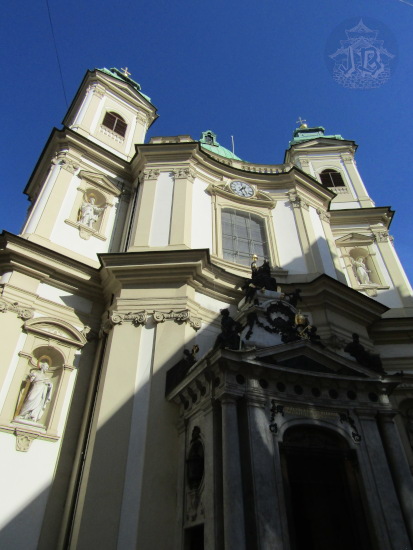
As it was, I saw the cathedral and then headed off down different streets and saw the outer area of Katholische Kirche St. Peter (Catholic Church of St. Peter).

Façade of a Neoclassical church

And then headed out to the Michaelerplatz to check the inside of the Michaelskirche (Catholic Church of St. Michael).

Neoclassical church, showing the white and pointy bell tower. The image is tilted so the tower fits in the frame

I checked the Spanische Hofreitschule (Spanish Riding School) for tour tickets, but I was late for that and it was all sold out, so I decided to go to the station and buy some food in the supermarket for both lunch and dinner. On the way I crossed the Stadtpark to see the floral clock and the Johann Strauss monument – Johann Strauß Denkmal.

Finally, I headed off to get some rest at the hotel, and have a shower. At 18:15 I walked down to the cinema at the corner of my hotel building, the Gartenbaukino, because in the end that was the reason I was there – to attend the Austrian premiere of the X JAPAN documentary We are X as Yoshiki was going to be around for a Q&A session afterwards.

There had been a small mix-up with the ticket numbering (all of them had been printed out with the same seating number!), which was solved efficiently. We watched the documentary We are X and then there was a Q&A with Yoshiki himself. There were emotional moments as the fans thanked him for everything he had done and for his music.

Entryway to the cinema. It reads We are X Live + Q&A mit Yoshiki 20.00

Yoshiki sitting in front of a burgundy curtain. He is wearing his sunglasses and a black suit, boots and a golden blouse

After the Q&A some of us stayed talking at the cinema gate and the manager, who had solved the ticket problem, came out to close – and he told us where Yoshiki would be leaving from. And that’s… the story of how I got to talk to Yoshiki, I got his autograph and took a picture with him and I will never, ever, ever forget the rush of that.

I have to say I did not sleep much that night. All the excitement caught up with me and I kept replaying the scene in my head over and over again. in the end I think it was around 2:30 that I could turn the lights off.

16th October 2017: Airport Monday morning

After checking out of the hotel I walked back to the train station and took the CAT towards the airport. I had taken an earlier train than I had already planned and boy was I glad to do so when following arrows at the airport took me as much as 20 minutes. Something I learnt in this trip is how friendly Austrian people are, and that they have a great sense of humour, as apparently one of their star souvenirs is “no kangaroos in Austria”. The return flight was not as good as the first, but it was on time and I could arrive to work smoothly for a crazy week.

30th December 2013 – 1st January 2014: New Year’s in Toledo (Spain)

30th December 2013: Arrival in Toledo

We took an early train to get to Madrid, and transferred to the high-speed line (AVE) to get to Toledo – the ride from Madrid was barely half an hour. Toledo is known as “the city of the three cultures” as during the Middle Ages, Christians, Muslims and Jews managed to live in peace there, and make it prosper. Today it is a tourist hub in the centre of Spain.

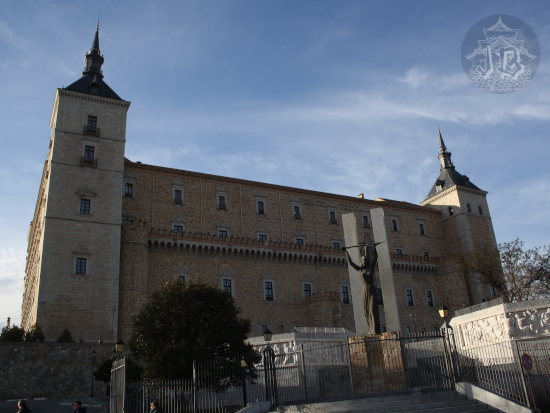
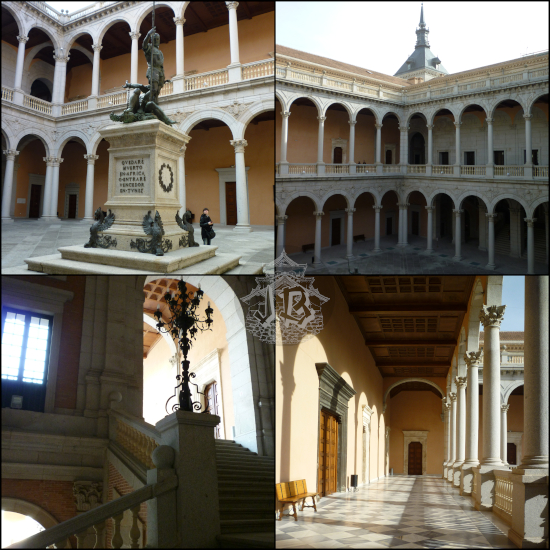
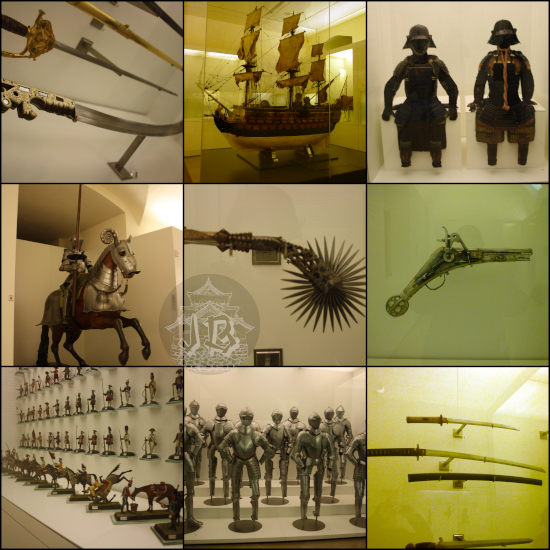
The first thing that we did was head off to the Alcázar (Muslim castle) – although it was originally built by Romans in the third century, its current look is owed to the restoration carried out in the 1540s. However, it had to be restored after the Spanish Civil War. The Siege of the Alcázar was one of the most symbolic victories on the Nationalist band. The Alcázar was under siege during the whole summer by Republicans trying to take it over, but in the end, Nationalist reinforcements arrived, chasing the Republicans away. Today, the Alcázar is an important cultural building (where the bullet holes can still be found) and hosts the Museum of the Army, Museo del Ejército.

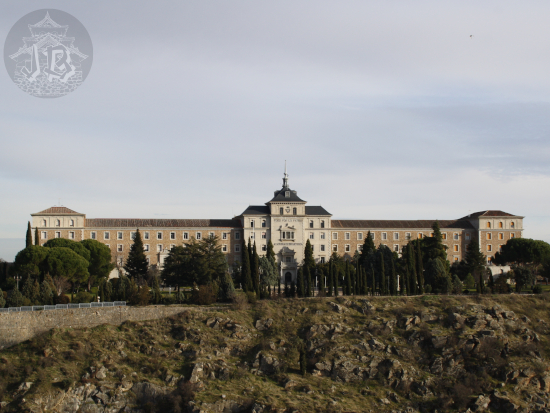
From the vantage point of the Alcázar, we could see the Academia de Infantería (Toledo Infantry Academy), built in the 20th century in imitation of the Renaissance and Herrerian style.

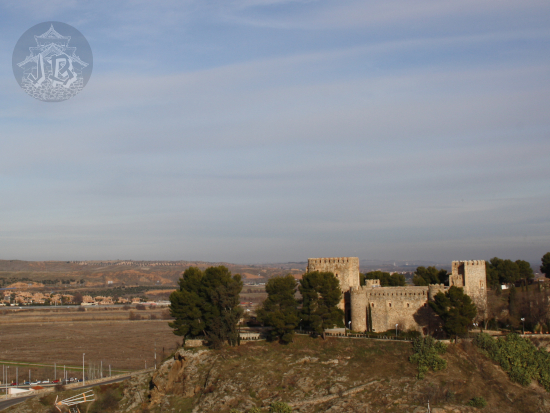
We also saw the Castillo de San Servando, the Castle of San Servando, a fortified Knights Templar enclave. Fine, it started off as a regular monastery, but it was later given to the Knights Templar in order to protect the city.

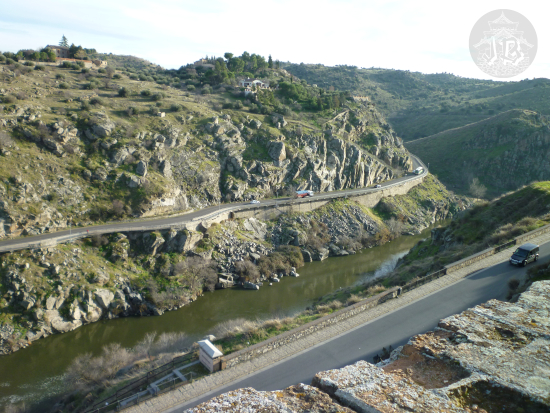
Both buildings are on the other side of the Río Tajo, the Tagus river, the longest river in Spain.

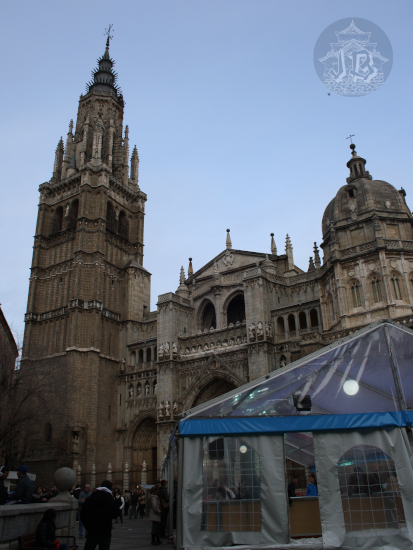
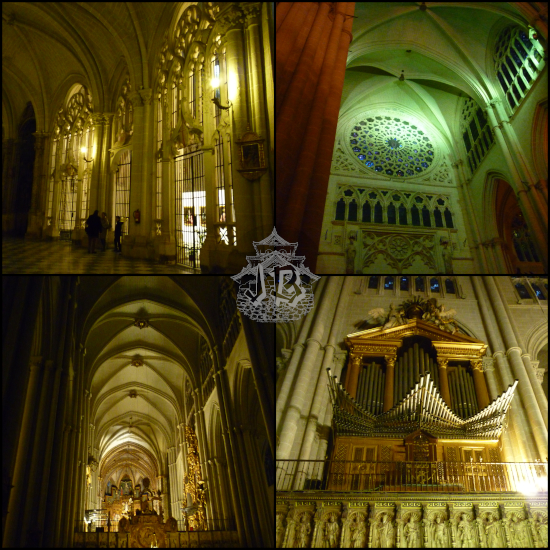
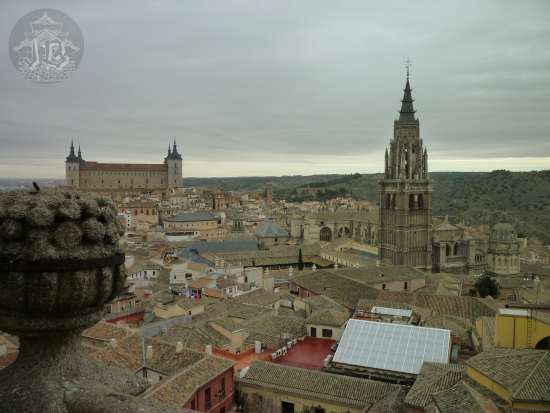
After having lunch and checking into the hotel, we visited the cathedral Catedral Primada Santa María de Toledo (Primate Cathedral of Saint Mary of Toledo). The cathedral, built in Gothic Style, was erected mainly throughout the 13th century, even if it was only finished in the 15th century. It sports two asymmetric towers, well, one tower and a small Mozarabic chapel in place of the other one.

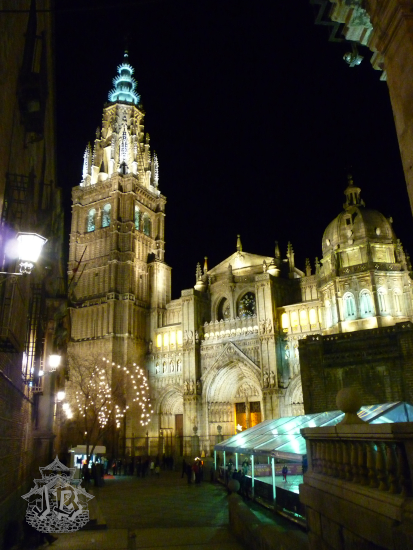
By the time we came out of the cathedral, night had fallen – truth is that we missed a little on the pretty windows due to it being darkish outside already. Nevertheless, this treated us to some nice night views. First of all, of course, the cathedral itself…

The Alcázar once again…

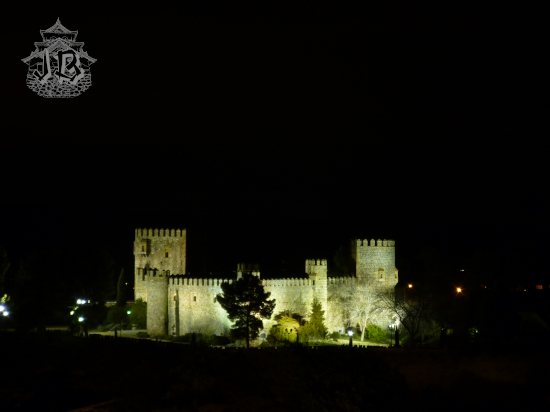
… and the Castle of San Servando.

We then walked through the Plaza de Zocodover, one of the city squares, where the old Muslim for cattle and horses was. The current layout was set in the 16th century after it burnt down in a fire.

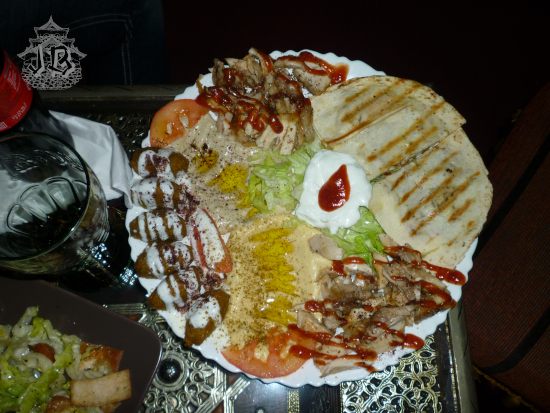
We walked around the old town for a while until we found a place to have dinner, a Middle-East restaurant called La Casa de Damasco, one of the few times I’ve had real food from this area. I have to say I really enjoyed it.

31st December 2013: Churches and Birds

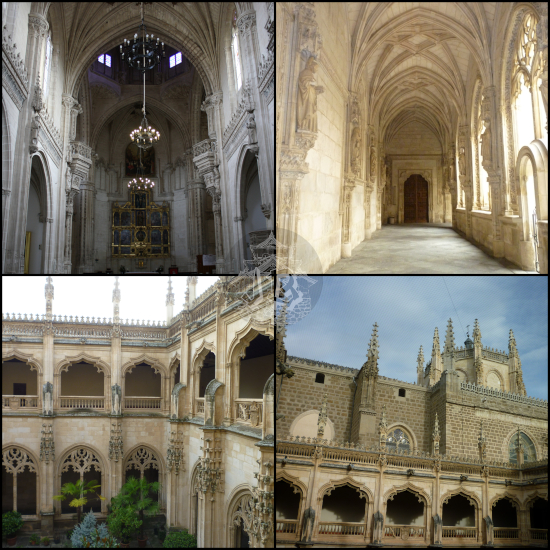
We started off the day at the Monasterio de San Juan de los Reyes (Monastery of Saint John of the Monarchs) is an Isabelline style Franciscan monastery. It was founded by the Catholic Monarchs to celebrate the birth of their son along with their victory in the Battle of Toro, in the late 15th century. It has a beautiful Gothic cloister.

Our next stop was one of those things that breaks my brain, a Christian Mosque, Mezquita del Cristo de la Luz. It was built in the year 999 as Bab-al-Mardum mosque, but it was turned into a Christian Church in 1085. I’m torn between rolling my eyes at Religions needing to assert dominance and being grateful the Mosque was preserved for us to visit.

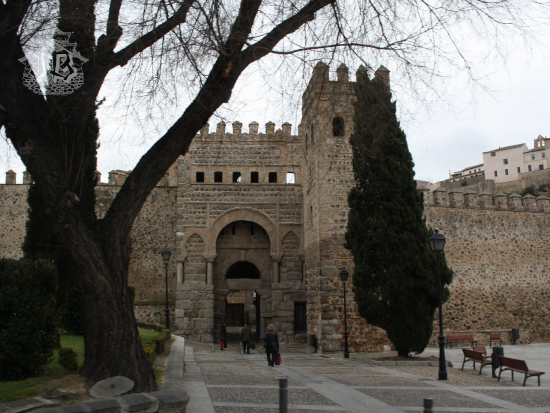
Close to the Mosque stands one of the gates of the old walls, the Puerta del Sol, the Sun Gate, of the city walls.

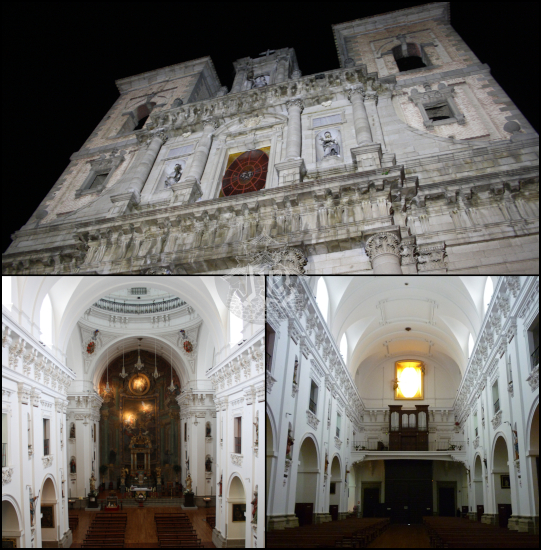
Our next stop the Iglesia Jesuita de San Ildefonso, a church dedicated to Saint Ildefonsus, the patron saint of the city. Construction started in the early 17th century and ended in the mid 18th century, in the Baroque style.

From the upper towers of the church, there was a great view of Toledo.

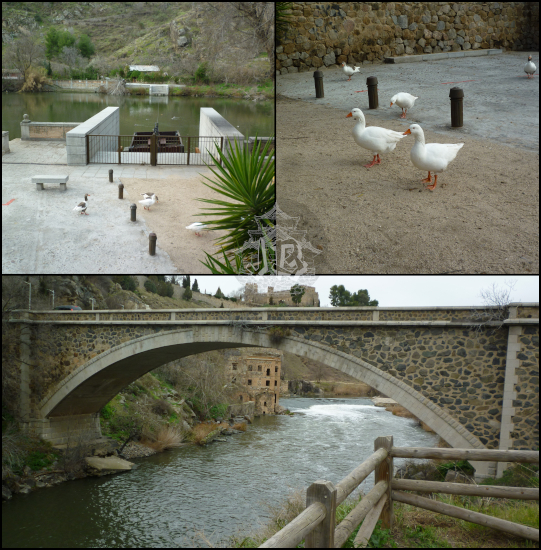
We decided to walk down towards the river, Río Tajo, where we met a flock of geese (which I’m happy to report had not lost their heads to any kind of stupid animal-hurting tradition).

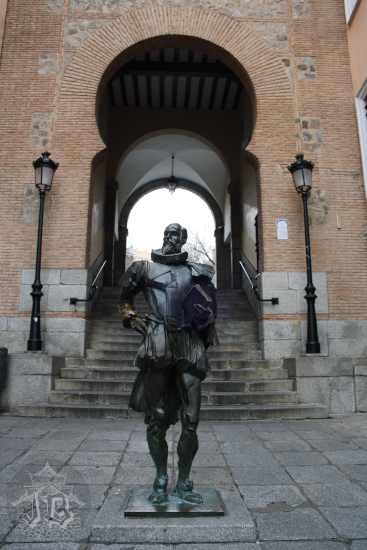
As we continued, we walked past a sculpture to Miguel de Cervantes, Estatua de Miguel de Cervantes, the author of the acclaimed “Don Quijote” book. The statue is placed beyond the Arco de la Sangre , the Blood Archway, that leads into the Zocodover Square.

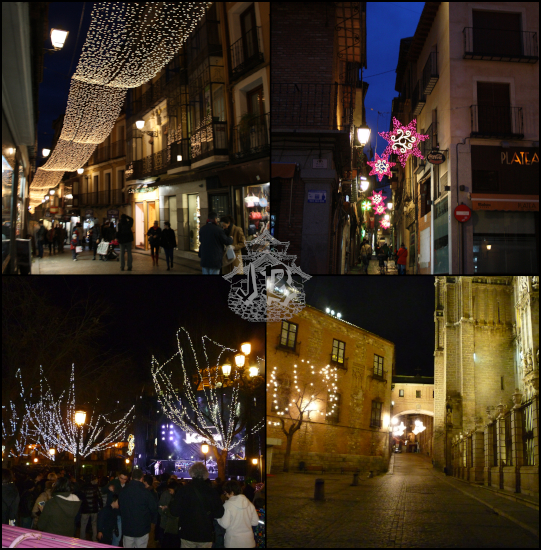
As darkness rose, we had dinner in a Chinese restaurant. While we did, the lights turned on, and the city got ready to welcome the New Year with fireworks.

1st January 2014: Views of Toledo

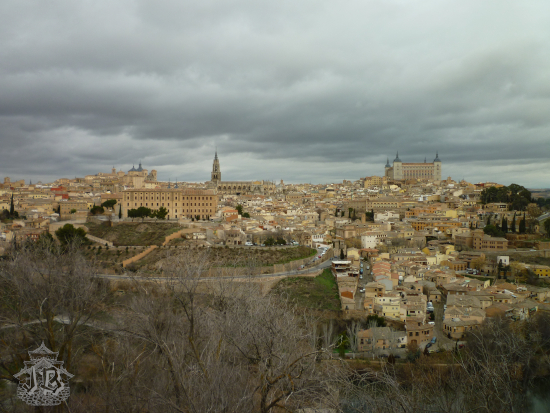
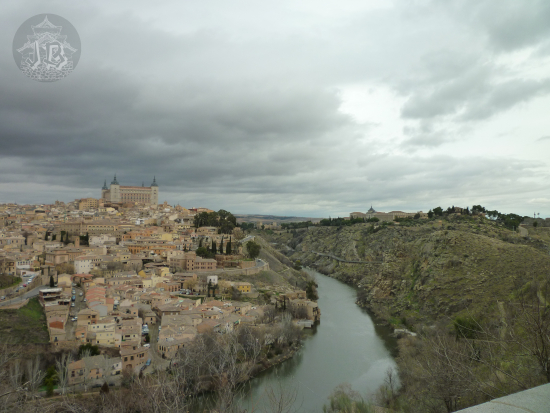
We slept in, and after an early lunch (Chinese, again, as we were feeling decadent), we booked a ride in the “tourist train” that took us to see some of the most amazing views of the Medieval Town from the vantage points on the other side of the Río Tajo.

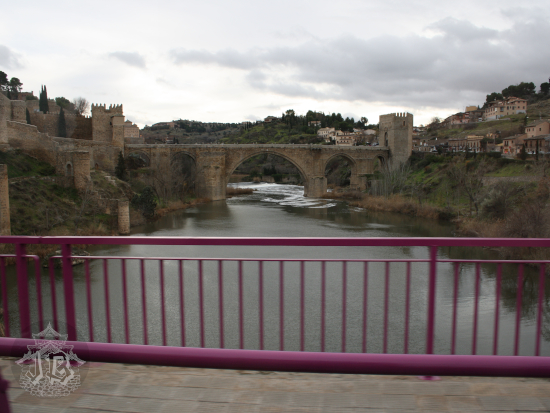
On the way back we saw the Puente de Alcántara, a Roman arch bridge built upon the foundation of the city after the Celtic settlement was taken over.

The ride ended up on the other side of the city than the one we had been favouring, so we just walked round the walls that fortify the city, the Murallas de Toledo, which are of Muslim origin over Roman foundations. King Alfonso VI is credited with finishing off the walls, and he named one of the gates after him: Puerta de Alfonso VI.

Another of the gates is the Puerta de Bisagra, the last of the monuments we visited before we headed back home the following morning.

One of the creepiest moments in this trip was realising that our key could open a room which was not ours – we got off on the wrong floor and we went down the corridor to the room door, and opened it. It was not our room. We were very quite put off by this, and it turns out that we had a master key. Finding this was a little freaky, and we tried to complain to the hotel. Furthermore, they wanted to charge us for keeping our luggage for a few hours.

Oh, and I caught a cold during our 31st at night escapade. Because of course I did.