6th & 7th May 2017: Cuenca (Spain)

If I ever go missing, especially with my car, don’t go around looking for me in Cuenca . I would have a nervous breakdown trying to drive through the streets and slopes. I’m not sure what time we arrived, maybe mid-morning. We had a reservation to have lunch at the Parador. However, to get there we had to drive up a horrible, horrible hill with a terrible paving and park too close to the cliff so #no.

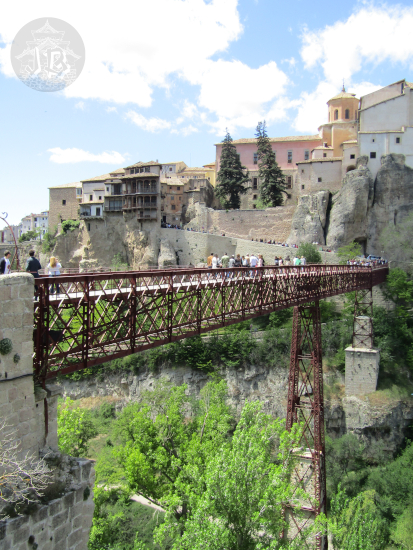
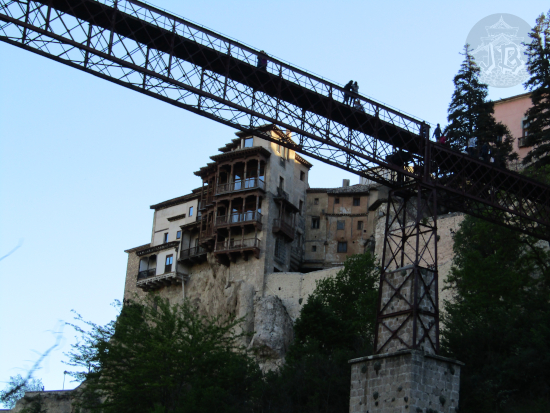
Cuenca is considered a World Heritage City. It has a classical, mostly Medieval area, and a normal / standard area surrounding that. The inner cluster is virtually carless as the streets are narrow and steep. It is perched on the Huécar Gorge and as you can see, a vertical rock wall.

We had some time before we had to go for lunch, so the first thing we did was go have a look at the Casas Colgadas, the hanging houses that overlook the Huécar Gorge. Inside there is a contemporary art museum that I visited once already so there was no incentive to look again – you know, the kind of abstract art that showcases a plus-symbol and you’re supposed to interpret.

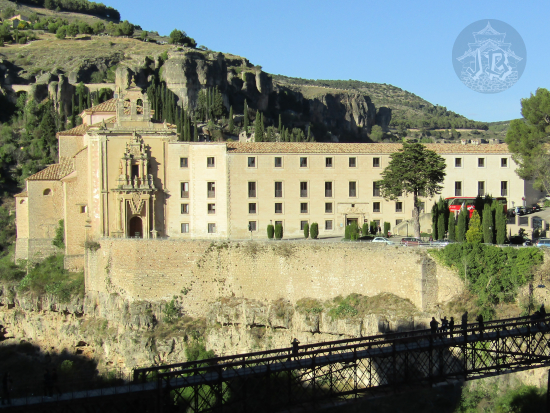
We had lunch at the Parador de Cuenca. A Parador is a high-end state-owned hotel usually with a good restaurant. More often than not, a Parador is located in a renovated historical building. This one is a former monastery, and the restaurant is located, if I remember correctly, where the original dining room would have been.

Main dishes were forgettable (and not photogenic) but the curd or “cuajada” for dessert was to die for – and it came with a lot of extra goodies.

In order to get to the town centre you have to cross the scary, scary bridge aka the Puente de San Pablo, St Paul’s Bridge, over the gorge, but I survived – without a freak-out (≧▽≦) and you might be aware that I am not a fan of heights.

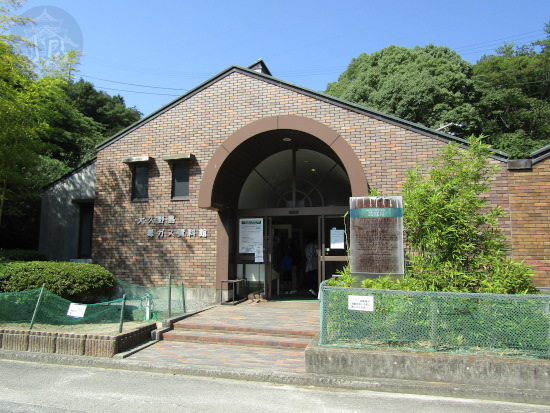
We had lunch, then moved (over the scary scary bridge) on to see the Museo de las Ciencias de Castilla la Mancha, the Science Museum of Castilla La Mancha – unfortunately the dinosaur area was closed, so we “only” got to see the super steampunk clock and the energy wards, and the tornado simulator, along to some kind of reproduction of the International Space Station.

After the museum we walked a little around the town. We went to the cathedral, Catedral de Santa María y San Julián de Cuenca, but it was closed due to some religious service or another. I mean… that’s its main purpose I guess? (≧▽≦)

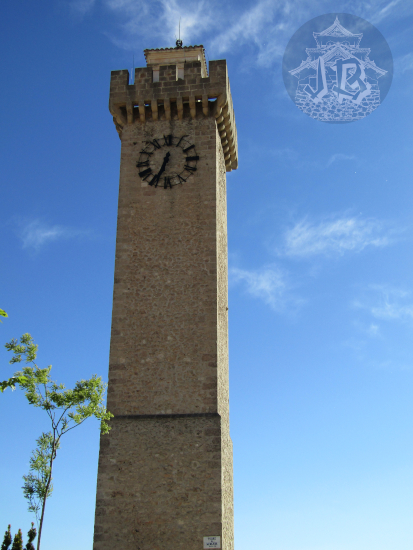
Then we found the Torre de Mangana, Mangana Tower, a clock tower dating from the Sixteenth Century. From underneath the tower there is quite an impressive sight of the area surrounding the city.

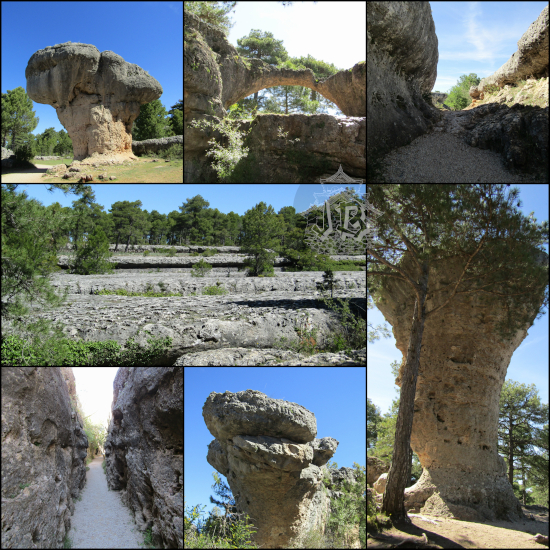
We went back to the car and we had a drive around the city. Cuenca is located in the middle of a karst area. Karst is a type of landscape formed by the dissolution of soluble rocks e.g. limestone or gypsum. You can see how the rock seems to be “molten” among all the pines.

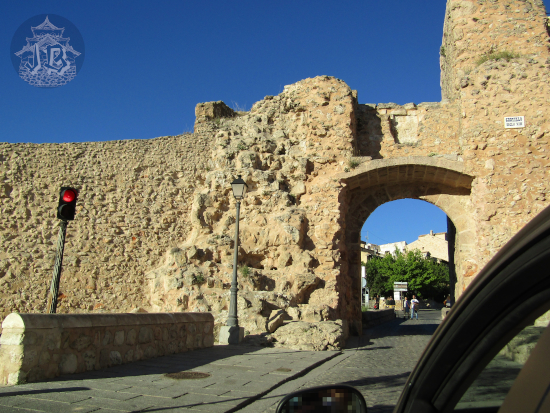
We reached the Castillo and Murallas (castle and walls) on the other side of town but we had to drive back due to the streets being cut for the same religious event we had run into before.

Thus, on our way back, we drove at the bottom of the Huécar Gorge and headed back to the hotel.

This was about six or seven in the evening, and we did not go out again because we were way outside town. We had dinner in the hotel and called it a day eventually. I ordered the kids’ menu because everything else was too fancy and abundant.

The next morning we woke up early to visit the Ciudad Encantada / Enchanted City. This is another karst topography which has somehow become very famous. Some of the rocks have interesting forms, and have been given names. It is a sort of geological park formed by rain falling on the rocks and dissolving them for millions of years. The original rocks were a mix of of limestone and dolomite in different proportions, which ended up dissolving in different shapes.

After walking around for a couple of hours we went on our return trip.

6th January 2017: Miyajima (in eleven hours) {Japan, winter 16/17}

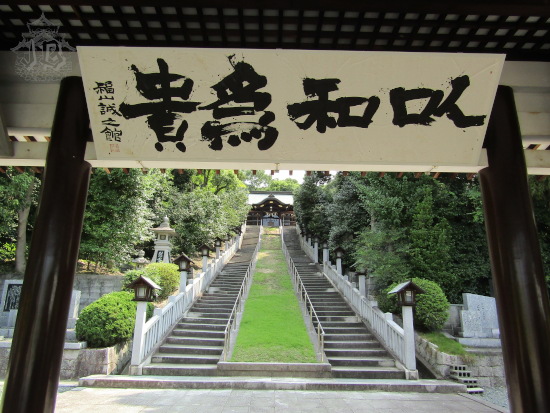
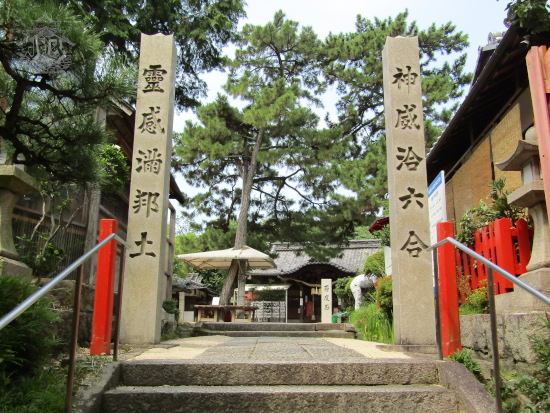
I was, quite literally, out from sun to sun on this day, and then when it was night I came back for more. Miyajima [宮島] is a small island in Hiroshima Bay, famous for the ‘floating torii gate’, the o-torii [大鳥居], belonging to the Itsukushima Jinja [厳島神社]. About 17 metres high, it is planted on the beach in front of the shrine, and you can walk up to it in low tide. In high tide you see it in the middle of the water. The o-torii’s upper part is around 22 metres long and hollow. It is not nailed or glued, but is weighted down by fist-sized rocks stored in the hollow area. The pillars are solid.

And to the o-torii I headed off literally at dawn, after getting a warm coffee from a vending machine. The first few minutes cough half an cough hour cough were spent around the torii as it was low tide and you could walk up to it.

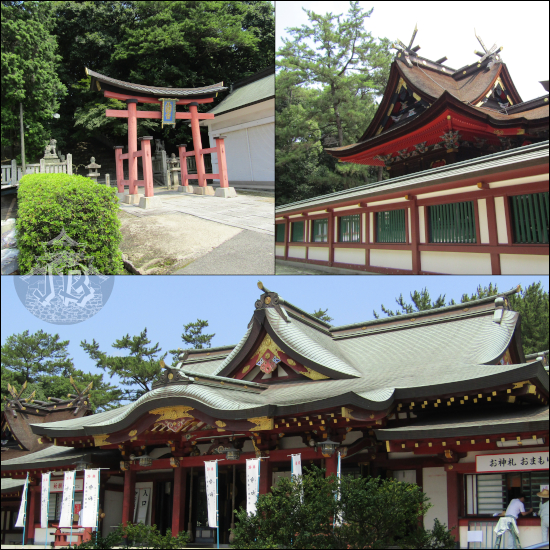
After I managed to peel myself off the o-torii, I headed off to the shrine it actually belongs, Itsukushima Shrine, which is the main shrine of the island. The shrine has a famous noh stage and when the tide rises it also becomes ‘floating’. It is the biggest shrine in the area. Itsukushima Shrine is dedicated to Ichikishima-hime, Tagitsu-hime and Tagori-hime, known as the Munakata goddesses, are the deities of the ocean, traffic safety, fortune and accomplishment.
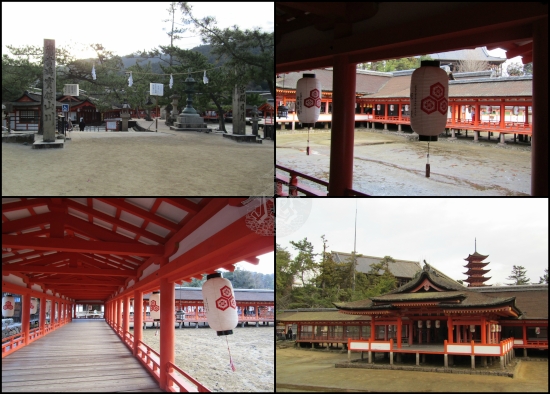
After Itsukushima shrine I ducked some deer, which abound, and are always hungry for maps and so on, and I walked down the breakwater to a little shrine named Kiyomori Jinja [清盛神社].
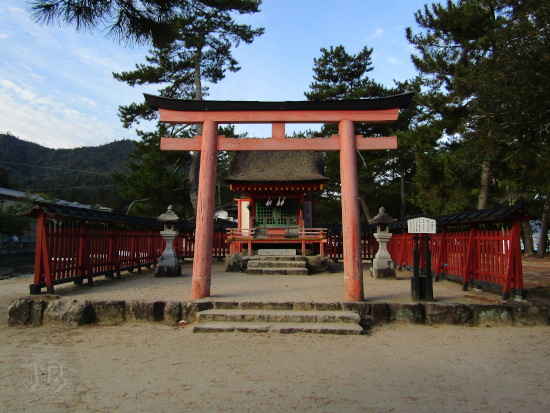
On my way back, I stepped on the grounds of the Buddhist temple of Daigan-ji [大願寺]. It was here where I realised that there were little stamps to be collected in the island, which is always a plus.
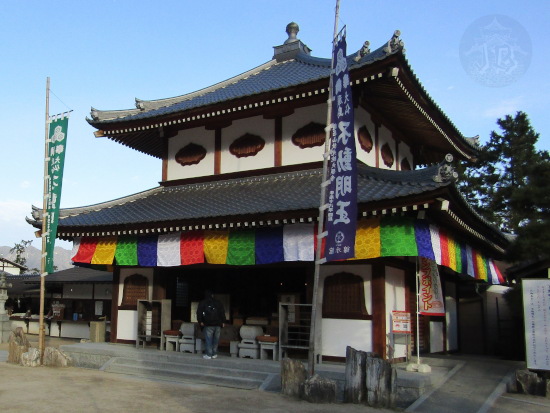
Then I got to Itsukushima Jinja Takaramono-kan [嚴島神社 寶物館], the shrine’s Treasure Hall, where they have a few treasures and old scrolls, armours and so on. Among them they have the ‘Story of Heike’ as well as several of the Heike family Buddhist Sutras. However, no pictures allowed. I continued on my way to the Tahoto [多宝塔] three-story Pagoda (also belonging to Itsukushima Shrine), which has a characteristic shape: it is square on the lower level and has a round shape on the upper level

From there I got to Daishoin [大聖院], another of the big Buddhist temples in the area, where I decided against hiking up mount Misen (2.7 km to the summit). The temple has a few up and downs, and it was here where I ate my karepan breakfast, around 9.30 – 10 am, I am not exactly sure. I do remember that my camera battery was already down one bar out of three.

Then I headed down and then up again to another of the low hills to the Senjokaku [千畳閣] pavillion and the Pagoda of Toyokuni Jinja [豊国神社] and the five story pagoda next to the main building. Toyokuni Jinja was supposed to be a library of Buddhist sutras – however, it did not get finished (although that has its own shuin for some reason (・□・;))
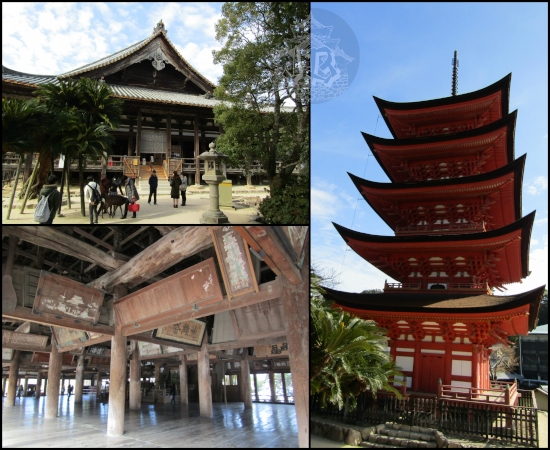
At that point it was barely half-morning I wondered whether to head downtown to Hiroshima, because high tide was only at 3 pm, and I really wanted to see the half-submerged torii, but I did not really know what to do. And no idea what got into me, but at that point I changed my mind and decided to go up Misen [弥山], the “island mount”. I actually decided to take the Miyajima Ropeway [宮島ロープウェー]. I crossed Momijidani Koen [紅葉谷公園], which is full of deer, and probably amazing when it is in full red, and took the ropeway from the park to Kayadani Station [榧谷駅] first and to Shishiiwa Station [獅子岩駅] then, about half an hour away from the summit. From there I took a few pictures and then decided to make my way up.
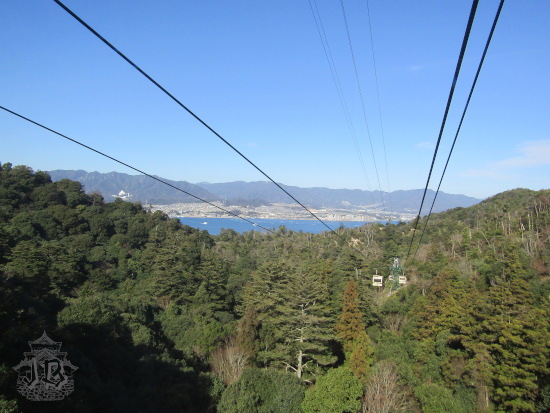
At that point I was not really thinking about getting to the summit (535 above sea level, and we’re talking 0 to 535 metres for real), but to Misen Hondo [弥山本堂] which is the temple where the ‘eternal flame’ was originally lit by a meditating Buddhist monk hundreds of years ago. The Peace Flame from Hiroshima was lit from here. There were two secondary halls, Sankido [三鬼堂] and Dainichido [大日堂].

But after Misen Hondo, I was ‘so’ close to the summit that it would be a pity not to finish the deed. That way, I could go up one route and down another one in order to see more things. On my way up and from the summit the sights were impressive, although it was a bit tiring. And a bit means a lot…

I think that at some point I considered using the ropeway down but time-wise it was going to be the same and walking down could be cheaper and would get me to see more stuff, such as Miyama Jinja [御山神社]. And I did not break my neck on the long hour and a half of hike-down, either. A greater plus.

All right, what time do you think I made it down? Not even 3 pm just yet, but as I had seen from halfway down the mountain, the tide was already up. Therefore I was able to see the floating o-torii, which was a high moment for me. The problem was that I was almost running out of battery in my camera already, and there was sunset to come! On my way around the bay I ate a very overpriced yakitori, but I was hungry and since Miyajima is ‘World Heritage’ it really does not have convenient stores.
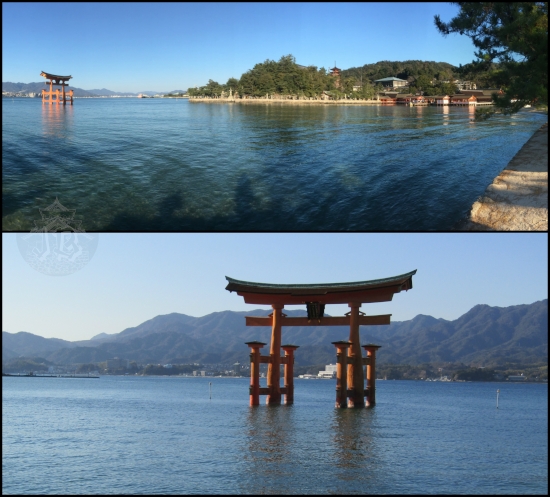
And thus, when I went towards the aquarium, Miyajima Suizokukan [宮島水族館]. I decided to take all my pictures with the phone over there to save camera battery for the sunset pictures. That it was awfully cold at that moment had nothing to do with my decision, of course and walking into K.A.Z. absolutely never ever crossed my mind either.

After the aquarium I was distracted by Omoto Jinja [大元神社], which was full of deer. Praying, I’m sure. There were baby deer too, being bullied cute but for some reason (probably lack of battery) the pictures did not come out.

Then I headed back to the o-torii area to watch it in the sunset and took pictures until I had no more battery on any device.

Once batteries were dead and the sun was too low, so I headed back to my ryokan to recharge – in every sense of the way, as it was after 5.30 pm. On my way back I bought a local speciality – ‘fishcake’ which in my case was shrimp because I did not dare try the oysters. It was yummy. Before going to the hotel, I got myself some groceries to recharge my own batteries and have dinner later.

I spent some time resting, charging all the devices and writing down notes on everything I had been doing during the day, and then, at around 9 pm I came back out again to take pictures of the shrines and o-torii at night.
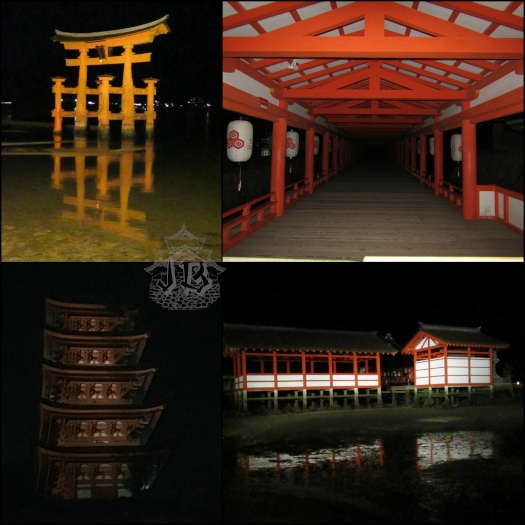
After that, dinner, shower, bed, and early check-out the following day in order to head down to Hiroshima, after very intense 11 hours running up and down Miyajima. Take that, nine hours in Kyoto.

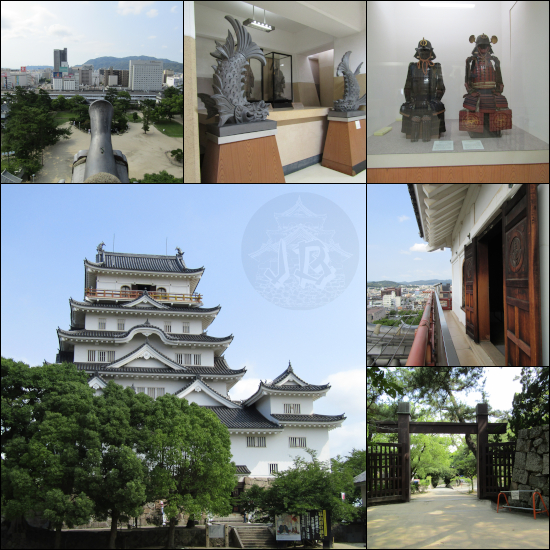
4th January 2017: Takao-san, the tengu mountain {Japan, winter 16/17}

For some strange reason I got into my head that I wanted to go to Takao-san [高尾山], a mount not too far away from Tokyo, in the city of Hachiōji [八王子]. From the summit of this 599-metre mount you get pretty sights… if the weather is clear. Which of course, was a no-go. D****e decided to tag along, so off we headed to “climb” a mountain – more like hike it up and then down.
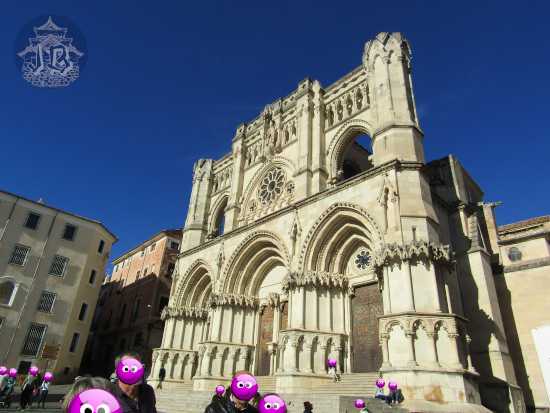
There are different routes or trails to go up and down Takao-san. The “easy” route (trail 1) is paved and is the most walked. You may either hike it up completely or take the ropeway halfway. D****e hiked while I struggled my way up.

Mount Takao is said to be the dwelling place of Tengu and Daitengu, and about three-quarters up there is a Buddhist Temple, Takaosan Yakuōin Yūkiji [高尾山薬王院].

From the top of the mountain we got to guess Mount Fuji Fuji-san [富士山]. But it was there, and I have proof, albeit it has been a bit ‘enhanced’… Sorry that it does not look any natural, but here you have the original and the manipulated image:

Coming down Takao-san, we took trails 6 and 4, because D****e wanted to do the suspension bridge, because… reasons that I shall never understand. (Un)fortunately, we did not run into any tengu or related yōkai. On the bright side I did not break my neck \(≧▽≦)/. That is always a plus. Oh and we ate warm dango.

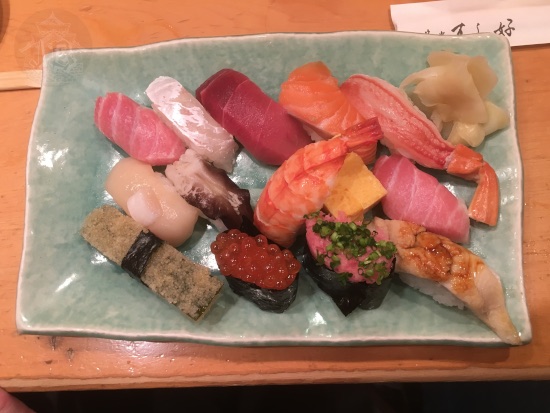
After that we met up with B**** for some karaoke and later on D****e left while I went off with B**** to have some quite amazing sushi down in Shinjuku [新宿].
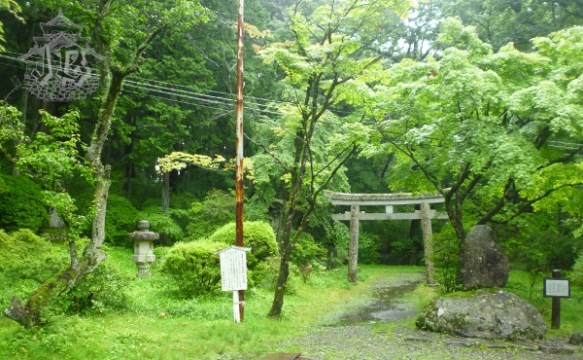
10th July 2016: To the sea {Japan, summer 2016}

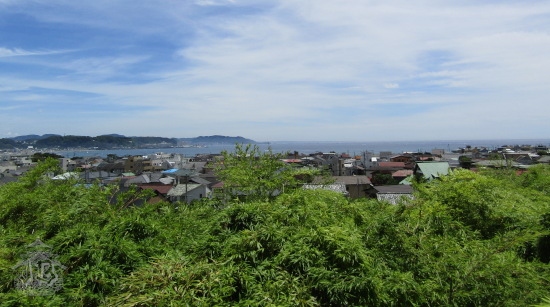
I was debating between Nikko and Kamakura, but when I woke up for some reason I felt more like Kamakura [鎌倉]. The day was as awesome as the previous one had been miserable and I headed off to Shinjuku to get myself an Enoshima-Kamakura pass.

Just as I had not liked the sales lady from the museum, the Odakyu sales lady was adorable. She cheered me up (≧∇≦) with her “Woah, you speaking Japanese surprised me” for me, which was quite sincere, by her eyes. After getting the pass, I headed off to the train and got ready for the trip. I was lucky because I could do both parts sitting down in preparation of what was to come. I know Kamakura/Enoshima, you walk a lot.

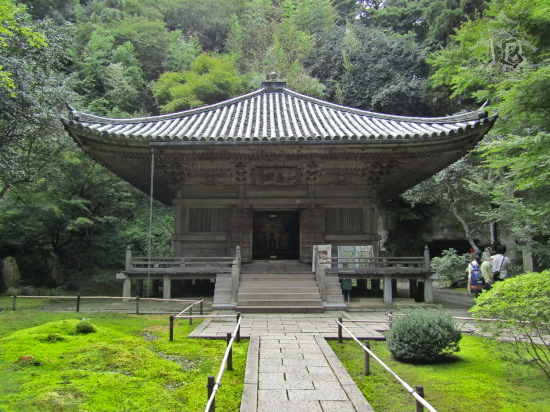
My first stop was Hase-dera [長谷寺], a temple I had not seen the previous time I had been there. They had a very pretty garden, and I really enjoyed the view and the buildings. It holds a standing Buddha, and they make yummy dango, which I tried.

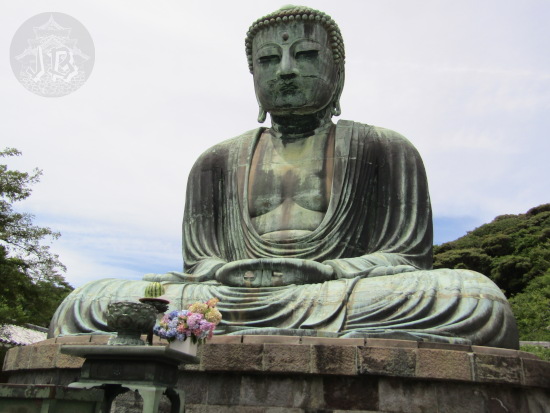
After that I headed off towards Kotoku-in [高徳院], which holds (or does not hold, as the building was long ago destroyed) the Kamakura Daibutsu [鎌倉大仏] (Great Buddha). As impressive as Nara is, I think I like this one more, as the serenity it transmits is quite amazing. Two university students came to ask me a few questions and they were horribly nice, they wanted to know how I knew Kamakura, and what was the best / worst about service in Japan. I think I broke their stats, but they treated me to a sweet.

I really wanted to go back to Tsurugaoka Hachimangu [鶴岡八幡宮], which is a Shinto Shrine in Kamakura, a bit away from the other two, so I used my unlimited-trips-in-the-area pass and went to the corresponding station. The shrine was just as I remembered. The fun part now is hunting down the Shrine and Temple seals. While I do love the omamori, the calligraphy is more affordable and keeps better.

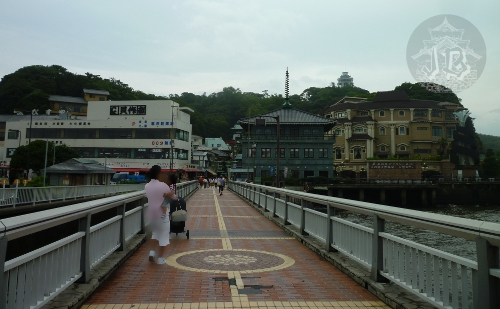
Finally, I decided to head off to Enoshima over one of the temples I was considering, just because I wanted to go to Enoshima. And Enoshima [江の島] delivered with the best view of Mount Fuji, Fuji-san [富士山] I’ve ever had. Repeatedly. Changing with time as sun set. And it was amazing.

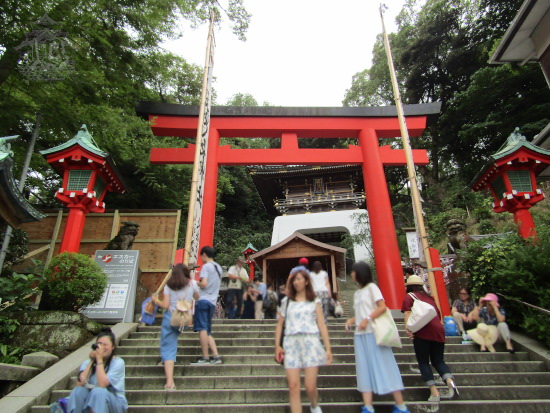
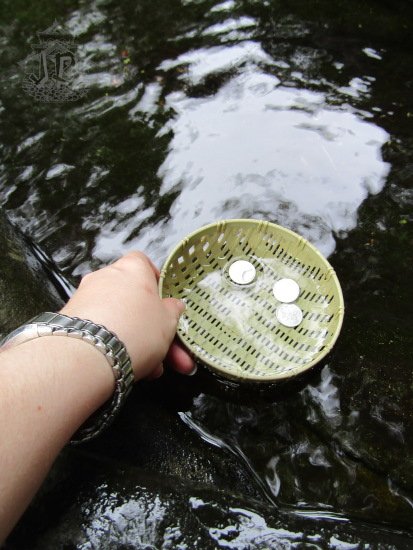
In Enoshima I climbed up to the Enoshima Jinja [江の島神社], I – you guessed it – got my calligraphy, and laundered money.

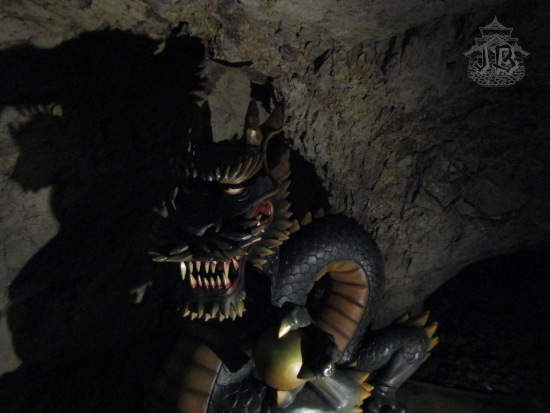
Then I walked around the whole rock until I reached Enoshima Iwaya [江の島岩屋], the Enoshima caves, to visit the dragon – an invoke him with a taiko drum, that you had to hit nikkai (twice) as the girls behind me informed me. They were also very impressed with my technique. If I got something from my taiko workshop, that was how to hold the baton and hit.

There is one thing I did not confess though, and that was that I miiiiight have skipped lunch that day (must see all the things? I ate dango and ice cream! And some yakitori!) so when I came back to Komagome [駒込] I stopped at CocoCurry and had a good dinner, because I was a bit on the ravenous side. Unfortunately, however, the ride back was standing, albeit it was good that I could leave the backpack on the floor.

24th – 27th March 2016: Easter in Barcelona (Spain)

I think this has been the first time I’ve been to Barcelona without a concert. However, one of the first times I did take a long touristing tour, so this time round my friend and I took it rather chilly – in the literal sense. As we were there there was a drop in temperature and I had to run to get myself a long-sleeved T-shirt.

24th March: Gaudí afternoon

Through different means and from different origins, my friend and myself arrived in Barcelona at around the same time mid-afternoon. We met at the station and dropped our things off at the hotel, then we took the underground towards Monte del Carmelo, Carmel Hill, where Parc Güell, the Güell Park, stands. The park, which was supposed to be a urban area originally, was designed by Antonio Gaudí. It became a Unesco World Heritage Site in 1984.

Visiting some areas of the park is charged, but the whole park is accessible starting in the late evening. We decided to climb up first and then visit the paid-but-free area. Thus we got to the summit of Carmel Hill and saw the Turó de les tres creus, the Three-Cross hill, that offers a great view of the city, including the Tibidabo area with the Cathedral and the amusement park.

We went down and we walked into the architectural area. Although there is no artificial lighting in the area, as the sun went down we were treated to a bit of a magical area, also away from the tourist crowds.

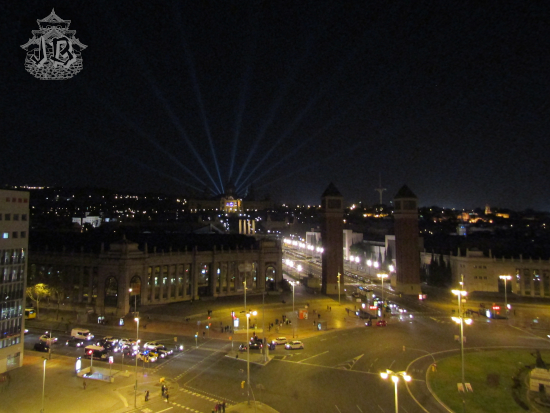
We had dinner at Arenas de Barcelona, the old bullfighting ring now turned shopping and dining centre, then we went up to the roof for some night views.

25th March: Gaudí morning & Gaudí night

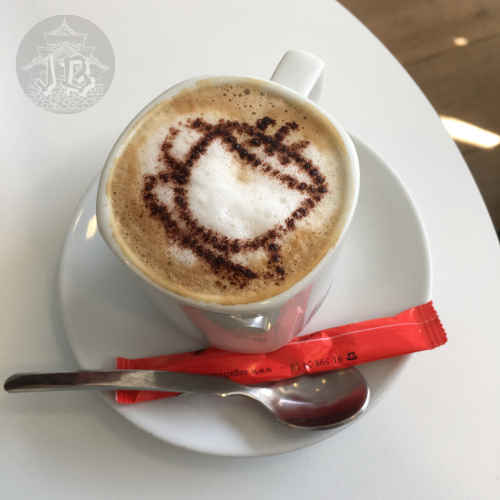
We woke up and had breakfast – coffee inception!!

Then we headed off to see the Casa Batlló, the Batlló house, one of Gaudí’s Modernist masterpieces. It is also called the “house of bones”, and it’s kind of wobbly and organic. The roof is designed to look like the back of a dragon. An interesting detail is that the building was not really erected on Gaudí’s orders – it was a renovation of a previously-existing building.

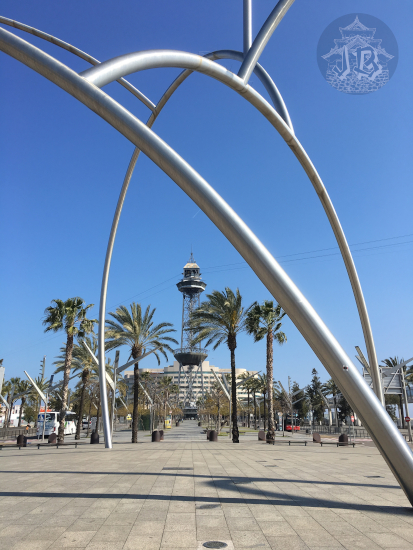
After the house, we went to the harbour area. We hung out for a while (with a stop to buy an extra T-shirt because it was cold), had lunch and eventually purchased tickets for the Museu Marítim, the Maritime Museum, located in the former Royal Shipyard.

The sun was setting when we came out, and we headed towards the Basílica de la Sagrada Família, the church of the Holy Family, also designed by Gaudí. Both of us had already seen it, so we were happy to see it from the outside. When they finish it, I would like to come back though.

26th March: No Gaudí!

We had a walk around the Gothic Neighbourhood of Barcelona, and we made a stop at the Iglesia de La Purísima Concepción, the church of the Conception to visit the cloister.

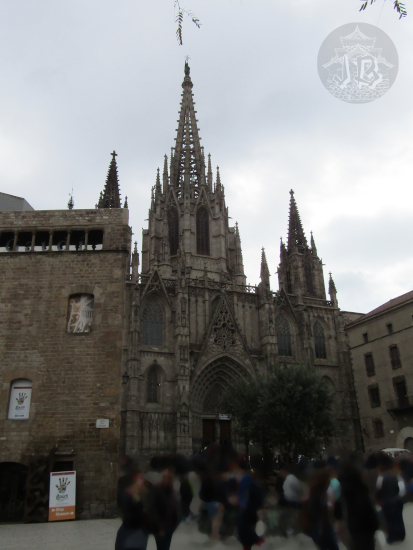
We saw the cathedral Cathedral of the Holy Cross and Saint Eulalia, Catedral de la Santa Creu i Santa Eulàlia.

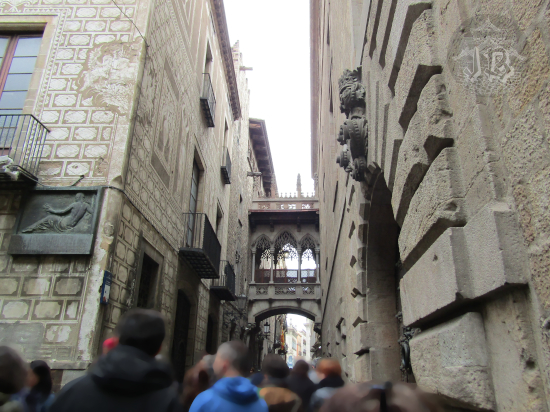
We also walked under the Bisbe Bridge, Pont del Bisbe, in the street of the same name.

We had lunch in a Japanese restaurant, then walked around the Port area for a while.

As we had visited the Maritime Museum the previous day, we had a free pass to the sailboat Santa Eulàlia.

We ended the day in the L’Aquàrium Barcelona, the local aquarium.

After that, we backtracked to our hotel. The following morning, on the 27th, we met up with another friend who had a free while for breakfast and then everybody went home.

28th August 2015: Matsushima and Sendai {Japan, summer 2015}

The day started in Matsushima [松島], the Pine Islands, where there are… lots of pines. And temples. We paid the small fee to cross the bridge to the biggest island, Oshima [雄島] and headed off there, to just walk around it. There were pines and other trees, but I am no tree expert, so… I could identify the pines… However, there were nice views and it was a good way to start the morning, even if I was not feeling 100%, as I had a small accident coming out of the station that ended up with me sprawled on the floor. Not fun.

This bridge survived March 11, although a smaller similar one was destroyed. In general, the area was quite spared by the tsunami.

A walkable bridge with concrete ground and vermillion guards that crosses the bay towards a rocky island with small pines

View from Oshima into the bay:

A view of the bay. There are pine branches in the foreground, and two small rocky islands with more pines

After the main island, we visited a few of the temples around. First, Zuigan-ji [瑞巌寺], which has some really cool cave altars.

A standing Buddha in front of a cave sanctuary.

Entsuin [円通院] – Mausoleum of Date Mitsumune.

Main building of a temple. It's made of wood so old that it has turned white-grey

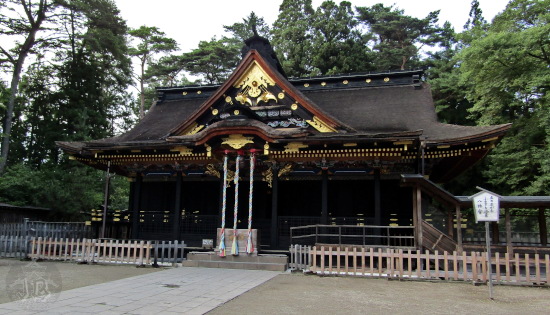
Back in Sendai, our first stop was the combini Ōsaki Hachimangū [大崎八幡宮], also known as the Black Shrine, as it was supposedly erected to enshrine the kami of war. It was ordered by Date Masamune, who was a very important figure in the history of feudal Sendai.

Shrine, built in black with golden decoration

Though we did not make it to Date’s mausoleum, we did see the sculpture erected in his honour up on the ruins of Aoba-jō [青葉城]. Here are the Date Masamune memorial on the ruins of Aoba Castle

Statue of a samurai, riding a horse. The samurai has a crescent decoration on his helmet. The horse is mid-step, with its front right leg bent

View of Sendai from Aoba Castle:

A view of the skyline of Sendai with a line of trees in front of it

Afterwards, we headed back to the station as we had to catch the 19.30 train, since we had an appointment in Ginza [銀座] at 22.00. We had a reservation for VAMPS Joysound special karaoke booth, which was normal karaoke, but in a room decorated with VAMPS stuff and a special video, along with some themed drinks. Just one of those cute fandom money-drainers activities.

The Vamps karaoke booth and theme drink

25th August 2015: Arashiyama & Nara {Japan, summer 2015}

Today was a delayed day, actually, as I apparently took over the plans I made last year when VAMPS had the secret live and I skipped back to Tokyo to attend to it. Then again, as I had changed plans from yesterday to today, everything came a little jumbled.

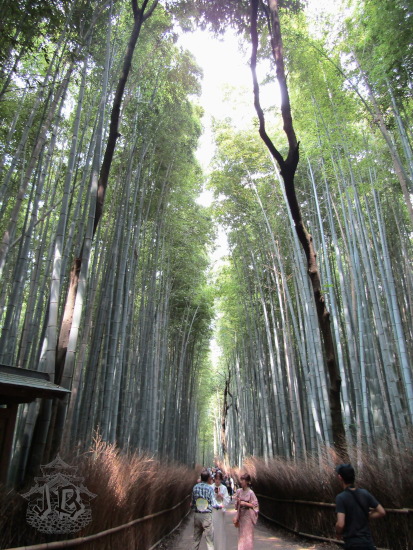
After a nice chat with the Tourism Office lady – in broken Japanese, as I did my best, the fist thing I set off to do was visit the Arashiyama bamboo grove in Arashiyama Chikurin no Shōkei [嵐山 竹林の小径], which is a nice little town adjacent to Kyoto (yep, not a neighbourhood. A town all on its own. That’s Japanese urban planning for you). I had been wanting to visit the area for a while now, and finally made it there. After a nice detour – because taking the wrong turn in Japan always yields to something interesting (then again, people, placing sings of ‘bamboo grove this way’ right behind the map is not helpful, Japan) – and a couple of temples I ended up where I wanted to be, and boy was it impressive.

In the middle of the bamboo grove we find Nonomiya Jinja [野宮神社], a nice little shrine which was at the time overridden by Chinese tourists (that happens, apparently, when you visit a shrine dedicated to marriage).

After a couple of hours wandering the bamboo grove I head back to Kyoto station and once again took the Nara line, only this time I would not be stopping in Inari as I have done before, but took the express to Nara [奈良] itself, which was something else that had been on my list for a while.

Yet another nice Tourism office lady, and way too many Spanish tourists later, I was on my way towards Nara Kōen [奈良公園], Nara Park, where my first impression was one of the things that makes Nara famous… deer. Hundreds of ‘wild’ deer which chase after tourists to get shika senbei (deer crackers) and eat maps when said crackers are not available. Very cute, very… adamant XD

But not my main visiting goal, never mind the creepy American dude who wanted to take a picture of me with them. My goal was visiting the to visit Todai-ji [東大寺] temple, and Daibutsu [大仏] (Giant Buddha) it hosts. Todai-ji did not disappoint me at all. It is a very solemn, very special temple and I enjoyed it.

I wandered around the Nara complex for a while and visited Kofuku-ji [興福寺] on my way back. They have a very famous Ashura sculpture, and a thousand-arm Buddha statue, but no pictures allowed, so I can only show you the exterior.

After some dinner on my way back, I headed off for Kyoto and the hotel which I was to leave the next day to head off to Kobe.

5th July 2013: Enoshima {Japan, summer 2013}

Enoshima [江の島] is a bridged island not far from Tokyo where there are three shrines that have been merged into one for convenience, a local dragon legend and an asphyxiating hot and humid weather. It was also the last stop for this trip.

I guess that’s why the local rhythm is so chilled:

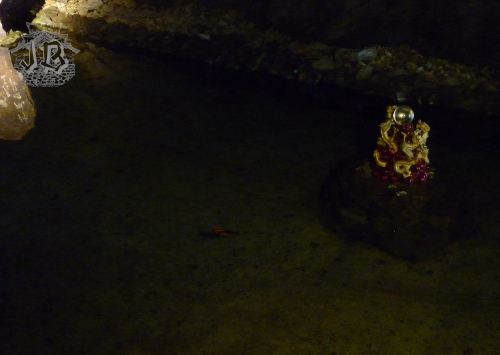
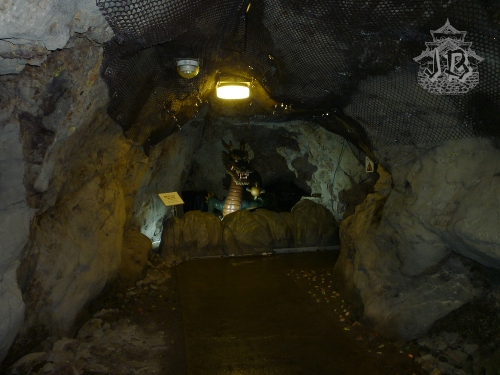
Enoshima Iwaya [江の島岩屋], the Enoshima caves, are beyond amazing.

The legendary dragon, which roars when you get close and produces flashlight when you clap your hands.

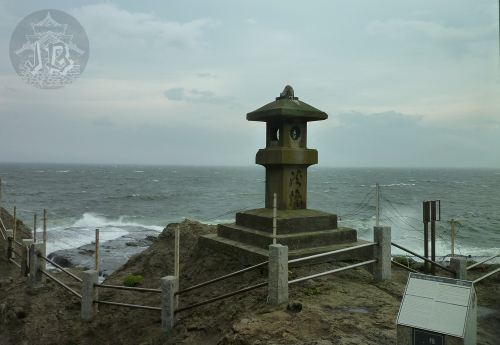
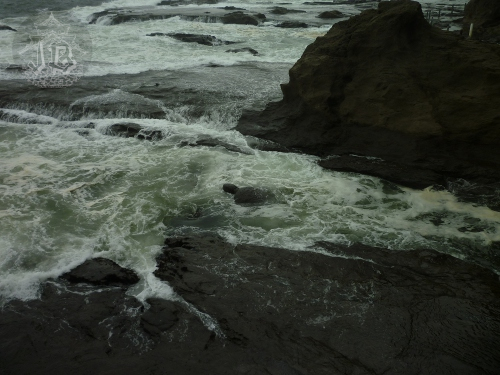
There was a bit of wavy weather due to wind, which allowed for a couple of good pictures of the seaward area:

Including the “turtle rock”, even in high tide. You just need to know how to count the wave frequency to know when the water is going to retract enough to let you see it ^_~

It was so windy that at points it was difficult to keep the camera straight for pictures, but we also visited Enoshima Jinja [江の島神社]

Well, the actual last stop was a bunch of Shinjuku [新宿] Book Offs but… don’t tell anyone XD. Then, the next morning I was off to the airport to go back home, fortunately the flight was much, much better.

7th July 2012: Nikkō {Japan, summer 2012}

Nikkō [日光市] is about 140 km north of Tokyo, a couple of hours train ride. While the town itself might not seem much, close to it there is lies the Shrines and Temples of Nikkō Unesco World Heritage Site, and here we headed off on Saturday.

The area holds a whooping 103 buildings or structures, though the natural setting around them is also considered heritage. The buildings belong to two Shinto shrines: Futarasan Jinja [二荒山神社] and Tōshō-gū [東照宮], and one Buddhist temple Rinnō-ji [輪王寺]. Nine of the structures are designated National Treasures of Japan while the remaining 94 are Important Cultural Properties. Unesco listed the site as World Heritage in 1999.

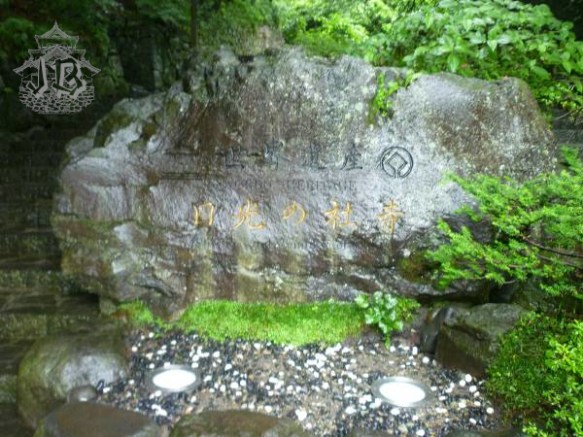
A rock reading World Heritage Shrines and Temples of Nikko in English and Japanese

As you might be able to tell, it was raining. Like magic. Like hell. Cats and dogs. And then some.

Highlights include the Three wise monkeys, “see no evil, speak no evil, hear no evil”:

Wooden carvings of three monkeys: one is covering its ears, another is covering its mouth and the other is covering its eyes

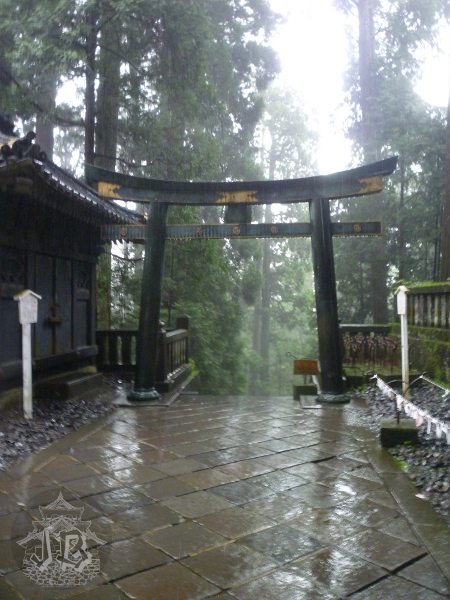
The mausoleum of Tokugawa Ieyasu:

A torii in black and gold. It's raining

A small one-story pagoda, the mausoleum itself

A five-storey pagoda (gojūnōto) belonging to Tōshō-gū:

A five-story pagoda, in red, green and gold. It's still raining.

The inner buildings of Furata-san Jinja:

Dark wood buildings decorated in green and gold. It's still raining

The entrance to Tōshō-gū:

Shrine entrance. The entrance is completely golden. It's still raining

However, since I would not be me without finding (and falling in love with) something obscure and creepy, have a small shrine to the side of the road nobody was paying attention to:

A forlorne stone torii forgotten in the middle of the forest

Did I mention it was raining? Because it was. All the damn day XD