14th May 2024: Three Museums and Tea, Madrid (Spain)

On a whim, I put together a plan for Tuesday, as it is currently my free day. I was too lazy to drive, so I decided to catch a train to Madrid. There was a temporary exhibition I wanted to check out, and it was close to several museums and eateries.

My first idea – breakfast at a French crêperie – went bust, because the place was still closed when I arrived in town – I swear, this is like the fourth time I try to have something there, and it just won’t work. Instead, I ended up at a Starbucks for breakfast, before heading out to my first destination – the exhibition The Art of Manga, held in the Architecture Bar Association building Colegio Oficial de Arquitectos de Madrid, COAM. The Art of Manga is a small exhibit that runs through the history of manga – Japanese comics – with a few snippets of what it was and what it has become, especially in Spain.

The entrance was a sort of tunnel with manga sheets hanging from the ceiling. It ended at a traditional scroll with animals acting like people – Chōjū-jinbutsu-giga 鳥獣人物戯画, which translates to “Animal-person Caricatures”. Some people consider that this is the origin of manga (note the “ga” at the end), though if there is one thing that the exhibition makes clear, it’s that nobody knows when manga actually started. Thus, it just runs through all the possible theories and important names. From the Edo Period, there were a few wood prints (ukiyo-e) – which are claimed to be original – among them two by Katsushika Hokusai [葛飾 北斎], The Great Wave off Kanagawa [神奈川沖浪裏, Kanagawa oki nami-ura] and Fine Wind, Clear Morning [凱風快晴, Gaifū kaisei]. Hokusai is another of the supposed starts (“the father”) of manga. There were also a few toba-e [鳥羽絵], similar to the first scrolls – for the first time in the evolution of drawings, there was text alongside the art. Then came the books, where texts dominated – though there were still drawings – and they became extremely popular during the period.

With the end of the isolation of Japan, Western influences – mainly comics – influenced local artists, and “speech bubbles” appeared. In the late 19th and early 20th centuries, Kitazawa Rakuten [北澤 楽天]’s works were published in newspapers. He is (also) considered the father of modern manga, and several of his works are displayed. There are also early 20th-century scrolls, painted in a style similar to toba-e depicting the Tokaido Road, which separated Edo (old Tokyo) and Kyoto, and its checkpoints. There were also kamishibai [紙芝居] cards – kamishibai is a traditional form of theatre involving telling a story using a narrator and different “postcards” with images drawn on it.

In the middle, the exhibit had a rock garden, and a torii gate with a lot of lanterns gave way to the second part – modern manga. Here there were pieces and mementos from famous artists and works – Osamu Tezuka [手塚 治虫], known as “The god of manga”, and one of the driving forces of anime. According to the exhibition, they were showing all of his works. There was a bit about Shigeru Mizuki [水木 しげる], and big international hits like Sailor Moon, Naruto, Dragon Ball and One Piece. After a screen showing a video about a cosplayer – which I did not care much about – there was a section on manga magazines, some of the early manga published in Spain, and a stand where you could get some stamps.

Snaps from The Art of Manga Madrid

Finally, there was a bit on merchandising and figurines. The shop did not even have a catalogue, which I would have bought. All in all, it was all right, smaller than I had expected.

Then, I went to the nearby museum of the Romantic period, where I got a national museums card – I’ve been wanting one for a while, but unfortunately you still have to queue to use it. I had hoped you could just walk into museums with it, but I guess crowd control is a thing since Covid. Anyway. The Romanticism museum, Museo del Romanticismo is a small palatial residence which tries to recreate the ambience and atmosphere of the dwellings of the bourgeois families at the time. It had a lot of nice furniture, similar to the one in Riofrío, but I found it lacked on the landscape paintings I like. The museum is currently exhibiting an early painting by painter Francisco de Goya, a Pietà.
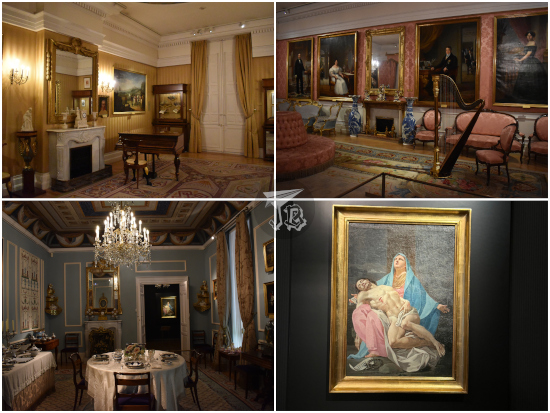
Museo del Romanticismo Madrid

Afterwards, I headed out to line for the Sorolla Museum Museo Sorolla. I had to queue for nearly 40 minutes, but I was finally admitted in. Joaquín Sorolla (1863 – 1923) was a generally-impresionist painter (impressionist, post-impressionist and luminist) from Valencia. The museum was built in the artist’s own house, completed with some of his iconic artworks, including Paseo a orillas del mar, Walk on the Beach, and El baño del caballo, The Horse’s Bath. Sorolla excelled in portraits and landscapes, especially the sea side, and social criticism. He was a master depicting light, water, and the combination of both. He became one of the most important Spanish artists of his time – and probably the most famous. He participated in the Paris Universal Exposition of 1900, and was invited to exhibit his art in New York City.

Furthermore, there was a current exhibition called Sorolla in 100 objetos – Sorolla in one hundred objects – which had just opened to the public. It included personal items the artist collected, – some a bit bizarre–, photographies, his passport, the last painting he worked on, the medal he received from the US president, a photograph of his studio in Italy…
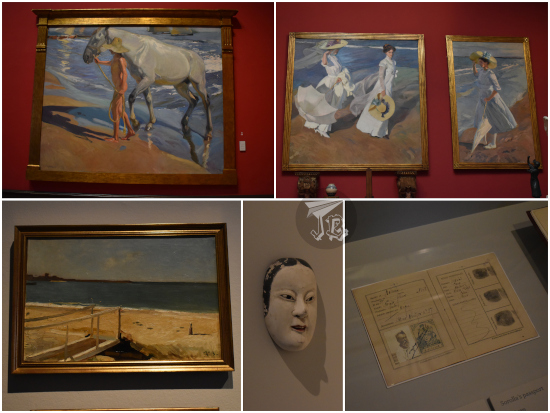
Snaps from Museo Sorolla

I then went off towards the archaeological museum Museo Arqueológico Nacional. I used to love this museum – when they remodelled it and they made it all modern and aseptic, it lost most of its allure. Of course, I still enjoy it, as the important items are the exhibits, and the museum has a lot of important items from the Celtiberian cultures – Celts and Iberians inhabited Spain before the Roman conquest, which started in the 2nd century BCE. Iberians were prevalent in the east and south of Spain before their arrival. The north and west were populated by the Celts, and there was a vague area in-between whose people have been called Celtiberian. the Talaiotic culture flourished in the Balearic Islands, and it has recently been declared World Heritage. These cultures were eventually assimilate by Romans, but Celts lived on elsewhere. Iberian and Talaiotic cultures, however, diffused with time. Today, there is little known about it, and most is just interpretation from archaeologists, even less about the more ancient tribes that lived in the areas during the Bronze Age.

Among the objects from pre-Roman Spain, there are mysterious steles from the late Prehistory. However, it is the Iberian funerary art which stands out the most – such as the bust called the Lady of Elche, La Dama de Elche, found in the town of the same name, and the full sculpture named the Lady of Baza La Dama de Baza. Both are fantastic, to the point that it was thought they were Hellenic for some time. Other items include bulls – both metal cattle heads with wide eyes, and vaguely-shaped stone sculptures, verracos. I remember going to the museum when I was little, and the importance of these bulls, called “Bulls from Guisando” Toros de Guisando was drilled into my head, to the point that I thought that the ones exhibited there were the only ones – it also made me sad that they were in the museum and not in the field where they had been found. I was petrified when I learnt, years later, that there are a bunch more…

The museum also hosts a nice collection of Moorish art, and what apparently is a special Egyptian exhibit, as Spain worked with Egypt during the 20th century, and got a lot of objects from that excavation from the Egyptians “in the split of the new discoveries”. I am not sure whether that’s accurate, or the story has a lot of make-up on. I had to leave around 16:15, but as this museum is also covered by the national museums card, I can come back any time within the year for free. I skipped most of the Medieval period.
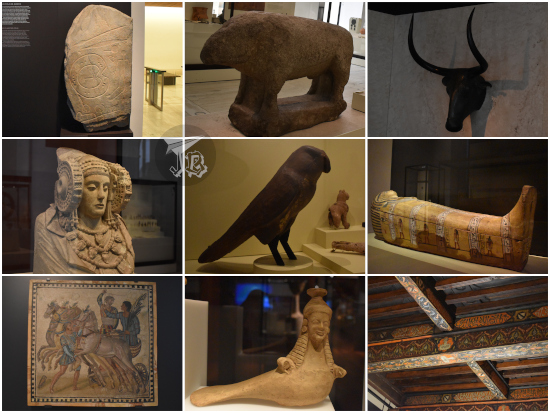
Museo Arqueologico Nacional Madrid

I had a reservation for afternoon tea a few minutes away from the museum, at 16:30 – I might be doing a bit of a rally around all the places in Madrid which have it. This time around, I went to El Jardín de Orfila – and good thing I had decided to only have breakfast and skip lunch and go straight from breakfast to tea. I was seated in a lovely outward area and I chose a delicious green tea with cherry. The food was plenty – finger sandwiches: pastrami, salmon and cucumber and cheese cream; macarons, carrot cake, meringue, and scones, along with clotted cream and berries jam. It has probably been the best afternoon tea I’ve had in Madrid up to date. The scones were a bit under-baked though.
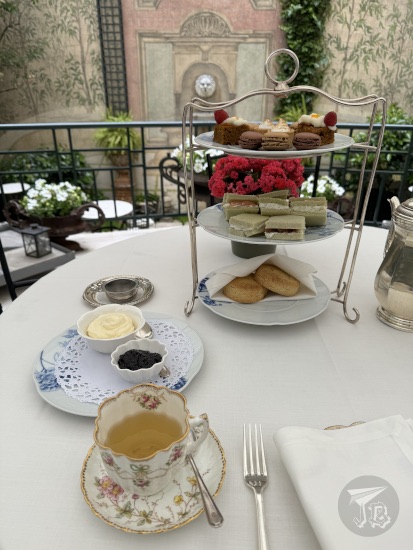
Afternoon tea at El Jardín de Orfila

I was alone in the outer area for most of the experience, the waiter checked on me once after bringing my tea. It was actually so calm and quiet that I had a visitor – a little house sparrow (Passer domesticus) was very interested on the remains of my scone, so I shared with her. She was happy after two crumbs, and left – or maybe it was because another couple walked into the area.
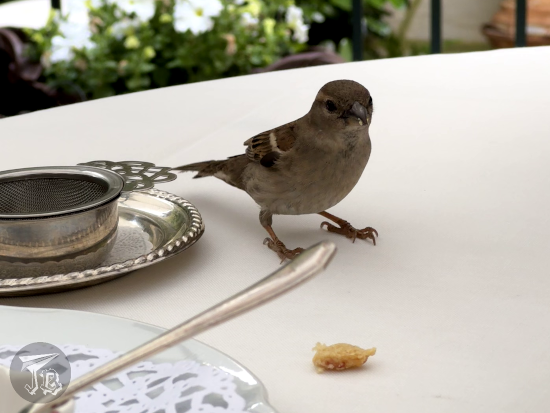
Sparrow hopping towards a scone crumb

I left a bit before the two-hour timeslot was up so I could catch a timely train home – and because the couple came in, talking loudly, and kind of broke the spell.

22nd July 2019: Tokyo Shinagawa → Higashimaya Kyoto {Japan, summer 2019}

My Shinawaga hotel was very close to Sengakuji [泉岳寺], the temple that honours the forty-seven ronin so I paid them a visit before I moved on.

The reason why I was in Shinagawa was being close to the station as I was heading off to Kyoto. I took a shinkansen around 9 am and was in Kyoto just before 11, maybe. From Kyoto station I walked to Nishi-Hongwan-ji [西本願寺], which was about 10 /15 minutes away. It had been on my list since I went to Higashi-Hongwan-ji last year, but I had to go get some rest afterwards because I had a migraine.

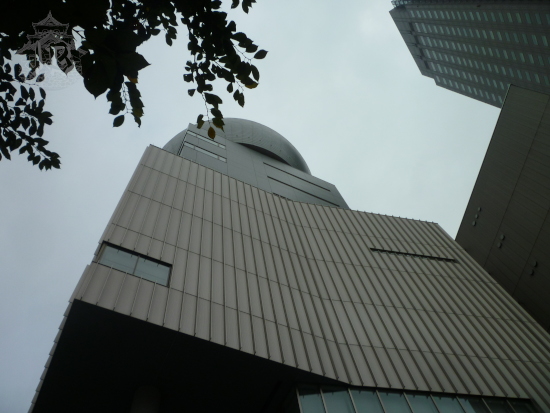
As I was heading back towards the station I came across a building that really grabbed my attention. A little research yielded to finding out that it is a temple: Dendou-In [伝道院], which apparently belongs to Nishi-Hongwan-ji and is a research building. It was designed by a famous architect called Itō Chūta in 1912 in a style called “Evangelical”, and built shortly after. It’s not open to the public though, but it sure as hell is interesting.

After that I took the underground to my hotel. It was raining like crazy when I got there, and to make things more difficult, my bloody credit card decided to stop working. This made me slightly late to my 13:00 appointment at Studio Esperanto Oiran Taiken [studio-esperanto 花魁體驗]. Things were a little different this time. First of all, because I was just in time for appointment, I was directly ushered to the make-up room. Fortunately I had quite a clear idea of what I wanted, so it sort of worked in the end. The make-up artist was nice but she was a bit intimidated, and the photographer was difficult to communicate with, which hampered the experience a little. In the end, however, I got really cool pictures out of the experience, so I am not going to complain.

By the time I got out, there was a deluge outside. I was in the hotel, which was close to the photography studio, for a little, and after checking the maps that they had given me at reception, I realised that I was much closer to the Gion area than I – and Google Maps – had actually thought. There was one big park / shrine complex I could walk. At least part of it is called Maruyama Koen [円山公園] and it has a cool pond. I walked from the north entrance to the western exit, which belongs to Yasaka Jinja [八坂神社], the Yasaka Jinja Minami-romon [八坂神社 南楼門], the Tower Gate. I passed Gyokkō Inari Yashiro [玉光稲荷社] on the way.

I walked off to Gion, [祇園] which was almost empty due to the storm. Whenever I get to Gion in the evening, I always check whether there is a long queue at Gion Corner, which is a theatre that performs “traditional arts”:

  • Tea Ceremony [茶道]
  • Flower Arrangement / Ikebana [華道]
  • Koto [箏]
  • Gagaku [雅楽] Court Music and dance
  • Kyogen Theatre [狂言] (comic play)
  • Kyo-mai [京舞] (maiko dance)
  • Bunraku [文楽] Puppet Theatre

I was lucky this time, as the rain had scared most tourists away, so I could come in. It was a fun thing to do once, especially with “foreigner discount” it becoming half-price, but the audience kept talking and moving around the floor to take pictures and videos. Thai and Chinese people are loud (and a few of them rather disrespectful)! But all in all, I’m happy I got it out of my system, particularly the Kyo-mai dance.

After that, as it was not raining any more, I strolled down an almost-empty Gion.

Then I walked off towards an area that I had never been able to find before – Gion Shirakawa [祇園白川] and Tatsumi Bashi [祇園 巽橋]. Fortunately this time I had checked for the Tatsumi Bridge location fist, so it was not even that hard! I just had to know where to look for it! (≧▽≦).

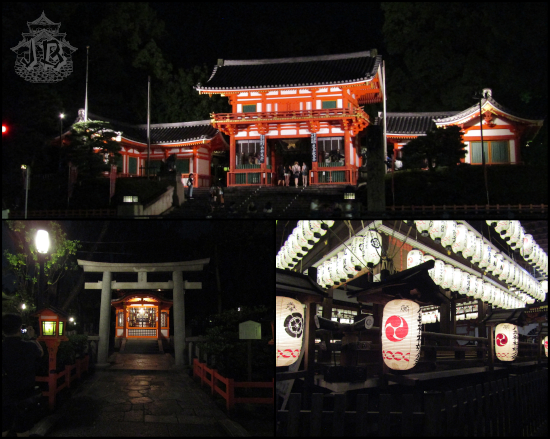
I decided to take the way back through the park, so I could see all of Yasaka Jinja [八坂神社] lit up, which was very pretty.

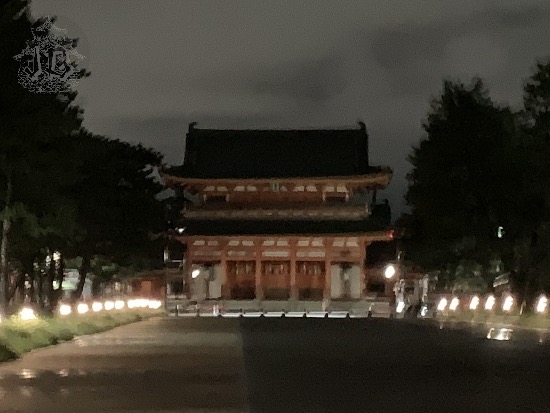
As the hotel was also next to Heian Jingu [平安神宮], but as it was not lit up, I did not walk in.

Then I bought some conbini food and I went to the hotel to have dinner and a bath – the hotel had a hot spring public bath (and it was empty! Just for me!). I was lucky enough to get one of the traditional rooms, and the sand-puffs-like thingies were super-comfortable… until I had to stand up. It was so comfy I could barely stand up! And then I went off to sleep like at 10pm cause I was beat (∪。∪)。。。zzz.

Walked distance: 18517 steps / 13.2 km

31st August 2018: Tokyo Tower Reprise and off to Roppongi {Japan, summer 2018}

I went to Minato [港] because Tokyo Tower [東京タワー ] is there, and I love Tokyo Tower. My first stop, however, was Shiba Koen [芝公園], to visit a certain tree. However, the park was under construction! Who the hell closes a park for construction?! (O_O)!

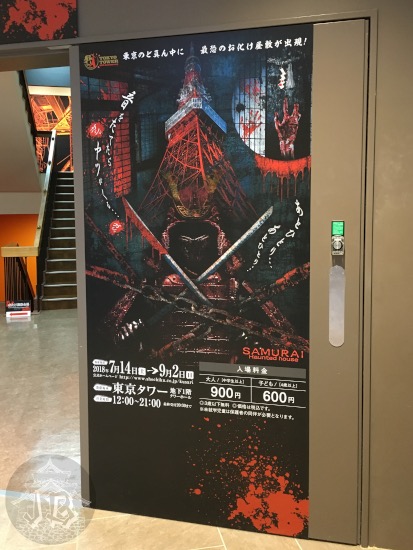
They have reopened the upper observatory in Tokyo Tower so of course I had to come back. It was imperative for my mental health. When I arrived I found out that they were running a “haunted house” on the basement and I decided to give it a go.

The story was of a cursed samurai who has killed 332 people and you’re supposed to be number 333. I had been wanting to try one of those for a while but in the end I did not enjoy it that much – the not seeing down the corridors was too stressful. Maybe with someone else it would have been more fun.

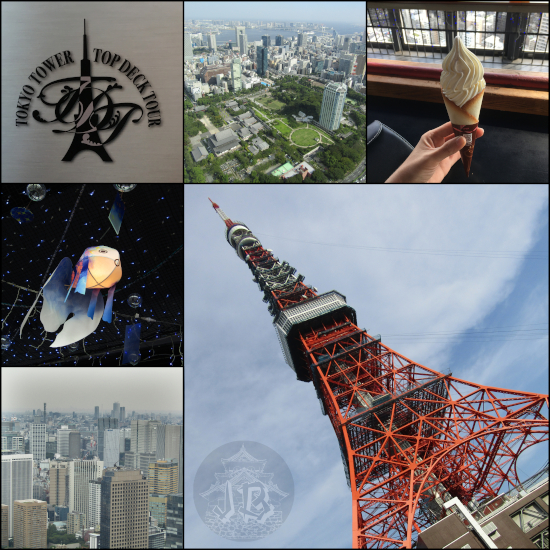
Afterwards I got my ticket for Tokyo Tower [東京タワー ] and the “VIP = Very impressive panorama” from the second observatory. I don’t understand why Tokyo Tower makes me so happy, but it does so more power to it. Oh oh oh and I had awesome(ly expensive) ice cream on the tower!

Afterwards I walked towards Roppongi [六本木], making a stop at the Don Quijote, a macro store that has nothing useful but lots of fun little stuff, with half a mind to buy a traditional red eyeliner or coloured contact lenses. But in the end I was strong and did not waste money (yet (≧∇≦) ).

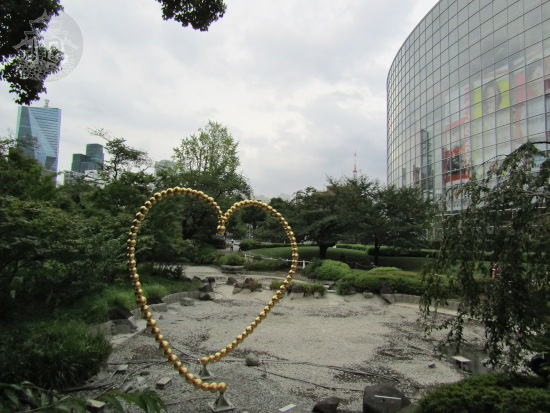
I continued to the gardens Mori Teien [毛利庭園], and I was a tiny bit disappointed that the pond had been emptied!

And I saw that the TV Asahi [テレビ朝日] building was open for visitors, so I went to snoop into that, because of course I did.

Later I met with D****e and M*****san for a shabu-shabu dinner which was out of this world.

17th August 2018: Gold & Oiran {Japan, summer 2018}

Last year I decided to take a maiko photoshoot and it was fun, so when this year I found something similar, I decided to take the plunge. In this case, it was not a maiko, but an oiran [花魁], high-ranking courtesans with flashier clothes and more expensive kimono and accessories. I timed this to be the day after the Gozan no Okuribi, and my appointment was at 1 pm, although the website advised you to be around half an hour earlier.

I woke up feeling much better than the previous day, and after leaving the hotel the first thing I did was visit Mikane Jinja [御金神社], a small temple that had at some point come under my radar because it has a golden torii. This was, again by luck, very close to my hotel.

Torii gate painted in glittery golden paint

After that I took the underground to go to the Higashiyama / Keage area, where my photo studio was. There are also a few things to see around there, so I got off at Keage Station and the first thing I saw was Nejirimanpo [ねじりまんぽ], a Spiral Brick Tunnel, also called “Twisted tunnel”. I walked across, of course.

Entrance to a tunnel made of bricks. The bricks seem to be built in a spiral, and not straight

Afterwards I found myself at the complex formed by Tosho-gu [東照宮] and Konchi-in [金地院]. Tosho-gu is dedicated to Shogun Tokugawa Ieyasu.

A Buddhist temple with lots of bonsai pines in front of it

I continued into the temple complex and saw Nanzen-ji [南禅寺], a grand temple.

The main building of a Buddhist temple with an incese brazier in front of it

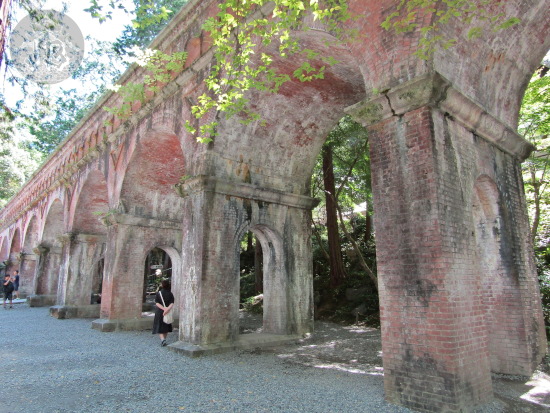
And then I stumbled onto Suirokaku [水路閣], which is, of all things, an aqueduct! Furthermore, it is still in use.

Aqueduct made out of brick

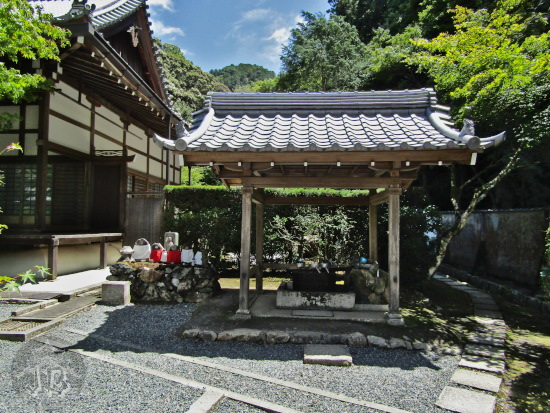
My next stop was Saisho-in [最勝院].

A Shinto purifying fountain

Then it was almost time for my appointment, so I headed towards Studio Esperanto Oiran Taiken [studio-esperanto 花魁體驗], which was pretty much amazing.

Studio Esperanto front shop

While considerably more expensive than the maiko photo shoot, but the truth is, it seems less standardised and way more professional in a way, relaxed in the other… maybe it is the fact that you get to choose more is what makes it unique to you – also I am happy to report that I could do it with my contacts in, so that was way more enjoyable. The whole thing was like a dream – it reminded me a little of the experience you get when you go to Swallowtails, a lot of people are trying their best to make you feel welcome. In this case you choose a kimono and two different covers, called uchikake, which are super heavy because they are embroidered with metal thread.

The first thing I did was to take off my clothes and put on a white “underwear” robe. I could choose a lot of things – make up style, colours, wig, nails, hairstyle to a point, eyelashes… it is very participative. After make-up, you choose the kimono and the obi – which is the real thing, a long one that they tie around you. For the photo shoot itself, you feel like a rock star for real. They put the uchikake on you, they help you with the poses, and they take a lot of pictures for you to choose which ones you want printed into a book -For the plan I bought, 25,000 ¥ you get five printed pictures in a book and can buy the rest of them on a CD (which was 10,000 extra, but in my case, way worth it, as I got 50 pictures) – one day I would love to do the VIP experience, that’d be cool, but I guess I’ll just settle for entertaining repeating a similar plan with the blue background.

Collage of a person in oiran outfit. The kimono is decorated with pine needles embroidered in gold, and cranes. The person is wearing wig with long red hair.

While I was waiting for the pictures to be done, I decided to have a walk around the area. I saw the Biwako Sosui Kinenkan [琵琶湖疏水記念館 ], the Lake Biwa Canal Museum, from the outside.

Fountain with a crane inbetween the flow

I thought I might check out the zoo, but the price made me decide against it, and after turning a corner I found myself, surprisingly, at Heian Jingu [平安神宮 ].

Bridge leading up to a huge torii gate painted vermillion

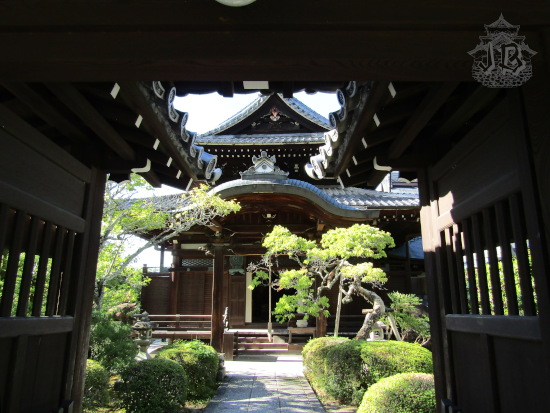
I remembered there was a conbini next to the daitorii, so I went there to have some lunch, and then walked back to the Keage area, to have another look at the temple complex and Jishi-in [慈氏院] (probably. There was some construction going on and this might have been a smaller temple).

A Buddhist temple through the wooden gate

After I had my pictures (and still not quite believing it), I decided to walk down to Gion, as the path would take me down the river.

A shot of the Kyoto canal, with weeping willows hanging over it

I ended up at Yasaka Jinja [八坂神社].

Vermillion gate that marks the entrance to a shrine up a flight of stairs

Then I walked into the actual Gion [祇園] area. It was more than crowded, which killed the exploring drive.

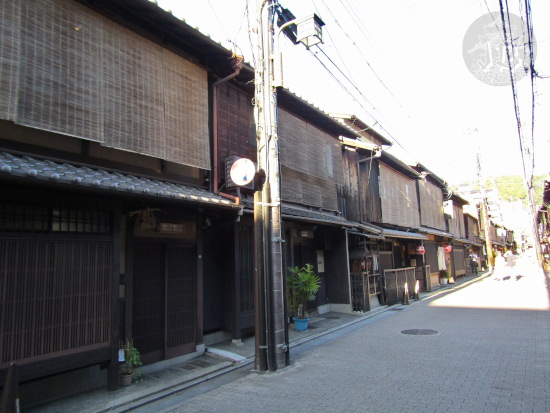
Wooden houses in the sun, the wood is dark

And here is when I totally forgot that I wanted to go see Fushimi Inari Taisha by night and went back to the hotel 。゚(゚´Д`゚)゚。. I guess I was a bit more tired than I had previously thought, because I did not remember that until I was getting on a train the following there.

23rd July 2017: Kyoto: plans long made and plans unexpectedly changed – Maiko Henshin and Gyosha Meguri {Japan, summer 2017}

It was an early and cloudy Kyoto [京都] morning when I woke up to walk to Heian Jingu [平安神宮], a shrine built in 1895 to celebrate that Kyoto had existed for 1100 years already. It was supposed to be just another trip to a shrine, I did not expect anything special to come from it.

Heian shrine - main building and secondary buildings that stand on the sides, symmetrically to the left and right. The buildings are vermilion and white with a green-grey roof, and the ground leading to them is sand.

However, as I was snooping around the shrine shop I saw that they had come up with a stamp rally, shrine version – the Kyoto Gosha Meguri ~Shi shin Sou Ou No Miyako~ [京都五社めぐり~四神四神相応の京~] (The tour of four gods of Kyoto). According to legend, Kyoto was anciently guarded by four god-like spirits: the Azure Dragon of the east Seryu, the White Tiger of the west Byakko, the Red Bird of the south, Suzaku and the Black Tortoise of the north Genbu. Heian Jingu stands in the middle “the heart” of Kyoto, and each guardian is supposed to dwell in one shrine in each cardinal point. I bought a small cardboard tablet with the four sacred guardians of Kyoto , with the Heian Jingu stamp in the middle. With that tablet, you had to visit four more temples on the four cardinal points and get their stamps. It is The rally unexpectedly trumped all my Kyoto-visiting plans. I had to absolutely do this! I was so pumped that I did not even take pictures of the tablet until the peregrination was completed.

A cardboard card with the drawings of the four mystical guardians of Kyoto, the white tiger, the black tortoise, the blue dragon, and the red fire bird. They are aligned with their cardinal points, east, north, west, south. Between the animals and in the centre, five stamps in red ink.

After leaving Heian Jingu, I walked alongside the Kamo River Kamogawa [鴨川] towards Gion [祇園], stopping to get the second stamp at Yasaka Jinja [八坂神社]. Here is where the “easy” stamps were over. I still had three shrines to get to, and they would not be as easy as a literal walk down the river.

The vermilion entrance to a Shinto shrine on top of stone stairs. There are rows of lanterns hanging from the gate.

I was to meet D****e at 10.15, as she was coming from Osaka, where she was for a concert. She wanted to tag along to what I was going to do next, basically to… share the pictures with everyone. Last year, my friend B**** had told me about something she had done that she thought I might like, a photo shoot in maiko [舞妓] clothes – maiko being Kyoto geisha-in-training. Following her recommendation, I chose a place called Maiko-Henshin Studio Shiki [舞妓体験・変身スタジオ「四季」], which is where B**** had done hers.

This is something that had been in the back of my mind for the longest time, but I had never got around to doing it because of the price tag. I was a bit put off by paying over 10,000 ¥ for what would in essence be pictures of myself. However, I eventually realised that it is not just the photographs you are paying for, it is the whole three-hour experience. I booked a Studio Shoot plan for 11,900 ¥ (plus tax), which included:

  • White make-up cover.
  • Renting and getting dressed into a formal kimono.
  • A pair of tabi (Japanese socks) that you get to keep.
  • Fake eyelashes applied on you.
  • Natural wig (half-wig) fitted and fixed.
  • Eight studio photographs including a Fushimi Inari Taisha background.
  • A book with the best eight pictures.
  • CD-R with all the pictures taken.
  • Five postcards.
  • Ten minutes of free time to take your own pictures outside the studio.
  • Possibility of paying to get some extras, including extra pictures.

The shop was easy to walk up to. It was set out as a traditional house with a sliding door, and they offered two kind of services – kimono rental to walk around Kyoto, and Studio transformations along the subsequent pictures – maiko, samurai, and couple or family options.

This was a 98% great experience. 1% fell because I had a coughing fit (I have had issues with my lungs, but they are slowly getting better) and the other 1% due to a communication failure with the studio upon reservation. However, that 2% is negligible and it was all in all great. D****e had a blast in turned, and she decided that she needed to share the pictures with everyone she knew who knew me.

I had made my reservation online a month in advance. I chose a time, which was rescheduled for an hour later. When I asked if I could have a sword for the photo shoot, the answer was to inform my photographer.

When I arrived, the receptionist checked my plan with me. Then they asked about the optional or “less crucial” items – whether I actually wanted the white make-up, fake eyelashes, and type of wig – I have absolutely no idea about wigs. They asked if I wanted any extra photographs (each one for 1000 ¥) on top of the eight included in the shoot. They also checked who came with me so they could call D****e to come in when she was allowed to be with me.

D****e and I had arrived early for my 11:00 appointment, and they called me around 11.15. I was given a little basket, a gown, the keys to a locker, and a pair of tabi [足袋] – Japanese socks, with a separation for the big toe and the small ones. The little basket also contains a brochure to give you instructions of what you are to do in all the steps of the experience. This was helpful, especially when they recommended using the toilet beforehand.

I walked up to the third floor to change into the gown and tabi and put all my belongings into the locker. I took with me the key on an elastic band around my wrist. The little basket was for the instructions, and my mobile phone for pictures during free time later. At this point I was still wearing my glasses, but I had to take them at the next step, and they would also go into the basket.

I walked down to the make-up room on the second floor. At this point I had to take off the glasses (and decided that I wanted to get myself some contact lenses). Here I had the white make-up applied, and I was amused by the process. I had not built any kind of expectation about how they would do it, but I guess I was not expecting a thick brush – much thicker than a normal make-up brush. It was an interesting feeling – the white paste was cool and the brush also felt very different from a regular one. The make-up reached up to my hair line, but the artist left a little bit of unpainted skin for the wig. They also painted much lower down my back than I would have expected – it was explained to me that the neck and the wide collar of the kimono are “sexy”.

Afterwards, they contoured my face a little, added the blush, and airbrushed my lips bright red. Finally, they did my eyelids and eyebrows, also in tones of red. The staff gave me instructions in “fluent” (read: broken) English, but we both tried, and communicated successfully. I was told where to look at each point, or to close my eyes and finally I was offered the fake eyelashes again – I accepted because I was going to be without my glasses anyway. I unfortunately inhaled a bit of powder or something, and had a coughing fit that almost gave my poor make-up artist a heart attack…

After the whole make-up had been applied, it was time to get the wig fitted. I was shown to another room with a big closet full of lockers, and each locker held one wig. They checked three or four against my head until they decided on one to put on me. It was a “half-wig”, which means that they painted the hairline and part of your own hair in order to stick it down. Afterwards, they put some traditional decoration, kanzashi [簪], in the wig.

Then it was time to choose the kimono. At this point, D****e was called onto the floor to “help me choose”. There were literally hundreds of options, but I actually found the one I really wanted even before she was there. It was black with cherry blossoms on it, and when D****e arrived she said “that one is really you”. The staff grabbed it for me and took it to the next room – and my poor friend was sent away once me.

Before they started getting me dressed, the first thing was padding my front so the kimono fell flat. At this point I was wearing the under-gown, and on top of that they put an undercoat called nagajuban [長襦袢] over it – this is done to protect the kimono. The nagajuban was tied closed with a cord called datejime [伊達締め]. Then they put the actual kimono on me – and boy was it heavy. I had not expected that it would be that heavy. They offered me a choice of three obi [帯], the wide belt, somewhat of a rigid sash that holds the kimono together. They tied it down and placed a pre-made ornate bow on the back – it was a bit of a bummer that they did not do the whole knot on the spot. They finished putting hair accessories into the wig, and I was ready to head off to the studio. They tucked the long sleeves and the lower part of the kimono into a string that they tied around the obi. The big problem came when I had to go down the stairs to the studio on the first floor, without the glasses – yes, I need to get myself some contact lenses.

Down there, I had to wait for maybe 10 – 15 minutes, which felt very long. I am a tremendously visual person, so I felt very vulnerable without my glasses, just catching some shadows in the background. I saw something that I thought was a cat in a little garden, probably for the outside shoots (the garden, not the cat). When the “cat” jumped into a small pond, I realised that it was a duck.

Once I was admitted into the studio, the photographer was a very nice young woman. However, it was now when I learnt that the eight pictures that you get with the package are pre-planned shoots, you do not get to choose anything. The photos are pre-planned and “staged”, so they are the same for everyone, whether it is “your angle” or not. But at this point, the 1,000 ¥ were not that much of a price increase, so I decided to get it anyway. I was not upset, I just thought it was a translation issue from Japanese to English or a miscommunication. My photographer was friendly and explained about the extra photograph. As it was not included in the maiko set, I had to get it in the samurai room. I agreed, because I really wanted that picture with the katana. As she was finishing explaining, D****e was shown in. She helped with the “look at X” instructions. She also helped make the photographer understand the kind of picture I wanted, since she had trouble digesting the idea that I wanted the samurai sword kind photo with the pretty maiko set-up.

The photo shoot has eight pictures, and I don’t think I look particularly well in any of them – but it was fun. For the first seven photographs I was only wearing the tabi, and for the last one I was given a set of okobo [おこぼ] – high platform sandals for you to walk on, named onomatopoeically for the sound they make on the pavement. The photos included in the photo shoot are:

  1. Full body, slightly backwards, with a fan and the kimono extended at your feet,
  2. Upper body, front, with the fan,
  3. Upper body, front, with some kind of ball / jewellery box,
  4. Full body, front, with a red paper parasol, and kimono extended,
  5. Upper body, front, looking straight at the camera with the parasol,
  6. Full body, front, looking “nice”, kimono extended at your feet,
  7. Upper body, front, with some kind of bento box,
  8. Full body, lower part of the kimono pulled up, with the okobo and a Fushimi Inari Taisha background.

After my official shoot, I was taken to the samurai room for my extra photograph so I could get the picture with the sword. Then, D****e and I were lead outside, the back part of the studio, to play around with the phone and take selfies and stuff. She made sure to take a hundred thousand photos of me during the following 10 minutes. Just for the LOLs, my last couple of pictures were back with the glasses on – which surprisingly did not even flake the white make-up.

Once back inside, the magic seemed to die down, and everything became efficient and a bit cold. My kimono was undone, my wig taken away, and I was given instructions on how to remove the make-up. It did not take too long to do so and go back to my normal, boring self. Then I had to pay and we waited for a little while before I was given my pictures. In total, the whole thing took about two hours and a quarter.

It was a fun experience, probably not a must in Japan. Communication at times was a bit weird, because they work in a sort of “line”, and each person is very specialised on one thing. They are very set on what they do, and don’t always explain in detail because after all “they know,” it is what they always do, even if the customer is lost or not aware of what is going on. Then again, I had a blast and I really liked it, never mind all the inconveniences and issues. Not that I feel I need to repeat it, especially costing this much. However, I might consider something similar thing at a cheaper price, or with a different kind of character.

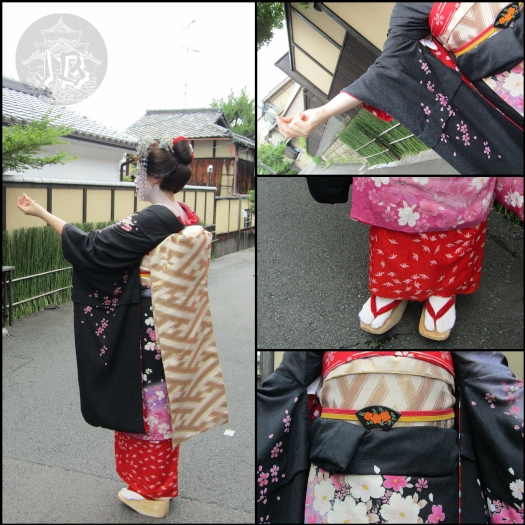
Person dressed as a maiko, with a long robe in black with pink cherry flowers

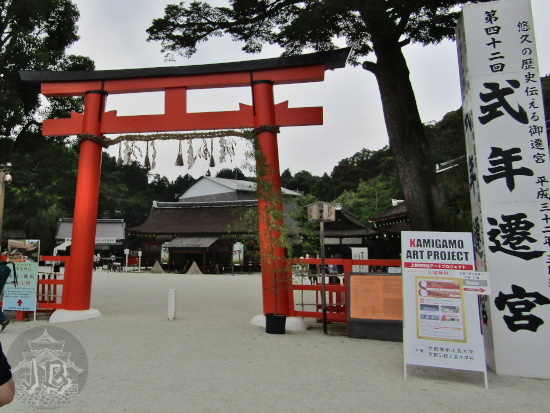
I walked D****e to her station, waved her away, and headed off towards the third shrine of the stamp rally, which I thought at the time would be the furthest-away shrine, Kamigamo Jinja [上賀茂神社], in the outskirts. There was some kind of art / craft fair there by university students, so it was very lively. Unfortunately too, a lot of it was under renovation, but I explored a little (and wasted a lot of time waiting for and riding the bus). Anyway, I received shrine-stamp number three.

A vermilion torii gate

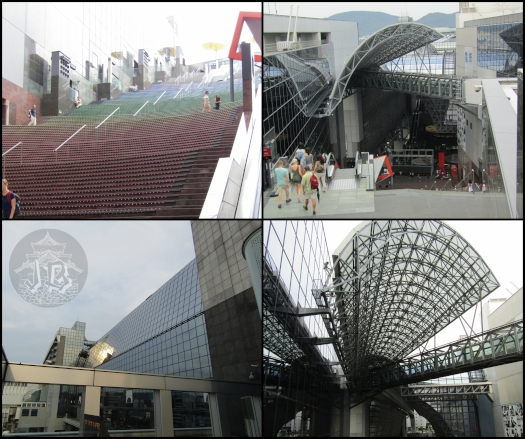
After the stamp success, I headed off back to the hotel to retrieve my luggage and undid my way to the station by subway. I had a while at the station, so I explored the building a little. Designed by Hiroshi Hara, it is one of the most “out of place” buildings in the city. It can be considered “futurist”, with an irregular glass-and-steal façade and illuminated stairs.

The stairs and wavy roof of Kyoto station

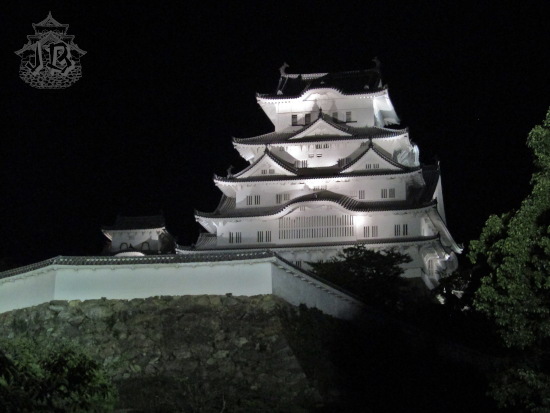
Finally, I jumped on a train to backtrack to Himeji [姫路], which is south of Kyoto. I timed the visit to Maiko Henshin so D****e could tag along, even if it meant going back and forth a little – travel was covered by the JR Pass though. Once in Himeji, I found my hotel and then went to walk around the castle. Actually, I should have been having some dinner but apparently I’m castle-distracted. I walked around the park and took a lot of pictures – and spotted some koi carps in the castle moats that were huge.

A Japanese castle lit up white at night.

31st December 2016 (and on): Seeing the year off with a dragon (gate) {Japan, winter 16/17}

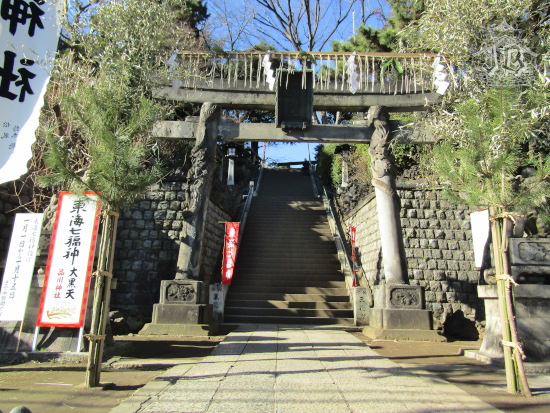
The first thing that I did in the morning was heading off to Shinagawa [品川] with D****e in order to see the third Dragon Gate (to complete the visit started on the 28th. This third dragon gate is the entrance to Shinagawa Jinja [品川神社], which was the biggest complex of all the three if you don’t count the Koen-ji gardens.

From one of the hills belonging to the shrine we could see a few of the nearby little shrines, so we went to check them out. And there was warm coffee on the way. Because I have not mentioned yet, but the same vending machines that expend my cold coffee in summer expend the same coffee in winter, but warm. Which makes you feel the sugar rush even harder warms your cold fingers.

After Shinagawa we went to Shinjuku [新宿] for a little bit of food and shopping, then Shibuya [渋谷] and Ikebukuro [池袋] just for shopping. Afterwards, we picked K***n up and headed off to Odaiba [お台場] to watch New Year’s Eve fireworks.

After the fireworks we had a snack in the DiverCity’s Calbee shop – crisps with chocolate, yes. It is a thing.

Then we set down to have a drink and kill a few hours in the food court until it was time to head back into Town as we were going to wait for the New Year at Hie Jinja [日枝神社]. And thus we waited…

30th July 2016: 。・゜・(ノД`)・゜・。 Last day {Japan, summer 2016}

I had set up my alarm at an insane time in the morning because I needed to take the trash out before 8am (between 7 and 8?! Seriously, Japan?). But in the end it was good – you see my contract said that I had to clean the apartment, wash and dry the sheets and vacuum the floors. Which was okay, until the fluffy cover sheet took an hour and a half to about 95% dry. Oh, and I packed. 23.1kg of suitcase (^◇^;).

Anyway, the previous day I had been unable to get the Gakucchi clearfile from the UFO catchers, but I still wanted to try again. As I had to be back at the apartment by 4pm to give the keys back and pass the inspection, I headed off to the nearest Taito station, the one in Ueno. Unfortunately, they did not even have the GACKT machines. So I decided to brace myself and go to Akihabara [秋葉原] to try to find an arcade. The first three – the Sega ones – were not successful at all. I was about to give up and go home very sad when I was finally victorious! I found the clearfiles in the Taito Station. The staff-San I approaches was not very helpful at first – probably my Japanese was not the most articulate at that point either – but when she realised what I was trying to tell her she got me the clearfiles (I had an order, aside from the one I wanted for myself) and placed the plush I wanted on the machine for me to try. Of course I was not successful but I have the clearfile and that makes me happy.
As I had a bit of time, I headed off to Yoyogi Kōen [代々木公園] and Meiji Jingu [明治神宮], as I wanted some omiyage. In the end, I offered an ema, and got some silly stuff. I also located the Like an Edison shop, but I stopped myself from going in because SUITCASE WEIGHT issues. I blame the Hyde is Dead photobook (; ̄ェ ̄). I got back and bought some suahi from the street stand down my block, ate, sneaked out the rest of the trash, and sat down to wait for the inspection. At this point I was feeling kind of sad. Okay, without the ‘kind of’.

But the inspection / cleaner guy was adorable and he was pretty early so I could do stuff in the evening that would keep me going. I went to Tokyo station so they kept my luggage and then I headed to Tokyo Tower [東京タワー]. I got up to the main observatory, and had been considering walking up, but I did not trust myself without seeing the stairs first. So I climbed up on the lift and took pictures and enjoyed myself. I also wrote a postcard to myself to get the special post stamp… yes I’m lame like that, but I had a message for my future self (・◇・)/~~~

I walked down, because I figured out that I could so that more easily and I enjoyed it immensely. Then I stayed for a bit in the Zojo-ji [増上寺] matsuri in Shiba Koen [芝公園] , retrieved my luggage and headed towards the airport.

On my way I got to say goodbye to the Rainbow Bridge [レインボーブリッジ] on the way. It might be worth mentioning at this point that I could not complete the check in, and that I has only registered until Frankfurt… whoops.

Fortunately, after a bit of haggling with the lady organising the check-in queue I managed to get through to talk to an actual assistant who could get me my final boarding pass. I found myself some karaage dinner before moving on.

27th July 2016: I could not miss an aquarium {Japan, summer 2016}

I mean, visiting aquariums is like a second nature to me when I’m in Japan. It seems that each has something that I really love but had not realised it before.

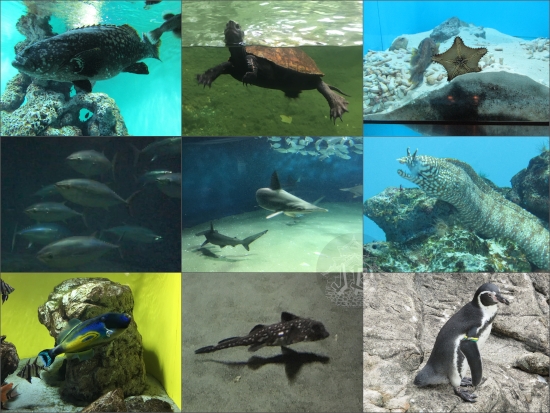
In this case I headed off to Tokyo Sea Life Park – Kasairinkai Suizokukan [葛西臨海水族館] in the namesake park, Kasairinkai Koen [葛西臨海公園], in Edogawa [江戸川], especially famous for keeping a tank of yellowfin tuna (all of which died unexpectedly last year and had been replaced though) <・ )))><<.

The aquarium is mostly an underground complex, accessible through the main dome in the middle of the park. During my visit it was full of parents with young children. For some reason, Japanese people believe that children must love fish? I don’t really understand… ~(・・?))

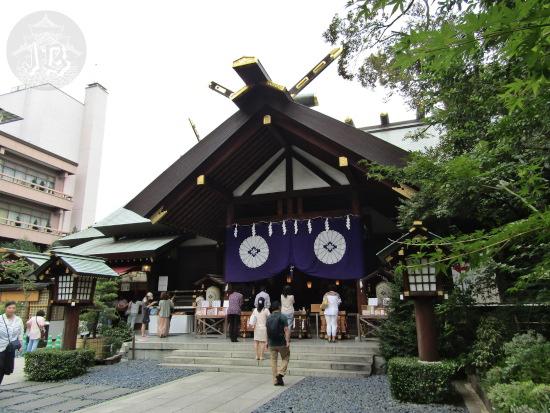
Before class I went to Tokyo Daijingu [東京大神宮] in Iidabashi [飯田橋], which is surprisingly quite small, and I think it has something to do with finding love?

At night I met with my new friend M. to try to find a cat café we were interested in and somehow did not manage to find, but we turned that into dinner and karaoke – Joysound, to watch the VAMPS special message v(^_^v)♪.

16th July 2016: Nagoya express (II) {Japan, summer 2016}

The day started with free breakfast that my hotel was providing, then I checked and set off to find a Shrine in the opposite block. It must have been the invisible shrine, because I did not manage to find it at all.
Then I set off to unwalk the path I followed the previous night to retrace the shrines, successfully. Everyone was getting ready for the festival so Nagoya Jinja [那古野神社] was very busy, and it was barely 8:15 in the morning (yes, I am a Japan early riser, who would have thought? XD)
And the same happened with Gokoku Jinja [佐屋護国神社].

I got to the Nagoya-jo [名古屋城] just before the hordes of tourists and had a quiet while to stroll around and take pictures. And when I say while, I mean couple of hours, because that is how I tick XD

Nagoya’s unofficial mascot is the kinsachi [金鯱] golden tiger-headed-dolphins, castle guardians to prevent the castles from burning (and that slack a little, as most castles have burnt down some time or another throughout history).

When I was coming out I stayed for a while watching the performance and rooting for some people just because they were pretty, even if I had arrived when it has all started and I did not know which clan was “the good guys” and which “the bad guys”. So yeah…

After the castle I checked on the temples again on my way to the metro. I had wanted to check the Gojobashi bridge out but it started raining pretty hard. Buying the Nagoya Eco pass proved impossible so I ended up just going in with the Suica, which worked without a problem. My next stop was Atsuta Jingū [熱田神宮], which enshrines the Sun Goddess Amaterasu. It is a bit out of the way so I decided to wait the rain out during the ride, and the plan worked. When I arrived at the shrine, the sky had cleared. A very nice ojiisan offered to show me around in broken English and I decided to encourage the system – Japan seems to be putting in place a system of helpful people to guide you in special tourist points, in different languages. I’ll support that.

Thus I went with the ojiisan who showed me around English. Even when I tried to switch to Japanese he would not really let me. He was quite impressed for for some reason that I knew names like Tokugawa or Nobunaga. After we were done with the tour I strolled around on my own again to take some pictures and enjoy the shrine. (I’m not a fan of this whole fad of Japanese older men acting as guides…)

Then I headed back to the metro system to get back to the central area and visited the Higashi Betsuin Kaikan [東別院会館], next to Nagoya TV and a Book Off.

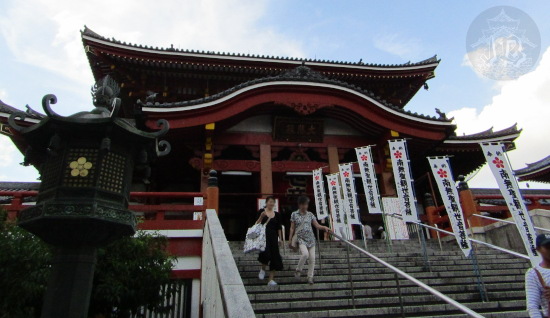
I also made a pause for a snack, and then headed off to the Osu Kannon [大須観音].

Walking towards it I came across the hip shopping district, and a small Shinto shrine that I think was the Kitano Jinja [北野神社], but I cannot tell for sure. Bummer, I should have gotten myself the Japanese map along with the English one to match names.

After that I was a bit on the tired side so I headed back to Nagoya station. I had some time before my train so I tried the typical local chicken wings, tebasaki [手羽先].

Then I spent my Shinkansen ride listening to music and playing with my phone and was very lucky to go into a TOKIO-commercial full Yamanote train from Tokyo station to Konagome.

And then I crashed into bed. Because I was tired.

14th July 2016: Liar, liar, pants on fire (and Komagome II) {Japan, summer 2016}

The weather report had been announcing clouds all day. It lied. A lot. Seriously, both the JMA and whatever data an iPhone uses, they were way out of the way. See, I used these reports to plan an outdoors day visiting some parks, temples and shrines close to my area. This meant walking for a couple of hours, but there I went.

The first problem was that the weather decided that clouds were overrated. I did not think much of it at first, but it would be relevant later. The second was that GoogleMaps decided to join forces with the weather report and troll me.

But let’s start form the beginning, and the beginning was the Kyu Furukawa Teien [旧古河庭園], a garden apparently famous for their rose festivals. No roses in July, but a very neat Japanese garden. I’ve never been much of an English Garden fan unless there are flowers, so I did not pay much attention to that part.

After the gardens I headed off towards the Oji [王子] area, checking out Hiratsuka Jinja, Takinogawa Park and Nanasha Shrine until I made it to the park called Asukayama Koen [飛鳥山公園], where for the first time this year I heard the cicadas singing like crazy. It’s officially summer in Japan, bugs dixit! It’s not a matter of the heat, the rain, or anything like that. In the end, the cicadas mark the time.

The park holds a few museums and In one of the corners Oji Jinja [王子神社] can be found. If Google agrees that it even exists. But alas, success in the end.

After an odyssey to find the Shrine and once again fight Google regarding yes, the Oji Inari Jinja [王子稲荷神社] exists, I managed to find the latter. Close to one of the crossroads I had been to before. Twice. Thanks, Google (-_-;)

Then I decided to head off to where my academy is, Iidabashi [飯田橋]. My destination there was Zenkoku-ji [善國寺], which was surrounded for some reason by no less than four Spanish restaurants. I am not brave enough to try those but there was a nikuman shop that did catch my attention. I also made a short stop at the local Book Off in order to check it out and get OFF THE SUN for a few minutes. At this point I had just realise that I had been indeed walking around in the sun for three and a half hours and I was… Burnt. Quite so. Damn it.

But it did not end there. Nooo, why would it end there? Then it RAINED 雨雨雨. When I had to do my laundry and get it dry, of course, because the next day I was over to Nagoya and wanted to make sure I had clothes to wear. And I studied because I had an exam the next day, and the previous one had been disastrous.

13th July 2016: Here we go again! {Japan, summer 2016}

I am a creature of habits and I won’t deny that. I will however wonder how come my phone thinks about autocorrecting ‘gabits’ to Gackt, which is interesting to say the least. Anyway. On July 12th I realised that my 朱印帳 (しゅいんちょう) or seal book was lacking one of my favourite Temples in the World! So off I went to Zojo-ji [増上寺] with my newly-activated JRPass. I gotta make the most out of it because it was expensive, mkay? ( ̄^ ̄)ゞ

Anyway, off I went to Hamamatsucho and I had a very beautiful flashback to the first time I saw Tokyo Tower [東京タワー], coming from that station. A lot of things have changed since then. I wandered around Zojo-ji temple, Shiba Koen [芝公園] and the base of Tokyo Tower for a while.

Later, I headed off to Ueno because the previous day I had not eaten Ichiran Ramen and I wanted Ichiran Ramen. I went with time to be able to wait out the queue. Once again I freaked some poor kid out. This was staring to get tiresome.

Ichiran is a restaurant designed for people who eat alone, and you have a little ‘booth’ to do your thing. Some people find it outrageous/controversial but as a lone traveler I love it. And if you are not alone you just take down one of the booth walls and you’re free to talk to whomever you came with. And the ramen is quite nice. And hot. But the restaurant is cold even with the hot ramen and always being packed so I guess it is fair enough.

After lunch I went back to Ueno station to make my reservations for the trip I was planning along the weekend and I decided to go to Ikebukuro again to get a CD I had not bought the day before as I was not sure it was the one I wanted – and the Internet was not cooperating. Once again I had to brave Ikebukuro station and this time I kind of gotten things sorted out! Let’s see how long I manage to remember what to do. Then I headed off to class.

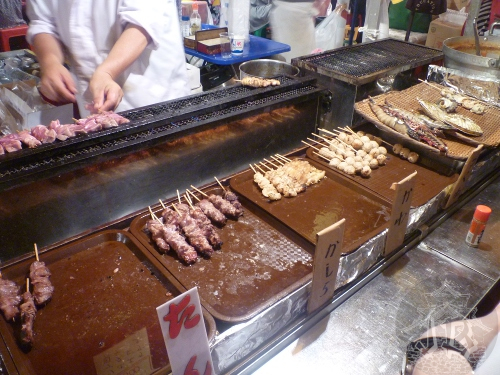
After class I walked over with T. to Yasukuni Jinja [靖國神社] to check the about-to-open Mitama Matsuri (festival), but we did not stay longer than the necessary to get some yakitori and be on our merry way.

4th July 2016: Scary, scary… aaaaaah {Japan, summer 2016}

After hitting for Gackt’s concert, I figured out that I would ballot for the insanely impossible birthday party – GACKT’s 43rd Birthday Party in ANA InterContinental Tokyo, located in Akasaka [赤坂]. And somehow – somehow – I hit. I might have been a little in histerics about the whole thing for a while, especially with how strict the dress code seemed to be.

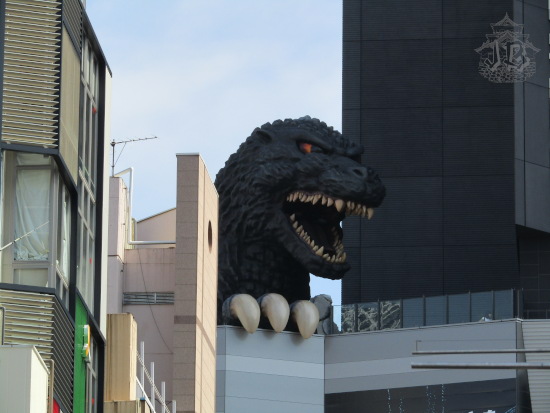
Before that I organised a swift visit to Harajuku [原宿] and Meiji Jingu [明治神宮]. For starters, I wanted to catch Godzilla in Shinjuku [新宿], which I did not do last year – I had stolen a glimpse of him when I had picked my keys up.

Godzilla, a giant mutant iguana, peers throughout the building roofs, roaring

Then I headed over to Harajuku [原宿] and I had a stroll down Takeshita-dōri [竹下通り] (天気がいいから、さんぽしましょう、and so XD) and into Yoyogi Kōen [代々木公園] to show Meiji Jingu [明治神宮] to T**y. Then I headed back home to get ready because PANIC!(◎_◎;) I was ridiculously nervous about the event. Fortunately, it worked out almost perfectly.

The event itself consisted on a formal dinner, and a later appearance of the birthday boy himself and the band to… basically have a drinking game, a card game, and a talk show on stage. It was a lot of money to be honest, and I don’t think I’ll ever feel the need to do something like it again, but I am glad that I was crazy to do it at least once. I unfortunately had to leave before it finished in order to make it to the last train, so I missed the songs *sigh*. Nothing is perfect I guess.

Pictures I snuck at the party - flowers, the screen with the logo, my invitation, then the food - sausage entree, soup, salmon, fillet, and chocolate cake, along witht the shot glass we got as souvenir

1st September 2015: Downpour Shibuya {Japan, summer 2015}

D****e and I headed off to Harajuku [原宿] to check out the idol shops, but I wanted a quick visit to Meiji Jingu [明治神宮] to get the calligraphy from there. I had never been able to find out where they did it, and it was good to have some Japanese-speaking person around. We were surprised to walk into some kind of religious parade I still have got to research.

Afterwards, through a downpour, we had a look at Takeshita Doori shops. When it was almost noon we headed off towards Hachiko in Shibuya [渋谷] as we had agreed to meet a friend for lunch – shabu shabu in Shibuya’s Nabezo and then headed off to Cosmo Planetarium Shibuya [コスモプラネタリウム渋谷], which is a really neat place with very comfy chairs that lean back… yep, you guessed it, I zonked out. In my defence, I shall say that… all Japanese and a talk about gravity and I was getting dizzy with the 3D screen…

After a quick visit to Tower Records for a magazine I was looking for (and in the end got a wrong one, but oh well…) we had yet more karaoke (in a huge room) and eventually headed off home to have some CocoCurry.

17th August 2014: Meiji, more Odaiba, Rainbow Bridge {Japan, summer 2014}

I started the day heading off towards Yoyogi Kōen [代々木公園], the park where Meiji Jingu [明治神宮] stands. I got my fortune in the shrine, and apparently, it shall be excellent from now on (and wouldn’t that be awesome). I got an English fortune and it came with a tiny Manekineko (lucky cat) and told me that my life was going to get better. I am going to cling to the thought. (Plus: I did not get dengue fever from my visit to Yoyogi Park).

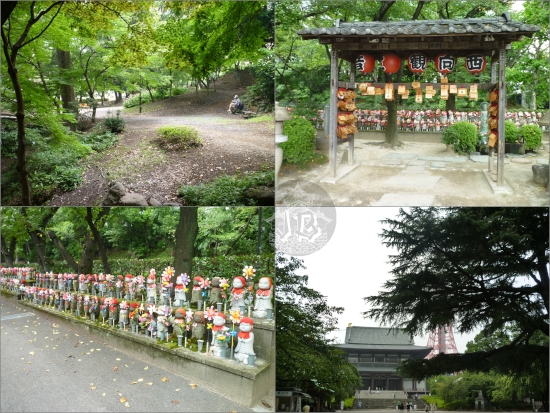
After that I took a stroll down to Shiba Kōen [芝公園] and Zojo-ji [増上寺] in Minato [港], just because I could, but I had to move on before long. I did have the time to say hi to the mizuko, though, before I had to leave.

I met my friends for ComiKet [コミケット] in the convention centre Tokyo Big Sight, in Odaiba [お台場]. Comiket is reportedly the largest amateur comic convention in the world.

ComiKet was disappointing, mostly because it was insanely crowded, and we decided to make up for it walking back to the main Tokyo area crossing the Rainbow Bridge [レインボーブリッジ], which was an amazing experience. Not only the views, but the whole walking on it… well, within it might be more appropriate… was great, and I am very glad I got to do it.

The day ended in Ikebukuro [池袋] eating okonomiyaki and monjayaki (with some sides because huuuuungry), which was quite yummy, although I have decided that I prefer okonomiyaki.

1st July 2013: Wandering on a Monday {Japan, summer 2013}

Many national places like museums are closed in Japan on Mondays, so I thought I would visit the Imperial Palace East Gardens, Kōkyo Higashi Gyoen [皇居東御苑], which are considered a public park and should therefore be open, right? Wrong. Closed too. Thus I got a few pictures of… the moat and wall XD

I decided to head down to Yoyogi Kōen [代々木公園] and Meiji Jingu [明治神宮], as it was a place I enjoyed a lot last year and was closer than most my other options – and bound to be open. I took a few pictures I could not because it was raining in 2012, among them one of the daitorii up.

I met with a friend in the Minato-ku area, as Tokyo Tower [東京タワー] is a good meeting point and I still had to see Zojoji open. It was finally a success and I got an awesome omamori that turns bad luck into good luck (summer special, too!). What, you thought I had gotten over my omamori liking? You thought wrong XD

Finally I headed back to Roppongi [六本木] to meet with D****e and try the Roppongi Hills [六本木ヒルズ] observatory again, which was a success this time:

13th July 2012: Modern & Hip vs. Spriritual & Traditional {Japan, summer 2012}

There was nothing to fear about Friday the 13th, considering that Kinkakuji had predicted me an excellent fortune (yay!), and it started with a niiiice breakfast – Swallowtails‘ cheesecake.

The first stop of the day was skipped due to a train mishap: I missed the stop and did not realise until I had transferred to another line, so backtracking would be expensive. I was not deterred and moved on to my second destination: Ginza [銀座]. Ginza would be the expensive shopping district, and to be honest it did not give me too much of a good vibe.

Not too happy with the place, I decided that since I could ride the Yamanote line for free (Japan Railway Pass = ♥) I would do a couple of other exteriors. The first one was Tokyo Station [東京駅] which was being renovated, so most of it was covered in white fabric.

Afterwards I headed off to Akihabara Electric Town [秋葉原], the place of Tokyo that seems to have more gaijin per square metre. Akiba lives up to its reputation of flashy, hentai, and maido-café infested. Sadly, the Mandarake was doing some kind of renovation and the usual entrances were closed, so I could not find the way into the… interesting section.
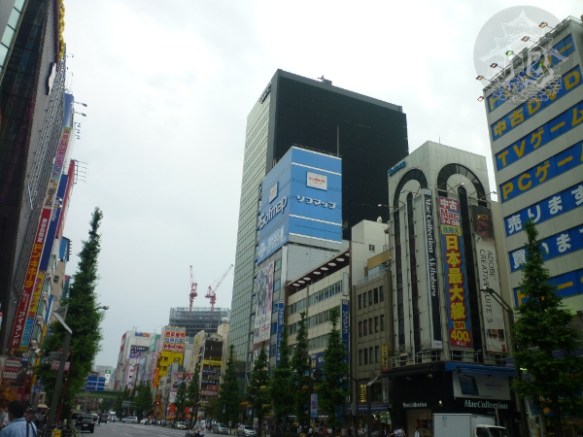
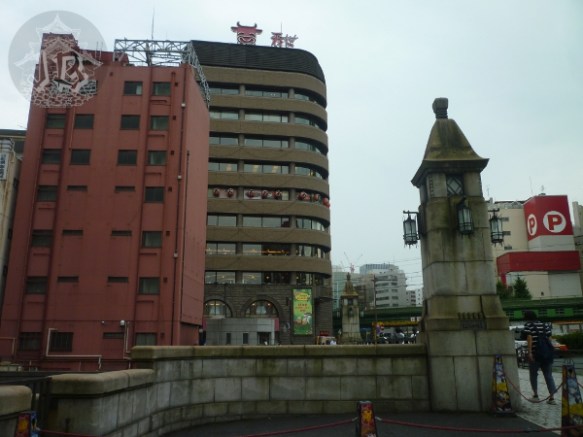
On top of the usual Akihabara scenario, I also found some remains of old Tokyo, among them this old stone bridge, Mansei Bashi [万世橋]

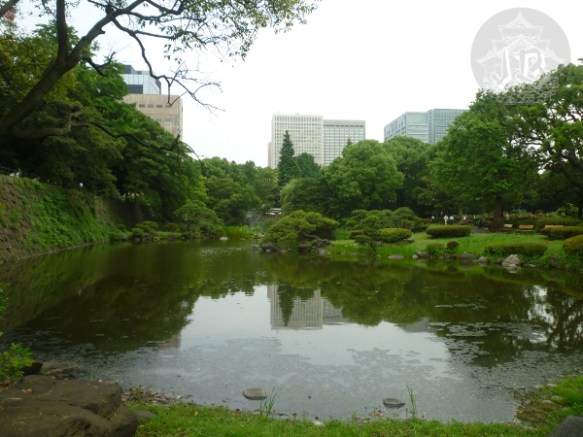
The evening’s destination involved a transfer in Ginza again, so I backtracked towards it. Instead of going into the shopping district, though, I headed off to Hibiya Koen [日比谷公園], which reportedly was were the first shogun houses were, around the Imperial Palace.

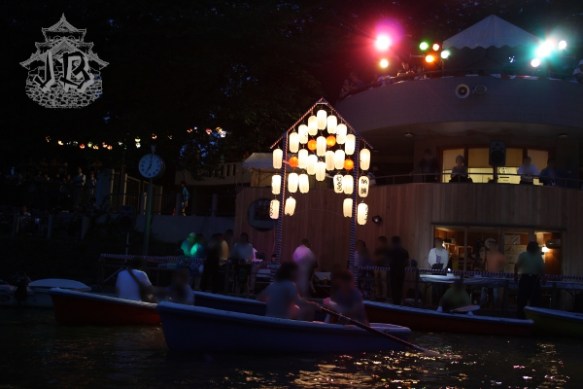
After some rest and chocolate cookies, I set off towards quite literally the other corner of the castle, to Kudanshita [九段下]. We have heard about the Chidorigafuchi Toro-nagashi, a matsuri (festival) that involves a number of boats releasing lit lanterns on the water in the Palace Moat at Chidorigafuchi Koen [千鳥ヶ淵公園]. Sounds a pretty thing to see, right? Right. Thing is that Kinkakuji fortune kicked in, so when we arrived there had been a cancellation on one of the boats and… we became part of the festival.

Chidorigafuchi Park is close to Yasukuni Jinja [靖國神社], where yet another festival, the Mitama Matsuri, was being held. We had matsuri food (yakitori), admired the lanterns and heard a bunch of young men doing taiko (traditional drumming). It was beyond amazing an evening.

6th July 2012: 東京の雨(傘) {Japan, summer 2012}

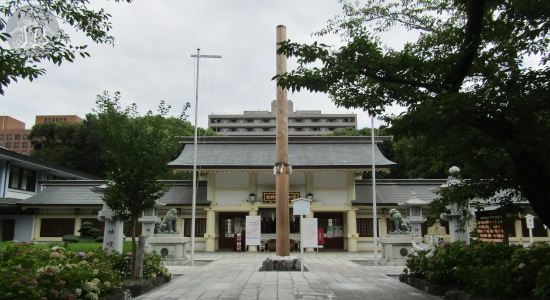
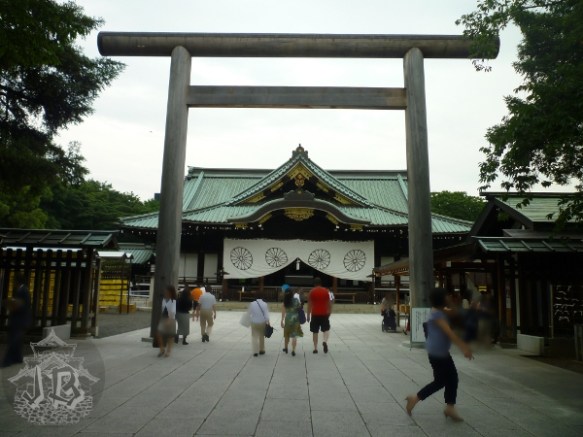
On Friday I walked a lot but saw fewer things. I started with Yasukuni Jinja [靖国神社], which was preparing for a matsuri (festival), as you can see with all the lanterns. The lanterns had names in them and I have the chilling feeling that there’s one for each Japanese soldier who died in WWII – Yasukuni Shrine is dedicated to the fallen in that war.

A wall of yellow paper lamps being hung outdoors

A torii gate and a shrine behind it. The shrine is hanging the imperial banner. The building is made out of dark wood with golden decoration, and the roof is green-grey

The shrine visit was followed by a 30-minute stroll toward the Diet Building [国会, Kokkai] , which is something like the Parliament. Surprisingly enough, I got there without much trouble. I checked points with this because a) is cultural building b) is a barrier in X Clamp and c) is where the Shinigami in Yami no Matsuei are based. Risky picture in the middle of a crossing too! (pedestrian light was green, so not that impressive, to be honest.)

A severe looking building, closed off by fences and guarded by the police

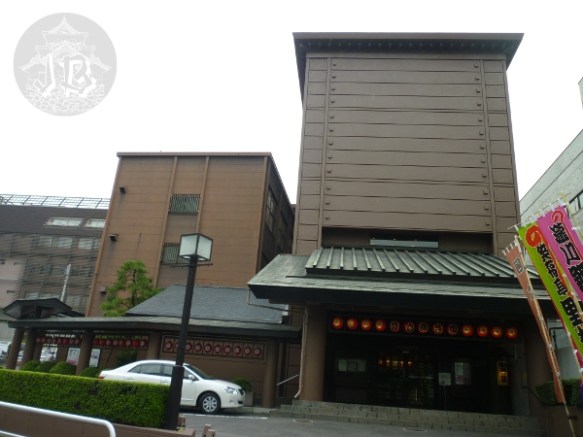
As I was walking towards the Diet I found the National Theatre by chance. It was not in the plan, but i decided to check it out:

A shoebox-like building, in brown, with some reddish paper lanterns at the entrance

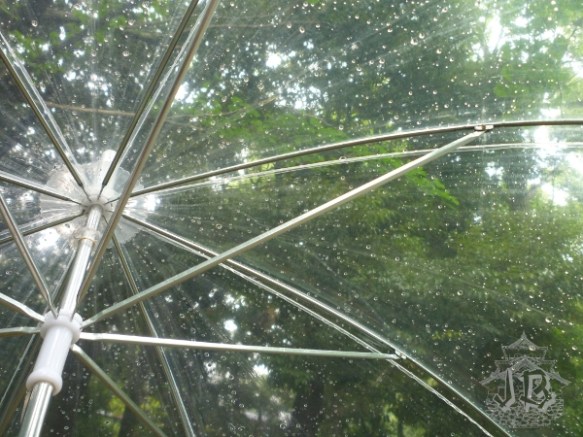
It started to rain and I was heading to Yoyogi Kōen [代々木公園], where I took a series of fun pictures through my (D****e’s) umbrella. It did not work as well as I hoped for though XD. Originally Yoyogi Park was conceived as a sacred forest around the Meiji Temple.

Trees through a transparent plastic umbrella

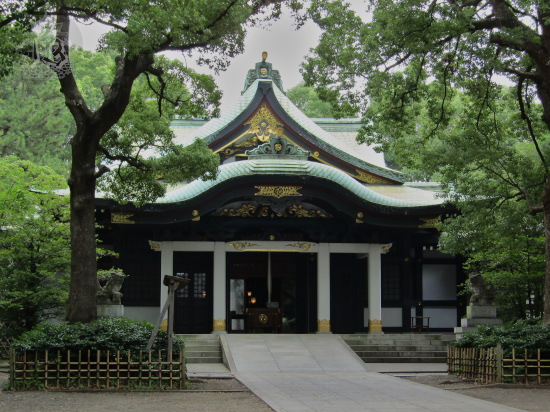
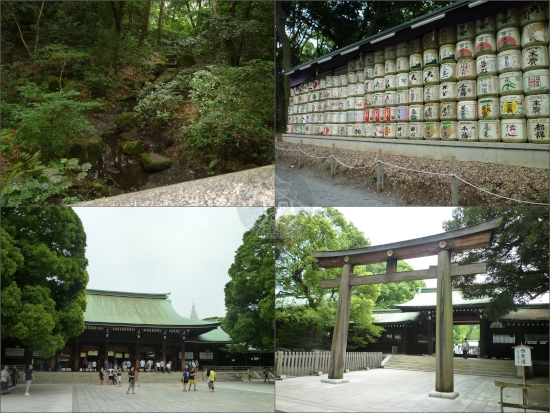
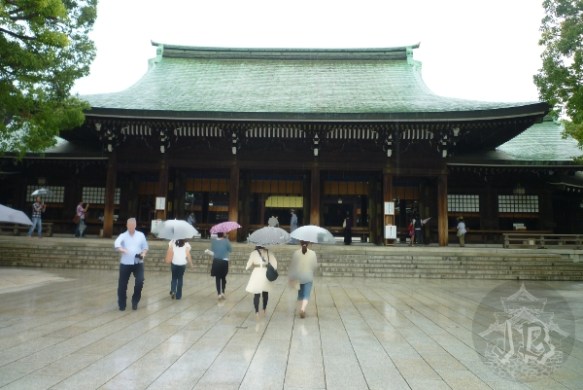
Thus, Meiji Jingu [明治神宮] was erected in the middle of the sacred forest of Yoyogi to honour the Meiji emperor and his wife. It is a very impressive complex, to be honest, and not even the bunch if tourists manage to break the spell of the place.

The entrance to Meiji Jingu, with a torii, and a small fountain to the left, and a lantern to the right

The main building of Meiji Jingu, in dark wood with a grey roof. A few people are approaching the building, all of them are carrying umbrellas

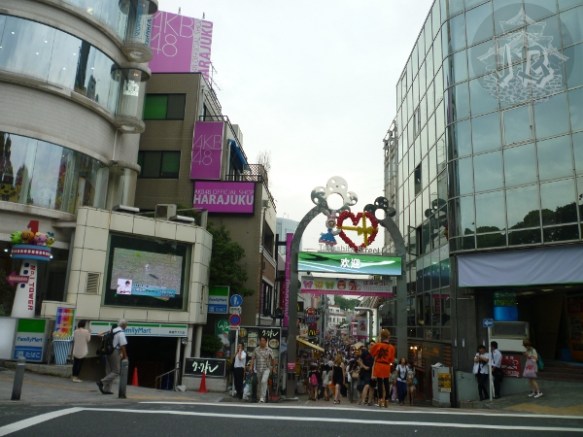
Finally I took a walk down Harajuku [原宿], where I, fortunately, did not buy anything. I swear, this country eats money way too fast…

A shopping street. The entrance is decorated with balloons strung together to look like a heart

Stay tuned for the tale if our trip to Nikko on Saturday and how we did not go to see the waterfall… the waterfall came to us. It was not the deluge… but almost. 大雨.

Title translation: Tokyo no Ame(gasa), it’s a pun on Tokyo’s rain and Tokyo’s umbrella. The Japnese word for rain is “ame”, and the word for umbrella is “amegasa”