30th March 2025: Sant Pau, Verne & a chocobo {FFVII Barcelona 2025}

The Barcelona hotel charged 20 € per day and person or breakfast, and I was not willing to pay for that, and so I told my sibling. They had no option but to accept since they had decided to delegate all planning and credit-card’ing on me. Instead of booking with breakfast, I brought cold latte bottles and snacks – good for taking headache medicine, which I did. After a quick breakfast, we set off. As we left, I asked at reception if they could do something about the air conditioning.

We headed towards the underground. It should have been an easy twenty-five-minute commute, but one of the stations was half-closed. We had to go outside and walk towards the other entrance to change lines, which was strange and consumed a ridiculous amount of time. We had to be at the ticket booth of our booked visit ten minutes before the allotted time, and we barely made it – though they did not seem to care. When I was looking at tickets, I found a combined ticket that saved us 10 € for two iconic buildings in town that I had not visited before. That however implied exchanging vouchers for tickets, thus the extra time.

We reached the former hospital of Saint Paul Sant Pau Recinte Modernista ten minutes after I had anticipated, right at the time we had to be there. Sant Pau is a huge hospital complex erected between 1901 and 1930 by architect Lluís Domènech i Montaner (1849 – 1923). Domènech favoured Modernisme, and is considered one of the most influential architects in shaping it. He designed buildings which balanced functionality and decoration, with lots of mosaics and polychrome. Though the precinct had been a hospital since the Middle Ages, it was completely redeveloped for the early 20th century project. Today, it is half of the Unesco Heritage Site Palau de la Música Catalana and Hospital de Sant Pau, Barcelona.
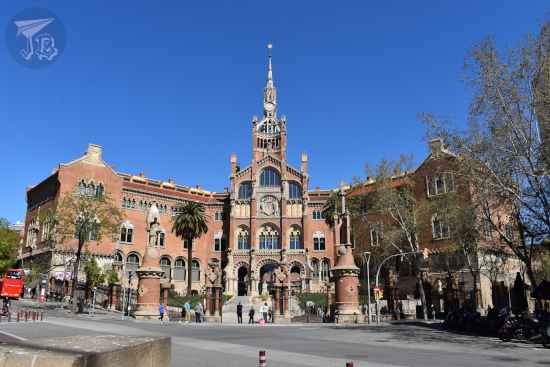
Hospital San Pau from the street

The hospital is considered one of the most important, and largest, complexes in the local Modernisme style. The complex was designed with 26 buildings, 12 of them pavilions for patients, separated by sexes and kind of disease. The pavilions were connected by underground tunnels, leaving space for gardens and open spaces between structures. It was originally conceived to be self-sufficient, closed off to protect the rest of the city.

Hospital San Pau, outside

The buildings are erected in brick, and decorated with ceramics both inside and outside, some of them forming complex mosaics on the roofs and ceilings. After a new hospital was built next to the original one in 2009, the complex was recovered as a museum in 2014. We could visit the pavilions, the tunnels, and the administrative building. The whole enclosure is magnificent, and incredibly large. It took over two hours to see everything we were allowed to visit and I loved every second of it. Well, except the pavilion with political propaganda.

Hospital San Pau, interior

Afterwards, we headed out towards a fun restaurant I had found online – Verne Barcelona, decorated simulating Captain Nemo’s Nautilus from the novel Twenty Thousand Leagues Under the Sea by French writer Jules Verne. We shared a cone of tempura vegetables and I ordered a “Submarine” – a sandwich made from toasted brioche bread – called Turtle, with battered squid, sauce and salsa (I just don’t understand how they are supposed to resemble a submarine…).

Verne Barcelona

We headed back towards the hotel, stopping at a Starbucks for a coffee – a matcha in my case – because I helped my sibling dress up for the concert. We had been carrying the cosplay after all, of course they were going to wear it!

We were in Barcelona to attend the Final Fantasy VII Rebirth Orchestra World Tour, to be held in the CCIB – Centre de Convencions Internacional de Barcelona. Final Fantasy is an expanded video game anthology which set off in 1987. Since then, it has spawned 16 main games and countless spin-offs, media, plushies, and remakes. One of the most famous games is the seventh instalment, Final Fantasy VII, released in 1997. The game is set in a cyberpunk dystopia where energy is obtained by draining the Planet’s life-force. Gameplay follows the adventures of a party which opposes the system, embodied by the electric company Shinra, while at the same time trying to stop the main antagonist – mad soldier Sephiroth – from destroying the Planet itself.

Since 2015, Final Fantasy VII has been under redevelopment into a trilogy using modern graphics. The first game was Final Fantasy VII Remake, released in 2020, whose music had its very own World Tour in 2021. The second instalment, Final Fantasy VII Rebirth came out in 2024, and its music event – Final Fantasy VII Rebirth Orchestra World Tour – began almost immediately, ending precisely with our concert.

We were at the queue already when doors opened, but not early enough, so we needed to line again for the merchandise booth, almost an hour. It was in that queue where something amazing happened. When we attended the previous concert Final Fantasy Distant Worlds 35th Anniversary – Coral –, we were stuck at the merchandise queue for about an hour too and by the time we reached the front, they had ran out of most of the items. That included what I wanted the most – the chocobo plushies. Chocobo are a recurring species in the Final Fantasy franchise, large birds that can be ridden in-game, and in real life be sewn into cutesy toys.

It turned out that in 2023 the last chocobo plush had been bought by the guy who was sitting behind me. I might have made some jokes about stealing it and running away, and he promised to get me one for the next concert. I of course filed that under “one encounter silliness” and forgot all about it.

Well, he did not.

In that queue, two years later, he found me, and he gave me a chocobo plush. He actually found my sibling, who was easier to identify due to the cosplay. I was absolutely flabbergasted. Gobsmacked. Never in a million years would I have expected something like that to happen. Just… figure that everything that went on afterwards was coloured by a feeling of puzzlement and amazement at this stranger’s kindness over a silly plush I wasn’t able to buy two years before.

Chocobo!

We got to the front of the line over an hour later, almost at the time of start. I only wanted a programme, and we were seated around 20:50. I am good at choosing seats, by the way. We were dead centre at a great distance from the stage.

Setlist:
  First part:
  1. The Unknown Journey Continues
  2. FFVII Rebirth Opening
  3. Main Theme of FFVII – Battle Edit
  4. A New Journey Begins: Grasslands / Junon / Mt. Corel
  5. Crossing the Planet: Corel Desert / Gongaga / Nibel
  6. Queen’s Blood
  7. Stamp – Rebirth Medley
  8. Rufus’s Welcoming Ceremony – A New Leader
  9. Costa del Sol – Fun in the Sun
  10. Custom Valkyrie
  11. End of the World Medley
  12. Cosmo Canyon – Sanctum of Planetology
  13. Bare Your Soul
  14. Welcome to the Gold Saucer
  Second part:
  15. Loveless Symphonic Suite – Gift of the Goddess
  16. No Promises to Keep – Loveless Ver.
  17. Galian Beast
  18. J-E-N-O-V-A Lifeclinger
  19. Sephiroth Reborn Symphony
  Encore:
  20. One-Winged Angel – Rebirth Medley
  21. Aerith’s Theme – Return to the Planet Medley

Final Fantasy VII Rebirth orchestra playing

The orchestra was directed by Eric Roth. It was all right, I enjoyed it. However, I don’t think it was as powerful as the first one I saw, but that one was the first post-Covid event so it was emotional in other ways. Then again, I am not a gamer. I just watch gameplays on the Internet… I was a bit disappointed by the arrangement of One-Winged Angel, it felt… too elegant. What I love about the song is the pure chaos it represents, after all.

In attendance was composer Masashi Hamauzu [浜渦 正志 | Hamauzu Masashi]. He started working for Square Enix in 1996 under Nobuo Umematsu, the main composer of Final Fantasy VII music. Hamauzu’s first direct work related to the saga was the Chocobo’s Mysterious Dungeon soundtrack in 1997. He was in charge music for the Final Fantasy VII spin-off Dirge of Cerberus and alongside Mitsuto Suzuki, he has worked in both Final Fantasy VII Remake and Final Fantasy VII Rebirth.

After the concert, we joined the VIP queue for pictures and autographs. Though I had brought the CD from the time before – when I did not get the pamphlet – I was equipped this time. And I even managed the Spanish – English – Japanese cacophony without messing up either of them. That’s a first for me, I think. I got my programme autographed on the setlist page, and then my sibling and myself headed back to the hotel. For 179 €, I keep thinking the VIPs should at least get their own merch queue, or an item to get signed. I guess there are lots of people to get paid…

Eric Roth and Masashi Hamauzu signing autographs

Something that surprises me a lot about this area of Barcelona is that not even the McDonald’s at the shopping centre is open after 23:00, so I always make sure we buy something to snack after the concerts. The room was at least not freezing, though not particularly welcoming either. I had a hot shower, and that finally got rid of my headache, just in time for bed…

28th May 2024: Architecture and a niche restaurant (Madrid, Spain)

I was talking to an acquaintance whose child likes superheroes – so does the acquaintance, actually – about Comic Planet. After exchanging experiences, they mentioned that their spouse also enjoyed another thematic restaurant, and I decided that it could be a fun thing to do – and since they don’t take reservations for one, I roped my sibling into tagging along. And of course, since we were braving the horribly-working trains, I felt we should fill the day out. We could not leave early in the morning as I would have liked because I had this stupid bureaucracy appointment I had to get out of the way first.

We arrived in Madrid around 12:30, and our first stop was the Casa de Correos, an iconic building in the middle of the square Puerta del Sol. I did not even know you could just visit that building, nor that they ran exhibitions. It was a cool opportunity to check it out. Furthermore, the exhibition was actually something that I was quite keen on – the architect Antonio Palacios, commemorating the 150th anniversary of his birth. The exhibition, called “the Metro architect” Antonio Palacios, el arquitecto de Metro, is part of the network of museums managed by the underground company Metro. It consists mostly of photographs, a few of them by photographer Luis Lladó, an original model of Palacio’s project to renovate Puerta del Sol, and a modern model of a now-lost station, including lifts. It was a bit underwhelming, but still worth it – and free, so it was good either way.

Exhibition Antonio Palacios El Arquitecto de Metro

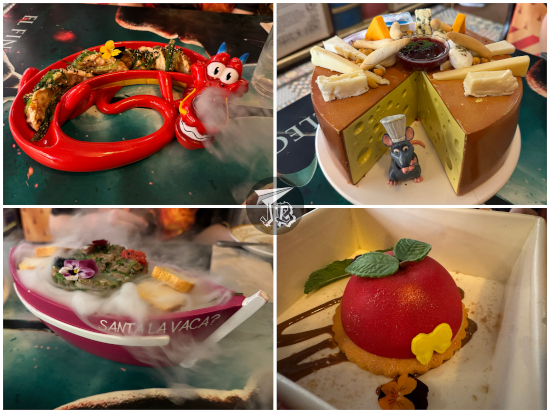
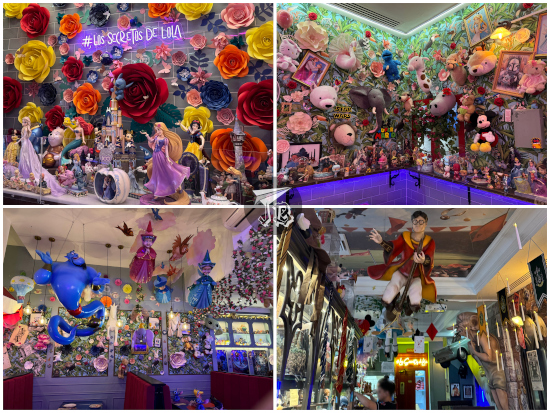
Afterwards, we headed out to the restaurant for our 13:30 reservation. The place is called Los Secretos de Lola (Lola’s Secrets ). It used to be just another bistro-grill in a street full of them, but some time after the pandemic, it reinvented itself. The restaurant has slowly turned into a Mecca of childhood mementos – Disney princesses, teddy bears, Harry Potter, Funko Pops… and crazy fun references like a Möet&Chandon spray to clean the tables. A lot of the food comes in a special piece of dishware – most of it Disney, but I can’t tell whether it’s actually licenced or a bunch of knock-offs. It was hilarious anyway. Though I am not much of a Disney person (my sibling is), my favourite film of theirs would be Mulan, and I just about lost it laughing when I checked the menu beforehand – I saw that they served gyoza in a Mushu-like dish, and decided we needed to order that. I was open to negotiation about anything else, really, but not the gyoza. The pasta in the Lady and the Tramp dish was also hysterical, but I could do without.

We reached the restaurant on point, and the owner directed us inside. We got a really cute Stitch table, but my sibling was not comfortable on high chairs, so we were accommodated at a Harry Potter one. We shared the non-negotiable teriyaki prawn-and-vegetable gyoza with wakame and bean sprouts, served on a Mushu-plate: Gyozas de gambas y vegetables al teriyaki, a plate of cheese Tabla de quesos variados (Blue cheese, Havarti, Mimolette, Emmental, Basilio, butter and breadsticks, on a Ratatouille’s Remy plate, which I had also found adorable) and a bluefin tuna tartar Tartar De Atún Rojo (on a little boat – I asked for no mango, and it was honoured; this was probably the weakest dish though). Finally, I tricked my sibling into a dessert called “Snowhite magic apple” Manzana Encantada Blanca Nieves: red chocolate capsule with white Kinder and a heart of caramel sauce, which came in an adorable “present box”.

Decoration: Los Secretos de Lola

Food Los Secretos de Lola

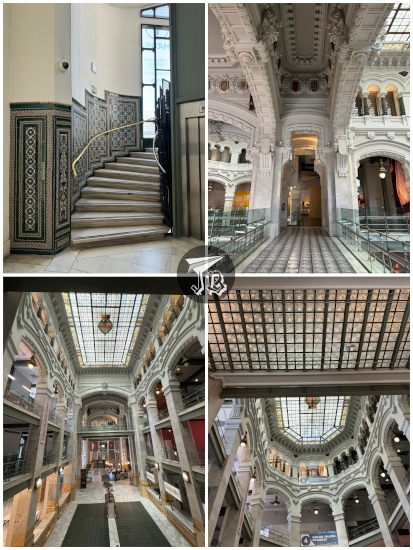
The food was good, and I really like themed restaurants, I guess, even if they are not “my” theme. We did not stay for the two hours, I think we were on our way after an hour and a half – and when we asked for the check, it came in a Frozen music box. Then, we left towards Palacio de Cibeles, the old “communication palace” of Madrid, designed by Antonio Palacios and Joaquín Otamendi, and erected between 1907 and 1919. It is considered one of the first and most important Modernist buildings in Spain, constructed in biocalcarenite, with three stained-glass skylights, catwalks on the third floor, and a magnificent lookout on the rooftop. Part of the building is being used by the town hall, the other by the public entity CentroCentro, which runs cultural activities in the open spaces – mostly conferences and exhibitions.

Palacio de Cibeles

We arrived a bit before 16:00. Since we had a ticket for one of the exhibitions at 17:30, we checked whether we could find a ticket for the rooftop. We found available slots at 16:30, which was great. Before the viewpoint access, we had time to wander around. Most of the free exhibitions were of modern art, and not that interesting, and I was more focused on the building itself. There is one dedicated to the World Heritage site Paisaje de la Luz, explaining why the area deserves its UNESCO place.

We found the staircase to one of the towers and we used it to move it through the different floors. It is a spiral staircase around the lift, with Palacios’ typical green tiles similar to the ones he used at Maudes hospital and Chamberí station. The catwalks were paved with glass tiles, and it was quite impressive above all. I loved the building, but after all, Palacios is one of my favourite architects, so it was to be expected.

Inside Palacio de Cibeles

Then, we went up to the rooftop, where we could have a view of all of Madrid around us, most interestingly one of the main arteries of the city – Gran Vía. The weather was great, maybe a bit too bright. The turns were 30 minutes, but we were done in about half the time, after taking two walks around the middle tower.

Lookout on the rooftop of Palacio Cibeles

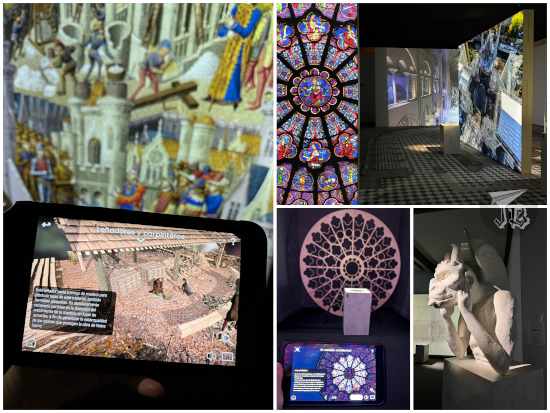
We went down and sat for a little before we headed down to the basement to see “Notre-Dame of Paris: The Augmented Exhibition” Notre-Dame de Paris: l’Exposition Augmentée. It was only 3€, so I was not expecting much, but it actually blew my mind.

The experience was created by the company Histovery, which specialises in “virtual exhibitions” through an interactive tablet called “HistoPad”. The Public Entity in Charge of the Conservation and Restoration of Notre-Dame de Paris cooperates with the event, and the beauty company l’Oreal is a sponsor. The exhibition (which is simultaneously running in several parts of the world) follows the history of the Parisian cathedral Notre-Dame de Paris – it starts with the 2019 fire, which is a bit heart-wrenching, and then it covers a few key moments in the history of the cathedral, using a mixture of written information, videographs and a “treasure hunt” where you have to find pieces of a puzzle hidden within the virtual information. This is done using the tablet to scan 21 “time portals” that take you to a particular point in history.

Around 1160. The Dream of a Builder. At that time, Bishop Maurice de Sully came up with the idea to build a new, better, cathedral in Paris. The previous one was a smaller, Romanesque building, but the goal was a larger, architecturally impressive building. In this room (the second, actually, but the first chronologically), you find out about the “treasure hunt” – you need to find a number of hidden “light spots” to build a “stained glass window”.

Around 1180. The Gothic choir. This makes a small overview of the kinds of workers that helped in the construction, the kinds of stones, building materials – quarries, forests. I was extremely disappointed at this point when I came across a dog in the virtual quarry, but the program did not let you pet it.

1241. The Holy Relics: Louis IX, the future Saint Louis, bought the Crown of Thrones in Jerusalem and brought it to Paris. There was a great procession into Notre-Dame, where the relics were to be kept. Here there’s a spectacular recreation of the gates with the original polychrome sculptures and decoration.

1645. The Royal Promise: Widowed Queen of France explained to her son, future Louis XIV, that he was to renovate the choir of the cathedral and build a new altar, dedicated to the virgin Mary. This was the original splendour of Notre-Dame, before the French revolution broke out – the church was one of the targets of the revolutionaries, and a lot of the art was damaged and / or destroyed.

1804. The Imperial Coronation. After the French Revolution, Napoleon crowned himself “Emperor”, but a very “equal and revolutionary” Emperor. He held a ceremony for himself in Notre-Dame, with the presence of the Pope and everyone who was anyone in the totally equal new society.

1857. The Spire. Enter Viollet-Le-Duc, a major architect and restorer in France’s 19th century, whose theories influenced countless others. He revalorised gothic style in the country, managing to turn it into a “national style”. The man had the goal to restore and create buildings in “the gothic style that would have been if the Medieval workers had had the technology he had access to”. Historians have not been kind to him, accusing him of “inventing” stuff instead of “restoring” but kudos to him, he managed to make a lot of buildings survive to our time. In Notre-Dame, he is responsible for putting back a lot of the sculptures that were destroyed during the French Revolution. He also built the spire that famously collapsed in the 2019 fire.

2019-2021 (first and last rooms). A description of the restoration works that have been happening in and outside the cathedral since the fire, with special attention to the Paris firefighters who worked the incident. There is a very interesting part about safely removing debris and the original scaffolding, and the fact that there was a lot of lead in the cathedral that the workers had to be safe around. They also homage the “vertical workers” who had to remove collapsed pieces from the ground… hanging from ropes.
Notre-Dame the Augmented Exhibition

We completed the stained-glass window and signed up to get a diploma. The fun part is that most of the exhibition was not really… even physical. There were a few posters, a reproduction of one of the chimaeras, some small models… Nevertheless, it was extremely interesting – possibly the best “virtual exhibition” I’ve seen to date. The length of the experience is said to be 60-90 minutes… we stayed from 17:30 to 19:45, much longer than I had anticipated! Thus, we had to forfeit the last plan of the day to go back to the train system – which of course was experimenting delays. It took forever to get home. Because what else is new?

Time-traveller diploma after completing the treasure hunt in Notre-Dame the Augmented Exhibition

18th August 2019: 500 points at Swallowtail {Japan, summer 2019}

I asked D****e to come with me to Swallowtail at Ikebukuro [池袋] once more because I can’t do them alone (yet). Hopefully next time. We got a very nice butler who wanted me to choose my teacup as I had already visited five times (500pts), but I always have my tea iced, so I wouldn’t be using a cup. That was a bit of a communication problem (≧▽≦).

I had a great salmon and salad set (though I pushed the pepper away, because… no thank you), and analysed the butler types. There was one so tall that the poor thing had to get backpain all the time from pushing the carts. There were the kawaii bouncy ones, broad manly ones, and one wearing lipstick. I guess catering to every trope out there.

Afterwards we sang some karaoke and then went back home until it was time for dinner. It was a quiet, unwinding day.

Walked distance: 12979 steps / 9.28 km.

5th August 2019: Vampire Rockstar… I mean Vampire Café {Japan, summer 2019}

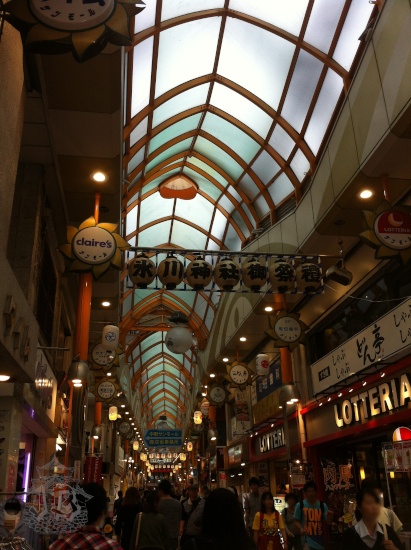
After doing laundry (sweaty clothes and lingering smells of smoking rooms demanded those), I met up with B**** around Nakano [中野] station for lunch. Since I arrived earlier than her, I wandered around the shopping centre, and I saw yet another long jacket that I loved at a great price, so all in all, jacket success.

We did some karaoke and then she was kind enough to indulge me and accompany me to the Vampire Café in Ginza [銀座]. Themed cafés are rather popular in Japan. They are establishments that combine food, drinks, or both, with some kind of attraction or theme that makes them unique and / or special. A lot of them are are “animal cafés”, which have living animals as mascots. Back in 2013, B****, D****e and myself visited the Sakuragaoka Cafe, where you can feed the goats. Other cafés choose a topic or particular atmosphere, such as the butler café Swallowtails.

The problem with themes cafés is that one usually needs better Japanese than I have got in order to get by, so I have not visited as many of them as I would have liked. There quite a few reviews on the internet that complain about small portions and high prices for the cafés. It is true that they tend to be a bit more expensive than a regular shop, but you are paying for the experience on top of your food. I don’t think they are overpriced. Regarding the portions, I’ve always found them reasonable. So they are not like the hugely posh European restaurants that you get tiny amount of food at an exorbitant price.

We got off the train at Ginza station and found the La Paix Building or LapeBiru [ラペビル]. We spotted the café logo on the outside, and later in the directory next to the lifts. As it was a Monday, the place was not crazy full. I think they would have turned us down otherwise as we did not have a reservation. There was a direct lift to the entrance of the café, already decorated in style, with dim lights, cobwebs, lots of red velvet, even a skeleton.

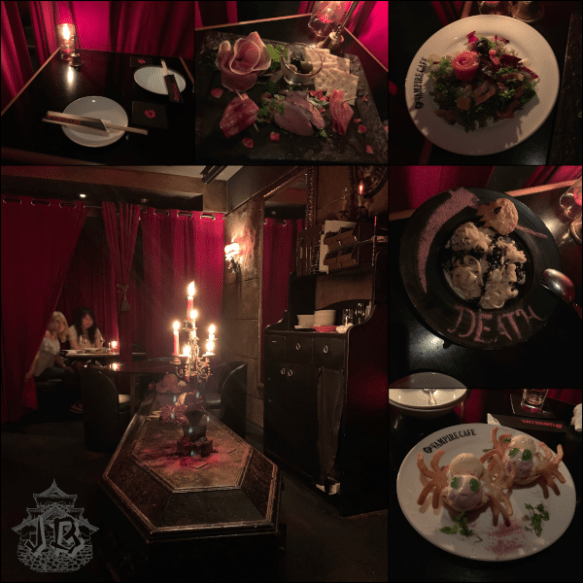
We were given a note that informed us that each customer needed to order at least “a food and a drink” and that the time limit was two hours. While in general the experience was fun, I think that this café needs to be visited in groups so you’re in the main area and not the tiny booths to the sides. The main room had a coffin to the side, and there is a table for the groups. The walls were black, and the booths closed with heavy red drapes. There were candles (real candles, not lookalike lamps) for light, and a soft “music box” chamber music in the background in order not to disturb conversations.

Our waiter was clad in a long burgundy gown and she had bat wings on her hair. We’re not sure whether she was in character, or just unamused, but she looked very serious and a little unfriendly – she was probably just not in the mood to deal with the poor-Japanese-skills customers. Since we were only two, we were taken to one of the little booths with red sofas, a small black table, and black walls. As she drew the curtains closed – maybe for a casket-y feeling – we found ourselves giggling.

The food was not bad at all. We decided on a set for two, called Mankitsu Course [満喫ココース], literally “Enjoyment course”, and a couple of cocktails – a non-alcoholic ブルッドオレンジジュース “blood orange juice” for me, and a ブルッドオレンジサワー “blood orange sour” for B****. What was really on-spot was the presentation though – very in synch with the place, and rather cute, with roses made out of salmon, scythes and skulls sprinkled on the places and ice-cream spiders… and even those were cute.

Collage. The two-people booth is surrounded by red curtains, and the food is gothic-looking. The cold sausages have been stylised to look like roses, as has the salmon in the salad. The pasta has a black cross and a grim reaper drawing along the word Death. Ice cream scoops have little cookie legs so they look like spiders. A general shot of the room shows a coffin-looking table with a chandelier on top

Food consisted on:

  • Hamu moriawase [ハム 盛リ合わせ]: Ham assortment, more like sausage assortment with biscuits.
  • Shiisaa Sarada [シーザー サラダ]: Caesar Salad, really nice but not “Caesar”, it had a salmon rose.
  • Garikku Toosuto [ガリック トースト]: Garlic toast, in the shape of coffins, really adorable.
  • Ika sumi pasuta [イカスミ パスタ]: Squid pasta, surprisingly good and with an adorable Grim Reaper presentation.
  • Haabu & supiisu chikin [ハーブ & スパイス - チキン]: Herb & Spice Chicken, flambéd at the table.
  • Nishiki Aisu [2色アイス]: Two-colour ice-cream, strawberry and vanilla in an edible cookie mini-bowl with little spider legs and glazed-cherry eyes.

Our waiter tried to make us chant once, but we did not manage to understand what she wanted us to do until we heard it echoed in a nearby booth. The truth is that we did not get to communicate with her too well. The booth was cute and all, but it was a bit disappointing to be “enclosed” behind the velvet all the time and miss on part of the experience – “Dracula” skipped our booth, apparently because we did not have enough Japanese for him?

The place felt rather quiet. As the velvet curtains muffled the sounds from other customers, only the creepy music-box ambience could be heard, albeit very faintly. When the two-hour limit was nearly over, we got our bill. The meal, including drinks, was actually cheaper than I expected. They did not add the cover charge despite saying they would, so the total came up to 7,776 ¥ (6,000 ¥ for the set menu, 550 ¥ for the non-alcoholic drink, 650 for the alcoholic cocktail plus taxes), so it did not even reach 4,000 ¥ per person.

Reading the bill slowly later, we thought that what the waiter wanted us to chant was a Dracula invocation: koyoi wa sonata [コヨイハソナタ] “tonight is a sonata”, and chi wo itadaku [血ヲイタダク] “(I) receive the blood”. I might want to come back to this place if my Japanese ever improves enough to enjoy the whole experience. But I got it out of the bucket list, and that was great. After all, I might have been on a bit of a vampire high due to both KAMIJO’s concert.

Walked distance: 15168 steps / 10.8 km, again somehow.

8th (and 9th) January 2017: The jump back to Tokyo… and then completely back… {Japan, winter 16/17}

At an insane hour in the morning, umbrella-less and in the middle of the rain, I got myself back to the point where buses were finally running to the airport. I dozed away the trip, because else I would have kept tying to read quizzes in Hiroshima-ben, the local dialect, that they were displaying on the bus screen.

I made it to Hiroshima airport and pulled a bunch of things off my backpack to conceal them before I got my boarding pass in case my carry on got checked, but once again the ‘I am a scary gaijin’ thing worked and I was free to go.

I was allowed to get my water bottle in, even with it being half-full, and I had a Calbee crisps breakfast because I could not find a sandwich inside, although in retrospective, maybe I should have gone out and back again as I had time. Then again, I would have had to explain that to security… never mind. So I had coffee and crisps. Not the best option, but what I had available.

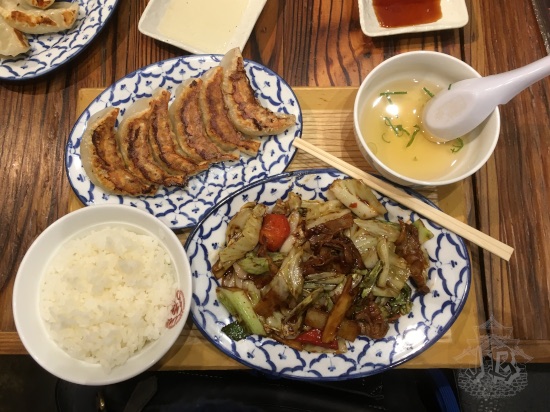
When I landed and got back to downtown Tokyo [東京], I met B**** at Shibuya [渋谷] for gyoza, and boy did we eat gyoza. And afterwards she walked me to Shinjuku [新宿]to buy some stuff, and then we went to a cafeteria for cake… well, she had cake, I had a coffee jelly with vanilla which was my new favourite thing in the world. I seriously need to learn to make that.

After that there was a visit to Swallowtail in Ikebukuro [池袋], the butler café, which is as always very fun. We had a bit of a lost butler – he felt kind of new – and not the prettiest one. I noticed that they have uniformed the butlers, too, so now they are all wearing the same thing. After that we dropped by the shop and I got myself a bracelet I can’t wear because my wrist is too thin… and here I thought that I would get away with stuff prepared for Japanese girls… nope.

After that there were goodbyes and thank yous and tears because the only thing that I did the next day was going to the airport, more goodbyes, more tears. Very sad. As always.

Until next time, I guess.

Maybe.

Hopefully.

31st August 2015: Up and down, Trains and fandom (reloaded) {Japan, summer 2015}

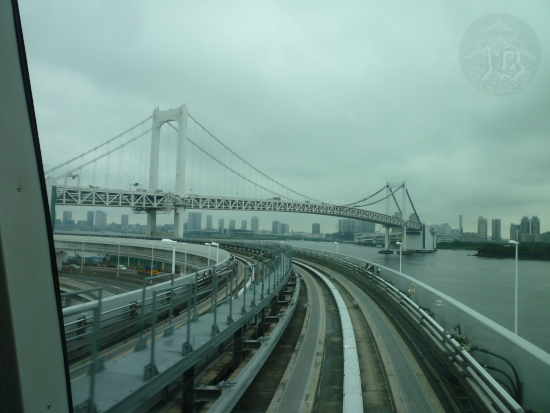
We took the Yurikamome line to Odaiba [お台場] once more.

Kushikatsu tries were more successful this time around, and D****e managed to get a few more Chupacabra out of the machine later. Afterwards we headed off to the Trio2 shop, located in Nakano Broadway [中野ブロードウェイ] for some more fandom shopping. We saw the X JAPAN Tour billboards.

Later, we had dinner at Swallowtail, the Butler café – the first time I’ve not been too pleased with the food. The tea set was just too sweet all around, but all in all quite an enjoyable experience, as always.

To end the evening, we had a look at the UFO catchers, where we got Chupacabra uchiwa, and I raided the local Book Off.

16th August 2014: Pretty people everywhere {Japan, summer 2014}

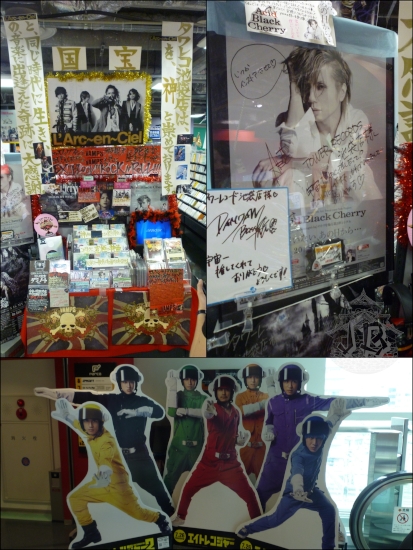
When a single is released in Japan, shops make a bit of a stand where it is prominently displayed. In the case of Tower Records in Ikebukuro [池袋], a staff-san had gone a small step further, and built a small shrine to L’Arc~en~Ciel. She was very confused as whether we knew who they were, and surprised we knew. We also saw Acid Black Cherry single stand, and as we were leaving we kinda walked into the Eito Rangers.

Promotions for CDs at Tower Records: L'arc en ciel, Acid black cherry and Kanjani 8

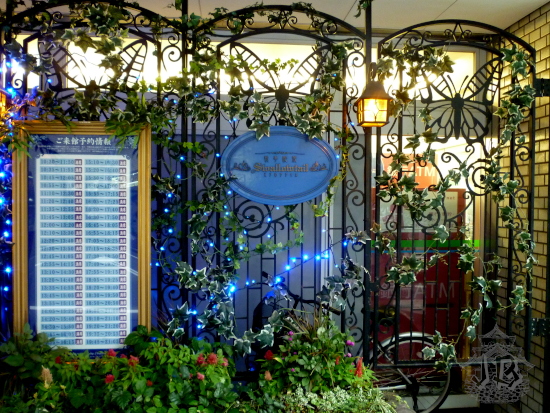
After browsing Book Off and K-Books, we had an appointment at Swallowtail, which was great, as always. They have opened a souvenir shop, which was great because I finally managed to own one of their napkins, legally. Now I won’t feel like stealing one whenever I’m there.

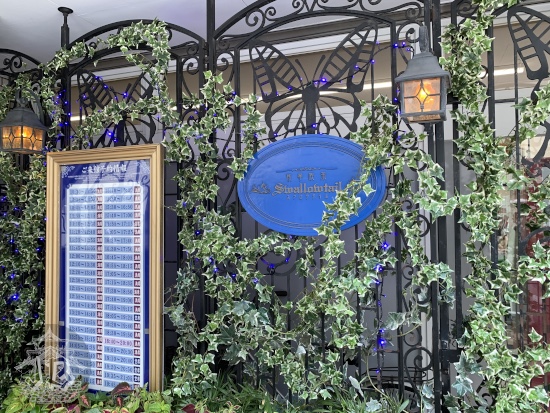
Entrance to the Swallowtails cafe, with a fence that has butterfly decorations

After a short Mandarake visit, we headed off towards the Meijiza [明治座], the Meiji Theatre, in the Chūō [中央] area to watch GACKT’s second Moon Saga instalment.

This time round, GACKT had tried to be more discrete, in a way it gave me the impression that he wanted to leave the “idol” idea behind, and he wanted to be taken more as a serious actor. The play takes off a few years after the previous one, and tells the story of how (spoilers) Yoshitsune tried to gain, or re-gain, his brother’s favour and downfall again. Yoshitsune struggles with his inner “evil” self, some kind of mononoke. While he struggles with the idea of whether he should kill himself or not. In the end, Yoshitsune loses control and the play closes with a threat of “hell beginning at that point”. Very… dramatic. It’s a pity that we will never see how it ends though (you might remember there was supposed to be a manga…). I bought myself the novel and I hope that one day I know enough Japanese to read it

Flowers, Moon Saga logo, and lide-sized cut-out of Gackt dressed as Yoshitsune

2nd July 2013: Yet more Odaiba, and Ueno Zoo {Japan, summer 2013}

Once more I headed out to Odaiba [お台場], this time to try and get tickets to the VAMPS Tabata Event and buy the single. The whole idea was that if you bought a CD you got entered into a lottery for a ticket to attend the Tanabata Event the following day. If you bought the three versions of the CD, you also got a poster. They were expecting a huge crowd, but it turned out that crowds of fans on a weekday morning… It was all a bit chaotic because… there were two few people. One can expect staff to get overwhelmed, but this was totally… underwhelming for them, and they did not know what to do about it.

I finally managed to get tickets to ensure my and my friend D****e after the third or fourth round. Once that was successfully taken care of, I went to Fuji TV to get myself some Galileo merch, just because I could, and rode back downtown Tokyo to do one of those things I would ever like to do if I had some time to spare – Ueno Zoo, Ueno Dobutsu Koen [上野動物園].

The iconic image of Ueno Zoo is any of their Giant Pandas. Here’s one getting stuffed:

Panda play-eating bamboo

A secretary bird, which made me remember an old movie and greatly amused me:

Secretary bird, a bird similar to a stork with crazy feathers - like a Native American hairdress - on its head

And a friendly and bored Hokkaido bear which came to say hello at the glass:

A Hokkaido bear prowling its enclosure. It could use with some enrichment.

Aside from the animals (I’ll spare you more pics, though I have an amazing close-up of the polar bear), Ueno zoo holds the pagoda of the former Kan-eiji Temple:

Five-story pagoda in reddish-brown wood

After the zoo was closed, I headed for Shibuya [渋谷] where we had scheduled a meeting at the Hachiko Memorial Statue (one of those things you should do in Tokyo at least once), the Chūkenhachikō-zō [忠犬ハチ公像].

Statue of a sitting akita dog

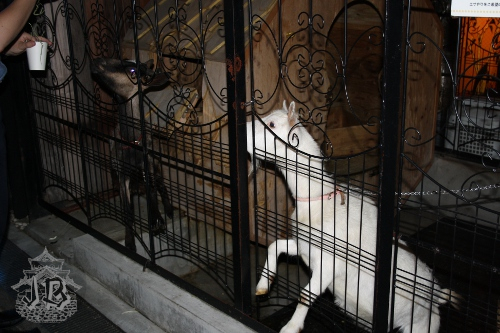
Meeting successfully achieved, dinner was acquired in a goats cafe, Sakuragaoka Cafe. Then the goats got dinner too.

Two goats, one white and one tan, behind a fence, being fed straw by a person with a cup in their hands

27th June 2013: Shinjuku, Ōji and Ikebukuro {Japan, summer 2013}

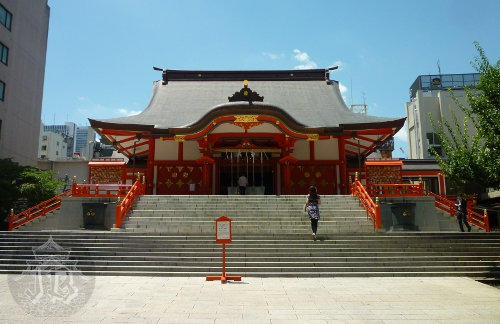
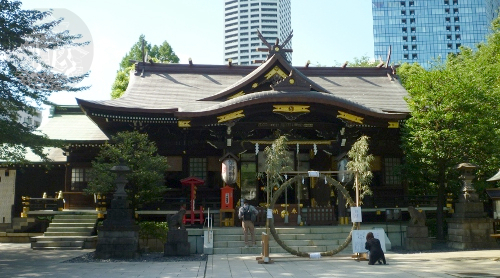
One of the fun things about Tokyo is that combination of modern and traditional that you find merged in quite a bit of harmony. Take for instance Shinjuku [新宿]. When one thinks of Shinjuku, one imagines skyscrapers and neon lights, but just a few minutes away, you find Hanazono Jinja [花園神社]:

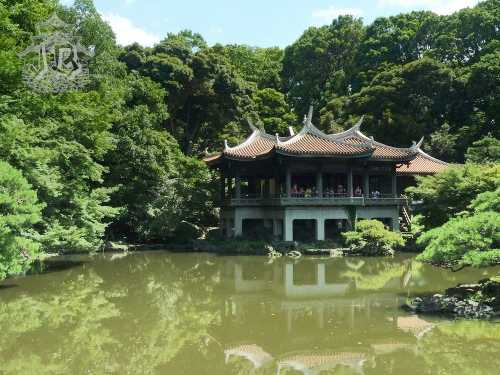
Five minutes away from the station there is Shinjuku Gyoen [新宿御苑], which is huge, and holds small wonders like this, Kyūgoryōtei [旧御涼亭], or Taiwan Pavillion (Taiwan Kaku [台湾閣]):

Of course, there are lots of skyscrapers in the Skyscraper District:

There is also this sculpture:

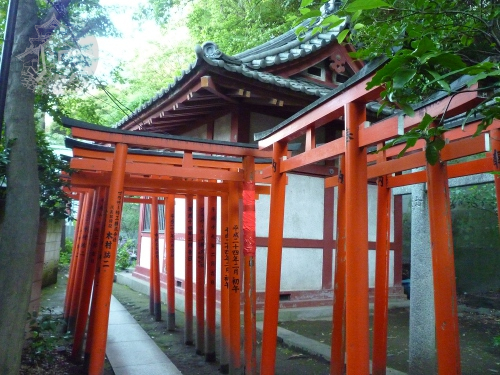
And yet another shrine, Shinjuku Juniso Kumano Jinja [新宿十二社 熊野神社]:

After Shinjuku I went to Ōji [王子] to see the Ōji Inari Jinja [王子稲荷神社].

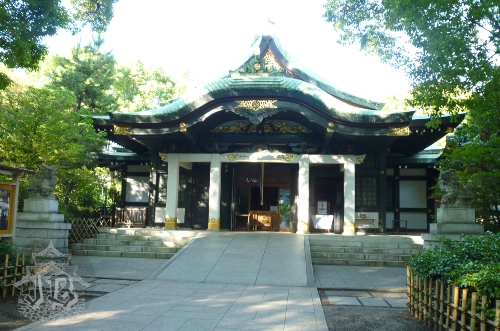
And just the Ōji Jinja [王子神社]:

Then I headed to Ikebukuro [池袋] where we had a reservation at Swallowtail for 80 minutes of indulgence, and hell did we enjoy it XD”””

12th July 2012: Ikebukuro {Japan, summer 2012}

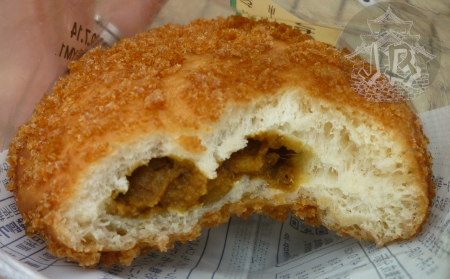
I have decided to give my blistered feet a bit of a rest and take it easy for a couple of days. Thus, I’m indulging in my newly-found love of canned coffee and karepan.

A breaded bun, open. The inside is white, with a golden filling in the middle

Yesterday, Thursday 12th I spent most of the morning updating the blog and refusing to move from the chair. Then I headed off towards Ikebukuro [池袋], where my first stop was the Ikebukuro West Gate Park [池袋ウエストゲートパーク]. Ikebukuro West Gate Park or IWGP, is a series of urban mystery novels by Ira Ishida. It was adapted into a very successful TV series directed by Tsutsumi Yukihiko and starring Nagase Tomoya. And Chibi Yamapi. [spoiler] And then Yamapi dies. Really sad. [/spoiler] Loved it.

An urban park with a decorative fountain in the middle. There are a couple of trees, but it's mostly surrounded by buildings

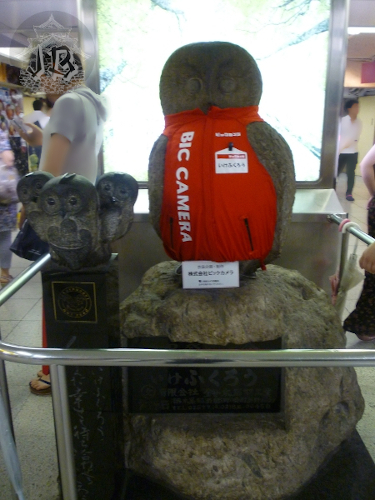
I found the Ikebukuro Station Owl. Somehow. After missing it a couple of times.

Sculpture of a big barn owl with a red vest. There are three smaller owls on the left, one of them is carrying a heart

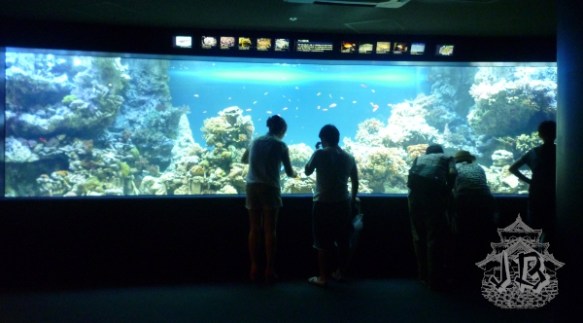
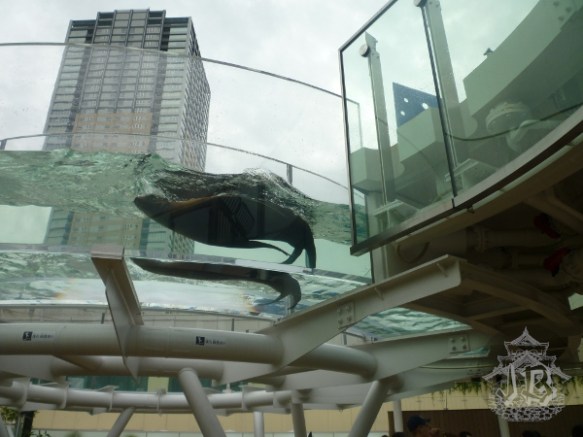
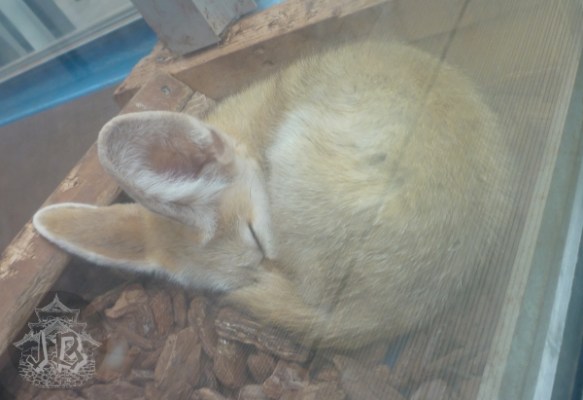
And while there is not an Aquarium at the top of the Shibuya 109, there is one at the top of the Sunshine 60 – the Sushine Aquarium. Literally at the top. They have also some non-aquatic animals like an armadillo, a tapir and a lovely couple of desert foxes or feneqs.

A glass wall that opens up to a tropical aquarium

Small jellyfish swimming in a round aquarium

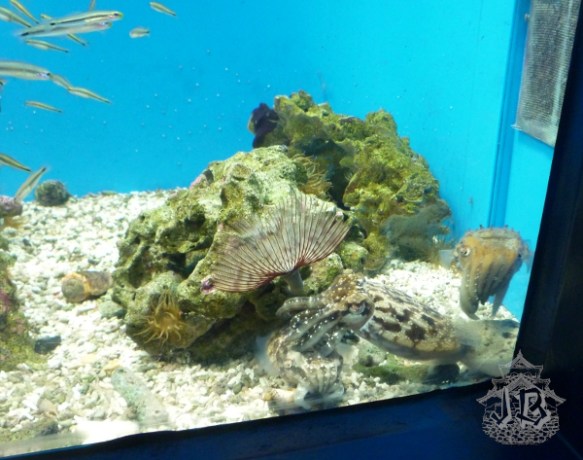
A cuttlefish, an anemmone and some coral

An octopus huddled in a knot so most that is shown are the suckers against the glass

A shot from the open roof of the aquarium building. Some pathways for the animal residents have been built, they are made of glass. A sea lion is swimming through one

A feneq fox curled up sleeping

A Humboldt penguin colony

After a quick browsing through Mandarake and K-books, we had a reservation for dinner at Swallowtails, which is a butler cafe. I was a bit on the apprehensive side, because my level of Japanese is enough to guesstimate some normal conversation but… yeah, not Keigo or polite Japanese in a formal environment. It turned out really, really nice, too. A cool experience sponsored by my insiders in Japan.

Themed cafés are common in Japan. They are normal restaurants which sell passable food and great experiences, or at least an experience. There are cafés for all tastes and personalities – some are related to animals, others to fantasies. Swallowtails has a number of young men “butlers” who treat you as a royalty and take care of you to almost ridiculous extents. I absolutely loved it, because being the doormat I normally am, it feels nice to be… spoilt a little.

A screenshot of a Japanese webpage. It shows a fancy entrance to a tea house, and reads Swallowtail

Afterwards we headed off for a quick sneak peak of Tokyo by night from the observatory in the Tokyo Metropolitan Government Building, Tōkyō Tochō [東京都庁] before coming back home and crashing for the night. Today will hopefully be another slow day…

A view of Tokyo at night, from above the roof tops. The buildings are dark, bit there are thousands of lights and lit windows.