3rd November 2018: Samurai Spirit in Madrid (Spain)

I booked tickets to see the show Kamui x Mika Kobayashi: Utakatana Sekai – Samurai Spirit in Madrid. In a last-minute change, my parents decided to tag along, so we just drove there in time for the show. It took place in the theatre Teatro Fernando de Rojas, one of the halls in the Círculo de Bellas Artes building.

Publicity poster with the show's date

Samurai Artist Kamui [剱伎衆かむゐ, Kengishuu Kamui] is a “samurai sword artist troupe” . They perform stories through “samurai communication” using music, sound and light to work on the atmosphere, along with of course, Japanese sword – katana – performances. The founder and leader of the troupe is Tetsuro Shimaguchi [島口哲朗], who played a part in Quentin Tarantino’s Kill Bill vol.1, a film for which he also served as choreographer for the swordfighting.

Mika Kobayashi [小林未郁] is a singer, pianist, and songwriter from Hiroshima. She is known for her vocals on anime, such as Attack on Titan or Gundam UC, and video games like Final Fantasy XI. She established her own style and record label in 2016 and has been doing her own thing since then.

The collaboration Kamui x Mika Kobayashi: Utakatana Sekai – Samurai Spirit seems to be designed for touring overseas as there is no trace of that name in Japanese. Utakatana Sekai would roughly translate as “the world of singing swords”. It features Kobayashi as singer and pianist providing the background voice for the show.

Through artistic sword-fighting and music, the performance conveys a story about the old samurai ways giving way to a new world. Short self-contained scenes tell the story of a samurai warrior who gives way to the new generation – played by a lady. A bit subversive from the Japanese traditional way, I guess.

The show has three parts. The first act comprises fights and individual actors showing off their individual skills. Younger or less experienced fighters, who get “swordsman #4” roles end up being killed two or three times. I liked a short story about a blind samurai better than the romantic ones. Unfortunately, I was a bit to the side – I only bought the tickets with a week or so when I found out – and my angle was awkward at times. I could see the gaps between the swords when they did not clash for real.

During the interlude / break, they brought two volunteers from the public to learn some moves and get the mood lightened up. This showed off Shimaguchi’s language and teaching skills, along with a flair for the dramatic, and it was really funny.

Different scenes from the show

The last part was more spectacular, full of stunts and coordinated exhibition acts. That was the part I enjoyed the most. All in all, the whole ninety-minute show was very fun. Mika Kobayashi’s melodic voice and piano tunes fit really well with the whole theme, and everybody seemed to have fun, and at the same time take their jobs very seriously. However, I’d need a better seat next time, in order to keep the suspension of disbelief and not see all the stunts as… stunts.

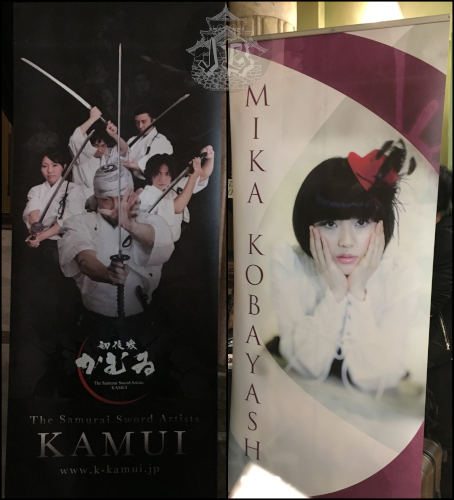
Artists’ publicity banner

Afterwards, many artists came out to take pictures with the audience. We got to take pictures with Mika Kobayashi too, and I bought a signed CD of hers.

Mika Kobayashi's signed CD

28th October 2018: HA·YA·TO: Drum Masters (Madrid, Spain)

Out of all the taiko [太鼓] shows I have attended, this was without a doubt the one I enjoyed the most. HA·YA·TO is a wadaiko [和太鼓] (Literally ‘Japanese drum’) group formed by the three Kanazashi brothers: Keita, Ryota and Yuta (Keita Kanazashi spends a lot of time in Spain, we’ve seen lots of ‘taiko workshops’ organised with him as a special trainer). This time they’re touring Spain with their show Drum Masters, accompanied by a number of renown musicians: Koji Hada, Takayuki Hashiguchi, Makoto Sekine and Syunchiro Kamija, aside from two special guests: Chieko Kojima (dancer and first female wadaiko master in Japan) and Masato Shibata (shamisen world champion).

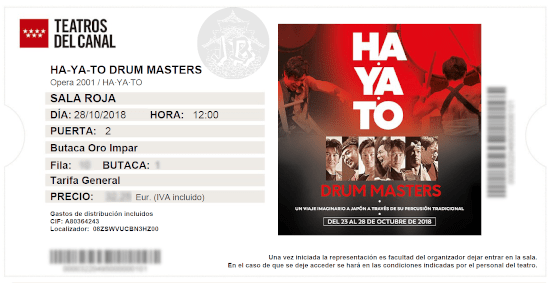
Hayato Premium Ticket I found by chance

I was lucky enough to get a premium seat as I attended a matinee show in the theatre Teatros del Canal in Madrid. The show represents the four seasons of the year, and each part has its own rhythm and characteristics, along with energy and colour. At one point there were seven drummers and sixteen drums being played on stage at the same time.

Hayato Drum Masters Poster

The show was divided into the four seasons. During the first part, spring and summer, energy was abundant. Spring brought all the musicians to the stage, so while the great weight of the show rested on the drums, we also got shamisen (Japanese guitar) and Japanese flute. Kojima showed us her dancing skills in front of a black background with a flurry of cherry blossoms.

Then came summer, with a torii background and the matsuri (festival) atmosphere. The big central drum was put into action. This was when Keita Kanazashi showed off his Spanish and used the audience as another instrument, making them clap and stomp their feet in a sort of call and response routine which was really fun.

The most impressive number had the seven drummers on a row, and sixteen drums in total, all in a line. Thus, each drummer had three taiko, one in front, and one on each side, all lined up. However, they were actually sharing the side taiko with the drummer next to them, so at any given time that they banged they could collide with the musician next to them. It was amazing to witness the crazy-you-dont-get-to-see-the-batons-fast speed slamming the drum.

The second part started with autumn, that had the four supporting drummers playing ‘tennis’ with the small crash cymbals, first one on stage, then two, then three, then four, then with the audience, and then with each other all around the theatre. Then we had a demonstration of Chieko Kojima’s art on stage, first dancing, and then with the taiko – it was impressive to see how such a small lady can bang the drum in a ethereal red kimono. First she did it with the free sleeves, then she danced with a sash that she used to tie them back so she could play more forcefully.

Winter was a bit slower on the uptake – though with impressive technique – but it grew into an amazing mix of sounds and visual arts, again with dancing, taiko, crash cymbals, flutes and shamisen. In the end, Chieko Kojima danced with her parasol making it ‘snow’ (at a point her sleeve got caught in her hair décor and she needed a tiny stop). It was beautiful.

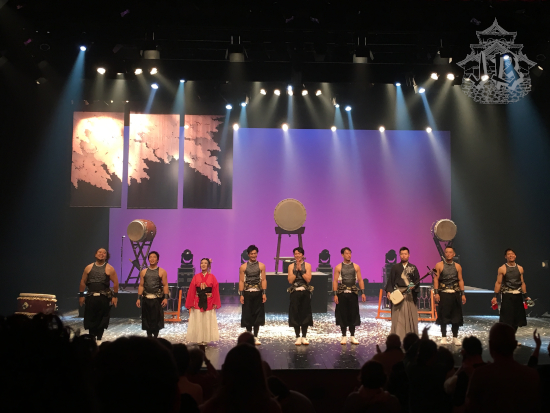
Hayato Drum Masters ensemble greeting at the stage

Theatre window with the Hayato Drum Masters poster

Finally, Keita Kanazashi introduced the musicians and informed us that they would be outside to take pictures after the show. I was lucky I could do so with everybody! All the artists were nice and friendly and it was a great experience. I also bought a DVD.

29th & 30th September 2018: The Pikotaro Affair at Japan Weekend Madrid (Spain)

The “Japanese culture convention” Japan Weekend was held in IFEMA, Madrid, over the weekend. The big problem with conventions tend to be the organisers. At some point they bestow upon themselves an importance they lack, and decide to either micromanage everything, or act as if they were the reason why people visit. It’s amusing looking back, but annoying when you have to deal with them –such as the mini riff-raff at the Salón del Manga de Alicante and INORAN’s autograph. Japan Weekend in Madrid is not an exception to this trend. The event spanned over the whole weekend. I attended both days, and on Saturday I brought my sibling over. The acts and activities we attended were:

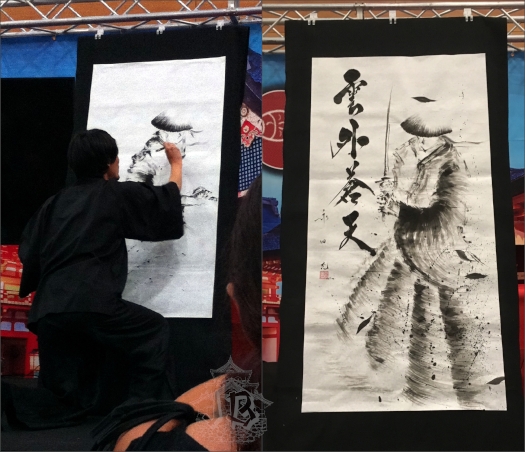
Mitsuru Nagata’s sumi-e show

Mitsuru Nagata is a Japanese-born, Barcelona-living artist who creates pieces of art and calligraphy using traditional Japanese ink techniques of sumi-e [水墨画], “Ink wash painting”. He did a performance and demonstration on both Saturday and Sunday at 11:00. I really like his style, and own a couple of his works..

Ink wash painting of a samurai in attacking pose

Wa–suta: The World Standard Concerts

Wa–suta: The World Standard [わーすた: The World Standard] is girl band formed by five cute bouncy girls who aim to “spread kawaii culture around the world”. Kawaii [可愛い] stands for “cute” or “adorable” in Japanese, but aside from the adjective, the word is also used to define the Japanese “cuteness culture”, very prominent in certain circles – think Hello Kitty or basically anything else Sanryo puts out.

I am not sure that is the aim, but unfortunately kawaii acts tend to attract a not-so-kawaii spectators. Artists are supposed to carter to their fantasies, and be always perfect in appearance and behaviour – singing well is secondary. At the concert, Wa–suta put up a very good effort on being approachable and trying Spanish. They were also very cute, full of energy, and even in synch when they moved – which not all bands can do nor even bother to try. They did a cover of Evangelion’s song Zankoku na Tenshi no Tēze, which I would have preferred that they skipped, but in general they were all right – if girl bands are your thing.

Five girls in short white dresses and cat ears on stage

ITSUKA (Charisma.com) Concerts

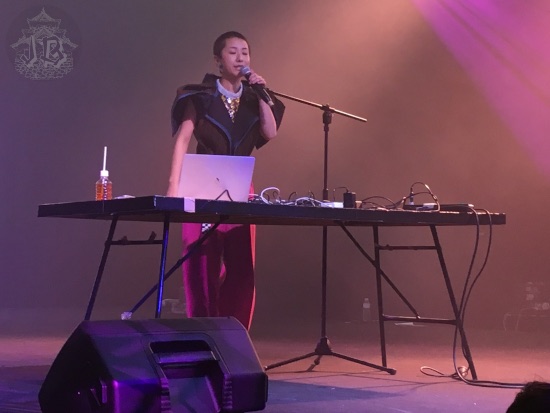
ITSUKA (Charisma.com) is a lady-rapper and techno artist with a really powerful presence whom I really liked. Charisma.com was a two-woman “electro-rap” / hip-hop band which went into hiatus early in 2018. ITSUKA continued her career solo, and was invited to the Japan Weekend. She used a computer, a mixing table and her own voice to deliver two very impressive performances. She can rap crazy fast, too, and she has a very strong attitude.

Woman rapping behind a mixing table

Pikotaro Concerts and Meet & Greets

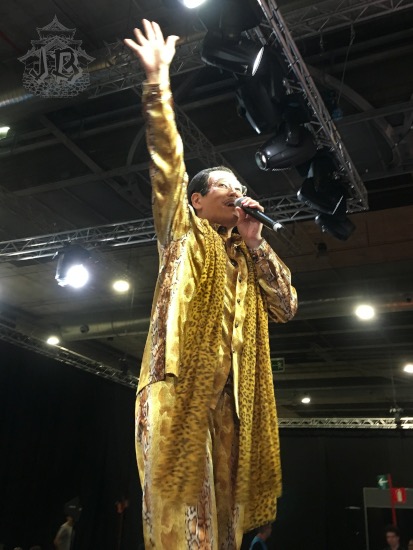
The reason why I wanted to attend this event was the presence of a Japanese comedian Kazuhito Kosaka characterised as his persona Pikotaro [ピコ太郎], a “singer” known for his histrionic personality and a flashy leopard-print clothing. He became famous around the world with Pen-Pineapple-Apple-Pen (PPAP), a silly song which parodies English teaching in Japan. I have heard so much about bad English teaching in the country from my friend B**** that I am actually… not so sure about how much parody and how much “fiction imitating reality” there is.

When I met with my friends E**** and K***** in Barcelona after the Kamijo concert at the beginning of the month, we talked about events and such. They basically dared me to “go to Japan Weekend and troll Pikotaro”. I already had tickets for Saturday, but after that, I decided to actually get myself the Meet & Greet “extra” – for both days.

The concerts were amusing to say the least, and not precisely due to the musical quality. The whole act was hilarious, done with the YouTube videos projected on the screen and the guy jumping and bouncing up and down the stage. At some point there was a blackout, so he started again, taking everything in stride.

There were paper masks handed out, that could (should? must?) be used during the M&G for autographs. There were four or five songs – among them Neo Sunglasses (which I personally found hysterical, as he sings “dark, dark, dark”, all the time until he takes off the sunglasses and grins “bright!”), and Can you see? I’m sushi. He of course sang Pen-pineapple-apple-pen to open and close the act. For the closing song he had prepared a line in Spanish and a “Japan Weekend” version that had people screaming.

There was a Q&A after the Saturday concert. They prepared a table and for him, all star-like, and in the end he just grabbed the chair to sit in front of the table, completely throwing the organisers off. He gave hugs and signed stuff, and he did really look like he was having a lot of fun.

The M&G tickets were 5 € each and I bought them for both days – they included a handshake, an autograph and a picture. Again, it was very fun. On Saturday, I put some sushi badges and pins on my neck scarf so I could quote “can you see? I’m sushi!” at him. He found it hysterical, and signed the cardboard mask for me before we took a photograph.

When I arrived home, I printed that so I could take it on Sunday. I signed one copy for him, and at the M&G, I asked him to dedicate the other one to me. Even if the Japan Weekend staff kept barking around the chaos they had turned the queue into that he would only sign the provided material, he signed whatever you asked of him, with the interpreter’s blessings (who by the way remembers me from other endeavours, so she basically left me to my own devices). Convention staff micromanaging everything again…

Japanese man in a Leopard print suit singing

Pikotaro autograph

Going to the Pikotaro M&Gs meant I missed Wa-suta and ITSUKA’s signatures, but oh, boy, was it worth it for the laughter.

21st & 22nd September 2018: The Vampire Rockstar in Barcelona (Spain)

I first heard about KAMIJO when someone handed me a flyer for his Paris concert when I was there to see Yoshiki Classical, back in 2014. I did not give that much more thought as I obviously don’t live in Paris. However, tickets for KAMIJO’s Sang Project Act III Europe Tour came out around my birthday this year, and I decided to get them as a present for myself – there was a concert in Barcelona, on a Friday. I had a good connection there, it was the weekend, and the tickets were not expensive. Thus, I bought the ticket, the VIP upgrade (early entrance and Meet and Greet) and the memorial photo ticket (individual Polaroid with him), a grand total of 68 €.

KAMIJO is a Japanese “visual kei” singer, both solo and with the band Versailles. Visual kei (V-kei) is musically similar to rock, though sometimes it leans closer to heavy metal. Singers and bands often don a particular style, the “visuals”, usually associated with some kind of fictional backstory (however, most of them tone “the look” down as they become older). KAMIJO has adopted the persona of an 18th-century French vampire which fits both his solo activities and the ones with Versailles. However, the illusion shatters as his French is worse than his English, despite how hard he tries.

Kamijo Sang Europe tour dates and venues

Between getting the tickets in May and the concert in September, I ordered and listened to the album KAMIJO was promoting, Sang. I recognised influences from older V-kei  bands Malice Mizer and Moi dix Moix – both of which have the same vocalist, singer MANA. However, there was something more up-beaty to it that took a couple of listening sessions to fully embrace. In the end, I decided that I liked it pretty well.

Although the original reason why I decided to go to the concert was convenience, the whole thing was a pleasant surprise. I also took the chance to meet with my friends E**** and K*****, who live there. Thus, on the 21st, I took the first train to Barcelona, and I arrived a bit before 10:00. I went over to the queue at Sala Apolo, a venue in the centre of town and I was the sixth person there. I made some nice acquaintances at the queue who held my spot when I ran to the hotel to check in, around 15:00 (with 15 – 20 people at the queue).

Apolo venue façade

As I arrived at the hotel, a man walked in behind me. I did my check-in and the person behind the desk asked me for “the gentleman’s ID too”. I blinked – I had a single room, a reservation for one and he thought we were together? Weird. The guy was actually looking for a hotel for the night without a reservation, and I sure as hell was not going to share my nice, soft bed.

I went back to the queue to wait the evening away. We did not see the tour truck nor the band come in – nor out afterwards – but the venue has an underground car park, so they probably just drove in there VIP doors were scheduled for 18:00, but did not open until around half-past. I think this was one of the nicest queues I’ve ever been in. By the time the venue opened, we had already sorted ourselves into a VIP and a GA line, everything ran very smoothly. However, we were very few – probably not even 300, and most of the tickets had VIP upgrades.

After doors opened, we were shown into the actual hall, the smallest of the three the Apolo has. There was no separation between the actual floor and the low stage – there was no barrier, and we were going to be close. We had to wait in the queue for the Meet & Greet, and after we were done, we would be able to either go to the goods or take our places at the stage.

Once all the VIP ticket holders were inside the hall, KAMIJO appeared to say hi. One by one, we went to him, shook his hand and talked to him for a few seconds. He was very kind and smiled a lot, and he mostly answered “yes” to whatever he was told in any language.

I took on first row, a bit to the left. My spot was kept when I went to buy some merchandise, and we were so few that even when the concert started there was no push (unfortunately, that might mean he will not come back…). The stage was all set, including a perfect glass of water, formal tableware style, he’s above utilitarian water bottles, apparently.

Kamijo Barcelona stage

The fun part was that I was close enough that I had to be careful not to actually hit KAMIJO when he wanted us to reach out to him. The tour story revolves about the Émigré, an innovative energy system that transforms human blood into energy. This system was created by “Louis”, who is over 200 years old, and is exploited by the Count of Saint-Germain during the French Revolution. I am not completely sure how this makes sense, but I’m sure it does for people who have been following him for longer.

The live interweaves narration with recorded and actual songs, building on that outline. At times the instruments and reverberations were a bit too loud. However, most of the concert was okay. After all, this is KAMIJO’s solo project, designed so his voice is the most important thing. There were four of us in the middle of first row who had to wave and cheer with caution or we would literally smack the artist. When he twirled and turned, his velvet coat flew around and we had to be careful he did not hit us on the face with it. I had never been so near a performing artist in my whole life – I could also take a photograph of the setlist.

Setlist:
[Recording] SE あらすじ Scenario narration
  1. Theme of Sang
  2. Nosferatu
  3. Émigré
  [Recording] SE Blood Cast セリフshort narration
  4. Vampire Rock Star
  5. Bastille
  6. Symphony of The Vampire 第五楽章「Sonata」
  7. 闇夜のライオン instrumental
  [Recording] SE Delta with narration
  8. Castrato
  [Recording] SE Ambition
  9 Sang I
  10. Sang II
  [Recording] Intro as narration
  11. Sang III
  [Recording] SE mademoiselle
Encore 1
  12. 私たちは戦う、昨日までの自分と
  MC
  13. Mademoiselle
Encore 2
  [Recording] Emblem narration (guillotine)
  14. Moulin Rouge
  15. 第四楽章「Dying-Table」
  16. Vampire Rock Star

Kamijo Barcelona 2018 setlist

For the first, and I don’t think this will ever repeat, so quite probably the only time in my life, I got to experience a singer singing to me. He reached out during Mademoiselle. And next thing I know, he’s cupping my face, pulling my chin up and looking into my eyes to the verse do you want to be a princess reaching out to me into les affairs d’amour?. I also got a high-five later, and he was gentle when he noticed my wrist brace, while other people told me he was high-fiving hard at that point – or maybe he just brushed me because he miscalculated.

One of the funniest moments of the concert was the MC. Apparently, last time he was in Europe with Versailles, KAMIJO fell and twisted his ankle in the concert before Barcelona. Instead of cancelling, he continued the tour, and sang in Barcelona with crutches spray-painted in gold, or sitting down. This time he was very adamant to tell us “I can sing on my feet! No need for…” and he forgot the word “crutches” and proceeded to mimic those. Then, he hopped all around the stage like a very fabulous kangaroo.

After the show, we had some time at the hall, without being herded or anything, before we lined up for the photograph with the artist. As you reached the head of the queue, they checked your tickets – and kept them – and took your personal stuff. We could shake his hand again and get the Polaroid taken. I reached out for the handshake saying thank you, and he pulled on me so he could wrap his other arm around my waist for the picture. I think because I was just the right size for this, compared to him and his platforms.

A few of us stayed behind for a while after the pictures were done, but we did not see anyone leave. I walked back to the hotel before it got too late, and headed straight for the shower, then the bed. All in all, the concert was extremely – and unexpectedly – fun, even if (or because?) we were few. I really expected him to be much more stuck-up due to the “vampire persona” act. People at the queue were very nice, too.

The following morning, I went out to meet my friends E**** and K*****. We went to an Asian restaurant and ate some really great food, with very good conversation until I had to go back to the station to take a train home.

5th September 2018: An uneventful airport ride to an uneventful flight {Japan, summer 2018}

I took early trains to have a lot of time to get to the airport from Ueno [上野], because I did not know how much the wind could have affected transport. Not much, aside from the Ueno lift. I should have known that Takadanobaba lift was not going to work either. And then there was Narita, security, customs, boarding and going home using a slightly different route, but that was it. It was all over again ヾ(TωT ).

3rd September 2018: More friends, less tourism {Japan, summer 2018}

I walked towards Nakano [中野] again – realising that Nakano Broadway [中野ブロードウェイ] is in walking distance has been a problem – and the Aoyama Daiso where I got some stupid things, basically fake nails, stickers to put them on and blue mascara.

On my way I reaffirmed the existence of Tōkō-ji [東光寺]:

Then I came across Araiyakushi Baishōin [新井薬師梅照院]:

Once in the Nakano Broadway [中野ブロードウェイ] building I checked out the shops and jumped on the train to meet B**** for sushi (not killed in front of us, thankfully), and drinks and talking. This time we were not at Starbucks spending my voucher, but at Tully’s spending hers. Afterwards we were having a look at the make up shops in Shibuya 109 and Super-Donki. It ended up with me buying some red eyeliner.

Four our last dinner B****, D****e and I got shabu-shabu. In all honesty, I wanted curry but it has not sat well on my stomach the last few times, so now I’m afraid to try 。゚(゚´Д`゚)゚。 ← most of the tears are because I had to say goodbye to B**** anyway.

2nd September 2018: HYDE LIVE 2018 @ Odaiba, Strike 2, and Pretty Lights, Strike 3 {Japan, summer 2018}

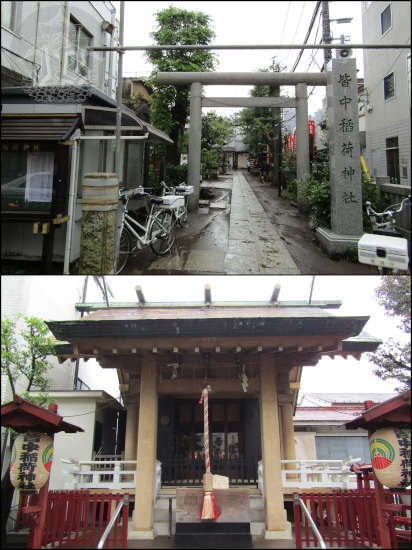
It was raining that morning when D****e and I walked out and headed towards Shin-Okubo [新大久]. The weather actually turned so bad for a while that around halfway, we just walked under a bridge to wait the worst of the downpour out. By the time we arrived at our destination, though, it had cleared out. We were walking to Kaichū Inari Jinja [皆中稲荷神社], also called Minna Ataru no Inari.

Entrance to a Shinto sanctuary through a back alley, and main altar

The shrine is dedicated to the kami [神] Inari [大稲荷], one of the most important deities of the Shinto mythology, the kami of fertility, rice, tea, sake, agriculture, and worldly success. Inari is said to use foxes as messengers. Shrines dedicated to Inari often have a lot of torii gates, usually offered by business in search of that success, and stone fox guardians. The most famous Inari Shrine is Fushimi Inari Taisha in Kyoto.

The legend surrounding Kaichū Inari Jinja tells that after the introduction of firearms in Japan during the Edo Period, a battalion was stationed near the shrine. The captain could not shoot well, no matter how much he trained. The deity Inari appeared to him in a dream, and after he went to the shrine to say thank you, he became a great shooter. Not only him, all of the battalion went to the shrine and they became good shooters. Both “Minna Ataru” and “Kaichū” translate as “hit all the targets” and at the same time “everybody hits”. Kaichū Inari Jinja became “the Inari shrine of everybody hits the target”, Minna Ataru no Inari Jinja. The news spread, and eventually people from the whole country started visiting so their wishes came true. The shrine’s relation with firearms was constant until it was burnt down in WWII.

Nowadays, Japan does not have firearms, but people still want to hit… for concerts! And thus Kaichū Inari has become the fan-shrine, where people go to pray to hit for lotteries for concerts and events!

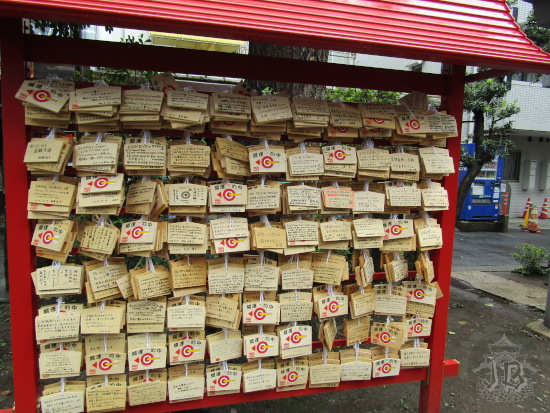
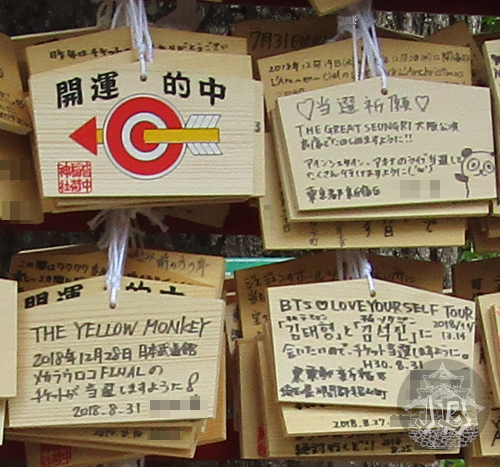
I’m not even kidding. Kaichū Inari Jinja is also known as “the fan shrine”. In Japan, you do not queue for concerts. Instead, your ticket has a number printed on it, and you enter when it is called. However, there are different series of numbers. The best tickets are offered within the artists’ fanclubs, and if there are more requests than tickets, these are assigned lottery-style. Fanclubs also have lotteries for other privileges such as attending trips and exclusive events, VIP meet&greets or special merchandise – when I belonged to Gackt’s fanclub I hit for fanclub tickets for the Last Visual Live and his birthday dinner. People want to “hit” for these tickets, and somehow Minna Ataru no Inari became the shrine to go to pray for that. Fans go to the shrine to offer a prayer, then they write what they want in volition tablets called ema [絵馬], which are then hung in the shrine premises. Much nicer “hits” that the ones which kill people.

An offering wall with tons of votive wooden tablets

Close up of the votive offerings with names of bands on then

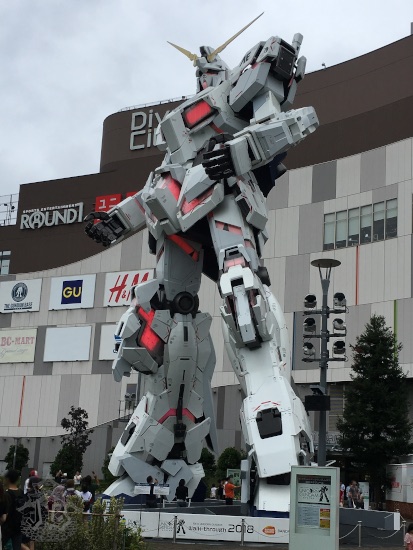
After visiting the shrine, we headed off to Odaiba [お台場] again, to meet with N***chan for lunch. We made a short visit to the Unicorn Gundam beforehand, but it was not moving.

Gundam robot statue. It is white and taller than the two-story shopping centre behind it. People can walk under its legs

Then we went to have lunch at an “Osaka delicatessen” restaurant at the Venus Fort. I ordered Takoyaki (buried in katsuomi (≧∇≦)) and kani koroke (octopus dumplings with bonito flakes, and crab dumplings). Yummy! Apparently other people’s orders were not as great though…

Dish of octopus dumplings that cannot be seen because there are a lot of bonito flakes on top

Afterwards, we headed to Zepp Tokyo for the second concert of HYDE’s Live 2018 concert, again with STARSET. Impressions were similar to the previous day. I really enjoyed STARSET, who played the same songs, and I again had mixed feelings about HYDE’s – not bad but… could have been better. I had not figured out my problem with the disconnected act yet.

Setlist:
1. Fake Divine
2. After light
4. Out
5. Set in Stone
6. Don’t hold back
7. Zipang
8. Who’s gonna save us
9. 監獄ロック [Kangoku Rock]
10. Rise or Die
11. Another Moment
12. Two Face
13. Devil’s side
14. Midnight Celebration II
(pause)
15. Kiss of Death
16. Ahead
17. Rise up
18. Ordinary World (Duran Duran cover)

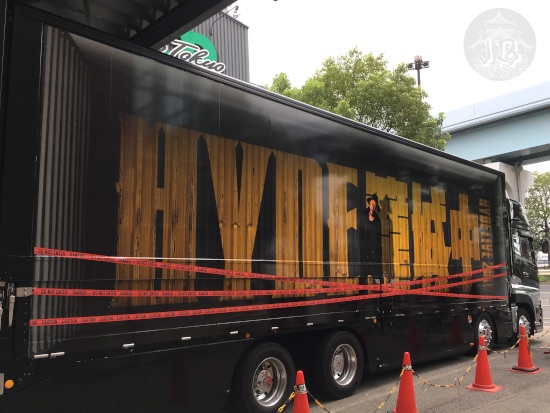
Hyde's tour truck reading his name

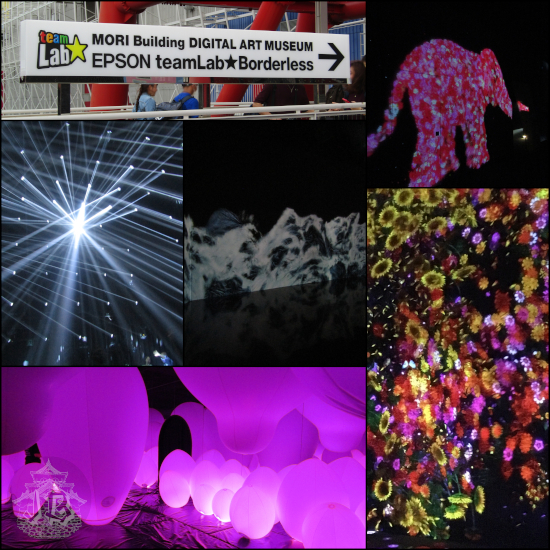
After the concert we had tickets to visit the MORI Building DIGITAL ART MUSEUM EPSON teamLab ★ Borderless. This is a pretty much interactive museum that relies on technology and light to create art – or at least pretty things for you to play with. D****e, N***chan and I were very lucky that it was open late, so we could go after the concert. There were few people there and we could be silly around it. Part of the museum was closed because some TV station was there doing interviews though, and even then it was worth the visit.

Most of what you see in the Digital Art Museum are light projections. You’re encouraged to interact with them, even create some of them that they will project for you. We saw a butterfly and flower area, pink elephants, kangaroo, waves…

I enjoyed a couple of the exhibits particularly – one of them was a light water fall, in a room that had kanji shadows on the walls. If you touched them, they turned into what they represented. I also liked the whales made of light and how peacefully they moved and floated. There were some other interactive exhibits that were very fun, like the… egg-balloons thingies which you could prance through or make float.

Collage of Mori interactive and light art – a walking elephant made of projected lights, it's pink with white flowers. Many rays of white light coming from everywhere in the dark. Waves. Giant purple-pink balloons. Flowers projected on the walls – sunflowers, daisies in different colours

Dancing whale with flowers, projected with light

Afterwards we had some dinner and left for home.

1st September 2018: HYDE LIVE 2018 @ Odaiba, Strike 1 {Japan, summer 2018}

In the evening, the first concert of the HYDE LIVE 2018 tour took place in Odaiba [お台場]. Luckily, I was going to be able to attend three shows in a row. Since it was a Saturday, we decided to make “a day” out of the concert and headed towards the area. There was an offer going on, so buying ten Yurikamome tickets would be cheaper than going to the three concerts using the usual underground system, so we decided on those.

The concert was in Zepp Tokyo, next to Venus Fort. And what do you do before a concert? Queue. In Europe it is so you get in first, in Japan, since tickets are numbered, you do not do so. You queue to buy goods, because they sometimes run out – at least that’s how people justify it. Unfortunately, not all the announced goods were on sale yet, which was disappointing. At least we did not get a sunburn while waiting, as we were prepared for rain and thus carried an umbrella-turned-parasol against the merciless sun.

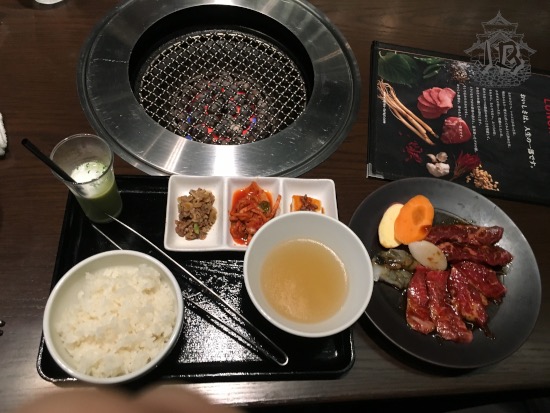
After we had bought our goods, D****e and I went to have lunch at the Venus Fort. We surveyed the places and ended up in a yakiniku place which was almost empty, and still had a long line of people waiting to get in. Things I’ll never understand. Food was good, though.

Yakiniku lunch – a dish of uncooked meat, the grill to cook it, rice, broth, and pickled vegetables

The concert was HYDE’s new solo project. After VAMPS disbanded a few months back, this was my first concert watching him. It was a strange situation, because the feelings were very bittersweet. It seems that HYDE has been trying hard to do damage control on the band break-up and has put a couple of singles out this summer, along a bit of a haphazardly-organised tour. He could probably not afford a show-less summer.

This time there was an opening act, progressive-rock band STARSET, who have a very distinctive style that I liked pretty much. The band itself is composed by four men: Dustin Bates (lead vocalist), Ron DeChant (bass), Brock Richards (lead guitar) and Adam Gilbert (drums). They were touring with two back-up members: Mariko M (cello) and Siobhán Cronin (violin). DeChant, Richards and Gilbert played their whole set wearing full-astronaut suits, and I have no idea how they did not die of heatstroke.

STARSET’s opening act took around 45 minutes. They were opening for HYDE as part of their promo in Japan – they actually collaborated with him for a re-recording of one of the band’s hits, Monster. At first, the audience had no clue about when and what to chorus, but it caught up quite quickly. When lead singer Bates managed to get the interaction he wanted, he visibly brightened up, which was cute.

Setlist:
1. Frequency
2. Carnivore
3. Gravity Of You
4. Telescope
5. Monster feat. HYDE
6. Ricochet
7. Bringing It Down
8. My Demons

After the STARSET show, there was a short intermission, and then not a countdown to zero but a “countup” to 666, which may have lasted about five minutes. In total, maybe about 20 minutes.

Setlist:
1. Fake Divine
2. After light
4. Out
5. Set in Stone
6. Don’t hold back
7. Zipang
8. Who’s gonna save us
9. 監獄ロック [Kangoku Rock]
10. Rise or Die
11. Lion
12. Two Face
13. Devil’s side
14. Midnight Celebration II
(pause)
15. Kiss of Death
16. Ahead
17. Rise up
18. Ordinary World (Duran Duran cover)

There was something weird in the show, something amiss that I was not able to put my finger on until later. It felt… incomplete. Disconnected. Zipang was like a power-ballad lacking power, there was something strange about Devil’s side, HYDE’s guitar was the most powerful one in Ahead. It took a while to put my thoughts in order to understand. On the one hand, it felt that HYDE had half an album ready, and filled the rest of the concert up with other songs that he owned the rights to. On the other hand, it felt that what was played was either not completely arranged or not rehearsed enough. It was not that the musicians were bad, they just felt… out of synch. Like… there was “noise” where there should be music, and each of them was playing a different tempo.

In contrast to the music, someone had put a lot of thought on the visuals. The stage was decorated with a cyberpunk background, with a lot of neon and LED lights. HYDE was also going with a mask theme. He used one when he came out to echo STARSET’s Monster, and he kept the mask on for the fist couple of his own songs, and all his supporting musicians wear them too, they don’t take them away. He also brought in a retractile throne that went to the centre of the stage and back, so he could appear from behind it, or sing sitting (or flopped) down. This show is about HYDE and HYDE alone – he wants to feel like “the only one” and have exchangeable musicians, it feels.

Among the new songs, my favourite was Out – the lyrics read something akin to “I’m not afraid of standing out. A hundred devils messing with my head again. I won’t pretend, I won’t back down, I’m not afraid of standing out”, and they resonated in a way usually only Yoshiki’s songs vibrate with me. I think I could have done without the VAMPS songs though, but I guess that without a whole ready album, HYDE sang whatever he owned rights to.

Also, I think I bought too many goods: a python necklace, gummies and gaccha.

Hyde's tour truck

After the concert, we just went home to get some rest.

31st August 2018: Tokyo Tower Reprise and off to Roppongi {Japan, summer 2018}

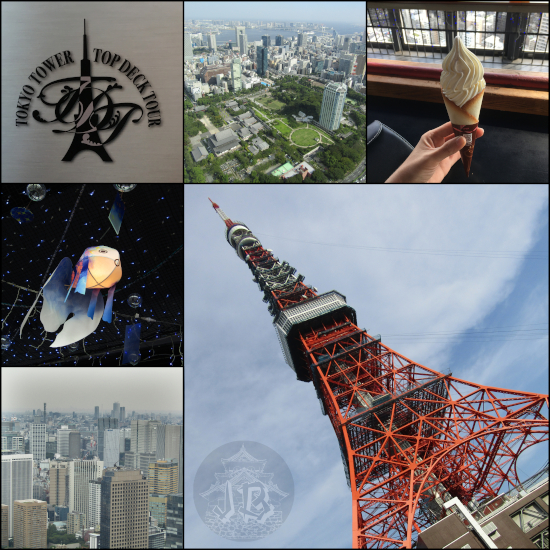
I went to Minato [港] because Tokyo Tower [東京タワー ] is there, and I love Tokyo Tower. My first stop, however, was Shiba Koen [芝公園], to visit a certain tree. However, the park was under construction! Who the hell closes a park for construction?! (O_O)!

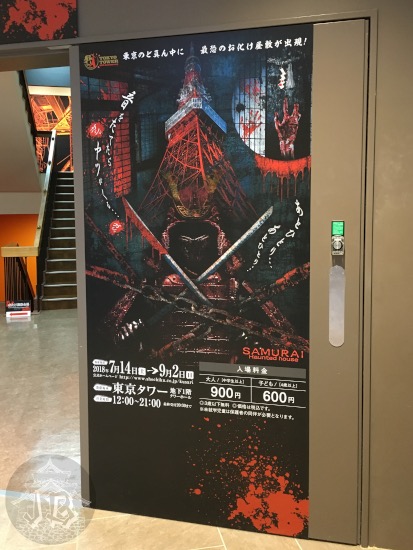
They have reopened the upper observatory in Tokyo Tower so of course I had to come back. It was imperative for my mental health. When I arrived I found out that they were running a “haunted house” on the basement and I decided to give it a go.

The story was of a cursed samurai who has killed 332 people and you’re supposed to be number 333. I had been wanting to try one of those for a while but in the end I did not enjoy it that much – the not seeing down the corridors was too stressful. Maybe with someone else it would have been more fun.

Afterwards I got my ticket for Tokyo Tower [東京タワー ] and the “VIP = Very impressive panorama” from the second observatory. I don’t understand why Tokyo Tower makes me so happy, but it does so more power to it. Oh oh oh and I had awesome(ly expensive) ice cream on the tower!

Afterwards I walked towards Roppongi [六本木], making a stop at the Don Quijote, a macro store that has nothing useful but lots of fun little stuff, with half a mind to buy a traditional red eyeliner or coloured contact lenses. But in the end I was strong and did not waste money (yet (≧∇≦) ).

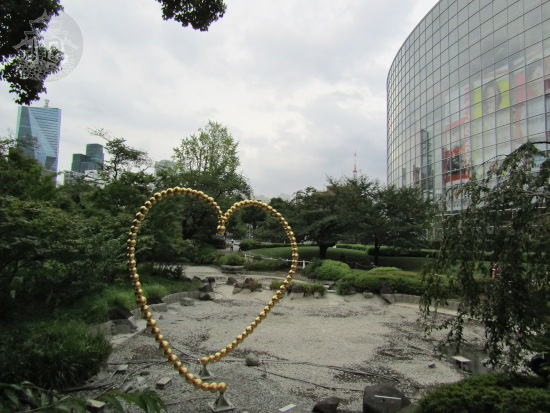
I continued to the gardens Mori Teien [毛利庭園], and I was a tiny bit disappointed that the pond had been emptied!

And I saw that the TV Asahi [テレビ朝日] building was open for visitors, so I went to snoop into that, because of course I did.

Later I met with D****e and M*****san for a shabu-shabu dinner which was out of this world.

30th August 2018: Loud Head {Japan, summer 2018}

I took the train to Shinjuku [新宿] and I walked from there to Shibuya [渋谷] to have a thought or two at life. In my walk I crossed Yoyogi Kōen [代々木公園] and visited Meiji Jingu [明治神宮].

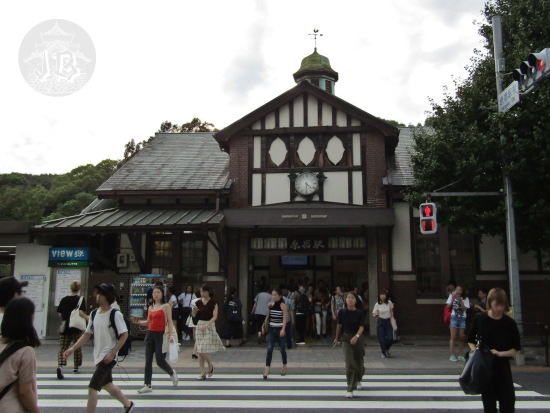
Then I strolled down Harajuku [原宿] – I had recently found out that the station is going to be torn down, so I had to say goodbye before heading over to the shops.

I finally made it to Shibuya [渋谷]. I had some Starbucks chocolate drink with around ten million kilocalories (≧∇≦). I went into Tower Records, Mandarake, and then Tsutaya.

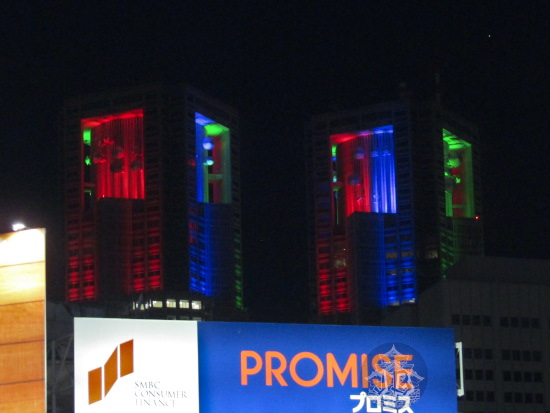
Ironically, I finally took a train back to Shinjuku [新宿] to meet D****e for dinner (guess what?! In the Shinjuku MyLord!), and we saw the lights on the Tōkyō Tochō [東京都庁] (Tokyo Metropolitan Government Building).

28th August 2018: Easy-peasy {Japan, summer 2018}

Having felt so lousy the previous day I decided to take an easy day with friends. I took another Nakano Broadway [中野ブロードウェイ] trip, although I did not find anything interesting – actually I did but I decided to leave buying for later and the next time I came it would be gone. Not the item, the whole shop (≧∇≦).

I met B**** for Chinese food in Shibuya [渋谷], drinks (because we had free Starbucks!) and then I got a haircut! Not that my hair was long but it had started losing shape and it did not look neat. My hair saloon was called Number 76 and it was in Omotesando [表参道].

This was a bit of a weird experience – I got my hair dry-cut, then washed, then styled, and then I got a massage – and B**** treated me to it because she’s awesome and generous ♥

Afterwards we met with D****e and had dinner at a very weird meat place in Shinjuku [新宿] (once again in MyLord because we decided it is very convenient and it has nice places). I mean, this is a salad…

27th August 2018: Nippori {Japan, summer 2018}

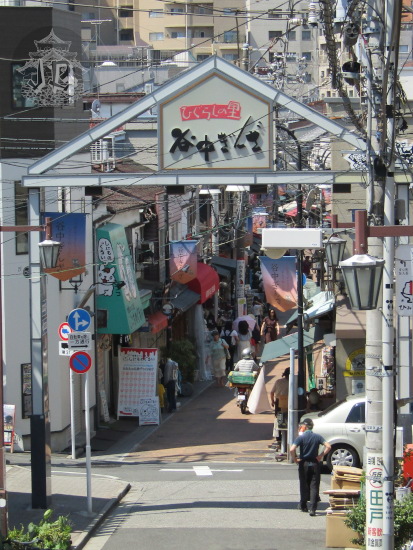
I went to the Yanaka [谷中] area in Nippori [日暮里] because I was not feeling too well and I thought it would be urban enough but empty enough. Unfortunately it did not quite cut it.

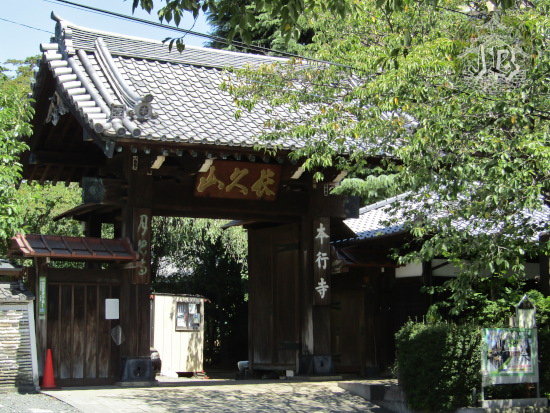
Just after coming from the station, I went to Hongyo-ji [本行寺]:

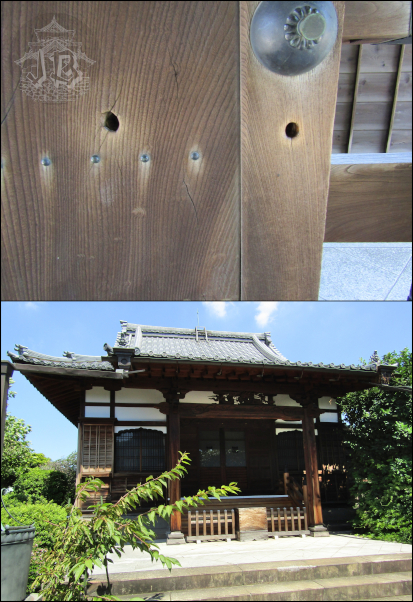
And then to Daikokuten Kyōo-ji [経王寺], whose gate is important cultural property and keeps bullet holes from the Battle of Ueno (1868).

I arrived to Yanaka Ginza [谷中銀座], a traditional shopping street. I saw Fukuyama Masaharu posters there and I found a shop that sold humoristic hanko for foreigners. I really, really fancied the idea of one with 榊 [Sakaki] on it (with a platypus drawing) but alas, extravagancy budget had already been topped by the Oiran photoshoot.

Then I walked throughout Yanaka Reien [谷中霊園], one of Tokyo’s urban graveyards, where you can see some special see-through bamboo barriers:

I also saw the Tokugawa family graveyard within, alhtough it is technically “only” the Grave of Tokugawa Yoshinobu, Tokugawa Yoshinobu Kōbosho [徳川慶喜公墓所].

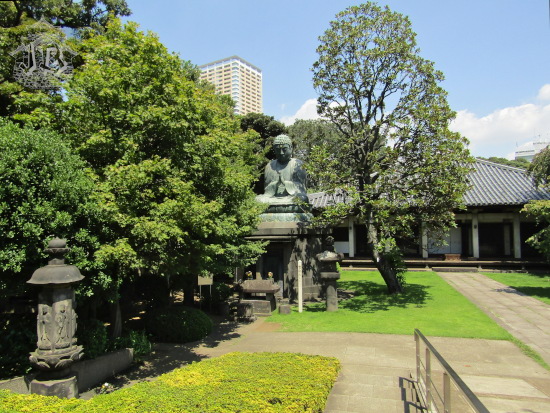
And Tenno-ji [天王寺] next to the cemetery.

The truth was that I wanted to explore a few more temples in the area. However, I decided to do a Book Off, Tsutaya, etc tour because it was my last day on the JR Pass and I wanted to check out some CDs – and because my stomach was being stupid and I needed to be close to toilets. Truth be told I don’t have that much of a good memory from this day (≧∇≦), because I was totally unable to get anything to eat till dinner – boy was I hungry by then.

26th August 2018: To the East: Niigata → Aizu-Wakamatsu → Koriyama → Tokyo {Japan, summer 2018}

As there was not much to see in Niigata [新潟], we took a scenic train to the east – Niigata is famous for being ‘countryside’, and growing rice. We saw lots of rice fields.

Our destination was Aizu-Wakamatsu [会津若松], a ‘samurai town’ famous for Tsuruga castle and the story of the Byakkotai [白虎隊], a troop of young soldiers who fought during the Boshin war. Back then the ‘Aizu warrior spirit’ was a very important thing, and 19 youths committed ritual suicide when they thought the castle had fallen. This is called the Tragedy of the Byakkotai.

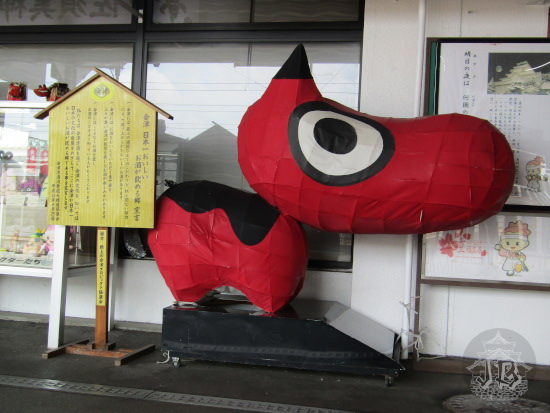
On the other hand, the town’s mascot is a cartoonish phantom red cow Akabeko [赤べこ]. Because why not?

We headed out to the castle first and foremost. Tsuruga-jo [鶴ヶ城] or Aizu-Wakamatsu-jo [会津若松城]. If you google it, you might think it’s pink. So did we. We were a bit on the amusedly disappointed side (≧∇≦).

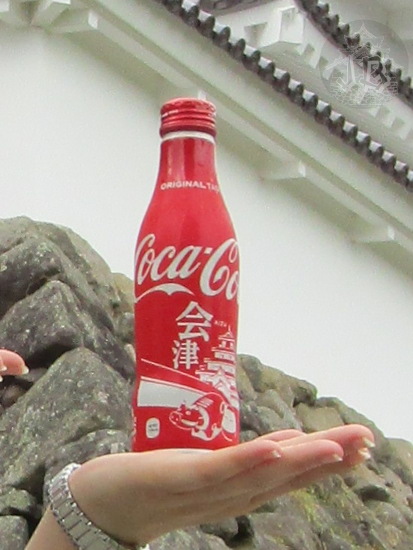
But we made-do with some awesome (and ice-cold) Aizu Coke-bottles.

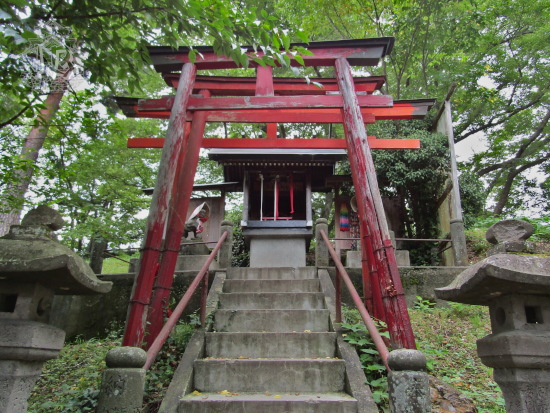
Within the castle grounds we found Tsuruga-jo Inari Jinja [鶴ヶ城稲荷神社].

And Kasama Inari Jinja [笠間稲荷神社].

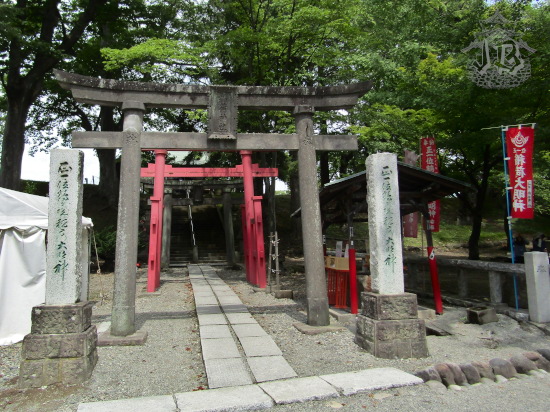
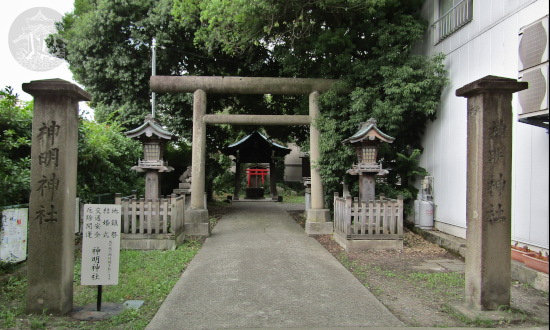
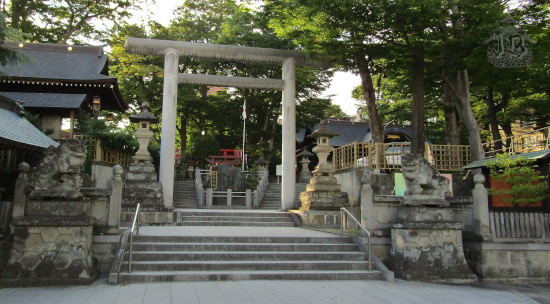
After the castle it was lunch time so we went to have lunch in the ‘old samurai town’ which to be honest does not feel too old. On the way we stopped by Shinmei Jinja [神明神社], which was rather on the empty side, but still nice.

We ate lunch in a place called Mitsuta-ya [満田屋] to eat miso dengaku [味噌田楽]. We had a course of skewers consisting on two konjac (one with salty and one with sweet miso), fried tofu, mochi (rice cake), sweet potato, shingorou (some kind of rice croquette) and smoked herring. All these were grilled just in front of us, which was on the one hand really cool to see, and on the other, bloody hot because hey, there was a fire burning in front of us. We were told that this was typical samurai food, because it could be prepared and eaten ‘on the go’. Who knows whether it is true, but it was fun and yummy.

Once we had eaten we had to make a run to the station so we could catch the train – as the following one was two hours later – and we made it with three whole minutes to spare despite google maps saying we were too far away. And thus we were off to Koriyama [郡山], which… we had not really heard of before this whole thing? (≧∇≦). There we took the Tourist Office by surprise when we asked what we could see even if it was already ‘late’. Map in hand, we headed off to see Asakakunitsuko Jinja [安積国造神社], which was a little on the creepy side.

Then we saw Nyoho-ji [如宝寺].

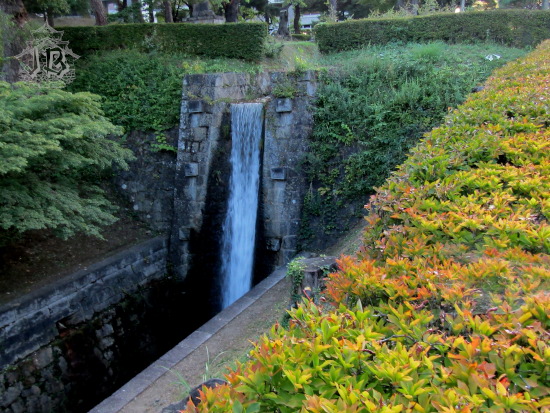
And continued to the park Hayama Koen [麓山公園], where we saw the Asaka Canal Hayama Waterfall Asaka Sosui Hayama no Hibaku [安積疏水麓山の飛瀑].

And the so-called Of the 21seikiki nenkouen Hayama no Mori [21世紀記念公園 麓山の杜], the 21st Century Memorial Park Hayama Forest.

Finally we headed back to the station area, where we checked out the Observatory in the Big-i [ビッグアイ] building.

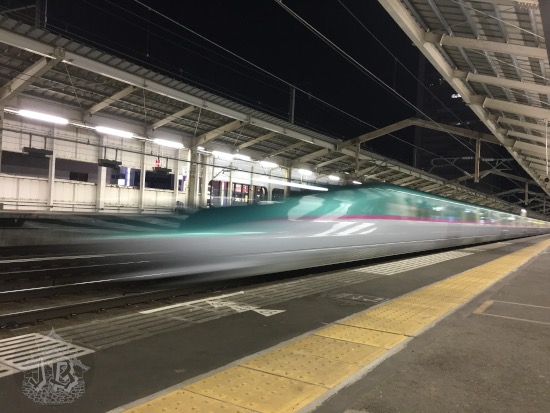
And finally caught a shinkansen back to Tokyo, we had dinner on the go and crashed in bed when we got home.

25th August 2018: Niigata + Otohige {Japan, summer 2018}

D****e and I went to Niigata [新潟] to attend Otohige, a summer music festival.

I took in a few things:

  • Golden Bomber are fun (well, this I knew already). Sho got hit for real a couple of times
  • Wagakki Band are fun too. I have given them money
  • I can’t go to arena moshpit without anything to hold on. Too painful.
  • Being on third row for HYDE should be amazing but it sucks if you can’t see HYDE and all your body hurts due to pushing and shoving.
  • I shall avoid macro festivals that do not have seats. If there are seats and arena, I will stay at the seats
  • Japan summer rain when everything hurts is not nice.
  • Painkillers and yummy yakiniku can make things better. Eventually.

This was not such a great experience for me as going into the pit turned out to be a good decision, causing a flare. I’ve decided to avoid festivals from now on.

24th August 2018: Friends! {Japan, summer 2018}

In the morning, I went to the Shōbō hakubutsukan [消防博物館] or Fire Museum, in Yotsuya [四谷]. I blame my last binge on Chicago Fire for the curiosity bug to bite on that one. It was strangely interesting, but the helicopter was closed due to wind and rain – also the problem with kid friendly museums is… kids overrunning you and parents cheering for them…

Then I met B**** in Shibuya [渋谷] for sushi, and that was awesome, until we were done. Then we saw the shrimp and fish being beheaded alive in front of us. That was a shock (O_O)! After that we went for ice cream, window shopping, karaoke and dinner in Shinjuku [新宿], in MyLord building next to the station, which was really convenient and surprisingly good (and well-timed on our part). Okonomiyaki! This was my masterpiece!

(Added a lot of katsuomi to it afterwards (≧∇≦) )

23rd August 2018: 疲れた {Japan, summer 2018}

After nine days on the go, mostly with the backpack on, today I took it easy as my body kind of hurt. I went for a stroll down Ikebukuro [池袋], popped into the music shops in the neighbourhood, and looked at yukata. A yukata [浴衣] is the simplified version of a kimono [着物], usually worn in summer. It is less elaborated as it has fewer layers, and it is usually sewn from printed fabric rather than embroidered one. As so, it is rather more affordable than the real kimono – most people in Japan will own at least one yukata.

I went into the ALTA Ikebukuro super shopping centre. There, I found a super beautiful, super expensive high-class yukata. I absolutely fell in love with it, but it was completely out of my budget – it was embroidered with actual silver threads. After that, it was really hard to find something else I liked.

After a few more shops, I did find a yukata in Shinjuku [新宿]’s Tokyo 135º. Ironically, I found this shop in Shinjuku ALTA, right in front of Shinjuku Station Kabuki-cho exit (this is the building that used to have the huge Kimura Takuya billboard). It seemed that the sales ladies were quite used to tourists. The assistant did not press me, and she actually offered to take a picture of me before I actually told her I would buy the yukata.

My choice was exactly what I was looking and aiming for – it has a dark background and a bit of a “goth” design, with roses in different shades, from dark red to pink.

Coming back, I got lost in Shinjuku Station. Like, very lost. Then I realised that to get to the “South Exit” you have to actually come out of the building and find it outside. Live and learn. The great thing about getting lost in Shinjuku Station was that I found all the TOKIO panels for their new video game commercial. Including one low enough to be able to “take a selfie” with Nagase.

Then I picked up D****e in Roppongi [六本木], we had dinner, and called it a day.

22nd August 2018: … and I raise you two castles more {Japan, summer 2018}

From Nagoya [名古屋], I got myself to Inuyama [犬山], Aichi Prefecture, to see yet another castle. This is also one of the twelve original castles and a National Treasure of Japan. Inuyama is located about 40 minutes away from Nagoya in a line I had not even heard about, so I had a bit of a hiccup finding the station. But it was no more than a tiny stumble and I was on my way at the expected time. Inuyama is a nice little town with a traditional street leading up to the castle, called “Castle Town street”.
Before getting to the castle I came across two shrines – one was Haritsuna Jinja [針綱神社].

The other one was Sankoinari Jinja [三光稲荷神社 ], which either got you a partner or protected your pets. Inclusive for people who want a partner or not, I guess (≧∇≦).

Then I hiked up to Inuyama-jō [犬山城], the castle.
I diverted from the way to get to Inuyama Jinja [犬山神社].

And I was puzzled by something called Oibokenizu Jizoudou [老い呆け来地ず蔵堂]. But it’s okay. Apparently most people are. It seems to be some kind of love temple.

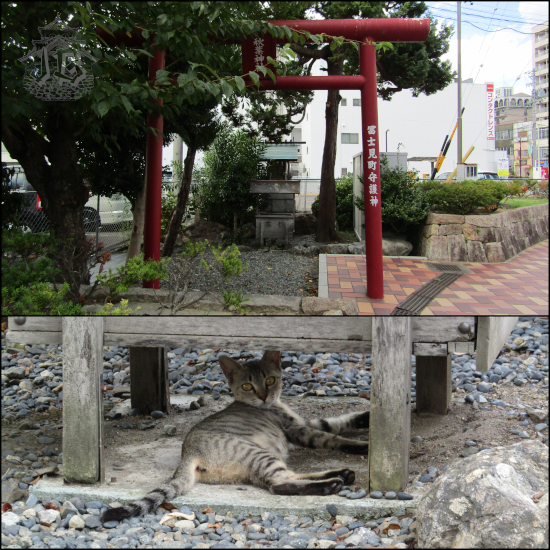
Finally I met a very relaxed kitty in Akiba Jinja [秋葉神社].

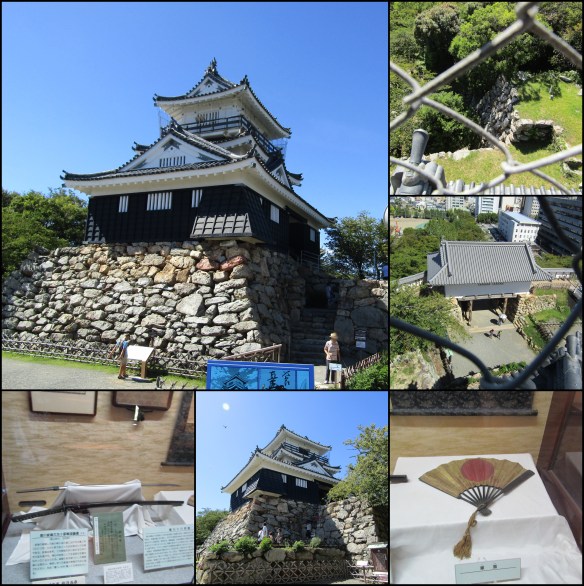
With this, I left Inuyama and headed back to Nagoya, from where I took a Tokyo-bound Shinkansen. I made a stopover at Hamamatsu [浜松] because I wanted to see… yet another castle! I found my way to Hamamatsu-jō [浜松城, Hamamatsu-jō].

Next to it there is the sculpture of Tokugawa Ieyasu Wakaki hi no Tokugawa Ieyasukō-zō [若き日の徳川家康公像]. Ieyasu build the Castle and resided in Hamamatsu and was the first shogun of Edo shogunate. The castle is a reconstruction.

Finally, there is the Ieyasu Armour Hang Pine Tree Ieyasu yoroi-kake-matsu [家康公鎧掛松] which (supposedly) is where the man hung his armour when he was home (aka the original castle).

And with that I headed off back to Tokyo [東京] and D****e’s place to get some rest.

21st August 2018: I see two castles… {Japan, summer 2018}

As I had made it to Nagoya a bit on the early side the previous day, I had some time to plan today carefully. The tentative plan was visiting Gifu and Inuyama, both castle towns. However, a third castle, Kiyosu, was also on the list, and it turned out that to get to Gifu, you go via Kiyosu. So there was a slight readjustment in Castle-visting schedule.

Thus I got myself on the train and 20 minutes later I stopped at Kiyosu [清洲]. I had seen the castle from the Shinkansen before, but I had never found the name until I was doing some pre-planning for this trip. Thus, it was a win/win situation. Everything seemed to be helping towards me seeing that castle this time.

Bonus points for Kiyosu: signs. Awesome, easy to follow signals reading “清洲城” in every crossing . Not in every second crossing. In every actual crossing so you can actually get to the place without even a map!

Anyway, the highlight of Kiyosu is the castle, Kiyosu-jō [清洲城]. It is not original by any means, but it is one of the prettiest ones I’ve seen. I like all the colourful stuff.

Then I snooped around Kiyosu Koen [清洲公園], the park where Oda Nobunaga Nōhime-zō [織田信長・濃姫像] stand, they are the bronze statues of Oda Nobunaga and his wife Nouhime.

Afterwards I returned to the station and continued onto Gifu [岐阜], where I took a while to figure out the bus system, but in the end I managed to get to the feet of the mountain where Gifu Castle is.

Before going into the park, I decided I would not go into the insect museum, and walked off to Shōhōji [正法寺], home of the Great Buddha Gifu Daibutsu [岐阜大仏].

I took the Gifu Safu Kinkazan Ropeway [ぎふ金華山ロープウェー] (Gifu Mt. Kinka Ropeway). As much as it seems that I am getting comfortable with the whole Ropeway thing, I’m not. For the record.

But there I went, up to Gifu-jō [岐阜城], the castle up the muontain.

Later I was wandering around the park for a while and of course I needed to go and see the Gifu Kōen Sanjūnotō [岐阜公園三重塔], the Three-Story Pagoda that stands on the slope of the park.

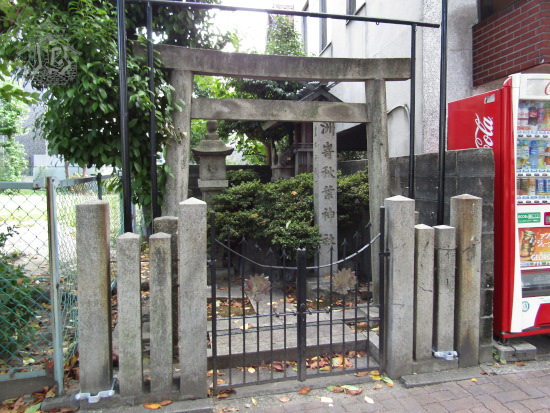
I was sort of tired, and it was very hot, so I took the bus back to the station, and the train back to Nagoya [名古屋]. When I got there I had rested a little, and I felt up to walking a bit in Nagoya – besides it just felt too early to go to the hotel. I walked by a cute little shrine, Yuzu Akiba Jinja [洲嵜秋葉神社].

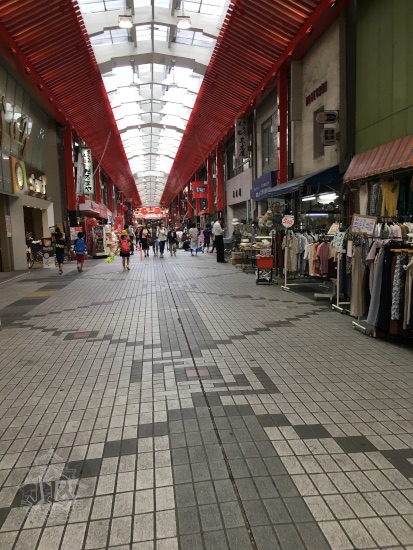
I finally made it to Ōsu Kannon [大須観音],

and the adjacent shopping streets,

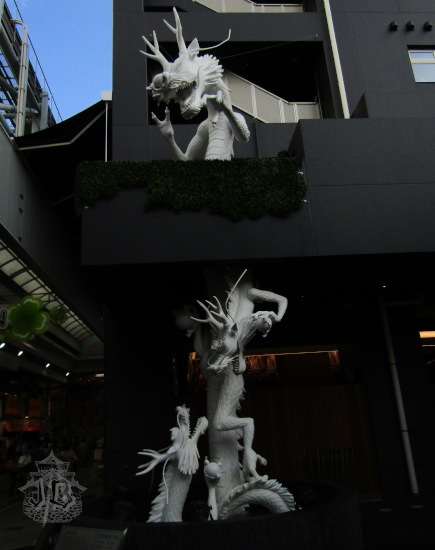
where I found Hakuryu [白龍], the white dragon.

I did some shopping in Mandarake and Book Off and I walked back to the hotel.

20th August 2018: Ise, the Soul of Japan {Japan, summer 2018}

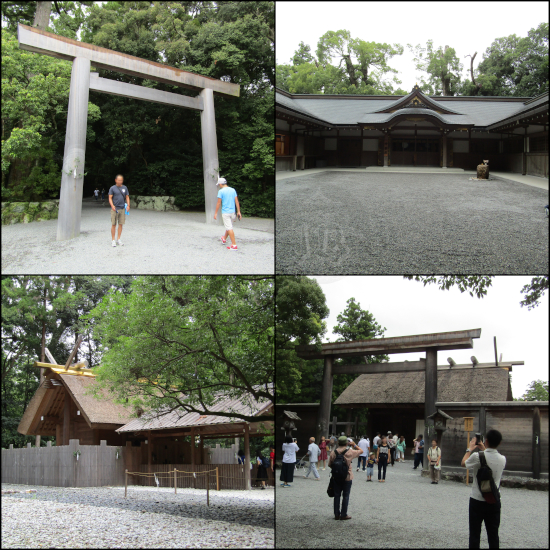
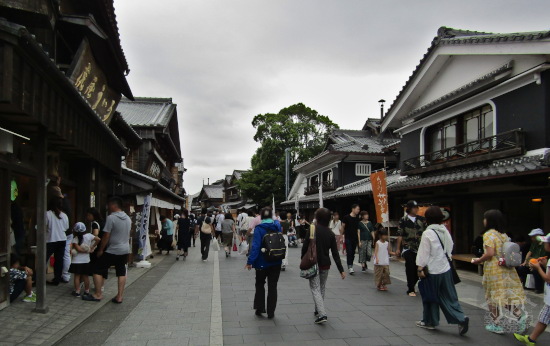
Ise [伊勢] in the Mie Prefecture, is a coastal town home to the Ise Grand Shrine Ise Jingū [伊勢神宮] dedicated to Amaterasu, Sun Goddess, and said by many to represent the soul of Japan. It is also, according to the legend, the resting place of one of the three Imperial Regalia, the mirror Yata no Kagami [八咫鏡]. The Grand Shrine is actually a compound, but there are two main shrines, the Inner Shrine Naikū and the Outer Shrine Gekū

I left the hotel just in time to make it to the local station and get to Ise stfation, where I checked with the Tourism office and bought a bus pass. As much as I dislike buses in Japan, sometimes it’s the only way to get around. My first stop was the Outer Shrine: Gekū [外宮].

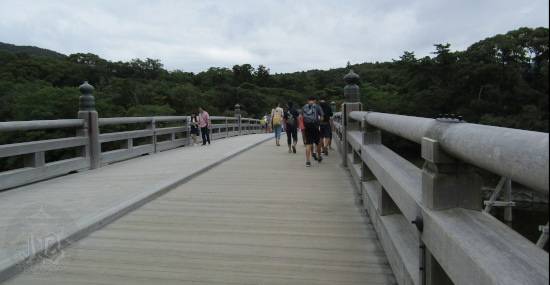
Then I took the bus to the Inner Shrine, which was packed with people and school trips. I crossed another Uji Bridge, Uji-bashi[宇治橋].

Then walked into the Inner Shrine: Naikū [内宮].

My general impression of the Ise Grand Shrine: it felt really severe and not too welcoming, which is different from what I usually feel in Shinto Shrines. It was full of people praying at the different shrines and sub-shrines, and families with grandparents, parents and kids. There were also a lot of children in trips. In the Great Shrine, people usually pray at what is called the third level. When I was there, a woman was shown to the second level for her to pray there, which caused some outrage around the parishioners. That amused me.

After I had seen the Grand Shrine I took the bus again to head off to the coast. On the way we passed by Azuchi-Momoyama Bunkamura, and I filed it for future reference, as it had a castle. But for the time being I was heading off to see the Meoto Iwa.

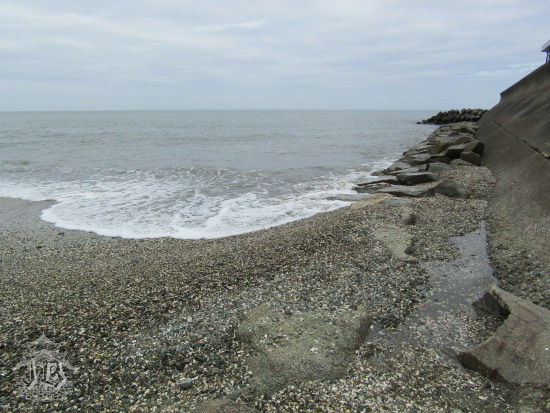
I got off the bus and first I was distracted by the ocean.

Then I walked through Ryugusha [龍宮社], a dragon Shinto shrine.

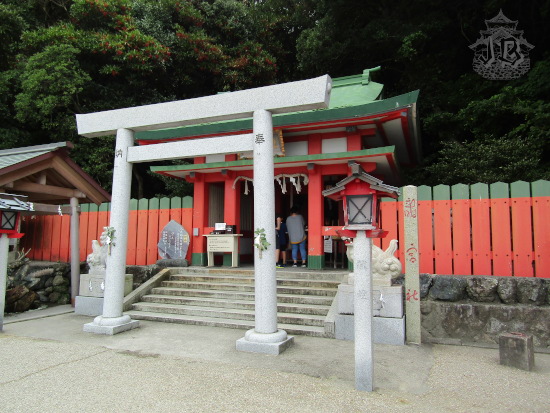
I walked around the cliff and got to Futamiokitama Jinja [二見興玉神社].

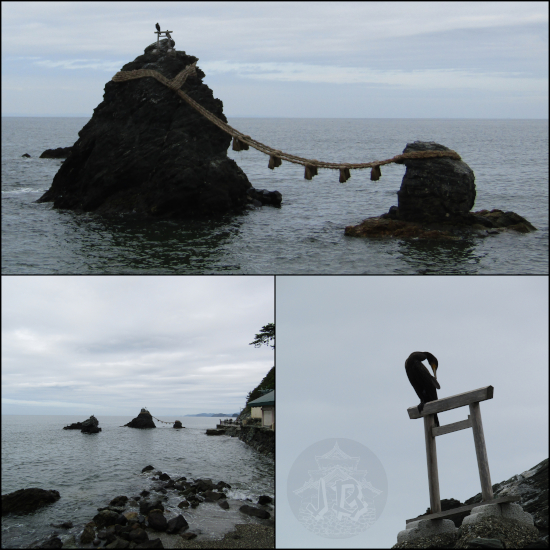
Which is home to the Married Rocks Meoto Iwa [夫婦岩], two rocks in the ocean that are joined by a sacred rope and represent a married couple.

I had now some time to do something else. I considered the Aquarium, and the Azuchi-Momoyama Bunkamura [伊勢安土桃山文化村]. I decided to give myself some more time to think by taking the bus backtracking towards the Naikū, and I had almost decided on the theme park – featuring samurai, geisha and the castle.

But then I saw the price. It was over 4,000 ¥ and I had spent 10,500 ¥ at the Oiran Experience than expected, so I was a bit off-budget. Thus I decided to just head back to the shopping and restaurant area and grab a bite to eat. (Full disclosure: I might have to go back to Ise just to check this out anyway (≧∇≦).)

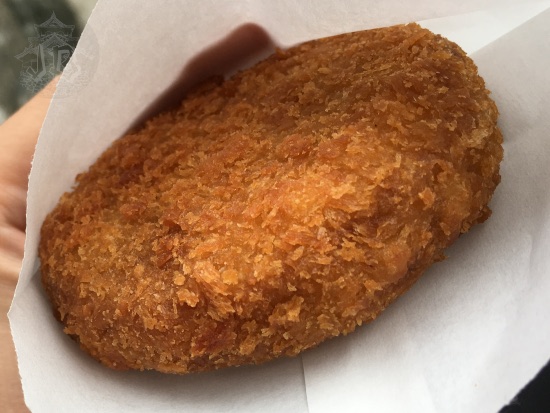
I had heard about ‘Ise lobster’ Ise ebi [イセエビ] (Japanese spiny lobster, Panulirus japonicus), but in the end it turned out that I only bought a koroke. It was yummy though.

After this, being already late afternoon, I decided to head back to the station, stopping by Seki Jinja [世木神社] before I left towards Nagoya [名古屋], which would be my operational base for the next couple of days.