15th – 17th June 2019: Cologne (Germany) for the Gazette

Getting from Madrid to Cologne [Köln] was stupidly difficult and expensive so in the end I took an early Saturday-morning flight to Frankfurt and then I booked train tickets (an ICE and a suburban train) to the hotel area in Cologne. My plane took off at dawn (literally) and landed at 9:40, so I thought about booking the train at 10:30.

Sunrise from the still-grounded plane

On a whim of distrustfulness, I decided to book the train for 11:00, which was lucky. While we did land on time, it tookan eternity to reach the terminal, and in the end I arrived in the station just past 10:30. Since I had a bit of time, I grabbed a coffee and a bagel for some ridiculous price, but that kept me going until the evening.

Bagel and coffee

The European plain from the train window

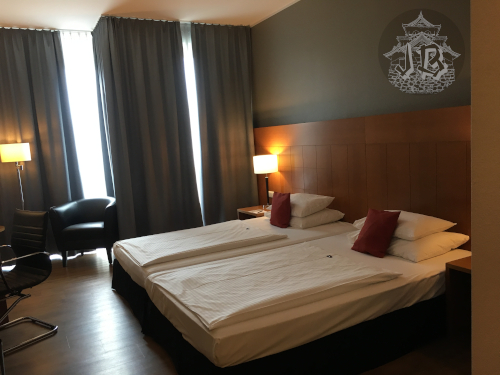
I reached Cologne and went on to the commuter to the venue area, where my hotel was, a short walk away from the station. After checking in, I dropped my things off in an amazing room, and had to do a double take – for a second I was not sure they had given me the right room, because it was way too nice for the price I was paying.

Huge bedroom at the hotel

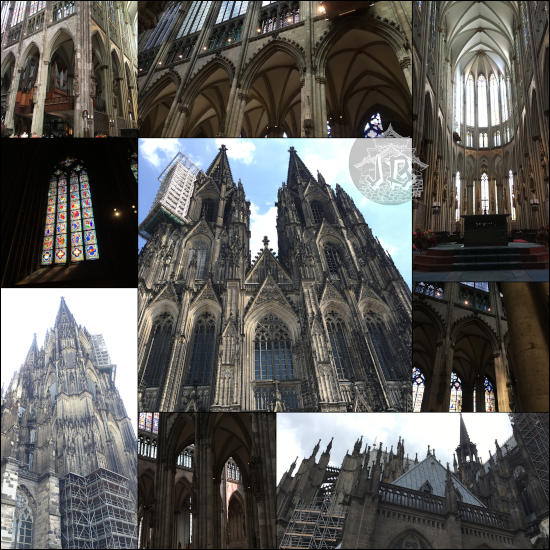
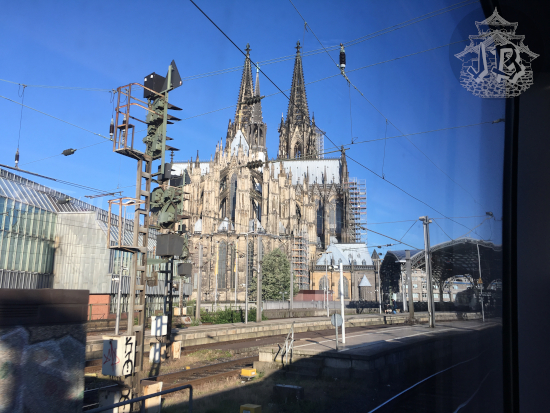
After changing clothes, I grabbed my bottle of water and off I took a train towards the city centre to visit the Cologne Cathedral Kölner Dom –it took a bit to figure out how to validate the train tickets, but I think I did everything legally. The cathedral has been a World Heritage site since 1996. Its construction started in 1248, but was halted in 1473. The building remained unfinished until the 1840s, when work was picked up again, following the original Medieval plans, and the church was finally completed in 1880. While it was badly damaged in WWII, it withstood the bombings and ever since then, it has been in a constant state of small and not-so-small restorations and repairs.

Cologne Dome

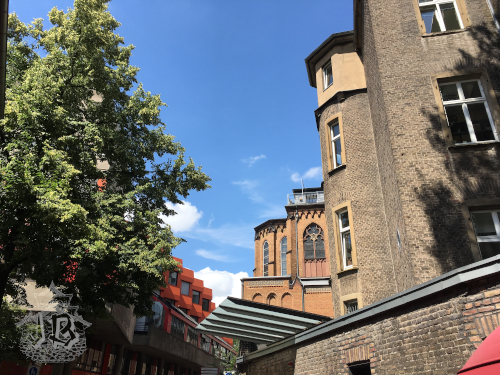
From the Cathedral I walked towards Cologne Zoo or Kölner Zoo. Although it had been drizzling before, at that point it was sunny again, and the walk was nice.

A typical Cologne Street

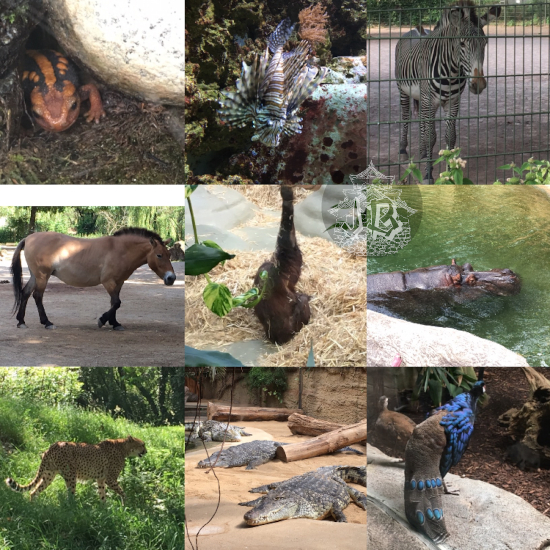
I decided to go to the zoo because it was the only thing that seemed to be open for long enough to mean value for money. The weather had warmed up and the bunnies were roasted coughs. I got to see some animals I had never seen before, such as Przewalski’s horses, snipes, or a grizzly bear. The zoo has a huge enclosure area, a petting zoo with domestic animals (and cheeky cows), an aquarium and a terrarium with both reptiles and creepy-crawlers shudders.

Some of the animals in the zoo

Then, I walked back to the hotel, stopping by the supermarket on my way – and here I discovered my undoing. The triple chocolate cookies which wrecked my trying to eat healthy stroll. I shall try to find them again in my next Germany trip though. However, I have to say that I had learnt from my being stupid for MIYAVI in London and not eating well through the weekend, so I bought snacks to have the following day.

Cookies

I was exhausted, so I think I was out at 22:00, which helped being awake at 7:00 the next morning. Thus, I just headed off for the venue E-Werk, and settled to queue for the concert. Japanese Visual kei (V系) rock band the GazettE [ガゼット (Gazetto)] was formed in 2002 and achieved its current configuration in 2003. It is formed by members: Ruki (ルキ) on lead vocals; Uruha (麗) on lead guitar; Aoi (葵) on an insane amount of support guitars (two on the same song, almost at the same time); Reita (れいた) on bass, keyboards / piano; and Kai (戒) on drums. Though they are signed with Sony Records, they claim to be completely self-produced.

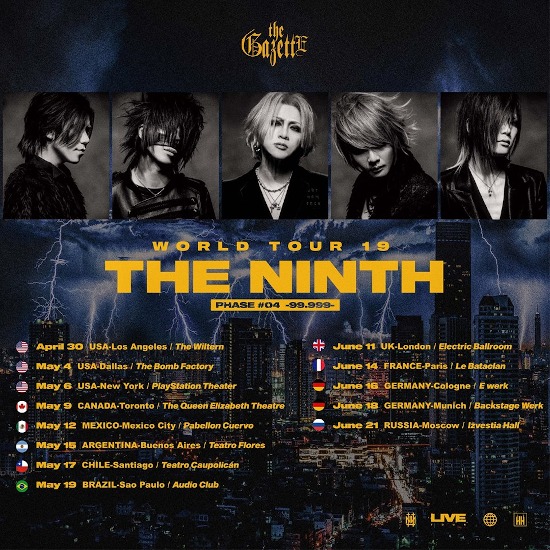
In December 2018, the Gazette announced that they would continue their Japanese Tour abroad as Live Tour 19 THE NINTH: PHASE #04 -99.999-. It originally spanned North and South America, and Europe, and later in April some Asian dates were added. I originally planned to go to Munich (travelling was easier and cheaper), but I could not get VIP tickets, so switched to Cologne instead. General Admission was reasonably priced (45€) with crazy shipping costs (+4.50€, since they were all printed out and pretty). VIP Tickets (300 per concert), included early entry (one hour before GA and two hours before the show), a VIP present, and a handshake with the band for 170€ (+4.50€ in shipping costs), exclusively distributed through ME-shop, which was a pain and not easy at all.

The Gazette World Tour dates

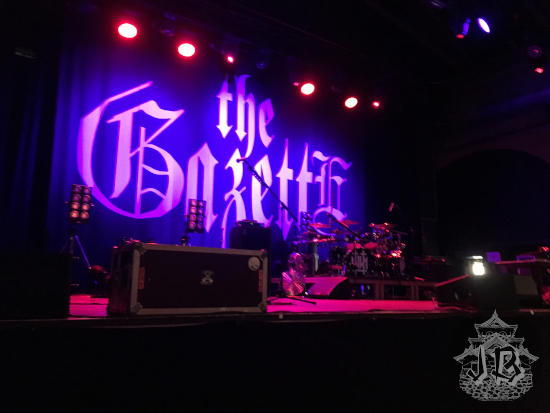
The Cologne concert at E-Werk would be held at 20:00, which placed entry at 19:00 and VIP entry at 18:00. I reached the queue around 8:00. The venue is a repurposed industrial building with a capacity for 2,000 people in a lower-floor arena and a sort of balcony around it which also allows for visibility. There were already staff walking around, and the venue even had portable toilets outside for queuing fans. At that time, there were maybe 60-70 people waiting in three queues – VIP, GA, and something called “regulars” who went in last.

Everything ran smoothly, with the three lines in front of the doors, up until 16:00 when security arrived. They decided to rearrange the queues, and created chaos. Fortunately, since most of the fans were German, and they enjoy order, at least the VIP queue was reorganised neatly and quickly – respecting the arrival numbers. Around 16:30, the VIP tickets were checked and switched for bracelets, and the holders ushered to a secondary waiting area where we were not even allowed to sit down until doors opened around 18:15. Due to this, I had to stand for two hours straight without leaning on anything, my back was killing me. I decided that I either made it to the barrier, or I would head upstairs for a good view. When I came in, I received the VIP present – a banner with the band logo on it– and I was find a first-row spot to the left of the stage, in front of Aoi (guitar). The concert ran about 15 minutes late due to a technical problem with a wire / monitor. Good thing I found a barrier spot indeed.

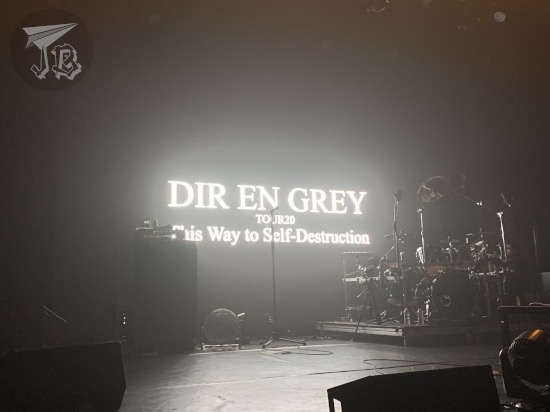
The concert was very high energy. The music was so loud my ears were still ringing three days later. Most of the setlist was from The Ninth album, which makes sense. My personal favourite live song was The Suicide Circus .

Setlist:

  1. 99.999
  2. Falling
  3. Ninth Odd Smell
  4. Gush
  5. Agony
  6. The Suicide Circus
  7. 虚 蜩 [Utsu Semi]
  8. その声は脆く [Sono Koe wa Moroku]
  9. Babylon’s Taboo
  10. Dogma
  11. Incubus
  12. Ugly
  13. Abhor God
  14. Filth in the Beauty
  15. Inside Beast
  16. Cockroach
  17. Tomorrow Never Dies

I was very impressed by Reita’s stage persona / antics, how he stood on stage and moved. I almost caught a pick that he threw, but by that time my right arm was completely useless as the person behind me kept trying to push me away from the barrier to take my spot. My wrist brace is actually broken due to having to hang on from her shoving. But she was not successful

Aoi was muchbetter than I expected, and at some point he was playing two guitars for the same song, the acoustic and the electric, without any apparent effort – he hung both from his neck and played whichever one he needed. I could not see much of Kai, and Uruha was most of the time too far away. And unfortunately Ruki favoured going to the right, but he has a very powerful body language.

After the concert, the VIPs were pushed– literally – to an area in the back of the venue to wait for the meet and greet in a different room. I got handshake with both hands from all of them, if memory serves me correctly the order was Kai, Uruha, Ruki, Reita and finally Aoi. I told them that it had been very fun, that they had done a good job and none of them batted an eye at my Japanese. They were really nice though, in a high contrast from stage personas.

Afterwards, I just headed off back to the hotel, and directly into the shower, because I was sore all over. Good thing I still had snacks from my supermarket run. I think this was the first time I have actually though “I’m getting too old for this”.

On Monday morning, my paranoia had me early at the station, and that was good because apparently my suburban had been cancelled. Being early, I was lucky enough to be able to catch a completely different one – not sure if legally. I did not get caught if it wasn’t, but I made it to Cologne central station and caught my ICE without any further stress. As the station is located next to the Dome, I was able to say good-bye.

Cologne Dome from the train

As I had a window seat again, I also had quite a few nice views from the plane, and made it home without any issue.

An aerial view of a reservoir with turquoise water

23rd & 24th April 2019: El Escorial, Vizmalo & Lerma (Spain)

23 April 2019: El Escorial

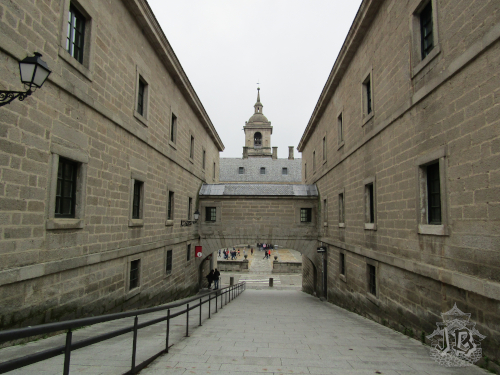
The Royal Site of San Lorenzo de El Escorial aka Monasterio y Sitio de El Escorial is located a shy hour away from Madrid. It is most known for the Monastery that used to be an official residence of the King of Spain. The Monastery was built between 1563 and 1584. It is the masterpiece of the Spanish architect Juan de Herrera, after whom the Herrerian style, a sub-style in the Spanish Renaissance, was named. The building is a sober building made of a granite, and it is the burial place of most of the Spanish kings and queens. Some urban legends say that it was based off the descriptions of the Temple of Solomon.

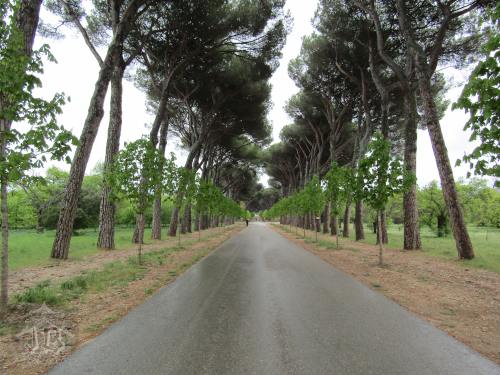
We drove in around 9:00, dropped off the luggage, and went out, as we had tickets for 10:00 – although the hotel did not want to let us in. Contrary to the nice weather that we had been enjoying, it was cold as hell. The whole town felt grey and sober, and the cloudiness helped the mood – we had breakfast at a nearby bar (the only one open) and headed off to the monastery. The building hosts many artworks, along with a chapel, the royal pantheon and the most amazing library ever. Pictures in the inner areas are forbidden, unfortunately. The Monastery is a Unesco World Heritage site.

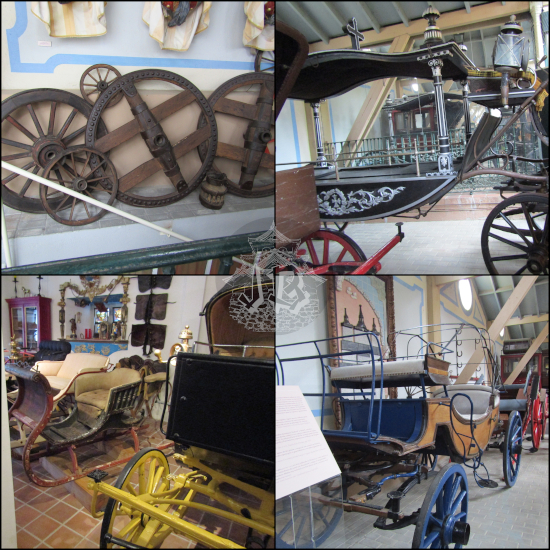
At lunchtime we walked out of the Monastery and headed off to the Royal Carriage House / Cocheras del Rey, a museum / restaurant. We had lunch, then visited the museum as the entry was free with lunch. It was raining like mad by then so we headed to the hotel to finalise the check in.

After an hour or so the rain had stopped so we decided to walk to the Prince’s House and Parks / Parque y jardines de la Casita del Príncipe. By the time we arrived it had started raining again – pictures were not allowed inside of the house either, but OMG was the inside Baroque, with flashy wallpapers.

On the way back, we could catch a glimpse of the monastery through the park. By now it was raining like crazy, so we spent the rest of the evening indoors.

24 April 2019: Vizmalo & Lerma

We left El Escorial early in the morning and we headed north for lunch. Yeah, well, let me explain. We had a reservation for lunch some two-and-a-half hours away, in Vizmalo (Burgos). This was a bit of a silly whim, but we were going to visit an estate / farm and have lunch there – the St. Rosalia Estate / Finca Santa Rosalía breeds wagyu for meat, and holy are they yummy. We had a booking to see the estate first.

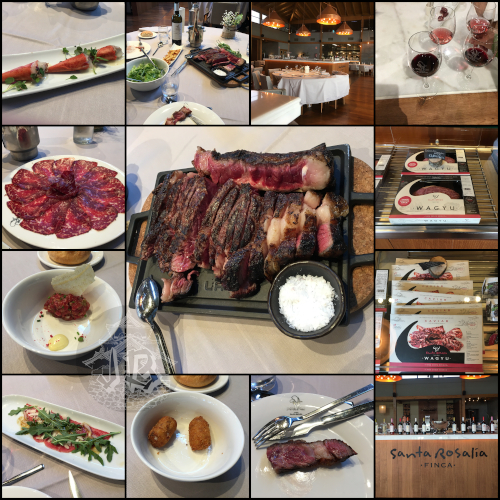
While it was still cold, the weather was slowly improving, and in evening we had some sun. We saw the orchards, the grapevines, the cattle, the trees and so on. Then we moved into the wine cellars and saw the barrels, before we tried the wine and some of the meat-dishes that they prepare and sell. The selling point of Finca Santa Rosalía are the wagyu, cattle of Japanese origin. Wagyu meat is completely different from any other beef because it is soft and tender, and in general delicious.

Lunch was brilliant, based, of course on the wagyu meat. The T-bone was scrumptious and even if it was on the “a lot of money” side, it did not feel too expensive for a once-in-a-lifetime experience considering the amazing quality.

After lunch we drove off towards Lerma, a city which was revamped by the Duke of Lerma back in the 17th century. After finding our hotel and dropping our stuff off, we walked to the Duke’s Palace turned luxury hotel: Palacio Ducal & Parador de Lerma.

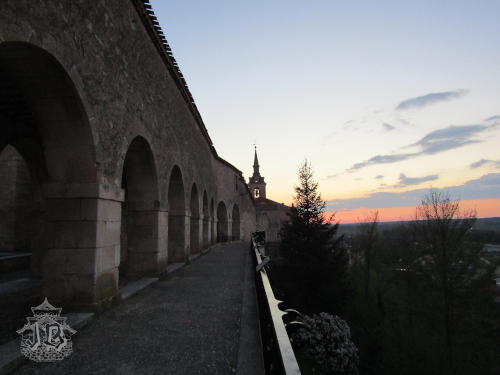
We walked around and came across the Mirador de los Arcos / Archway Viewpoint.

Then we saw Colegiata de San Pedro / St. Peter’s Collegiate church, where there was a religious exhibition being held (“Las Edades del Hombre”), with the topic of angels. Pictures were not allowed, or we would have shown you a few… interesting representation.

Sunset crawled upon us and it was nice view. We had dinner somewhere around the town centre, and called it a night before we drove home the following day.

17th April 2019: La Almudena & Mercado de San Miguel (Madrid, Spain)

A Japanese friend had a layover in Madrid, so I took the day trip to see her and stay with her until she moved on to her final destination. We dropped off her luggage at the coin lockers in Atocha station and I asked her what she wanted to see.

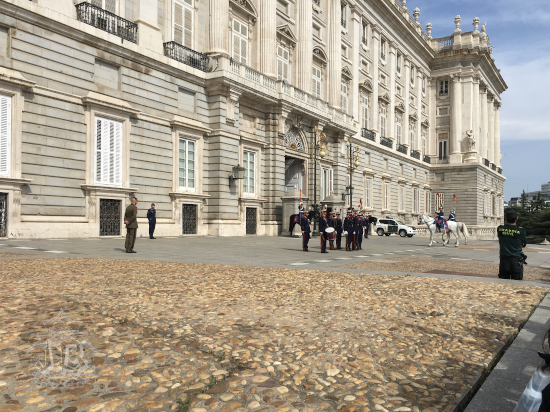
Our first destination was quite accidental. We were heading towards La Almudena cathedral when we stumbled into the Changing of the Guards in front of the Royal Palace of Madrid, the Palacio Real de Madrid.

The Catedral de la Almudena, Madrid’s cathedral, is right next to the Palace, and we were there a few minutes later. We walked around the upper area. It was a nice, sunny day so the coloured windows made neat reflections on the walls and floors.

Afterwards we found our way to the cathedral crypt.

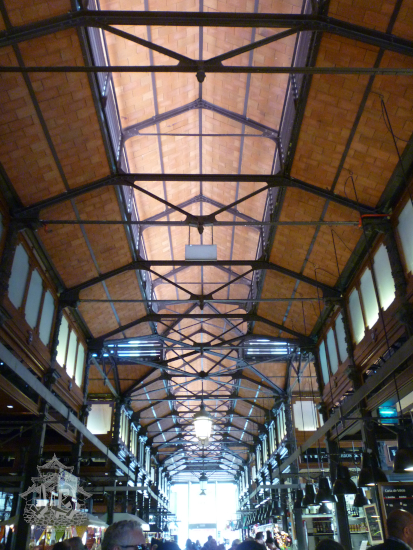
Then we moved on towards Mercado de San Miguel, St. Michael’s market, a bit of high-end foodcourt. I’m still traumatised due to the 6€ we paid for four lousy croquettes, but that’s life and she really wanted to go there.

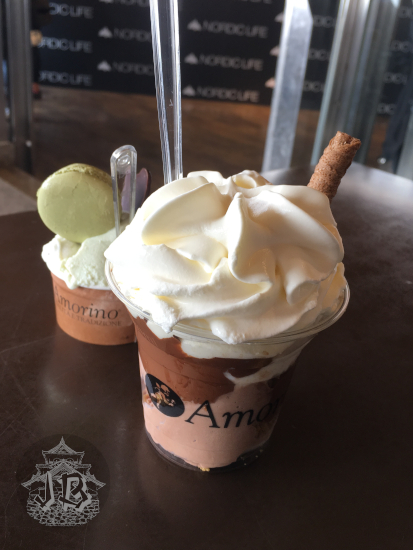
It was very hot, so we took shelter in some of the shops and then we headed off to have some ice-cream in the Callao Gourmet Experience and enjoy the view. Afterwards I dropped her off at her train so she could go on her merry way and I went back home.

26th March 2018: Dinosaur bones and Lover mummies {Dinosaurs in Teruel, 2018}

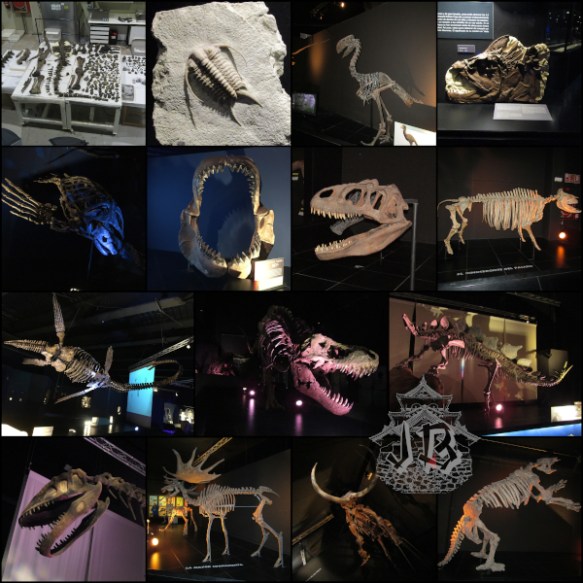
We got to Dinópolis so we could be there when they opened in hopes to ditch the families-with-kids crowds, but to our confusion, we were told that even if the park was open, the palaeontology museum would not be for another hour. Furthermore, the only option to see the museum was with a guided tour. We did not care much about the 3D cinema, but there was literally nothing else we could do until they opened the museum part. We spent the morning in the park. We had to watch the first film, and somehow ended up doing two rides (Viaje en el tiempo & Último Minuto) and a show (the T-rex one), but the big things we cared about were the museum and the so called “Tierra Magna”, where the 1:1 reproduction stand.

The museum has a direct view to the lab, and while it has very few original and unique exhibits, is really good and informative. The big problem was, in my opinion, that it was only guided-access and those stress me out. Why can’t I just roam to my heart’s content and have to listen to a poorly-trained guide? We somehow managed to ditch the tour when the second and third groups came in and a bunch of people mingled around.

A collage showing different fossils and replicas from Dinopolis

It was cold outside, so we only had a quick stroll around “Tierra Magna”. We had lunch and decided we were done. If I had to rate this, I’d say it is a decent palaeontology museum with a lot of kid-friendly stuff around it – the latter is completely skippable, too, but I guess it brings money.

Life-size reproductions of dinosaurs outside Dinópolis Teruel

In the afternoon we headed off to see the cathedral, Cathedral of Santa María de Mediavilla, but I did not manage to sneak a picture of the famous wooden ceilings.

Outside view of the Cathedral

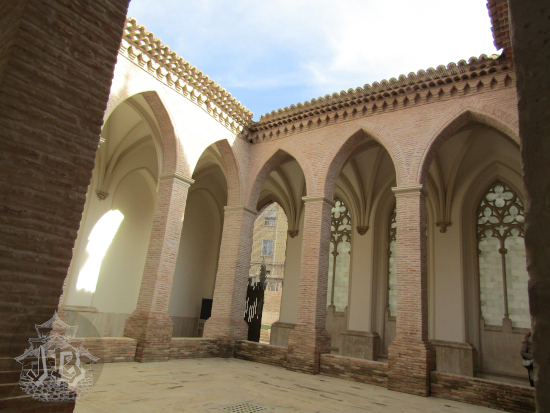
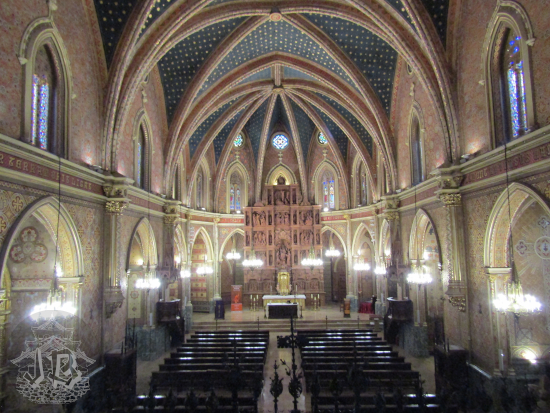
Later, we had a reservation to see the Complex of the Lovers of Teruel, which included the Iglesia de San Pedro (Church of St. Peter), its cloister, and the gardens.

Nave in Saint Peter church

Cloister in Saint Peter Church

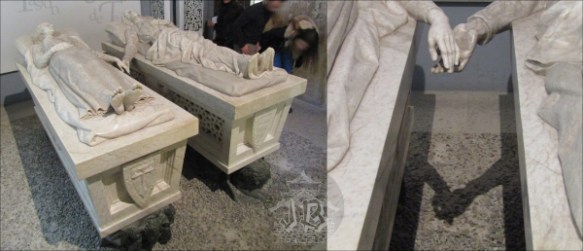
Finally we got to the Mausoleum, el Mausoleo de los Amantes. The story tells that she was a rich heiress and he was a poor man, so he left to gain riches. While he was away, she was given off to another man and married, and when he came back she could not be with him because she was loyal to her husband. He died of a broken heart after she refused him a kiss, and she died after kissing his dead body. The bodies of the lovers were buried together afterwards. The two mummified bodies were found in the church of St. Peter, and they were thought to be the lovers, so the tombs were sculpted – if you crouch, which by the way I didn’t, you can see the mummies through the marble. The tombs were designed so that the lovers’ hands are very close, but they don’t really touch, albeit their shadows superimpose, as if they did.

Mausoleum of the lovers - they lie next to each other, hands reaching for the other one, but only the shadows touch

After this, we walked around town for a while and found the third tower, the Torre del Salvador.

Salvador Tower

We finished the tourist day at the monumental Escalinata de Teruel (the Grand Staircase).

Monumental Staircase

As we walked back to the hotel, we saw a beautiful sunset.

Golden sunset

14th – 16th October 2017: Vienna, Austria

14th October 2017: Arrival and the Inner ring: Butterflies and Dinosaurs

Between flight and transfer to the city on Saturday morning, I arrived in the city of Vienna at 1pm. As my hotel was between the station and the city centre, I took my chances for an early check in and I was lucky – it was. After dropping my luggage I headed off to walk around Vienna’s Inner Ring, the Ringstrasse, which is a big boulevard that runs around all the old city of Vienna (Unesco World Heritage Site). A bunch of things were on my way and it seemed easy enough to find one’s way around. My hotel was located in a building close to a park, and had three floors, on the 11th, 12th and 13th floors of a building, which gave me some views of the city.

On Saturday the plan was wandering around, but as I am who I am I ended up improvising. My first stop was the outer Vienna State Opera, the Wiener Staatsoper, where a young man dressed as Mozart tried to sell me tickets for a show.

Vienna opera house, a baroque building in light colours with huge windows and an arched entrance

I continued on my walk and I saw the Albertina, a modern art museum, but I was actually heading to the Imperial Palace greenhouse, which is the home of a café and the Schmetterlinghaus, or Imperial Butterfly House. This is an area of the greenhouse where a bunch of butterflies are free to fly around and feed on a bunch of flowers, plants and pieces of apple. I was lucky enough to catch a few good shoots and I was very happy to have decided to go in (albeit I have to say that I was really keen on going there since I had seen that it existed). I really had a blast and enjoyed this, so it was a must that I don’t regret having missed, especially since the 6.50€ for the ticket. I spent around forty minutes in there chasing butterflies.

Vienna Butterfly house: a former greenhouse, and a few close-ups of different butterflies on bushes.

Then I saw the Austrian National Library, the Österreichische Nationalbibliothek.

Severe-looking stone building with columns and windows.

After that I back I walked through the Hofburg Palace, Hofburg Wien, and the Michaelerplatz or Saint Michael Square.

Collage of the former Imperial palace. It is a stone building with columns and windows, and arches

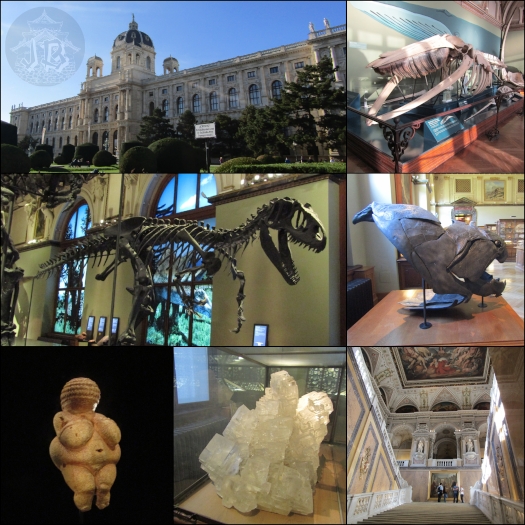
After that I crossed the palace in the opposite direction and ended up at the Heldenplatz, which gave way to Naturhistorisches Museum, the Natural History Museum to see dinosaurs, because there were dinosaurs, which is the home of the Venus von Willendorf, a tiny statue of stone dated back 29,500 years. The museum also holds a collection of minerals, meteorites, preserved animals, dinosaurs, an animatronics dinosaur and a multitude of artefacts from Prehistory to the Middle Ages. I also saw the same dunkleosteus that they have in the Tokyo Kokuritsu Kagaku Hakubutsukan. Have I mentioned dinosaur animatronics?

Collage of the Natural Museum: the building, with a dome, a whale skeleton, an Albertosaurus skeleton, the head of a Dunkleosteous fish, a huge salt stone and the Venus von Willendorf, a small naked woman statuette in golden stone

Following the museum I continued down the Ring Boulevard and it did not take me long to stumble up the Pallas Athene Brunnen (Monument to Palas Athena) and the Austrian Parliament Building, Parlamentsgebäude. The latter was under reconstruction.

Vienna parliament house, under renovation. There is a Palas Athena in white marble with a gold helmet standing in front of it.

I continued my walk until I found the Vienna Town hall, called the Rathaus, where there was a kind of Videogame trade fair or something going on.

Vienna town hall - neogothic building with a lot of towers and spikes.

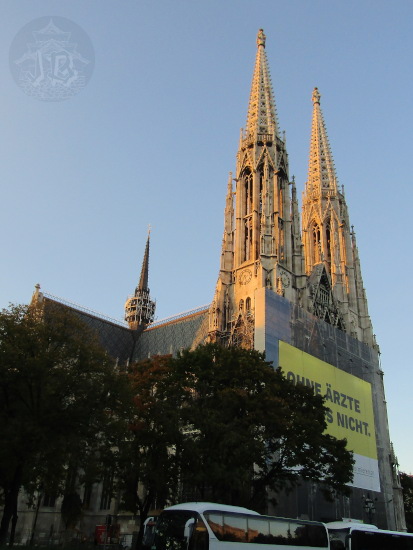
Then I went on walking towards the university and the church of Votivkirche, a neo-gothic building next to the university.

Gothic church under renovation

Afterwards I went down to the hotel because this is not summer vacations after all, just a weekend escapade and I seriously did not have that much energy. On my way I walked past the stables of the Spanische Hofreitschule (Spanish Riding School) stables and I saw some pretty horses.

Two white horses from the Vienna riding school

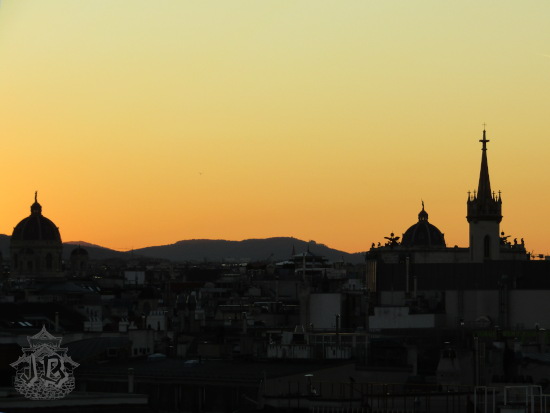
And even from the hotel (literally from bed), as my room had views, I could take some pictures of the sunset and the lit buildings. And then I went to sleep at a horribly early hour because I was beat and for some reason I managed over 8 hours of sleep.

Sunset over the skyline of vienna. The buildings are dark and the sky is orange

15th October 2017: Palaces, churches and the Cinema

Because my hotel was **** for a change (I have to say that when I think about the whole weekend the word “decadent” is what comes to mind), I had a kettle and instant coffee ready for me – this was my breakfast. After that I did the online for my flight the following day and of course running into technical difficulties, and I left the hotel at around 9:30, which was a bit later than I had intended.

I was coming up to the Belvedere Palace, and on my way there I took a diversion to see the Karlskirche or Karlskirche (St. Charles’ Church), which I could see from my hotel and illuminated at night. This is a baroque church that sometimes holds classical music concerts.

The church of St. Charles; a Baroque church. It has a dome, and two twisted columns in front.

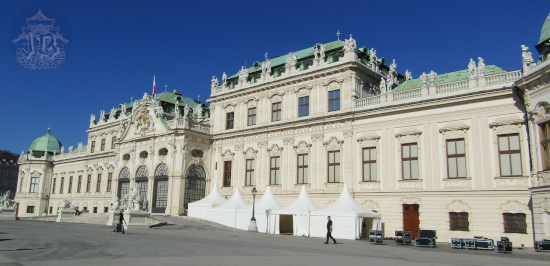
After taking a wrong turn once or twice this I headed out to my original target, the Schloss Belvedere (Upper Belvedere Palace). This is a Baroque Palace (seriously, Vienna is full of Baroque) that has been turned into a painting gallery. The most famous author in this gallery is Klint, but if I have to be honest, I’m not too appreciative of him – must be my likings for the realists. In the end, I liked the palace itself better than the painting collection, specially the reception room and the staircase.

The Upper Belvedere Palace, a Neoclassical building in white stone.

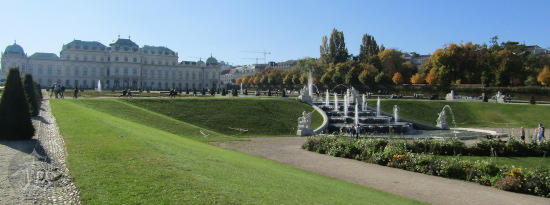
As I had bought a three-combo ticket including Upper and Lower Belvedere and the Winter Palace, I walked down the Belvedere Gardens to the Unteres Belvedere (Lower Belvedere), which holds the “Medieval Treasure” and temporal exhibitions. The best thing was the gold and mirror room and the marble gallery.

A huge garden with a palace in the background. The garden is artificial in a way, with perfectly-trimmed grass, fountains, and bushes.

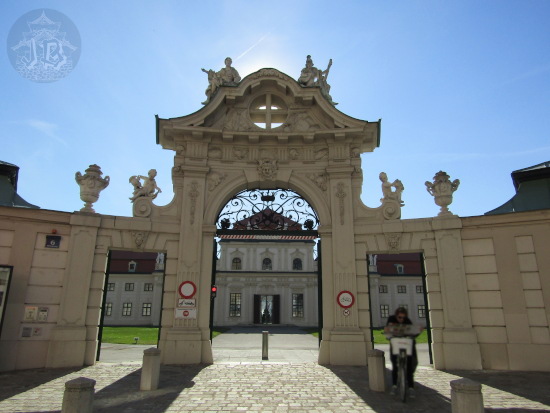
The Baroque entrance to the lower Belvedere palace, a stone gate with sculptures on top. It looks like it wants to stare you down. The palace peers through the three open doors in the background

Then I headed off to the centre of the city to see the Winterpalais des Prinzen Eugen (Winter Palace of Prince Eugene), which was not the best thing ever but hey it came within the three-museum combo.

A Neoclassical palace with flags hanging over the door

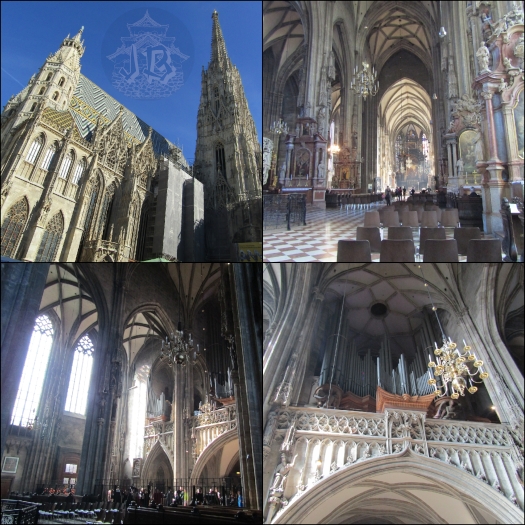
Then I headed off to Domkirche St. Stephan (St. Stephen’s Cathedral), which is the gothic Catholic cathedral. It is not Baroque but Gothic. The entrance was free, but it also had a paid area, including the catacombs. Unfortunately I was too late for the current tour and too early for the following one, so I decided not to stick around, else I would have got the combo for the catacombs, the tower and the treasure.

A gothic cathedral. Collage showing the outside, with the tower and the ornate windows, and the inside showing the pointed arches inthe nave, and the organ.

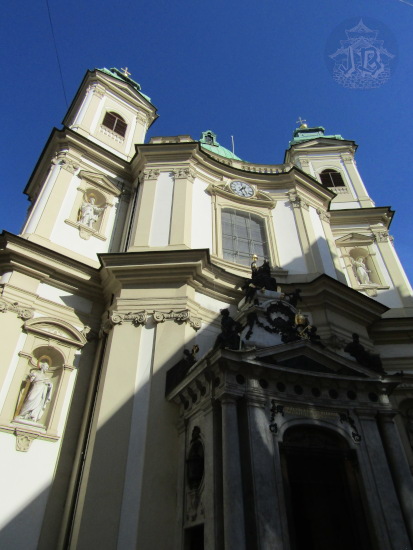
As it was, I saw the cathedral and then headed off down different streets and saw the outer area of Katholische Kirche St. Peter (Catholic Church of St. Peter).

Façade of a Neoclassical church

And then headed out to the Michaelerplatz to check the inside of the Michaelskirche (Catholic Church of St. Michael).

Neoclassical church, showing the white and pointy bell tower. The image is tilted so the tower fits in the frame

I checked the Spanische Hofreitschule (Spanish Riding School) for tour tickets, but I was late for that and it was all sold out, so I decided to go to the station and buy some food in the supermarket for both lunch and dinner. On the way I crossed the Stadtpark to see the floral clock and the Johann Strauss monument – Johann Strauß Denkmal.

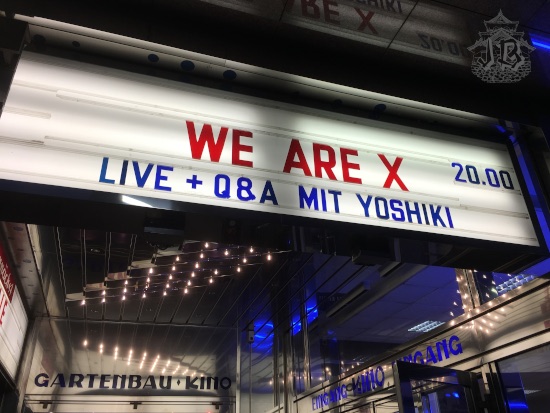
Finally, I headed off to get some rest at the hotel, and have a shower. At 18:15 I walked down to the cinema at the corner of my hotel building, the Gartenbaukino, because in the end that was the reason I was there – to attend the Austrian premiere of the X JAPAN documentary We are X as Yoshiki was going to be around for a Q&A session afterwards.

There had been a small mix-up with the ticket numbering (all of them had been printed out with the same seating number!), which was solved efficiently. We watched the documentary We are X and then there was a Q&A with Yoshiki himself. There were emotional moments as the fans thanked him for everything he had done and for his music.

Entryway to the cinema. It reads We are X Live + Q&A mit Yoshiki 20.00

Yoshiki sitting in front of a burgundy curtain. He is wearing his sunglasses and a black suit, boots and a golden blouse

After the Q&A some of us stayed talking at the cinema gate and the manager, who had solved the ticket problem, came out to close – and he told us where Yoshiki would be leaving from. And that’s… the story of how I got to talk to Yoshiki, I got his autograph and took a picture with him and I will never, ever, ever forget the rush of that.

I have to say I did not sleep much that night. All the excitement caught up with me and I kept replaying the scene in my head over and over again. in the end I think it was around 2:30 that I could turn the lights off.

16th October 2017: Airport Monday morning

After checking out of the hotel I walked back to the train station and took the CAT towards the airport. I had taken an earlier train than I had already planned and boy was I glad to do so when following arrows at the airport took me as much as 20 minutes. Something I learnt in this trip is how friendly Austrian people are, and that they have a great sense of humour, as apparently one of their star souvenirs is “no kangaroos in Austria”. The return flight was not as good as the first, but it was on time and I could arrive to work smoothly for a crazy week.

6th & 7th May 2017: Cuenca (Spain)

If I ever go missing, especially with my car, don’t go around looking for me in Cuenca . I would have a nervous breakdown trying to drive through the streets and slopes. I’m not sure what time we arrived, maybe mid-morning. We had a reservation to have lunch at the Parador. However, to get there we had to drive up a horrible, horrible hill with a terrible paving and park too close to the cliff so #no.

Cuenca is considered a World Heritage City. It has a classical, mostly Medieval area, and a normal / standard area surrounding that. The inner cluster is virtually carless as the streets are narrow and steep. It is perched on the Huécar Gorge and as you can see, a vertical rock wall.

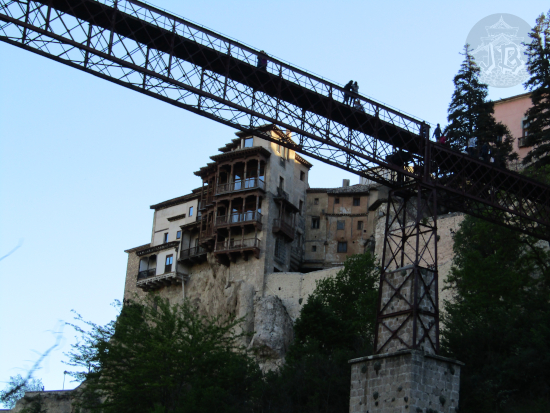
We had some time before we had to go for lunch, so the first thing we did was go have a look at the Casas Colgadas, the hanging houses that overlook the Huécar Gorge. Inside there is a contemporary art museum that I visited once already so there was no incentive to look again – you know, the kind of abstract art that showcases a plus-symbol and you’re supposed to interpret.

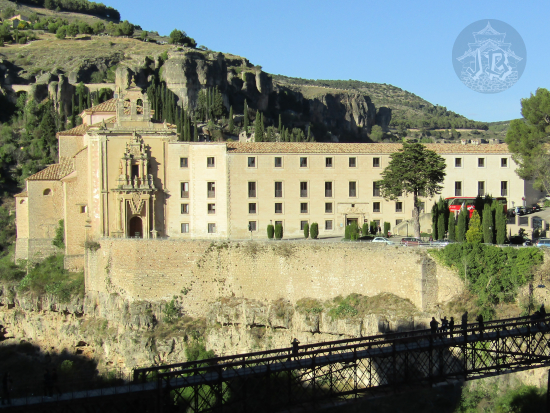
We had lunch at the Parador de Cuenca. A Parador is a high-end state-owned hotel usually with a good restaurant. More often than not, a Parador is located in a renovated historical building. This one is a former monastery, and the restaurant is located, if I remember correctly, where the original dining room would have been.

Main dishes were forgettable (and not photogenic) but the curd or “cuajada” for dessert was to die for – and it came with a lot of extra goodies.

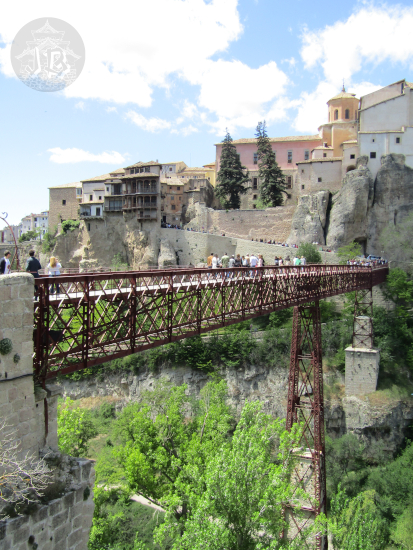
In order to get to the town centre you have to cross the scary, scary bridge aka the Puente de San Pablo, St Paul’s Bridge, over the gorge, but I survived – without a freak-out (≧▽≦) and you might be aware that I am not a fan of heights.

We had lunch, then moved (over the scary scary bridge) on to see the Museo de las Ciencias de Castilla la Mancha, the Science Museum of Castilla La Mancha – unfortunately the dinosaur area was closed, so we “only” got to see the super steampunk clock and the energy wards, and the tornado simulator, along to some kind of reproduction of the International Space Station.

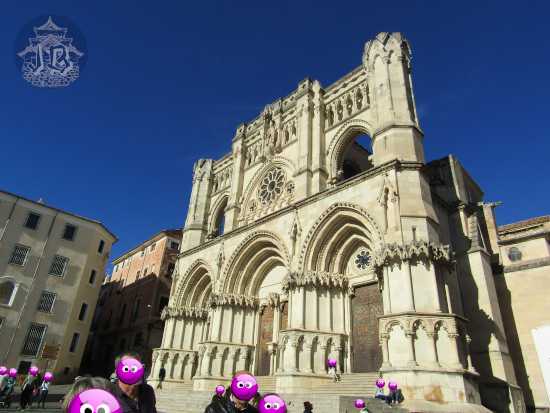
After the museum we walked a little around the town. We went to the cathedral, Catedral de Santa María y San Julián de Cuenca, but it was closed due to some religious service or another. I mean… that’s its main purpose I guess? (≧▽≦)

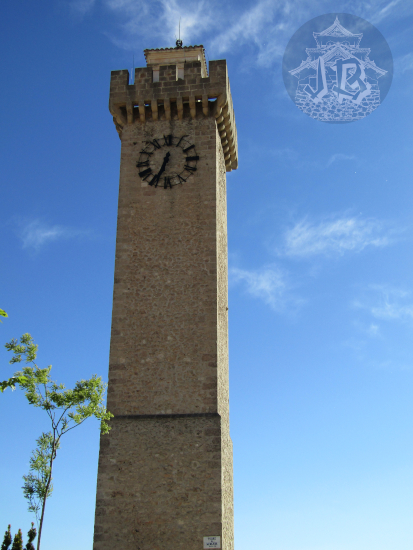
Then we found the Torre de Mangana, Mangana Tower, a clock tower dating from the Sixteenth Century. From underneath the tower there is quite an impressive sight of the area surrounding the city.

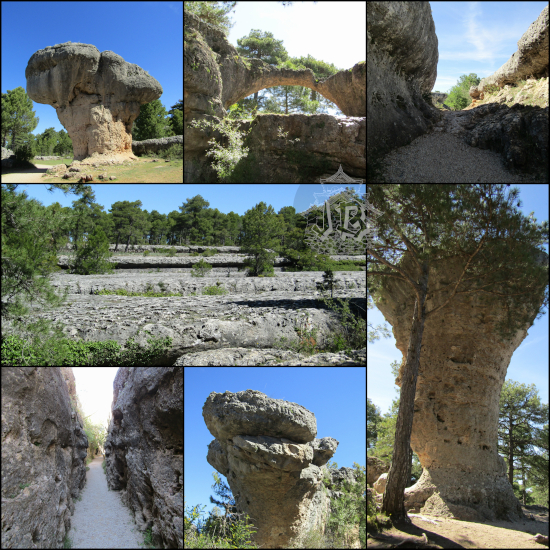
We went back to the car and we had a drive around the city. Cuenca is located in the middle of a karst area. Karst is a type of landscape formed by the dissolution of soluble rocks e.g. limestone or gypsum. You can see how the rock seems to be “molten” among all the pines.

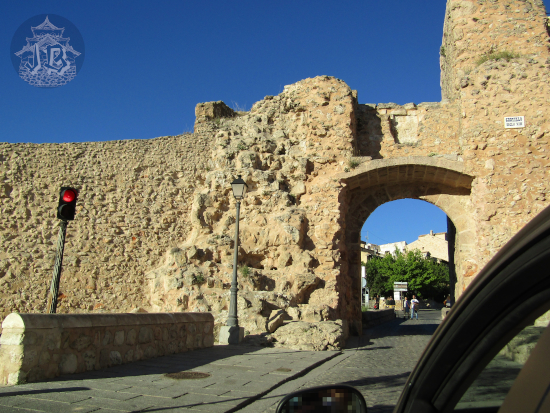
We reached the Castillo and Murallas (castle and walls) on the other side of town but we had to drive back due to the streets being cut for the same religious event we had run into before.

Thus, on our way back, we drove at the bottom of the Huécar Gorge and headed back to the hotel.

This was about six or seven in the evening, and we did not go out again because we were way outside town. We had dinner in the hotel and called it a day eventually. I ordered the kids’ menu because everything else was too fancy and abundant.

The next morning we woke up early to visit the Ciudad Encantada / Enchanted City. This is another karst topography which has somehow become very famous. Some of the rocks have interesting forms, and have been given names. It is a sort of geological park formed by rain falling on the rocks and dissolving them for millions of years. The original rocks were a mix of of limestone and dolomite in different proportions, which ended up dissolving in different shapes.

After walking around for a couple of hours we went on our return trip.

24th – 27th March 2016: Easter in Barcelona (Spain)

I think this has been the first time I’ve been to Barcelona without a concert. However, one of the first times I did take a long touristing tour, so this time round my friend and I took it rather chilly – in the literal sense. As we were there there was a drop in temperature and I had to run to get myself a long-sleeved T-shirt.

24th March: Gaudí afternoon

Through different means and from different origins, my friend and myself arrived in Barcelona at around the same time mid-afternoon. We met at the station and dropped our things off at the hotel, then we took the underground towards Monte del Carmelo, Carmel Hill, where Parc Güell, the Güell Park, stands. The park, which was supposed to be a urban area originally, was designed by Antonio Gaudí. It became a Unesco World Heritage Site in 1984.

Visiting some areas of the park is charged, but the whole park is accessible starting in the late evening. We decided to climb up first and then visit the paid-but-free area. Thus we got to the summit of Carmel Hill and saw the Turó de les tres creus, the Three-Cross hill, that offers a great view of the city, including the Tibidabo area with the Cathedral and the amusement park.

We went down and we walked into the architectural area. Although there is no artificial lighting in the area, as the sun went down we were treated to a bit of a magical area, also away from the tourist crowds.

We had dinner at Arenas de Barcelona, the old bullfighting ring now turned shopping and dining centre, then we went up to the roof for some night views.

25th March: Gaudí morning & Gaudí night

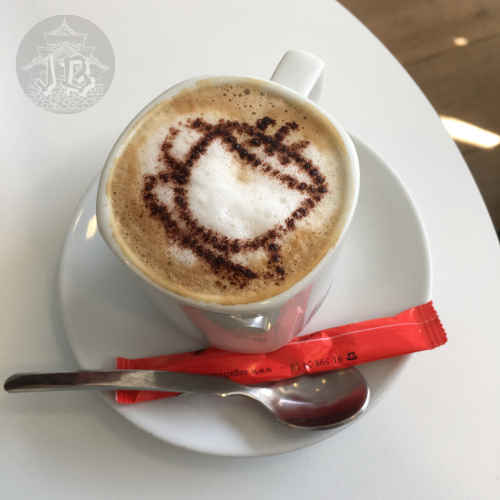
We woke up and had breakfast – coffee inception!!

Then we headed off to see the Casa Batlló, the Batlló house, one of Gaudí’s Modernist masterpieces. It is also called the “house of bones”, and it’s kind of wobbly and organic. The roof is designed to look like the back of a dragon. An interesting detail is that the building was not really erected on Gaudí’s orders – it was a renovation of a previously-existing building.

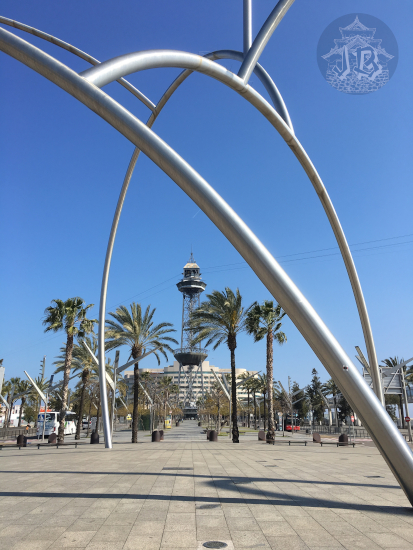
After the house, we went to the harbour area. We hung out for a while (with a stop to buy an extra T-shirt because it was cold), had lunch and eventually purchased tickets for the Museu Marítim, the Maritime Museum, located in the former Royal Shipyard.

The sun was setting when we came out, and we headed towards the Basílica de la Sagrada Família, the church of the Holy Family, also designed by Gaudí. Both of us had already seen it, so we were happy to see it from the outside. When they finish it, I would like to come back though.

26th March: No Gaudí!

We had a walk around the Gothic Neighbourhood of Barcelona, and we made a stop at the Iglesia de La Purísima Concepción, the church of the Conception to visit the cloister.

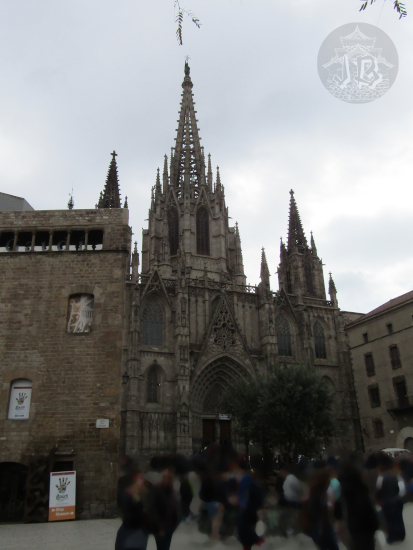
We saw the cathedral Cathedral of the Holy Cross and Saint Eulalia, Catedral de la Santa Creu i Santa Eulàlia.

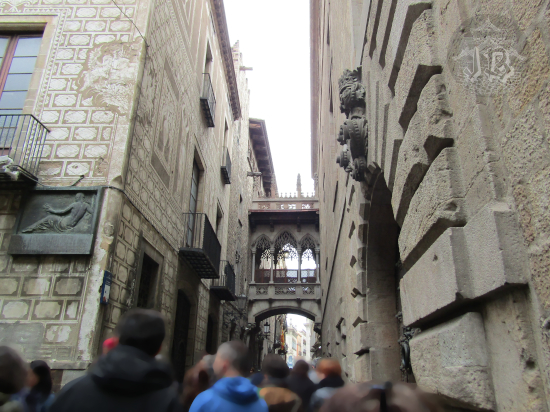
We also walked under the Bisbe Bridge, Pont del Bisbe, in the street of the same name.

We had lunch in a Japanese restaurant, then walked around the Port area for a while.

As we had visited the Maritime Museum the previous day, we had a free pass to the sailboat Santa Eulàlia.

We ended the day in the L’Aquàrium Barcelona, the local aquarium.

After that, we backtracked to our hotel. The following morning, on the 27th, we met up with another friend who had a free while for breakfast and then everybody went home.

3rd April 2015 (Good Friday): Carcassonne {France, Easter 2015}

For my final day we went to visit the nearby town of Carcassonne, which is famous for having a medieval fortified citadel, the Cité de Carcassonne , which can be traced back 2,500 years, to the Gallo-Roman period. It’s been a Unesco Heritage Site since 1997.

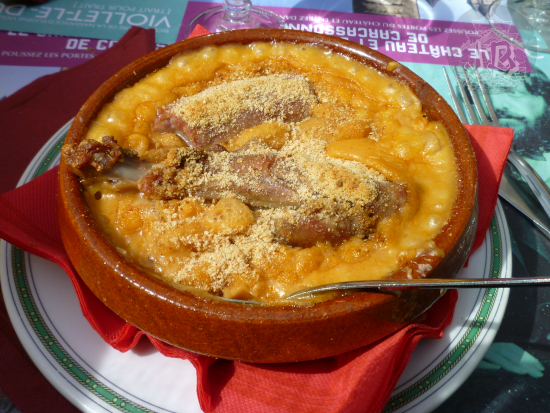
We wandered around the citadel for a few hours, and we had lunch, the famous (so I was told, I had no idea at the moment) cassoulet, made with white beans, duck confit, sausages, pork and mutton, served in a cassole. I remember this as super heavy but I have this obsession to eat everything I’m served, so I finished it – maybe I shouldn’t have.

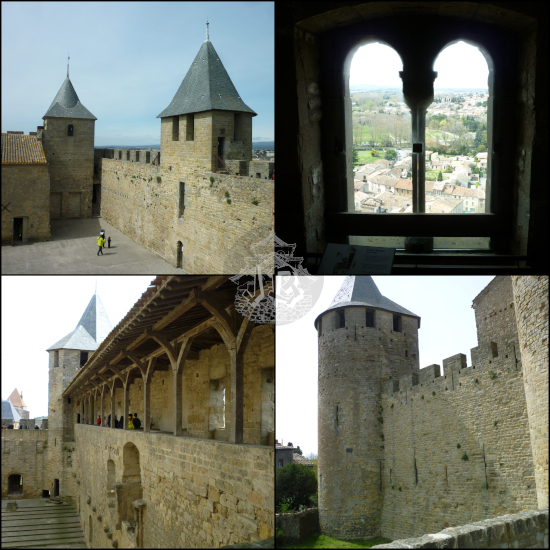
Placed we visited included the Château Comtal, the Counts’ Castle, dating from the 12th century…

… the walls…

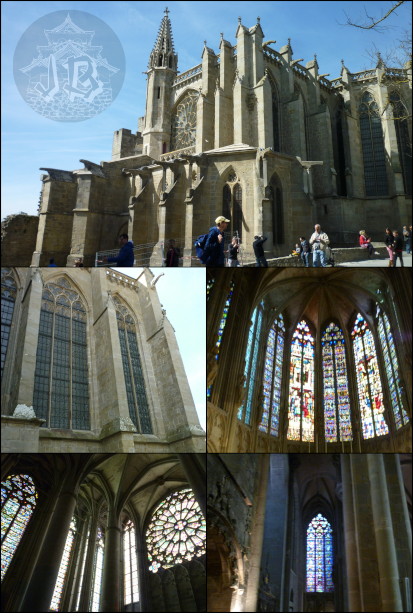
… The former cathedral of Carcassone, the Basilica of Saints Nazarius and Celsus

The Église Saint-Nazaire, the church of Saint Nazaire…

… the Porte Narbonnaise, one of the castle gates…
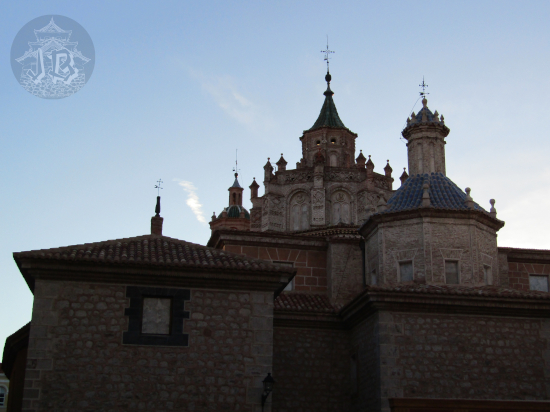
… and the Cimetière de la Cité, the graveyard.

After that, we headed back to the train station and back to Toulouse as the following day I was flying back home, and France said goodbye with a neat sunset.

1st April 2015 (Spy Wednesday): Saint Malo & Nantes {France, Easter 2015}

We got up on to see sunrise (okay, not really sunrise but early morning) at the ocean before we headed off.

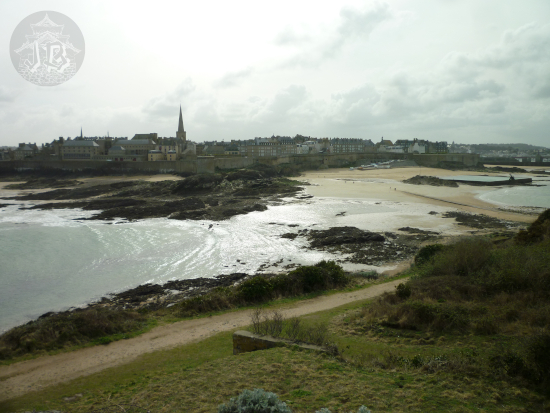
Our first stop was Saint-Malo, yet another fortified city by the sea. It can be traced to the 1st century, but the modern Saint-Malo is cemented on a 6th century monastery. In the 19th century, Saint-Malo was a nest of pirates, and it was destroyed during WWII, but rebuilt shortly afterwards.

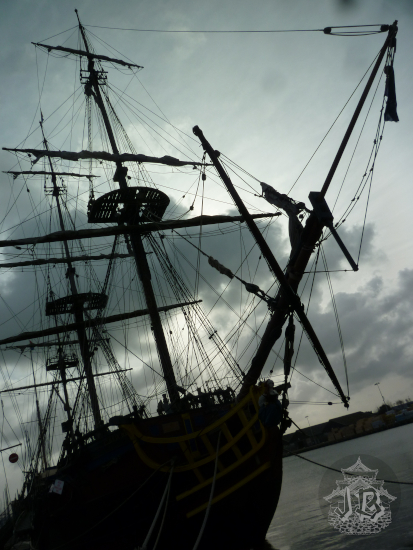
We left the car in the outskirts of town and we headed towards the actual walled city, coming across the Etoile du Roy ship first. The Etoile du Roy is a sixth rate frigate with three masts, built in imitation of a warship from the Nelson era. Today it can be rented for events.

We reached the walls and headed off to the beach where the Fort National stands.

We strolled around for about an hour or so, and I really liked the old city.

After a while, we walked back towards the city and saw the Cathédrale Saint-Vincent-de-Saragosse de Saint-Malo and the remains of the cloister. The building was originally Romanesque / Gothic, but it was damaged during WWII, and rebuilt in the late 20th century.

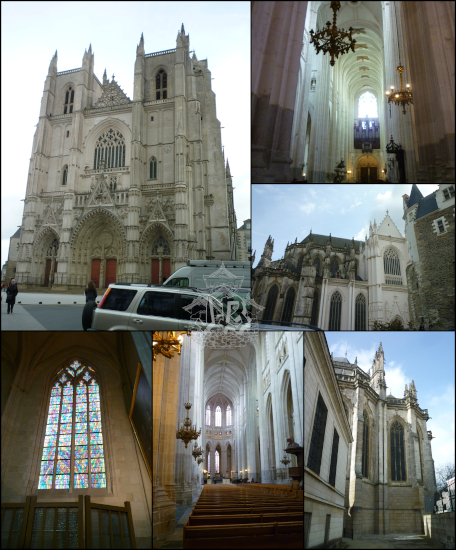
We had lunch in a Japanese restaurant because when we went into the tourist centre we found a visiting card, then we headed back towards the city of Nantes. The drive towards the city was all right but entering the centre was nightmarish, as we got caught in rush hour. We went to the cathedral, the Cathédrale Saint-Pierre-et-Saint-Paul de Nantes, a Gothic building that was started early in the 15th century but was not finished until almost the 20th!

Afterwards, we moved on towards the Château des ducs de Bretagne, a reconstruction of the castle of the Dukes of Brittany, a thirteenth-century fortress.

Finally we pumped some petrol, returned the car, paid for the extra kilometres we had driven, and took a plane back to Toulouse to just have a snack and get to bed.

31st March 2015 (Holy Tuesday): Driving through Medieval Towns and Salt Marshes {France, Easter 2015}

In the morning we set off towards the north of France through the provinces of Brittany and Normandy. There were not that many cars on the road so that was good, because the car was a scale up from what we wanted, and I had to get used to driving a bigger car than I am used to. And I’m bloody short so using a higher car was… a challenge. After a couple of hours we had to take a break because my leg was cramping.

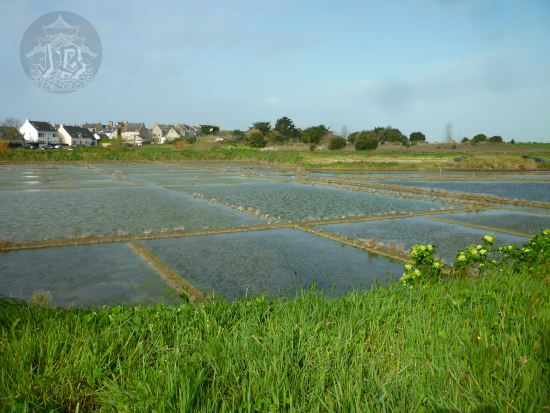
Eventually we got to Gérande, which is a Medieval fortified town dating from the Wars of Succession. We walked around for a while and had breakfast, and saw a lot of speciality shops, among them lots selling salt. Here’s the La porte Saint-Michel, the main gate.

But, why salt in the shops, you may ask? Because Gérande has been famous for its salt marshes since the 19th century. And of course we made a stop to visit the Salt Marshes of Gérande. Did I mention “of course”?

Our destination for the day was Le Mont-Saint-Michel, the mount of Saint Michael (Unesco World Heritage Site). It is a tidal island in the area of Normandy in France, at the mouth of the Coueson river. It features a medieval town and a Christian Abbey and a monastery. The main buildings tend to be Romanesque and Gothic, and the atmosphere is really cool – you might have noticed that I’m a bit of Gothic-style fan by now.

It was chilly and windy, and to be honest I found Mont-Saint-Michel to be slightly disappointing. The construction and exploitation of the tourism side, with building a parking lot and so on blew up the tidal system a couple of decades ago and the island is no longer such. They’re working now to try to restore everything back to how it was, but at the same time they are keeping a bridge, although that one should work for allowing the tides to move through. It was overcrowded, but we managed to have a good stroll.

After visiting Mont-Saint-Michel, we headed off to find our B&B at a small village about an hour away. I took a long, long, hot, hot shower and we ate some snacks for dinner.

30th March 2015 (Holy Monday): Getting around Toulouse {France, Easter 2015}

In the morning, my friend showed me around Toulouse for a bit. We saw the Capitolium, the business school, and some springtime trees, but mostly walked around. Toulouse is not a particularly pretty town, mostly industrial.

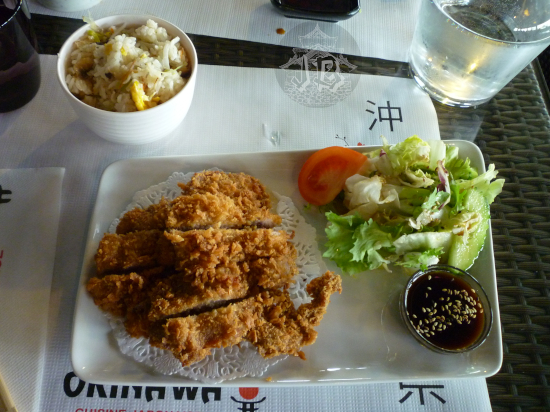
We had lunch at a rather nice Japanese restaurant, where I had my first sort-of real tonkatsu.

Then we returned to my friend’s place to get packed and headed to the airport as we had a 19:30 flight to Nantes, where we arrived around 21:00. My friend had rented a car for me to drive and I had the doubtful pleasure of getting to know the double roundabouts. We found an open McDonald’s by the road to have dinner and we drove to the hotel for the night. Also, for some strange reason we were given a family room (for like four people) and… our shower had lights. Seriously.

10th – 12th October 2014: In Leon (Spain) with Family

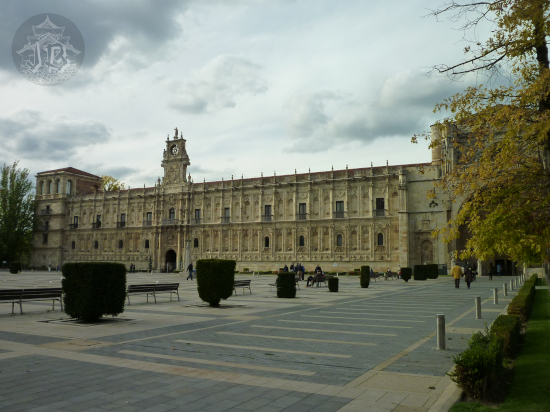
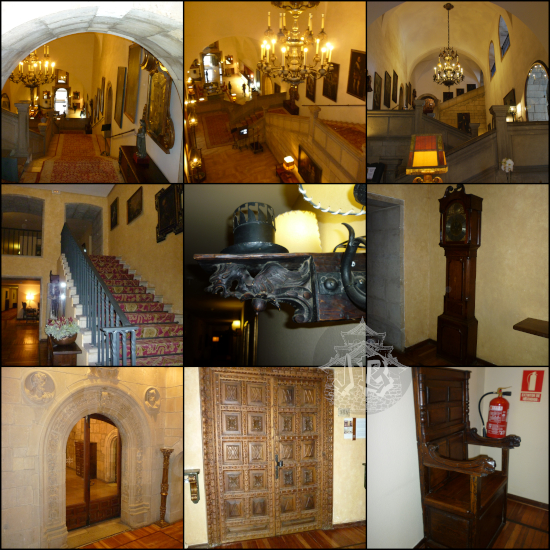
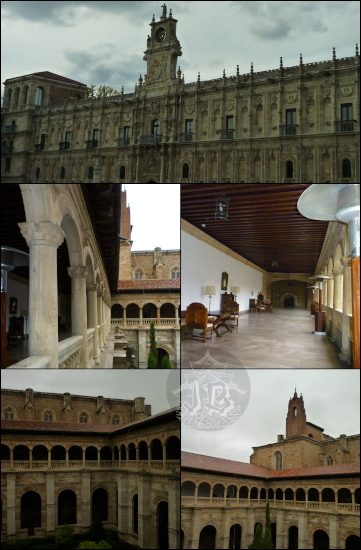
The year my father retired we went to have a nice weekend out, and we chose to drive to León, a historical city towards the north of Spain. I had to work on Friday afternoon, so we drove off in the early evening and reached Leon after dusk. We were staying at the Parador, called Hostal de San Marcos for a couple of nights. The building was luxurious, it was one of those one-in-a-lifetime experienced. The hotel is a former convent built in the 16th century, and it distils magic.

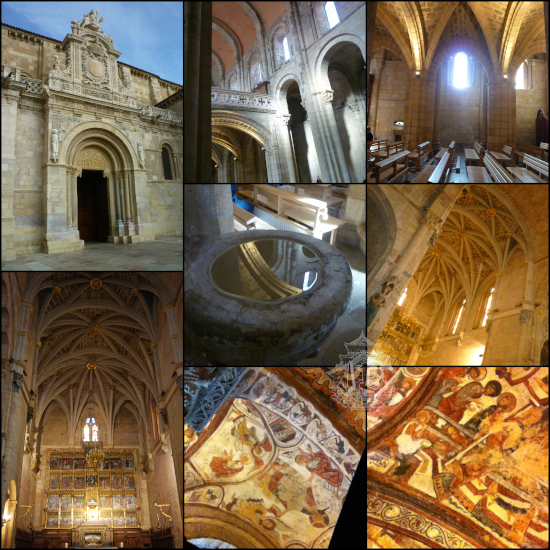
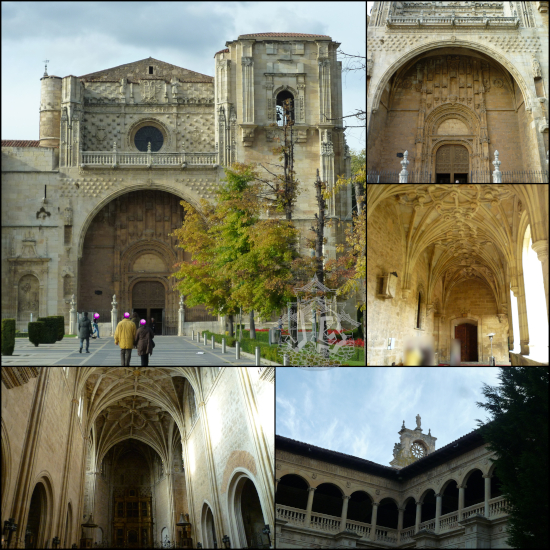
On Saturday morning we set off to visit the Basílica de San Isidoro de León, a Christian church dating from the 10th century. It is famous due to the 12th-century paintings that decorate the Pantheon of the Kings of León underneath the church.

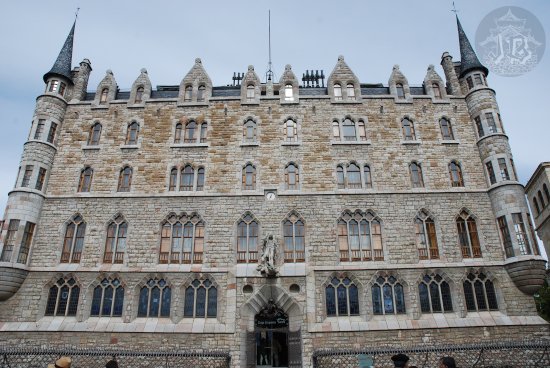
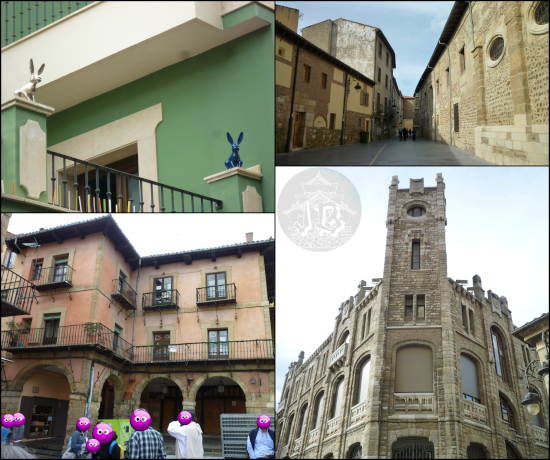
After this, we walked into the town centre and we came across the Casa Botines, a Modernist-style building erected by Gaudí, now a bank.

A bit further we saw the came across the local seminary, the Seminario de San Froilán.

We went on and found the local farmer’s market, the Mercado Tradicional de Productos Agrarios, which was in the Main Square of the city.

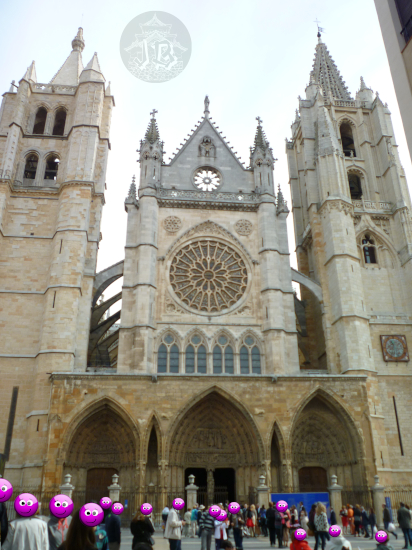
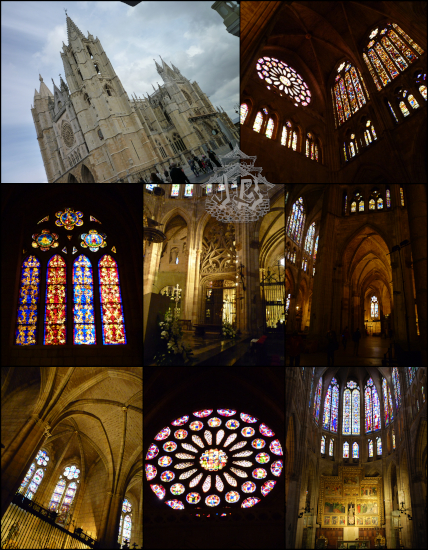
Finally, we circled back towards the cathedral, Santa María de León, a Gothic building built in three steps – the main building was built all throughout the 13th century, the north tower in the 14th century, and the south tower in the 15th century. The difference in the towers is easy to spot (≧▽≦). One of its key features are the stained-glass windows.

Upon leaving the cathedral, one of my favourites, by the way, we took an extra walk in the historical area, and found cool buildings and decorations.

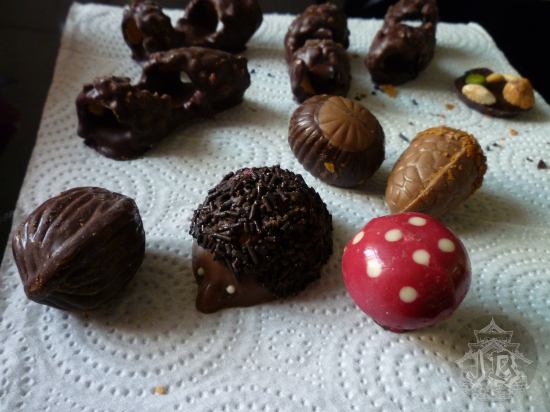
We had lunch, then returned to the Hostal de San Marcos. On our way back we found the cutest sweet shop that made adorable chocolate figurines.

We saw the Iglesia de San Marcos, the adjacent church, and then I explored the whole hotel a little.

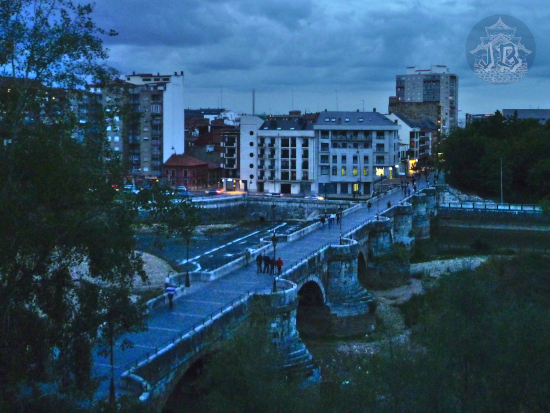
Also, I discovered that I could see the Puente de San Marcos, a stone bridge over the Bernesga River, from my room.

We drove off on Sunday morning, because the weather was nasty and the forecast was worse, so we wanted to be out of the area when the storm really hit. But before that I managed to get to the second floor of the cloister and explore some more.

30th December 2013 – 1st January 2014: New Year’s in Toledo (Spain)

30th December 2013: Arrival in Toledo

We took an early train to get to Madrid, and transferred to the high-speed line (AVE) to get to Toledo – the ride from Madrid was barely half an hour. Toledo is known as “the city of the three cultures” as during the Middle Ages, Christians, Muslims and Jews managed to live in peace there, and make it prosper. Today it is a tourist hub in the centre of Spain.

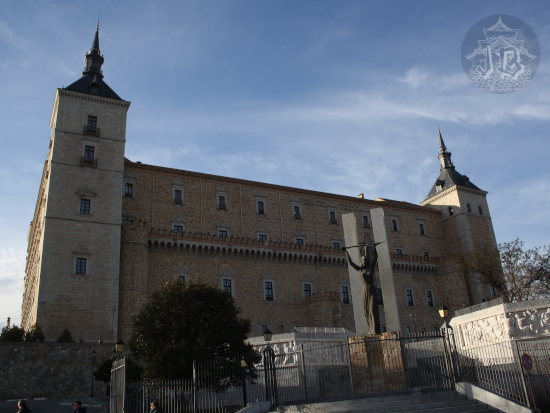
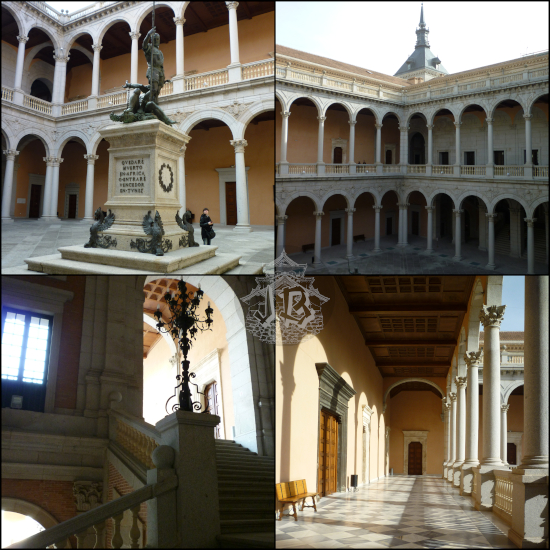
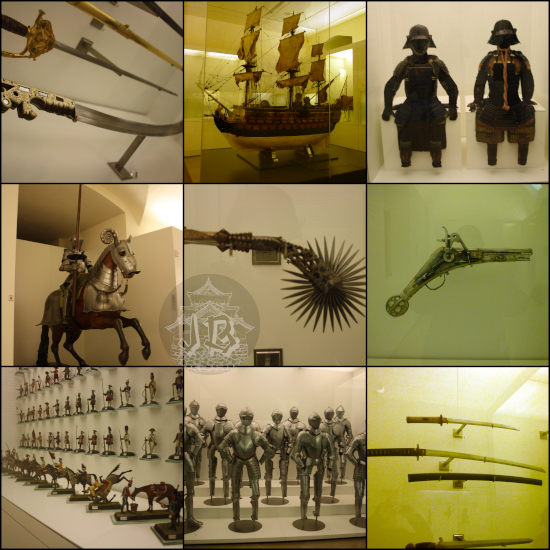
The first thing that we did was head off to the Alcázar (Muslim castle) – although it was originally built by Romans in the third century, its current look is owed to the restoration carried out in the 1540s. However, it had to be restored after the Spanish Civil War. The Siege of the Alcázar was one of the most symbolic victories on the Nationalist band. The Alcázar was under siege during the whole summer by Republicans trying to take it over, but in the end, Nationalist reinforcements arrived, chasing the Republicans away. Today, the Alcázar is an important cultural building (where the bullet holes can still be found) and hosts the Museum of the Army, Museo del Ejército.

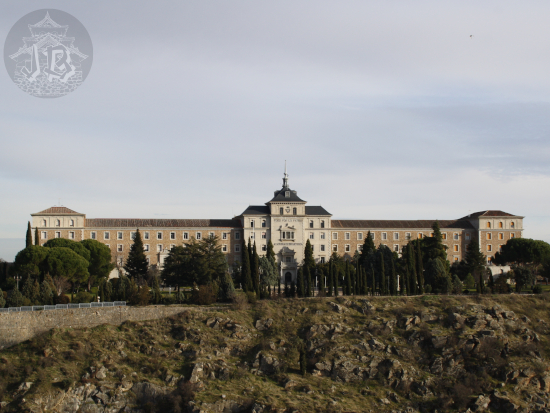
From the vantage point of the Alcázar, we could see the Academia de Infantería (Toledo Infantry Academy), built in the 20th century in imitation of the Renaissance and Herrerian style.

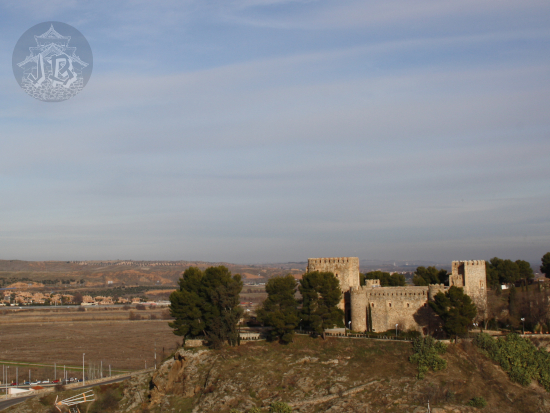
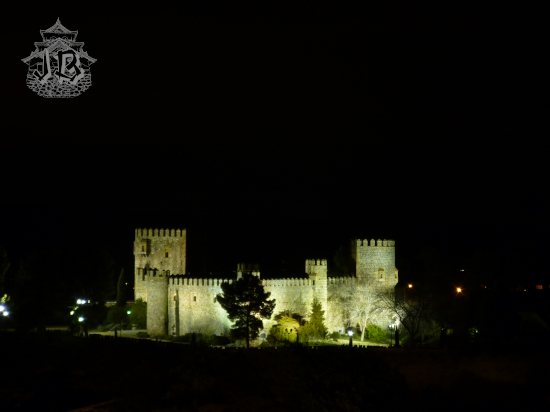
We also saw the Castillo de San Servando, the Castle of San Servando, a fortified Knights Templar enclave. Fine, it started off as a regular monastery, but it was later given to the Knights Templar in order to protect the city.

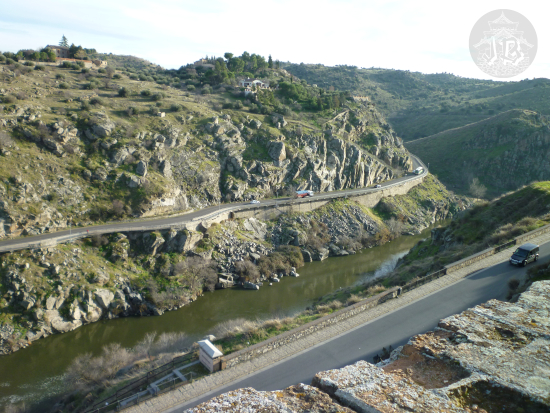
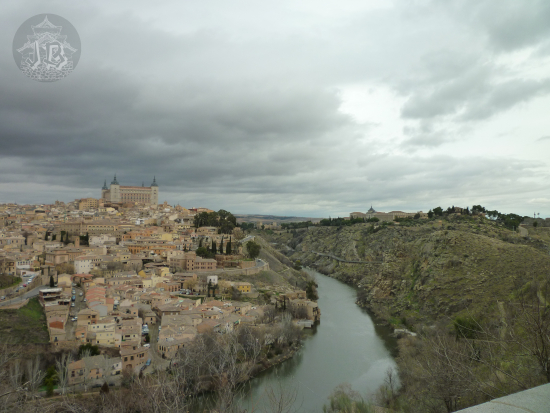
Both buildings are on the other side of the Río Tajo, the Tagus river, the longest river in Spain.

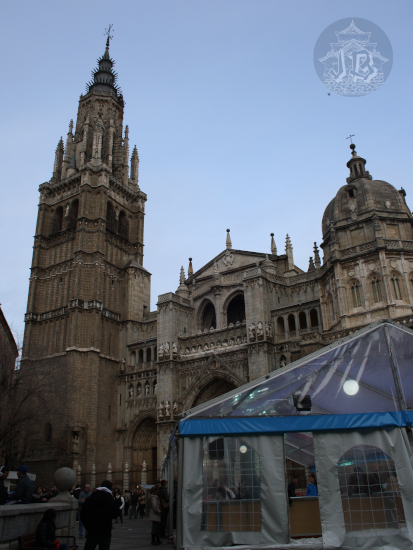
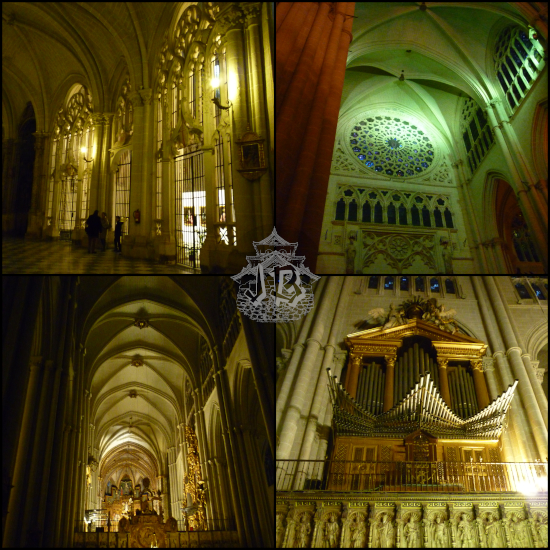
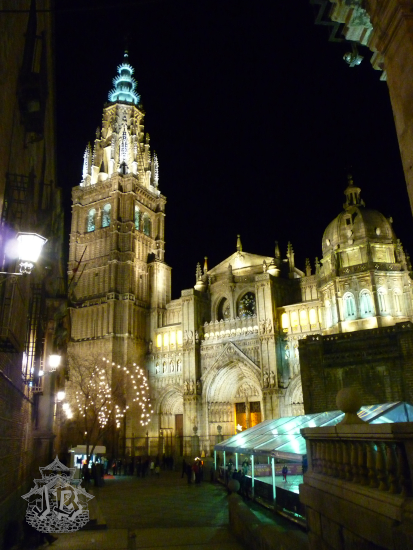
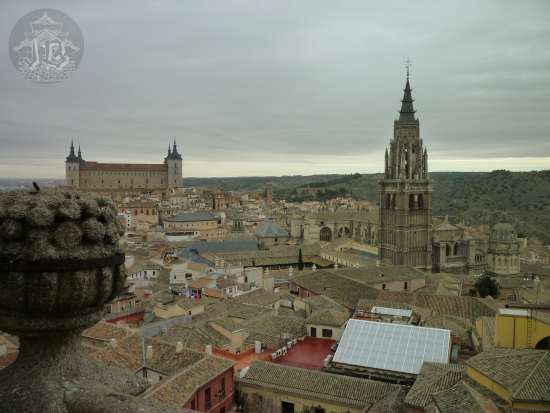
After having lunch and checking into the hotel, we visited the cathedral Catedral Primada Santa María de Toledo (Primate Cathedral of Saint Mary of Toledo). The cathedral, built in Gothic Style, was erected mainly throughout the 13th century, even if it was only finished in the 15th century. It sports two asymmetric towers, well, one tower and a small Mozarabic chapel in place of the other one.

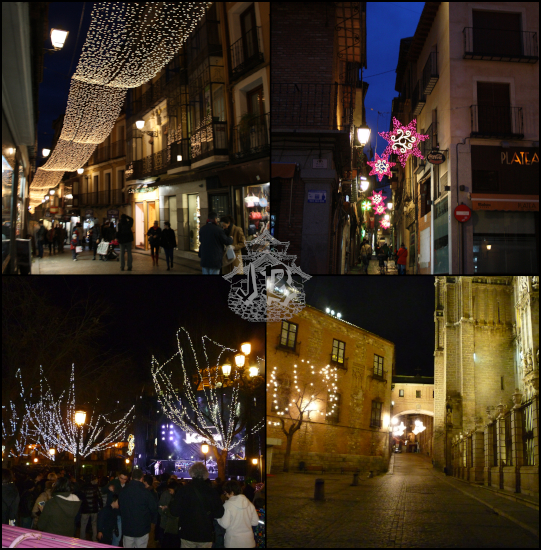
By the time we came out of the cathedral, night had fallen – truth is that we missed a little on the pretty windows due to it being darkish outside already. Nevertheless, this treated us to some nice night views. First of all, of course, the cathedral itself…

The Alcázar once again…

… and the Castle of San Servando.

We then walked through the Plaza de Zocodover, one of the city squares, where the old Muslim for cattle and horses was. The current layout was set in the 16th century after it burnt down in a fire.

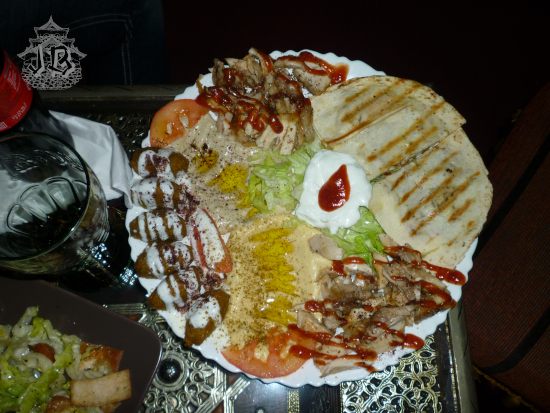
We walked around the old town for a while until we found a place to have dinner, a Middle-East restaurant called La Casa de Damasco, one of the few times I’ve had real food from this area. I have to say I really enjoyed it.

31st December 2013: Churches and Birds

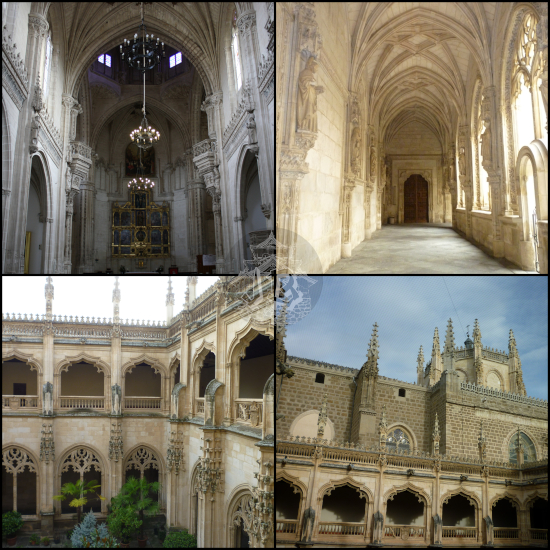
We started off the day at the Monasterio de San Juan de los Reyes (Monastery of Saint John of the Monarchs) is an Isabelline style Franciscan monastery. It was founded by the Catholic Monarchs to celebrate the birth of their son along with their victory in the Battle of Toro, in the late 15th century. It has a beautiful Gothic cloister.

Our next stop was one of those things that breaks my brain, a Christian Mosque, Mezquita del Cristo de la Luz. It was built in the year 999 as Bab-al-Mardum mosque, but it was turned into a Christian Church in 1085. I’m torn between rolling my eyes at Religions needing to assert dominance and being grateful the Mosque was preserved for us to visit.

Close to the Mosque stands one of the gates of the old walls, the Puerta del Sol, the Sun Gate, of the city walls.

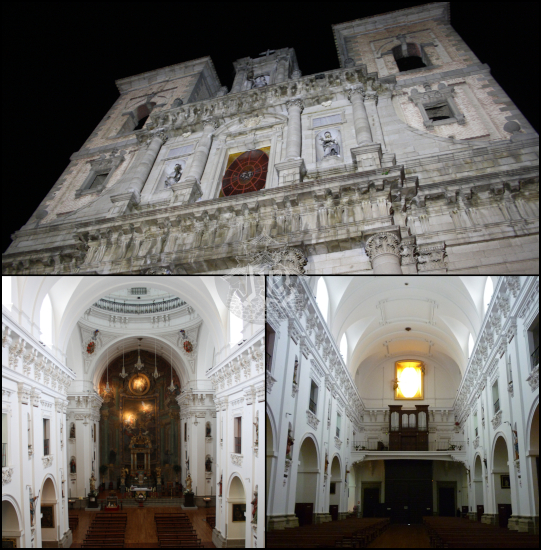
Our next stop the Iglesia Jesuita de San Ildefonso, a church dedicated to Saint Ildefonsus, the patron saint of the city. Construction started in the early 17th century and ended in the mid 18th century, in the Baroque style.

From the upper towers of the church, there was a great view of Toledo.

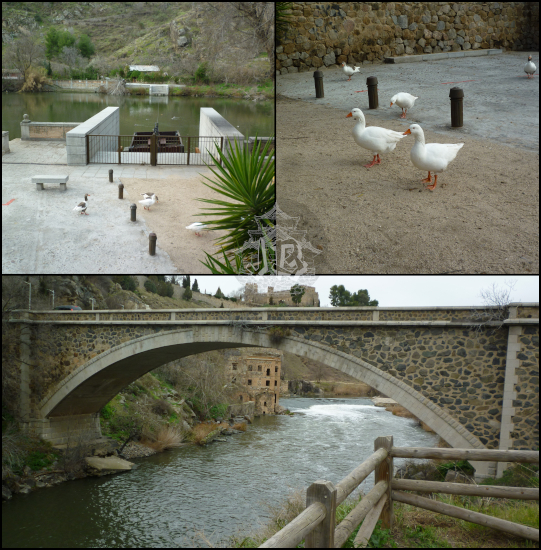
We decided to walk down towards the river, Río Tajo, where we met a flock of geese (which I’m happy to report had not lost their heads to any kind of stupid animal-hurting tradition).

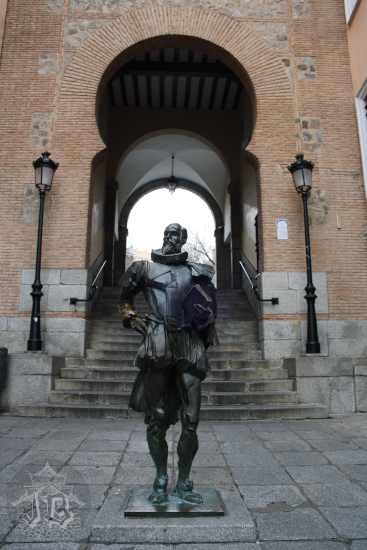
As we continued, we walked past a sculpture to Miguel de Cervantes, Estatua de Miguel de Cervantes, the author of the acclaimed “Don Quijote” book. The statue is placed beyond the Arco de la Sangre , the Blood Archway, that leads into the Zocodover Square.

As darkness rose, we had dinner in a Chinese restaurant. While we did, the lights turned on, and the city got ready to welcome the New Year with fireworks.

1st January 2014: Views of Toledo

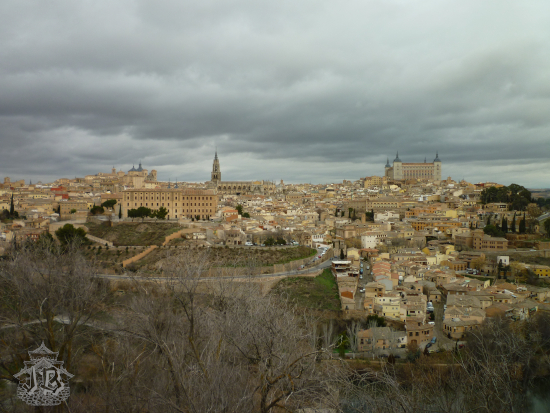
We slept in, and after an early lunch (Chinese, again, as we were feeling decadent), we booked a ride in the “tourist train” that took us to see some of the most amazing views of the Medieval Town from the vantage points on the other side of the Río Tajo.

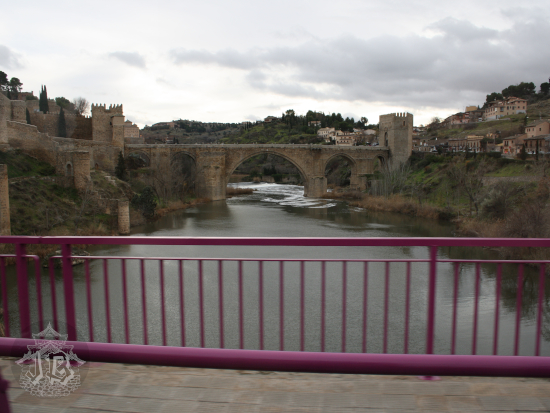
On the way back we saw the Puente de Alcántara, a Roman arch bridge built upon the foundation of the city after the Celtic settlement was taken over.

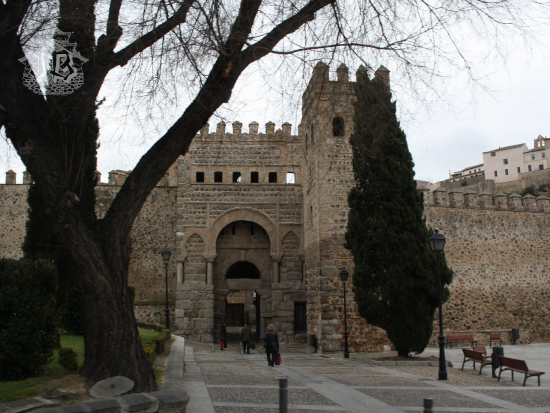
The ride ended up on the other side of the city than the one we had been favouring, so we just walked round the walls that fortify the city, the Murallas de Toledo, which are of Muslim origin over Roman foundations. King Alfonso VI is credited with finishing off the walls, and he named one of the gates after him: Puerta de Alfonso VI.

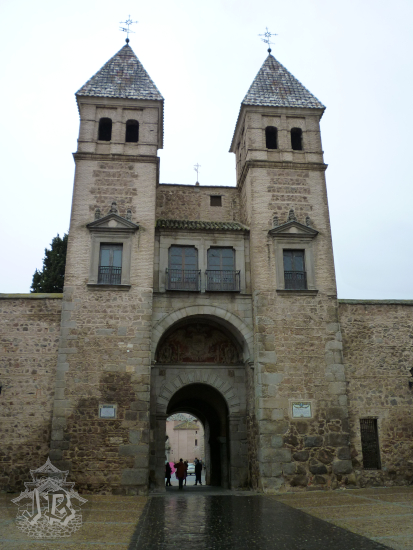
Another of the gates is the Puerta de Bisagra, the last of the monuments we visited before we headed back home the following morning.

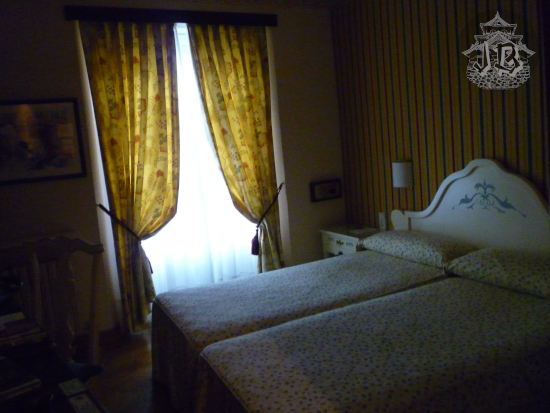
One of the creepiest moments in this trip was realising that our key could open a room which was not ours – we got off on the wrong floor and we went down the corridor to the room door, and opened it. It was not our room. We were very quite put off by this, and it turns out that we had a master key. Finding this was a little freaky, and we tried to complain to the hotel. Furthermore, they wanted to charge us for keeping our luggage for a few hours.

Oh, and I caught a cold during our 31st at night escapade. Because of course I did.

27th & 28th July 2013: Segovia (Spain)

27th July 2013: Echoes of a Roman Past

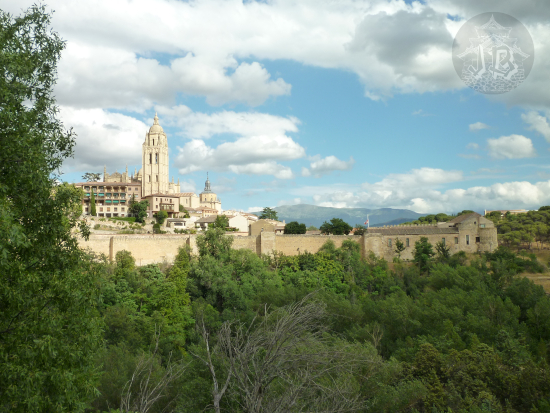
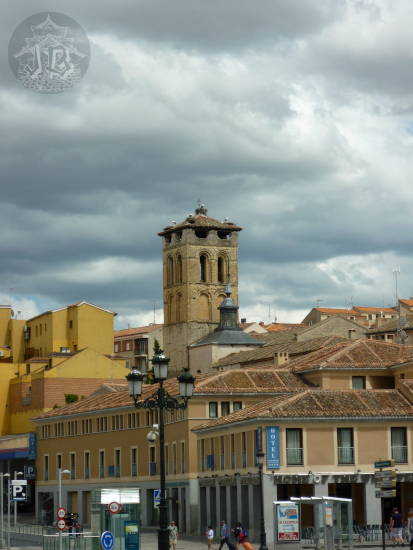
We took the train early on Saturday and arrived in Segovia in mid-morning. Segovia is a Spanish city of the Inner Plateau, located in the autonomous community of Castilla León. It has gained fame because of its many monuments and landmarks, the main being the Roma aqueduct in almost perfect condition, the cathedral and the castle (which may have served to inspire certain mouse-company for the Cinderella Castle). The city centre has been a world Heritage site from 1985 and the aqueduct received the title of International Historic Civil Engineering Landmark in 1999.

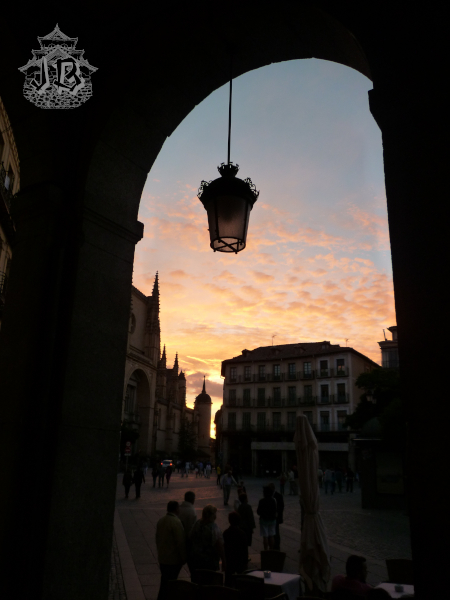
We checked into the hotel, which was dead in the centre of the Main Square and then we visited the Catedral de la Virgen María, the cathedral. The building was constructed between 1525 and 1577 in a late Gothic style that had already phased out in the rest of Europe. We saw the cloister, the chapels and the apse.

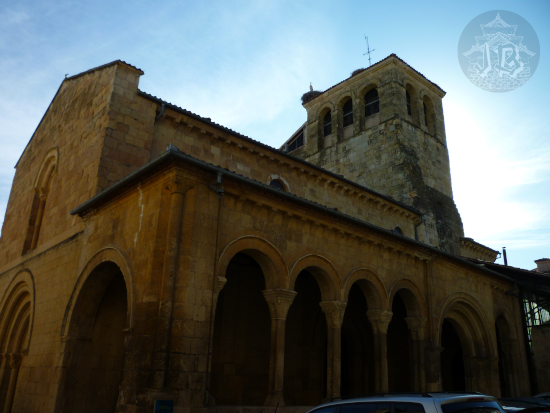
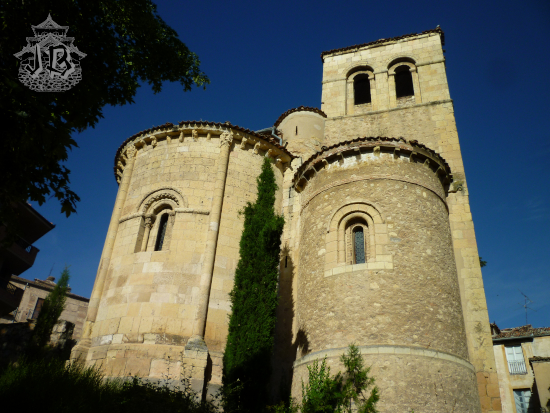
Then we moved onto the Iglesia de San Martín, St Martin’s church, built in the 12th century in the Romanesque style, with a Romanesque-Mudejar tower bell.

We then took a walk around the city centre, and we came across the Palacio de Cascales, a 15th century palace that belonged to the Alpuente Count.

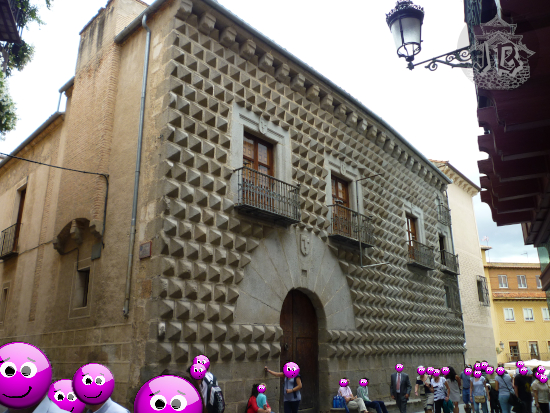
We passed by the Casa de los Picos, the “House of Peaks”, also built in the 15th century.

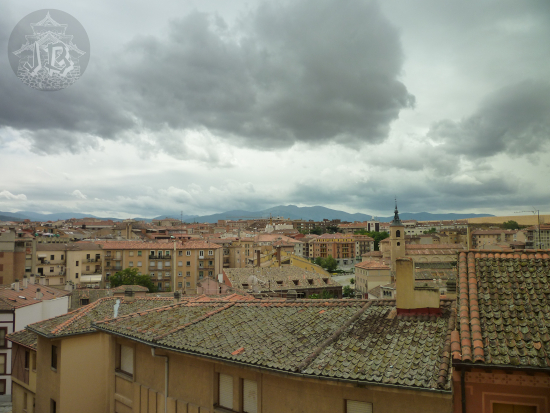
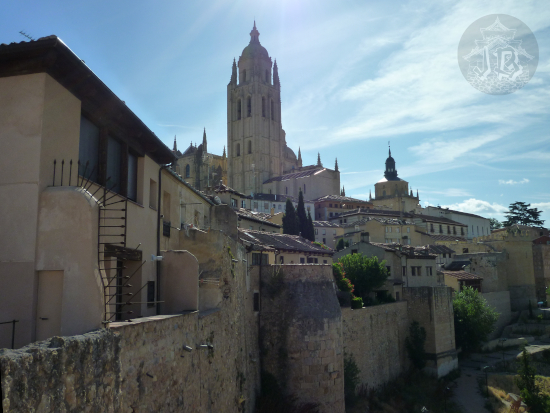
We somehow ended having these nice views of the rooftops of the city, too.

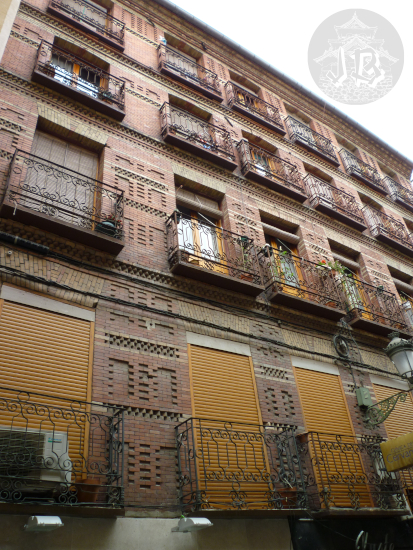
And passed by a very interesting house.

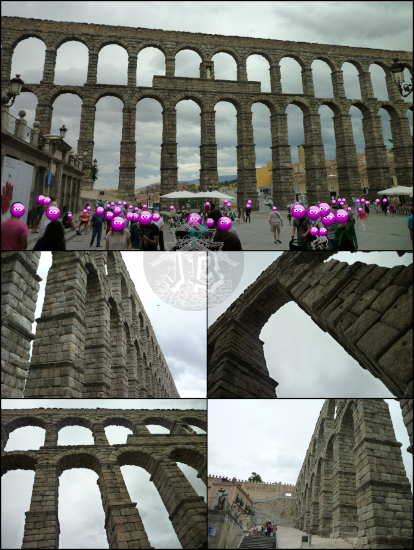
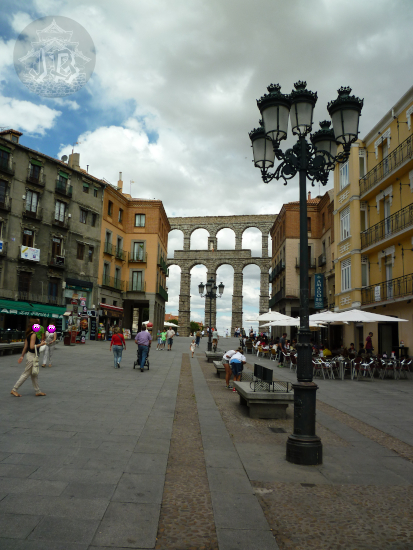
We finally got to the main event, the Aqueducto, the aqueduct. An aqueduct is a “water bridge”, a construction designed to carry water from one side of a valley or a ravine to the other. The Aqueducto was built by the Romans in the late first or early second century. It once transported water from the Frio River into the city, and it ran for a whooping 15 kilometres. It is one of the best preserved aqueducts in the world, as it was reconstructed several times through history, and it was working to get water to the city up to the 19th century.

We passed by the Casa de Ejercicios del Seminario one of the buildings of the Seminary.

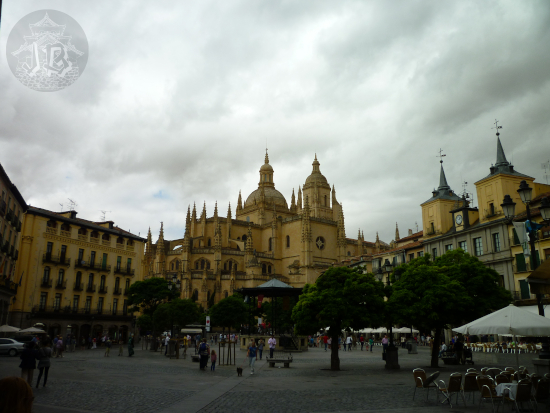
We reached the Main Square, the Plaza Mayor again.

And saw the Romanesque Iglesia de San Andrés, St Andrew’s church, with a particularly nice bell tower.

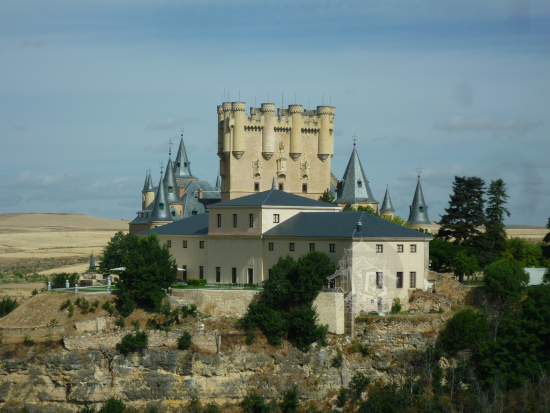
After this we decided to take a break and have the typical pork meat lunch. Then we moved on towards the Alcázar. An alcázar is a type of castle or fortress built during the Muslim rule in Spain and Portugal. The Alcázar of Segovia has been through several redesigns and renovations, but it is a pretty impressive building. The current form was reached during the reign of King Alfonso VIII, so it dates from the 13th century, but it was retweaked by several kings and queens after that. It was the royal residency until the Spanish court moved to Madrid in 1561.

On the way we could see some views and the Iglesia de la Vera Cruz, the True Cross Church.

The Alcázar is quite an impressive building, in Herrerian style, with impressive towers. Part of it is a history museum the other part is a military museum.

It also offers nice views of the cathedral from the other side.

We walked back to the city centre and along the aqueduct again.

This trip was in July, and scorching hot back home, so we had not considered much of a temperature change. Unfortunately, Segovia in the late afternoon became more than chilly and we had to walk into a random shop to buy a thin jacket, then headed off to the Plaza Mayor.

Funnily, when we were having dinner there, someone warned us that the shop assistant had left the alarm tag on my jacket! That was amusing. We called it a day heading off to the hotel, and being duly impressed by the illumination put in place for the cathedral.

28th July 2013: Churches while the city sleeps

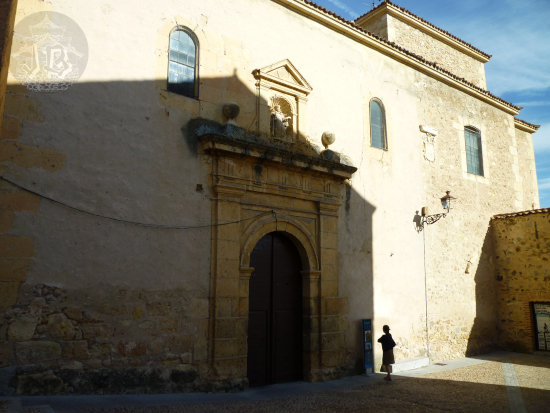
On Sunday morning, most everything was closed, so we took a strolling tor if the Medieval area, and saw a bunch of churches from the tenth and eleventh centuries:

Iglesia de la Trinidad (Trinity Church).

Convento de las Carmelitas Descalzas (Barefoot Carmelite Monastery).

Iglesia de San Nicolas (St. Nicholas’ Church)

Iglesia de San Quirce (St. Quirce’s Church)

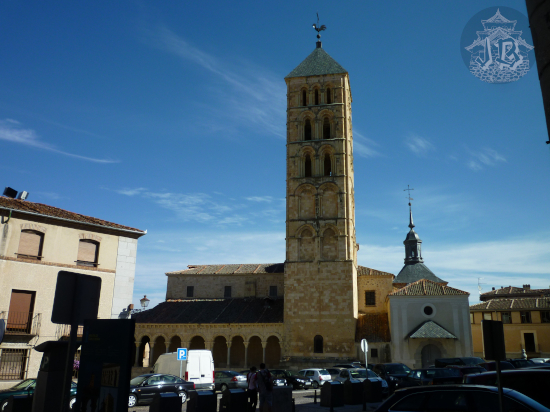
Iglesia de San Esteban (St. Stephen’s Church)

We also had yet a different view of the Cathedral.

And we could see the Alcázar in all its glory.

Then we returned to the city centre, where we caught a glimpse of the Iglesia de los Santos Justo y Pastor (St. Just and St. Pastor’s Church).

We had lunch and said one last good-bye to the Aqueduct before we headed back to the train station.

14th April 2013: Brihuega (Spain)

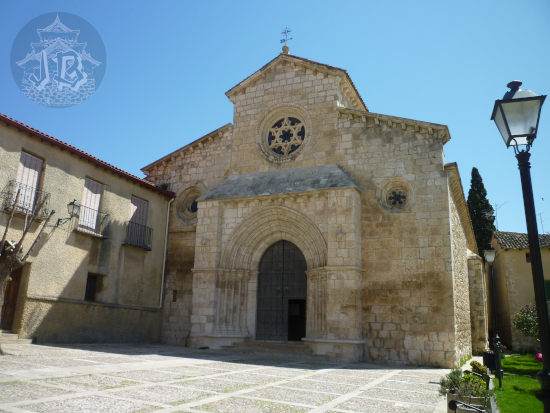
Brihuega is a little town in the centre of Spain. It is considered a historical site in 1973 due to its Medieval buildings. In this little getaway we got to visit the Iglesia de San Felipe, St. Philip’s Church, which dates back from the 13th Century.

We also saw the Parque del Molinillo, which roughly translates to “The small mill park”…

Flashback to a bunch of walk-arounds and visits in Santander (Spain) 2008 – 2011

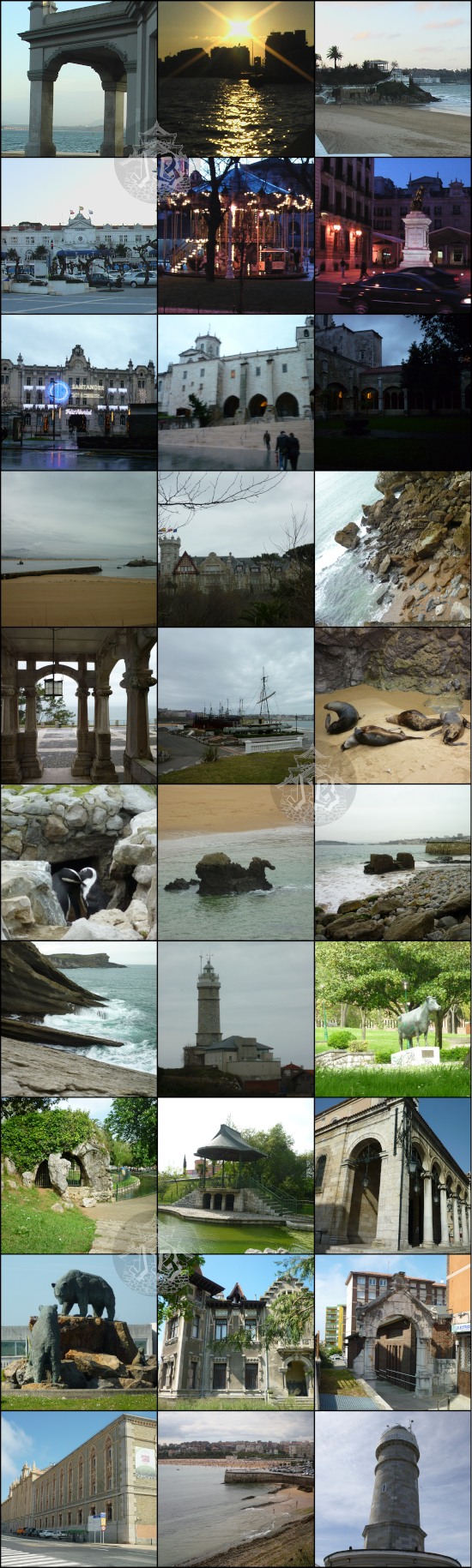
I’ve realised I’m very bad at exploring (or at least documenting) areas close to where I live…

  • Palacete del Embarcadero (Small Palace at the Quay)
  • Bahía de Santander (Santander Bay)
  • Parque y Playa de Piquío (Piquío Park and Beach)
  • Casino de Santander (Santander Casino)
  • Parque de Las Cachavas (Cachavas Park )
  • Plaza Porticada (Plaza Pedro Velarde) (Square of the Arcs)
  • Ayuntamiento de Santander (Santander Townhall)
  • Catedral de Nuestra Señora de la Asunción de Santander (Cathedral Basilica of the Assumption of the Virgin Mary)
  • Playa del Camello (Beach of the Camel)
  • Palacio de la Magdalena (Magdalena Palace)
  • Faro de Cabomayor (Cabomayor Lighthouse)
  • Parque de la Vaca (Park of the Cow)
  • Iglesia de Santa Lucía (Saint Lucy’s church)
  • Glorieta de los Osos (Bears’ roundabout)
  • Parroquia de San Juan Bautista (Saint John the Baptist’s church)
  • Colegio Salesianos (Salesianos School)

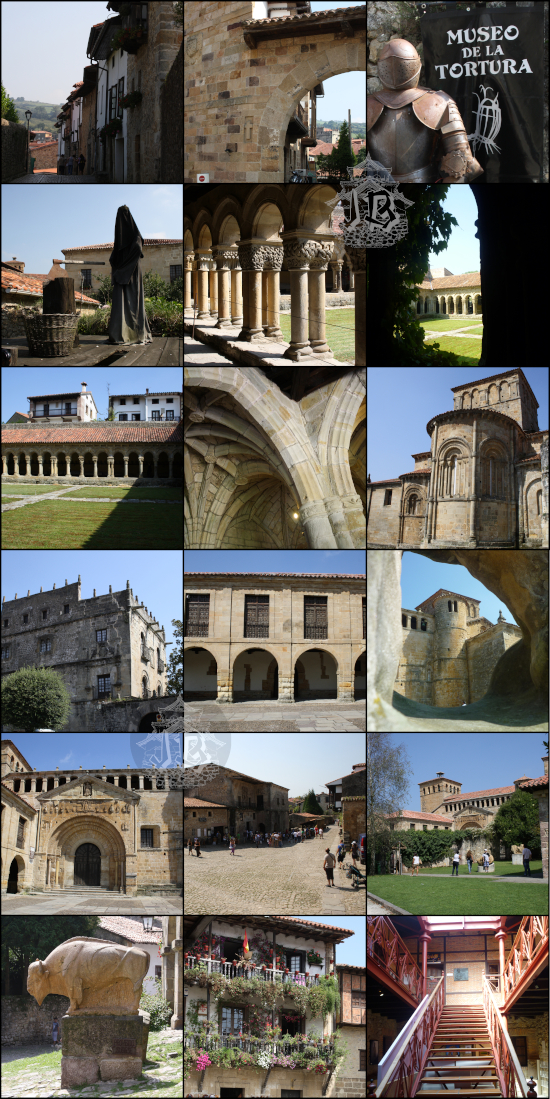
Flashback to 13th August 2011: Altamira & Santillana del Mar (Spain)

Altamira Caves Museum

Santillana del Mar

  • Museo de la Tortura (Torture Museum)
  • Plaza Mayor de Ramón y Pelayo (Main Square)
  • Iglesia de la Colegiata (Colegiate Church)

Note: This is a flashback post, which means it is just a collage regarding a trip I took before I started the blog in 2012. Tags may be incomplete or slightly off.

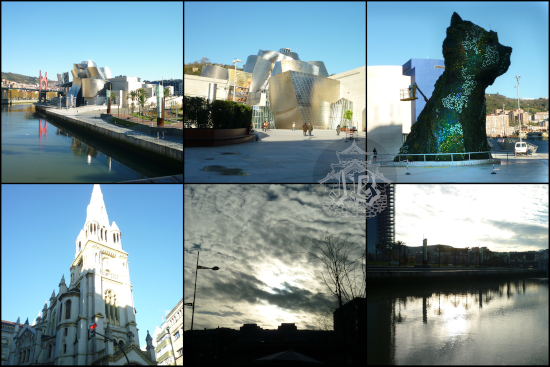
Flashback to 28th – 30th November 2010: Worktrip to San Sebastián and Bilbao (Spain)

San Sebastián

  • Playa de la Concha [Beach of “The Shell”]
  • Teatro Victoria Eugenia [Victoria Eugenia Theatre]
  • Iglesia de San Vicente [Saint Vincent’s Church]
  • Puente de Santa Catalina [Saint Catherine’s Bridge]
  • Plaza Mayor de San Sebastián [Main Square]

Bilbao

  • Guggenheim Bilbao Museoa [Guggenheim Museum Bilbao]
  • River and Estuary
  • Iglesia de San José [Saint Joseph’s Church]

Note: This is a flashback post, which means it is just a collage regarding a trip I took before I started the blog in 2012. Tags may be incomplete or slightly off.

Flashback to 11th – 14th August 2010: Granada & the Alhambra

  • Catedral de la Encarnación de Granada (Cathedral of the Incarnation)
  • Alhambra de Granada (Granada Muslim fortress)
  • Jardines de la Alhambra (Fortress Gardens)

Note: This is a flashback post, which means it is just a collage regarding a trip I took before I started the blog in 2012. Tags may be incomplete or slightly off.

Flashback to 17th – 21st June 2010: First time in Barcelona (Spain), with the excuse of Gackt

  • Basílica de la Sagrada Família (Church of the Holy Family)
  • Catedral de la Santa Creu i Santa Eulàlia (Cathedral of The Holy Cross and St Eulalia)
  • Mercat St Josep (St. Joseph Market)
  • La casa de los paraguas or Casa Bruno Cuadros (House of Bruno Cuadros)
  • Museu de Cera Barcelona (Wax Museum)
  • Edificio de Aduanas (Customs Building)
  • Puerto de Barcelona (Barcelona Harbour)
  • Estatua de Colón (Colombus Statue)
  • Iglesia de Santa María del Mar (Church of St. Mary of the Seas)
  • Museo del Mamut (Mammoth Museum)
  • Arc de Triomf de Barcelona (Bartelona Triumphal Arc)
  • Parc Güel (Güel Park)
  • Montjuic
  • MNAC or Museu Nacional d’Art de Catalunya (Museum of Catalonian Art)
  • Poble Espanyol (Spanish Village)
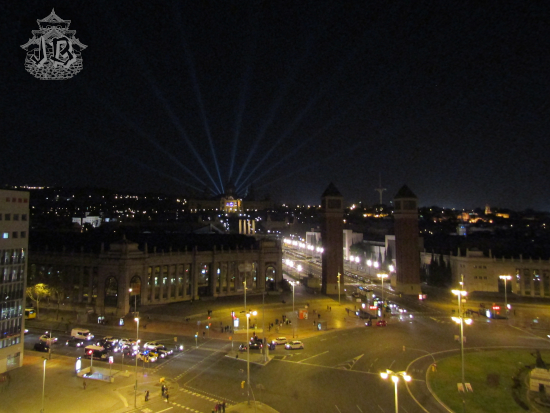
  • Plaça d’Espanya & Torres Venecianes (Square of Spain & Venecian Towers)
  • Barrio Gótico (Gothic Quarters)
  • Gackt’s Are you Fried Chickenz concert.

Note: This is a flashback post, which means it is just a collage regarding a trip I took before I started the blog in 2012. Tags may be incomplete or slightly off.