9th & 10th June 2018: Wicked London (England, Great Britain)

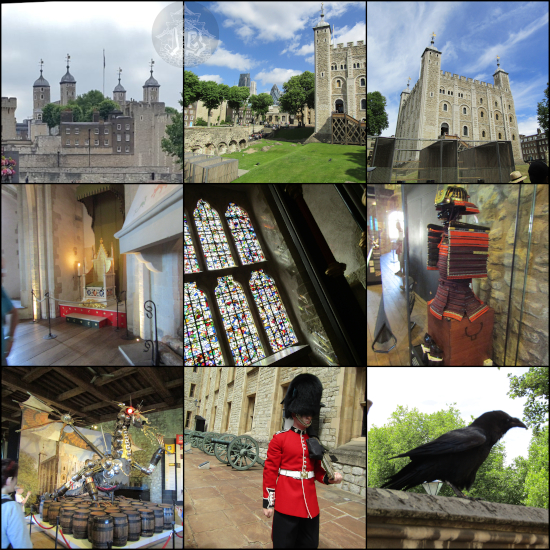
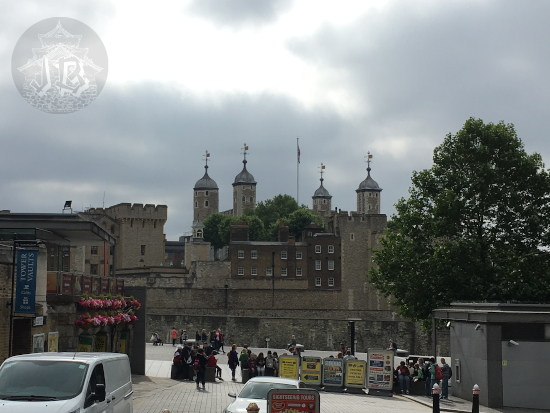
This will be the last work-trip, at least for a while. I might change my mind later, but for now I’m done with them (although there’s an upcoming family trip rather soon…). Again, we flew in early Saturday morning, and we went to walk around the Tower of London and the Tower Bridge.

Then we went to the British Museum. I left them for a couple of hours there and I went to visit some of the lesser-seen galleries.

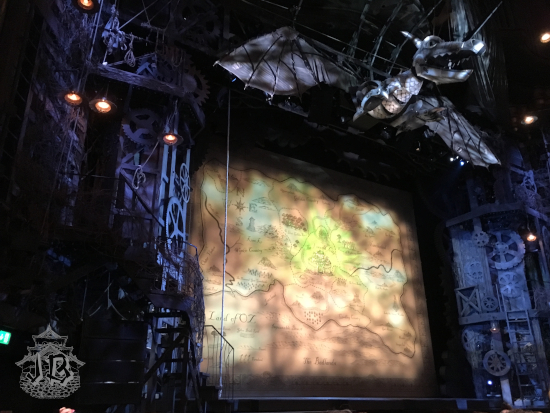
We had booked tickets for the musical “Wicked” in the Apollo Victoria Theatre at 14:30, so we headed over there. Wicked is a parallel story to “The Wizard of Oz”, focusing on the story of the Wicked Witch of the West, who becomes a social outcast due to her tendency to speak her mind and the strength of her magic. I had really wanted to watch this for a long time, so I used this chance and convinced the group to get there. I absolutely loved it ♥.

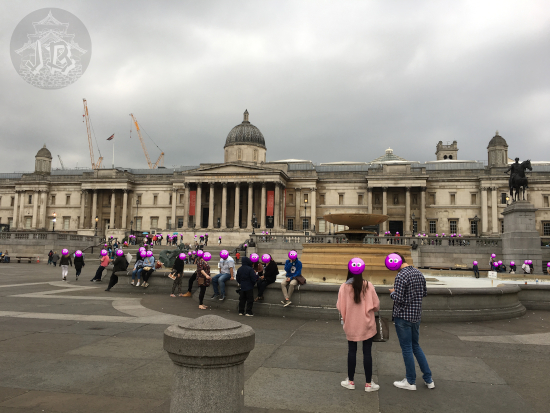
After the show, we dropped our things at the hotel. The group wanted to get some rest, so we stayed there for a while, then got out again. We took the underground towards London central and we were in Trafalgar Square for a while.

Then, we went to Chinatown for dinner.

Later, we walked around Piccadilly Circus, checking out some shops and so. We even stopped for cake.

On Sunday morning we went to Saint James’s Park, where we got to meet the local fauna, especially a very adventurous squirrel.

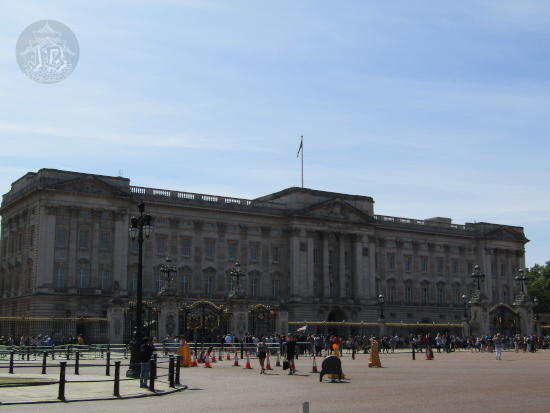
Then we dropped by Buckingham Palace. Although we did not watch the Guard Change, we did see one of the relief marches.

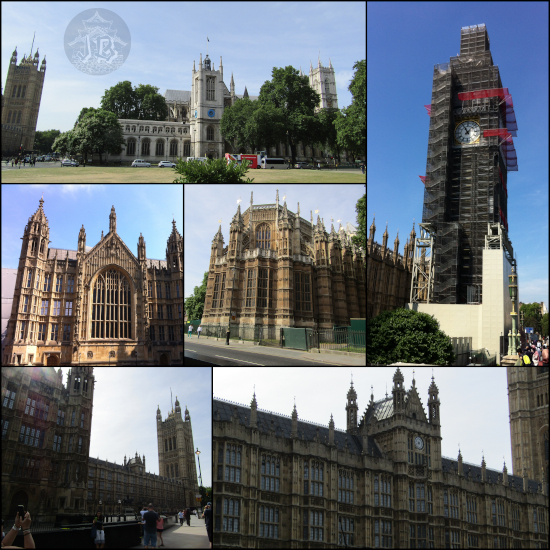
We walked from there to Westminster, saw the Houses of Parliament and the Big Ben, along the outside of Westminster Abby.

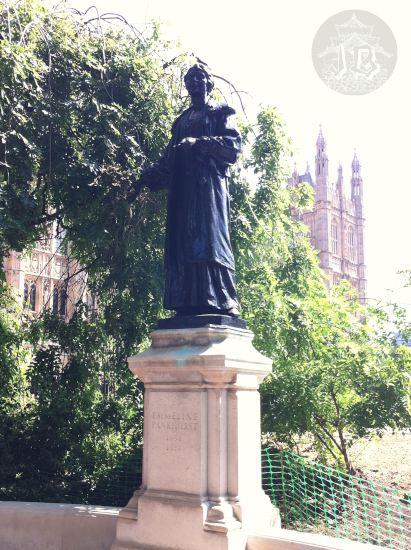
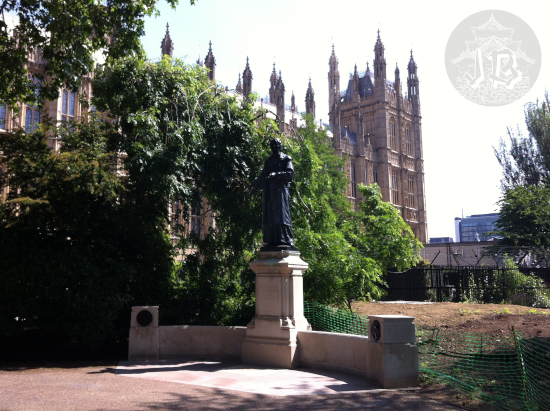
We visited the Monument to Emmeline Pankhurst and stayed for a while in the Victoria Tower Gardens.

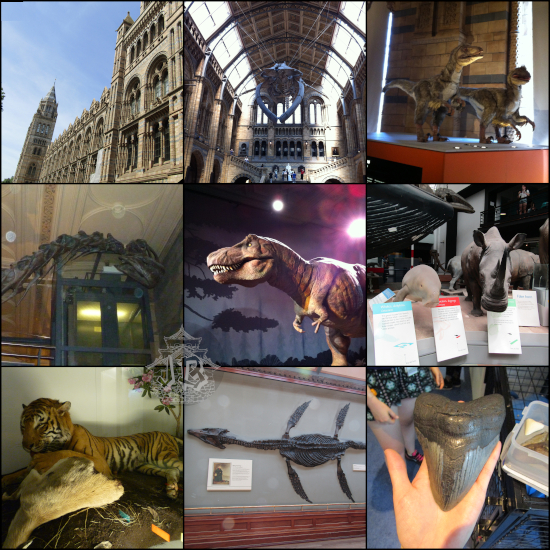
As a final visit, we went to the Natural History Museum.

Finally, we headed off to the airport, and the icing of the cake was that we got caught in a controllers’ strike, so we had like a three-hour delay on our flight and it took forever to get home (;¬_¬). All in all, this was a very… strange trip, and without a doubt the highlight was going to see Wicked, which is something I had wanted to do for a long time, and gave me a couple of hours of enjoyment to myself.

21st & 22nd April 2018: MIYAVI & London (England, Great Britain)

On Saturday the 21st I caught a red-eye flight and I landed in London Stansted around 7:00. After clearing security (aka a security guard very interested on WHY I was there and WHOSE was the concert again?) I got myself on the train and headed off directly towards ULU London to attend MIYAVI’s “DAY 2” World Tour in Europe 2018. I spent the whole day at the queue / venue, so I tell you much of what I did, except that I was an idiot and did not really eat much solid food, if at all. A cookie, I seem to remember, and a cereal bar, which in the end caused a bad stomachache. Lesson learnt. Also! Heatwave in London. How do I manage to always catch the heatwaves in London?

MIYAVI is a Japanese guitarists I’ve listened on and off for a while. I lost a bit of track of him when he got married and had a baby, but every excuse is good for a little getaway. And I have to say that he blew my mind.

I set off at around 4am on Saturday and arrived in the queue around 10 am. The line was incredibly well organised, and the venue staff was super-friendly and efficient (which is a welcome change from most). Often, when an artist comes in, you can hope for a wave, maybe an autograph or sneak up a picture – not with this man, who goes out of the way to shake your hand and thank you for coming.

Well, I did have a VIP ticket that included a handshake and a picture, so I got two handshakes out of him! The concert itself was fantastic, fast-paced and MIYAVI is a guitar master. He was supported by a number of musicians and singers and they all were bustling with energy.

MIYAVI's instagram story reading well done London you guys were hot tonight

Before heading to the airport, the following morning I headed off to the British Museum, which was halfway between the venue and the hotel. I spent a couple of hours there, mostly in the Korea and China areas. There I fell in love with the Bodhisattva Guanyin.

Collage. British museum façcade and some exhibit from the Asia ward - Shiva, Buddha, a green-faced priest, dragon, a Korean dress... The main piece is Guanyin, sitting with a knee up, their hand resting on the knee, the other leg hanging down

From the British Museum I directly went to the airport, and I grabbed some food at Itsu, which is not my favourite Japanese brand due to the price, but my stomach was acting up (my own fault though (≧▽≦)) and I needed something to appease it. So sushi, miso soup and Coke it was.

Sushi and miso soup

27th March 2018: Turiasaurus riodevensis {Dinosaurs in Teruel, 2018}

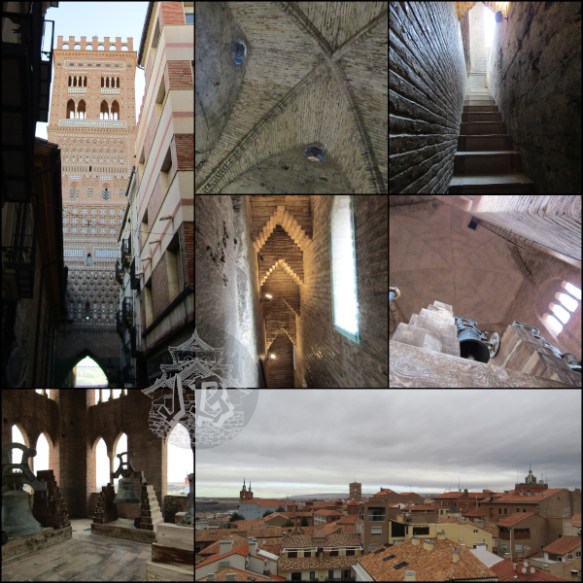
In the morning we walked back to the Torre del Salvador because we had learnt that you could climb it up.

Inner structure of the tower + views of the city

Then we dropped by the Museo de Arte Sacro de Teruel (Christian Art Museum).

Former cloister with a glass roof

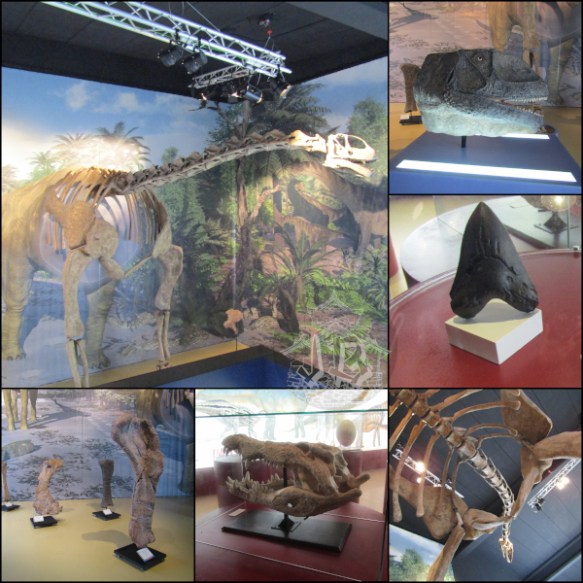
After having lunch we drove off to Riodeva to visit the Dinópolis mini-museum, called Titania. Riodeva is a tiny village in the middle of nowhere, but in the palaeontological site there scientists discovered the biggest European sauropod, the Turiasaurus riodevensis. It is believed that the Turiasaurus, which lived in the Jurassic period, could be almost 40 metres long and just under 50 tonnes.

The guide here was nice, but horribly misinformed, claiming unscientific facts – such as scientists believing that Megalodon still prowls the ocean, and I might have got into a small discussion with her. Don’t get me wrong, aside from being #TeamTRex, I love megs from the bottom of my heart, but there should be a limit on how many urban legends you can claim as true in an educational facility, and that limit is zero.

Turiasaurus fossil pieces + head reproduction; crocodile head; megalodon tooth

Finally we drove back to Teruel and the next day (28th) we were off home first thing in the morning as I had a medical appointment that had come up after the trip was booked.

26th March 2018: Dinosaur bones and Lover mummies {Dinosaurs in Teruel, 2018}

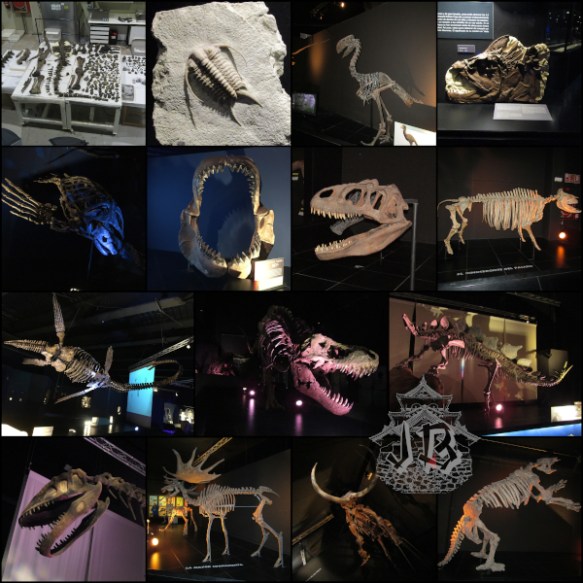
We got to Dinópolis so we could be there when they opened in hopes to ditch the families-with-kids crowds, but to our confusion, we were told that even if the park was open, the palaeontology museum would not be for another hour. Furthermore, the only option to see the museum was with a guided tour. We did not care much about the 3D cinema, but there was literally nothing else we could do until they opened the museum part. We spent the morning in the park. We had to watch the first film, and somehow ended up doing two rides (Viaje en el tiempo & Último Minuto) and a show (the T-rex one), but the big things we cared about were the museum and the so called “Tierra Magna”, where the 1:1 reproduction stand.

The museum has a direct view to the lab, and while it has very few original and unique exhibits, is really good and informative. The big problem was, in my opinion, that it was only guided-access and those stress me out. Why can’t I just roam to my heart’s content and have to listen to a poorly-trained guide? We somehow managed to ditch the tour when the second and third groups came in and a bunch of people mingled around.

A collage showing different fossils and replicas from Dinopolis

It was cold outside, so we only had a quick stroll around “Tierra Magna”. We had lunch and decided we were done. If I had to rate this, I’d say it is a decent palaeontology museum with a lot of kid-friendly stuff around it – the latter is completely skippable, too, but I guess it brings money.

Life-size reproductions of dinosaurs outside Dinópolis Teruel

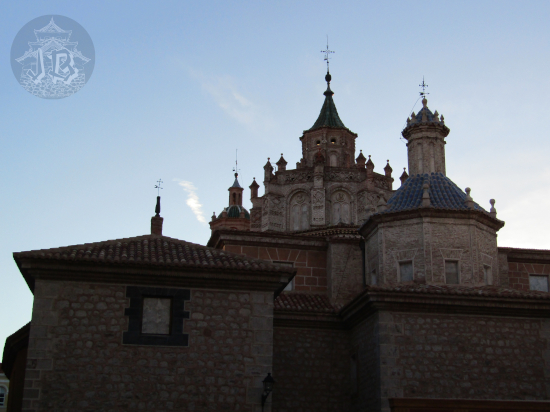
In the afternoon we headed off to see the cathedral, Cathedral of Santa María de Mediavilla, but I did not manage to sneak a picture of the famous wooden ceilings.

Outside view of the Cathedral

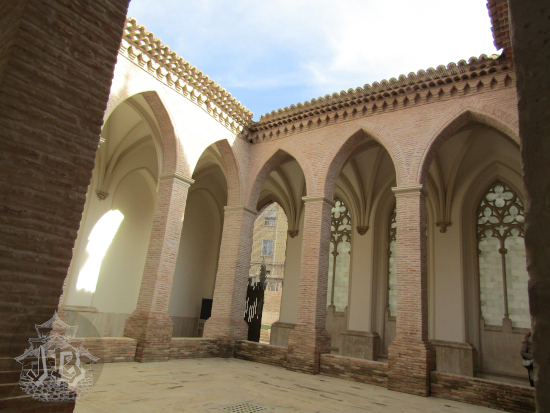
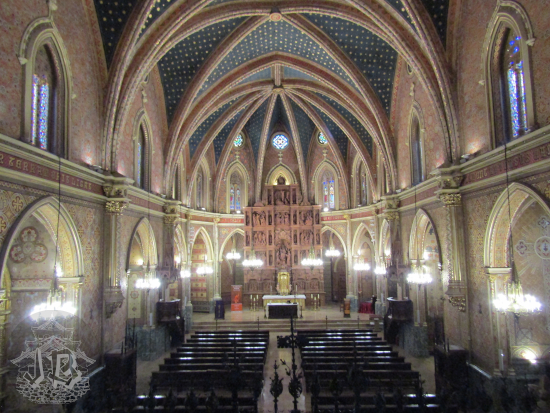
Later, we had a reservation to see the Complex of the Lovers of Teruel, which included the Iglesia de San Pedro (Church of St. Peter), its cloister, and the gardens.

Nave in Saint Peter church

Cloister in Saint Peter Church

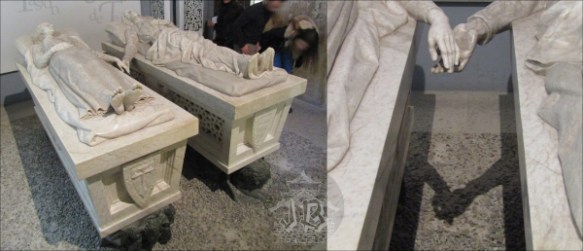
Finally we got to the Mausoleum, el Mausoleo de los Amantes. The story tells that she was a rich heiress and he was a poor man, so he left to gain riches. While he was away, she was given off to another man and married, and when he came back she could not be with him because she was loyal to her husband. He died of a broken heart after she refused him a kiss, and she died after kissing his dead body. The bodies of the lovers were buried together afterwards. The two mummified bodies were found in the church of St. Peter, and they were thought to be the lovers, so the tombs were sculpted – if you crouch, which by the way I didn’t, you can see the mummies through the marble. The tombs were designed so that the lovers’ hands are very close, but they don’t really touch, albeit their shadows superimpose, as if they did.

Mausoleum of the lovers - they lie next to each other, hands reaching for the other one, but only the shadows touch

After this, we walked around town for a while and found the third tower, the Torre del Salvador.

Salvador Tower

We finished the tourist day at the monumental Escalinata de Teruel (the Grand Staircase).

Monumental Staircase

As we walked back to the hotel, we saw a beautiful sunset.

Golden sunset

25th March 2018: Main roads that feel like secondary {Dinosaurs in Teruel, 2018}

We arrived in the Albarracín area after driving for about three hours. Some of the roads were horrid and I was secretly glad my offer to drive had been rejected. We arrived in Albarracín around 11:00 and our first stop was the first Dinópolis mini museum, called the Mar Nummus (Nummus Sea).

As this mountain range used to be sea bead (like 150 million years ago), a bunch of marine fossils can be found in the area. Dozens of ammonites fill up the museum, along with the skull of a Liopleurodon, a marine reptile of the order of the family Pliosauridae, quite obviously a carnivorous one judging by the teeth. As a matter of fact, it was the apex predator of the Middle and Late Jurassic oceans.

Mar Nummus building, featuring a life-size liopleurodon + the skull of the liopleurodon + a lot of ammonite fossils

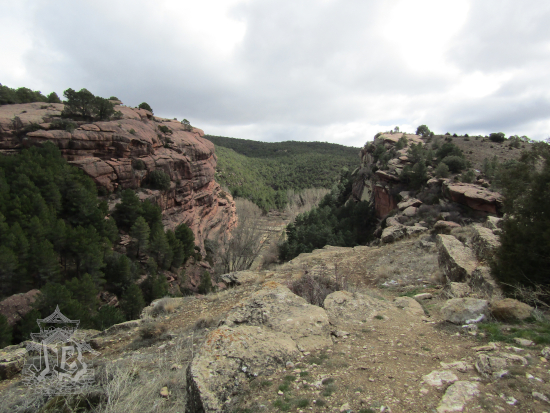
The visit did not take long, and then we moved on to drive to the Mirador de la Escombrera (Slagheap Viewpoint, don’t ask me) to watch the pineforest Pinares de Rodeno. We decided against walking through the forest because the shortest route was a couple of hours already.

Sandstone cliffs + pine trees

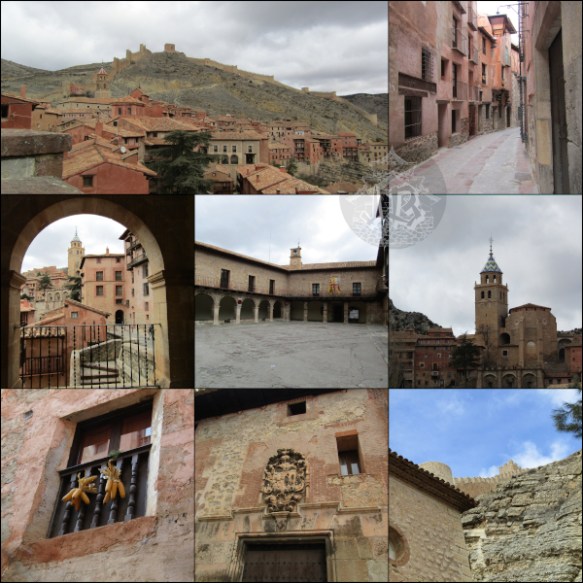
Instead, we drove back to Albarracín and walked throughout the historical centre, a medieval nucleus of streets and houses dedicated to shops and restaurants catering to tourists.

Albarracín, a Medieval city in reddish tones. It is surrounded by a wall

We had lunch, then drove the short 40 minutes to Teruel, where we found our hotel. After dropping our things off, we walked to the centre of the town – which was barely a ten-minute stroll away. Carlos Castel Square is widely known as the “little bull square”, Plaza del Torico.

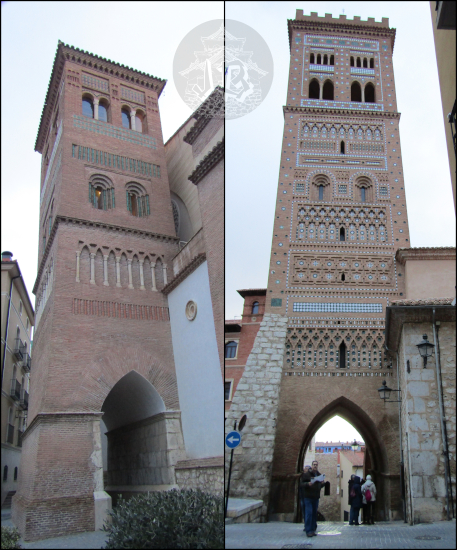
Teruel is known, aside from dinosaurs, from its Mudéjar style buildings, such as the Towers or the Cathedral. Mudéjar style was used by Iberian Christians between the 13th and 15th Century. It incorporates motifs, decorative elements and construction techniques that were common in Muslim Al-Andalus (such as archways, porcelains, bricks, and so on…). On the first day we saw two of the Towers: Torre de San Pedro (left) and Torre de San Martín (right).

Mudéjar Towers

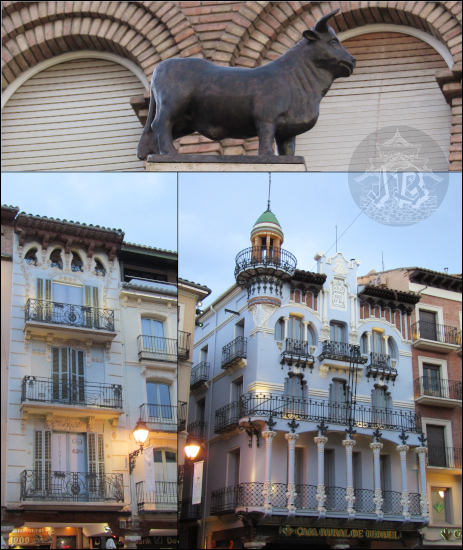
The second architectural characteristic of Teruel are the Modernist houses, built in the 1910s, such as the ones in the Plaza del Torico – Casa La Madrileña (left) and Casa del Torico (right).

Plaza del Torico: a little bull standing on top of a column. Behind it stand two Modernist Houses at dusk

After this we had dinner and we headed back to the hotel.

11th March 2018: An old-fashioned museum and a strike in Madrid (Spain)

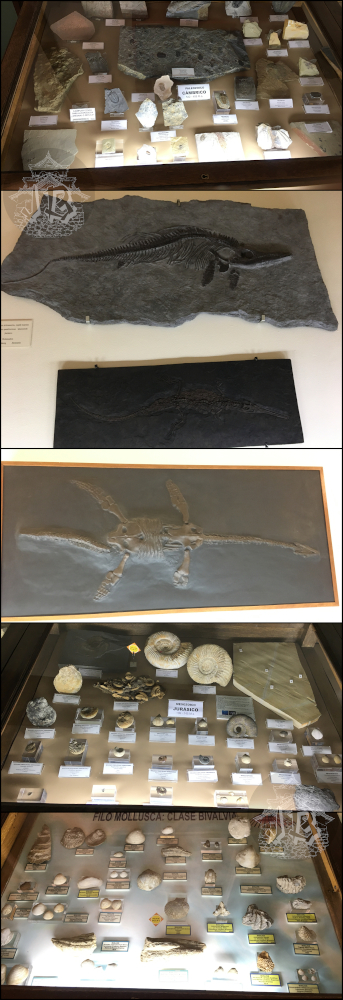
I was looking at a work-related trip and wanted to use up Sunday morning to visit “a couple” of museums, then meet some relatives for lunch. Unfortunately, I was caught in the middle of a public transportation strike, so in the end I had to walk for a long while instead of doing what I wanted! Anyway, what I managed to do was getting to the Museo Geominero Nacional, the “Geomineral Museum” in Madrid. It is located in the headquarters of the Geological and Mining Institute of Spain, in a classical-looking building finished in 1925. It was designed by Franciso Javier de Luue. It is a classical-looking museum with wooden cases and an impressive stained glass ceiling, comprised by a central room and three surrounding balconies.

The access is through a marble staircase and the first corridor is already packed with display cases, even before you get to the main area. These cases show small and not-so-small fossils and replicas, displaying the first taste of the evolution of life on earth.

Once in the main room, most of the floor is taken up by the standing cases holding minerals, fossils and meteorites.

In the centre of the room lie the remains of a mastodon, located in the area of Ciudad Real in the 20th century, one of the crown jewels of the museum.

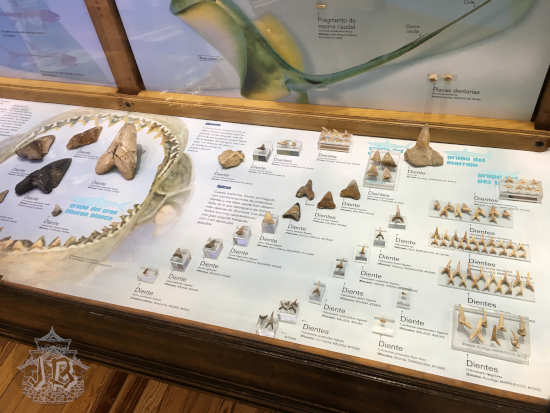
Of course I have been able to locate the collection of megalodon and shark teeth that are on display on the balcony.

Other displays on the upper floors include Spanish mountain goats, cave bears, and a human-evolution collection. Unfortunately, those did not photograph well due to the sun reflection.

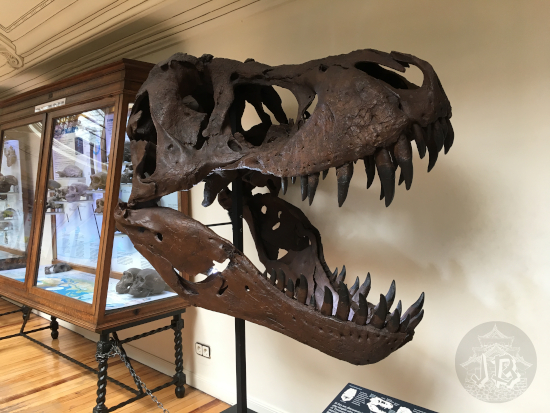
And finally, my favourite piece of the collection is the Tyrannosaurus rex skull replica that presides the museum for the second floor.

When I came out, public transport was not running any more, so I had to walk through the Madrid backstreets until I got to the area where we had arranged to meet, and we went to a restaurant called El Escarpín, where I had an awesome pan of… wait for it… gratin meatballs with molten cheese on a bed of potatoes (Albóndigas gratinadas con queso de tetilla sobre cama de patatas). Amazing! Either that, or I was really ravenous after my hour and a half walking. Serves me right for not keeping up with the news! I learnt my lesson!

14th – 16th October 2017: Vienna, Austria

14th October 2017: Arrival and the Inner ring: Butterflies and Dinosaurs

Between flight and transfer to the city on Saturday morning, I arrived in the city of Vienna at 1pm. As my hotel was between the station and the city centre, I took my chances for an early check in and I was lucky – it was. After dropping my luggage I headed off to walk around Vienna’s Inner Ring, the Ringstrasse, which is a big boulevard that runs around all the old city of Vienna (Unesco World Heritage Site). A bunch of things were on my way and it seemed easy enough to find one’s way around. My hotel was located in a building close to a park, and had three floors, on the 11th, 12th and 13th floors of a building, which gave me some views of the city.

On Saturday the plan was wandering around, but as I am who I am I ended up improvising. My first stop was the outer Vienna State Opera, the Wiener Staatsoper, where a young man dressed as Mozart tried to sell me tickets for a show.

Vienna opera house, a baroque building in light colours with huge windows and an arched entrance

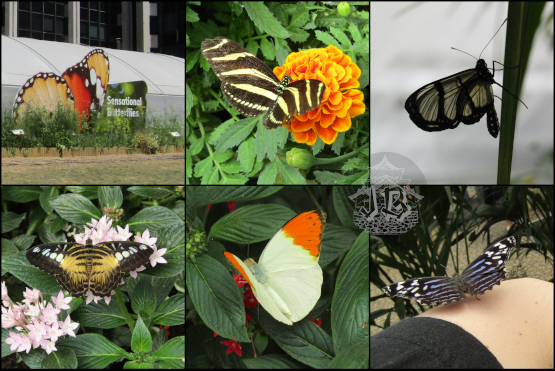
I continued on my walk and I saw the Albertina, a modern art museum, but I was actually heading to the Imperial Palace greenhouse, which is the home of a café and the Schmetterlinghaus, or Imperial Butterfly House. This is an area of the greenhouse where a bunch of butterflies are free to fly around and feed on a bunch of flowers, plants and pieces of apple. I was lucky enough to catch a few good shoots and I was very happy to have decided to go in (albeit I have to say that I was really keen on going there since I had seen that it existed). I really had a blast and enjoyed this, so it was a must that I don’t regret having missed, especially since the 6.50€ for the ticket. I spent around forty minutes in there chasing butterflies.

Vienna Butterfly house: a former greenhouse, and a few close-ups of different butterflies on bushes.

Then I saw the Austrian National Library, the Österreichische Nationalbibliothek.

Severe-looking stone building with columns and windows.

After that I back I walked through the Hofburg Palace, Hofburg Wien, and the Michaelerplatz or Saint Michael Square.

Collage of the former Imperial palace. It is a stone building with columns and windows, and arches

After that I crossed the palace in the opposite direction and ended up at the Heldenplatz, which gave way to Naturhistorisches Museum, the Natural History Museum to see dinosaurs, because there were dinosaurs, which is the home of the Venus von Willendorf, a tiny statue of stone dated back 29,500 years. The museum also holds a collection of minerals, meteorites, preserved animals, dinosaurs, an animatronics dinosaur and a multitude of artefacts from Prehistory to the Middle Ages. I also saw the same dunkleosteus that they have in the Tokyo Kokuritsu Kagaku Hakubutsukan. Have I mentioned dinosaur animatronics?
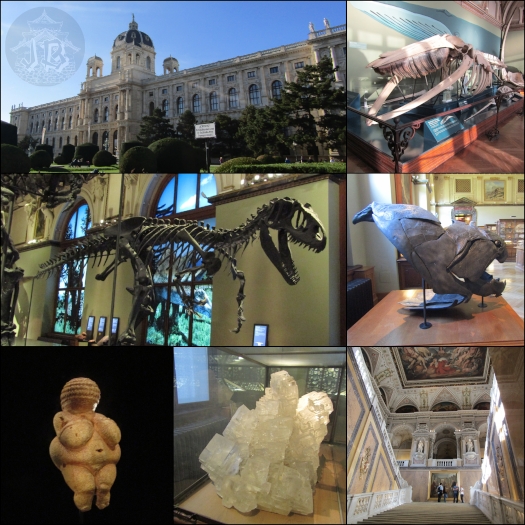
Collage of the Natural Museum: the building, with a dome, a whale skeleton, an Albertosaurus skeleton, the head of a Dunkleosteous fish, a huge salt stone and the Venus von Willendorf, a small naked woman statuette in golden stone

Following the museum I continued down the Ring Boulevard and it did not take me long to stumble up the Pallas Athene Brunnen (Monument to Palas Athena) and the Austrian Parliament Building, Parlamentsgebäude. The latter was under reconstruction.

Vienna parliament house, under renovation. There is a Palas Athena in white marble with a gold helmet standing in front of it.

I continued my walk until I found the Vienna Town hall, called the Rathaus, where there was a kind of Videogame trade fair or something going on.

Vienna town hall - neogothic building with a lot of towers and spikes.

Then I went on walking towards the university and the church of Votivkirche, a neo-gothic building next to the university.
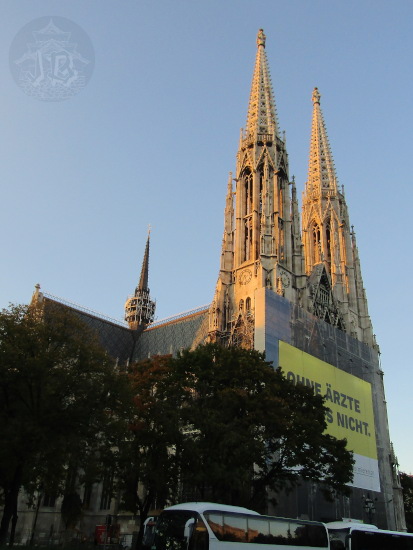
Gothic church under renovation

Afterwards I went down to the hotel because this is not summer vacations after all, just a weekend escapade and I seriously did not have that much energy. On my way I walked past the stables of the Spanische Hofreitschule (Spanish Riding School) stables and I saw some pretty horses.

Two white horses from the Vienna riding school

And even from the hotel (literally from bed), as my room had views, I could take some pictures of the sunset and the lit buildings. And then I went to sleep at a horribly early hour because I was beat and for some reason I managed over 8 hours of sleep.
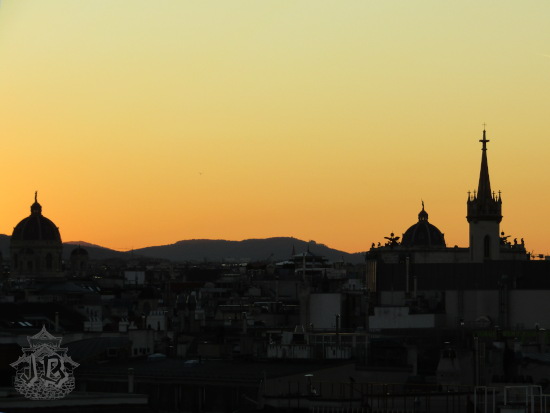
Sunset over the skyline of vienna. The buildings are dark and the sky is orange

15th October 2017: Palaces, churches and the Cinema

Because my hotel was **** for a change (I have to say that when I think about the whole weekend the word “decadent” is what comes to mind), I had a kettle and instant coffee ready for me – this was my breakfast. After that I did the online for my flight the following day and of course running into technical difficulties, and I left the hotel at around 9:30, which was a bit later than I had intended.

I was coming up to the Belvedere Palace, and on my way there I took a diversion to see the Karlskirche or Karlskirche (St. Charles’ Church), which I could see from my hotel and illuminated at night. This is a baroque church that sometimes holds classical music concerts.

The church of St. Charles; a Baroque church. It has a dome, and two twisted columns in front.

After taking a wrong turn once or twice this I headed out to my original target, the Schloss Belvedere (Upper Belvedere Palace). This is a Baroque Palace (seriously, Vienna is full of Baroque) that has been turned into a painting gallery. The most famous author in this gallery is Klint, but if I have to be honest, I’m not too appreciative of him – must be my likings for the realists. In the end, I liked the palace itself better than the painting collection, specially the reception room and the staircase.
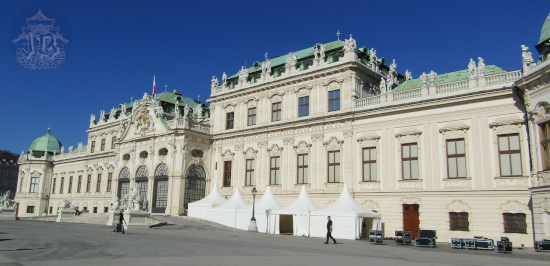
The Upper Belvedere Palace, a Neoclassical building in white stone.

As I had bought a three-combo ticket including Upper and Lower Belvedere and the Winter Palace, I walked down the Belvedere Gardens to the Unteres Belvedere (Lower Belvedere), which holds the “Medieval Treasure” and temporal exhibitions. The best thing was the gold and mirror room and the marble gallery.
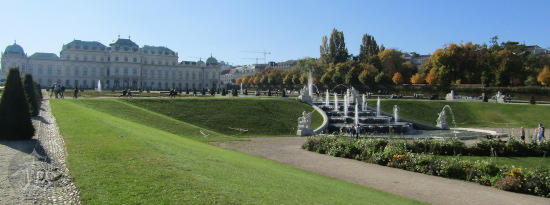
A huge garden with a palace in the background. The garden is artificial in a way, with perfectly-trimmed grass, fountains, and bushes.

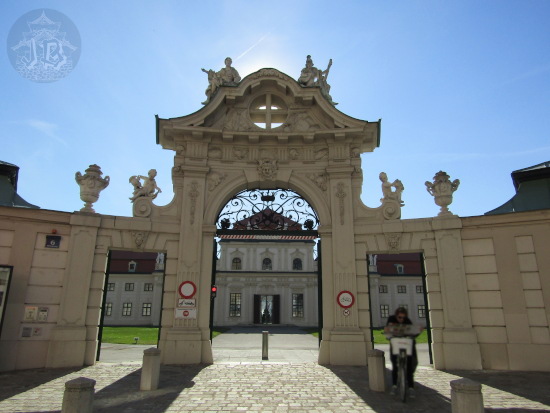
The Baroque entrance to the lower Belvedere palace, a stone gate with sculptures on top. It looks like it wants to stare you down. The palace peers through the three open doors in the background

Then I headed off to the centre of the city to see the Winterpalais des Prinzen Eugen (Winter Palace of Prince Eugene), which was not the best thing ever but hey it came within the three-museum combo.

A Neoclassical palace with flags hanging over the door

Then I headed off to Domkirche St. Stephan (St. Stephen’s Cathedral), which is the gothic Catholic cathedral. It is not Baroque but Gothic. The entrance was free, but it also had a paid area, including the catacombs. Unfortunately I was too late for the current tour and too early for the following one, so I decided not to stick around, else I would have got the combo for the catacombs, the tower and the treasure.
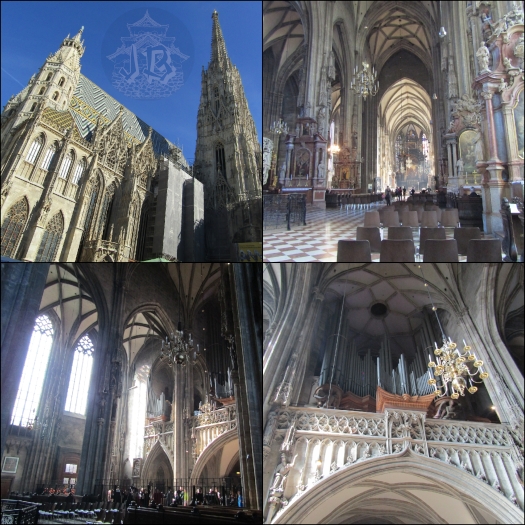
A gothic cathedral. Collage showing the outside, with the tower and the ornate windows, and the inside showing the pointed arches inthe nave, and the organ.

As it was, I saw the cathedral and then headed off down different streets and saw the outer area of Katholische Kirche St. Peter (Catholic Church of St. Peter).
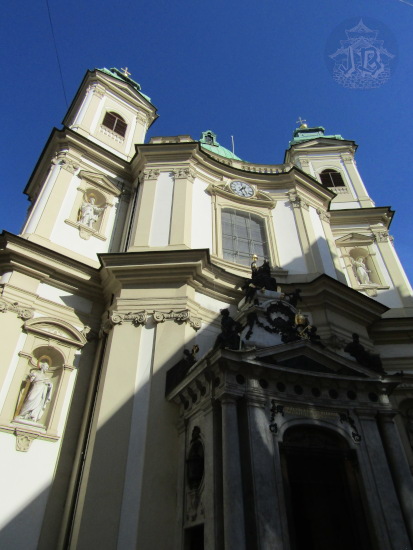
Façade of a Neoclassical church

And then headed out to the Michaelerplatz to check the inside of the Michaelskirche (Catholic Church of St. Michael).

Neoclassical church, showing the white and pointy bell tower. The image is tilted so the tower fits in the frame

I checked the Spanische Hofreitschule (Spanish Riding School) for tour tickets, but I was late for that and it was all sold out, so I decided to go to the station and buy some food in the supermarket for both lunch and dinner. On the way I crossed the Stadtpark to see the floral clock and the Johann Strauss monument – Johann Strauß Denkmal.

Finally, I headed off to get some rest at the hotel, and have a shower. At 18:15 I walked down to the cinema at the corner of my hotel building, the Gartenbaukino, because in the end that was the reason I was there – to attend the Austrian premiere of the X JAPAN documentary We are X as Yoshiki was going to be around for a Q&A session afterwards.

There had been a small mix-up with the ticket numbering (all of them had been printed out with the same seating number!), which was solved efficiently. We watched the documentary We are X and then there was a Q&A with Yoshiki himself. There were emotional moments as the fans thanked him for everything he had done and for his music.
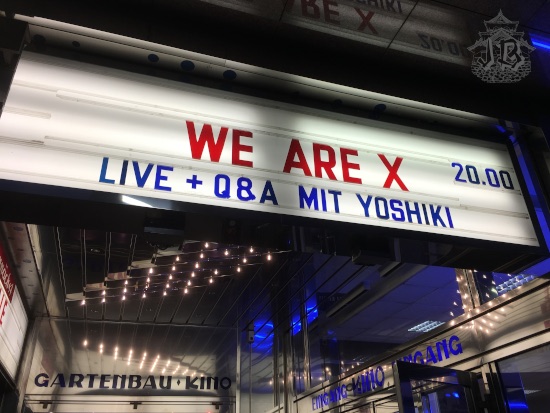
Entryway to the cinema. It reads We are X Live + Q&A mit Yoshiki 20.00

Yoshiki sitting in front of a burgundy curtain. He is wearing his sunglasses and a black suit, boots and a golden blouse

After the Q&A some of us stayed talking at the cinema gate and the manager, who had solved the ticket problem, came out to close – and he told us where Yoshiki would be leaving from. And that’s… the story of how I got to talk to Yoshiki, I got his autograph and took a picture with him and I will never, ever, ever forget the rush of that.

I have to say I did not sleep much that night. All the excitement caught up with me and I kept replaying the scene in my head over and over again. in the end I think it was around 2:30 that I could turn the lights off.

16th October 2017: Airport Monday morning

After checking out of the hotel I walked back to the train station and took the CAT towards the airport. I had taken an earlier train than I had already planned and boy was I glad to do so when following arrows at the airport took me as much as 20 minutes. Something I learnt in this trip is how friendly Austrian people are, and that they have a great sense of humour, as apparently one of their star souvenirs is “no kangaroos in Austria”. The return flight was not as good as the first, but it was on time and I could arrive to work smoothly for a crazy week.

30th July 2017: Tokyo → Yokosuka → Sarushima → Yokosuka → Yokohama → Tokyo {Japan, summer 2017}

We ended up in Yokosuka [横須賀] because D****e wanted to go to a music and book shop called Yajima Record Honten [ヤジマレコード本店], which was sadly closing the following day. The first thing that we did when we arrived, however, was lunch (because we had not gotten up early and we had spent a couple of hours on trains). Yokosuka is known for being an American army base, so it prides itself on being “Americanised”, and the typical dish seems to be hamburgers. This is the avocado burger I ordered.

After this we walked a block north and found Yajima. The key aspect of this shop was that it had a bunch of posters and signatures from old promos from a bunch of J-rockers. It was a bit of a magical place and it is very sad that it is closed now. I took the chance to buy an unopened, brand new copy of Hyde’s Shallow Sleep single, and we took pictures of a bunch of the promos that were still up, some of them twenty or thirty years old.

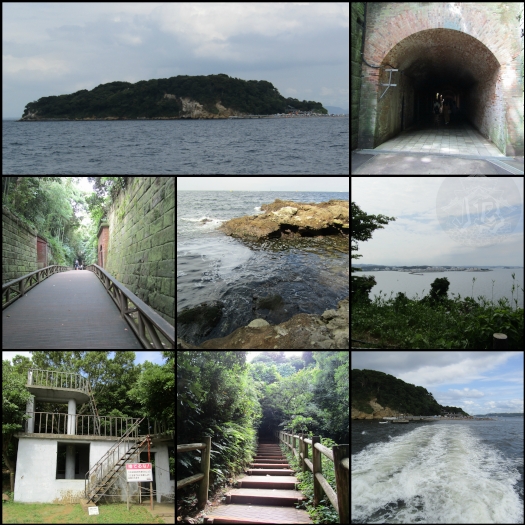
Afterwards we walked to the pier to catch a ferry to see Sarushima [猿島], which hosts a few old timer army bases and wartime ruins, aside from some very nice ocean views. It would have been nice if we had managed fewer people around, but alas, we all came by ferry so we all arrived at the same time. Sarushima is the only natural island in Tokyo Bay, and geologically it seems to be a continuation of Futtsu cape on the opposite side of the Bay. Although the name means “Monkey Island” there is no monkey there except in a legend that says that a white monkey guided Saint Nichiren through the fog in Tokyo Bay to the safety of the Island. Sarushima is a World Heritage National Historic Site.

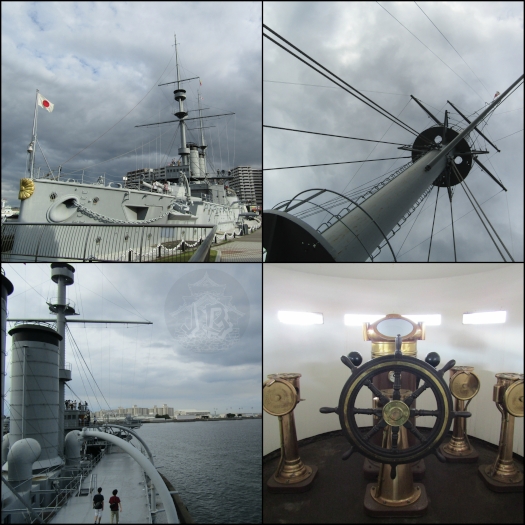
Afterwards we went back to Yokosuka Pier and boarded the Mikasa [三笠] warship which was used as flagship in the Russo-Japanese war (and sank after the war because she blew up. Figures). It is now a naval museum where you can VR the battle. I got VR-obliterated. There is a reason why I did not pursue a military career.

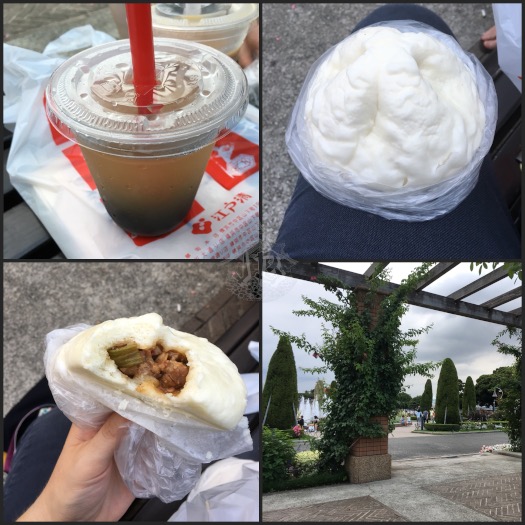
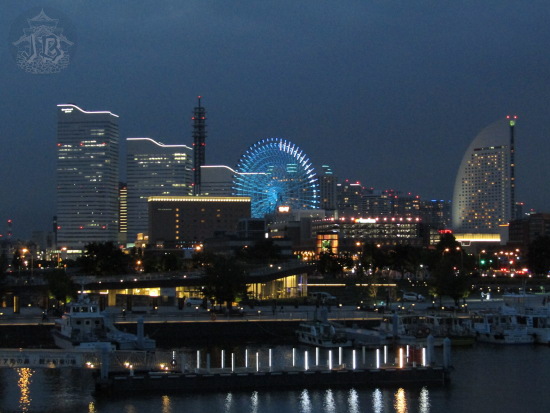
Afterwards we diverted our way to go to Yokohama [横浜] and get nikuman for dinner in Chinatown. We sat on a park bench and ate nikuman and drank bubble tea. Afterwards we walked down by the harbour and through Yamashita Koen [山下公園] and looked at the sunset/night skyline. Finally we caught a train back home.

13th July 2017: Shinkai (Deep Ocean) {Japan, summer 2017}

I headed off to Ueno Kōen [野公園]. The first thing I did was exchanging my JR Pass. Then I hit the Natural History Museum Kokuritsu Kagaku Hakubutsukan [国立科学博物館] because I had seen on Tuesday that they were running a temporary exhibition on Deep Ocean. Since last year’s Hunters of the Sea was good, I had decided to check it out.

The exhibition, called Shinkai [深海] ran several parts. The first of them (bioluminescence and Hadal zone) had a bunch of interesting specimens both kept in formol, along with there being big screen showing the creatures in their natural habitat. Of course, Japan, being Japan, was much more fascinated by the screens rather than the actual fish. Some of the most interesting things that they had exhibited included: a giant Antarctic octopus ( Megaleledone setebos), a Pacific footballfish (Himantolophus sagamius, those that have a little light on an antenna on their head), a huge chimera and a lepidion (Lepidion schmidti). However the central pieces of the exhibition were the Pacific sleeper shark (Somniosus pacificus) and the Atlantic giant squid (Architeuthis dux).

Another part focused on geology and ocean floor exploiting, alongside some earthquake research, especially on the Great Tohoku Earthquake. The most interesting part here were the chimneys and the Manganese nodules.

There was a bit on augmented microbiology but that is not that key XD

After I left the exhibition I headed off to Yushima Tenmangu [湯島天満宮], which is associated with plum trees, but none of them were blooming at the time. It also enshrines the Kami of Learning, so I hope it helps with my Japanese.

Afterwards, I took the Ginza line to Shibuya [渋谷] to meet up with B**** for some Starbucks and sushi. Sushi is always good!

11th & 12th June 2017: Highlights of London (England, Great Britain)

As part of my day job, I took a group of customers on a trip to London. Not the best decision in my life, but one that I would repeat a couple of times before I had enough. This was a short getaway – we took off on a red-eye flight on Saturday and we came back on Sunday evening.

Our first stop was The Tower of London, officially called “Her Majesty’s Royal Palace and Fortress of the Tower of London”. The main Tower, “White Tower”, was built in the 11th century, and additions to it were made up to the 1400s. It was designated Unesco World Heritage Site in 1998. The Tower holds an armoury, some treasure, documentation offices, a few shops and the Crown Jewels of England. And, according to the legend, quite a few ghosts.

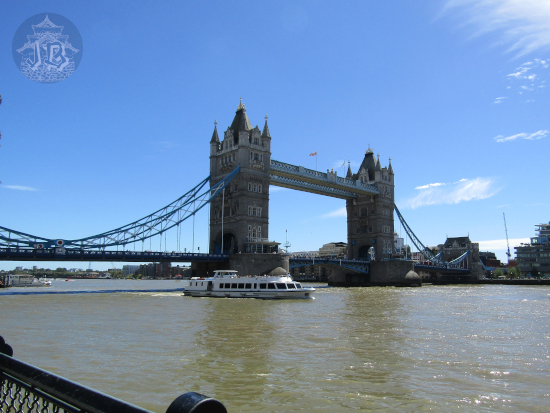
After the Tower, we took a moment to see the Tower Bridge.

We had a hotel basically at the end of the world, and we decided to go to drop our things off before we continued on the visit. We saw the Wellington Arc in Hyde Park on the way to the royal palace.

Then we fooled around Buckingham Palace.

Finally we went to Chinatown to have dinner…

… and rounded up the day at Piccadilly Circus.

The next morning we headed off to the British Museum. We had breakfast outside because of course it was one of those times when it’s all warm in London. Waffles = ♥

The British Museum was established in 1753, and opened to the public, in its current location, in 1759. It focuses on human history and art, having branched the natural history items to the Museum of Natural History and all the documentation to the British Library. The museum holds the awe-inducing number of 150 million of artefacts from dozens of cultures of the world, both ancient and modern, with amazing Grecian and Egyptian collections (albeit having disputed ownership…)

Inside the British Museum we separated. I left them to have a walk around the most important areas and I walked into my favourite spots (although the Japanese galleries were still closed. I also got a ticket to see the Hokusai – beyond the Great Wave exhibition, which presents a number of Hokusai’s works organised in series or topics. One is waves, and it shows how Hokusai experimented with textures, shapes, swirls and foam until he found the “perfect” wave – his most famous work, the Great Wave. There is a series on people, another one on mythology, and another one on himself and his family.

After I was done and we had met up again, I helped them found some stuff that they had not seen but still wanted to. Then, we headed off to the Westminster area to see the Big Ben, and although there was some scaffolding already visible, we managed to see the whole thing.

Finally, we headed off to the airport to get back home.

6th & 7th May 2017: Cuenca (Spain)

If I ever go missing, especially with my car, don’t go around looking for me in Cuenca . I would have a nervous breakdown trying to drive through the streets and slopes. I’m not sure what time we arrived, maybe mid-morning. We had a reservation to have lunch at the Parador. However, to get there we had to drive up a horrible, horrible hill with a terrible paving and park too close to the cliff so #no.

Cuenca is considered a World Heritage City. It has a classical, mostly Medieval area, and a normal / standard area surrounding that. The inner cluster is virtually carless as the streets are narrow and steep. It is perched on the Huécar Gorge and as you can see, a vertical rock wall.

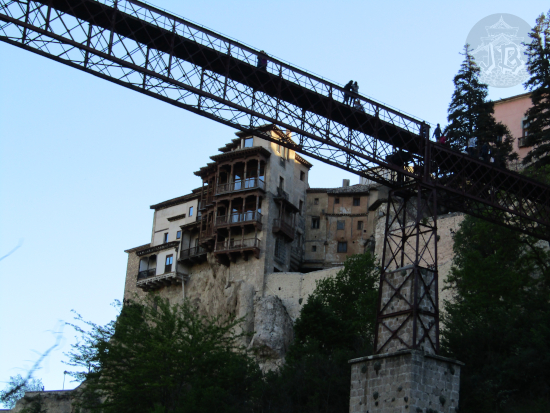
We had some time before we had to go for lunch, so the first thing we did was go have a look at the Casas Colgadas, the hanging houses that overlook the Huécar Gorge. Inside there is a contemporary art museum that I visited once already so there was no incentive to look again – you know, the kind of abstract art that showcases a plus-symbol and you’re supposed to interpret.

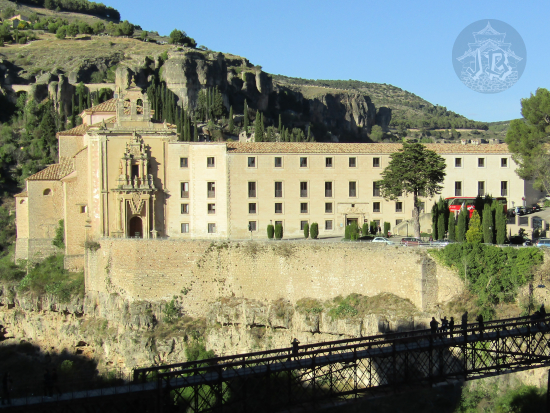
We had lunch at the Parador de Cuenca. A Parador is a high-end state-owned hotel usually with a good restaurant. More often than not, a Parador is located in a renovated historical building. This one is a former monastery, and the restaurant is located, if I remember correctly, where the original dining room would have been.

Main dishes were forgettable (and not photogenic) but the curd or “cuajada” for dessert was to die for – and it came with a lot of extra goodies.

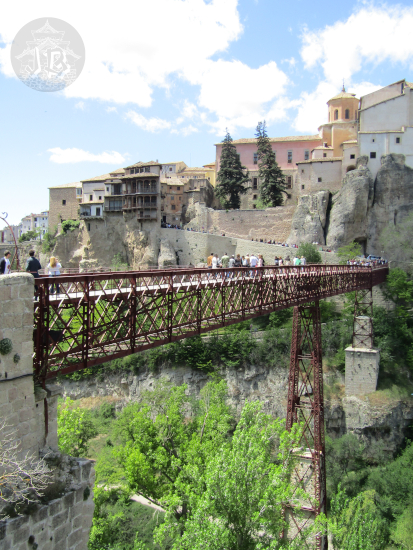
In order to get to the town centre you have to cross the scary, scary bridge aka the Puente de San Pablo, St Paul’s Bridge, over the gorge, but I survived – without a freak-out (≧▽≦) and you might be aware that I am not a fan of heights.

We had lunch, then moved (over the scary scary bridge) on to see the Museo de las Ciencias de Castilla la Mancha, the Science Museum of Castilla La Mancha – unfortunately the dinosaur area was closed, so we “only” got to see the super steampunk clock and the energy wards, and the tornado simulator, along to some kind of reproduction of the International Space Station.

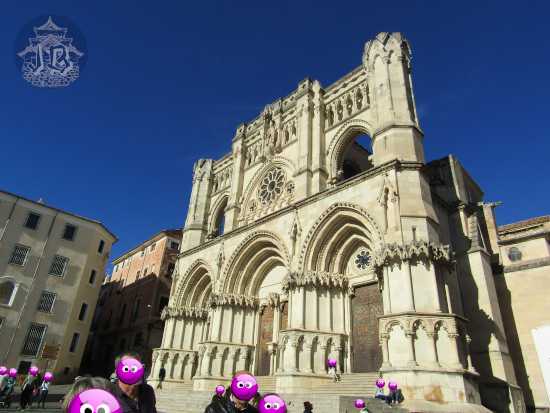
After the museum we walked a little around the town. We went to the cathedral, Catedral de Santa María y San Julián de Cuenca, but it was closed due to some religious service or another. I mean… that’s its main purpose I guess? (≧▽≦)

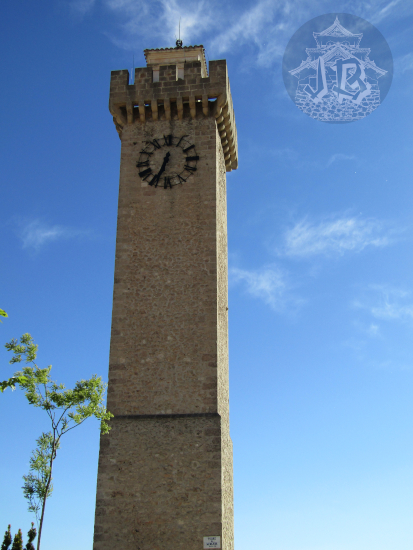
Then we found the Torre de Mangana, Mangana Tower, a clock tower dating from the Sixteenth Century. From underneath the tower there is quite an impressive sight of the area surrounding the city.

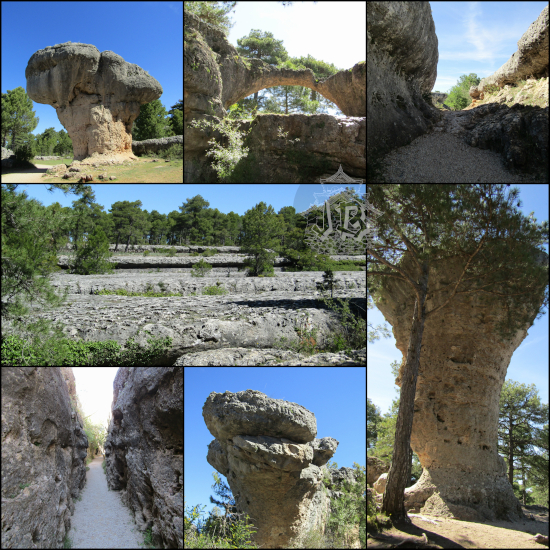
We went back to the car and we had a drive around the city. Cuenca is located in the middle of a karst area. Karst is a type of landscape formed by the dissolution of soluble rocks e.g. limestone or gypsum. You can see how the rock seems to be “molten” among all the pines.

We reached the Castillo and Murallas (castle and walls) on the other side of town but we had to drive back due to the streets being cut for the same religious event we had run into before.

Thus, on our way back, we drove at the bottom of the Huécar Gorge and headed back to the hotel.

This was about six or seven in the evening, and we did not go out again because we were way outside town. We had dinner in the hotel and called it a day eventually. I ordered the kids’ menu because everything else was too fancy and abundant.

The next morning we woke up early to visit the Ciudad Encantada / Enchanted City. This is another karst topography which has somehow become very famous. Some of the rocks have interesting forms, and have been given names. It is a sort of geological park formed by rain falling on the rocks and dissolving them for millions of years. The original rocks were a mix of of limestone and dolomite in different proportions, which ended up dissolving in different shapes.

After walking around for a couple of hours we went on our return trip.

16th September 2016: Some Madrid (Spain) Museums

I woke up one morning, a silly weekday that I did not have to work for some reason and I decided to wander off and take a day trip to Madrid to see some museums, just because I could.

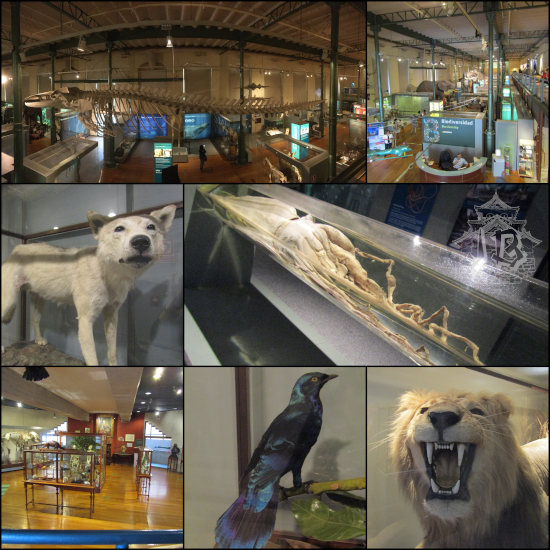
My first stop was the Museo Nacional de Ciencias Naturales, the museum of natural science. The museum is divided into several buildings. The first building holds the “Biodiversity” collection. This includes preserved specimens – in better or worse shape, mostly stuffed, and some skeletons.

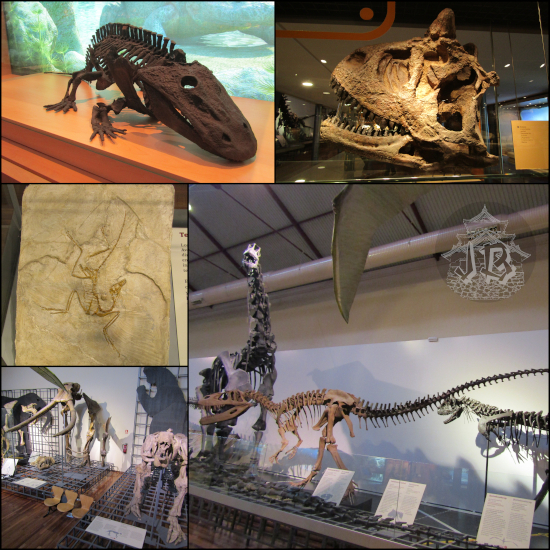
Then I walked over to the palaeontology and mineral museum, where at the moment most of the collection is composed of replica, sometimes it feels that you see the same diplodocus or arsinoitherium (two-horned rhino) skull everywhere. Of course, however, I hunted down every megalodon tooth on site and sight.

After this, I walked around the mineral collection and walked down Castellana Avenue until Colón Square, where I had lunch somewhere before I walked around to see the Museo Arqueológico Nacional – National Archaeological Museum. There were a few things that interested me there.

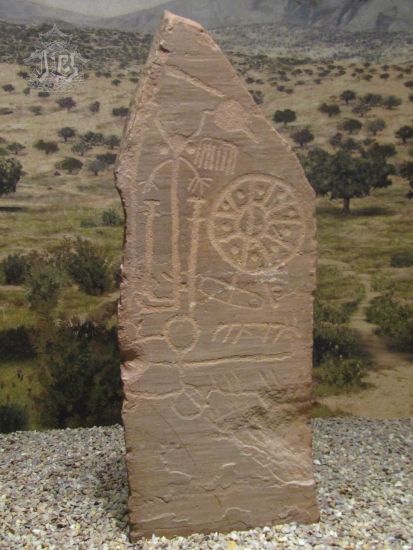
My first goal was to study the Iberian stelæ . Nobody really knows what they are or what their meaning is, but it is thought that they were funerary monuments, maybe of fallen warriors.

An interesting thing to see in this museum is the sculpture of La Dama de Elche, the Lady of Elche, the limestone bust of an Iberian lady dated back to the 4th century BC. It is supposed to be a woman who belonged to the aristocracy that was later revered as a goddess, or maybe a reinterpretation of the Goddess Tanit of Cathage. The back part has an opening, which suggests that it could have been a funerary urn. It was originally polychromated, but it has lost its colours. I really like her expression, and probably due to the Hellenistic influence. I have a thing for Greek sculpture, after all.

A second “lady”, the Dama de Baza (Lady of Baza), stands next to the first. This one still keeps some of its colours. This one is full-body, also carved out of limestone, and it traces back to the fourth century too. This lady seems to have been designed in pure Iberian style, without Hellenistic influences.

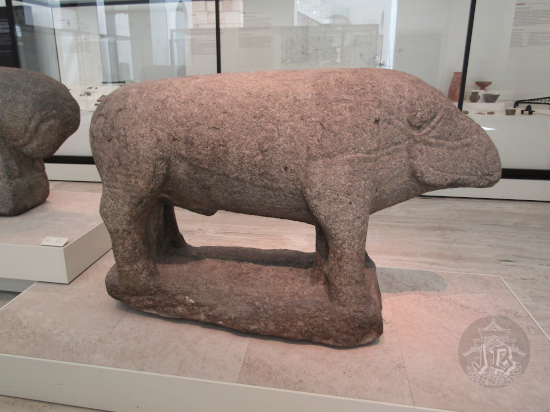
The last key pieces of Iberian sculpture in this museum are the verracos – sort-of headless boars, pigs or bulls (depending on the interpretation), but it is commonly accepted that they are symbols of protection of cattle routes. Most of them are… visibly male.

Once I had seen what I really wanted to see I wandered over the rest of the museum, stumbling upon the currency exhibition, which was strangely interesting.

I walked past the Medieval rooms and then I found the Egyptian area, which is humble, but has some interesting things like the X-rays of a mummified falcon. Finally, I checked out the classical Greek area before calling it a day and making it back home.

28th July 2016: Ueno + VAMPS Replay {Japan, summer 2016}

As the time to leave drew near, I felt a bit sad this morning (T^T). However, I did not let myself be dragged by it, so I forced myself out of the apartment to do things, and these things involved Ueno Kōen [野公園].

First I headed off to Ueno Tōshō-gū [上野東照宮], which I had not found open last year when I was there, because there was a matsuri, or something, I don’t really remember. Then I found out about the two dragons, the ascending dragon and the descending dragon, who come to drink at the pond at night. It is a very nice imaginary. Also, the shrine is really cool. It has a bit of a Chinese style, and is decorated with a gold layer. The inner fence shows animals of the sea and the wind, making it a unique shrine. I really liked it a lot.

The main building of a Shinto shrine, sparkling golden with a dark ceiling

Wooden painted carving of dragons, one going up, one going down

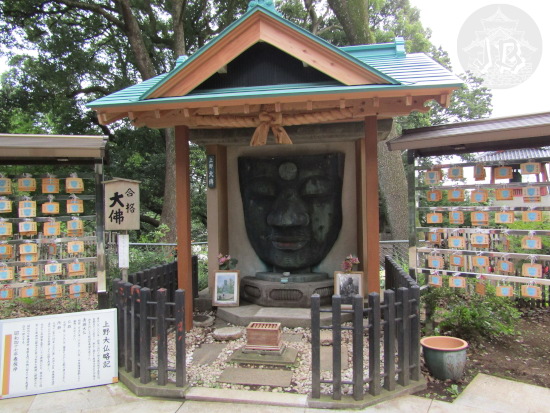
Then I found the Ueno Daibutsu [上野大仏], the Great Buddha Pagoda, which I had missed before – one of the things I love about Ueno is that whenever I go I find something new, yay. Most of the Ueno Daibutsu was melted for metal during WWII.

A giant Buddha face made of metal in a ceremonial pagoda

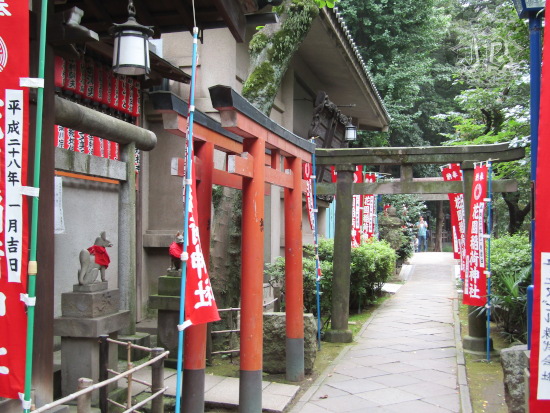
Gojoten Jinja [五條天神社] is really cool too, but I decided to leave getting its seal for another time. Next time.

A row of torii gates

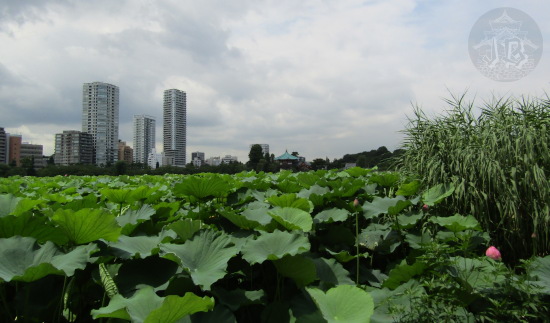
I walked by Shinobazu no Ike [不忍池], the Pond in Ueno.

A pond covered in water lilly leaves, with some high rises in the background

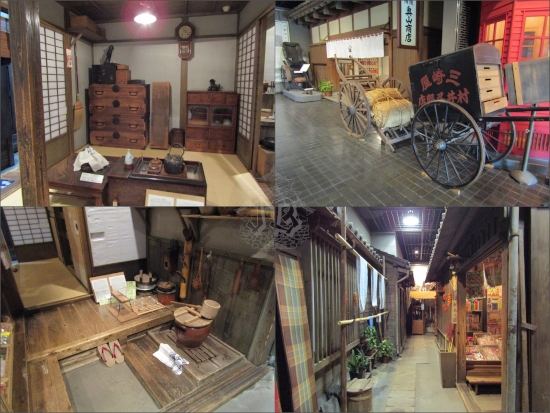
Finally, I went to the museum of Shitamachi of Customs, Shitamachi Fūzoku Shiryōkan [下町風俗資料館], where they keep some old houses from the years after the great Kanto Earthquake. A bunch (hundreds) of houses were built there to make sure that the population was housed. The museum shows how life was those few first years, and how people lived and organised themselves. There are a few items, houses, photographies and so. The second floor is hands-on, with games and pastimes and so. There was a very nice guide there and she explained a lot of things to me.

Reproduction of pre-industrial wooden houses in Tokyo

Later I went to class (I found another Gyoza Franchise on my way back to the station) and then I skidded out because I had to get to Yoyogi National Stadium, Kokuritsu Yoyogi Kyogijo [国立 代々木 競技場], in Yoyogi [代々木]. I was attending the Sukkiri Superlive in order to see VAMPS one more time before heading off back home. All in all, a very complete day that ended up with a bang – when I should have been studying Japanese to be honest ^^;;

The Yoyogi national stadium, and a screen reading Sukkuri 10th Anniversary Super Live

12th July 2016: 海のハーンター! (Hunters of the Sea) {Japan, summer 2016} {Japan, summer 2016}

First thing in the morning… I slept in because I was beat, but second, I went to pick up my JRPass, really hoping to compensate it since this time it is for 14 days. The JR Pass allows for unlimited travel in most JRLines. I wanted to get it and activate it, but I realised that I felt better activating it the following day to have some more margin after my long trip (more on that another day).

The JRPass lady complimented my Japanese and asked me where I studied Japanese. I think this was the first time someone made small talk with me aside from friends (^ν^). It felt good to be able to do that, especially as I was not feeling too encouraged at school.

Anyway. I was in Ueno [上野] and the Kokuritsu Kagaku Hakubutsukan [国立科学博物館], Tokyo’s National Museum of Nature and Science, was running the temporal exhibition called ‘Umi no Hunters’ [海のハーンター] (Hunters of the Sea) Would you have doubted me heading there head first? No? Thought so (^_^)☆

So there I went <・ )))><<, and I had a lot of fun. The first part was a small introductory video and a very cool evolution chart of different predatory species in the ocean. The second focuses on ‘predators of the past’, making mentions of the Dunkleosteous (and I was so happy that they had put the huge Dunkan head they’ve got before a light background for good pictures. Then they had a few fossils, including a very curious double-predation one (both fish killed each other in the process and were fossilised that way). I could already peer above me one of the most exciting things of the exhibition, the model of the Megalodon. And boy, it was great. The only problem was that it was hanging from the ceiling with very bad angle to be caught in pictures. I tried. Repeatedly.

Then they had the whole set of teeth, which of course would not belong to the same shark, but one can dream (^◇^;) And yeah, there were other birds and stuff, but Megalodon! And teeth!

Then the exhibition moved onto present day animals. I get the feeling that they just brought together every taxidermy they had lying around that could be related to the sea. Some were much better done than others, truth be told. They divided the stands in the different areas – deep sea, open sea, shallow area.

One of the things that surprised me the most was the size of the sea elephant. I have to own up that for a few second I did not know if it was real or just something that someone had put there to troll visitors and I had this urge to pat it to check whether that was real hair, but of course I could not do that. The young women minding the exhibition would have gotten a heart attack or twenty. So I was nice and respectful – and really if I have to get deported from Japan, I think it would not be for patting a giant seal. Nor for stealing one of the Megalodon teeth they had at the exhibition and that I really, really wanted.

The coolest thing, of course, because I am not going to hide that I am horribly biased were the sharks. I was so taken with them that at first I did not realise what was closing the the tour.

I was going to need a bigger camera.

They had a preserved Great White Shark (ホホシロサメ)which you could not see in its great splendour because someone had not thought too well about the tank and the preserving liquid but… Did I mention Great White Shark?? Apparently it was washed ashore dead in 2014 and had taken this long to get it preserved. There was a video explaining about the process (as a matter of fact, there were several videos throughout the exhibition, sorry I got shark-ried away.

After this the plan was to get ramen in Ueno station, but there was a huge line and I did not think I had the time to brave it. However I still had time so I decided to wander around and head off to Ikebukuro [池袋] where, guess what? Got the wrong exit. As always. But made it back to school with plenty of time.

9th July 2016: Rainy season is rainy {Japan, summer 2016}

Because yes, we’re in rainy season, and in rainy season, it rains, lots. Especially when I want to go to certain places. I hoped that the rain would not be too much, and headed off to Kawasaki [川崎] (yes, like the motorbikes) to check out a temple called Kawasaki Daishi (川崎大師) or Heiken-ji (平間寺, Heiken-ji)

It was wet. There was some kind of child ceremony because there were a bunch of parents with very young babies braving the storm rain, while the kids (and occasionally their siblings) looked unimpressed or plain zonked out.

The only other thing for me to check out in Kawasaki were the Chinese gardens, but I decided that it was raining too much for that, so I came back to Tokyo [東京], and headed off to a shrine called Hie Jinja [日枝神社], in Chūō [中央], which I wanted to check out.

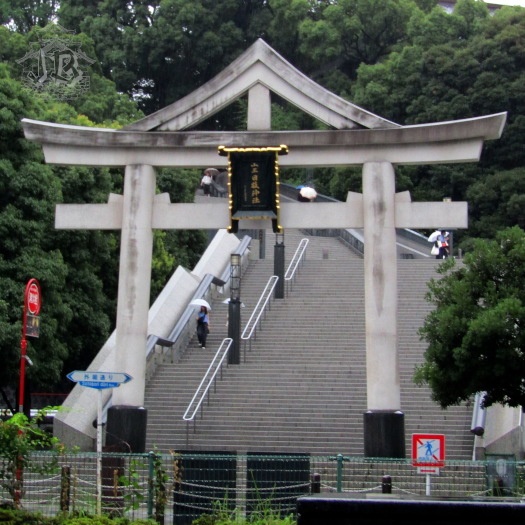
One of the most interesting thing of Hie Jinja is the way the torii is designed, with a sort of triangle on its top. It might be to deter wayward otoroshii, a creature from the Japanese mythology. Yes, this is important. As it was that it was raining. To get to Hie Jinja you have to climb a hill, as it could not be otherwise. In the rain, with my broken umbrella – because my awesome umbrella decided to stop being overdone and break, thankfully it was fixable, but not before I got home.

There was a marriage photo shoot in the shrine, and I was torn for the poor bride, having to walk in those clothes through the rain. I tried to be out of their way as much as I could, too. But kudos to the photographer for bringing a traditional umbrella which made the couple look awesome.

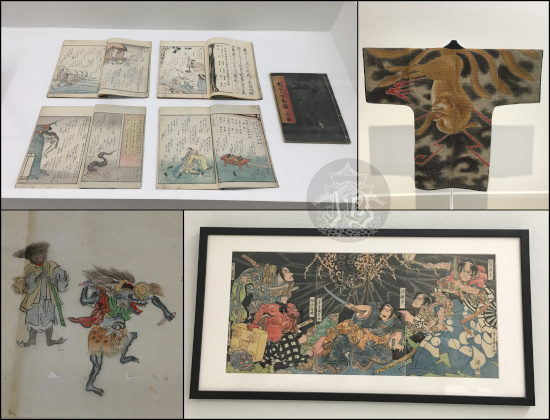
Tired of being wet, I decided to head out to a museum. I had two exhibitions I wanted to see, one of them in the Edo-Tokyo Museum, and the other one in the Museum of History and Science. I decided that I really wanted to se the former, just because I was feeling like it. It was an exhibition called ‘From Eerie to Endearing: Yokai in the Arts of Japan’ [大妖怪展 土偶から妖怪ウォッチまで], held in the Edo-Tokyo Hakubutsukan [江戸東京博物館], the Edo-Tokyo Museum, in Ryōgoku [両国]

This was the scenery of the first almost panic attack I caused. If you’re a visible foreigner in Japan, some people don’t want you around and they don’t want to speak to you, especially because you may require them to speak in English. This is a bit on the ridiculous side in the tourist industry, where you can be met with actual hostility at times. Japan, sorry to tell you this but you’re not ready for 2020. Point and case, the lady selling tickets in the Edo-Tokyo museum. She was literally paralysed for a moment, then she pulled back. Keep in mind, my Japanese is not the best thing in the world, but I said a grand total of six words, five if you count ‘onegaishimasu’ (please) as one “special exhibition, one ticket, please”. Straight forward. She was so much in a panic that she did not even hear me at first, it took her half a minute to realise I had asked in Japanese. When she asked me to repeat I just gave her the “yokai, one” and showed her one finger (to count!). She was so freaked out that I did not even get a brochure.

The exhibition has three main parts. The first one runs through the historical representation of yokai as supernatural beings, explaining old questions that humanity had (for example, what is the echo) or forming part of legends. It exhibits part of the Parade of the One Hundred Demons classic paints and scrolls, and a bunch of key ukyo-e in mythology, which I was very excited to see. Apparently, an huge bunch of Japanese people had decided that the museum was a perfect place to spend a rainy afternoon, too, and the exhibition was packed.

The second part dealt with the representation of the different worlds, especially the Buddhist ideas of heaven and hell, and the concept of ‘spirit’ or ghost (yurei) as opposed to a yokai. Out of these, my favourites were the umibozu and the Peony Lantern representations.

The final part was dedicated to ‘Yokai watch’, a contemporary anime series that explores the concept of cute yokai causing mischief in present days.

On my way back I dropped by Shinjuku [新宿] and the Book Off there. The number of acquired items was slowly climbing up, and I was still on budget!

Then I did my homework because I might fail at Japanese all my life but I will still try not to.

24th – 27th March 2016: Easter in Barcelona (Spain)

I think this has been the first time I’ve been to Barcelona without a concert. However, one of the first times I did take a long touristing tour, so this time round my friend and I took it rather chilly – in the literal sense. As we were there there was a drop in temperature and I had to run to get myself a long-sleeved T-shirt.

24th March: Gaudí afternoon

Through different means and from different origins, my friend and myself arrived in Barcelona at around the same time mid-afternoon. We met at the station and dropped our things off at the hotel, then we took the underground towards Monte del Carmelo, Carmel Hill, where Parc Güell, the Güell Park, stands. The park, which was supposed to be a urban area originally, was designed by Antonio Gaudí. It became a Unesco World Heritage Site in 1984.

Visiting some areas of the park is charged, but the whole park is accessible starting in the late evening. We decided to climb up first and then visit the paid-but-free area. Thus we got to the summit of Carmel Hill and saw the Turó de les tres creus, the Three-Cross hill, that offers a great view of the city, including the Tibidabo area with the Cathedral and the amusement park.

We went down and we walked into the architectural area. Although there is no artificial lighting in the area, as the sun went down we were treated to a bit of a magical area, also away from the tourist crowds.
We had dinner at Arenas de Barcelona, the old bullfighting ring now turned shopping and dining centre, then we went up to the roof for some night views.

25th March: Gaudí morning & Gaudí night

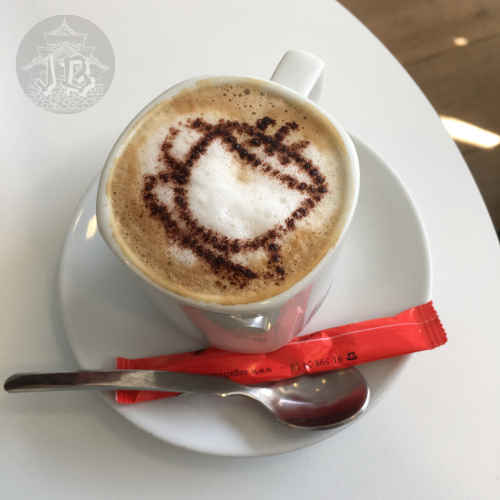
We woke up and had breakfast – coffee inception!!

Then we headed off to see the Casa Batlló, the Batlló house, one of Gaudí’s Modernist masterpieces. It is also called the “house of bones”, and it’s kind of wobbly and organic. The roof is designed to look like the back of a dragon. An interesting detail is that the building was not really erected on Gaudí’s orders – it was a renovation of a previously-existing building.

After the house, we went to the harbour area. We hung out for a while (with a stop to buy an extra T-shirt because it was cold), had lunch and eventually purchased tickets for the Museu Marítim, the Maritime Museum, located in the former Royal Shipyard.

The sun was setting when we came out, and we headed towards the Basílica de la Sagrada Família, the church of the Holy Family, also designed by Gaudí. Both of us had already seen it, so we were happy to see it from the outside. When they finish it, I would like to come back though.

26th March: No Gaudí!

We had a walk around the Gothic Neighbourhood of Barcelona, and we made a stop at the Iglesia de La Purísima Concepción, the church of the Conception to visit the cloister.

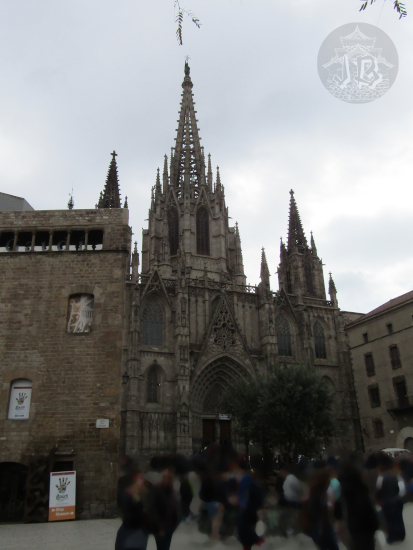
We saw the cathedral Cathedral of the Holy Cross and Saint Eulalia, Catedral de la Santa Creu i Santa Eulàlia.

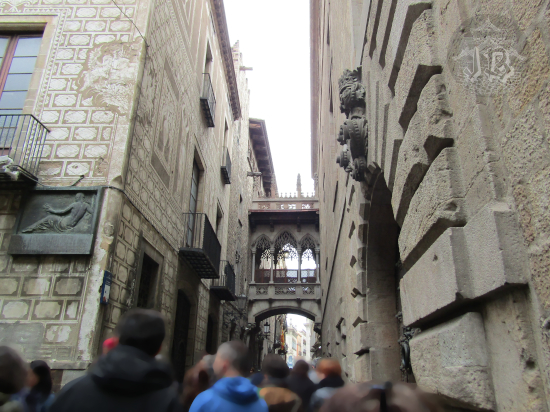
We also walked under the Bisbe Bridge, Pont del Bisbe, in the street of the same name.

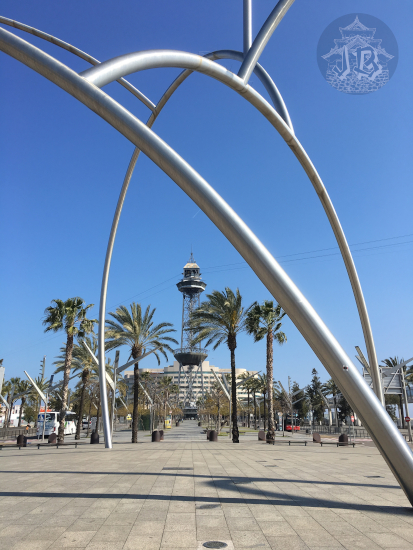
We had lunch in a Japanese restaurant, then walked around the Port area for a while.

As we had visited the Maritime Museum the previous day, we had a free pass to the sailboat Santa Eulàlia.

We ended the day in the L’Aquàrium Barcelona, the local aquarium.

After that, we backtracked to our hotel. The following morning, on the 27th, we met up with another friend who had a free while for breakfast and then everybody went home.

27th December 2015 – 1st January 2016: Scotland (Great Britain)

A friend and I decided to organise a New Year’s Eve getaway to Scotland, and I used the opportunity to get some stuff and redtape out of the way, so you might notice some chunks of time missing. Furthermore relationship with Scotland is complex and bittersweet, so I’m not sure how this post is going to turn up

The first part of our trip was based in Edinburgh. We arrived rather late in the evening so we just got to Waverly Station and walked to the hotel to get some rest before we started off the adventure.

Edinburgh

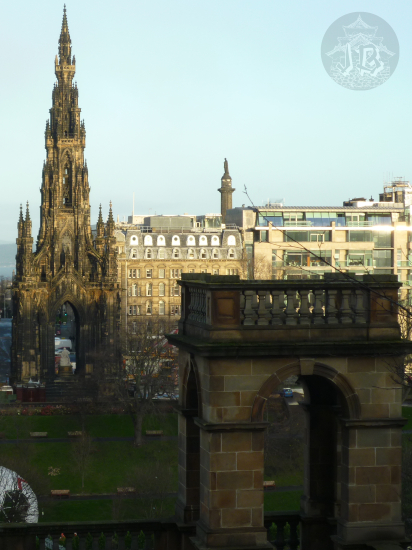
Edinburgh is the capital of Scotland, and it is a dark city, but not in a bad way. The dark, moss-covered rock seems designed to absorb any little beam of sunlight and warm the houses. In our first morning we had a walk around Princes Street Garden, where the Scott Monument, a memorial in honour of the writer Sir Walter Scott, stands. There was also a Christmas market standing.

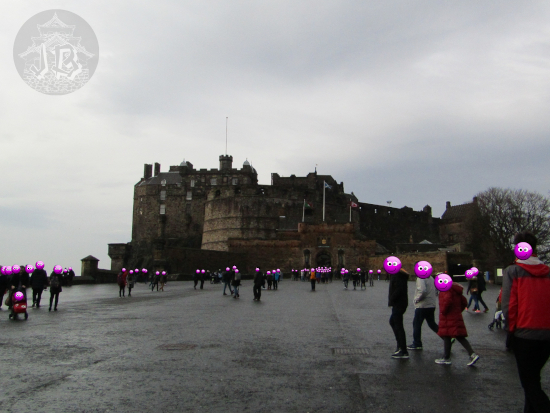
We climbed up Castlehill to visit Edinburgh’s castle, in the Old Town. The castle stands on an extinct volcano and some of the archaeological remains can be traced back to Prehistory! The first castle is thought to have been built around the year 1000 BC, which means the foundations are 3000 years old! The site of the castle includes, among other dependencies, The Royal Scots Dragoon Guards Regimental Museum, National War Museum, the Royal Palace, St. Margaret’s chapel, and a couple of distilleries. Due to its vantage point, also features a great view of all the Edinburgh area.

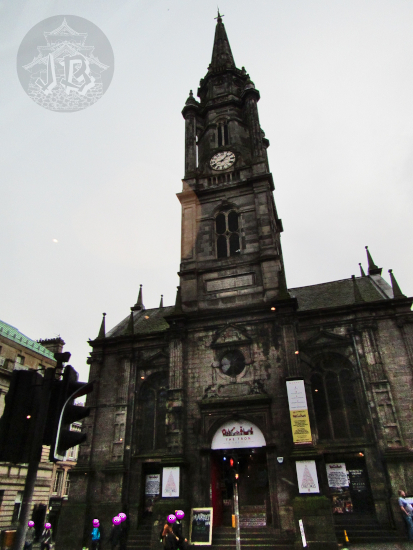
We walked back down Castlehill and made a stop at The Tron in the City, a former church turned artisan flea market.

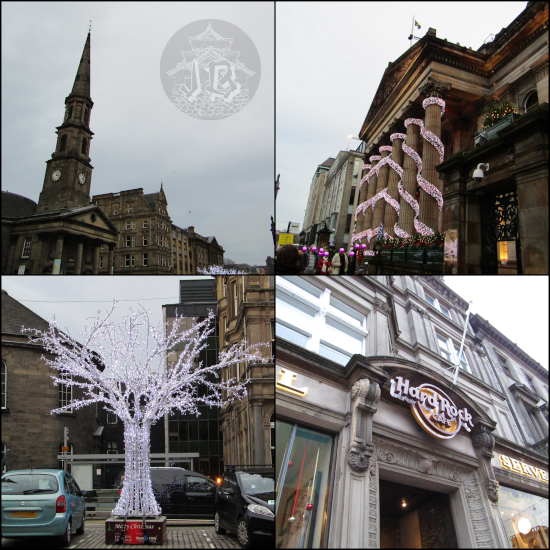
My friend is a Hard Rock Café collector, so we went to the George Street area, which was decorated.

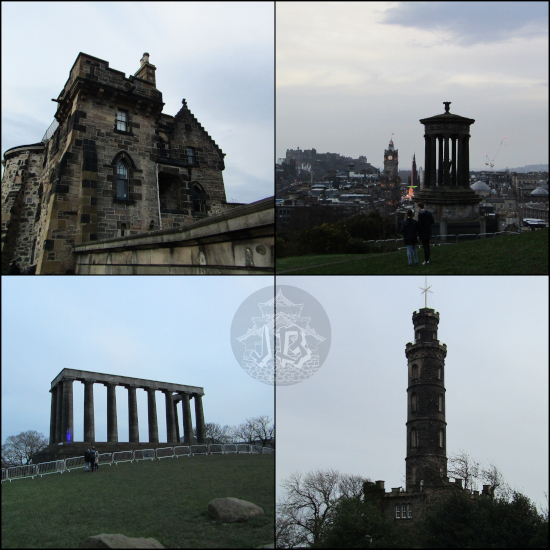
After lunch, we walked to Calton Hill, a hill / park area located near the centre and that hosts the Dugald Steward Monument, the National Monument and the Nelson Monument.

Then we met with a local friend to have dinner (bangers and mash!) to The Elephant House, the so-called birthplace of Harry Potter, where JK Rowling went to write the novels.

On our way back we saw some of the illuminated views, most prominently the Christmas market and the Balmoral hotel.

Glasgow

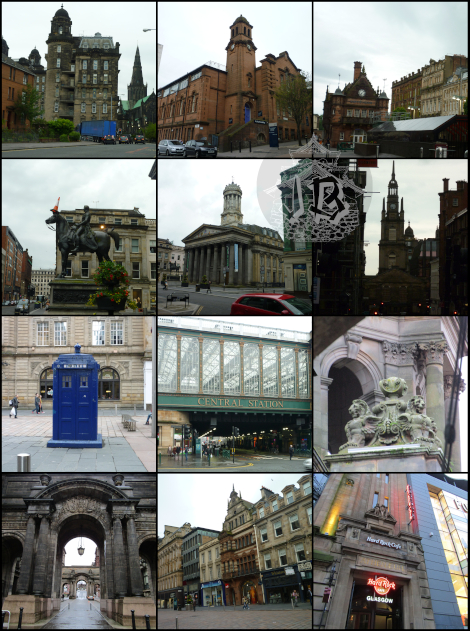
Aside from all the emotional baggage associated with Scotland, I can say that Glasgow is one of my favourite cities in the world. Most of what we did was walking around even if the weather was nasty at points. As we came out from Queen Street Station, our first visiting spot was George Square and the Glasgow City Chambers, and we had lunch in a Greek restaurant that I love over there.

But we quickly moved over towards Saint Mungo’s Cathedral, also known as the High Kirk of Glasgow. It is a 12th century building built in North Europe Gothic style.

Afterwards we walked up the Necropolis, a Victorian graveyard on a hill behind the cathedral. Today it is a great place for a stroll, aside from a place with way too much history for a humble blog post.

We strolled up and down Buchanan Street and the Central Glasgow area a few times – Queen Street, Central Station, the museum of modern art, the Japanese restaurants… We stopped at the HRC again, the Mandela Monument and dropped by St. Enoch’s shopping centre to see the light reindeer and warm up.

We walked to the Glasgow Cross area then, with the Tolbooth Steeple, the clocktower that marks the entrance to the Merchant City.

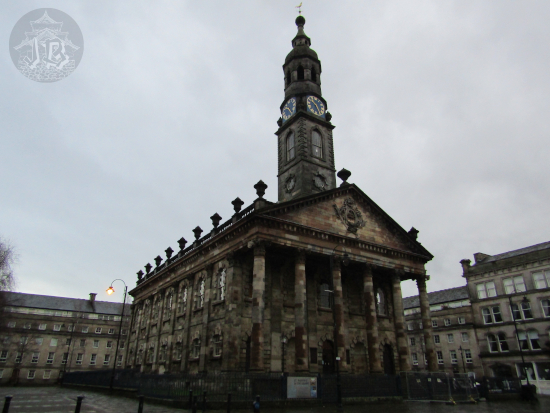
We came across quite an amount of interesting buildings in the Merchant City, among them St Andrew’s in the Square.

Another of the places we visited was Glasgow Green, which was half flooded due to the storm.

And when the weather became so bad that the sleet was making impossible to stay out on the streets, we visited the Riverside Museum, the Museum of Transport of Glasgow, where we had some delicious scones too.

We tried to see Dumbarton Castle, but it was closed down due to wind and the storm, so in the end we just took a ride there and walked around.

On the 31st we had dinner at a very nice Japanese – with awesome staff. Then we bought some provisions and headed to the B&B.

At night we were surprised by the fireworks so we ran out of the B&B room to find them.

And on the first we were treated to a rather… unimpressive… first sunrise of the year.

When we flew back I had one of the most surreal experiences ever – we had bought a pack of scones for breakfasts and snacks, and somehow it became tangled in my phone wires. Well, turns out that wired-tangled scones look one hell of a lot like bombs on X Ray machines! The poor Scots security guard was first deadly pale, then so relieved that I was not carrying a bomb!

26th August 2015: Kobe – the calm before the storm {Japan, summer 2015}

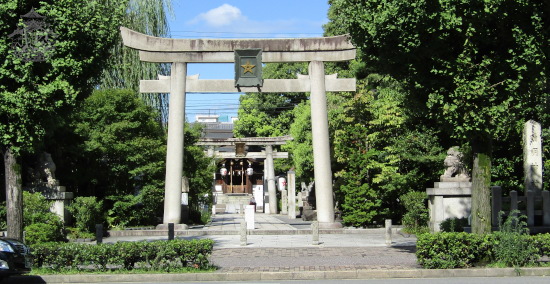
Before setting off to Kobe, there was one stop in Kyoto I had to make: Kyoto [京都]’s Seimei Jinja [晴明神社] which enshrines the soul of Abe no Seimei, reportedly the most powerful onmyōji Japan has had. He lived in the mid Heian Kyo as was the main actor in the union of the Shinto church and the state. He has been widely used in fiction as his figure seems to be half historical – half fictional anyway (Note to self: you’re still missing the Osaka Seimei Jinja). The shrine is built where he lived in Kyoto, quite close to the Imperial Palace itself. I am quite happy I got to go there alone, because the level of fanbying I achieved in that place might be embarrassing ^^”

After taking pictures to my heart’s content – getting the shrine’s seal, an omamori, and getting a free sticker because I was a foreigner, I went back to the station and took a Shinkansen to Kobe [神戸]. Kobe is one of the most important ports in Japan, and in 1995 was hit by a major earthquake which displaced areas of the city up to 6m to the sides. It is quite a new town, and it was very calm for what was about to happen. The next day, the most important yakuza gang in the country, based in Kobe, was about to split into different syndicates.

I wandered Kobe for a while, saw the clock flower and the eternal flame to commemorate the deaths from the quake and eventually made my way back to the harbour and Meriken Park. A part of it has been left as a memorial, never to forget the destruction caused – the Memorial in Meriken Park [メリケンパーク]. The Meriken Park Earthquake Memorial is eerie somehow.

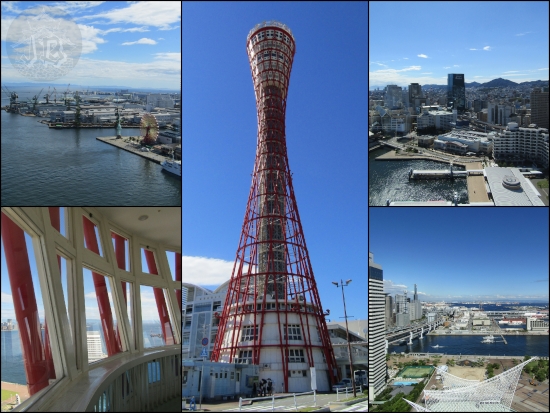
After seeing the memorial, I could already scout the Kobe Port Tower. I got a combined ticket to see the Tower and the adjoined museum – Maritime Museum and Kawasaki Museum. From the Tower I got quite a good view of the whole city and the harbour. It is quite humbling to think about that nature did to the city, and what could happen again any time. No pictures allowed in the Maritime Museum though, so I just bring you some pictures from the top of the tower.

After Kobe Tower, I made a stop in Sannomiya Jinja [三宮神社].

Then I headed off to have a look at the local Chinatown and the local shopping street/gallery – Motomachi Shopping street [神戸元町商店街].

Chinatown had mostly food stalls, and I was not hungry – and I have already tried Kobe beef and know that I can’t afford the real good stuff, so after wandering around for a bit, I decided to head off to Ikuta Jinja [生田神社], the most important shrine in downtown Kobe, and quite in the lovey-dovey date couply future prayer. Not for me, but very very beautiful shrine.

And then I headed to check in the hotel and start a bit of a train nightmare that I won’t write about in hopes to forget eventually. Thus tomorrow we shall start with the arrival in Sendai.

20th August 2015: Still life, moving life {Japan, summer 2015}

As predicted, the 20th dawned rainy and not too inviting, so I headed off to Ueno Park to visit one of the many museums there. I heard that the collection of the Kokuritsu Kagaku Hakubutsukan [国立科学博物館], Tokyo’s National Museum of Nature and Science had been renewed and I wanted to have a look. In the end, not much had changed, but I still had a fairly good time, because I am a geek like that. There were about three million primary school classes there, though, and a few high school ones, which was a bit annoying – and loud – but nothing too bad.

Some of the wards mix science with mythology and culture, for example the earthquake science area has an ukiyo-e of the god Suzano keeping Namazu, the giant catfish which causes earthquakes, still. As much as the bio area is cool, I think my favourite part of this museum is the fossils collection – which is scattered in different wards in what I assume has some logic but I am yet to find it. I am particularly taken by the Dunkleosteous glass panel, and of course (insert everyone who knows me going ‘duh’ here) the Megalodon teeth.

But kinda a lot of things are cool. Like dinosaur fossils. Which make you giggle when you’ve recently watched Jurassic World. There is a plesiosaur (which, by the way, is not a dinosaur). What is a dinosaur is, of course, the T-rex (#TeamTRex) – completely irrelevant information: it is a cast of Scotty, the largest T-Rex ever found.

After finishing in Ueno and getting into the wrong station – of course, that must happen at least once when I am in Japan, I headed off to Tokyo Skytree [東京スカイツリー] in Sumida [墨田] just because I could.

I did not want to climb it up, but there was something there that had been on my to-see list, Sumida Suizokukan [すみだ水族館], Sumida Aquarium. Apparently there is a tacit agreement among Japanese aquariums so each one has a super cool thing that only they’ve got. So they are like pokemon, you gotta see them all if you wanna catch all the cool things. In this case I was aiming for the giant isopods. But of course, I never say no to sharks, even with annoying kids screwing up the pictures.

And then there was sushi, and that was goooood.

… Maybe I should have titled this post “fish in every form”?

3rd – 5th July 2015: Japan Expo in Paris (France)

I went back to France rather unexpectedly because VAMPS announced an appearance at Japan Expo, a Japanese Culture convention held in Parc des Expositions de Paris-Nord Villepinte. I flew in on Friday and as I had time, I decided to go to the Louvre museum. I discovered the automatic ticket selling machine, so my queue was unexpectedly short once I was out of the security waiting area. I geeked out to my heart’s content and I reflected on how I had got used to geeking out alone and how comfortable I felt compared to my first time alone in a museum, back in the Dark Ages when I was 14.

Different exhibits of the Louvre: bronze sculptures, Egyptian sarcophagi, sitting scribe, Babylonian bulls, a marble, bathtub, Venus de Milo, Eros and Psyche, Victory of Samothrace

The following day I met up with some friends at the Japan Expo for the VAMPS concert act that had been organised. Japan Expo is one of the biggest European conventions about manga, anime, Japanese culture and everything in between, including concerts, food stalls, merchandising, and so on. The concert in itself was all right – one of the shortest ones I’ve attended, but in the end it was “just” an act in something bigger. I wish they had talked about the Sunday autograph possibilities earlier, though, because I could not attend due to my flight being in the morning.

Vamps promo claiming they were the guests of honour