30th December 2024: A planned and packed day {Vienna, Silvesterkonzert 2024}

It was a crisp morning in Vienna when we got up. We went down for breakfast and it was not particularly well stocked. The coffee was… weak, so I decided to mix a cappuccino and a black coffee to get me the energy I needed for the day. I tried some local cake, but I did not enjoy it, so I decided to stick to bread and croissants. Thankfully, I did run into the lady from the day before, and her husband, during breakfast, and told her about our plans – that way at least someone in the group would know not to wait for us and we would not delay anyone. Apparently, we were not the only ones who had made their own plans either, as the excursion had been marketed as “optional” and yet it seemed to be “a given”. Even better, we came across the driver from the day before (despite him saying he had nothing to do with the trip), and we could tell him that we were not coming, either. As we stepped out, it was freezing – literally below zero – but sunny during the whole day.

We took the underground at Zieglergasse and headed towards the city centre. I asked my parent to use their phone for GPS and maps in order to keep my battery for as long as I could so I could be taking pictures throughout the day, so they would be guiding. Our first stop was the Hofburg – the former imperial palace – and the Sisi Museum. Empress Elisabeth of Austria (1837 – 1898) was the wife of Emperor Franz Josef I of Austria. She married the Emperor when she was just 16 years old, and was stifled by court life. She spent most of her time travelling and avoiding royal duties. Her perceived eccentricity – today we would call it depression – and assassination in 1898 helped create an image of a romantic heroine in the media that has reached today, especially through actor Romy Shenider’s portrayal in the 1950s.
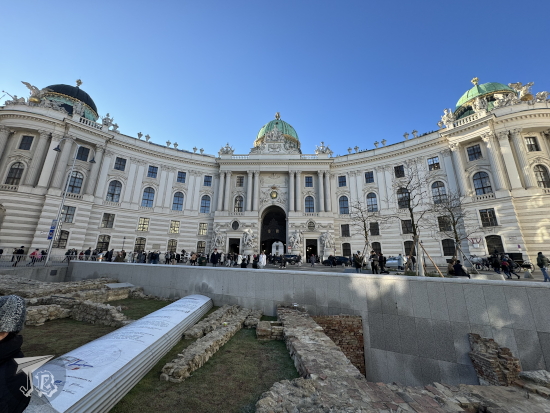
Hofburg

The museum tells about her life by showing objects, portraits and reproductions of her clothes. Then, you step into the former imperial apartments, which have been refurbished with furniture from the 19th century to make them look real. The audioguide was… corny to say the least, and I kind of skipped most of it because I got bored.
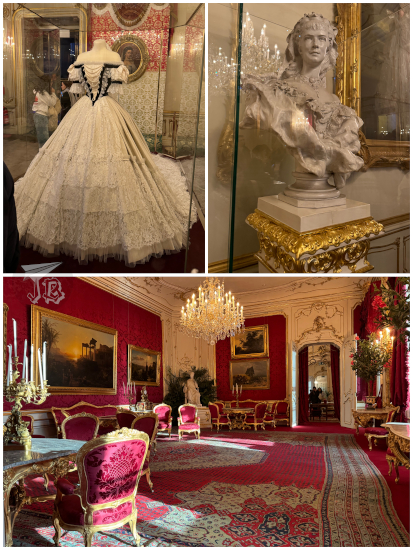
Sisi Museum and Royal Apartments Vienna

I proposed the church of Saint Michael first, and then the National Library. However, my parent had been intrigued by the church that stood at the exit of the underground. Thus, we headed there. The Wiener Minoritenkirche, Friars Minor Conventual Church, is officially the Italian National Church of Mary of the Snows Italienische Nationalkirche Maria Schnee. The church was erected between 1276 and 1350, and it was one of the first gothic churches in Vienna, following a French pattern. There were many subsequent reforms, including rebuilding the bell tower and the spire again and again – today the bell tower is flat and the spire is gone. The interior altar is Neogothic, by Ferdinand Hohenberg. Since it was still around Christmas time there were Nativities and Christmas trees.

Wiener Minoritenkirche

Afterwards, we headed towards St. Michael’s Church Pfarre St. Michael. It started as a late Romanesque or early Gothic building, maybe in 1221. The following two centuries saw Gothic annexes added. The crypt was built in the 16th century. The organ was built in 1714. The Rococo high altar was sculpted by Karl Georg Merville, and it represents the Fall of the Angels after the War in Heaven, when Lucifer was banished; underneath, there is a Byzantine Virgin Mary from the Cretan school. The outer façade was rebuilt in a classicist style in 1791. Construction officially finished in 1792. The crypt is accessible in a guided tour, but considering it has about 4,000 bodies, some of them mummified and on display, I think I’m happy we did not take it.
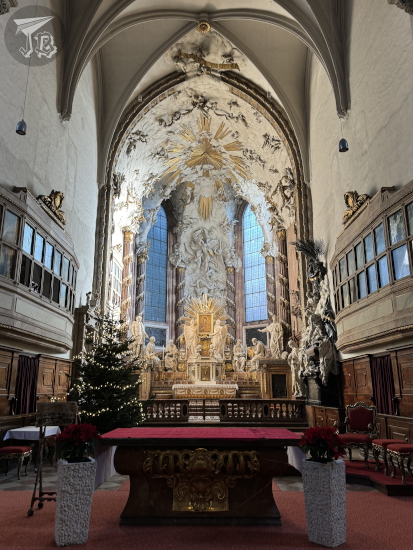
Michaelkirche Vienna

I proposed going to the Library again, because it was cold and there would be toilets there. My parent took over guiding with their phone, and my sibling and I got distracted as we passed by the Stallburg, where we caught a glimpse of the Lipizzan horses chilling out.

Instead of reaching the Library, my parent decided that we wanted to see the Augustinian church Augustinerkirche, a mix of 14th century Gothic and 18th century Neogothic. The original church was engulfed by the Hofburg as it expanded, and in 1634 it became the official imperial church. May Habsburg weddings were officiated there, and a chapel to the side, called the Herzgruft (Heart Crypt), contains the hearts of the members of the dynasty, from Ferdinand IV in 1654 to Archduke Franz Karl in 1878.

Augustinerkirche

I did not get to go to the Library, but we walked past the Hotel Astoria, which opened in 1912. it was built in the a late Art nouveau style known as fin de siècle (end-of-century). At the time it opened, the hotel was the latest, with electricity, bathrooms and all!

We reached the pedestrian / shopping street Kärntner Straße, the neuralgic centre for Vienna shopping. There we… met the card-not-working lady and her husband again, in what would become a funny number of encounters. We also saw the Swarovski shop. We entered it because we thought it would be warm – and hey, it had a toilet, which was handy, considering we had left the hotel over four hours before. Swarovski is an Austrian glass producer, known for its crystal glass, used in jewellery, decoration, watches, accessories. The company was founded in the late 19th century with the idea of “making a diamond for everyone”. Since then, it has produced thousands of items – from Christmas decorations to sculptures to collectible tiny figurines to whole dresses for the Vienna Opera. The place was halfway between a shop and a museum – and we might have spent a bit more than we had planned there, especially considering we were not planning to spend anything.
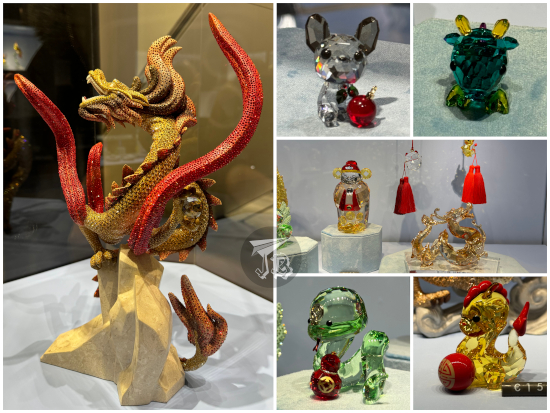
Swarovski flagshop Vienna

We reached DO & CO Restaurant Stephansplatz, located on the top floor of the post modernist structure Haas House, constructed in 1990. Most of the building is a hotel now. The restaurant has a fun view of the cathedral Domkirche St. Stephan. My parent and I discovered the restaurant because the opening scene of Austrian TV series Kommissar Rex, which ran between 1994 and 2004. It follows the story of German Shepherd Rex, a police dog which is “transferred” to the homicide department after his original handler dies… at the DO & CO terrace. It is such a naïve series, I just love it. Think The A-Team ingenuity with an adorable GSD saving the day every time and stealing sausage rolls as a self-reward. In a later series, Rex would move to Italy, and there is currently a Canadian reboot too…

There were no doggies in DO & CO, but both service and food were superb. They had butter and bread, and small receptacles with different types of salt, and a note on how they should be used. For lunch, I ordered kalbsbutterschnitzel – delicious minced veal butter patties with cream, accompanied with mashed potatoes, fried onion rings and a small leaf salad. For dessert, I had an ice latte that I should not have had, but I saw it pass by and I was smitten. We snuck a number of pictures from the restaurant, too.
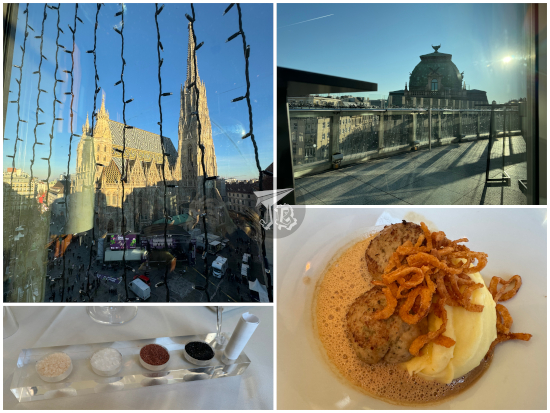
DO & CO Vienna

After lunch, we went into St Stephan’s cathedral Domkirche St. Stephan. The building is a mixture of Romanesque and Gothic, and it was initiated around 1137 and completed 1578, and as many as four construction stages can be seen – the first Romanesque towers, the later Romanesque church, the Gothic Choir, and the outer, newest additions. The roof is tiled with as many as 230,000 pieces, one side shows the mosaic of a double-headed eagle, and the other the coat of arms of the city and the country. The bell tower has twelve bells, and the interior hosts as many as 18 altars (plus the ones in chapels). The cathedral was built in limestone, so it looks darker than other churches its size (107 metres long, 70 metres wide and 137 metres high).

The high altar was built in marble by Tobias Pock in the 1640s in the Baroque style. It depicts the stoning of Saint Stephen, church patron and the first Christian martyr. He was stoned to death by the Israelites after a rather inflammatory speech in front of the Sanhedrin, defending Christ’s teaching versus the traditional Jewish ones. According to the Bible, this would have happened a couple of years after Jesus’ death, and before the Roman persecution.

St Stephan’s cathedral

My parents were tired and they decided to head off towards the hotel, while my sibling and myself stayed behind. We wandered around Stephansplatz, Rotenturmstraße, and Kärntner Straße, checking out the Christmas lights and decoration until we reached the Popp & Kretschmer fashion store. They are a luxury women’s clothes firm, which draw tourist crowds during Christmastime to see their huge bow decoration, which makes the whole building look like a present. They call it the Vienna Bow.
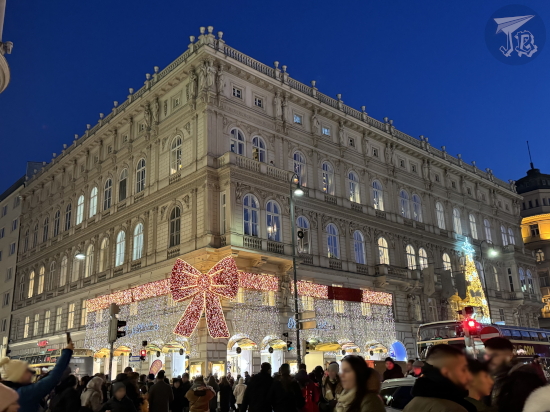
Christmas decoration - Vienna Bow

We also looked at the Vienna State Opera Wiener Staatsoper, which was prepared to celebrate the new year, with a neon display saying (in English) “Hello 2025”. It was stupidly cold though, so we might have stayed in an underpass for a few minutes longer than necessary.

Afterwards, we headed towards the Sacher Hotel. The five-star hotel was founded in 1876 by the son of a famous confectioner. When the founder died, his wife, Anna Sacher, became manager. She turned the hotel into one of the most refined in the world, catering exclusively to the aristocracy. This management lead the hotel to bankruptcy, and she had to sell the business to new owners, who restored it to its former glory. The hotel serves “the original Sacher-torte”, a chocolate cake coated with dark chocolate icing, and a thin layer of apricot jam in the middle, served with unsweetened whipped cream. It was reportedly invented by the father of the founder, and the recipe is kept a secret. There are other versions of Sacher-torte, but the hotel is the only one with legal standing to call theirs original.

We had a 17:30 reservation at Café Sacher, in the hotel. Sacher Hotel actually has two cafés. The more modern one faces Kärntner Straße and is called Café Bel Étage. It had a long queue – Christmas is peak season in Vienna, as we were quickly learning – but I had been informed that reservations accessed through a particular door. However, that was not where our reservation was – I swear, I did not see the different name anywhere. The historic Café Sacher had an even longer line, and no special door. I dared ask the doorman at the hotel how to get there, and he gave me a huge grin and said “skip the line, go through the exit”. Boy, that was… awkward. Very, very awkward. I though the people just outside would lynch us!

Staff came to check on us, and since our reservation at the Café Sacher was valid – I made the reservation in July, literally as soon as the spots open – we were shown into one of the small salons. The café has a perfect offer – Sacher Sweet Treat: a perfect slice of original Sacher-torte with whipped cream, a non-alcoholic hot beverage and a bottle of Römerquelle mineral water for 22.5 € (31.5 € with a glass of the in-house champagne, Original Sacher Cuvée). I ordered mine with sencha senpai, Japanese green tea. I enjoyed the cake more than I had thought I would, and the tea was great. The staff was incredibly nice, too. They must have been used to silly tourists.

Sacher & Sachertorte

We left the Café Sacher and headed towards the Spanish Riding School Spanische Hofreitschule. For my sibling, this was a core-memory event, so they insisted we got really, really good seats for the Gala Performance Galavorführung at 19:00, on the parterreloge – the box at ground level. The Gala performance is the longest exhibition the Riding School has, and it lasts 90 minutes, with a break. The horses were gorgeous, and the riders looked very cold, but everything felt strangely… cold. I think I liked the exhibit in Jerez Riding School better.

The Spanish Riding School, considered the oldest horsemanship school in the world, was established during the Habsburg Monarchy in 1565. It is dedicated to the breed and training of Lipizzan horses. Lipizzaners are a breed of riding horses developed during the Habsburg empire. It derives from Arab, Bavarian, Spanish and Neapolitan breeds. They were selectively bred so most of them are grey with white coats – albeit there is always a bay stallion in the Spanish Riding School. The breed itself might be traced to eight stallions in the late 1700s, and it was developed in Slovenia. The horses are considered so precious that they were evacuated during WWI, and “rescued” by the US army during WWII. “Lipizzan horse breeding traditions” has been considered Unesco Intangible Cultural Heritage since 2022.

Once bred, foaled and fledged, the Lippizaners are trained. This is done at the Spanish Riding school. The traditional horse training methods used by the school can be traced back to Ancient Greece, and like many other things, they re-flourished during the Renaissance period in the 16th century. The goal of Classical training was to prepare horses for warfare as part of the calvary. Horses train for six year after they turn four.

In Vienna, the Lippizaners are housed at the Stallburg, which is technically part of the Hofburg Palace. It is a Renaissance building from around 1560, originally conceived as a residence but that was later converted into the Imperial Stables. The Winter Arena was built in 1735, and has remained unchanged since then – including the chandeliers. The arena is presided by a painted portrait of Emperor Charles VI.
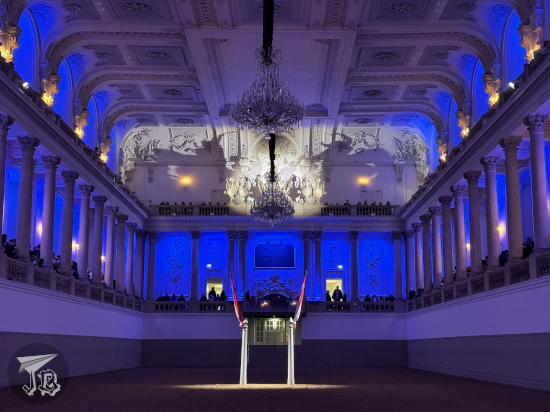
Vienna Riding School - winter Arena

There was something weird in the atmosphere that made it not feel all that… fun. Before every performance, a lady walked to the centre of the arena to introduce the exercises movements in German and English. The performance was pretty though. I tried to sneak a picture or two, but I was unsuccessful – and a bit worried they would kick me out if the venue. There were a total of six different numbers, and the show, including the introductions, was organised as follows:

  1. Alle Gänge und Touren der Hohen Schule – “All Steps and Movements of the High School”: four riders and stallions in individual choreographers, including the one dark stallion in the stable, with classical movements.
  2. Am Langen Zügel “Schools on the Ground: On the Long Rein” – the riders guide the horse from the ground, they are not on top of the horse, with movements such as piaffe and pirouette.
  3. Pas de Deux “Step by Two” – two riders-horses pairs work in tandem, mirroring each other.
  4. Arbeit an der Hand und Schule über der Erde “Working Hand and Airs Above the Ground” – with three main movements: levade, capriole and courbette. Four horses work with their riders on the ground, and two of them with the riders on the saddle, but without stirrups. When horses perform well, they get a sugar treat from the rider.
  5. Am Zügel “Schools on the Ground: Curb Reins” – only one horse and his rider, who only holds two out the four reins in their left hand, and they hold the riding crop upright in their right hand, a commemoration of the military heritage of the horse riding tradition.
  6. Schulquadrille “School Quadrille” (or Das Ballett der weißen Hengste “Ballet of the Eight White Stallions”) – eight horse-rider pairs have to coordinate with each other for a choreography, ending in the Radetzky-Marsch.

When the exhibition came to an end, we tried to go to the toilets. You had to scan your tickets and pay 50 cents. Really. Two hundred quid for the tickets and they charged fifty cents for the toilets, which were filthy on top? A total rip-off.

I got my sibling to the hotel, and then I left again to meet up with my friend D****e and her father Fr***, who were also in Vienna for a few days. They were even staying in a hotel close to ours, so it seemed that we had planned it in advance. We spent a couple of hours in a small eatery – Gschamster Diener – where they introduced me to kaiserschmarrn, fluffy shredded pancakes with raisins, powdered sugar and cinnamon.
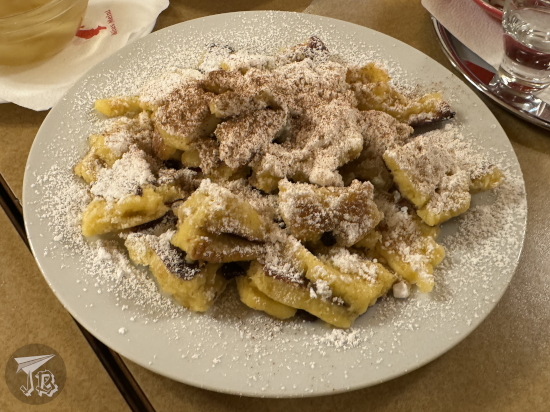
Kaiserschmarrn

I eventually had to go back to the hotel and my room. There, I spent an hour trying to find a place to book lunch for the following day. After deciding not to plan anything on the 31st, my parents had a change of mind and suddenly I found myself tasked with planning and finding a place for lunch. Most restaurants were either closed or booked off. I was not a happy camper, but in the end I managed to find something… somewhat decent. My sibling suggested the Natural History Museum, the Butterfly House and the Library before lunch. I was absolutely sure that was impossible to cram three things in the morning. We would not even do the entire Natural History Museum, but at least we would be somewhere warm. I resigned myself not to see the Library, had a shower and went to bed.
30th June 2024: Engines, illusions, history and tea (Madrid, Spain)

Since finding about my tea time outings, my sibling had been wanting to tag along to one. I was asked to organise something for the weekend that involved either Chinese hotpot or afternoon tea in Madrid. The hotpot place was booked out both days, but I found an afternoon tea opening on Sunday the 30th. I am too lazy to move out just for tea, so I organised a bit of a day out.

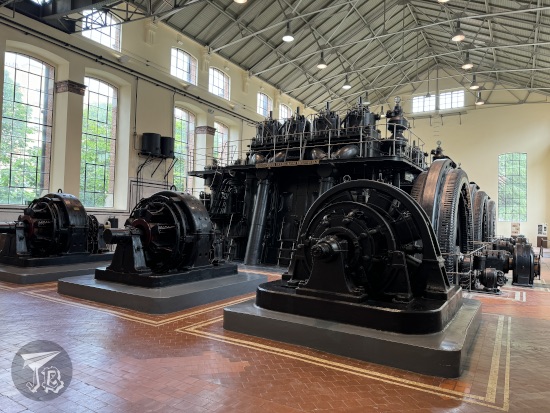
After an uneventful train ride, our first stop was at noon: Nave de Motores de Pacífico, the former energy centre that fed electricity to the original underground lines. Today, it is not in use and it has become part of the network of museums Museos Metro de Madrid. The warehouse was built by Antonio Palacios between 1922 and 1923 to home the diesel engines, transformers and fuel that single-handedly powered the underground system before the Spanish Civil War. The system was actually in place until 1972.

Warehouse containing the old underground engines

The building was erected in red brick, with white tiles inside, decorated with Palacio’s typical metallic green. The floors are ceramic tiles, and the engines are three monstrous vessel-powering pieces of engineering. These diesel engines created electricity, which then entered the transformers, and was sent to the power lines to feed the trains. At night, the excess was sold to the local street-light network.

Since we were going for afternoon tea to El Jardín de Orfila, where I have been before, I knew lunch was out of the question. However, we needed a snack. I planned that at Yatai Market, an… Asian food court of sorts. A number of stands come together to offer different cuisines and snacks, even full-sized meals. We tried a Chinese bao each and a couple of dim sums. I ordered a hoisin duck bao which was extremely yummy. I will definitely come back to try other stuff.

HotBao Yatai Market Cortezo

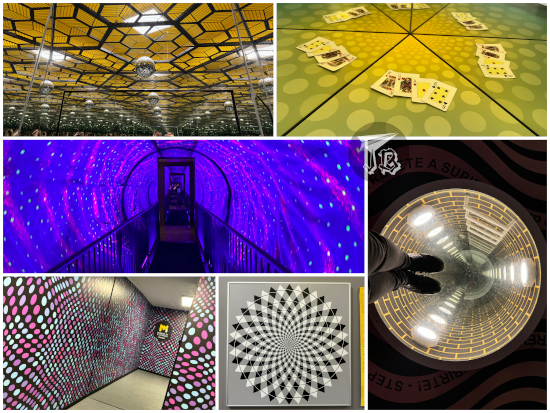
Afterwards, we headed off to the so-called Museum of Illusions. This museum is a compendium of optical illusion and installations designed to fool the brain into believing things that are either wrong or just not there: a distorted room so you look big in one corner but small in the other (Ames room), a vortex where you seem unable to walk straight, a rotated room, a room full of mirrors – there were a lot of illusions with mirrors actually – stereograms with hidden images, turntables, holograms…

We had a reservation for 14:00, and I was surprised at how chaotic entry was. I mean, they’ve been running the thing for a while now, someone should have figured out how to do crowd management, but no. Then, there were kids running and screeching all around, but it calmed down after a while. I had really hoped that the museum would be calm and half-empty at lunch time, but it was not so, not by a long shot. It was interesting though, and pretty fun.

Museum of Illusions Madrid

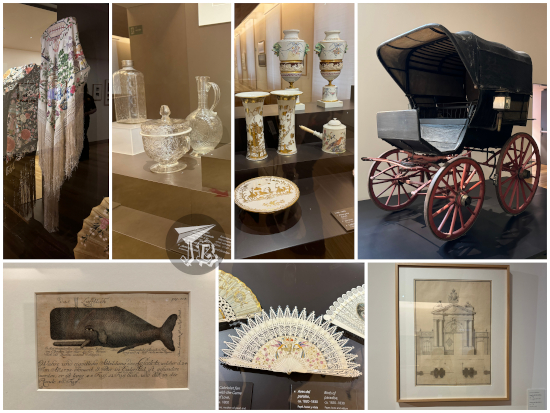
However, the experience was shorter than I had calculated, so I had to improvise an extra stop. Thus, we entered the local history museum Museo de Historia de Madrid, which tells the city’s history since Madrid became the capital of Spain. There are paintings, models, typical costumes, plans, maps, and Playmobil sets depicting of the uprising against the French in 1808. The museum is hosted in a former palace-like building which was actually built as a hospice. To the side stands the original Baroque chapel. It also has a lovely garden with a monumental fountain, which was relocated from its original place for conservation.

Museo de Madrid exhibits

Museo de Madrid - chapel and fountain

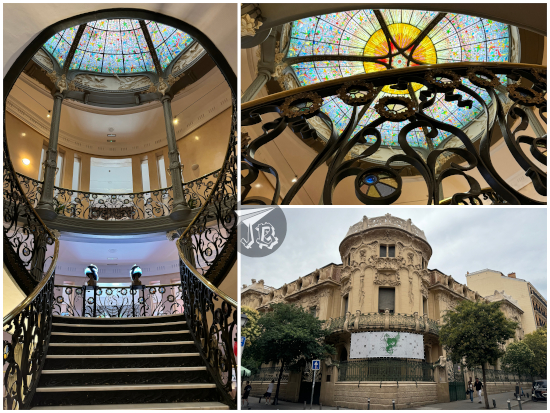
We spent some time there and then headed off to the building that now holds the office of the Copyright Owners’ association, a manor known as Palacio de Longoria. It was designed by José Grases Riera and built between 1902 and 1904. It is one of the few actual Art Nouveau buildings in Madrid, possibly the most important one. The façades were made in artificial stone, with sculptures and shapes resembling vegetation. I’ve wanted to visit it for a long time, but it is only open when there is an exhibition, and the stars had never aligned – until this time. There was an exhibition about urban music, and I was not going to let go of the chance to see the monumental staircase and the skylight.

Longoria Palace

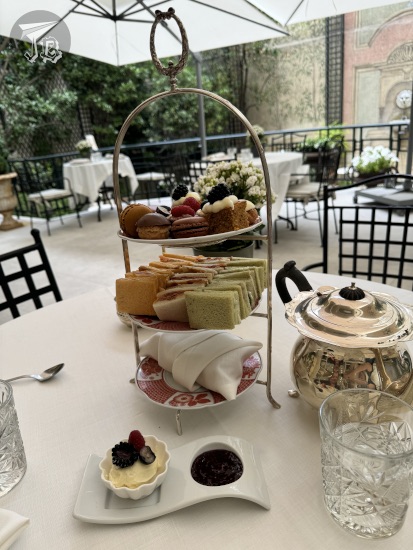
We finally set off for afternoon tea at El Jardín de Orfila. Out of the several places I’ve tried afternoon tea in Madrid, this has been my favourite to date. The outside garden is lovely, but mostly, their scones are the best around.

We ordered green tea, and the snacks were finger sandwiches – smoked salmon and cheese cream, classic cucumber and cheese, pastrami – pastries – carrot cake, macarons, lemon curd – and the scones. This time round, I decided to eat the scones after the sandwiches in order not to be full when it was their time. The afternoon was pleasant, but we shared the terrace with another table, and later a loud lady who wanted a smoke. That broke the magic a little, but the tea was fantastic and the scones were great.

El Jardínde Orfila: tea serving for two

Afterwards, we just headed for the train station to get back to our places. Of course we missed the correct one since they run whenever they like. What else is new? But the fun part was being able to pull a fun day out from my sleeve, and it was not stupidly expensive either, so good fun, all in all!

11th February 2024: The Parade of the Wood Dragon (Madrid, Spain)

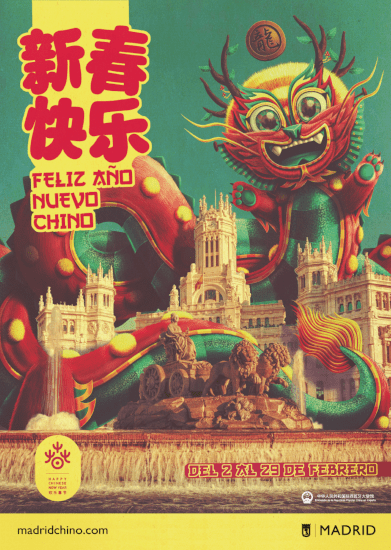
Chinese New Year started on the 10th of February of the Gregorian (solar) calendar. Many East Asian countries follow a lunisolar calendar, in which the New Year falls on the second new moon after the winter solstice. In China, it is usually referred to as the Spring Festival, and outside it as Lunar New Year. For a while now, the Chinese diaspora in Madrid has been celebrating with a parade in the District of Usera, the so-called “Madrid Chinatown”, which will eventually have traditional gates and panda decorations in order to try to be developed as a tourist area. Since the parade was on a Sunday, I decided that I would attend.

The equivalent to 2024 is the Year of the Wood Dragon. The Chinese calendar uses a combination of twelve animals that conform the Zodiac (rat, ox, tiger, rabbit, dragon, snake, horse, goat, monkey, rooster, dog and pig) and the five elements of Feng Shui (wood, fire, earth, metal and water) to name the years. The dragon represents prosperity, authority and good fortune. The Wood Dragon brings abundance and improvident, so it seems to be a promising year!

Announcement of the Chinese New Year festival in Madrid

After keeping an eye on the ever-changing weather and rain predictions, I decided to bite the bullet and go, whatever happened. The parade was due to start at noon, and rain was to come a couple of hours later. I packed an umbrella, a waterproof bag inside my backpack, and my all-you-can-travel train pass. I picked up my sibling on the way.

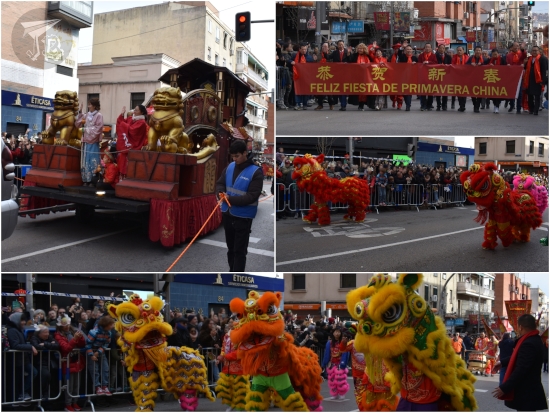
We reached the district of Usera a bit after 11:00, with plenty of time until the start of the parade at noon. We found a street barrier and set positions, ready to wait out the cold until the parade started. I had read that it would last about three hours, but I thought that meant in total – since the first person went out at the beginning of the parade until the last person reached the end. I had never been to Usera before so I had no idea how long the streets were. In the end, the parade took about an hour and forty-five minutes to pass in front of the point where we were. There are a lot of Chinese associations! I do not really know if they were all based in Madrid, or if the Chinese diaspora of all of Spain had congregated for the occasion. And not only Chinese people marched – a lot of Spanish and Latin Americans did to.

The event was called Great Parade of the Chinese New Year of the Dragon Gran Pasacalle “Año Nuevo Chino Del Dragón”. It opened with a locomotive which “pulled” everyone behind it. There were people dressed as lions, others moving huge dragon puppets, dancers, musicians, martial artists, people in traditional clothing, acrobats, walkers on stilts… women, children, men, everyone seemed to be invited to the party. Each group got their introduction with a red banner, and lots of people carried either Chinese or Spanish flags. Some people handed out “dragon masks” for kids, and quite literally ignoring all the adults wanting one (I might have rescued one from the floor at the end of the parade). People in the parade waved and cheered Xīn nián kuài lè and Feliz Año Nuevo, “happy new year” in Chinese and Spanish. There were some drummers too, but most of the music came from portable little devices. An older lady kept telling everyone to hurry up.

Chinese New Year Parade Usera 2024

About half an hour in, my memory card ran out of space. I had been aware of that being a risk for a while, so I was carrying an extra one, which unfortunately was not compatible – I have no idea why. Luckily, I could use the phone for more pictures. The worst thing about the event was the presence of the “media” – I can understand the ones who were working / recording / interviewing. However, there were also a bunch of accredited people who were just in the way, chatting on their phones or doing nothing in the way of the parade – and of pictures.

Parade of the Chinese New Year 2024

All in all, it was spectacular. I loved the lions and the dragons, and I had to wonder how many dragons come out on a non-dragon year parade. Furthermore, everyone seemed to have such a good time!

Chinese New Year Parade Usera 2024

At the end of the parade there were a few South American organisations who also participated, probably because even if Usera seems to have many Chinese businesses, there are a few Peruvian and Bolivian restaurants. They seemed more Carnival-like anyway.

Chinese New Year Parade Usera 2024

After the parade had finished walking in front of us, we went to try to check the food trucks and the market at the end point of the parade. Unfortunately, everyone seemed to have had the same idea, and it was packed.

Instead, we found our way back to the underground and went off towards the centre. There we had a snack at one of the big malls, where I also bought a new SD card. I asked the assistant if the card would be compatible with my camera, he had to get another assistant, who had a bit of a waiting list. This second assistant said that my camera would not take a 128 GB card. I showed her the 128 GB card I had been using. She then asked to see the card which was not compatible. I showed her that one too. She said that it was not compatible because of the adaptors, but I pointed out that the cards had the same shape. Then she said that it was not compatible because “TDKs are too slow”. The card is a Philips. Anyway, she offered to let me try the new card to check it was compatible before buying it, which guarantees it works. I bought two, just in case.

Afterwards, we headed off to the shopping gallery Galería Canalejas. This is the new luxury shopping hub in town. The complex occupies almost a whole block, having joined as many as seven historical buildings into the same project – a Four Seasons hotel (the first in Spain), a parking lot, some private residences and the shopping gallery.

The original central building was commissioned by an American insurance company and built in 1887 by the architect José Grases Riera, who designed it in. The construction homed the Insurer’s headquarters, private residences, the former casino, and small shops on the street front. It was called Palacio de la Equitativa, uniting the word “Palace” with an approximate translation of the name of the insurer. In the 20th century, the building was bought by a bank company – and Spanish banks merged, re-merged, disappeared, until finally the building was sold to a private investor in 2012. The Neo-Renaissance and Neo-Baroque façade was carefully restored, along with the Art Decó stained-glass window on the ceiling. Also, under the direction of the architectural firm Estudio Lamela, some of the bank safes were recovered for decoration. The first shop in the gallery opened in 2020, and it seems that the Madrid tourism board started promoting the complex in 2023, following a strategy to drag “luxury vacation-makers” into town.

The gallery has three floors. The basement has been used for the food court. The ground and second floor hold a lot of security guards, since there are shops like Cartier, Louis Vuitton or Valentino… There is a café on the ground floor, amongst all the luxury shops. Behind it there is a staircase that connects all three floors (aside from the escalators on the sides).

The café Galería Canalejas Café offered afternoon tea, and I was even willing to try it despite the lack of scones. But it was cold and drizzling, and I had just discovered that they had afternoon tea the day before. We sat down and ordered.

Afternoon Tea at Galería Canalejas Café Madrid

The set included:

  • Café o té Coffee or tea. I chose a Japanese sencha, which was brought quite earlier than the snacks. It was really good, albeit a bit weak. I own up I had finished it almost completely by the time the food came out. I really think they should add some water to the mix.
  • Savoury snacks:
    • Mini sándwich chicken coronation. Coronation Chicken mini-sandwich in a salty waffer, made with a salty waffer.
    • Mini sándwich de mortadela trufada y queso Coloummier. Coloummier cheese and truffled sausage mini-sandwich, also in a salty waffer. I think they forgot the cheese in mine…
    • Quiché de espinacas y salmón. Salmon and spinach quiche with wasabi mayonnaise. This was the best, in my opinion.
    • Crep de hummus con vegetales. Hummus and vegetables crêpe. They actually forgot to bring this one out and did so later on.
  • Sweet snacks:
    • Bizcocho Valentía. A quite-heavy brioche with honey and lemon. It was nice, but I could have used a smaller size.
    • Mini churros con vainilla y chocolate. Tiny churros with vanilla and chocolate. The vanilla was actually whipped cream, but the powdered-sugar on the churros and the bitter chocolate made it a good combination.
  • Petit fours: We got three of these, but I have no idea which ones. According to the publicity, you chose them yourself, but they brought them on their own. They were tiny biscuits that felt really nice to finish off the tea.
    • Bombón Canalejas
    • Diamant Madagascar
    • Florentin aux amandes
    • Noisettine
    • Trufa de turrón

All in all, it felt a little wannabe pretentious, but the staff was extra nice, and allowed us to stay there for as long as we wanted. We left when I noticed that the turn over was slow and a queue had started forming. We snooped up and down the gallery for a while before we headed off. And of course, I totally missed my train connection – what else is new?

31st May 2023: Birthday in Madrid (Spain)

I was lucky enough to be able to combine my 2022 birthday with a holiday that happens around the end of May / beginning of June, so I took off to Tenerife. I could not do that this year, but the stars aligned for a half-day in Madrid – actually, what aligned was a lot of website-hopping, to be honest. It all started when we were booking tickets for the visit to the Royal Palace of La Granja. At that time, I discovered that the collection of Stradivarius instruments in the Madrid Royal Palace are brought out so they can be played every now and then. I had to work on the dates of all the upcoming 2023 concerts where they were used, but I managed to secure tickets for a side gig, which also gave access to a usually closed-off area of the Palace anyway.

Conversely, I have been obsessed with a London experience in which you get to have afternoon tea on a 60’s double-decker bus – but unfortunately, it does not take reservations for one. I was browsing the Internet , looking at similar experiences, and I stumbled upn the fact that the Mandarin Oriental Ritz runs afternoon tea in Madrid. They actually claim that their tea is the same as the London Hyde Park Ritz. I signed up for the Fan of M.O program – not that I’m ever going to be able to afford a stay there, but oh well – before making the reservation, and the system asked if there was a special occasion going on. I ticked “birthday”.

Plans thus built, we arrived in Madrid for the 16:00 booking of afternoon tea at the Palm Court restaurant in the Mandarin Oriental Ritz Madrid hotel.

The Mandarin Oriental Ritz Madrid opened in 1910, after King Alfonso XIII decided that Madrid needed a luxury hotel to host European nobility. The king himself became an investor, wanting the city to have lodgings comparable to Paris or London. The building was commissioned to French architect Charles Frédéric Mewes and the construction was directed by Luis de Landecho y Lorenzo Gallego. Surrounded by a metalwork wall, it has 153 rooms and suites, and a wide variety of dining options with different levels of formality.

Through the 20th century, the original Ritz became a piece of history. Its rooms and bars hosted a wide range of personalities – WWI spy Mata Hari, artist Salvador Dalí, writer Ernest Hemingway, scientist Alexander Fleming, and more recent celebrities such as Ava Gardner, Michelle Pfeiffer or Madonna. In 2015, the hotel was acquired by Mandarin Oriental, and in 2018 renovation was tackled. The Covid pandemic delayed its reopening until 2021. Part of the restoration focused on the inner court, with an iron-and-glass ceiling. This is the area where the restaurant Palm Court is located.

When we arrived, they confused my reservation with someone else’s with the same first name – I had to correct the lady, it was a reservation for three not for two. Then they asked if we were celebrating something, to which I replied that it was my birthday – again. As we sat down, the pianist was playing the OST of Aquaman. Cognitive dissonance? Check.

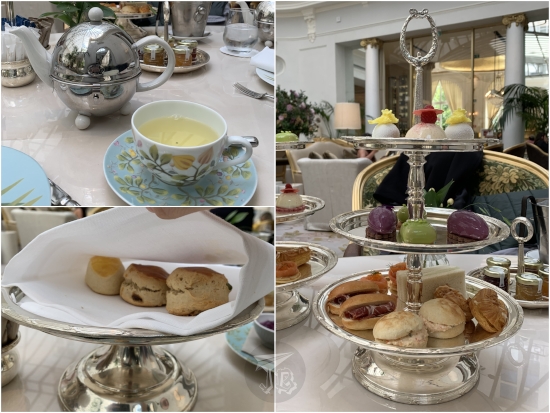
A nice gentleman brought out the tea menu – while the food is fixed, you can choose from a wide variety of tea. I had of course studied the options beforehand, and ordered sencha meicha, because it is one of my favourite teas, even if it is Japanese. I mean, I can get Earl Grey more easily – and affordably.

The booking confusion continued when we got our food – once more they brought out a three-tier tray for two, and when they brought out the third one, they had mistakenly brought out one of the dietary-restriction trays – easy to spot because the sandwiches had different colours. When the correct tray was brought out, the order of the different tiers was incorrect.

The tea itself was delicious. The food included has been designed to Quique Dacosta, mixing the “best afternoon tea tradition” with Spanish confectioneries. The classic mini sandwiches included a cucumber and cheese cream, Spanish ham, potato omelette, seafood and mayonnaise, and a salmon cracker, shaped as a rose. The sweets included chocolate mousses, lilac sponges and citrus pastries.

Afterwards came the scones, which were a bit too small and I was slightly disappointed that the promised clotted cream was merely butter. But the scones – two types of them – were warm and well done. Afterwards, as we were finished, the pianist played the notes to the traditional happy birthday song and I was brought a small mousse with “congrats” written on the plate – though they served it to someone else in the party!

Afternoon Tea: sandwiches, pastries, scones and the actual tea

Felicidades dessert

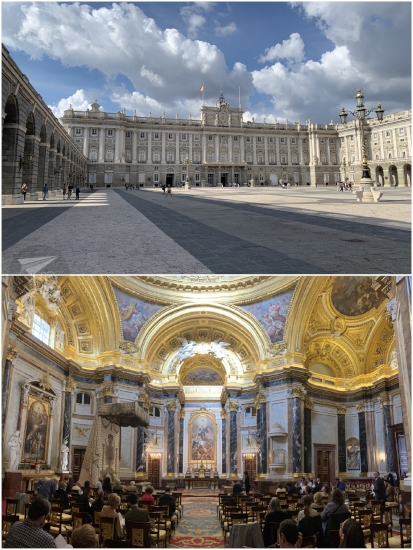
I loved the tea party. However, even if all the staff was extremely nice, it gave me the feeling that they were overwhelmed and nervous – almost improvising – as they made a few mistakes. Afterwards, we walked to the Royal Palace Palacio Real de Madrid. Even if it was an hour to the recital, we were allowed into the courtyard, and not much later into the royal chapel Real Capilla. The recital was called Afectos Amantes (Loving affections), and it mostly comprised music by José de Torres. Torres was the main composer of religious music for the Spanish 17th-century court, though the majority of his music was lost when the original Madrid alcazar burnt down – however, a few pieces were preserved in El Escorial, Salamanca, and Guatemala. There were also a couple of pieces by Händel.

Royal Palace and Chapel

The music was performed by Al Ayre Español, a classically-trained ensemble that focuses on Spanish Baroque Music. Its members are Eduardo López Banzo, (harpsichord, and director); Jacobo Díaz Giráldez (oboe); Alexis Aguado (violin); Kepa Arteche (violin); Aldo Mata (cello); Xisco Aguiló (double bass); Juan Carlos de Mulder (archilaúd and guitar); and finally Maite Beaumont (mezzo-soprano singer).

The program included:

  1. Pasacalles I & II (Passacaglia), Anonymous
  2. Divino Hijo de Adán (Divine Son of Adam), José de Torres
  3. Sonata Op.5 No.4 in G Major, Georg Friedrich Händel
  4. ¡Oh, quien pudiera alcanzar! (Whomever could reach), José de Torres
  5. Sonata Op.5 No.5 in G Minor, Georg Friedrich Händel
  6. Afectos amantes (Loving affections), José de Torres
  7. Grave (Low), José de Torres

Al Ayre Español bowing to the audience after the recital

The recital lasted a bit over an hour and a half. It was something really interesting to do once in your lifetime, and surprisingly not pricey at all. Even if Baroque music is not usually my thing, the event felt very appropriate in the chapel. We did not feel like any more food, so we just headed home, braving the thunderstom on the highway.

31st July 2017: Little Korea and Tsukishima {Japan, summer 2017}

I met up with B**** in Shin Okubo [新大久保] to walk around Korean Town make-up shops. Afterwards we headed off to Iidabashi [飯田橋] because I needed to drop by the school I had been at the previous year and B**** was nice enough to come with me. we took the chance to have a great sushi lunch at a bit of a more refined sushi place than our usual sushi lines. It was so very amazing!

Then I wanted to go to Ikebukuro [池袋] again because I had not found something I wanted in the Shibuya [渋谷] Tokyu Hands on Saturday, and we found ourselves a nice place to sit down and have something to drink (aka, Starbucks) because it was our chance to try whatever lemon beverage they were selling at the moment.

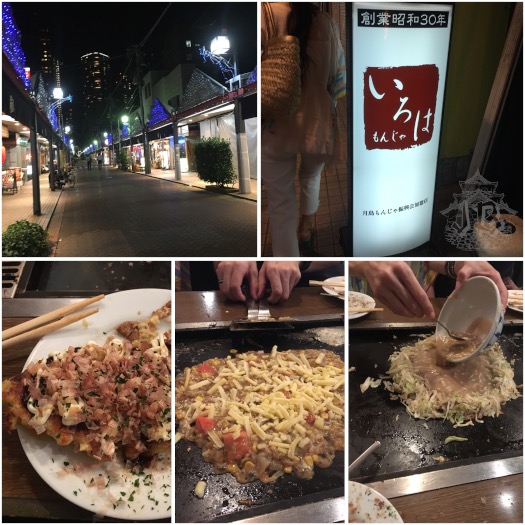
Then I headed off to Tsukishima [月島] to have okonomiyaki and monja with Ms-san and D****e. And then there was a parfait / icecream / whatever.

23rd August 2014: Tea Ceremony, Imperial Gardens and Sushi! {Japan, summer 2014}

For my last day I had thought about trying to go to see Gackt as Uesugi Kenshin in Joetsu, but (un)fortunately I realised late Friday evening that he would not be there. Good that at least I noticed before I was there and had spent four hours on the train XD

Thus I talked my friend into coming to a tea ceremony with me near Tokyo Station in Chiyoda [千代田]. This was very fun because the tea-lady (Tea master? Tea mistress??) allowed us to participate and actually bat the matcha to make it bubble up. There are no photographs of that, but I have one of the delicious takoyaki we snacked on as we were waiting for our timeslot, along the guy making them.

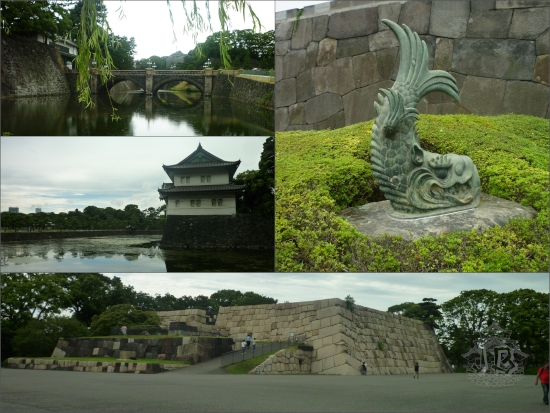
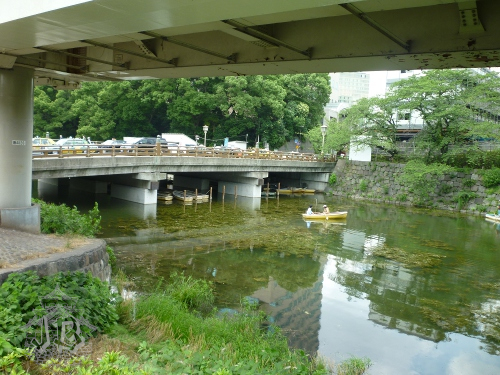
Then we headed off for the Imperial Palace East Gardens, Kōkyo Higashi Gyoen [皇居東御苑], which I had not been able to visit last year. The gardens run alongisde the Imperial Palace and hold the ruins of what used to be the Edo Castle, Edo-jo [江戸城].

Then she indulged me in a very stupid desire I had, and that was having something sitting down in the Shibuya Starbucks, and taking a few pics from there. It was silly but it made me intensely happy.

As we headed back we rode by surprise fireworks.

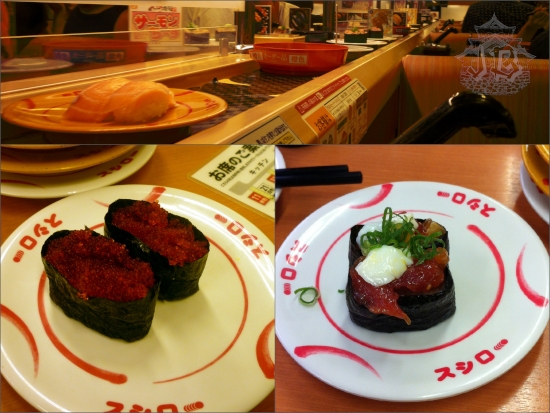
The day ended with sushi, and the trip too. It was over for this year, and I don’t know when I’ll come back, but I know I will. Somehow.

It has to happen.

29th June 2013: Tea Ceremony and Nakano Broadway {Japan, summer 2013}

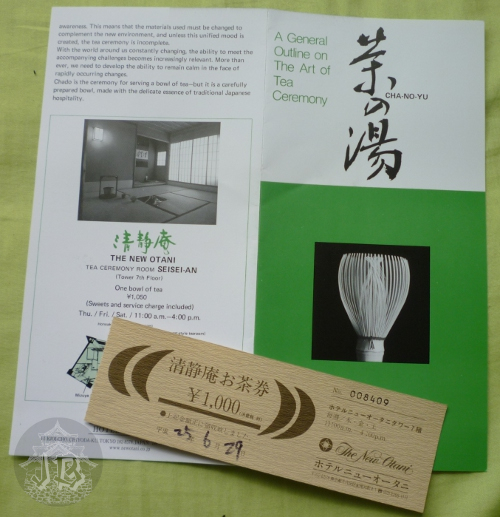
We attended a tea ceremony in the New Otani Hotel, a small event for tourists that was really nice on the geeky traditional kind of way. The lady was very friendly and did her best to be understood in English, so I did not feel off at any point – only sore as my hip seems out to kill me lately XD”

Later on there was Nakano Broadway [中野ブロードウェイ], where lots of money was spent, and Shibuya [渋谷] yakiniku and karaoke, although I was so tired that reading was kind of impossible XD”

14th July 2012: Kamakura & Yokosuka {Japan, summer 2012}

On Saturday the 14th we headed off to Kamakura [鎌倉], home of the second largest Buddha in the country and birthplace of the samurai. There was some “glassed” coffee for breakfast, then we set off on the train.

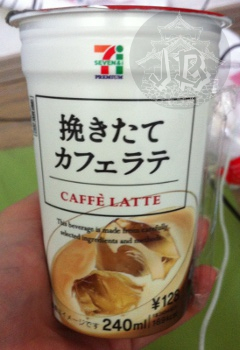
A can of coffee reading caffè latte 240 ml

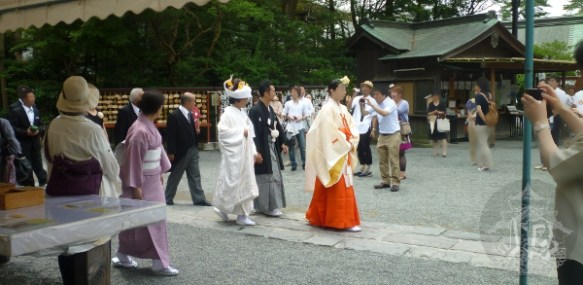
Once in Kamajura, we first off we headed to Tsurugaoka Hachimangu [鶴岡八幡宮], where we were lucky enough to see a couple about to get married.

A Shinto gate, in dark red with golden decoration

A traditional wedding, with the bride and groom dressed in kimono and hakama

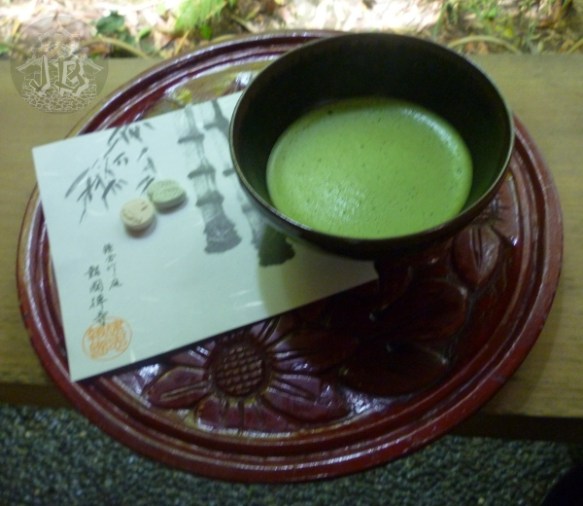
Second, we headed off to Kamakuragu [鎌倉宮], a shrine which has an awesome bamboo forest which we did not burn down. This is important because we had a small accident with an incense burner while we had some matcha (green tea) in said bamboo forest.

Religious stone markings in a bamboo forest

A bowl of foamy green tea, with sweets on the side

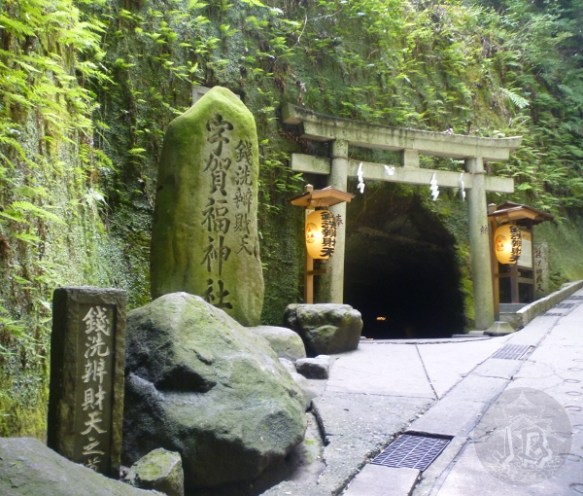
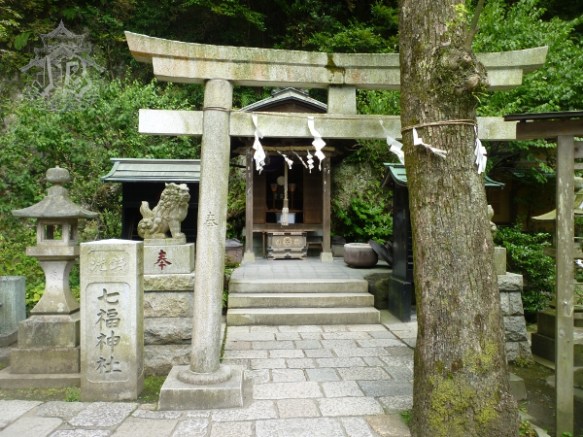
A few hills up and down we finally made it to Zeniarai Benzaiten Ugafuku Jinja [銭洗弁財天宇賀福神社] where you can legally launder money. In the literal sense – if you wash your money there it is supposed to multiply. Knowing fairly well that as long as I am here my money will only diminish, I did not really try, but the temple itself was awesome. And there was ice-cream.

Stone markings and torii gate that mark the entrance to a shrine. Right behind the torii, a dark cave mouth opens

A torii gate leading to a small sanctuary. There's a tree standing right in front of the torii, and it has been marked with sacred paper to protect it

Soft vanilla ice cream in a cone

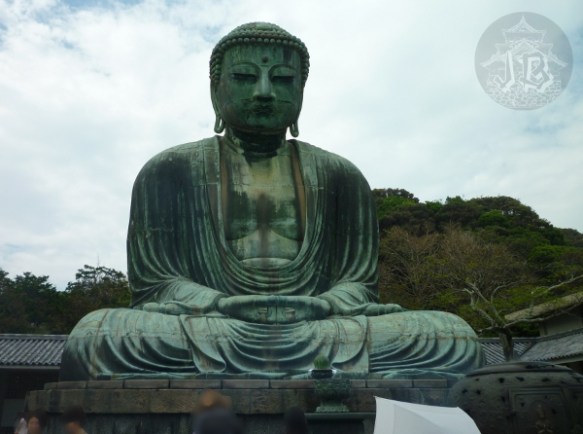
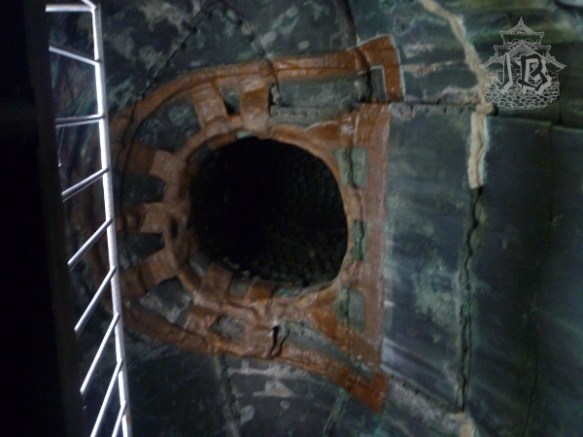
Our last spiritual stop was the Kamakura Daibutsu [鎌倉大仏] in Kotoku-in [高徳院], which is another of those things that everybody tells you that you should visit and you do because you think you should and still manage to amaze you. For the outrageous amount of 20 yen, you can even go inside.

The great Buddha, sitting cross-legged with a peaceful expression

The inside of the Buddha, with reinforced steel around a black hole that is probably the neck

We made a stop for food by the beach, too:

The beach, with foamy waves coming in

We had a snack, in particular a koroke:

A big croquette, breaded with big panko flakes

Finally we wrapped up the night heading over to Yokosuka [横須賀] to watch the summer’s fireworks by the powerplant!! =D sea.

Fireworks in the dark

Fireworks in the dark, reflected on the water

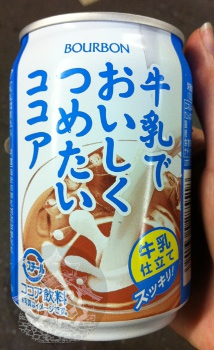
I was super-thirsty on the way back and I discovered that cocoa-in-a-can makes more giddy than coffee… Sheesh that’s some sugar rush!

Can of cocoa or chocolate milkshake