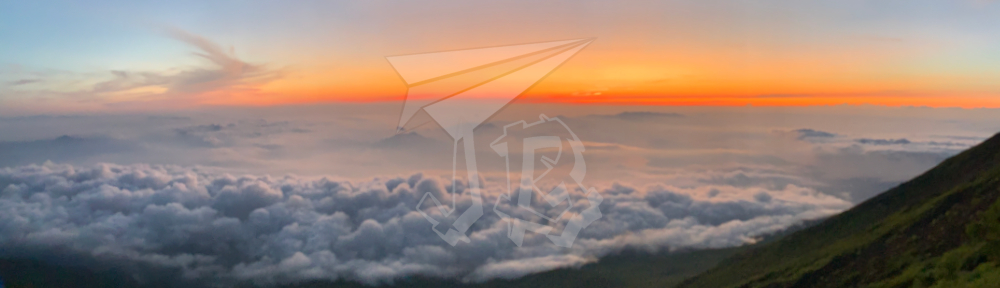
3rd August 2020: On the road again {Spain, summer 2020}

After having to cancel London and Greece, we decided to try to at least take a few-day’s worth road trip within Spain as some sort of consolation prize. We were, of course, very careful, using a lot of hand-sanitizer and never taking off our face masks except within the car, hotel rooms or when we were eating – strictly so.

We started off just in time so we surrounded Madrid right after rush hour so we did not get caught in any traffic jams. We drove northwards towards Medina del Campo, a town which played an important role in Spanish history, specially around the time of the Catholic Monarchs and their direct descendants. We were there at 11:00 sharp, right at the time when the castle Castillo de La Mota opened to visitors. Mota is the Spanish word for motte, which is a raised area of ground where a castle keep, and a walled courtyard or bailey, are built. They are protected by a ditch and a palisade. These castles are thus called motte-and-bailey castle. In particular, the castle of La Mota is made of red brick, typical to the area, but it is heavily restored today. The visit included the outer building, the yard and the chapel of St. Louise.

We stopped for a quick lunch at the Parador de Puebla de Sanabria. Paradores is a Spanish brand of state-owned hotels and restaurants which have a good reputation all around the country. In our lunch stop, I got my stamp passport because I can find stamp rallies wherever they are (≧▽≦), and Paradores has launched one.

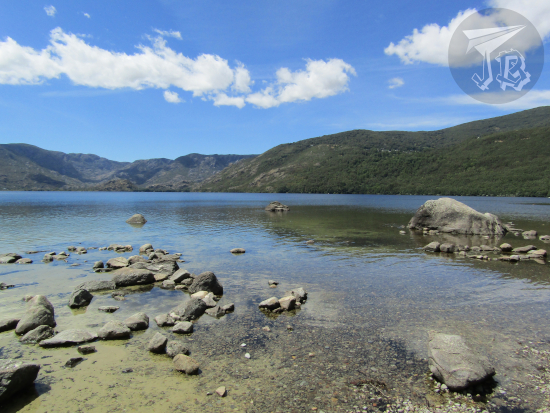
Then, as we were a couple of hours ahead our very informal schedule, we decided to take a small detour and check out the Parque Natural del Lago de Sanabria y alrededores, the natural park that surrounds the biggest natural lake in Spain, Lago de Sanabria. It is also one of the few, if not the only glacier-origin lake in Spain. It was full of people swimming and sunbathing, but the landscape was still beautiful.
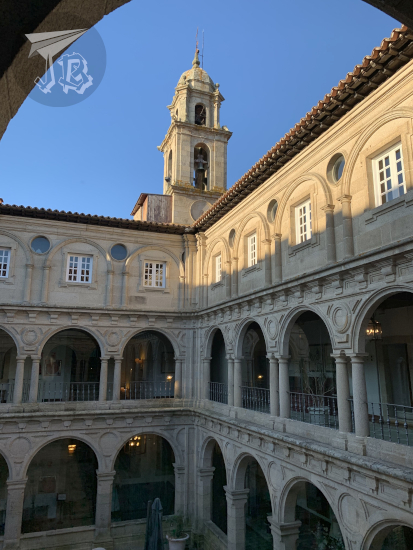
After lounging for a while we continued on our way towards Galicia and our destination, Monforte de Lemos. We stayed at the Parador de Monforte de Lemos, situated in the Monastery Monasterio de San Vicente do Pino at the top of a hill. It is part of a monumental compound, along with the former castle Keep and the palace of the former Count’s family, Palacio de los Condes de Lemos . Due to some kind of fluke, my room was doubled as “supreme” and the door came out to the actual cloister of the monastery, which was super-cool! (Also: Stamp number two)

We took a short stroll down the village, and we passed by the small sanctuary to the Virgin Mary’s image Santuario de la Virgen de Monserrat.

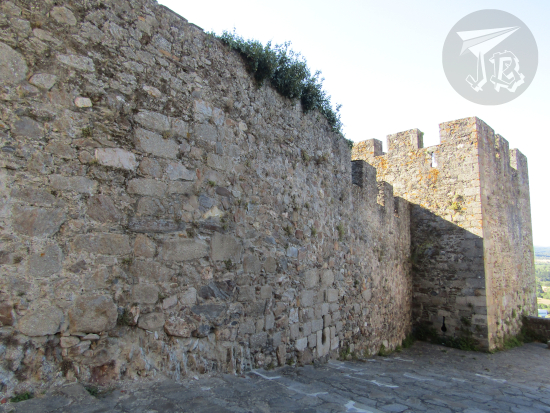
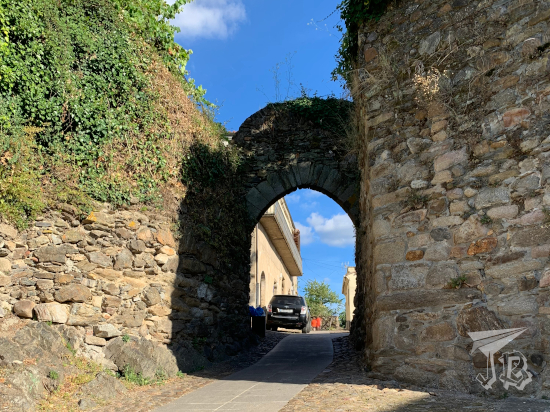
Then we saw the walls and the old gates.
Finally, we went back to the hotel to have dinner over there. Our choices included trying a species of scallop I had not tried before, the zamburiña, variegated scallop (Chlamys varia). We also tried the local pie, empanada. For dessert, they had a ‘variety of chocolates’.

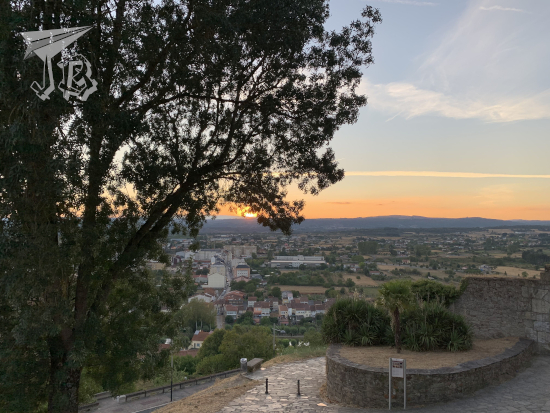
The day finished watching the sunset before turning in for the night.
Driving distance: Aprox. 600 km
Walking distance: 5.02 km
28th July – 3rd ‎August ‎2018: The Spanish “Levante”

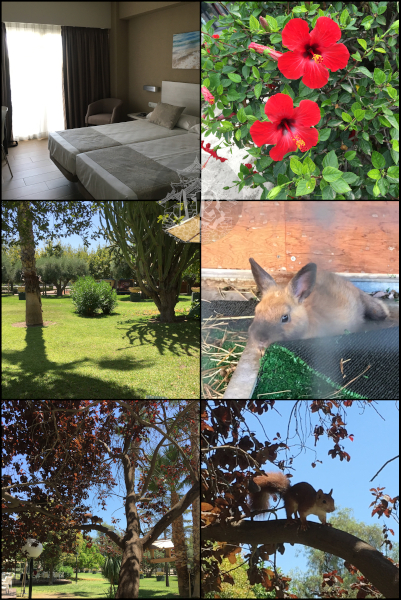
My parents sometimes vacation in this tourist-like complex in a little town called San Juan de Alicante in the east of Spain (the “Levante”). My father uses it as a base for diving trips, and sometimes I tag along to keep my mother company. When we arrived this year we found out that there was a new resident family in the garden – a family of squirrels that had apparently shown up travelling in trees that were going to be planted. The complex management decided to make squirrel-nurturing the local sport. Guests were encouraged to watch out for them, and leave them nuts. Also, there were educational signs about what was safe or unsafe to feed the little critters. I caught sight of them at some point or another.

One of the selling points of the complex – aside, of course, from the swimming pool and the great room service – are the big gardens, with lots of trees and plants, and the rescue bunnies. Now the squirrels came over to complete the scene.

Collage. A hotel room. Red flowers. A garden. A tiny rabbit. A tree and a close-up of that tree focusing on the squirrel on one of the branches.

31st July 2018: Chocolate & Lobster. Not together.

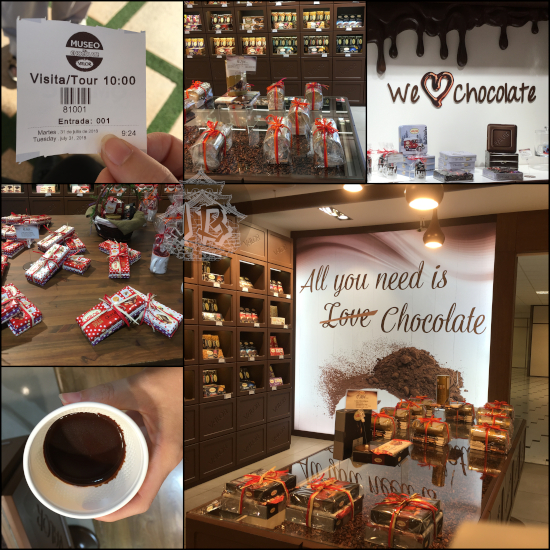
A meagre 20-minute-drive away from this little town stands the village of Villajoyosa, which translates into something akin to “The joyous village”. If you’ve never heard of it, I’ll just have you known that it has a chocolate factory, the Fábrica de Chocolates Valor, and the chocolate museum (and of course the shop). As it is a working factory, the visit is of course guided. We were told that there was usually a long queue, so we were there before 9:30 for the 10:00 visit, and we were quite literally the first to arrive. Once inside, you get to see what they call the museum, with a short video about how they used to and still make the chocolate, and you visit some of the old equipment. Then, there is a short trip around the factory using some hanging planks – when we were there, the production was halted due to pre-Christmas-campaign holidays. So FYI Christmas chocolate is made in August. The visit was done in one hour, and then we splurged in the shop.

Chocolate factory from outside

Inside the chocolate factory shop. A painting on the wall says we heart chocolate, another, in the backfround of several chocolate bars packaged as presents, it says All you need is chocolate, with the word love scratched out

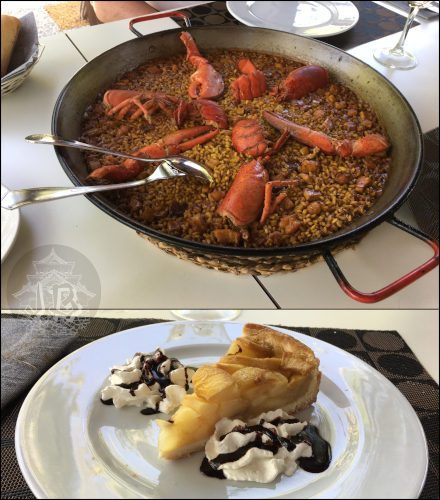
After the visit we went back to the complex, where we had booked a made-to-order lobster “paella” (traditional rice dish) for lunch, and boy was it awesome. I totally sinned with the apple pie afterwards, too.

Collage. Rice pan with lobster pieces, and a piece of apple pie

1st August 2018: Alicante

The day started awesomely with coffee and pancakes, and that alone worked to make me happy.

Pancakes with chocolate syprup, a glass of milk, and a cup of coffee

Besides, twenty minutes in the opposite direction from Villajoyosa we had Alicante. And we could also be lazy and not take the car out, we could just take the bus. We wanted to see the archaeological museum, Museo Arqueológico Provincial MARQ de Alicante, and that was out first stop. However, for some reason a bunch of pictures got lost – and I can only show you this of the library, where pictures were not allowed anyway. It was a… photography accident.

A former chapel, with gothic windows. A glass lamp hangs from the ceiling and there are dark shelves full of books in the foreground

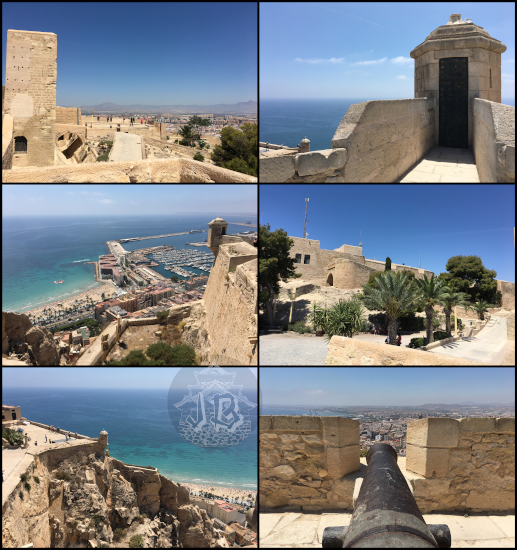
After the museum, we walked around the base of Monte Benacantil, the mount in the middle of Alicante – again, literally – until we were exactly on the opposite side to find the entrance to the Castillo de Santa Bárbara, Santa Bárbara’s castle. The castle is of Arab origin, it may have been built the 8th century. However, there are archaeological remains in the mount dating from prehistoric times. The castle gave the city of Alicante a vantage point towards any kind of threat, whether it originated on land or the ocean. The castle was reconstructed in the 16th century, and later, in the 18th century, it played a part in the war against the French.

Castle ruins and views of the sea underneath. It looks hot.

After this we walked over to have lunch at a restaurant we had read over in the tourist complex magazine, a prime Japanese restaurant called Nigo, which has the best sushi I’ve ever tried outside Japan.

Lunch - Japanese salad, fried chicken, sushi and tuna tartar

After that we headed back to the complex and planned our next move.

2nd August 2018: Valencia Diversion

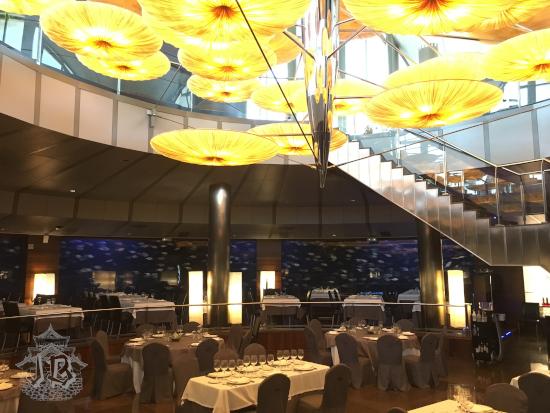
My father was unable to go on his two planned diving outings, so we decided to head home early. However, he was feeling a little disappointed over the cancellation, and I suggested that maybe we could take a detour somewhere else instead. In the end, we decided to book a hotel in Valencia and use the time to visit the Oceanogràfic over there. This is a large aquarium complex. We also reserved a table at the “Submarine Restaurant” and had lunch there.

The aquarium opened in 2003 as part of a big project called “the city of art and science” in Valencia. It has a double layout, over- and underground. The underground area is the big aquariums are built, while the upper enclosures hold most the mammals and the birds.

An empty restaurant surrounded by an aquarium where fish swim

Collage of different marine animals: octopus, sea urchin, anemone, clownfish, surgeon fish, rockfish, seal, jellyfish, seastar, sea dragon, turtle, reef shark

Collage of different animals, and general view of the park. Penguins, crocodiles, seal, pelicans, snipes, ibises, tortoises, carps, crane

Once we were done, we said goodbye to the sharks and hi to the nice sunset. Next morning we drove back home.

Sunset above an unremarkable city skyline

23rd & 24th June 2018: London Express (England, Great Britain)

I took some family members over to London for the weekend, and they asked me to organise something so they could see a lot of things. We took the red-eye flight so we were downtown London something around 8:30. Our first visit had tickets for 10:00, so first spot was a Costa Coffee for breakfast! (≧▽≦)

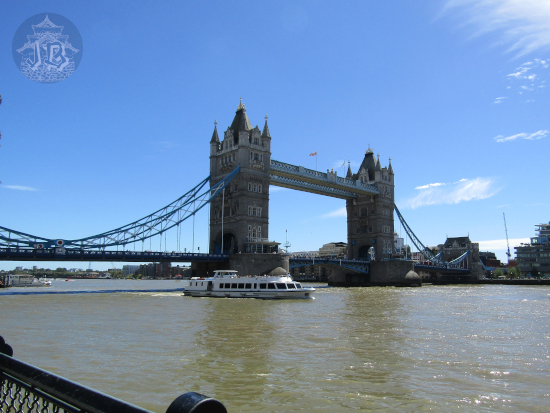
Afterwards we saw the Tower Bridge over the Thames.

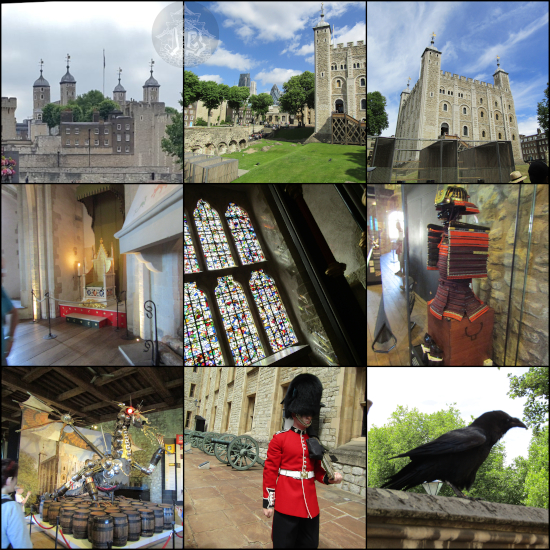
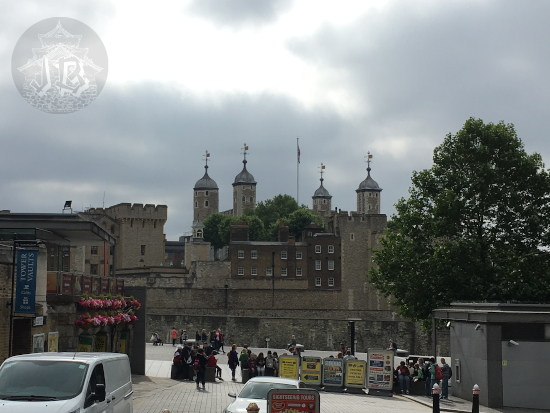
Then, at the right time, we walked into the Tower of London, where we wandered around visiting all the areas, including the White Tower, the dungeons, the Crown Jewels vault and the raven nests.

Once we were done, we took the underground to the British Museum for a quick visit through the most important collections, along with a few of the less known but interesting things – in the end we saw the Babylonian, Grecian, Egyptian collections, and had a glimpse at a few of the Chinese artefacts and the Hoa Hakananai’a from Easter Island.

We had lunch in-between and then went to the hotel to drop our things off. After that, we took off again and, via underground, we reached Trafalgar Square. We walked towards Piccadilly and on the way we stopped at Legoland and M&Ms shop. Then had dinner in an Angus steakhouse in Leicester square, and to end the day, we had a look at the lit Piccadilly Circus.

We got back to the hotel, and honestly, I had not realised how close to the centre we actually were until I looked out of the window.

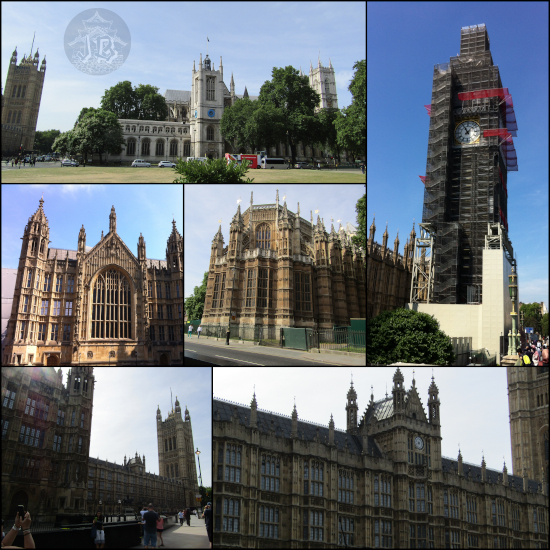
The next morning we woke up early and headed off to have breakfast on the go – actually the weather was super nice so we got ourselves some Nero coffee and sandwiches and ate them in front of Westminster’s Abby. As it was Sunday we could not visit the Abby, but we saw the scaffolded Big-Ben, and walked around the Houses of Parliament.

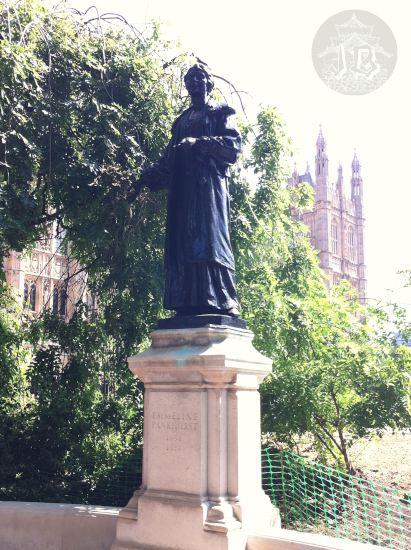
We went to visit the Monument to Emmeline Pankhurst because the youngest person in the group needed to be told about a period in history in which she would not have been as free as she is today.

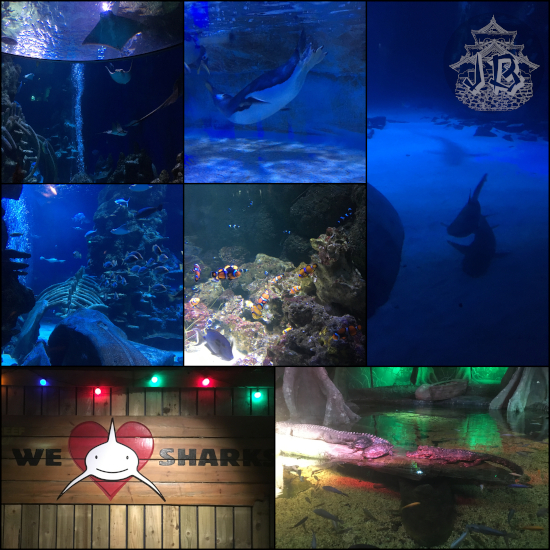
After that, we crossed over the Thames, then moved on to the London Eye. Half of the group wanting to go up, the other half being not fans of heights, we divided and conquered – two of us went to the London Aquarium while the other three enjoyed their VIP ride in the London Eye. I know you are not surprised I picked the side with the sharks instead of going up.

This guy judged us, very hard:

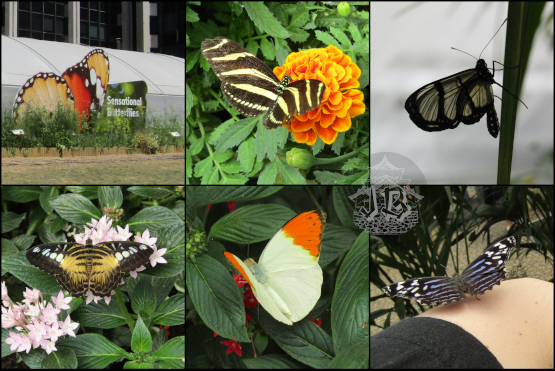
After our riverbank separation, we regrouped and headed off towards the Natural History Museum where we first saw the Butterfly carp that was installed outside it – they were extremely pretty and beyond friendly, because we were landed on quite often.

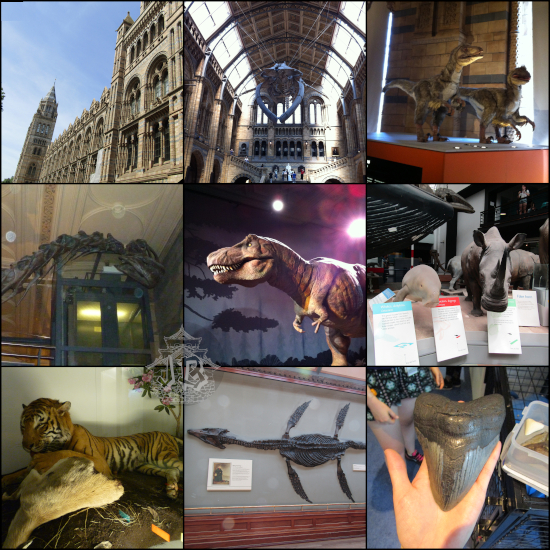
When we had finished the walk, we stepped into the Natural History Museum itself to wander through the dinosaur area for a bit, and then around the animal collection.

We decided to head out to the restaurant to have a bite to eat, and as we were walking through the marine invertebrate area (the room with all the crabs and so on), there was a nice lady showing items. And that’s how I ended up holding a megalodon tooth and fanbying like there was no tomorrow. Don’t judge me. Or do so, I don’t care ☆⌒(ゝ。∂)

As they walked into the insect / general creepy-crawler gallery, I walked around the gallery that held “less impressive” fossils, including the ones discovered by Anne Manning. We had lunch in the NHM, then moved on.

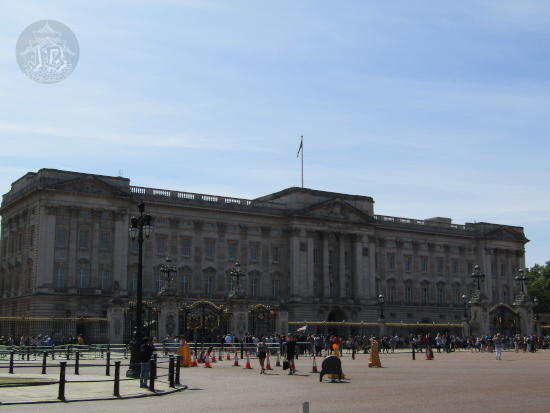
A short underground ride later, we were at St James’s Park, where we took a bit of a walk towards Buckingham Palace. As the weather was nice, we got to see a lot of the local fauna, even the local swans.

We hung around for a while as we saw Buckingham Palace, then headed off back towards the airport. Although we had a couple-of-hours delay, we made it home without further complication.

9th & 10th June 2018: Wicked London (England, Great Britain)

This will be the last work-trip, at least for a while. I might change my mind later, but for now I’m done with them (although there’s an upcoming family trip rather soon…). Again, we flew in early Saturday morning, and we went to walk around the Tower of London and the Tower Bridge.

Then we went to the British Museum. I left them for a couple of hours there and I went to visit some of the lesser-seen galleries.

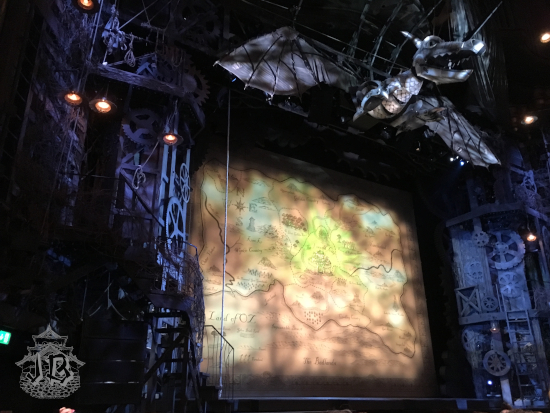
We had booked tickets for the musical “Wicked” in the Apollo Victoria Theatre at 14:30, so we headed over there. Wicked is a parallel story to “The Wizard of Oz”, focusing on the story of the Wicked Witch of the West, who becomes a social outcast due to her tendency to speak her mind and the strength of her magic. I had really wanted to watch this for a long time, so I used this chance and convinced the group to get there. I absolutely loved it ♥.

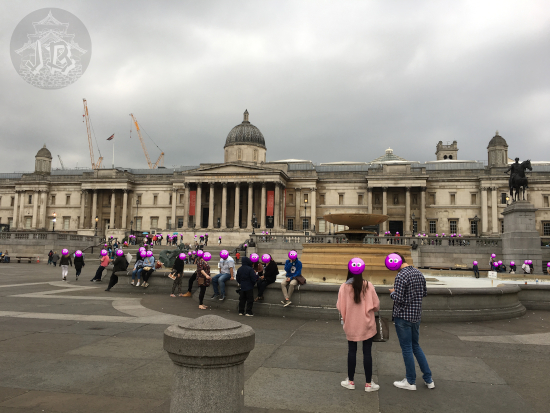
After the show, we dropped our things at the hotel. The group wanted to get some rest, so we stayed there for a while, then got out again. We took the underground towards London central and we were in Trafalgar Square for a while.

Then, we went to Chinatown for dinner.

Later, we walked around Piccadilly Circus, checking out some shops and so. We even stopped for cake.

On Sunday morning we went to Saint James’s Park, where we got to meet the local fauna, especially a very adventurous squirrel.

Then we dropped by Buckingham Palace. Although we did not watch the Guard Change, we did see one of the relief marches.

We walked from there to Westminster, saw the Houses of Parliament and the Big Ben, along the outside of Westminster Abby.

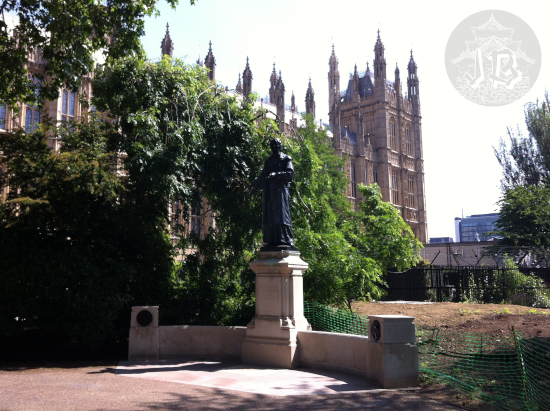
We visited the Monument to Emmeline Pankhurst and stayed for a while in the Victoria Tower Gardens.

As a final visit, we went to the Natural History Museum.

Finally, we headed off to the airport, and the icing of the cake was that we got caught in a controllers’ strike, so we had like a three-hour delay on our flight and it took forever to get home (;¬_¬). All in all, this was a very… strange trip, and without a doubt the highlight was going to see Wicked, which is something I had wanted to do for a long time, and gave me a couple of hours of enjoyment to myself.

10th – 12th February 2018: Highlights of Glasgow and Edinburgh (Scotland, Great Britain)

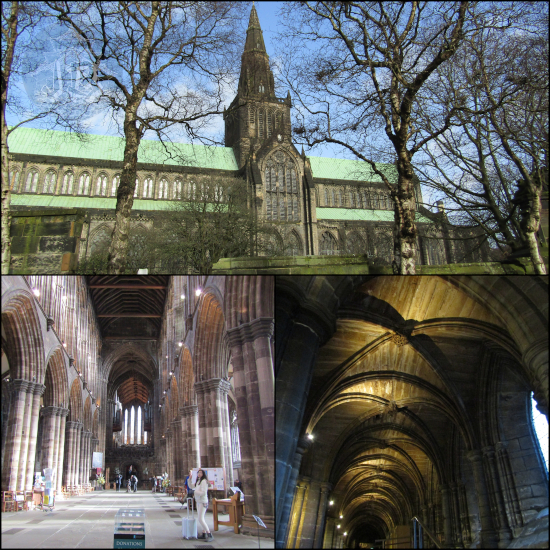
This is another trip that I took with customers. We flew into Edinburgh and took a bus directly to Glasgow, where we arrived at around 9:00 on Saturady morning. We made a stop for breakfast, then we walked to Saint Mungo Cathedral.

Then, of course, I guided them up the Necropolis Hill. The weather was very nice for a chance – because I have the exclusivity of good weather in London, but not in Scotland, which yielded to a nice walk.

We had lunch in my favourite Greek restaurant, and then walked around Glasgow – some of the members of the party wanted to go clothes-shopping so I took the opportunity to get into a bookshop or two. We dropped our things off at the hotel and walked in and out some of the shopping centres in the Central Glasgow area. In the evening, I took them to try Wagamama, a ramen / British fusion food chain. I’m always in for ramen (≧▽≦).

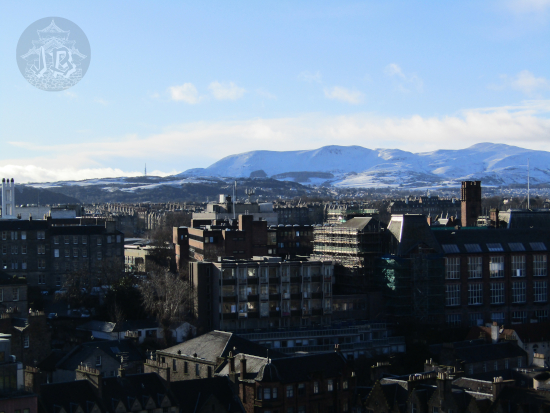
On Sunday morning we took the train to Edinburgh. We visited the Old City and Edinburgh Castle, with some awesome sights (because again, the weather was really good – albeit cold as hell, because, have you seen that snow??) and fumbled around for a while.

We had lunch at the Deacon Brodies Tavern, a traditional a restaurant in Castlehill – mince pie here.

We also took a walk towards the New City – and there was shopping again. In the end we had an amazing cup of chocolate as early dinner before we went back. I was supersuprised they wanted dinner, but I had had enough with that chocolate and just some tea at night. The shop where we had chocolate was called Coro: The chocolate Café, and I have no doubt I would go back to that shop.

Just before we headed back to Glasgow, we came across an art installation in Prince Garden, which had lots of pretty coloured lights.

And when we woke up on Monday to go to the bus station and head off to the airport… it was snowing! Honest to god snow on the streets!

We reached Spain without further incident in the afternoon, and that was another weekend wrapped up.

23rd & 24th September 2017: San Sebastián Film Festival (Spain)

23rd September 2017: Let’s go!

Overnight, I headed off to San Sebastián as a Weekend Escapade to the Festival de Cine de San Sebastián International Film Festival that is held over there because they were projecting a Japanese film and the main actor and the director were coming over to present it. The film was “Sandome no Satsujin” [三度目の殺人], the director is Hirozaku Kore-eda and the actor in question was Fukuyama Masaharu, of whom I am a big fan.

I started off at 22:00 on Friday as I had to take a bus to go to Intercambiador de Avenida de América, which is one of the bus hubs in Madrid. My bus to San Sebastián left at 00:30, so in the end I had to wait for almost two hours until I could board. I was dozing for most of the trip so it did not feel too long. I arrived in San Sebastián bus station at around 6:50 in the morning and I had decided that I would go to the so-called Shell Beach, Playa de la Concha, to watch sunrise. I had been told that cafeterias would be open at that time, but not even the one in the bus station was ready.

A beach at night. The sea is calm and it reflects the city lights

My plan of watching a sea sunrise was trumped by the fact that the sea is towards the west, but I still could take a couple of nice pictures.

The sun rising, tinting the sky and the sea blue and orange

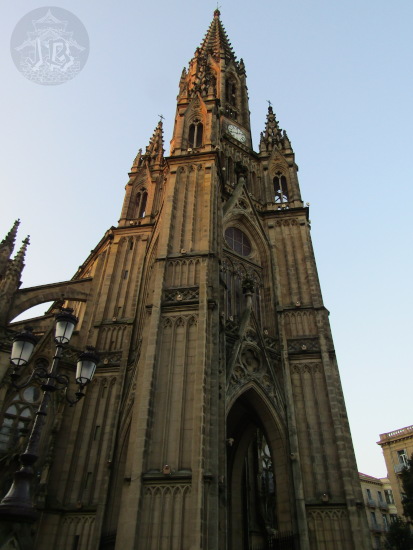
Among them were the beach itself, the “skyline” and the Catedral del Buen Pastor (Good Shepherd Cathedral).

A gothic or neogothic church clock tower, spiky with pointy arches

I wandered around, found the theatre where the film was going to be projected and as the sun started warming up, I started feeling less like a homeless dog.

The sun rising along a promenade

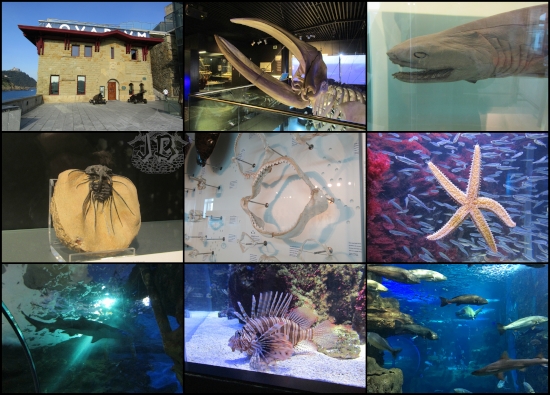
I found the local Starbucks at around 9:00 to get some rest, a coffee, and a cookie before I went to the Aquarium, which opened at 10:00. The Aquarium de San Sebastián is a bit more of a museum than anything else. The first part (second floor) is dedicated to the history of ocean commerce, with different types of ships, and rooms focused on the local harbour, companies, traditional boat racing and whaling. This includes an actual right whale skeleton and several sperm whale teeth and some baleens. The second part (first floor) is dedicated to general fishing and the local oceanography society, including machinery and live specimens.

Finally, after all this, you get to the actual aquarium (yay). There are several small tanks and then a big tank with a walk-through tunnels. The inhabitants are pretty standard, with lots of small fish and several magnifying-glass tanks to make the animals look bigger than they are. The third floor hosts the tropical fish including the piranha and the clown fish. All in all it is a nice place, however, it was under construction and some tanks were covered by dark plastic. After that I left the aquarium and I decided to go up Mount Urquil, which hosts a castle and quite nice views of the city and the ocean.

A small building entrance which yields to the aquarium. Collage showing different exhibits inside: a whale skeleton, a seven-grilled shark in alcohol, a trilobites fossil, a shark jaw, a starfish, a shark swimming above through an aquarium tunnel, a lionfish, sarks swimming in the aquarium

I walked by John Malkovich while heading there, but he did not look like he was in the mood (or the clothes) to be recognised, so I did not bug him. Then I started my climb up the mount towards the the local castle, Castillo de La Mota, along the batteries of cannons. The castle has a small history museum, and a look-out balcony, and the top has been transformed into a church, with a giant Christ overlooking. The truth is I was mostly improvising on my visits as the week was hell between work and the death of a family member.

Views from and of the ruins of the castle - the sea, the wall, and the old cannons

After that I had lunch and headed off to the theatre to check out the coming out of people. At this point I planned to wait for the actor and the director to come into the theatre, but for some reason I checked out the schedule, and the name of the actor had been taken out of the presentation! That made me sad for a little while, but I decided that I was okay with it, that it would not be a drama. I had taken my chance, and at least I had gotten some air after all the pain and drama throughout the week. I guess that helped relativise the sadness. I went to a park near the beach to get some sun and enjoy the last days of summer.

A 19th century building with large windows. A banner on the façade reads Festival de San Sebastián 65

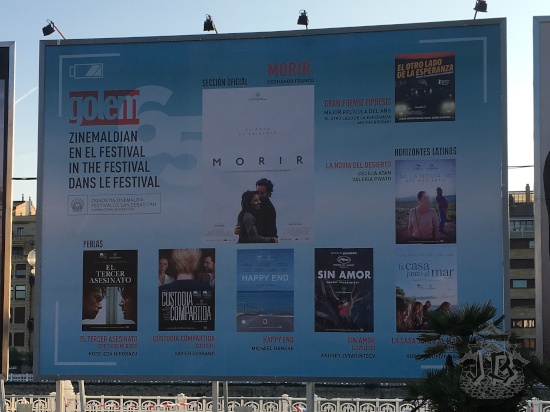
A banner for the cinema festival, showing posters for different films. The third murder is on the bottom left

Around 15:00 I returned to the theatre, Teatro Victoria Eugenia to start lining as I wanted a seat close enough to see the subtitles- and I found a place on sixth row which was pretty good. As this was a special people’s vote session, we got a ballot to give our opinions. Then I settled to wait, and eventually at 16:00 the presenter came in, and to my surprise, she announced Kore-eda and Fukuyama. That made me so happy I could have died right there and then, and the best was still to come. Kore-eda told us about the film. Apparently several people consider that he has changed genre, but he told us that he disagrees and that he still tried to make a human drama. However, he thought that we should judge. Then Fukuyama told us that he enjoyed San Sebastián and that they had been having pinchos and that he was happy to have returned. I was shaking so hard I could barely hold the phone as I recorded.

The stage inside the theatre

Director Kore-eda and actor Fukuyama Masaharu on stage

Promo of the film The Third Murder from the Festival Webpage

All this would have made me very happy already, but there is more. “Sandome no Satsujin”, or “The third murder” tells the story of a lawyer whose job is to defend a man accused of murder. As this would be the defendant’s third murder, if found guilty he will be handed the death penalty. The film is a complex story, completely unpredictable – or I was too enthralled to see the ending coming – but when everything fell into place I felt like gawking.

Furthermore, there was more to come – at the end of the film both Kore-eda and Fukuyama had stayed behind. as I was coming out I looked up and told them “otsukaresama deshita”, and both of them bowed and replied “arigatou”. Then we waited for them to come down from the second floor, from where they had taken the ovation. I dropped my vote and rushed through the red carpet. As other people talked to the director I made a beedive towards Fukuyama. It was then or never, and it turned out to be then.

Director Kore-eda and actor Fukuyama Masaharu waving for a picture on the street after the film

I was shaking inside but I managed to tell them that I had been a fan of his since Galileo times and I asked for his autograph. He told me thank you (at some point the interpreter tried to help, but I was busy dying and trying to get my meaning across). He signed my Galileo booklet and I asked him to take a picture with me, to which he also agreed. And thus I fulfilled my wildest dreams (and look horrible in the picture). After Fukuyama had continued on the red carpet I managed to sit down on a curb and I was on the phone with my friend C*****, who prevented me from going completely hysterical in fanby bliss.

After I told her everything, I was pretty dead so I headed off to he hotel (pension) that I had booked for the night, and pretty much giggled and crashed, and uncrashed and giggled some more. At 23:00 I was completely zonked out, not without realising that I had headed to get some rest without grabbing my freebies and some merchandising I wanted from the festival.

Fukuyama Masaharu's autograph on a DVD booklet

24th September 2017: And back

I left the hotel early, around 8:30 to head towards the cinema area and buy the short Festival guide (not the big one for 22€ but the little one for 1.5€) and get the free newspaper. I bought a coffee to go and headed back to the bus station, when my bus was at 10:00. I could not sleep and the Wi-Fi was not working, but I could watch Youtube videos on the seat screen. I managed to get home around 17:00 after a couple of buses, and I was pretty much dead. However, it was totally worth it. I think this is why I was hyper enough to decide to go to Vienna next month…

11th & 12th June 2017: Highlights of London (England, Great Britain)

As part of my day job, I took a group of customers on a trip to London. Not the best decision in my life, but one that I would repeat a couple of times before I had enough. This was a short getaway – we took off on a red-eye flight on Saturday and we came back on Sunday evening.

Our first stop was The Tower of London, officially called “Her Majesty’s Royal Palace and Fortress of the Tower of London”. The main Tower, “White Tower”, was built in the 11th century, and additions to it were made up to the 1400s. It was designated Unesco World Heritage Site in 1998. The Tower holds an armoury, some treasure, documentation offices, a few shops and the Crown Jewels of England. And, according to the legend, quite a few ghosts.

After the Tower, we took a moment to see the Tower Bridge.

We had a hotel basically at the end of the world, and we decided to go to drop our things off before we continued on the visit. We saw the Wellington Arc in Hyde Park on the way to the royal palace.

Then we fooled around Buckingham Palace.

Finally we went to Chinatown to have dinner…

… and rounded up the day at Piccadilly Circus.

The next morning we headed off to the British Museum. We had breakfast outside because of course it was one of those times when it’s all warm in London. Waffles = ♥

The British Museum was established in 1753, and opened to the public, in its current location, in 1759. It focuses on human history and art, having branched the natural history items to the Museum of Natural History and all the documentation to the British Library. The museum holds the awe-inducing number of 150 million of artefacts from dozens of cultures of the world, both ancient and modern, with amazing Grecian and Egyptian collections (albeit having disputed ownership…)

Inside the British Museum we separated. I left them to have a walk around the most important areas and I walked into my favourite spots (although the Japanese galleries were still closed. I also got a ticket to see the Hokusai – beyond the Great Wave exhibition, which presents a number of Hokusai’s works organised in series or topics. One is waves, and it shows how Hokusai experimented with textures, shapes, swirls and foam until he found the “perfect” wave – his most famous work, the Great Wave. There is a series on people, another one on mythology, and another one on himself and his family.

After I was done and we had met up again, I helped them found some stuff that they had not seen but still wanted to. Then, we headed off to the Westminster area to see the Big Ben, and although there was some scaffolding already visible, we managed to see the whole thing.

Finally, we headed off to the airport to get back home.

6th & 7th May 2017: Cuenca (Spain)

If I ever go missing, especially with my car, don’t go around looking for me in Cuenca . I would have a nervous breakdown trying to drive through the streets and slopes. I’m not sure what time we arrived, maybe mid-morning. We had a reservation to have lunch at the Parador. However, to get there we had to drive up a horrible, horrible hill with a terrible paving and park too close to the cliff so #no.

Cuenca is considered a World Heritage City. It has a classical, mostly Medieval area, and a normal / standard area surrounding that. The inner cluster is virtually carless as the streets are narrow and steep. It is perched on the Huécar Gorge and as you can see, a vertical rock wall.

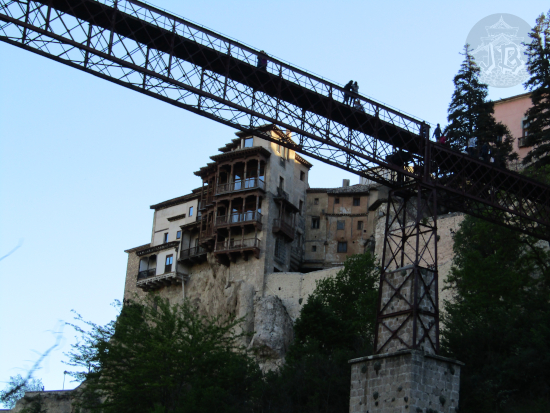
We had some time before we had to go for lunch, so the first thing we did was go have a look at the Casas Colgadas, the hanging houses that overlook the Huécar Gorge. Inside there is a contemporary art museum that I visited once already so there was no incentive to look again – you know, the kind of abstract art that showcases a plus-symbol and you’re supposed to interpret.

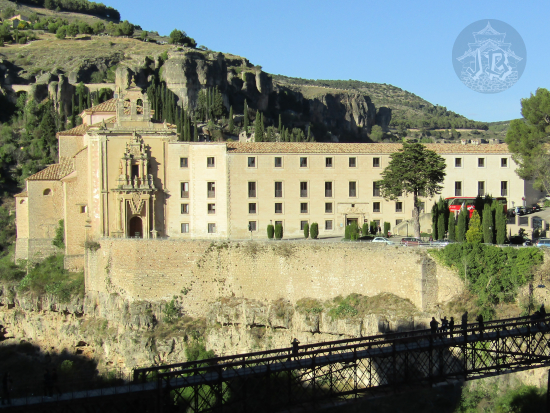
We had lunch at the Parador de Cuenca. A Parador is a high-end state-owned hotel usually with a good restaurant. More often than not, a Parador is located in a renovated historical building. This one is a former monastery, and the restaurant is located, if I remember correctly, where the original dining room would have been.

Main dishes were forgettable (and not photogenic) but the curd or “cuajada” for dessert was to die for – and it came with a lot of extra goodies.

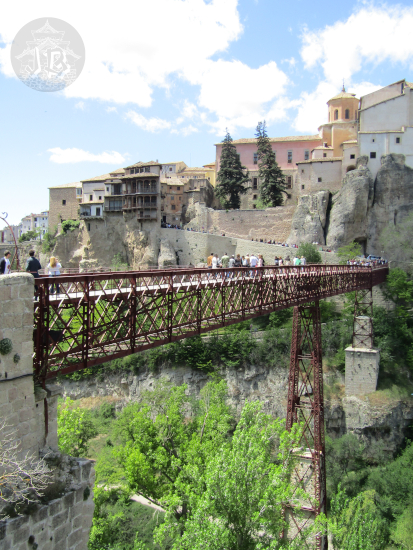
In order to get to the town centre you have to cross the scary, scary bridge aka the Puente de San Pablo, St Paul’s Bridge, over the gorge, but I survived – without a freak-out (≧▽≦) and you might be aware that I am not a fan of heights.

We had lunch, then moved (over the scary scary bridge) on to see the Museo de las Ciencias de Castilla la Mancha, the Science Museum of Castilla La Mancha – unfortunately the dinosaur area was closed, so we “only” got to see the super steampunk clock and the energy wards, and the tornado simulator, along to some kind of reproduction of the International Space Station.

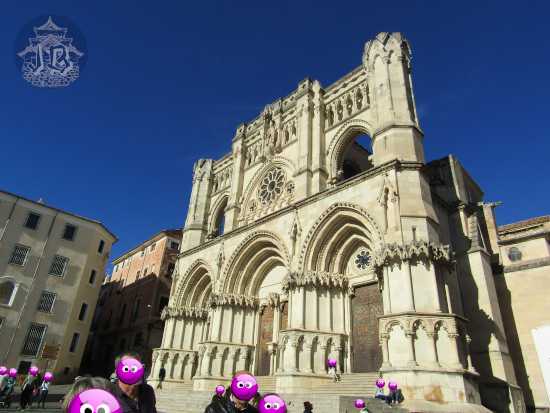
After the museum we walked a little around the town. We went to the cathedral, Catedral de Santa María y San Julián de Cuenca, but it was closed due to some religious service or another. I mean… that’s its main purpose I guess? (≧▽≦)

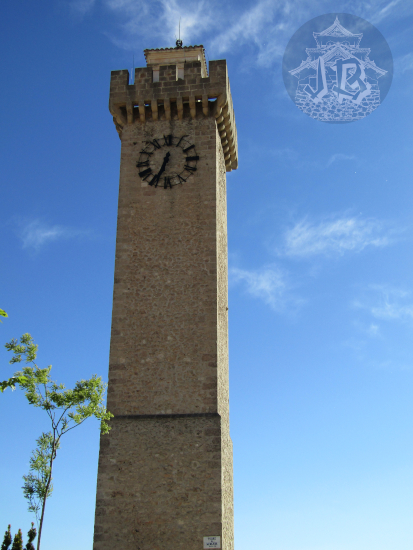
Then we found the Torre de Mangana, Mangana Tower, a clock tower dating from the Sixteenth Century. From underneath the tower there is quite an impressive sight of the area surrounding the city.

We went back to the car and we had a drive around the city. Cuenca is located in the middle of a karst area. Karst is a type of landscape formed by the dissolution of soluble rocks e.g. limestone or gypsum. You can see how the rock seems to be “molten” among all the pines.

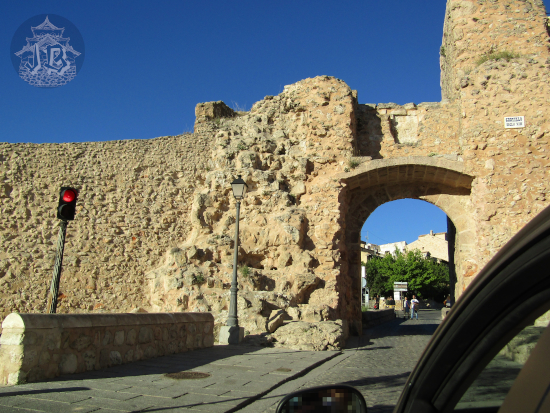
We reached the Castillo and Murallas (castle and walls) on the other side of town but we had to drive back due to the streets being cut for the same religious event we had run into before.

Thus, on our way back, we drove at the bottom of the Huécar Gorge and headed back to the hotel.

This was about six or seven in the evening, and we did not go out again because we were way outside town. We had dinner in the hotel and called it a day eventually. I ordered the kids’ menu because everything else was too fancy and abundant.

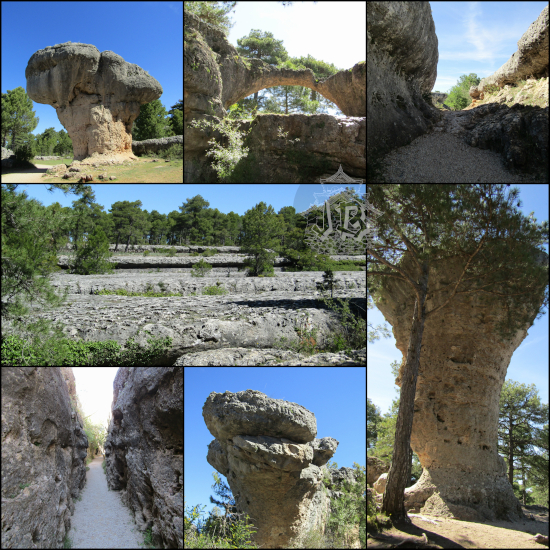
The next morning we woke up early to visit the Ciudad Encantada / Enchanted City. This is another karst topography which has somehow become very famous. Some of the rocks have interesting forms, and have been given names. It is a sort of geological park formed by rain falling on the rocks and dissolving them for millions of years. The original rocks were a mix of of limestone and dolomite in different proportions, which ended up dissolving in different shapes.

After walking around for a couple of hours we went on our return trip.

27th December 2015 – 1st January 2016: Scotland (Great Britain)

A friend and I decided to organise a New Year’s Eve getaway to Scotland, and I used the opportunity to get some stuff and redtape out of the way, so you might notice some chunks of time missing. Furthermore relationship with Scotland is complex and bittersweet, so I’m not sure how this post is going to turn up

The first part of our trip was based in Edinburgh. We arrived rather late in the evening so we just got to Waverly Station and walked to the hotel to get some rest before we started off the adventure.

Edinburgh

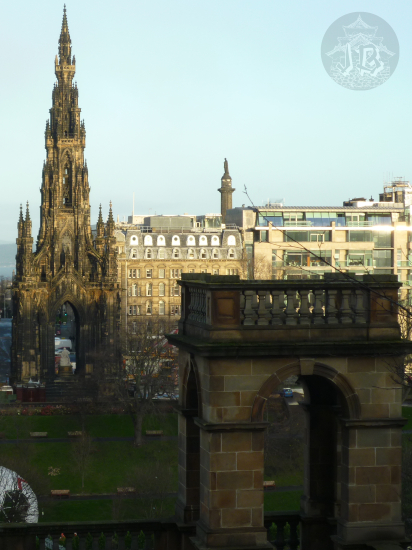
Edinburgh is the capital of Scotland, and it is a dark city, but not in a bad way. The dark, moss-covered rock seems designed to absorb any little beam of sunlight and warm the houses. In our first morning we had a walk around Princes Street Garden, where the Scott Monument, a memorial in honour of the writer Sir Walter Scott, stands. There was also a Christmas market standing.

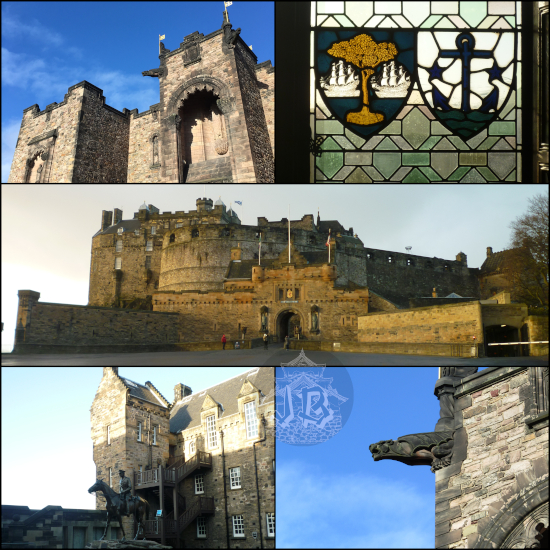
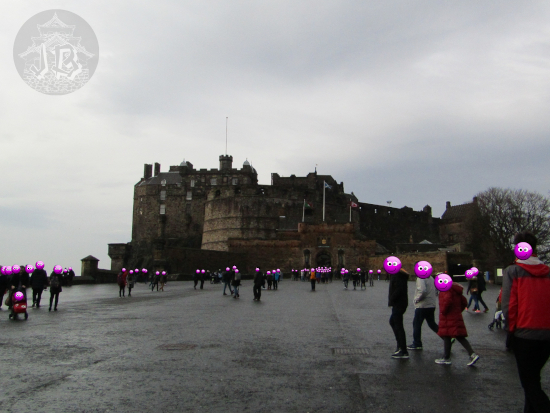
We climbed up Castlehill to visit Edinburgh’s castle, in the Old Town. The castle stands on an extinct volcano and some of the archaeological remains can be traced back to Prehistory! The first castle is thought to have been built around the year 1000 BC, which means the foundations are 3000 years old! The site of the castle includes, among other dependencies, The Royal Scots Dragoon Guards Regimental Museum, National War Museum, the Royal Palace, St. Margaret’s chapel, and a couple of distilleries. Due to its vantage point, also features a great view of all the Edinburgh area.

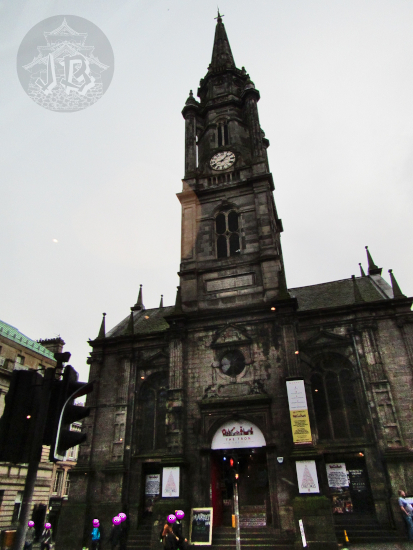
We walked back down Castlehill and made a stop at The Tron in the City, a former church turned artisan flea market.

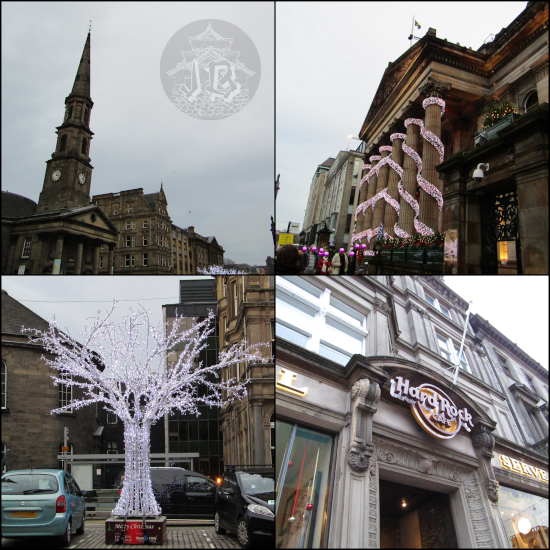
My friend is a Hard Rock Café collector, so we went to the George Street area, which was decorated.

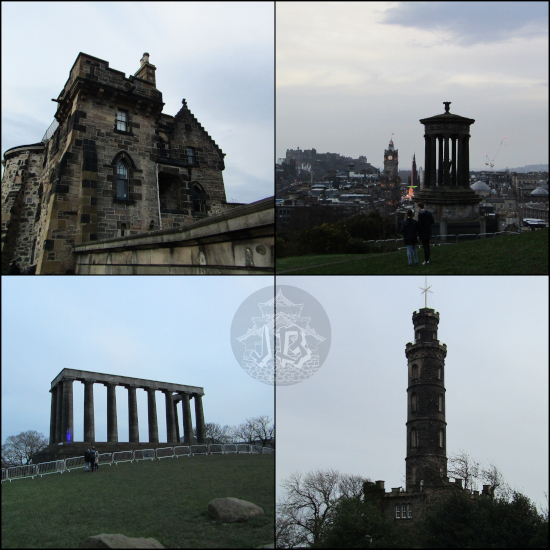
After lunch, we walked to Calton Hill, a hill / park area located near the centre and that hosts the Dugald Steward Monument, the National Monument and the Nelson Monument.

Then we met with a local friend to have dinner (bangers and mash!) to The Elephant House, the so-called birthplace of Harry Potter, where JK Rowling went to write the novels.

On our way back we saw some of the illuminated views, most prominently the Christmas market and the Balmoral hotel.

Glasgow

Aside from all the emotional baggage associated with Scotland, I can say that Glasgow is one of my favourite cities in the world. Most of what we did was walking around even if the weather was nasty at points. As we came out from Queen Street Station, our first visiting spot was George Square and the Glasgow City Chambers, and we had lunch in a Greek restaurant that I love over there.

But we quickly moved over towards Saint Mungo’s Cathedral, also known as the High Kirk of Glasgow. It is a 12th century building built in North Europe Gothic style.

Afterwards we walked up the Necropolis, a Victorian graveyard on a hill behind the cathedral. Today it is a great place for a stroll, aside from a place with way too much history for a humble blog post.

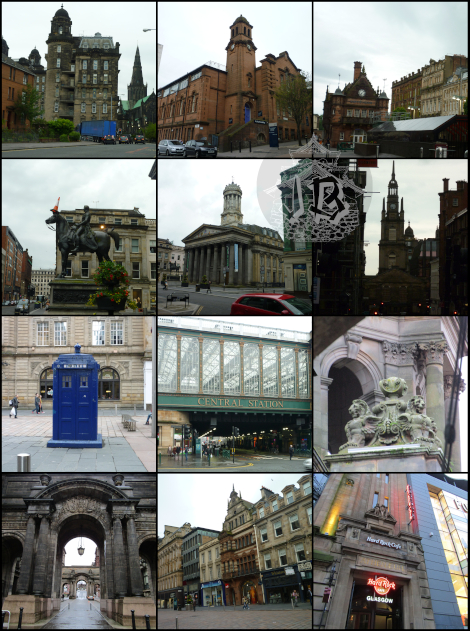
We strolled up and down Buchanan Street and the Central Glasgow area a few times – Queen Street, Central Station, the museum of modern art, the Japanese restaurants… We stopped at the HRC again, the Mandela Monument and dropped by St. Enoch’s shopping centre to see the light reindeer and warm up.

We walked to the Glasgow Cross area then, with the Tolbooth Steeple, the clocktower that marks the entrance to the Merchant City.

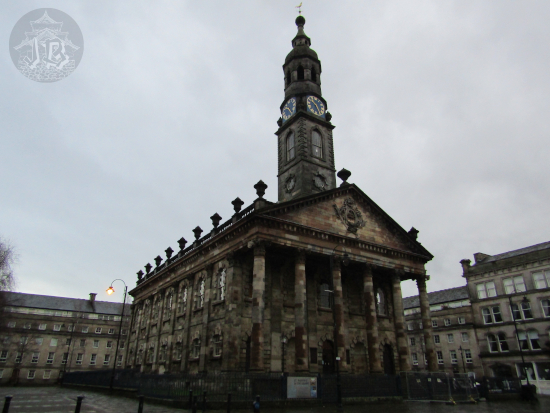
We came across quite an amount of interesting buildings in the Merchant City, among them St Andrew’s in the Square.

Another of the places we visited was Glasgow Green, which was half flooded due to the storm.

And when the weather became so bad that the sleet was making impossible to stay out on the streets, we visited the Riverside Museum, the Museum of Transport of Glasgow, where we had some delicious scones too.

We tried to see Dumbarton Castle, but it was closed down due to wind and the storm, so in the end we just took a ride there and walked around.

On the 31st we had dinner at a very nice Japanese – with awesome staff. Then we bought some provisions and headed to the B&B.

At night we were surprised by the fireworks so we ran out of the B&B room to find them.

And on the first we were treated to a rather… unimpressive… first sunrise of the year.

When we flew back I had one of the most surreal experiences ever – we had bought a pack of scones for breakfasts and snacks, and somehow it became tangled in my phone wires. Well, turns out that wired-tangled scones look one hell of a lot like bombs on X Ray machines! The poor Scots security guard was first deadly pale, then so relieved that I was not carrying a bomb!

3rd April 2015 (Good Friday): Carcassonne {France, Easter 2015}

For my final day we went to visit the nearby town of Carcassonne, which is famous for having a medieval fortified citadel, the Cité de Carcassonne , which can be traced back 2,500 years, to the Gallo-Roman period. It’s been a Unesco Heritage Site since 1997.

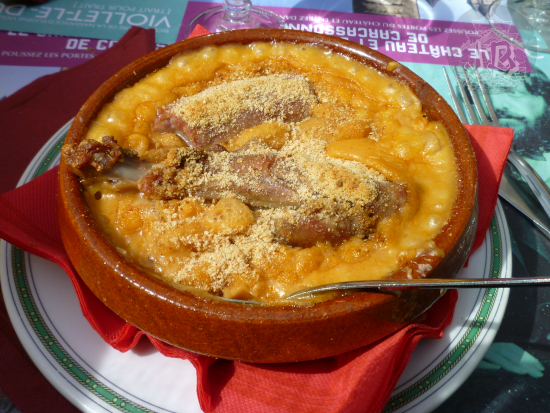
We wandered around the citadel for a few hours, and we had lunch, the famous (so I was told, I had no idea at the moment) cassoulet, made with white beans, duck confit, sausages, pork and mutton, served in a cassole. I remember this as super heavy but I have this obsession to eat everything I’m served, so I finished it – maybe I shouldn’t have.

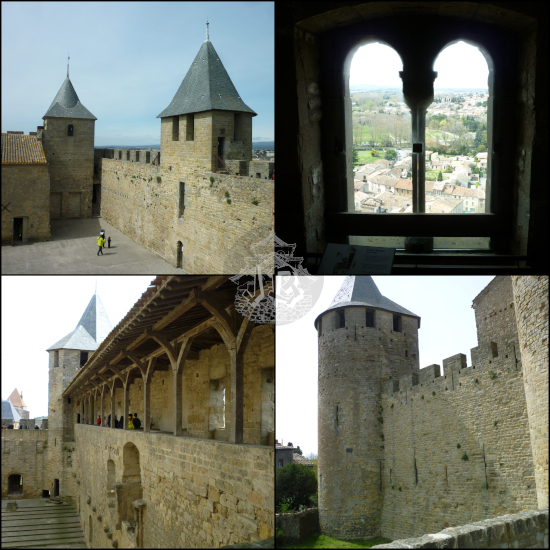
Placed we visited included the Château Comtal, the Counts’ Castle, dating from the 12th century…

… the walls…

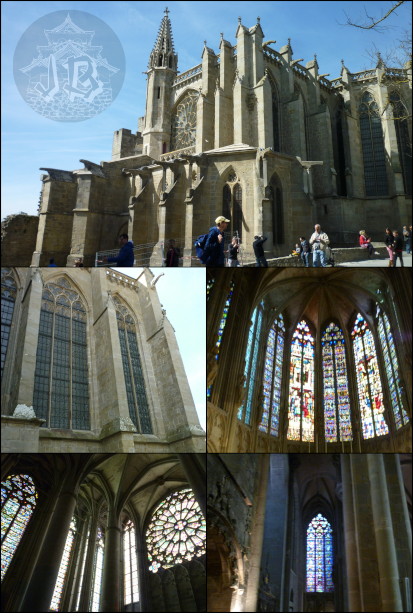
… The former cathedral of Carcassone, the Basilica of Saints Nazarius and Celsus

The Église Saint-Nazaire, the church of Saint Nazaire…

… the Porte Narbonnaise, one of the castle gates…

… and the Cimetière de la Cité, the graveyard.

After that, we headed back to the train station and back to Toulouse as the following day I was flying back home, and France said goodbye with a neat sunset.

1st April 2015 (Spy Wednesday): Saint Malo & Nantes {France, Easter 2015}

We got up on to see sunrise (okay, not really sunrise but early morning) at the ocean before we headed off.

Our first stop was Saint-Malo, yet another fortified city by the sea. It can be traced to the 1st century, but the modern Saint-Malo is cemented on a 6th century monastery. In the 19th century, Saint-Malo was a nest of pirates, and it was destroyed during WWII, but rebuilt shortly afterwards.

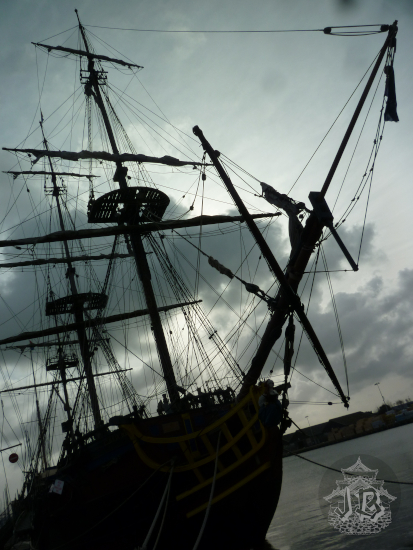
We left the car in the outskirts of town and we headed towards the actual walled city, coming across the Etoile du Roy ship first. The Etoile du Roy is a sixth rate frigate with three masts, built in imitation of a warship from the Nelson era. Today it can be rented for events.

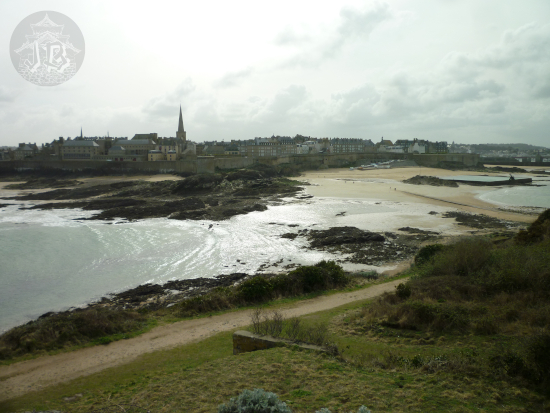
We reached the walls and headed off to the beach where the Fort National stands.

We strolled around for about an hour or so, and I really liked the old city.

After a while, we walked back towards the city and saw the Cathédrale Saint-Vincent-de-Saragosse de Saint-Malo and the remains of the cloister. The building was originally Romanesque / Gothic, but it was damaged during WWII, and rebuilt in the late 20th century.

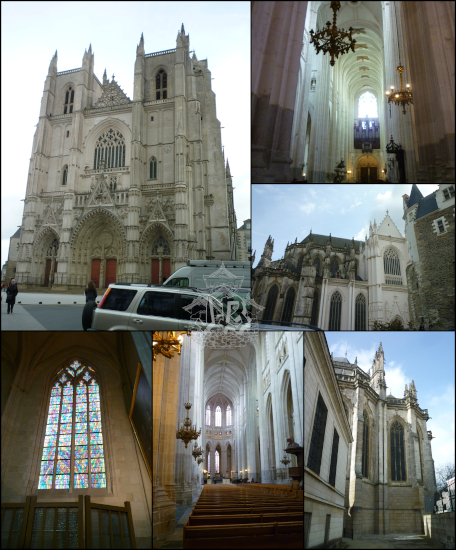
We had lunch in a Japanese restaurant because when we went into the tourist centre we found a visiting card, then we headed back towards the city of Nantes. The drive towards the city was all right but entering the centre was nightmarish, as we got caught in rush hour. We went to the cathedral, the Cathédrale Saint-Pierre-et-Saint-Paul de Nantes, a Gothic building that was started early in the 15th century but was not finished until almost the 20th!

Afterwards, we moved on towards the Château des ducs de Bretagne, a reconstruction of the castle of the Dukes of Brittany, a thirteenth-century fortress.

Finally we pumped some petrol, returned the car, paid for the extra kilometres we had driven, and took a plane back to Toulouse to just have a snack and get to bed.

28th & 29th March 2014: London (England, Great Britain) for VAMPS

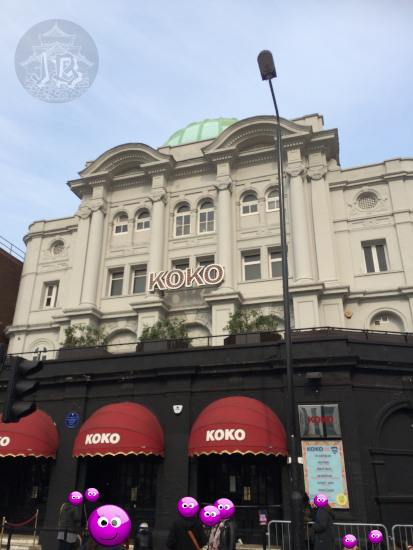
A friend convinced me to attend this VAMPS concert in London by paying for the VIP upgrade in advance. I took a red-eye flight on Saturday morning to Gatwick and went directly to Camden, where the venue, Koko live house, stood.

The venue, a neoclassical building with a marking reading Koko

Aside from the run to the hotel, I spent most of the day in the queue, which was rewarded when I got an autograph from HYDE himself on the Sex Blood Rock ‘n’ Roll album.

Hyde's autograph on the Sex Blood Rock n' Roll CD

It was probably due to the high of the autograph, but this is one of the best concerts that I’ve ever attended, with lots of amazing songs, and I had a great time. I did not freeze during the Meet and Greet, and I shook hands with both members, mumbled something along the lines of “thanks for the autograph” to Hyde and “thanks for the pick” to K.A.Z, referring to the one I got in Barcelona. Then I bounced off the evening with most of the songs:
  1. Devil side
  2. Redrum
  3. The past
  4. Secret in my heart
  5. Replay
  6. Dolly
  7. Sweet Dreams
  8. Life on Mars?
  9. Hunting II
  10. World’s end
  11. Angel trip
  12. Trouble
  13. Midnight celebration
  14. Revolution II
  15. Memories
  16. Love addict
  17. Sex Blood Rock N’ Roll

The venue at night

The next morning my friend went off to the airport first thing in the morning. I was not travelling back till the evening, so I took the chance to… Well, first things first, I took the chance to get myself to a Costa Coffee and get a vanilla latte.

A Costa coffee dispossable glass

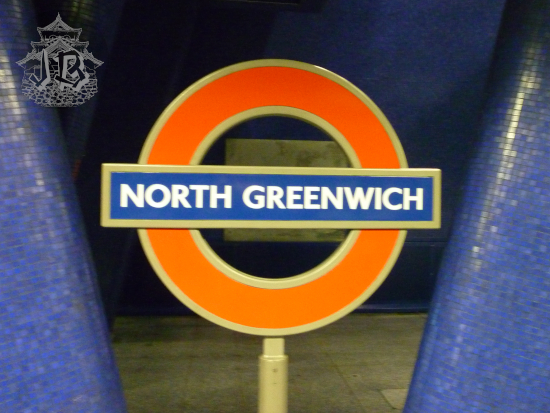
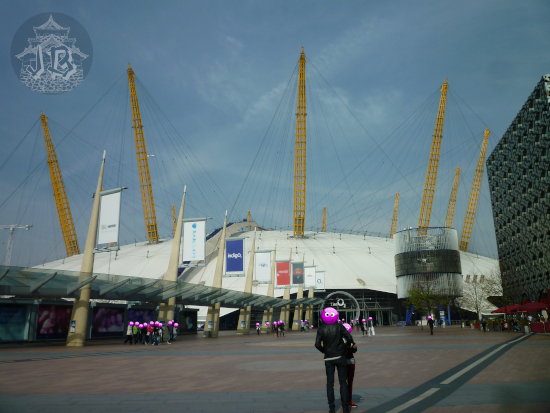
Then I took the underground towards the end of the world, or more precisely the end of the Jubilee line – to North Greenwich. I took the O2 Arena exit, to say hi the IndigO2, where I had been once back in 2012 to attend the L’Arc~en~Ciel World Tour, the first and only time I’ve ever seen them.

North Greenwich undergrond station

The O2, a huge tent with crane-looking structures that reminds one of a giant hedgehog

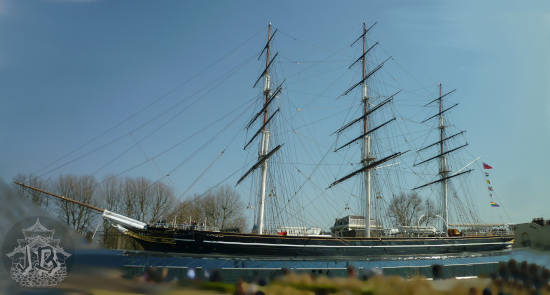
I left the O2 Arena behind, and walked about 20 minutes towards the Cutty Sark, a tea clipper built in Dumbarton in 1869. It took eight trips to China to trade for tea and other items. Its history involved mutinee, murder, trampling of cargo and travels to Asia and Australia. In the 1880s it was considered one of the fastest ships if not the fastest sailing the ocean.

A landed sailboat

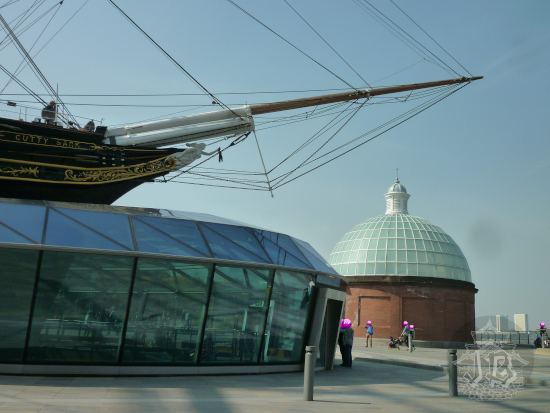
The Cutty Sark’s figurehead is the witch Nannie Dee, created by Robert Burns – in the poem a man falls in… love or lust… with a witch during a coven meeting that he’s spying, and the witch chases him away, getting away with the tail of his horse, that you can see in her hand.

Close up of the ship. It is perched on a glass structure that gives away tot he museum

The steam engines made sail-ships obsolete, but the Cutty Sark was active until the 1950s, when it was rammed by another ship on the Thames. In 1954 it was moved to a custom-dock in Greenwich to become a museum.

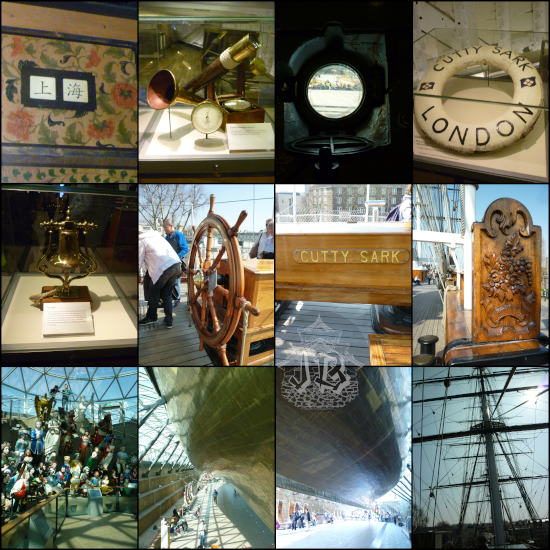
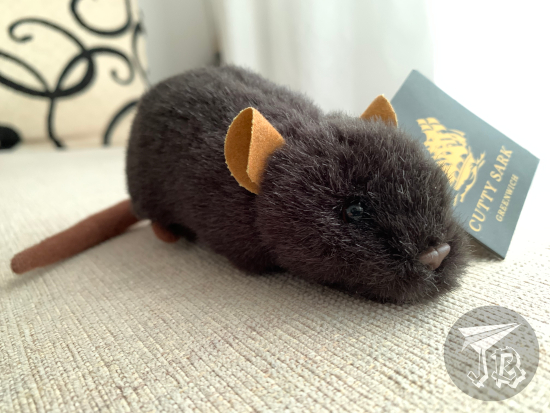
I wanted to see the exhibition inside, which turned out out be about Chinese tea and the history of the ship, which was not unexpected. I bought a pet-rat souvenir plush because I found it adorable. In 2007 it was ravaged by a fire, and extensive rebuilding works were undertaken, which included building a new support of glass and steel that would also become the new visitor centre when the museum reopened in 2012 (when I was there in 2012 it was not yet open. I guess this was an itch I had to scratch).

Different objects in the Cutty Sark museum - tea boxes, sailing instruments, the steering wheel, marionettes, one of the original floaters

A small black rat plush with the Cutty Sark tag

Oh, and by the way… here’s the binnacle!

An actual binnacle compass

I walked back towards the underground and by the Thames riverbank.

Thames and riverbank

There stands the Old Royal Naval College, a Unesco World Heritage site build between 1696 and 1712 – it was originally conceived as a hospital and it became the Royal Naval College in 1873.

Naval college. A symmetric Neoclassical building, with columns and a green lawn

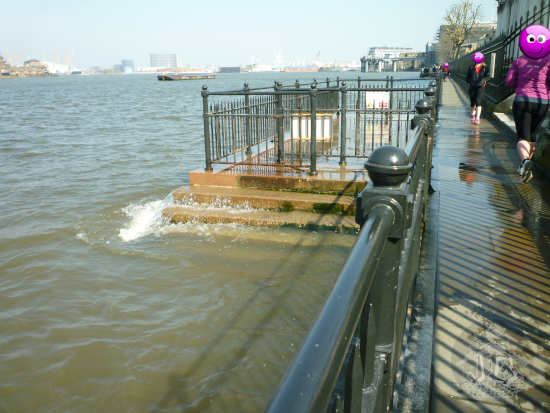
Continuing on the riverbank, you can see the floodgates in the background.

Small waves at the walk near the river

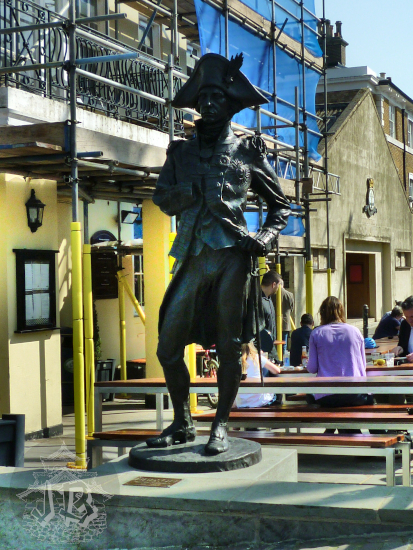
I paid my respect to Admiral Lord Nelson Statue and went on.

A sculpture of Nelson, with his right hand

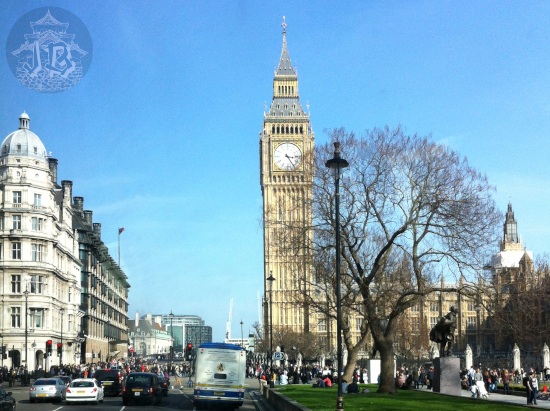
I had to take a bus at Victoria Coach Station to go to the airport, and I got a very nice tour of the city, with the Big Ben and Houses of Parliament

The Big Ben or Elizabeth Tower

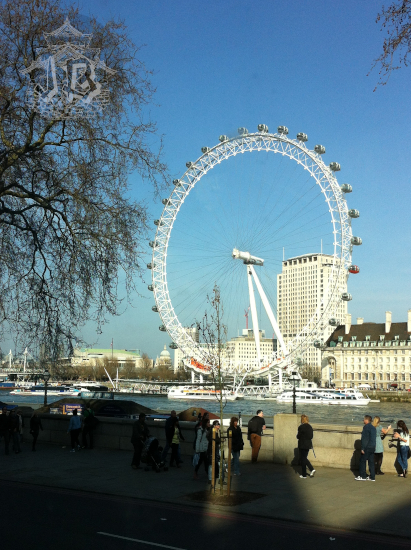
… the London Eye

The London Eye, a giant ferris wheel

… and the Tower of London.

The Medieval Fortress Tower of London

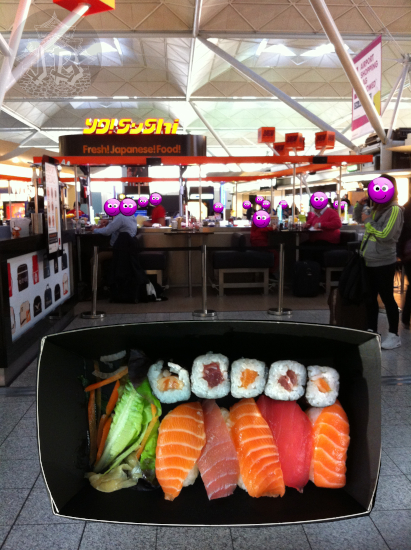
Once at the airport, I had some Yo!Sushi dinner – not the best, but hey I take sushi wherever I can find it because yay sushi.

Sushi dinner

30th December 2013 – 1st January 2014: New Year’s in Toledo (Spain)

30th December 2013: Arrival in Toledo

We took an early train to get to Madrid, and transferred to the high-speed line (AVE) to get to Toledo – the ride from Madrid was barely half an hour. Toledo is known as “the city of the three cultures” as during the Middle Ages, Christians, Muslims and Jews managed to live in peace there, and make it prosper. Today it is a tourist hub in the centre of Spain.

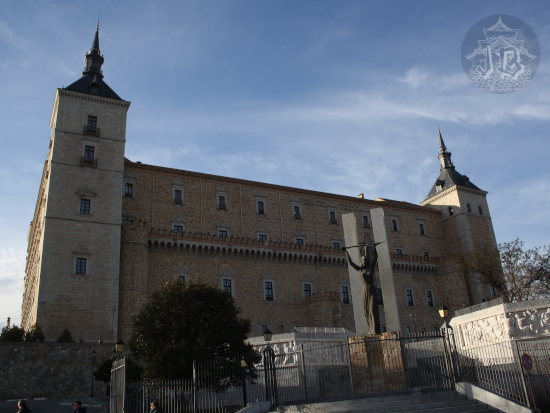
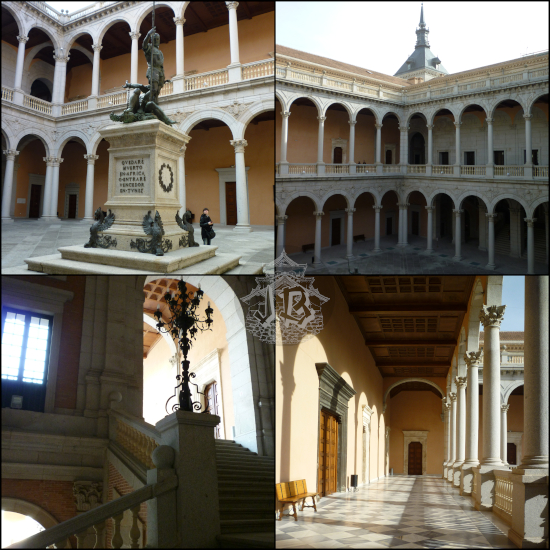
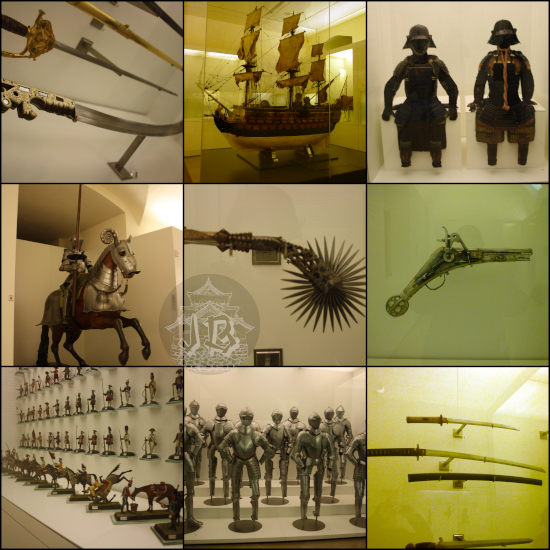
The first thing that we did was head off to the Alcázar (Muslim castle) – although it was originally built by Romans in the third century, its current look is owed to the restoration carried out in the 1540s. However, it had to be restored after the Spanish Civil War. The Siege of the Alcázar was one of the most symbolic victories on the Nationalist band. The Alcázar was under siege during the whole summer by Republicans trying to take it over, but in the end, Nationalist reinforcements arrived, chasing the Republicans away. Today, the Alcázar is an important cultural building (where the bullet holes can still be found) and hosts the Museum of the Army, Museo del Ejército.

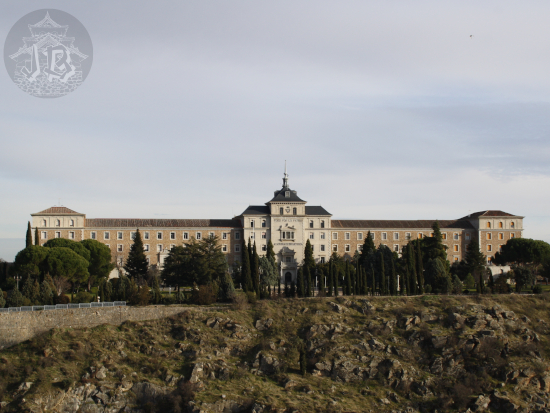
From the vantage point of the Alcázar, we could see the Academia de Infantería (Toledo Infantry Academy), built in the 20th century in imitation of the Renaissance and Herrerian style.

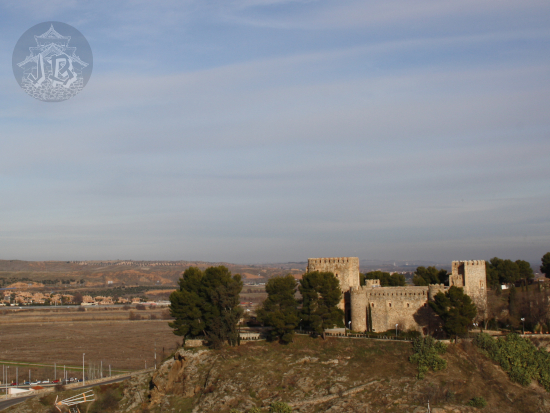
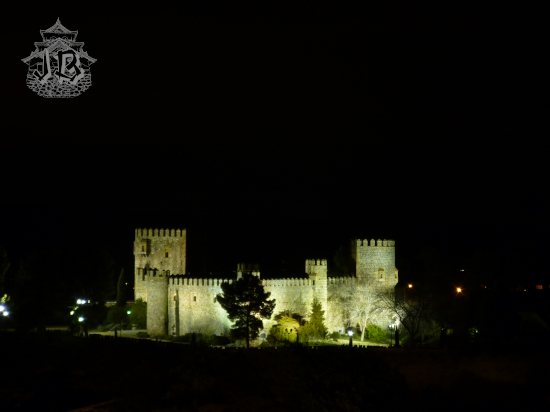
We also saw the Castillo de San Servando, the Castle of San Servando, a fortified Knights Templar enclave. Fine, it started off as a regular monastery, but it was later given to the Knights Templar in order to protect the city.

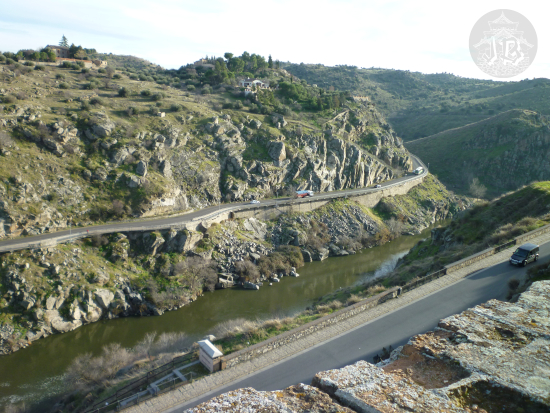
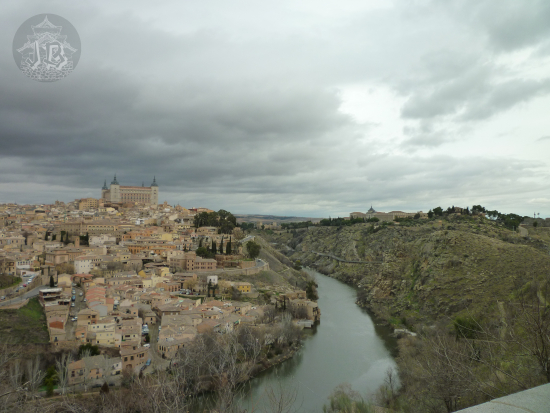
Both buildings are on the other side of the Río Tajo, the Tagus river, the longest river in Spain.

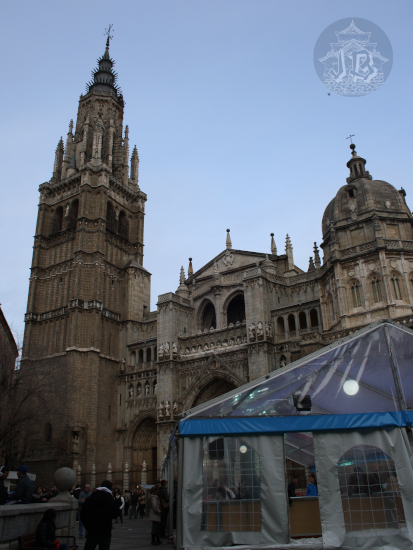
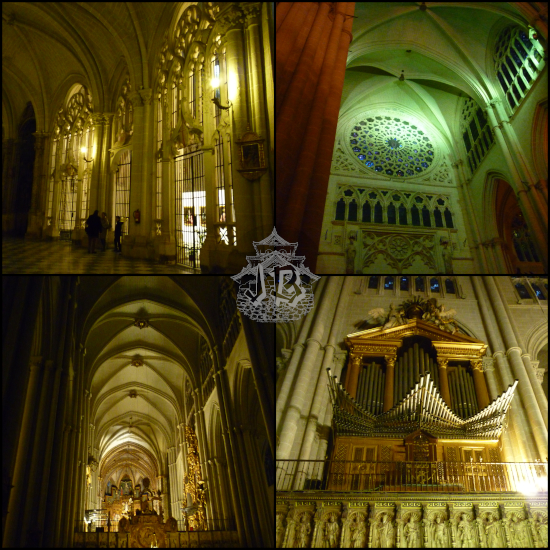
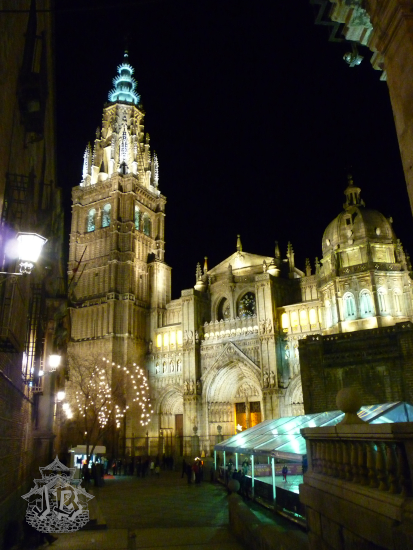
After having lunch and checking into the hotel, we visited the cathedral Catedral Primada Santa María de Toledo (Primate Cathedral of Saint Mary of Toledo). The cathedral, built in Gothic Style, was erected mainly throughout the 13th century, even if it was only finished in the 15th century. It sports two asymmetric towers, well, one tower and a small Mozarabic chapel in place of the other one.

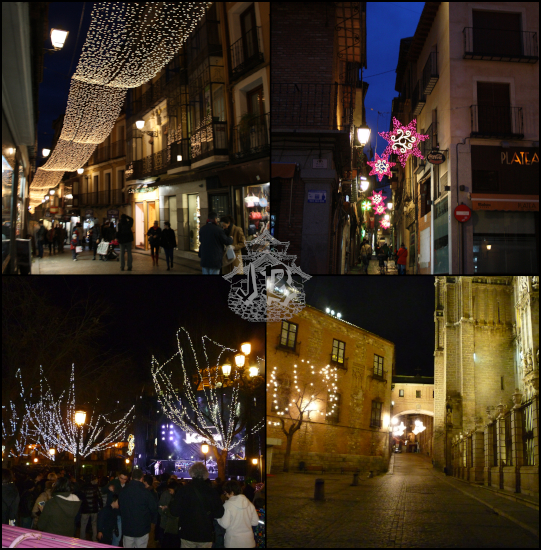
By the time we came out of the cathedral, night had fallen – truth is that we missed a little on the pretty windows due to it being darkish outside already. Nevertheless, this treated us to some nice night views. First of all, of course, the cathedral itself…

The Alcázar once again…

… and the Castle of San Servando.

We then walked through the Plaza de Zocodover, one of the city squares, where the old Muslim for cattle and horses was. The current layout was set in the 16th century after it burnt down in a fire.

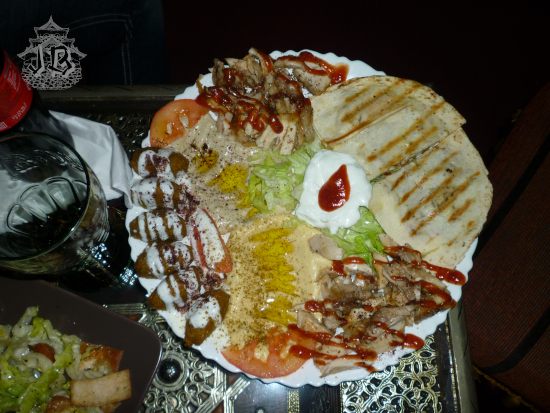
We walked around the old town for a while until we found a place to have dinner, a Middle-East restaurant called La Casa de Damasco, one of the few times I’ve had real food from this area. I have to say I really enjoyed it.

31st December 2013: Churches and Birds

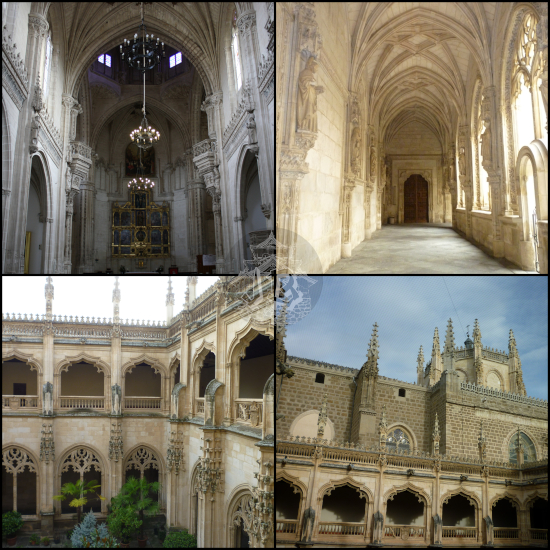
We started off the day at the Monasterio de San Juan de los Reyes (Monastery of Saint John of the Monarchs) is an Isabelline style Franciscan monastery. It was founded by the Catholic Monarchs to celebrate the birth of their son along with their victory in the Battle of Toro, in the late 15th century. It has a beautiful Gothic cloister.

Our next stop was one of those things that breaks my brain, a Christian Mosque, Mezquita del Cristo de la Luz. It was built in the year 999 as Bab-al-Mardum mosque, but it was turned into a Christian Church in 1085. I’m torn between rolling my eyes at Religions needing to assert dominance and being grateful the Mosque was preserved for us to visit.

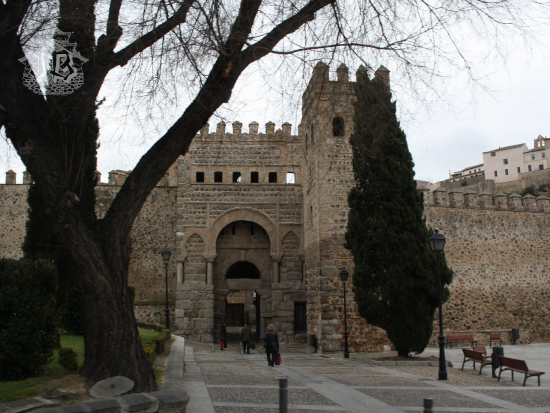
Close to the Mosque stands one of the gates of the old walls, the Puerta del Sol, the Sun Gate, of the city walls.

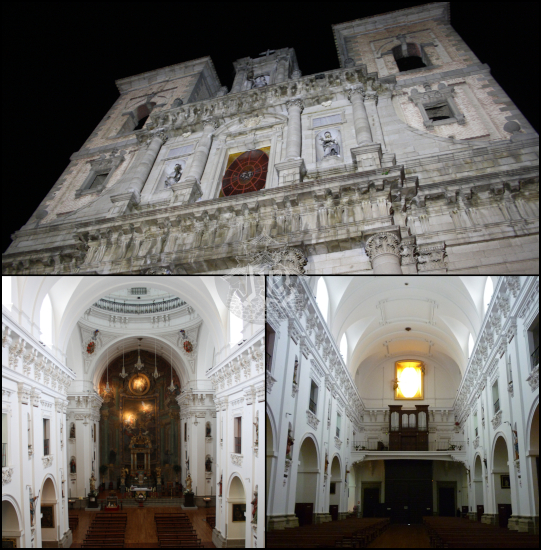
Our next stop the Iglesia Jesuita de San Ildefonso, a church dedicated to Saint Ildefonsus, the patron saint of the city. Construction started in the early 17th century and ended in the mid 18th century, in the Baroque style.

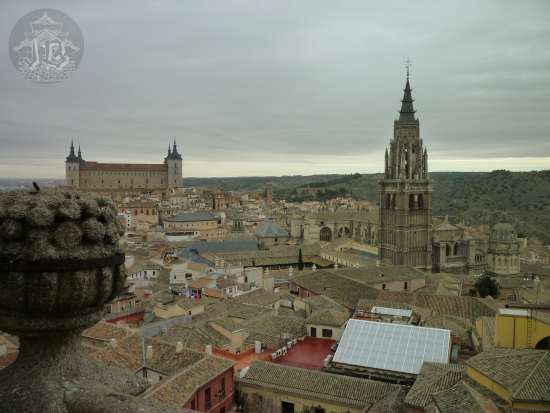
From the upper towers of the church, there was a great view of Toledo.

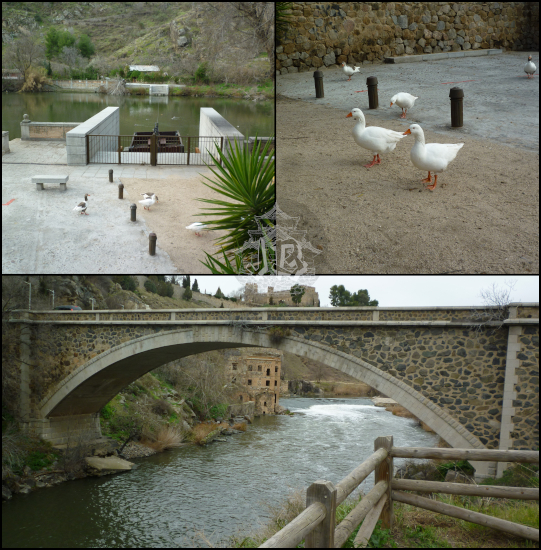
We decided to walk down towards the river, Río Tajo, where we met a flock of geese (which I’m happy to report had not lost their heads to any kind of stupid animal-hurting tradition).

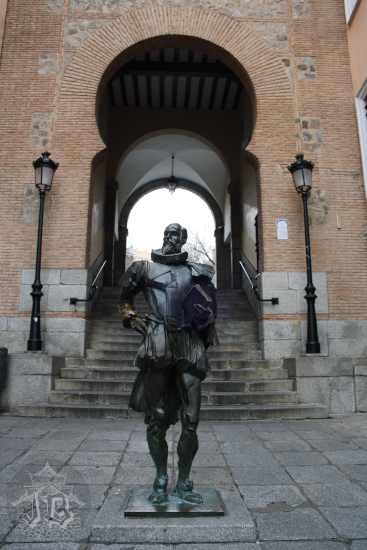
As we continued, we walked past a sculpture to Miguel de Cervantes, Estatua de Miguel de Cervantes, the author of the acclaimed “Don Quijote” book. The statue is placed beyond the Arco de la Sangre , the Blood Archway, that leads into the Zocodover Square.

As darkness rose, we had dinner in a Chinese restaurant. While we did, the lights turned on, and the city got ready to welcome the New Year with fireworks.

1st January 2014: Views of Toledo

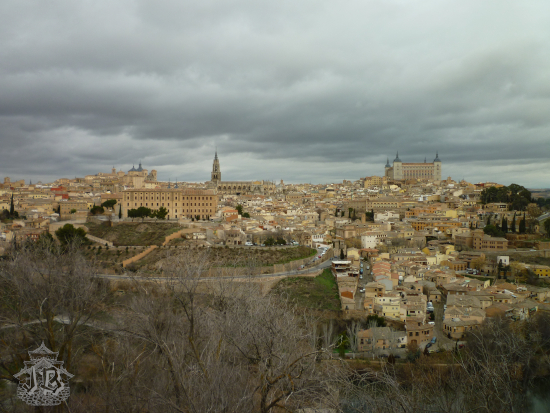
We slept in, and after an early lunch (Chinese, again, as we were feeling decadent), we booked a ride in the “tourist train” that took us to see some of the most amazing views of the Medieval Town from the vantage points on the other side of the Río Tajo.

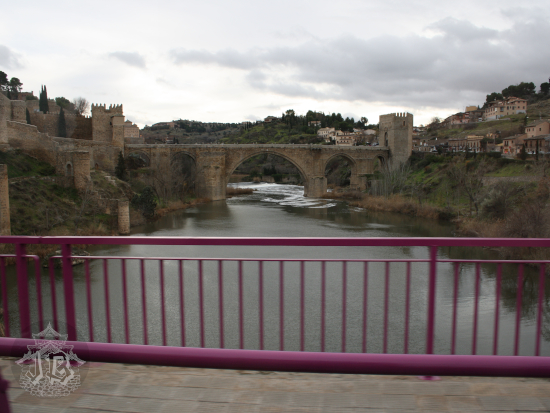
On the way back we saw the Puente de Alcántara, a Roman arch bridge built upon the foundation of the city after the Celtic settlement was taken over.

The ride ended up on the other side of the city than the one we had been favouring, so we just walked round the walls that fortify the city, the Murallas de Toledo, which are of Muslim origin over Roman foundations. King Alfonso VI is credited with finishing off the walls, and he named one of the gates after him: Puerta de Alfonso VI.

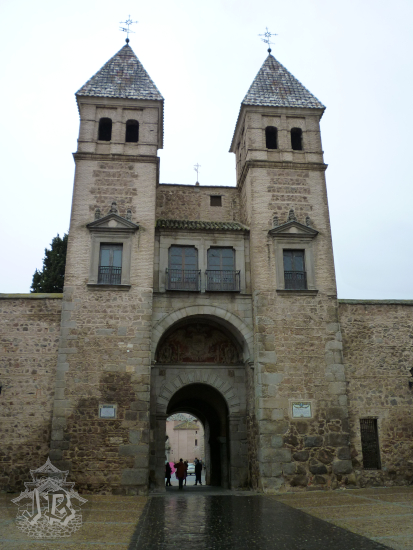
Another of the gates is the Puerta de Bisagra, the last of the monuments we visited before we headed back home the following morning.

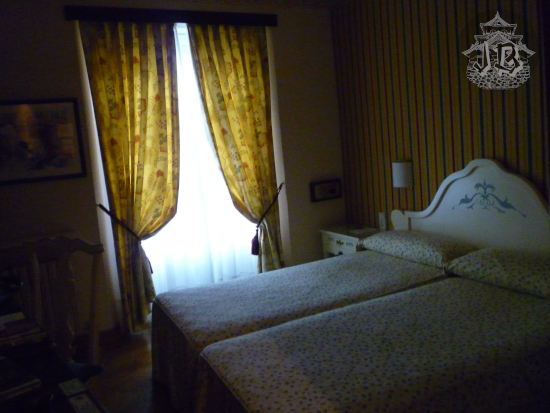
One of the creepiest moments in this trip was realising that our key could open a room which was not ours – we got off on the wrong floor and we went down the corridor to the room door, and opened it. It was not our room. We were very quite put off by this, and it turns out that we had a master key. Finding this was a little freaky, and we tried to complain to the hotel. Furthermore, they wanted to charge us for keeping our luggage for a few hours.

Oh, and I caught a cold during our 31st at night escapade. Because of course I did.

27th & 28th July 2013: Segovia (Spain)

27th July 2013: Echoes of a Roman Past

We took the train early on Saturday and arrived in Segovia in mid-morning. Segovia is a Spanish city of the Inner Plateau, located in the autonomous community of Castilla León. It has gained fame because of its many monuments and landmarks, the main being the Roma aqueduct in almost perfect condition, the cathedral and the castle (which may have served to inspire certain mouse-company for the Cinderella Castle). The city centre has been a world Heritage site from 1985 and the aqueduct received the title of International Historic Civil Engineering Landmark in 1999.

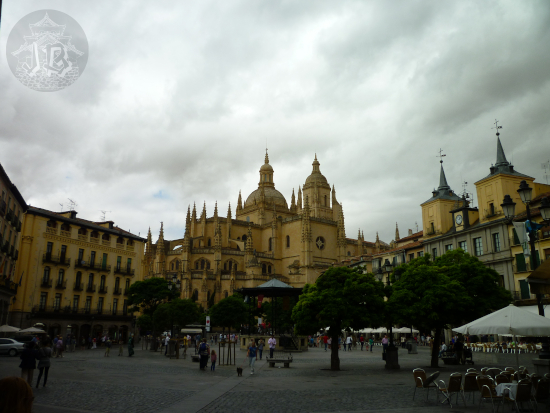
We checked into the hotel, which was dead in the centre of the Main Square and then we visited the Catedral de la Virgen María, the cathedral. The building was constructed between 1525 and 1577 in a late Gothic style that had already phased out in the rest of Europe. We saw the cloister, the chapels and the apse.

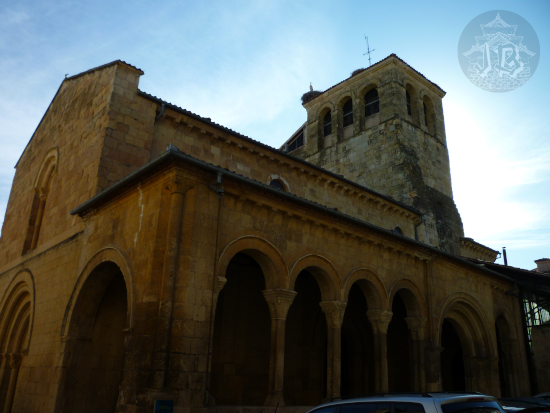
Then we moved onto the Iglesia de San Martín, St Martin’s church, built in the 12th century in the Romanesque style, with a Romanesque-Mudejar tower bell.

We then took a walk around the city centre, and we came across the Palacio de Cascales, a 15th century palace that belonged to the Alpuente Count.

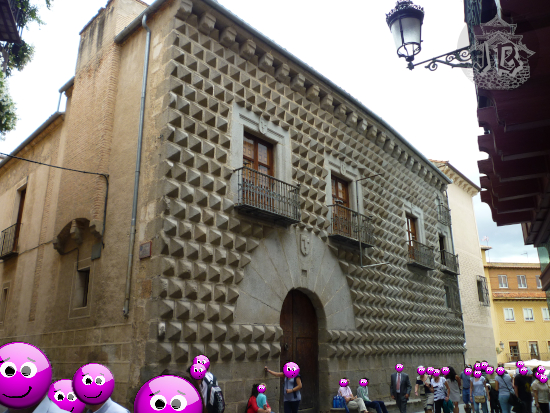
We passed by the Casa de los Picos, the “House of Peaks”, also built in the 15th century.

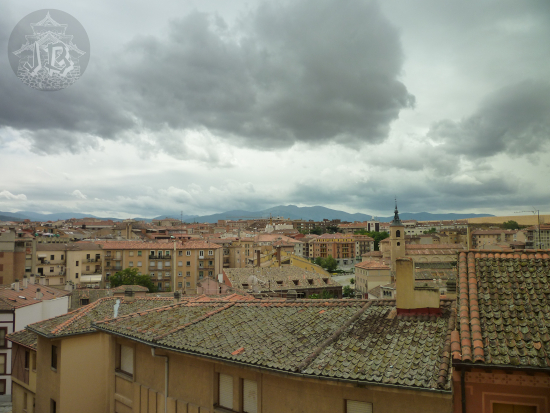
We somehow ended having these nice views of the rooftops of the city, too.

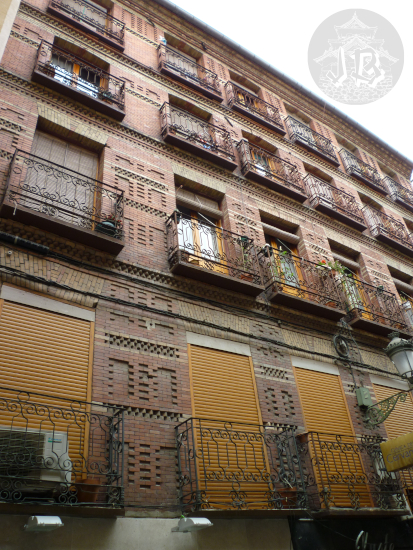
And passed by a very interesting house.

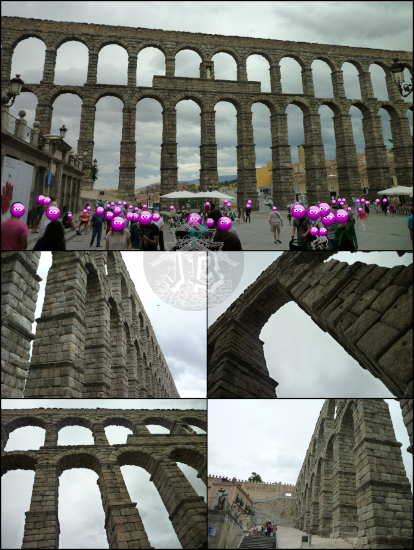
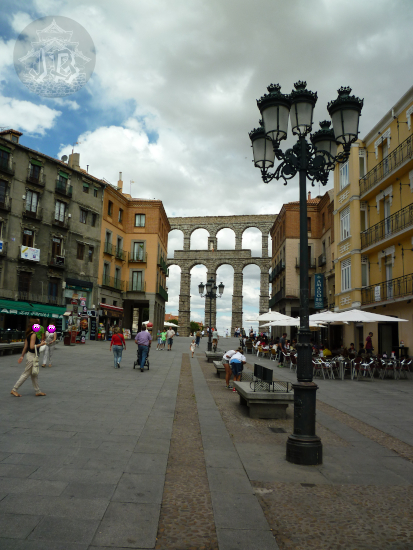
We finally got to the main event, the Aqueducto, the aqueduct. An aqueduct is a “water bridge”, a construction designed to carry water from one side of a valley or a ravine to the other. The Aqueducto was built by the Romans in the late first or early second century. It once transported water from the Frio River into the city, and it ran for a whooping 15 kilometres. It is one of the best preserved aqueducts in the world, as it was reconstructed several times through history, and it was working to get water to the city up to the 19th century.

We passed by the Casa de Ejercicios del Seminario one of the buildings of the Seminary.

We reached the Main Square, the Plaza Mayor again.

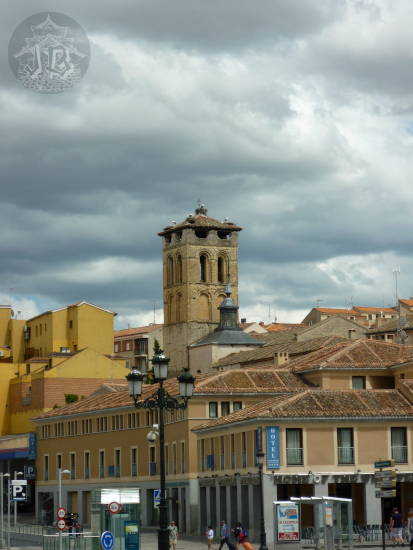
And saw the Romanesque Iglesia de San Andrés, St Andrew’s church, with a particularly nice bell tower.

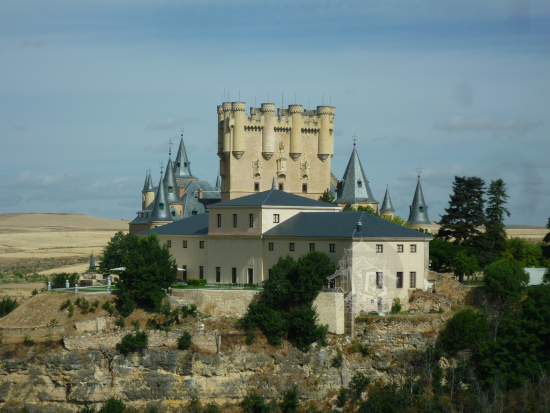
After this we decided to take a break and have the typical pork meat lunch. Then we moved on towards the Alcázar. An alcázar is a type of castle or fortress built during the Muslim rule in Spain and Portugal. The Alcázar of Segovia has been through several redesigns and renovations, but it is a pretty impressive building. The current form was reached during the reign of King Alfonso VIII, so it dates from the 13th century, but it was retweaked by several kings and queens after that. It was the royal residency until the Spanish court moved to Madrid in 1561.

On the way we could see some views and the Iglesia de la Vera Cruz, the True Cross Church.

The Alcázar is quite an impressive building, in Herrerian style, with impressive towers. Part of it is a history museum the other part is a military museum.

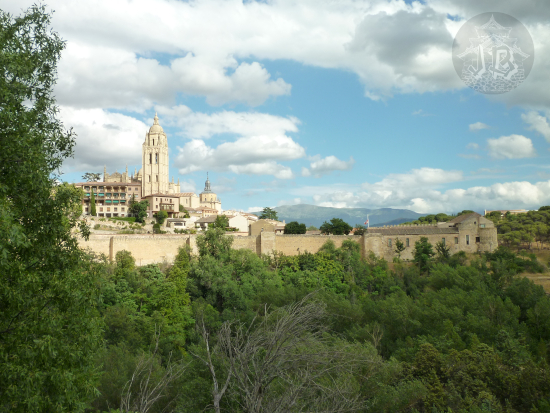
It also offers nice views of the cathedral from the other side.

We walked back to the city centre and along the aqueduct again.

This trip was in July, and scorching hot back home, so we had not considered much of a temperature change. Unfortunately, Segovia in the late afternoon became more than chilly and we had to walk into a random shop to buy a thin jacket, then headed off to the Plaza Mayor.

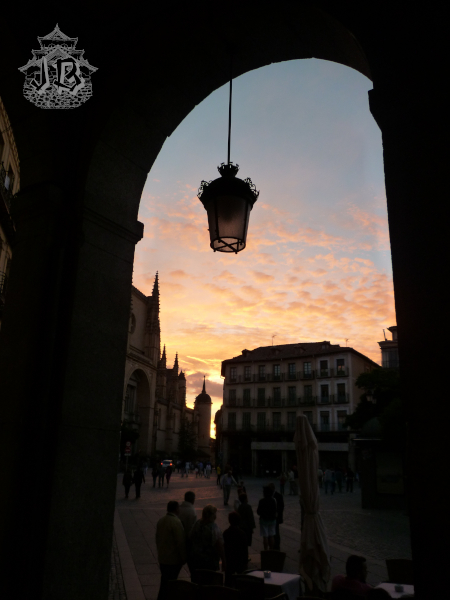
Funnily, when we were having dinner there, someone warned us that the shop assistant had left the alarm tag on my jacket! That was amusing. We called it a day heading off to the hotel, and being duly impressed by the illumination put in place for the cathedral.

28th July 2013: Churches while the city sleeps

On Sunday morning, most everything was closed, so we took a strolling tor if the Medieval area, and saw a bunch of churches from the tenth and eleventh centuries:

Iglesia de la Trinidad (Trinity Church).

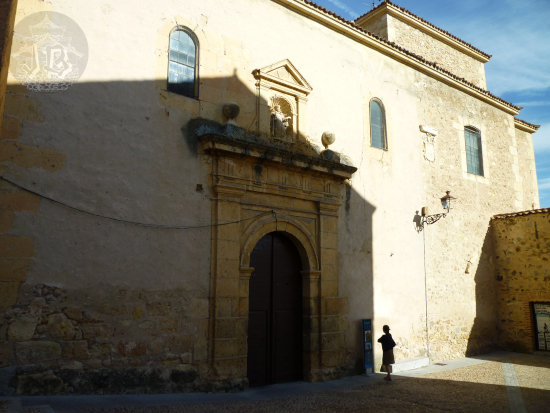
Convento de las Carmelitas Descalzas (Barefoot Carmelite Monastery).

Iglesia de San Nicolas (St. Nicholas’ Church)

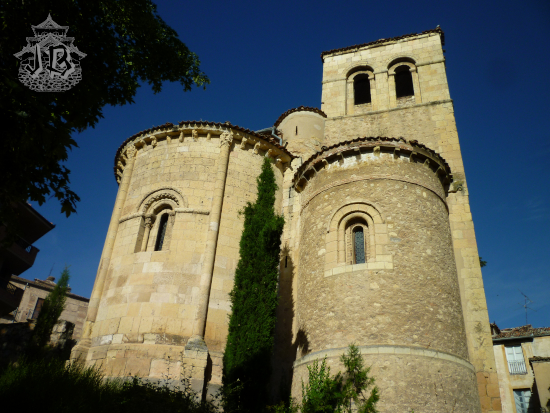
Iglesia de San Quirce (St. Quirce’s Church)

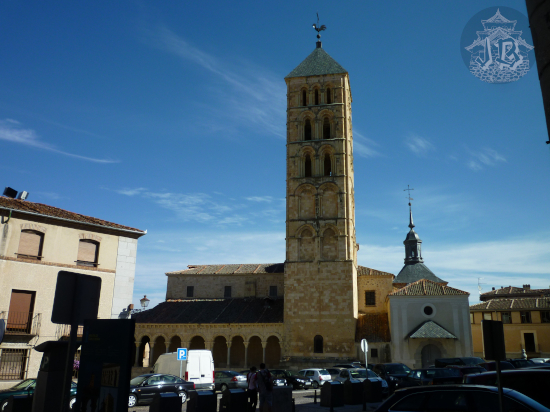
Iglesia de San Esteban (St. Stephen’s Church)

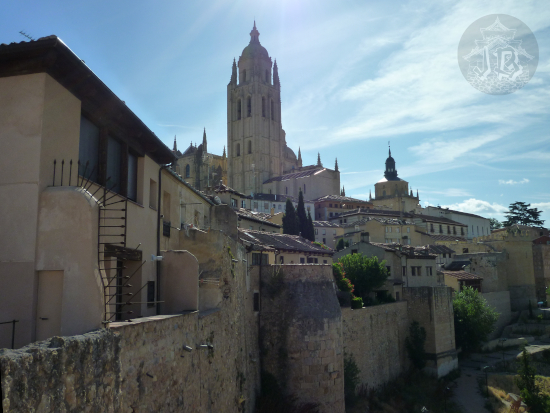
We also had yet a different view of the Cathedral.

And we could see the Alcázar in all its glory.

Then we returned to the city centre, where we caught a glimpse of the Iglesia de los Santos Justo y Pastor (St. Just and St. Pastor’s Church).

We had lunch and said one last good-bye to the Aqueduct before we headed back to the train station.

29th May – 2nd June 2013: San Juan & Alicante (Spain)

San Juan de Alicante is a small village in the east of Spain. It does not really have much by my parents use it as a base for my father’s diving trips. I sometimes tag along. We usually drive there and believe it or not, I found the Windows XP background.

We usually stay in something akin to a resort that is not stupidly expensive because it is not close to the beach. It has a big garden and a swimming pool and it is generally quiet, especially when it’s not school-holiday period.

On the 30th we went to have dinner near Playa de San Juan, the town’s beach, and we were treated to a pretty sunset.

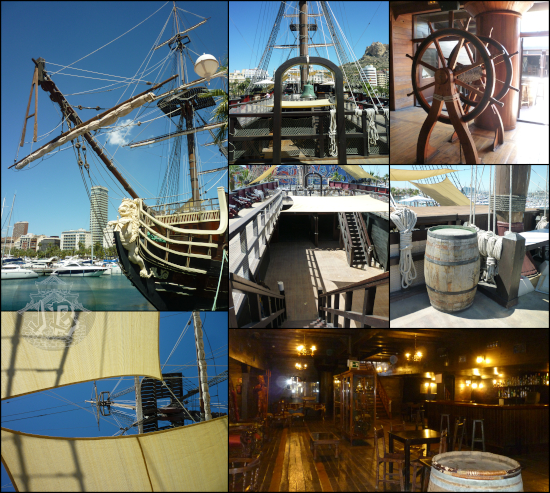
There is not much more to do there, so on the 31st we went to Alicante, to visit the Santísima Trinidad, Holy Trinity vessel, which was anchored at the harbour. The original Santísima Trinidad was a galleon built in Cuba in 1769. It had three decks, but a fourth was added during a later restoration after it was severely damaged in 1797. In 1803 it was put in action again with 140 cannon guns. On the 21st of October 1805, the ship took place in the Battle of Trafalgar against the English, and it was eventually made prisoner and sunk with all the wounded and defeated soldiers on board. The galleon moored in Alicante is a replica, which dubs as café and restaurant, of the three-dock Holy Trinity.

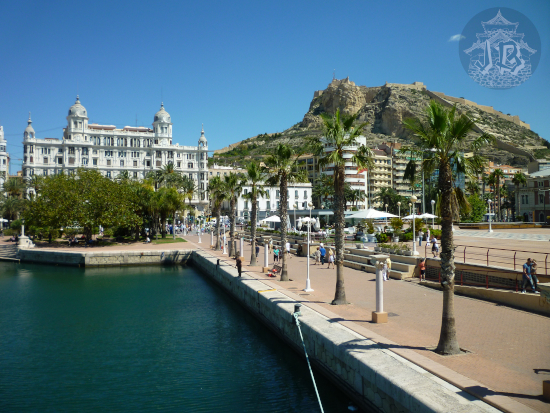
The ship also offers some nice views of the city of Alicante and the Castillo de Santa Bárbara (Santa Bárbara’s castle).

We walked around the Paseo Marítimo, Seaside Walk.

On the 1st we took a walk around San Juan (and I floated like a seal in the swimming pool).

Not an exciting trip but mostly a laid-back, relaxing weekend.

Flashback to 28th December 2010 – 2nd January 2011: New Year’s in London

  • Hyde Park
  • Piccadilly Circus
  • Sherlock Holmes Museum
  • London Eye
  • Houses of Parliament
  • Big Ben
  • River Thames
  • Tower Bridge
  • Tower of London
  • St Paul’s Cathedral
  • Globe Theatre
  • London Aquarium
  • British Museum
  • London Natural History Museum
  • Buckingham Palace

Note: This is a flashback post, which means it is just a collage regarding a trip I took before I started the blog in 2012. Tags may be incomplete or slightly off.