27th September 2013: Bunraku at Teatro Español (Madrid, Spain)

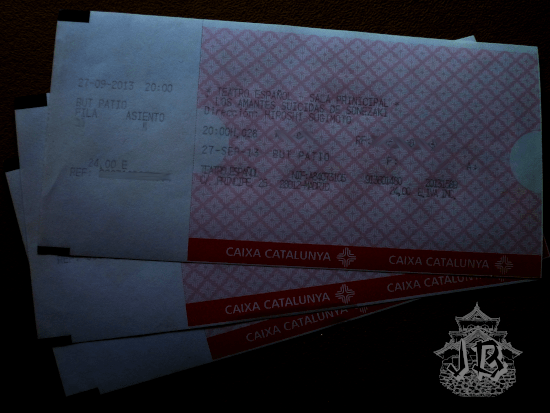
Oh, Gods, this was an odyssey. Seriously, can’t we just figure out print-at-home tickets? When the announcement for the event came up, I got tickets. I actually called my parents to ask them if they wanted to tag along, and they said yes, so I bought three tickets. There were only two performances, and the tickets were selling out fast.

Let me start at the beginning – the announcement involved the Sugimoto Bunraku 2013 European Tour. Bunraku [文楽] is a type of Japanese theatre that uses puppets to perform about serious topics, mostly classic dramas (as far as I know). The puppets are dressed in amazing costumes and manoeuvred by artists dressed in black as if to become invisible. Sugimoto’s company is collaborating with The Japan Foundation to show this art to the world, in this case holding a European tour with the play.

Anyway, back to track: I bought the tickets, and the next step was actually getting them. I had to go to a cashpoint to get them printed (because, again, print at home? It seems to be for lesser beings), which was not easy as I was living in a small town at that point. On top of that, I got the wrong bank cashpoint at first (≧▽≦). Sometimes excitement gets the best of me, but in my defence a) I did not even know the actual bank existed and b) the mistaken bank had a similar name. And on top of that… in the end my parents decided not to come at all! In the end I gave the tickets to my cousin and her kid, who were curious about the whole thing.

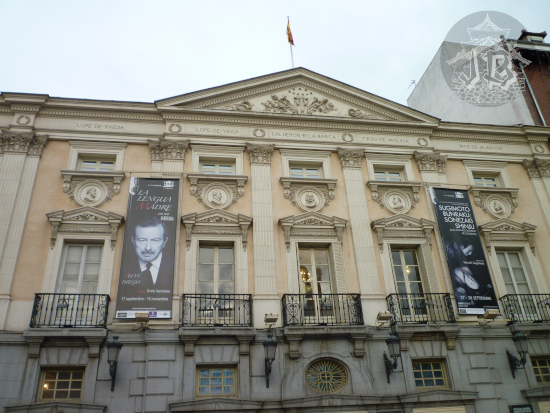
We met up in Madrid, in front of the theatre Teatro Español, where the event took place, and it was interesting to see how the whole thing was sold out. The work that was performed is called Sonezaki Shinjū, which translates to The Suicidal Lovers of Sonezaki, or the Love Suicides of Sonezaki, written by Chikamatsu Monzaemon in the early 1700s. It tells the love story of a poor merchant and a courtesan. When the merchant is set to marry off another woman, tragedy ensues until the two of them decide to die together in the forests of Sonezaki Shrine. I’ve actually got myself the book (well, my cousin insisted on getting it for me as thanks for the tickets) to read, as there were no subtitles on the play, just a summary brochure.

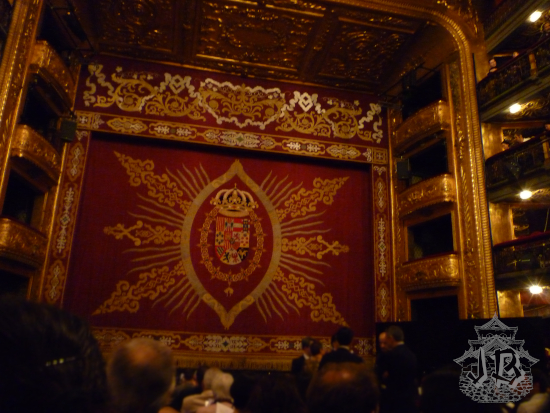
Even though I’m no fan of the whole romantic drama thing, I have to admit that the music and the puppets made the whole thing eerily captivating. Aside from the puppeteers, the key figure in the play were the musicians and the narrator, which explained (in Japanese) and narrated the play. The way the puppets are dressed, the shamisen and koto music, and the way you see the puppeteers and yet not see them is super cool. Unfortunately, no pictures allowed that I can show you.

Afterwards, we met up with my cousin’s husband (I did try to get a ticket for him, but it was too late already) and we… had McDonald’s, because that’s what we do when he hang out.

27th & 28th July 2013: Segovia (Spain)

27th July 2013: Echoes of a Roman Past

We took the train early on Saturday and arrived in Segovia in mid-morning. Segovia is a Spanish city of the Inner Plateau, located in the autonomous community of Castilla León. It has gained fame because of its many monuments and landmarks, the main being the Roma aqueduct in almost perfect condition, the cathedral and the castle (which may have served to inspire certain mouse-company for the Cinderella Castle). The city centre has been a world Heritage site from 1985 and the aqueduct received the title of International Historic Civil Engineering Landmark in 1999.
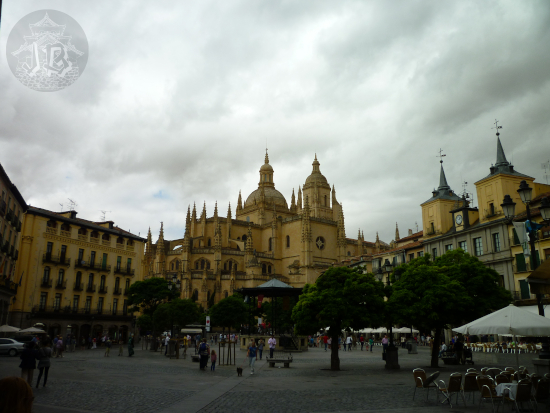
We checked into the hotel, which was dead in the centre of the Main Square and then we visited the Catedral de la Virgen María, the cathedral. The building was constructed between 1525 and 1577 in a late Gothic style that had already phased out in the rest of Europe. We saw the cloister, the chapels and the apse.

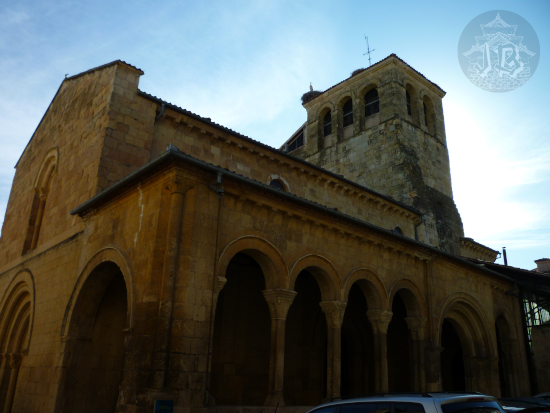
Then we moved onto the Iglesia de San Martín, St Martin’s church, built in the 12th century in the Romanesque style, with a Romanesque-Mudejar tower bell.

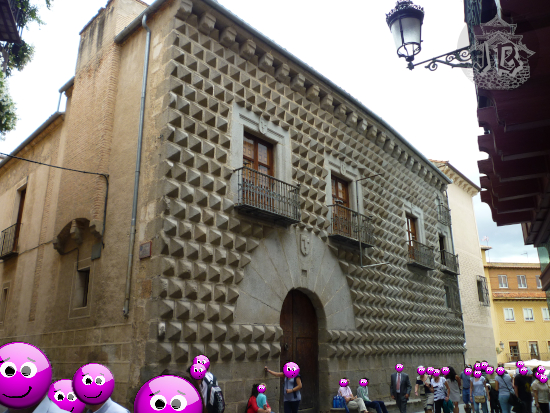
We then took a walk around the city centre, and we came across the Palacio de Cascales, a 15th century palace that belonged to the Alpuente Count.

We passed by the Casa de los Picos, the “House of Peaks”, also built in the 15th century.
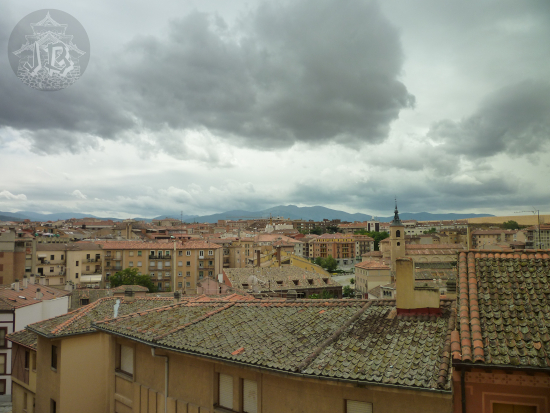
We somehow ended having these nice views of the rooftops of the city, too.
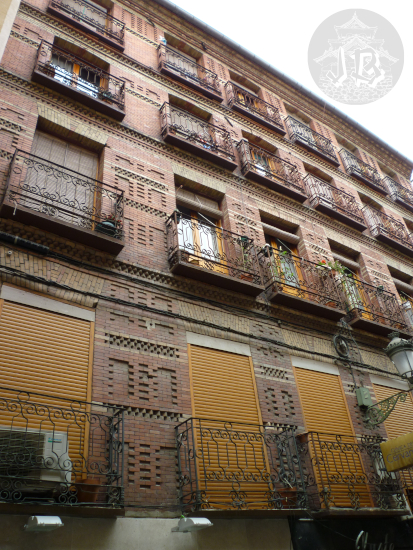
And passed by a very interesting house.
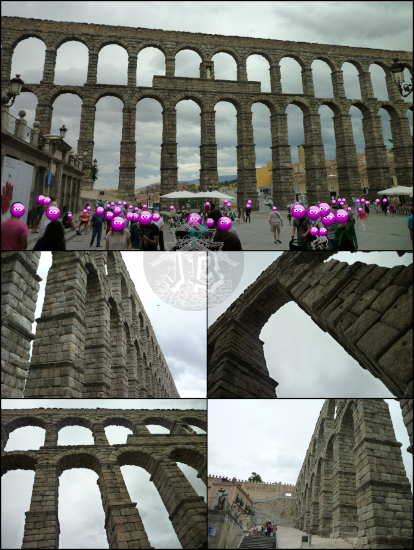
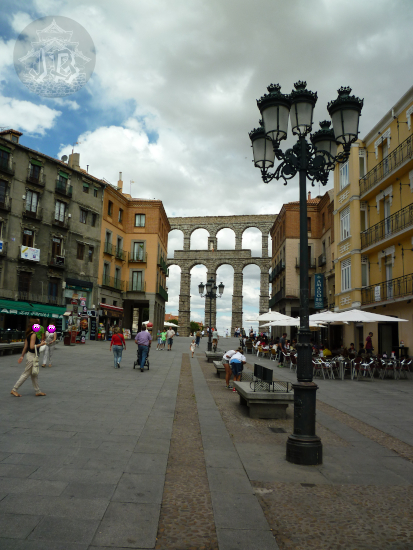
We finally got to the main event, the Aqueducto, the aqueduct. An aqueduct is a “water bridge”, a construction designed to carry water from one side of a valley or a ravine to the other. The Aqueducto was built by the Romans in the late first or early second century. It once transported water from the Frio River into the city, and it ran for a whooping 15 kilometres. It is one of the best preserved aqueducts in the world, as it was reconstructed several times through history, and it was working to get water to the city up to the 19th century.
We passed by the Casa de Ejercicios del Seminario one of the buildings of the Seminary.

We reached the Main Square, the Plaza Mayor again.
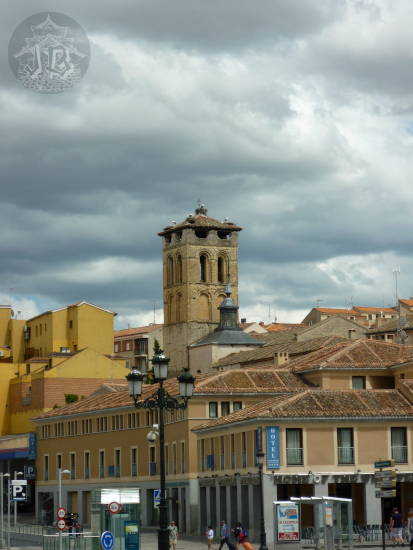
And saw the Romanesque Iglesia de San Andrés, St Andrew’s church, with a particularly nice bell tower.

After this we decided to take a break and have the typical pork meat lunch. Then we moved on towards the Alcázar. An alcázar is a type of castle or fortress built during the Muslim rule in Spain and Portugal. The Alcázar of Segovia has been through several redesigns and renovations, but it is a pretty impressive building. The current form was reached during the reign of King Alfonso VIII, so it dates from the 13th century, but it was retweaked by several kings and queens after that. It was the royal residency until the Spanish court moved to Madrid in 1561.

On the way we could see some views and the Iglesia de la Vera Cruz, the True Cross Church.

The Alcázar is quite an impressive building, in Herrerian style, with impressive towers. Part of it is a history museum the other part is a military museum.

It also offers nice views of the cathedral from the other side.
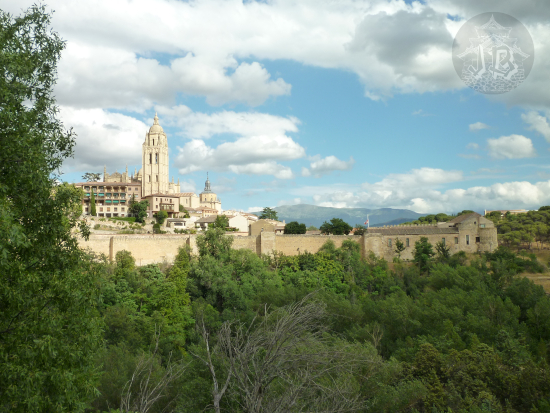
We walked back to the city centre and along the aqueduct again.

This trip was in July, and scorching hot back home, so we had not considered much of a temperature change. Unfortunately, Segovia in the late afternoon became more than chilly and we had to walk into a random shop to buy a thin jacket, then headed off to the Plaza Mayor.
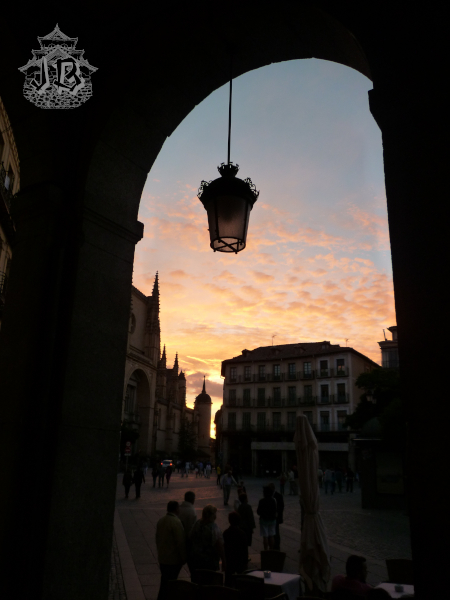
Funnily, when we were having dinner there, someone warned us that the shop assistant had left the alarm tag on my jacket! That was amusing. We called it a day heading off to the hotel, and being duly impressed by the illumination put in place for the cathedral.

28th July 2013: Churches while the city sleeps

On Sunday morning, most everything was closed, so we took a strolling tor if the Medieval area, and saw a bunch of churches from the tenth and eleventh centuries:

Iglesia de la Trinidad (Trinity Church).
Convento de las Carmelitas Descalzas (Barefoot Carmelite Monastery).
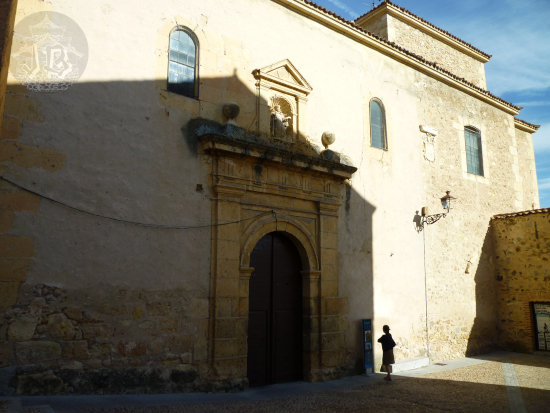
Iglesia de San Nicolas (St. Nicholas’ Church)
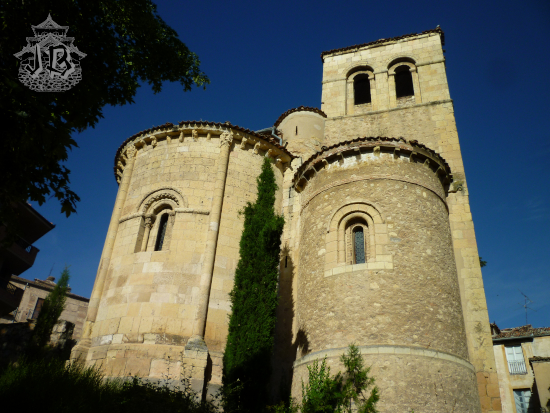
Iglesia de San Quirce (St. Quirce’s Church)

Iglesia de San Esteban (St. Stephen’s Church)
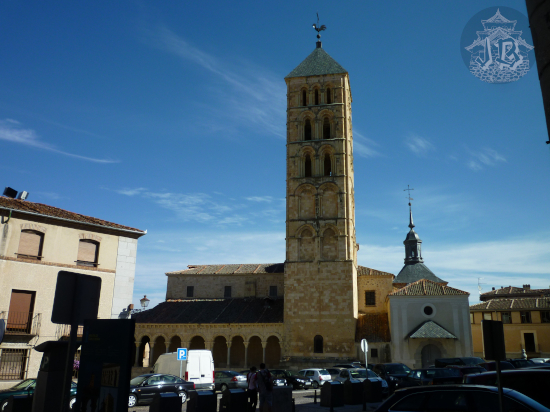
We also had yet a different view of the Cathedral.
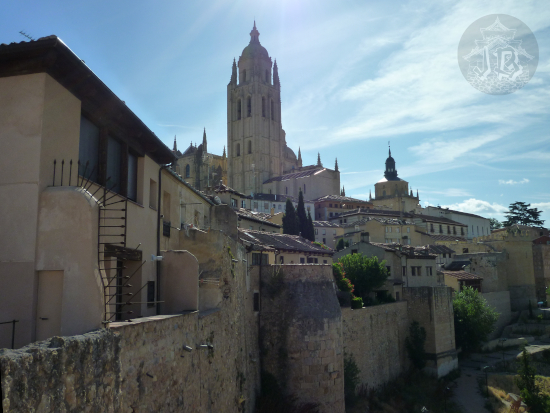
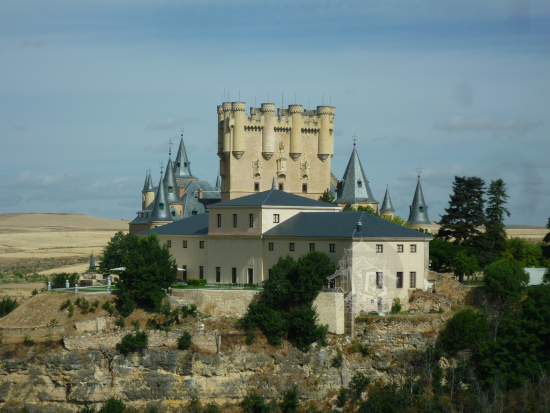
And we could see the Alcázar in all its glory.
Then we returned to the city centre, where we caught a glimpse of the Iglesia de los Santos Justo y Pastor (St. Just and St. Pastor’s Church).
We had lunch and said one last good-bye to the Aqueduct before we headed back to the train station.

15th June 2013: Maratón de los cuentos de Guadalajara (Spain)

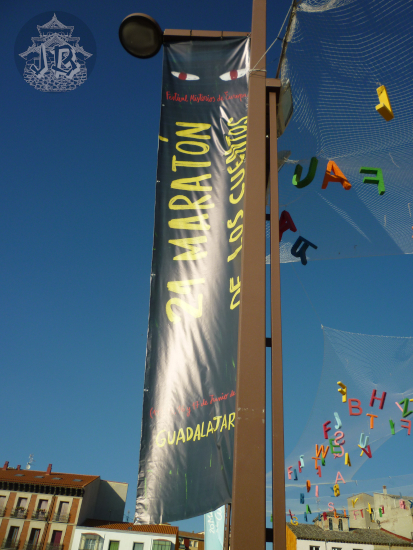
The Maratón de los cuentos de Guadalajara, Storytelling Marathon of Guadalajara, is an annual event that has been taking place in the town since 1992. During a weekend, Friday to Sunday, in June, stories are told non-stop. For a couple of days the town becomes alive with the idea of telling stories, is decorated and so on.

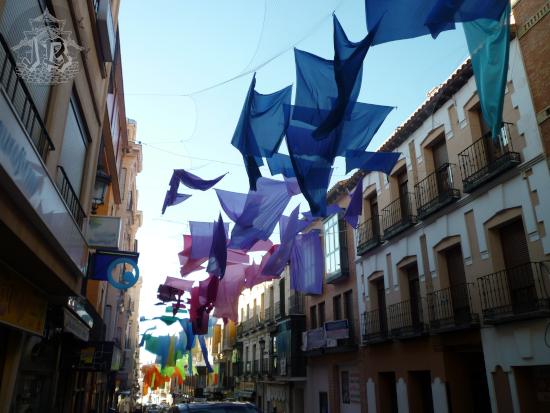
I decided to attend the marathon and listen to a few stories. I walked down Main Street, which had been adorned with flags and hanging letters.

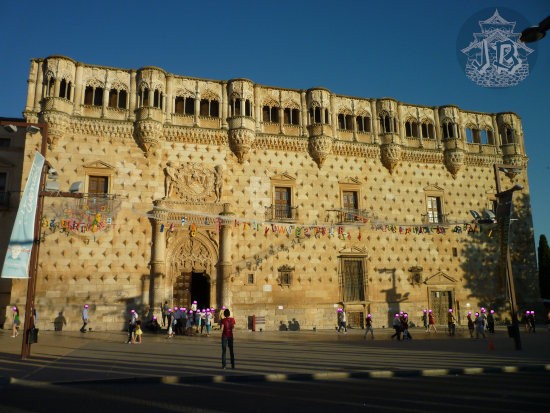
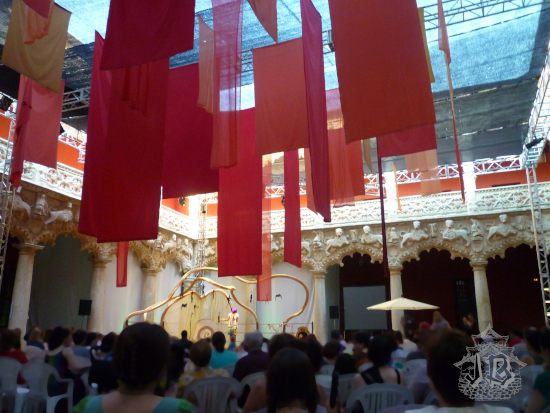
The marathon was carried out in the Palacio del Infantado, a Gothic palace that belonged to the Infantado Dukes. The most important feature, the façade, was completed in 1483. Both the Palace, the gardens, and the patio were also decorated for the event.

After a walk around I sat down to listen to a few stories inside the Palace, before I headed back home.

29th May – 2nd June 2013: San Juan & Alicante (Spain)

San Juan de Alicante is a small village in the east of Spain. It does not really have much by my parents use it as a base for my father’s diving trips. I sometimes tag along. We usually drive there and believe it or not, I found the Windows XP background.
We usually stay in something akin to a resort that is not stupidly expensive because it is not close to the beach. It has a big garden and a swimming pool and it is generally quiet, especially when it’s not school-holiday period.

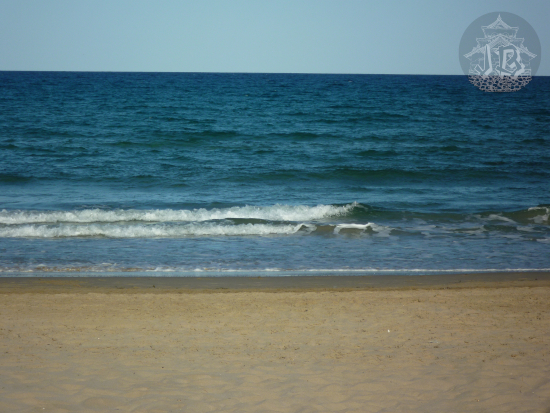
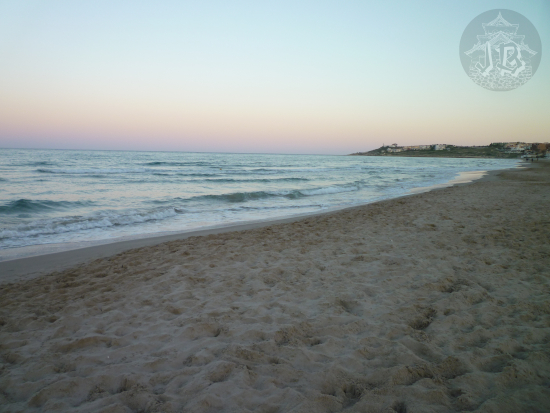
On the 30th we went to have dinner near Playa de San Juan, the town’s beach, and we were treated to a pretty sunset.

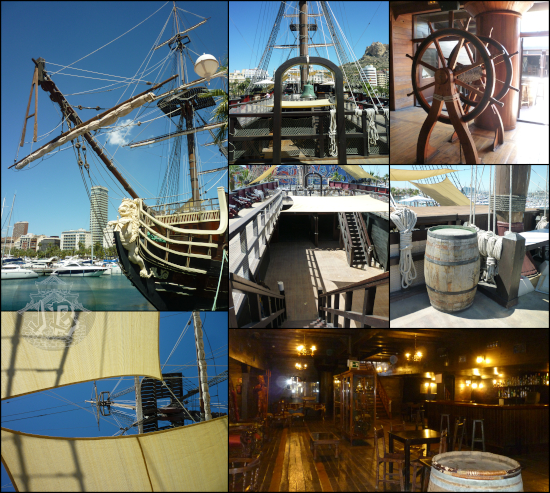
There is not much more to do there, so on the 31st we went to Alicante, to visit the Santísima Trinidad, Holy Trinity vessel, which was anchored at the harbour. The original Santísima Trinidad was a galleon built in Cuba in 1769. It had three decks, but a fourth was added during a later restoration after it was severely damaged in 1797. In 1803 it was put in action again with 140 cannon guns. On the 21st of October 1805, the ship took place in the Battle of Trafalgar against the English, and it was eventually made prisoner and sunk with all the wounded and defeated soldiers on board. The galleon moored in Alicante is a replica, which dubs as café and restaurant, of the three-dock Holy Trinity.

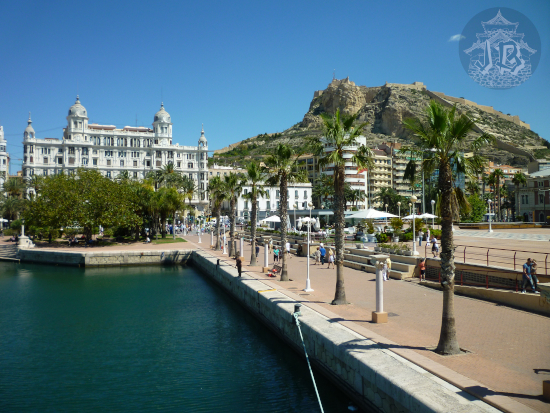
The ship also offers some nice views of the city of Alicante and the Castillo de Santa Bárbara (Santa Bárbara’s castle).

We walked around the Paseo Marítimo, Seaside Walk.

On the 1st we took a walk around San Juan (and I floated like a seal in the swimming pool).

Not an exciting trip but mostly a laid-back, relaxing weekend.

7th May 2013: The inner works of the Geomineral Museum in Madrid (Spain)

Due to work reasons I ended up in the Museo Geominero, the Geomineral Museum, in Madrid. The Museo Geominero is a rather anachronical place – it displays a great mineral and fossil-replica collection in an early 20th-century building. The inner area is used for research and hides all the high tech. However, they work with really old and cool geological elements.

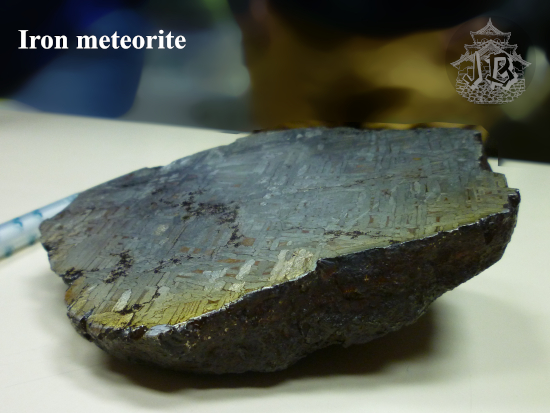
This was the firs time in my life I ever held a meteorite – just imagine, this thing floated around space, and I got to hold it. It was heavier than I would have ever imagined. You can see the zig-zags on the surface, those are magnetic markings because the main component of this space rock is iron.

There was a session going on about identifying fossils, and this is what I came up with:

Out of the bunch, I also got to play with the ammonite…

… counted the corals…

… and I petted the trilobite…

As you can see, I snuck quite a few pictures. It did not work so well during the museum walkthrough, so I guess I will just have to come back for the main exhibit some other time (≧▽≦).

14th April 2013: Brihuega (Spain)

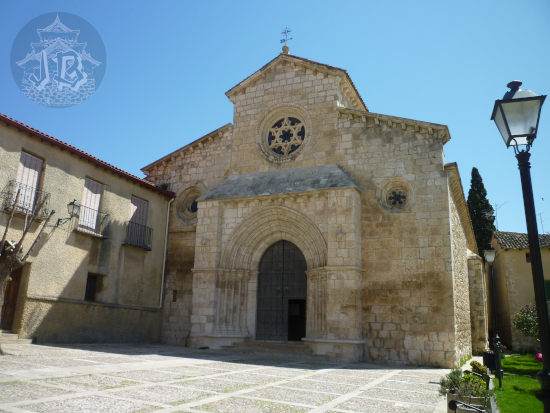
Brihuega is a little town in the centre of Spain. It is considered a historical site in 1973 due to its Medieval buildings. In this little getaway we got to visit the Iglesia de San Felipe, St. Philip’s Church, which dates back from the 13th Century.

We also saw the Parque del Molinillo, which roughly translates to “The small mill park”…

9th January 2013: Inside the Zoology Lab in the University of Alcalá de Henares (Spain)

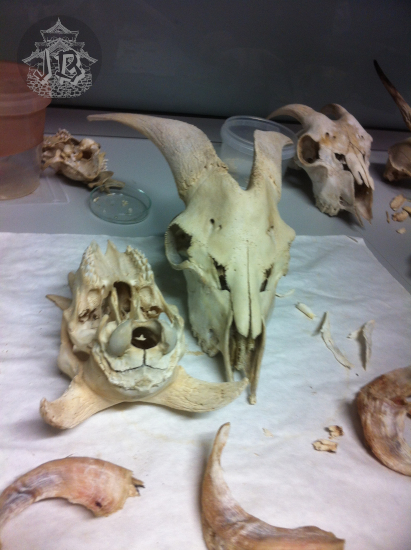
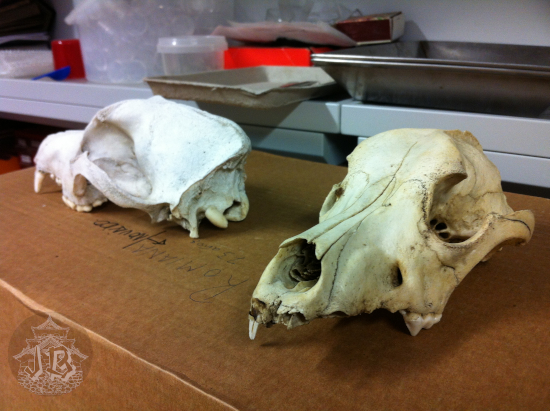
The biology building in the University of Alcalá de Henares has a small collection of Zoology and Anthropology specimens. For a number of reasons, I was invited to see it, even if it is usually only opened to researchers. Taking pictures in the Gallery Collection was not allowed, but it was all right in the laboratory where they prepare and preserve the bones. Or I was sneaky. Take your pick ☆⌒(ゝ。∂)

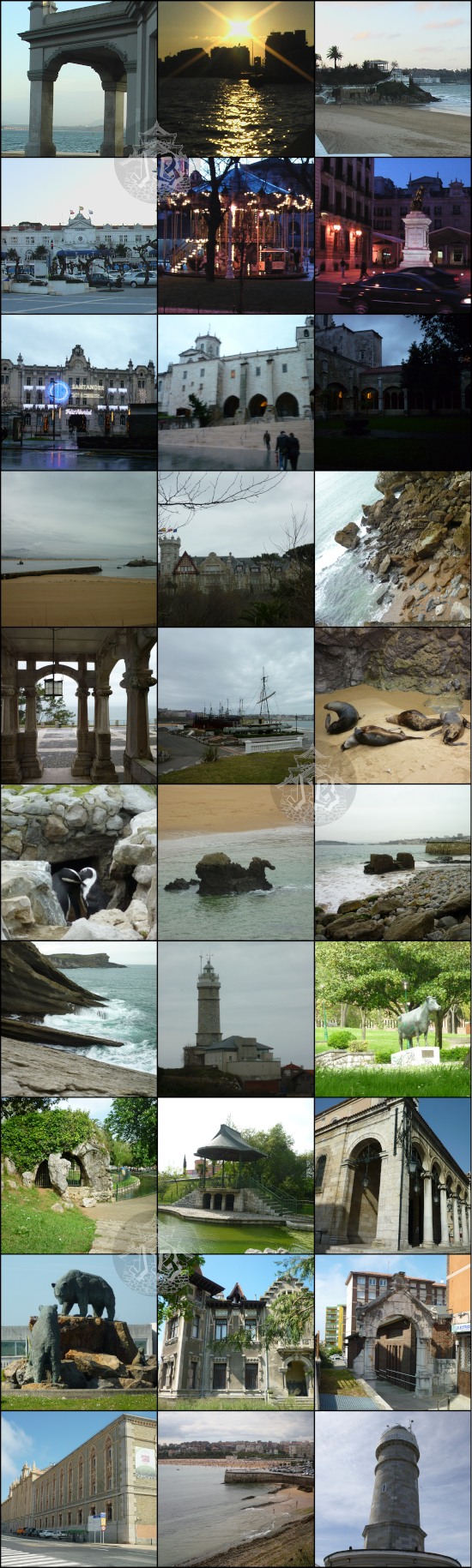
Flashback to a bunch of walk-arounds and visits in Santander (Spain) 2008 – 2011

I’ve realised I’m very bad at exploring (or at least documenting) areas close to where I live…

  • Palacete del Embarcadero (Small Palace at the Quay)
  • Bahía de Santander (Santander Bay)
  • Parque y Playa de Piquío (Piquío Park and Beach)
  • Casino de Santander (Santander Casino)
  • Parque de Las Cachavas (Cachavas Park )
  • Plaza Porticada (Plaza Pedro Velarde) (Square of the Arcs)
  • Ayuntamiento de Santander (Santander Townhall)
  • Catedral de Nuestra Señora de la Asunción de Santander (Cathedral Basilica of the Assumption of the Virgin Mary)
  • Playa del Camello (Beach of the Camel)
  • Palacio de la Magdalena (Magdalena Palace)
  • Faro de Cabomayor (Cabomayor Lighthouse)
  • Parque de la Vaca (Park of the Cow)
  • Iglesia de Santa Lucía (Saint Lucy’s church)
  • Glorieta de los Osos (Bears’ roundabout)
  • Parroquia de San Juan Bautista (Saint John the Baptist’s church)
  • Colegio Salesianos (Salesianos School)

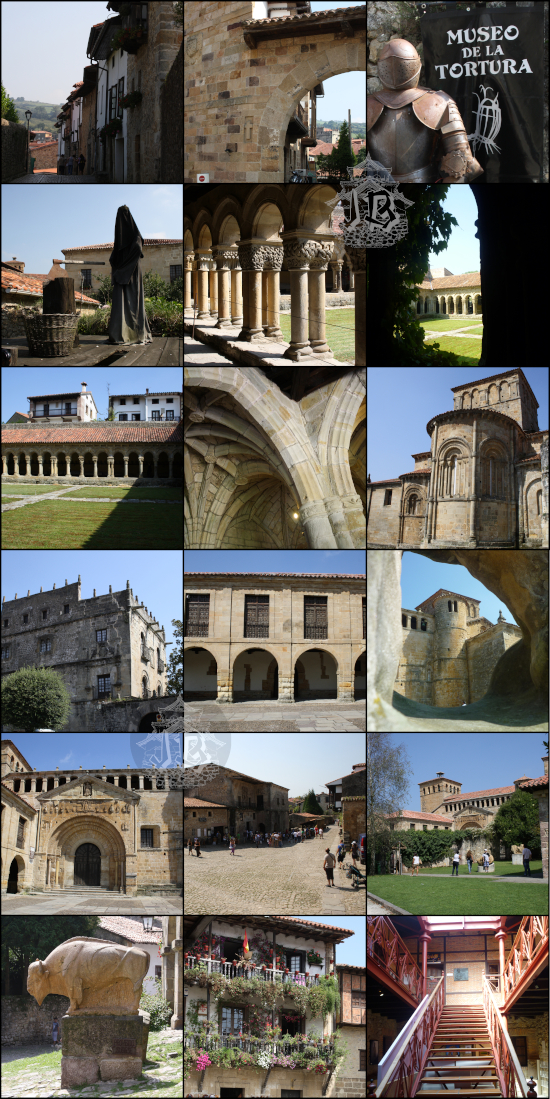
Flashback to 13th August 2011: Altamira & Santillana del Mar (Spain)

Altamira Caves Museum

Santillana del Mar

  • Museo de la Tortura (Torture Museum)
  • Plaza Mayor de Ramón y Pelayo (Main Square)
  • Iglesia de la Colegiata (Colegiate Church)

Note: This is a flashback post, which means it is just a collage regarding a trip I took before I started the blog in 2012. Tags may be incomplete or slightly off.

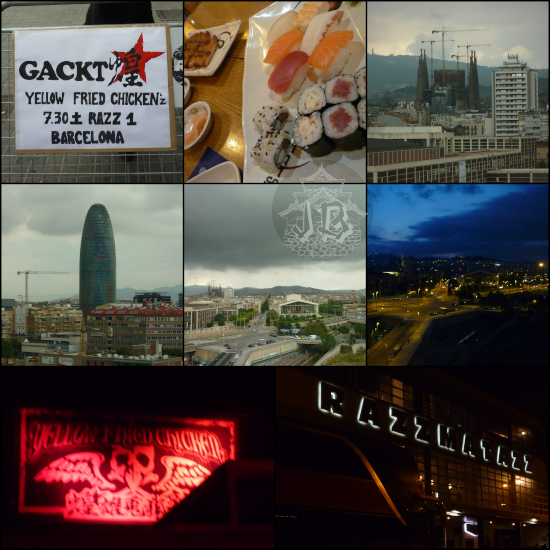
Flashback to 27th – 31st July 2011: Barcelona (Spain) for Gackt / Yellow Fried Chickenz

  • Basílica de la Sagrada Família (Church of the Holy Family)
  • Torre Glòries (Glory Tower)
  • Gackt / YFC concert.

Note: This is a flashback post, which means it is just a collage regarding a trip I took before I started the blog in 2012. Tags may be incomplete or slightly off.

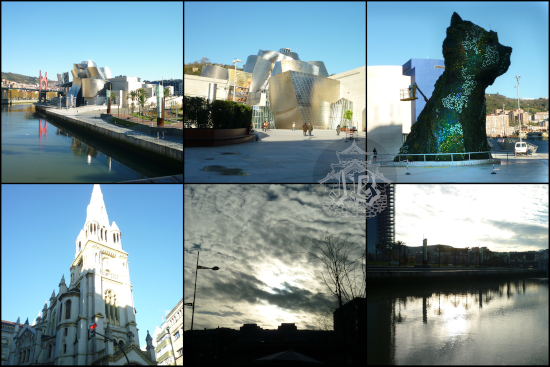
Flashback to 28th – 30th November 2010: Worktrip to San Sebastián and Bilbao (Spain)

San Sebastián

  • Playa de la Concha [Beach of “The Shell”]
  • Teatro Victoria Eugenia [Victoria Eugenia Theatre]
  • Iglesia de San Vicente [Saint Vincent’s Church]
  • Puente de Santa Catalina [Saint Catherine’s Bridge]
  • Plaza Mayor de San Sebastián [Main Square]

Bilbao

  • Guggenheim Bilbao Museoa [Guggenheim Museum Bilbao]
  • River and Estuary
  • Iglesia de San José [Saint Joseph’s Church]

Note: This is a flashback post, which means it is just a collage regarding a trip I took before I started the blog in 2012. Tags may be incomplete or slightly off.

Flashback to 15th – 18th September 2010: Valladolid get-away

  • Academia de Caballeria (Cavalry Academy)
  • Campo Grande (Gardens)
  • Museo de la Ciencia de Valladolid (Science Museum)
  • Museo Nacional de Escultura / Colegio de San Gregorio (National Sculpture Museum / St. Gregory’s school)
  • Museo Oriental de Valladolid (Museum of Eastern Art)
  • Palacio de Santa Cruz (Holy Cross Palace)
  • Puente Colgante de Valladolid (Hanging Bridge)
  • Universidad de Valladolid (University of Valladolid)

Note: This is a flashback post, which means it is just a collage regarding a trip I took before I started the blog in 2012. Tags may be incomplete or slightly off.

Flashback to 11th – 14th August 2010: Granada & the Alhambra

  • Catedral de la Encarnación de Granada (Cathedral of the Incarnation)
  • Alhambra de Granada (Granada Muslim fortress)
  • Jardines de la Alhambra (Fortress Gardens)

Note: This is a flashback post, which means it is just a collage regarding a trip I took before I started the blog in 2012. Tags may be incomplete or slightly off.

Flashback to 17th – 21st June 2010: First time in Barcelona (Spain), with the excuse of Gackt

  • Basílica de la Sagrada Família (Church of the Holy Family)
  • Catedral de la Santa Creu i Santa Eulàlia (Cathedral of The Holy Cross and St Eulalia)
  • Mercat St Josep (St. Joseph Market)
  • La casa de los paraguas or Casa Bruno Cuadros (House of Bruno Cuadros)
  • Museu de Cera Barcelona (Wax Museum)
  • Edificio de Aduanas (Customs Building)
  • Puerto de Barcelona (Barcelona Harbour)
  • Estatua de Colón (Colombus Statue)
  • Iglesia de Santa María del Mar (Church of St. Mary of the Seas)
  • Museo del Mamut (Mammoth Museum)
  • Arc de Triomf de Barcelona (Bartelona Triumphal Arc)
  • Parc Güel (Güel Park)
  • Montjuic
  • MNAC or Museu Nacional d’Art de Catalunya (Museum of Catalonian Art)
  • Poble Espanyol (Spanish Village)
  • Plaça d’Espanya & Torres Venecianes (Square of Spain & Venecian Towers)
  • Barrio Gótico (Gothic Quarters)
  • Gackt’s Are you Fried Chickenz concert.

Note: This is a flashback post, which means it is just a collage regarding a trip I took before I started the blog in 2012. Tags may be incomplete or slightly off.

Flashback to 28th December 2009: Comillas (Spain)

  • Cementerio de Comillas (Graveyard)
  • Capilla Panteón de los Marqueses de Comillas (Comillas Marchis’ Chapel and Pantheon)
  • Palacio de Sobrellano (Sobrellano Palace)

Note: This is a flashback post, which means it is just a collage regarding a trip I took before I started the blog in 2012. Tags may be incomplete or slightly off.

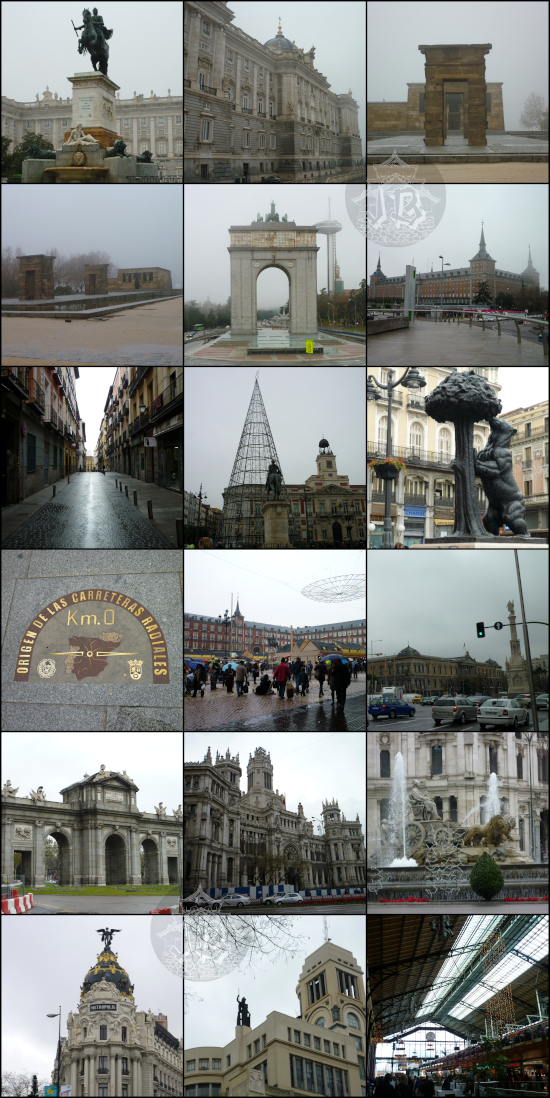
Flashback to 26th December 2009: Winterday in Madrid (Spain)

  • Palacio Real de Madrid (Royal Palace)
  • Templo de Debod (Egyptian Temple to Debod)
  • Arco de la Victoria (Victory Arc)
  • Palacio de la Moncloa (Palace of La Moncloa)
  • Puerta del Sol (Square Puerta del Sol)
  • Plaza Mayor de Madrid (Main Square)
  • Plaza de Colón (Columbus Square),
  • Puerta de Alcalá (Puerta de Alcalá Arc)
  • Edificio de Correos (Postal Building)
  • Fuente de la Cibeles (Cibeles Fountain)
  • Edificio Metrópolis (Metropolis Building)
  • Gran Vía de Madrid (Gran Vía Avenue)
  • Círculo de Bellas Artes (Fine Arts Club)
  • Estación de Príncipe Pío (Príncipe Pío Station)

Note: This is a flashback post, which means it is just a collage regarding a trip I took before I started the blog in 2012. Tags may be incomplete or slightly off.